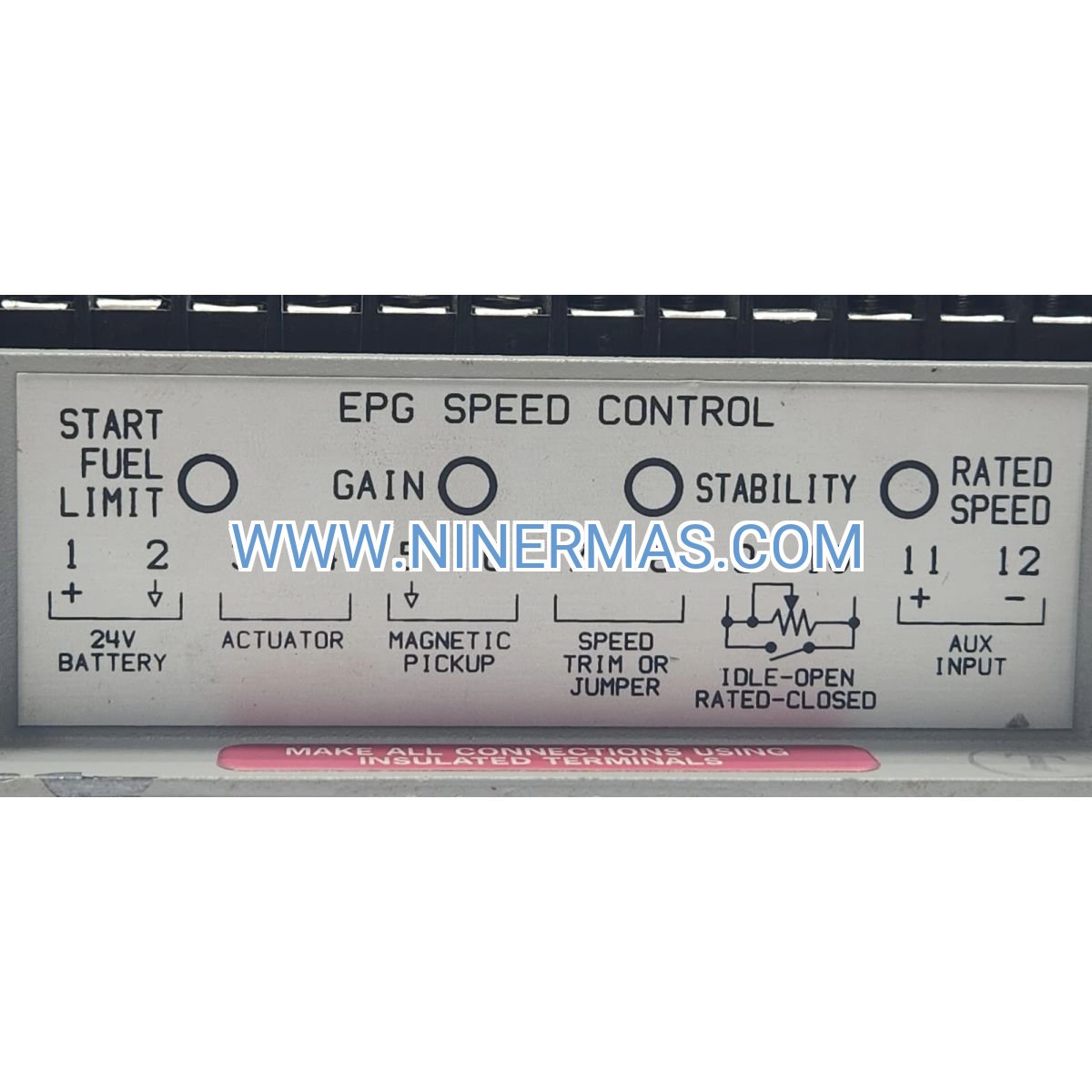
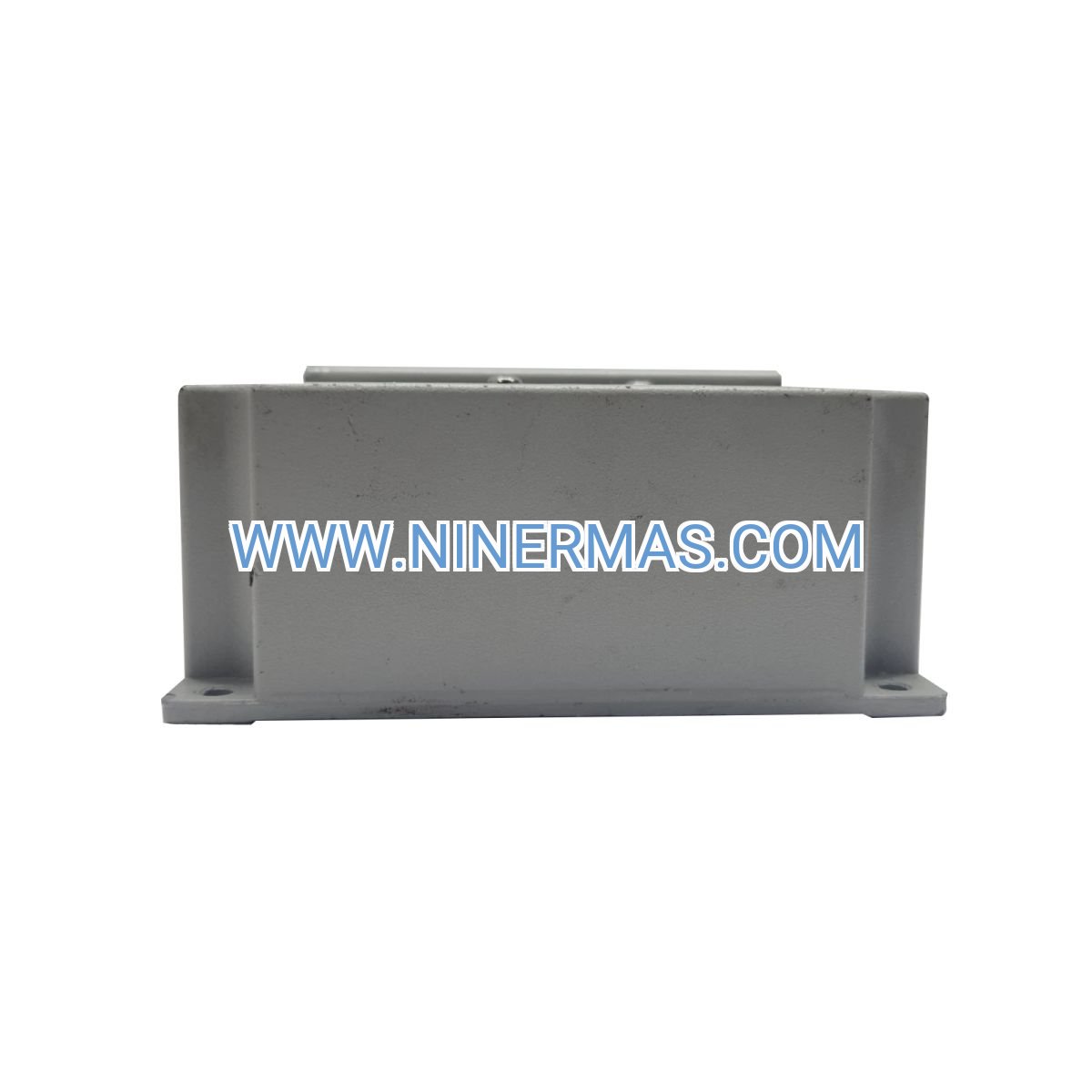
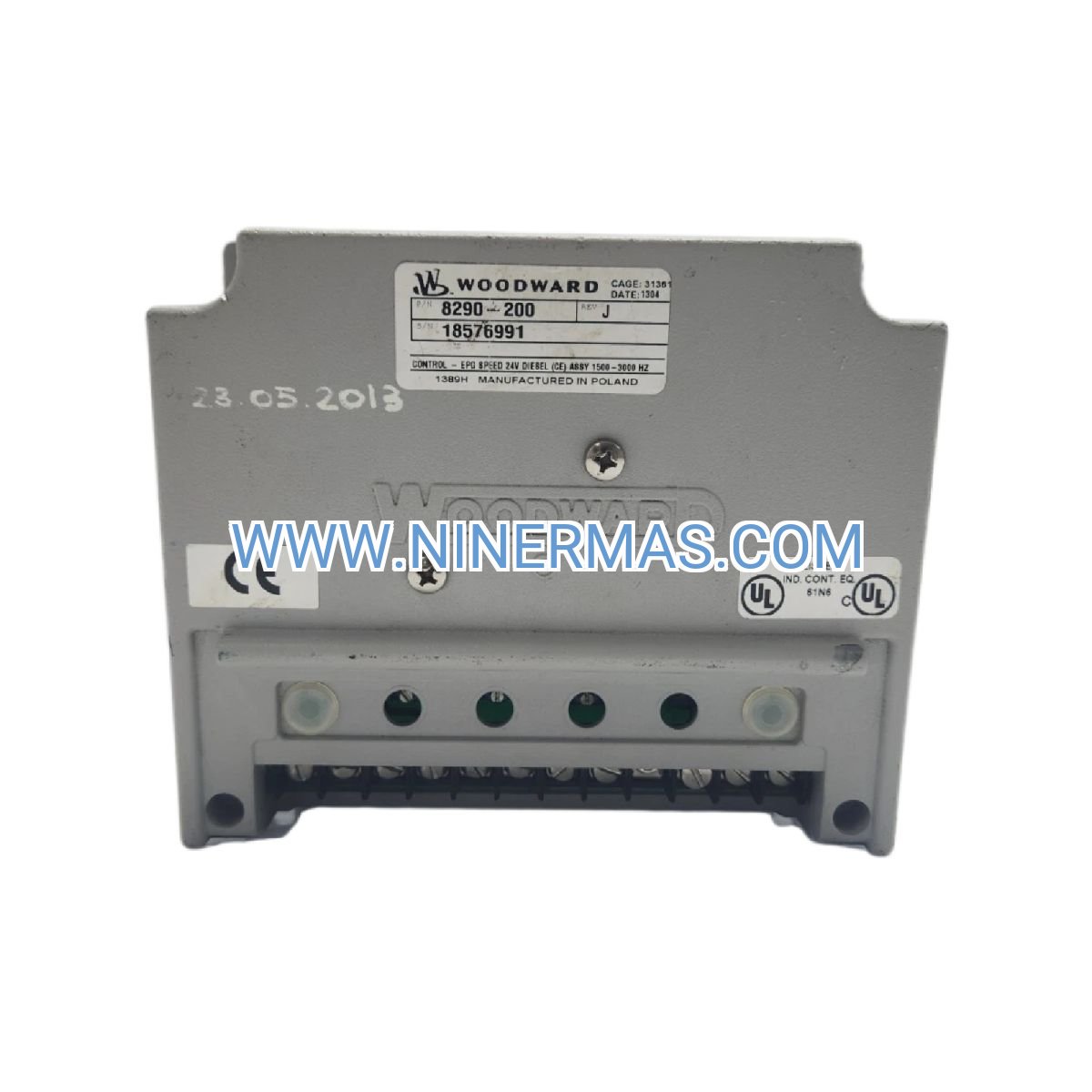
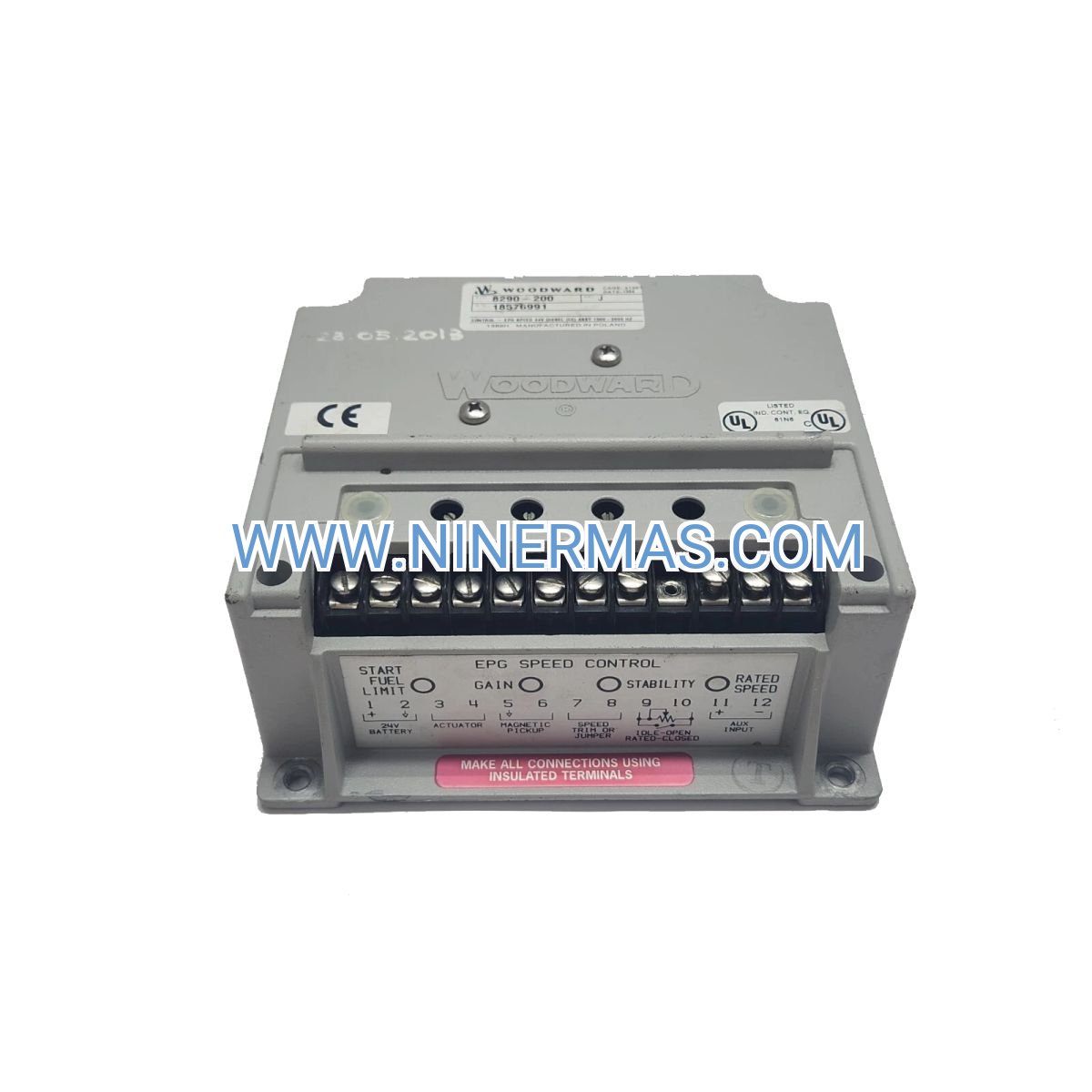
Description
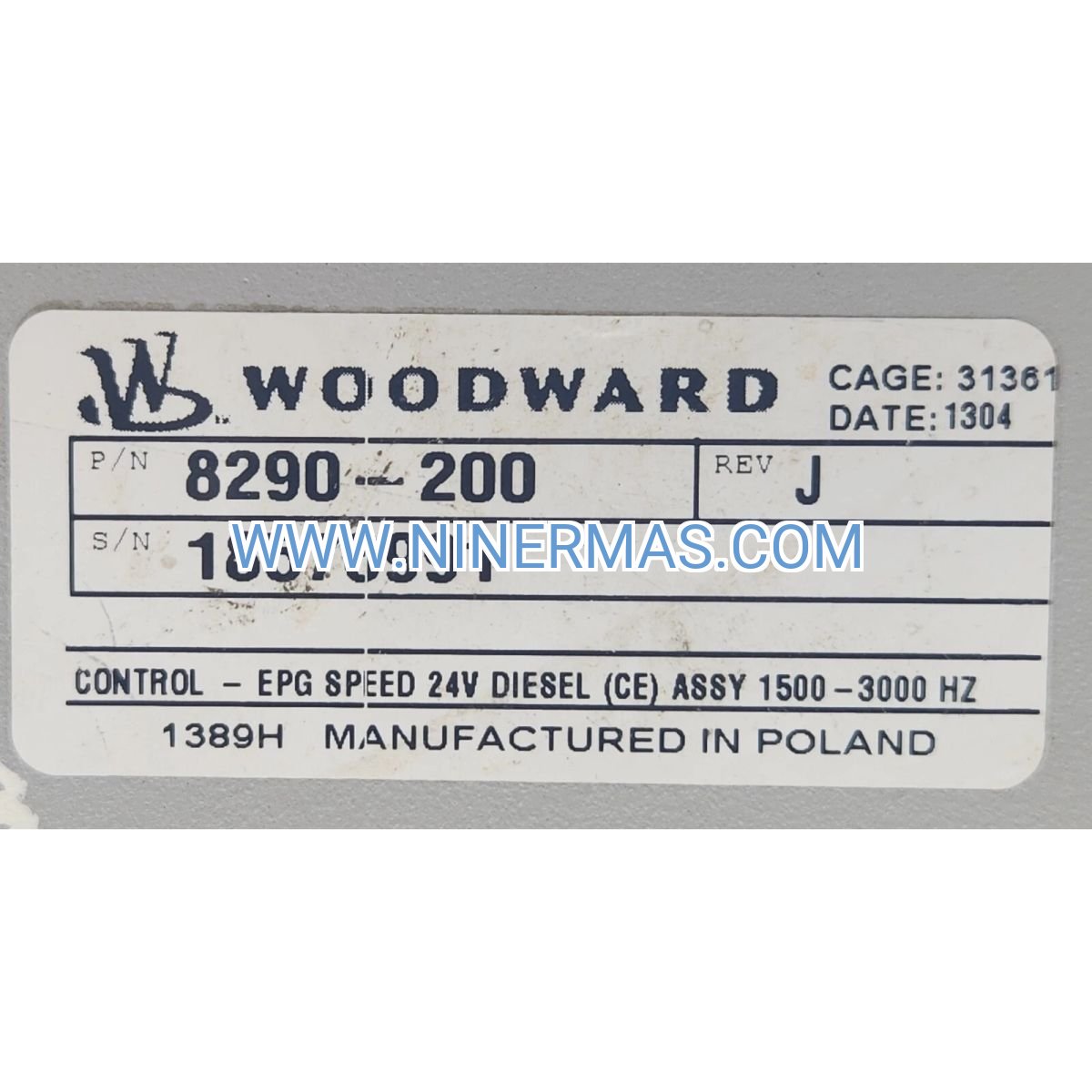
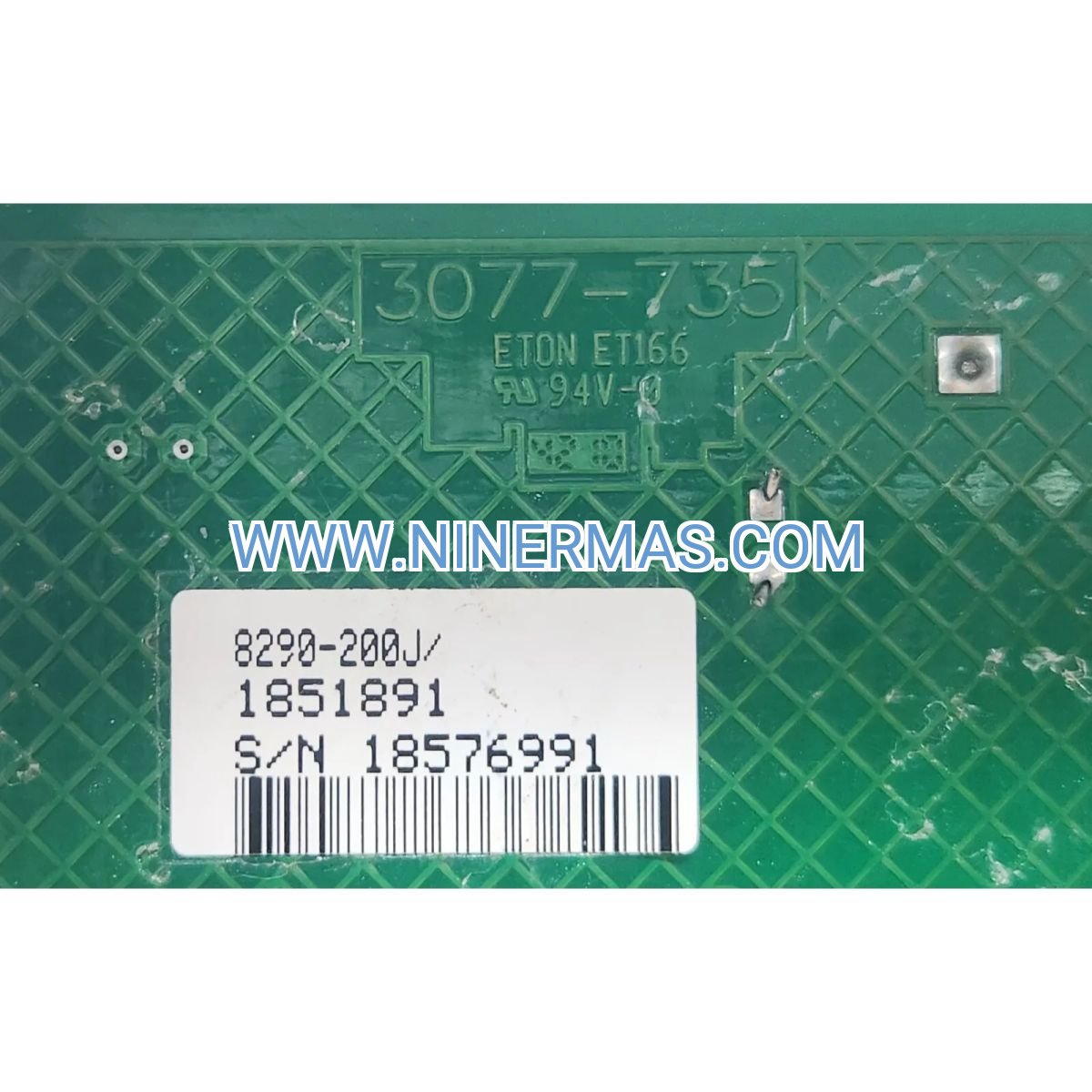
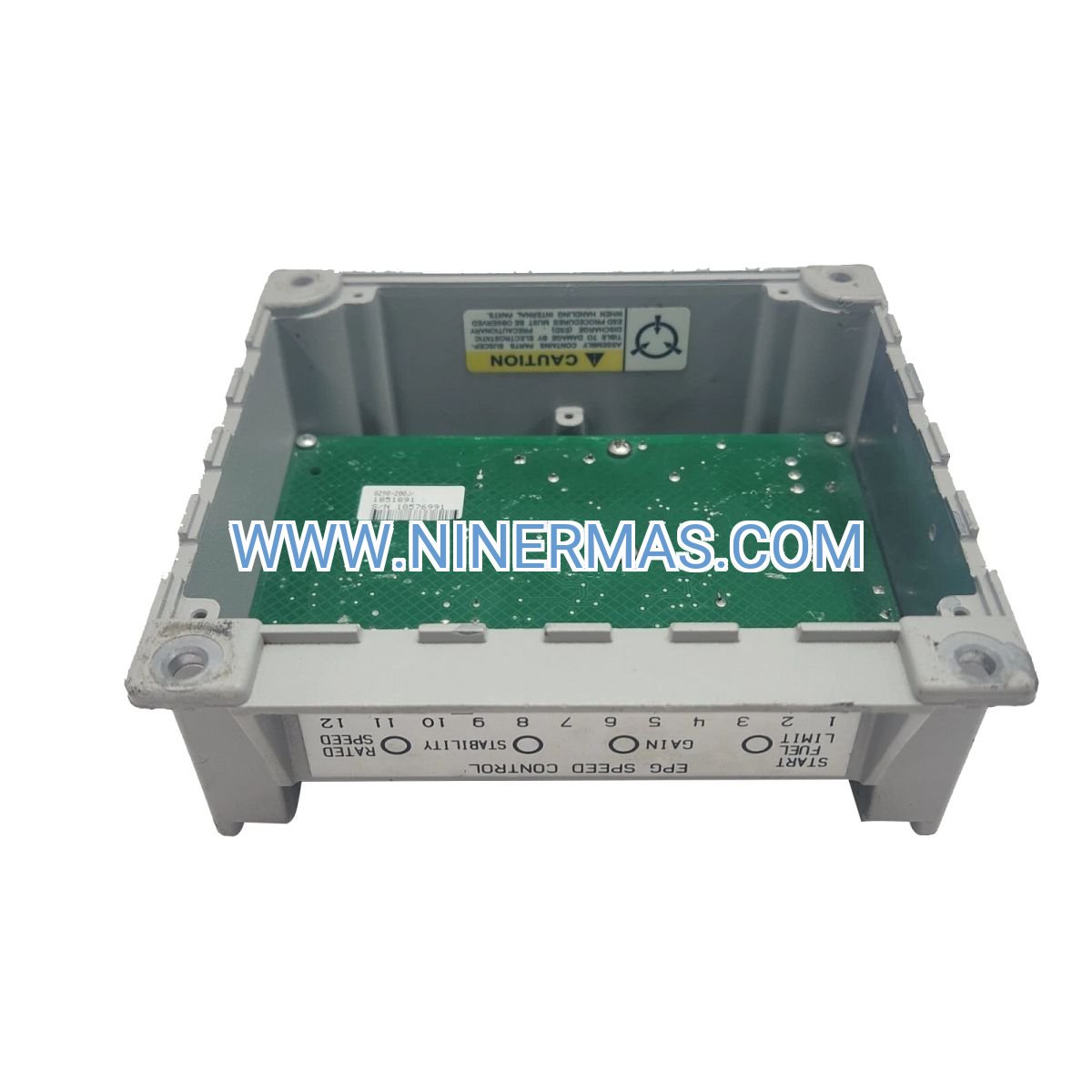
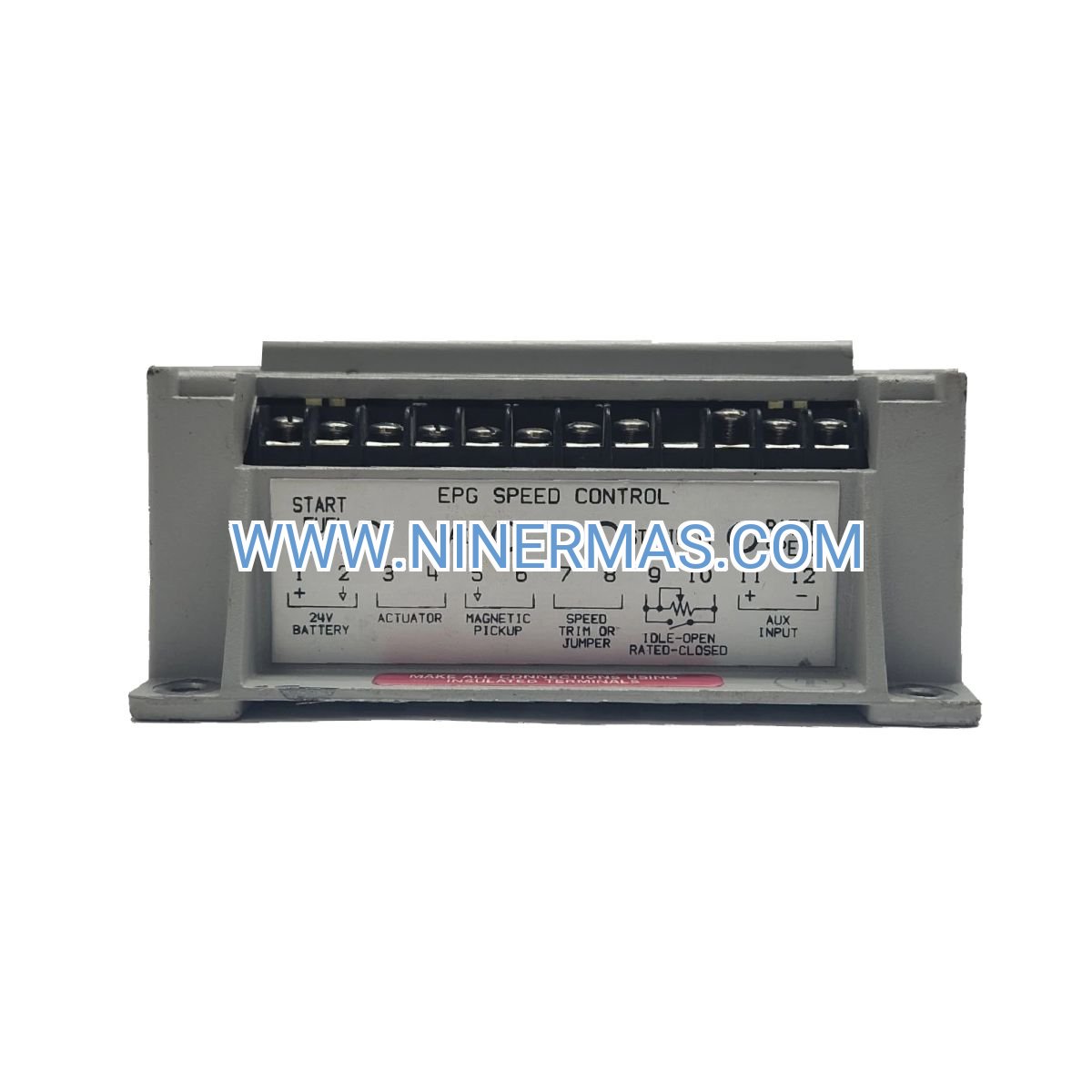
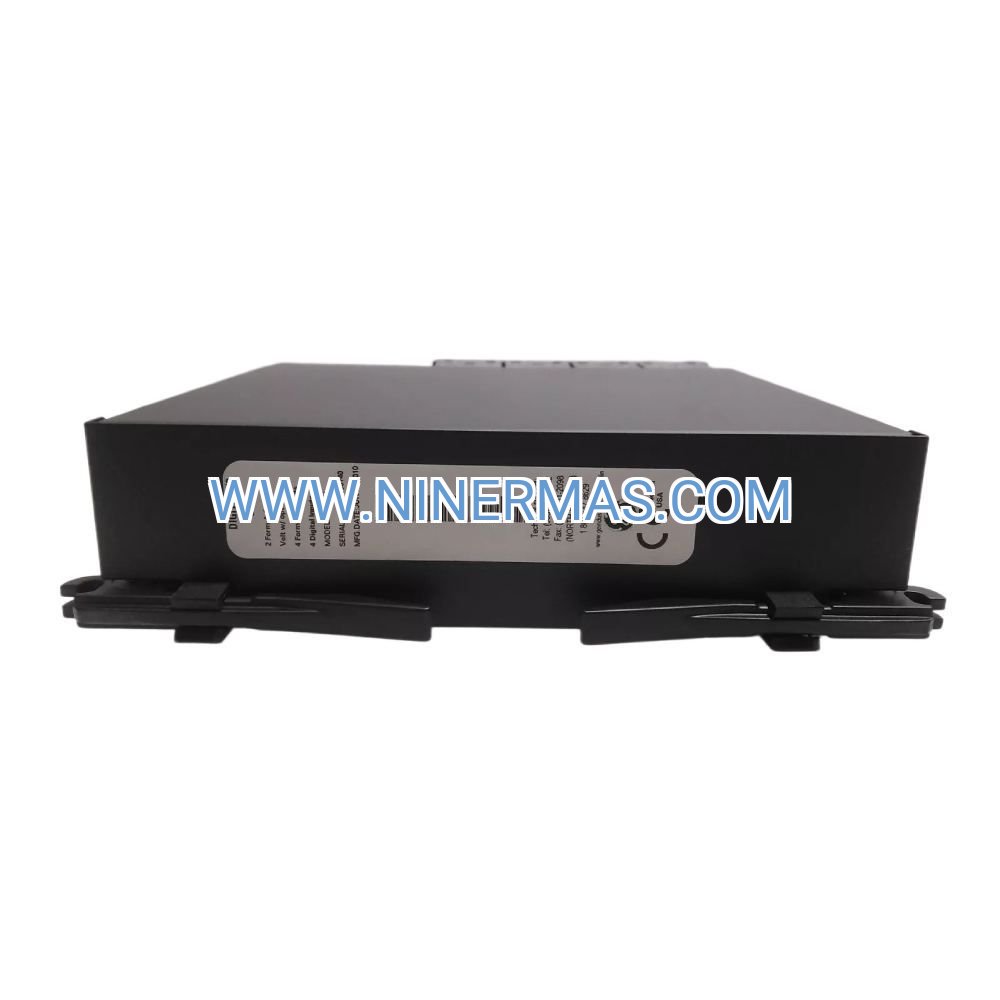
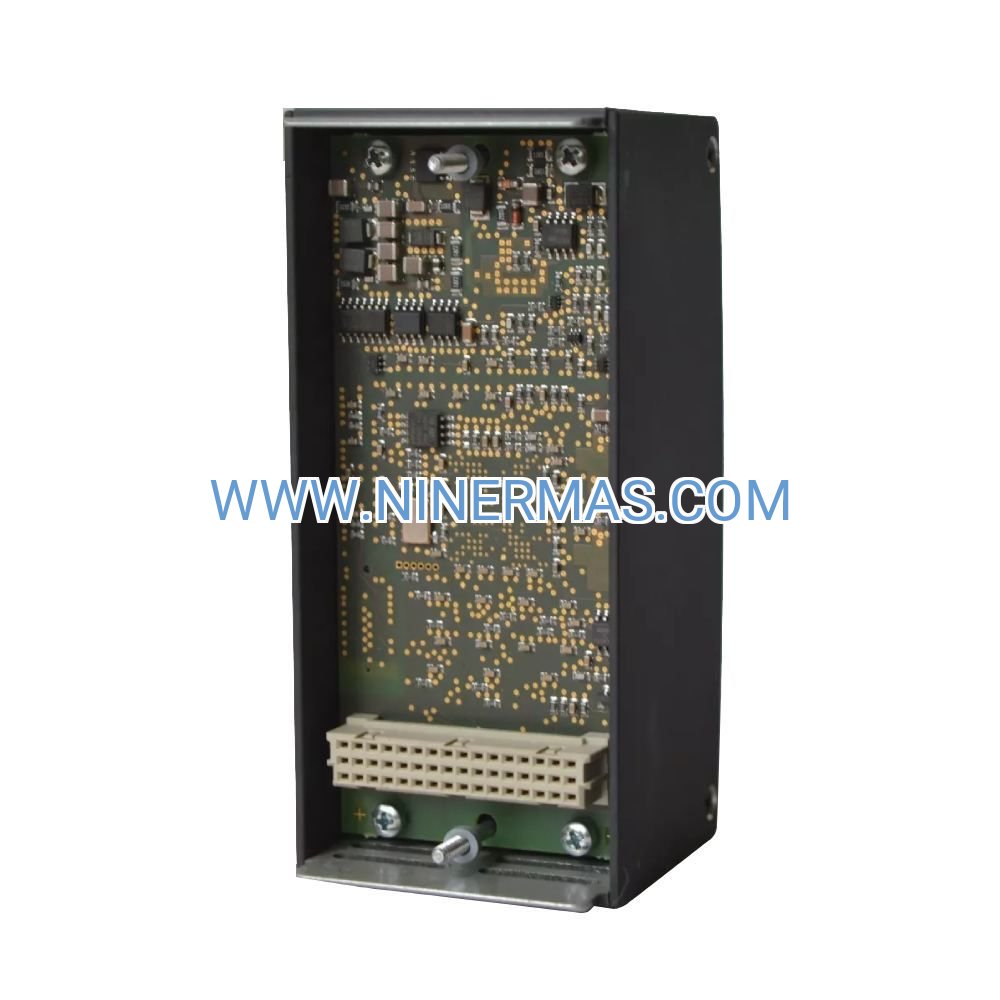
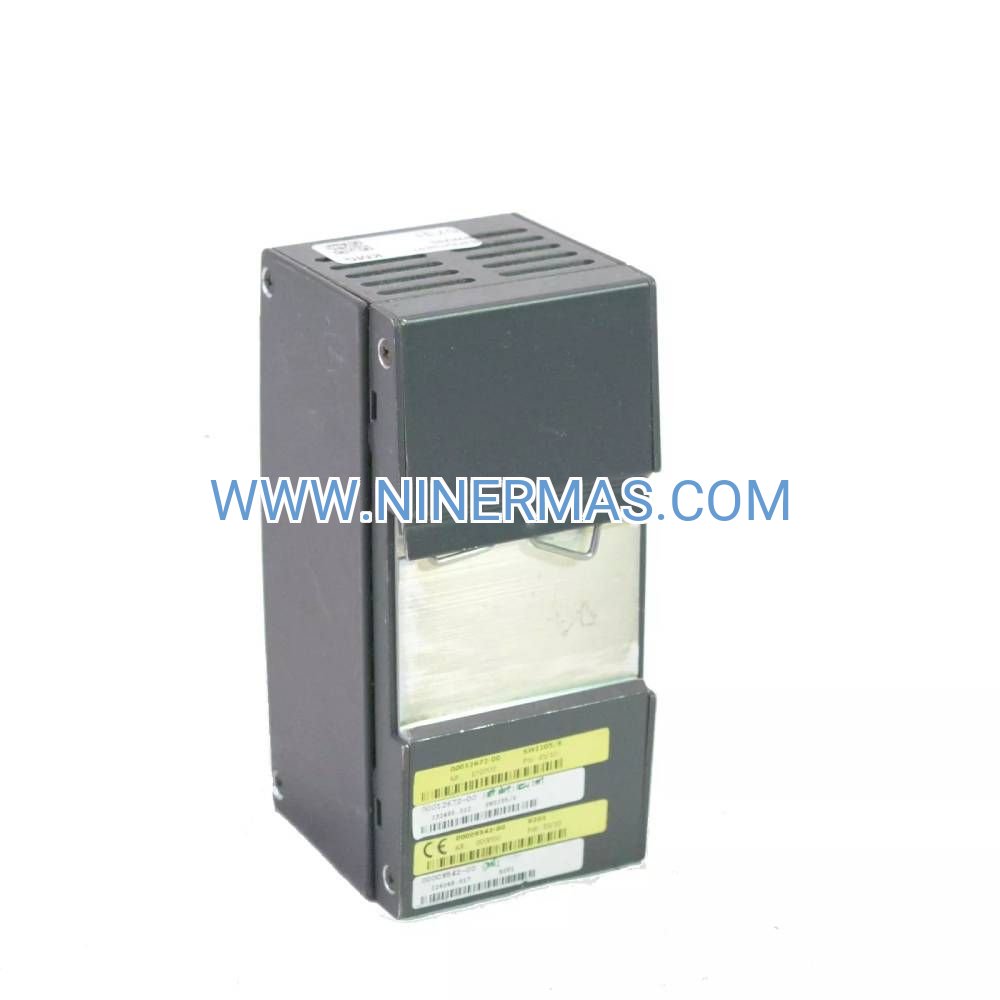
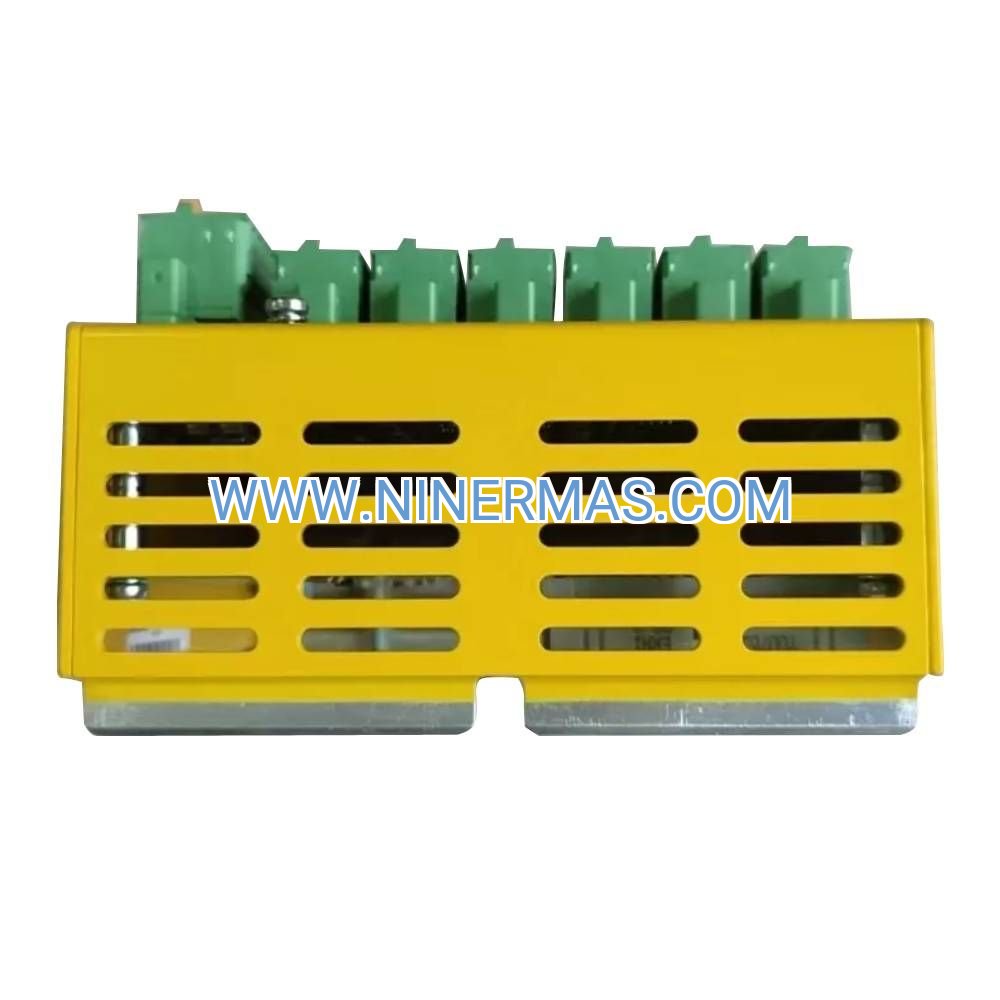
8290-200 Electrically Powered Governor (Industrial-Grade Diesel Speed Regulation)
The 8290-200 EPG represents Woodward's proven approach to diesel engine speed management, combining electronic precision with mechanical reliability. This 24-volt DC governor maintains isochronous control across variable load conditions, making it the preferred choice for stationary power systems, marine vessels, and industrial machinery where consistent RPM directly impacts operational efficiency and equipment longevity.
Designed for integration into existing diesel platforms, this governor addresses the critical challenge of speed fluctuation under dynamic loading—a common issue that leads to frequency instability in generator sets, propulsion inconsistency in marine drives, and process disruption in pump applications. Target users include power plant operators, marine engineers, OEM integrators, and facility maintenance teams managing mission-critical diesel assets.
What sets the 8290-200 apart is its field-proven architecture: direct PWM actuator drive eliminates intermediate amplifiers, wide voltage tolerance (18-32 VDC) ensures operation during battery voltage sag, and panel-mount flexibility accelerates retrofit installations. With ±0.25% steady-state regulation and -40°C to +70°C operating range, this governor delivers industrial-grade performance where downtime carries significant cost.
Core Features & Benefits
→ Isochronous Speed Control Architecture
Maintains constant engine speed regardless of load variations, ensuring stable frequency output for grid-tied generators and consistent shaft speed for mechanical drives. Eliminates the droop characteristic found in basic governors, critical for single-unit operation and precise process control.
→ 24 VDC Native Operation (18-32 VDC Range)
Direct compatibility with standard industrial battery systems and vehicle electrical networks. Wide voltage tolerance accommodates cranking voltage drops and charging system variations without requiring regulated power supplies—reducing installation complexity and component count.
→ Integrated PWM Actuator Drive (3A Continuous, 5A Peak)
Drives rotary or linear fuel actuators directly without external amplifiers. Adjustable gain and damping parameters allow tuning to specific engine dynamics, from high-speed diesels to slow-speed marine engines, optimizing response time while preventing hunting oscillations.
✓ Magnetic Pickup Sensor Interface (50-10,000 Hz)
Accepts standard MPU speed sensors with configurable tooth count, enabling adaptation to various flywheel ring gear configurations. Built-in signal conditioning handles sensor gap variations and electrical noise common in industrial environments.
✓ Remote Speed Setpoint Input (0-5 VDC Analog)
Enables supervisory control integration for automated load management, synchronization systems, and SCADA networks. Provides seamless interface between legacy diesel assets and modern control architectures without protocol conversion.
✓ IP54 Enclosure with Front-Panel Diagnostics
LED indicators provide instant visibility of speed deviation, actuator position limits, and fault conditions—accelerating troubleshooting during commissioning and reducing mean time to repair. Sealed construction protects electronics from dust and moisture ingress in harsh industrial settings.
Typical Application Scenarios
Standby & Continuous Power Generation
In commercial buildings, data centers, and industrial facilities, the 8290-200 maintains generator frequency stability during utility outages and load step changes. Solves the problem of voltage/frequency excursions that damage sensitive electronic equipment and trip protective relays. Delivers automatic voltage regulator (AVR) compatibility and fast load acceptance without overshoot, ensuring clean power transfer and uninterrupted critical loads.
Marine Main & Auxiliary Propulsion
Commercial vessels, workboats, and offshore platforms rely on precise shaft speed control for maneuverability and fuel economy. Addresses the challenge of propeller load variations during sea state changes and maneuvering operations. Provides consistent thrust response, reduces fuel consumption through optimal engine loading, and extends drivetrain component life by eliminating speed hunting.
Pump & Compressor Drive Systems
Water treatment plants, oil & gas facilities, and process industries require stable pump/compressor speeds to maintain flow rates and discharge pressures. Eliminates process upsets caused by speed variations that affect throughput and product quality. Achieves energy optimization through precise speed matching to process demand and reduces mechanical stress on coupling and gearbox components.
Emergency Generator Sets (Life Safety Systems)
Hospitals, fire suppression systems, and emergency lighting networks depend on rapid, stable generator response during utility failures. Solves the critical problem of slow pickup or frequency overshoot that can damage connected loads or prevent automatic transfer switch closure. Ensures code-compliant voltage establishment within 10 seconds and maintains frequency stability for life safety equipment operation.
Parallel Generator Load Sharing Networks
Multi-unit power plants and co-generation facilities require coordinated speed control for proper load distribution. Addresses unequal load sharing that causes unit overload, circulating currents, and premature engine wear. Integrates with droop compensation networks to achieve proportional load division and enables synchronization with utility grid or other generator sets.
Technical Parameters & Selection Guide
| Parameter | Specification | Selection Consideration |
|---|---|---|
| Model Number | 8290-200 | Standard EPG configuration for diesel applications |
| Power Supply | 24 VDC nominal (18-32 VDC operating) | Verify battery system voltage; compatible with 24V industrial/marine standards |
| Speed Control Range | 500-3000 RPM adjustable | Covers most diesel engine operating speeds; confirm engine rated RPM |
| Regulation Accuracy | ±0.25% steady-state | Suitable for isochronous applications; tighter than ±0.5% droop governors |
| Speed Sensor Input | Magnetic pickup (MPU), 50-10,000 Hz | Requires flywheel ring gear or dedicated speed sensor; verify tooth count |
| Actuator Output | PWM drive, 3A continuous / 5A peak | Match to fuel actuator current rating; most standard actuators compatible |
| Operating Temperature | -40°C to +70°C | Suitable for outdoor enclosures and engine room environments |
| Enclosure Rating | IP54 (dust/splash protected) | Panel-mount installation; upgrade to IP65 enclosure if washdown required |
| Mounting Options | Panel or DIN rail | DIN rail for control cabinet; panel-mount for engine-mounted applications |
| Dimensions (H×W×D) | Compact industrial housing | Verify panel cutout requirements during design phase |
| Weight | 0.74 kg | Lightweight for vibration-sensitive installations |
Selection Criteria: Choose the 8290-200 when your application requires isochronous (zero-droop) speed control, 24 VDC electrical system compatibility, and direct actuator drive capability. For applications needing load sharing between multiple engines, verify compatibility with your droop compensation network or consider the 2301A series for advanced parallel operation. If your engine uses electronic fuel injection rather than mechanical actuators, consult factory for ECM interface options.
Extended Functions
Load Sharing Integration: The 8290-200 supports parallel generator operation through external droop compensation modules. By adding a load sharing network, multiple governors coordinate to distribute kW load proportionally across units, preventing single-unit overload and optimizing fuel efficiency across the generator fleet.
Synchronization Capability: When equipped with synchronizer accessories, the governor enables automatic or manual synchronization to utility grid or other generator sets. Phase-matching circuitry adjusts engine speed to align voltage waveforms before breaker closure, eliminating damaging inrush currents and mechanical shock.
Remote Monitoring Interface: Analog output signals provide real-time speed and actuator position feedback to SCADA systems, building management platforms, or vessel monitoring networks. Enables predictive maintenance through trend analysis of governor response characteristics and actuator wear patterns.
Customization Options: Factory configuration services available for non-standard speed ranges, alternative sensor inputs (Hall-effect, optical), and specialized actuator drive parameters. Custom calibration ensures optimal performance for unique engine platforms or retrofit applications where standard settings may not achieve desired response.
Delivery & Service Assurance
Standard Lead Time: In-stock units ship within 1-3 business days via express courier. Custom-configured governors require 2-3 weeks for factory programming and testing. Expedited processing available for emergency replacements and critical project deadlines.
Warranty Coverage: 12-month manufacturer warranty covers defects in materials and workmanship under normal operating conditions. Warranty includes replacement unit advance exchange to minimize downtime—simply report the issue, receive a replacement, then return the defective unit for analysis.
Technical Support: Our application engineering team provides pre-sale system design consultation, installation guidance, and commissioning assistance. Post-sale support includes troubleshooting, parameter optimization, and integration with existing control systems. Direct access to engineers with diesel governor expertise—not scripted call center responses.
Documentation Package: Each governor ships with installation manual, wiring diagrams, parameter adjustment procedures, and troubleshooting flowcharts. Digital resources include CAD drawings for panel layout, sample PLC integration code, and recommended spare parts lists for maintenance planning.
Frequently Asked Questions
What type of speed sensor does the 8290-200 EPG require for accurate diesel engine control?
The governor accepts standard magnetic pickup (MPU) sensors generating 50-10,000 Hz frequency signals. Install the sensor with 0.5-1.5mm air gap to the flywheel ring gear or dedicated speed wheel. The internal signal conditioning circuit handles tooth count configuration from 60 to 200 teeth, accommodating most diesel engine flywheel configurations without external frequency converters.
Can this governor drive high-current fuel actuators without external amplification?
Yes, the integrated PWM output delivers 3A continuous and 5A peak current, sufficient for most rotary and linear diesel fuel actuators. This eliminates the need for separate actuator driver modules, reducing wiring complexity and potential failure points. For actuators exceeding 3A continuous draw, an external amplifier stage can be added while retaining the governor's control logic.
How does the 8290-200 handle voltage fluctuations during engine cranking sequences?
The wide input range (18-32 VDC) maintains operation during battery voltage sag that occurs during starter motor engagement. Built-in cranking bypass logic prevents actuator saturation and hunting during start cycles. Once the engine reaches idle speed threshold (typically 400-500 RPM), the governor automatically transitions to closed-loop speed control mode without manual intervention.
Is remote speed adjustment possible for integration with automated load management systems?
The 0-5 VDC analog speed setpoint input enables full remote control from PLCs, SCADA systems, or synchronizer panels. The input overrides the front-panel speed potentiometer, allowing automated speed ramping for synchronization, load transfer, or process-driven speed changes. Input impedance is 10kΩ, compatible with standard industrial analog output modules.
What installation clearances are required for proper cooling and service access?
Maintain minimum 50mm (2 inches) clearance on all sides for convection cooling and wiring access. The compact design allows installation in crowded control panels, but ensure adequate ventilation if mounted in sealed enclosures operating above 50°C ambient. Front-panel adjustment potentiometers and LED indicators require unobstructed access for commissioning and troubleshooting.
Does the governor support dual-fuel or gas engine applications?
The 8290-200 is optimized for diesel fuel actuator control. For natural gas, propane, or dual-fuel engines using throttle valve actuators, consult factory regarding actuator compatibility and control parameter modifications. Gas applications may require different gain and stability settings due to faster combustion response compared to diesel injection timing.
Get Started with Industrial-Grade Speed Control
Ready to eliminate speed instability in your diesel power system? Contact our application engineers to discuss your specific engine platform, load profile, and integration requirements. We'll verify compatibility, recommend optimal configuration, and provide installation support to ensure first-time commissioning success.
Request a technical datasheet, wiring diagram, or application consultation:
? Email: sale@ninermas.com
? Phone: +0086 187 5021 5667
? Technical Resources: https://ninermas.com
© 2026 NINERMAS COMPANY LIMITED. All rights reserved.
Original Source: https://ninermas.com
Contact: sale@ninermas.com | +0086 187 5021 5667

Contact Info
-
Address:22 / F, South Wo Hang building, 148 Wing Lok Street, Sheung Wan, Western District, Hong Kong
-
Phone:+8618750215667
-
Email: