Description
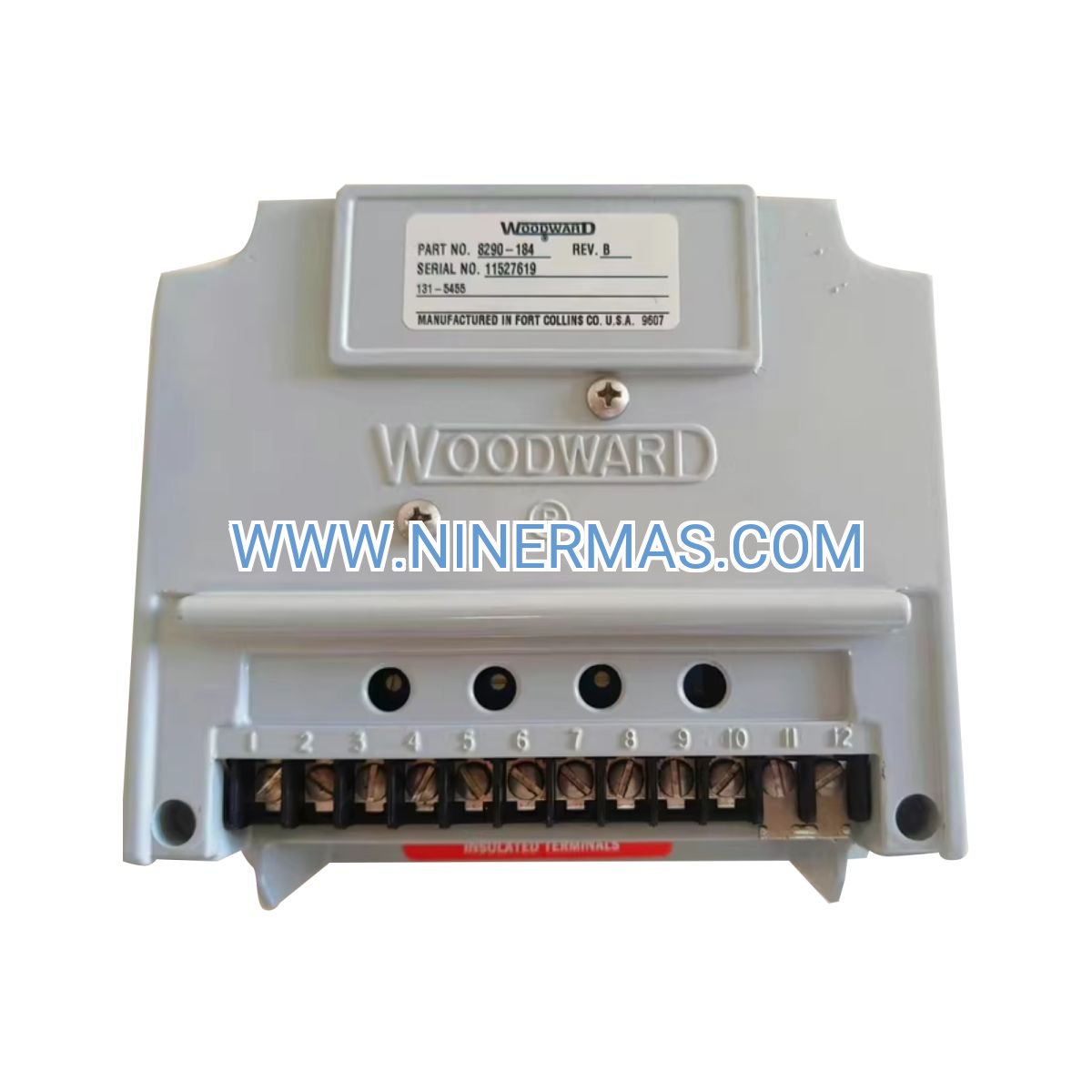
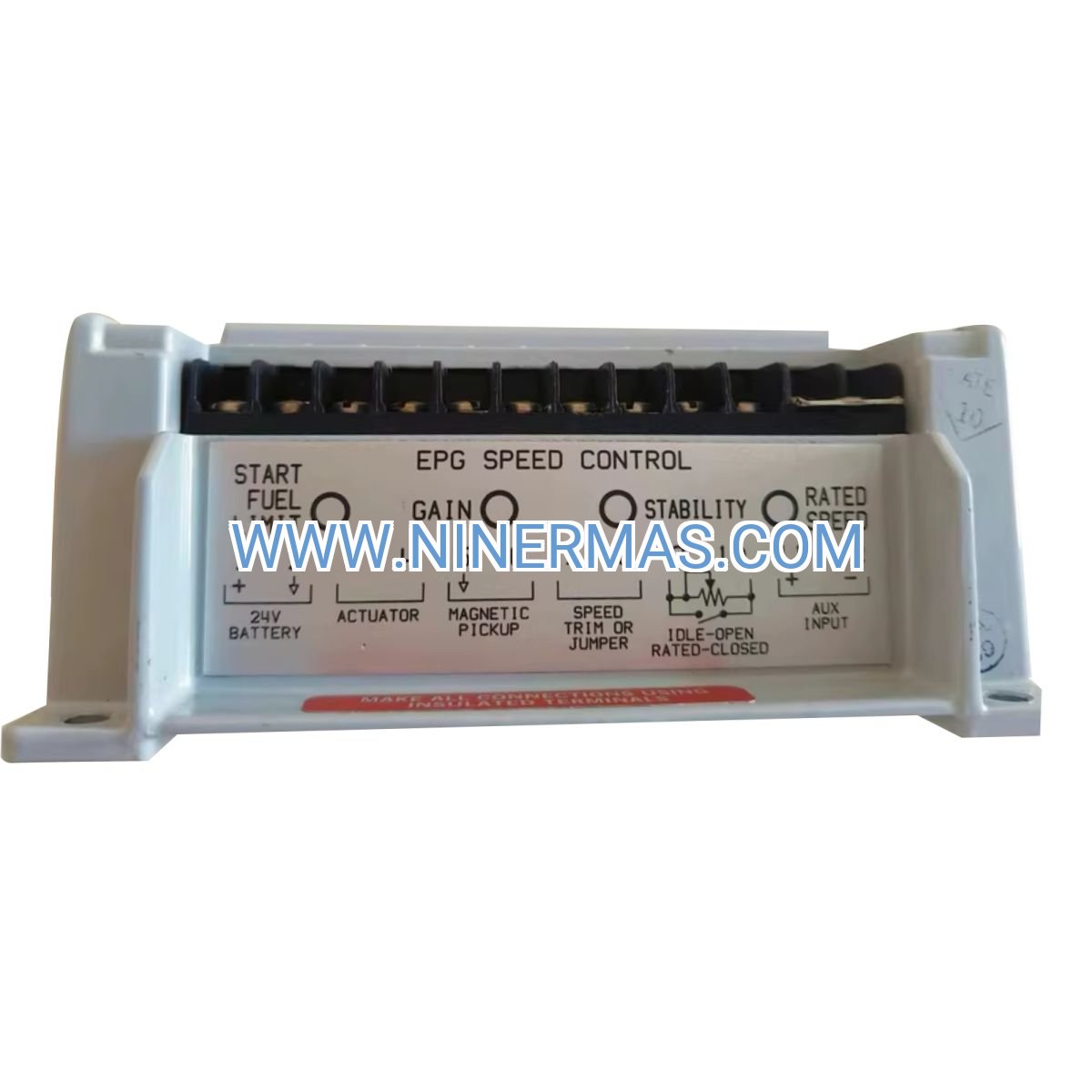
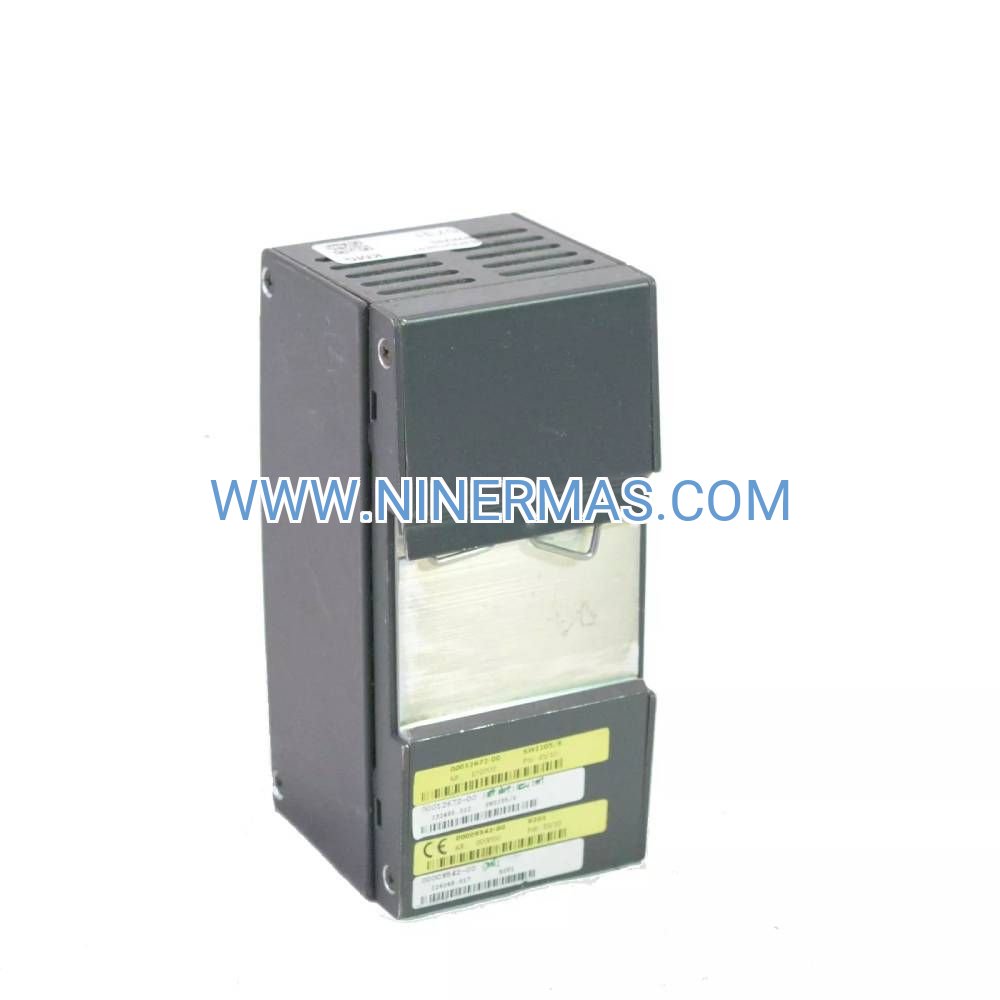
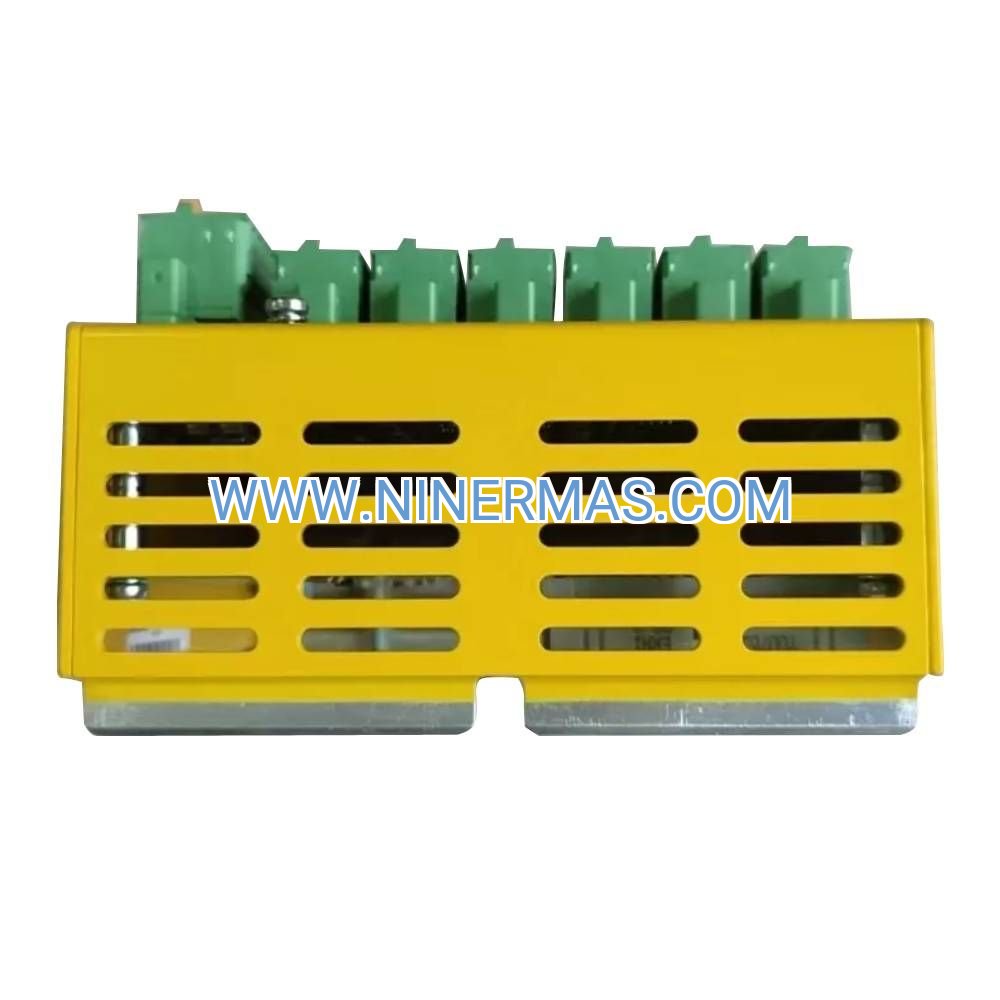
8290-184 Electrically Powered Governor (Industrial-Grade Speed Regulation)
The 8290-184 EPG represents a field-proven solution for applications demanding precise speed control without mechanical governor interfaces. Engineered around a 24 VDC electrical architecture, this unit provides isochronous regulation for diesel engines, gas turbines, and auxiliary power systems where traditional mechanical drives are absent or impractical.
Designed for operators managing critical power generation, marine propulsion, or process control equipment, the 8290-184 eliminates speed drift under load transients while maintaining compatibility with standard fuel actuators and throttle mechanisms. Its compact form factor and wide temperature tolerance make it suitable for both retrofit upgrades and greenfield installations across industrial sectors.
With decades of Woodward engineering heritage, this governor delivers consistent performance in environments where uptime and frequency stability directly impact operational outcomes—from offshore platforms to manufacturing facilities requiring uninterrupted process control.
Core Capabilities & Performance Advantages
→ Electrical Actuation Architecture
Direct interface with fuel racks, throttle valves, or steam controls via proportional electrical signals—no mechanical linkages required. Reduces installation complexity and eliminates wear-prone components in harsh environments.
✓ Isochronous Speed Stability
Maintains ±0.25% speed regulation accuracy under dynamic load conditions. Critical for generator sets requiring tight frequency control (59.85–60.15 Hz) and parallel operation scenarios.
→ Universal Sensor Compatibility
Accepts magnetic pickup (MPU) and Hall-effect speed sensors with configurable input scaling. Simplifies integration with existing engine monitoring systems and allows sensor redundancy configurations.
✓ Extended Environmental Range
Operates reliably from -40°C to +70°C with industrial-grade component selection. Suitable for Arctic drilling rigs, desert power stations, and marine engine rooms without thermal derating.
→ Compact Footprint Design
0.74 kg unit weight and space-efficient mounting options enable installation in confined machinery spaces. Ideal for retrofitting older equipment or integrating into modular power skids.
✓ Load-Sharing Capability
Supports droop mode configuration for paralleling multiple generators. Enables scalable power systems where load distribution across units is required for redundancy or capacity expansion.
Industrial Application Scenarios
Emergency Power Generation
Data centers and hospitals deploy the 8290-184 in standby generator sets where rapid frequency stabilization (within 2–5 seconds) prevents IT equipment disruption or medical device failures during utility outages.
Marine Auxiliary Systems
Vessel operators integrate this EPG into generator drives and hydraulic power units where mechanical governor access is restricted by engine compartment layouts. Reduces maintenance intervals by eliminating mechanical wear points.
Oil & Gas Wellhead Power
Remote production sites utilize the 8290-184 for gas engine-driven compressors and pumps, where isochronous control maintains process stability despite fluctuating gas quality and ambient conditions.
Manufacturing Process Control
Paper mills, chemical plants, and food processing facilities rely on constant-speed drives for extruders, mixers, and conveyor systems. The EPG ensures product quality by preventing speed variations that affect batch consistency.
Renewable Energy Hybrid Systems
Microgrid installations pair the 8290-184 with diesel gensets for grid-forming capability, providing stable frequency reference when solar/wind sources fluctuate or during islanded operation modes.
Technical Specifications & Selection Criteria
| Parameter | Specification |
|---|---|
| Model Designation | 8290-184 |
| Supply Voltage | 24 VDC (18–32 VDC operating range) |
| Control Algorithm | Isochronous / Droop (field-configurable) |
| Speed Regulation | ±0.25% (isochronous mode) |
| Input Signal | Magnetic pickup or Hall-effect sensor |
| Output Signal | Proportional electrical (actuator-dependent) |
| Operating Temperature | -40°C to +70°C |
| Storage Temperature | -55°C to +85°C |
| Humidity Tolerance | 5% to 95% RH (non-condensing) |
| Vibration Resistance | IEC 60068-2-6 compliant |
| Unit Weight | 0.74 kg |
| Mounting | Panel or DIN rail (adapter required) |
Selection Guidelines: Verify actuator voltage compatibility (24 VDC systems only). For applications requiring 12 VDC or 48 VDC operation, consult alternative EPG models. Confirm speed sensor output voltage matches governor input specifications (typically 1–10 Vrms for MPU sensors). In high-vibration environments (>2g), specify shock-mounted enclosures.
Advanced Integration & Customization
SCADA Connectivity: Optional communication modules enable Modbus RTU or Ethernet/IP integration for remote setpoint adjustment, alarm monitoring, and operational data logging. Supports centralized control room oversight of distributed power assets.
Redundant Control Architectures: Dual EPG configurations provide failover capability in critical applications. Primary/standby logic ensures seamless transition if the active governor experiences faults, maintaining speed control continuity.
Custom Tuning Services: Factory or field commissioning support available for complex installations requiring specialized gain scheduling, anti-hunting algorithms, or integration with non-standard actuators. Reduces startup time and optimizes transient response.
Delivery Timeline & Service Commitments
Standard Lead Time: 3–5 business days for in-stock units (North America/Europe). Express shipping available for urgent replacements.
Custom Configurations: 10–15 business days for factory-programmed units with specific droop settings, sensor calibrations, or communication protocols.
Warranty Coverage: 12-month comprehensive warranty covering material defects and workmanship. Extended warranty plans available for critical infrastructure applications.
Technical Support: Lifetime access to application engineers for installation guidance, troubleshooting assistance, and performance optimization. Phone, email, and remote diagnostic support included.
Documentation Package: Installation manual, wiring diagrams, sensor compatibility charts, and commissioning checklists provided with each unit. CAD models available for mechanical integration planning.
Frequently Asked Questions
What actuator types are compatible with the 8290-184 EPG for fuel control applications?
The governor interfaces with proportional solenoid actuators, stepper motor drives, and servo-controlled fuel racks operating on 24 VDC. Verify actuator current draw does not exceed governor output capacity (consult datasheet for specific limits). For hydraulic actuators, an electro-hydraulic converter may be required.
Can this governor handle engine speeds ranging from 1200 to 3600 RPM?
Yes, the 8290-184 accommodates speed ranges from 500 to 9000 RPM through sensor input scaling. Configure the speed setpoint via internal potentiometer or external analog signal (0–10 VDC). Consult the calibration procedure for multi-speed applications.
How does the EPG improve fuel efficiency compared to mechanical governors?
Electrical governors eliminate friction losses inherent in mechanical linkages (typically 2–5% efficiency gain). Precise speed control reduces over-fueling during load acceptance, cutting fuel consumption by 3–8% in cyclic duty applications while extending engine service intervals.
What installation requirements exist for marine classification society approvals?
The 8290-184 meets ABS, DNV, and Lloyd's Register requirements when installed per manufacturer guidelines. Ensure proper grounding, EMI shielding on sensor cables, and IP-rated enclosures in wet locations. Certification documentation available upon request for vessel surveys.
Is remote speed adjustment possible without physical access to the governor?
Yes, when equipped with optional communication modules. Operators can modify speed setpoints, enable/disable droop mode, and monitor real-time performance via SCADA systems or dedicated HMI panels. Supports both wired (Modbus) and wireless (cellular gateway) connectivity.
What diagnostic capabilities assist with troubleshooting speed instability issues?
Built-in LED indicators display operational status, sensor signal quality, and fault conditions. Advanced diagnostics via communication interface provide actuator position feedback, speed error magnitude, and control loop gain visibility—enabling rapid identification of sensor drift, actuator binding, or tuning issues.
Take the Next Step
Ready to upgrade your speed control system? Contact our application specialists to discuss your specific engine configuration, operating environment, and performance requirements. We'll provide tailored recommendations, integration support, and competitive pricing for single units or fleet-wide deployments.
Request a technical consultation: Share your engine datasheet and control objectives for a no-obligation feasibility assessment within 24 hours.
© 2026 NINERMAS COMPANY LIMITED. All rights reserved.
Original Source: https://ninermas.com
Contact: sale@ninermas.com | +0086 187 5021 5667

Contact Info
-
Address:22 / F, South Wo Hang building, 148 Wing Lok Street, Sheung Wan, Western District, Hong Kong
-
Phone:+8618750215667
-
Email: