


Description
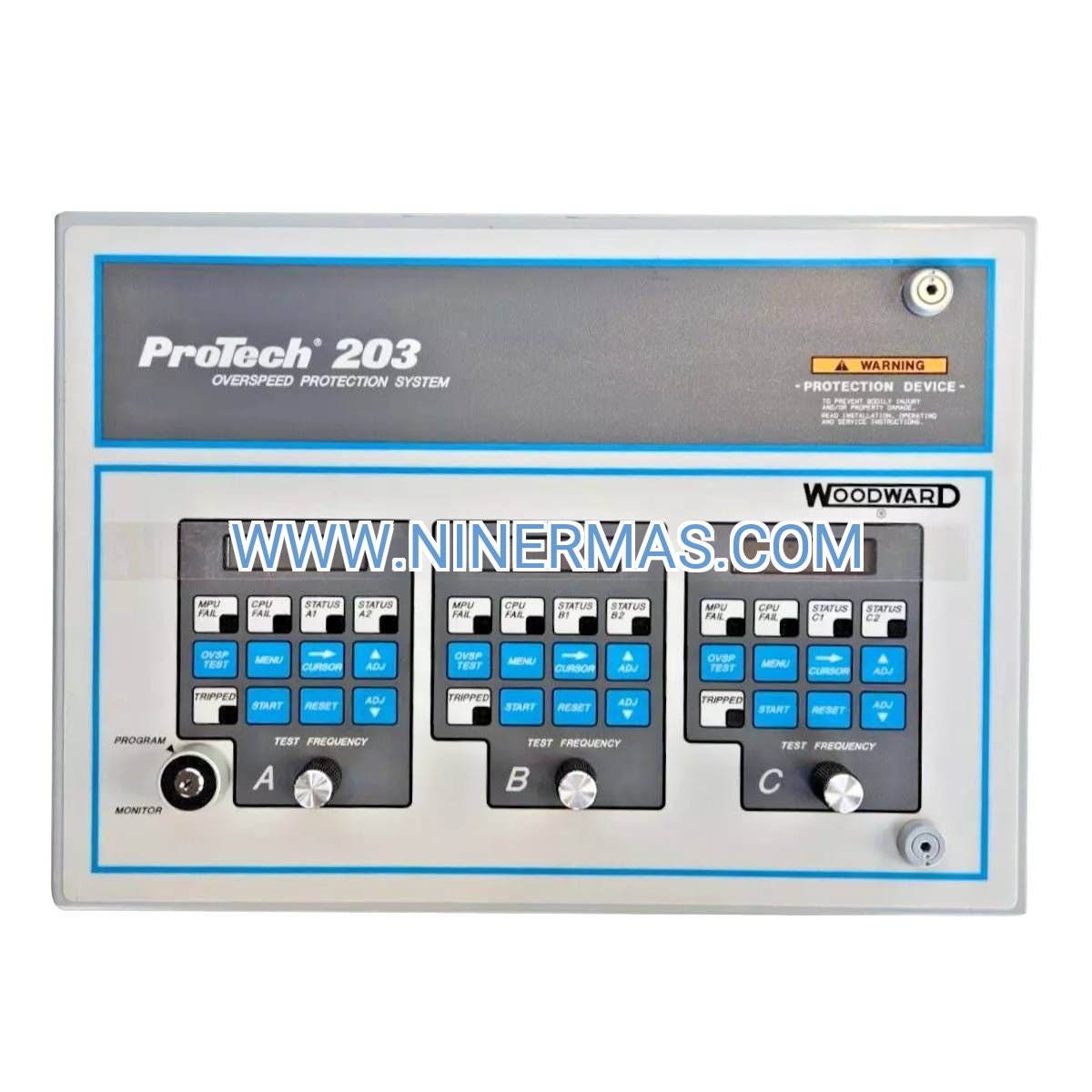
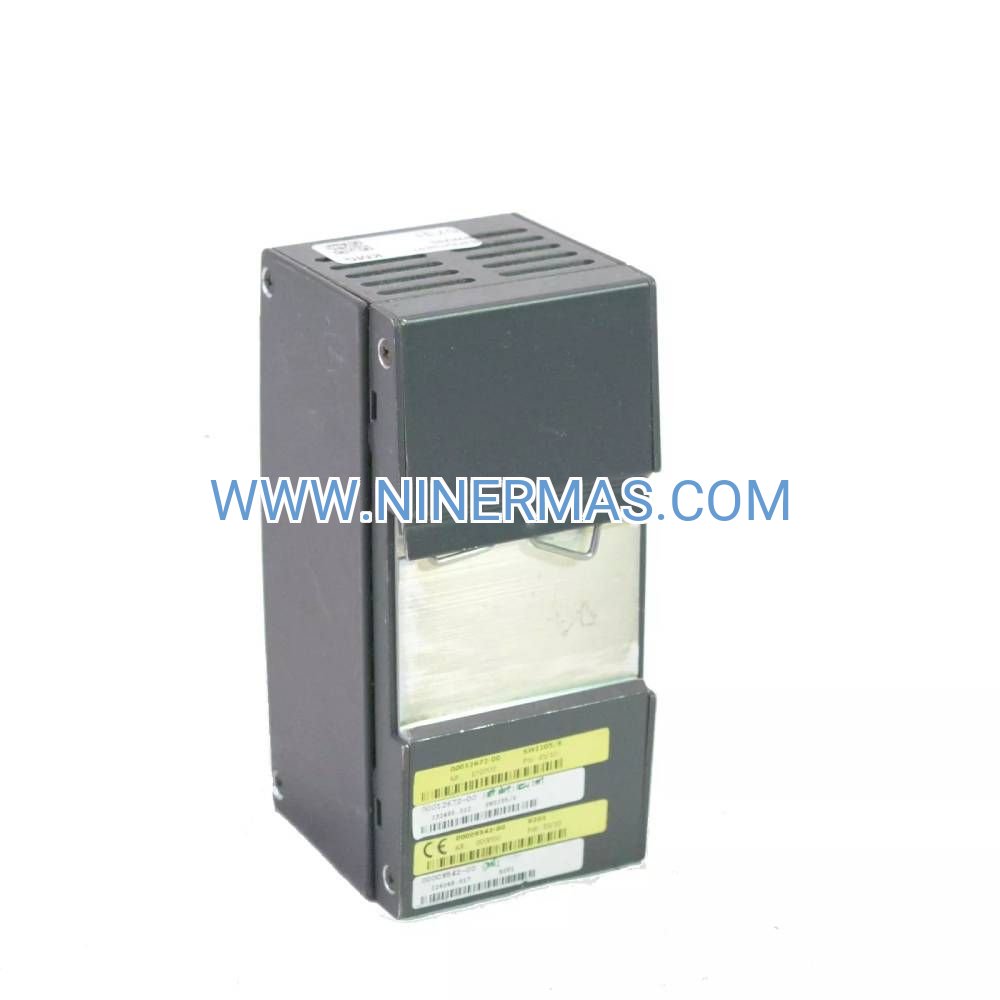
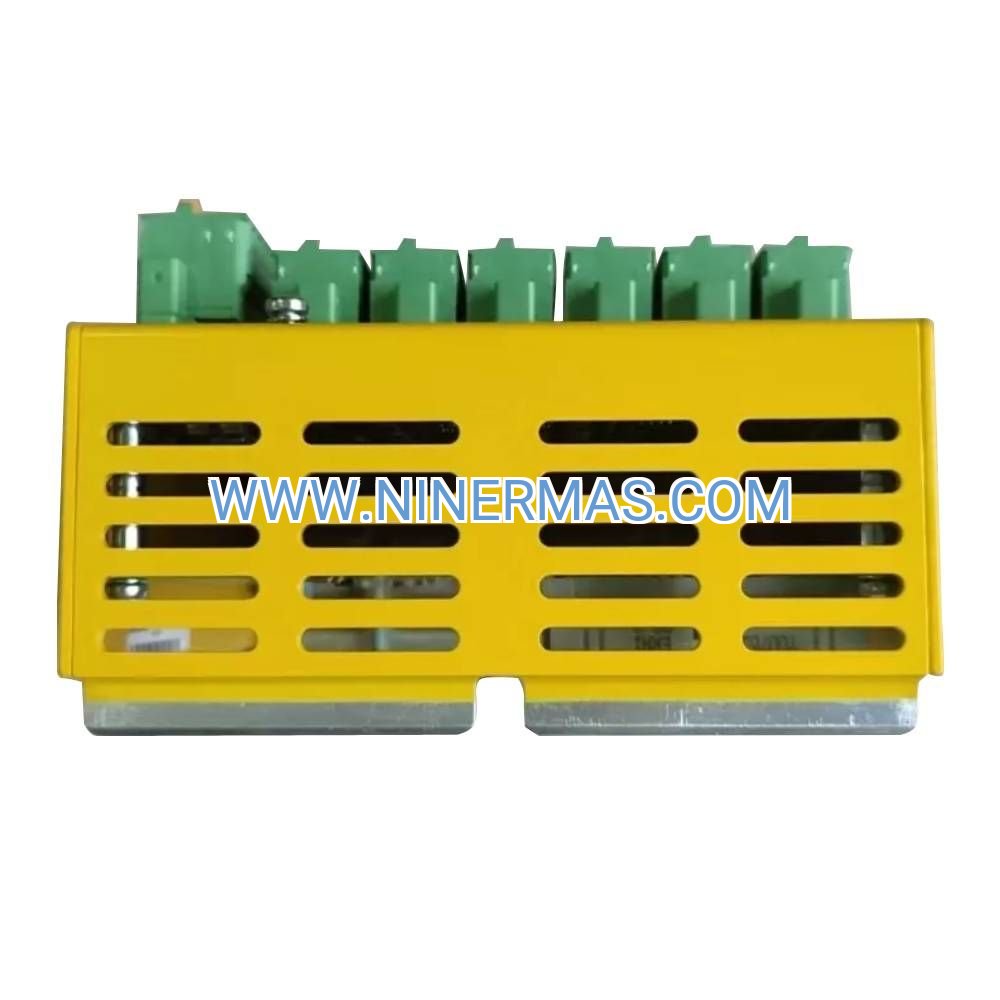
ProTech 203 Overspeed Detection System (Industrial-Grade Turbine Safety)
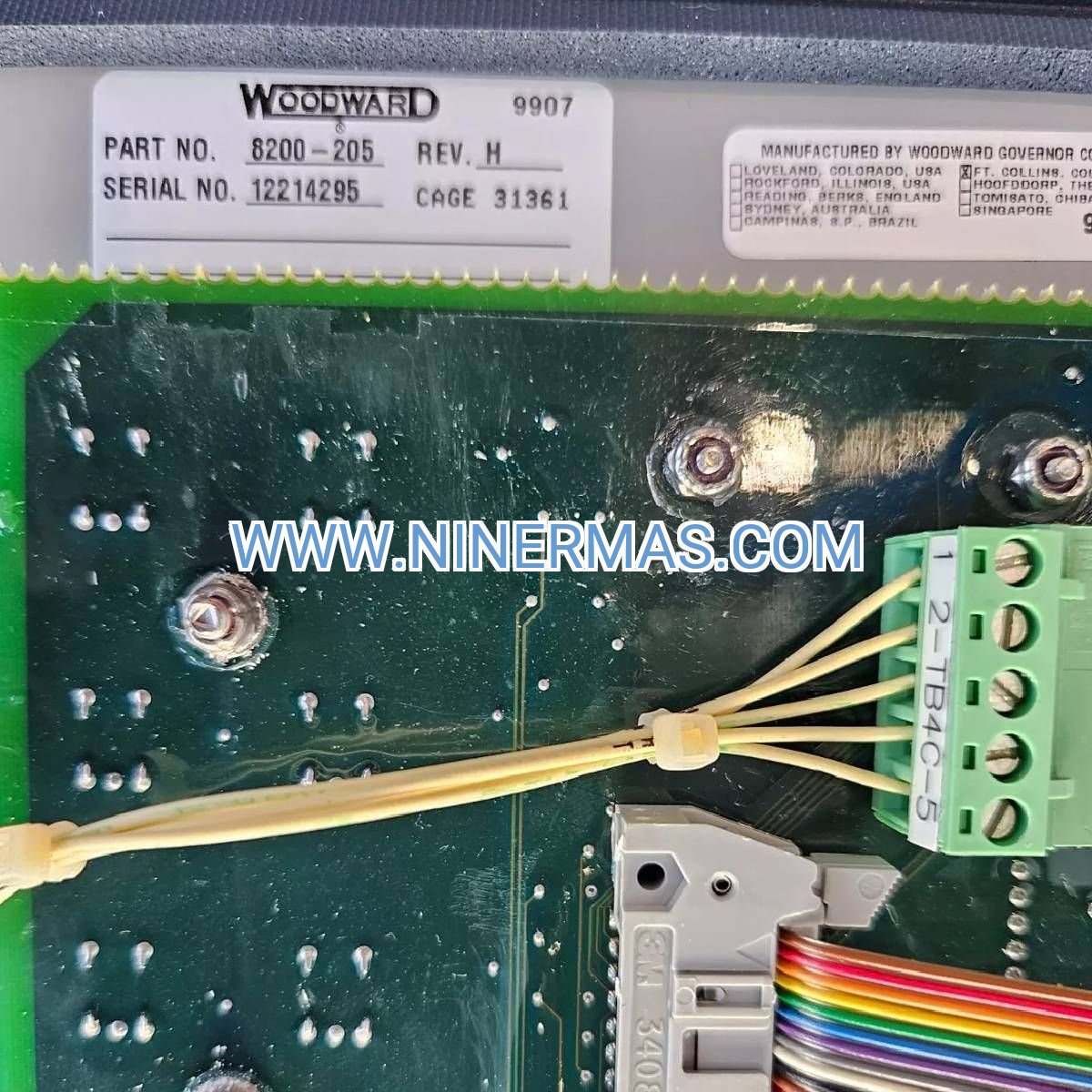
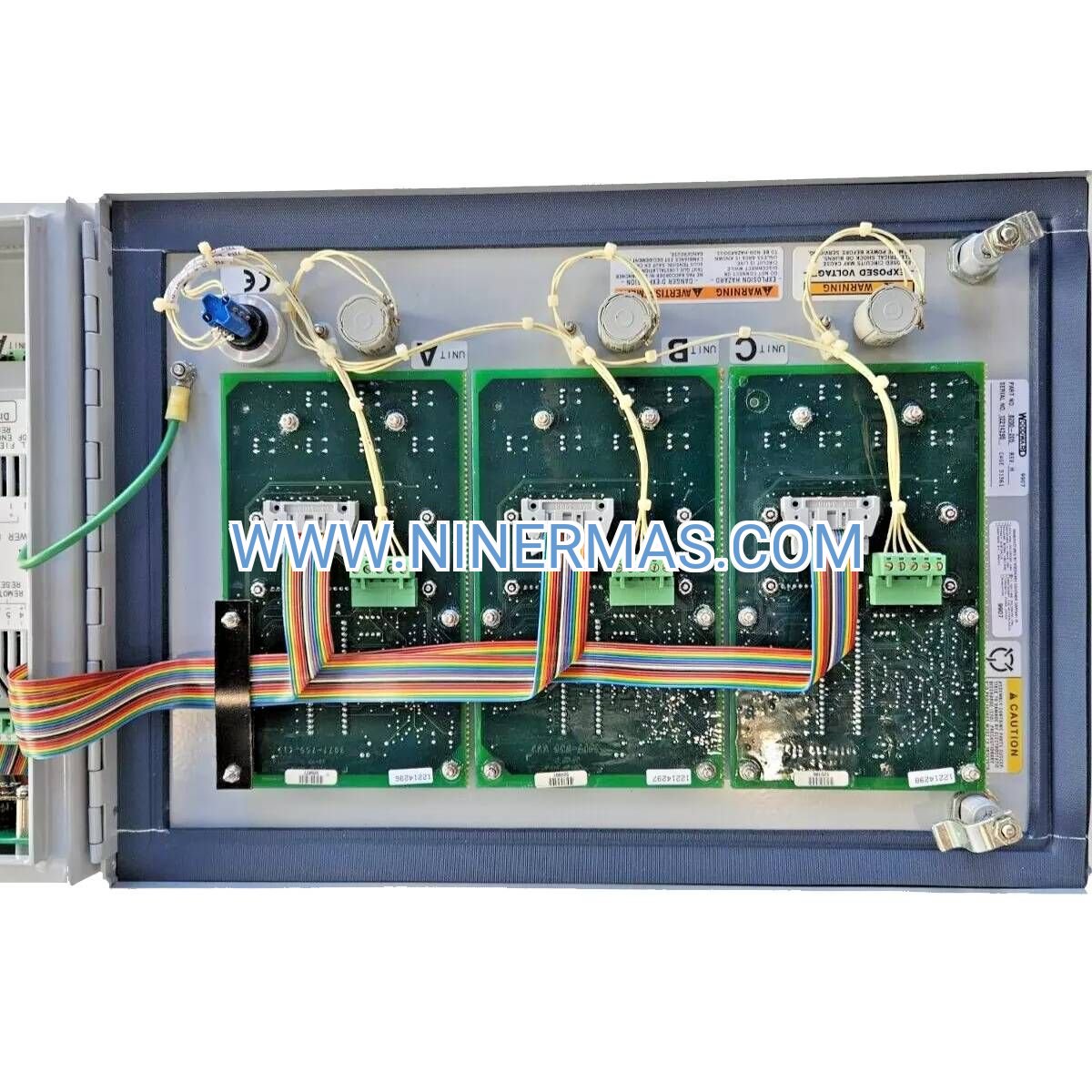
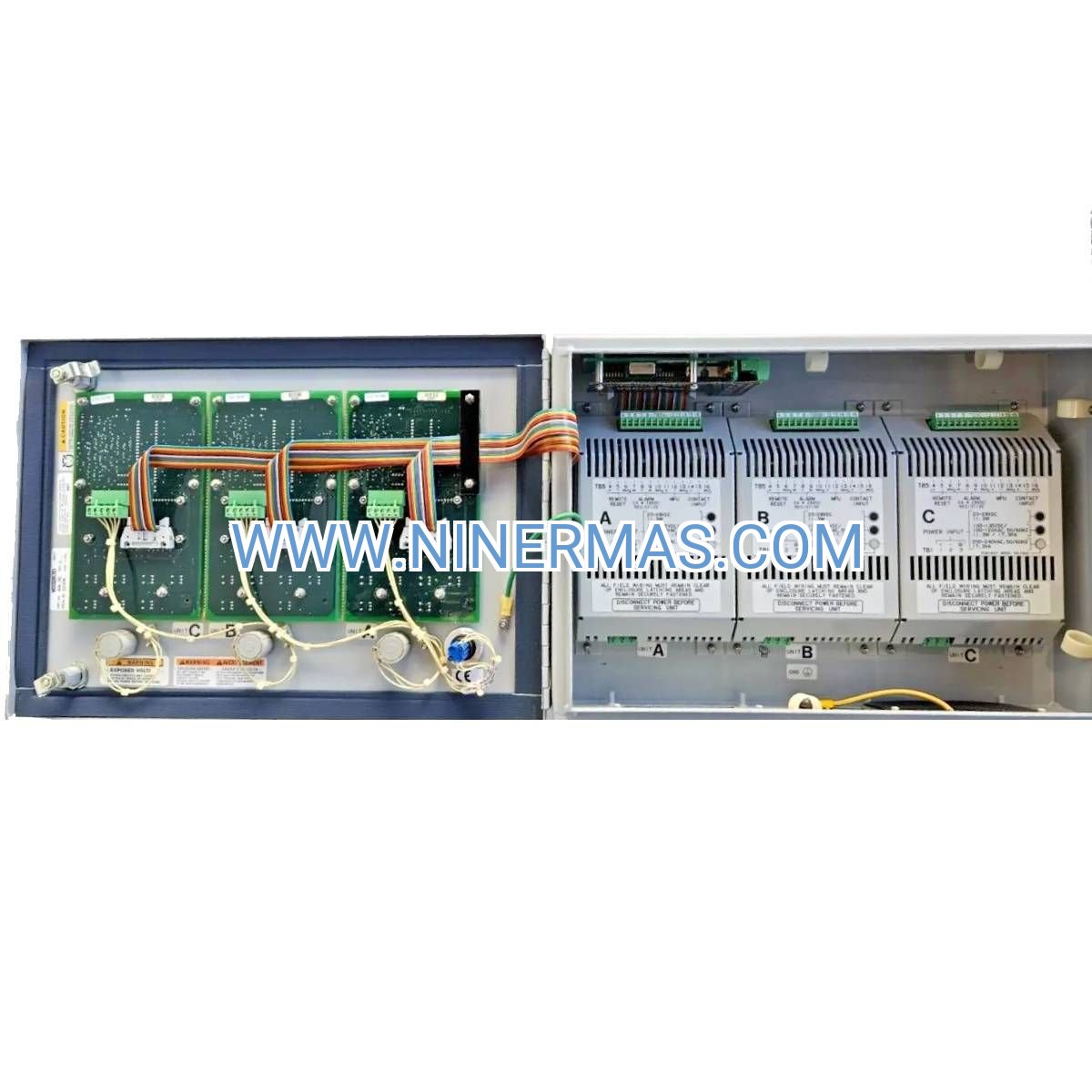
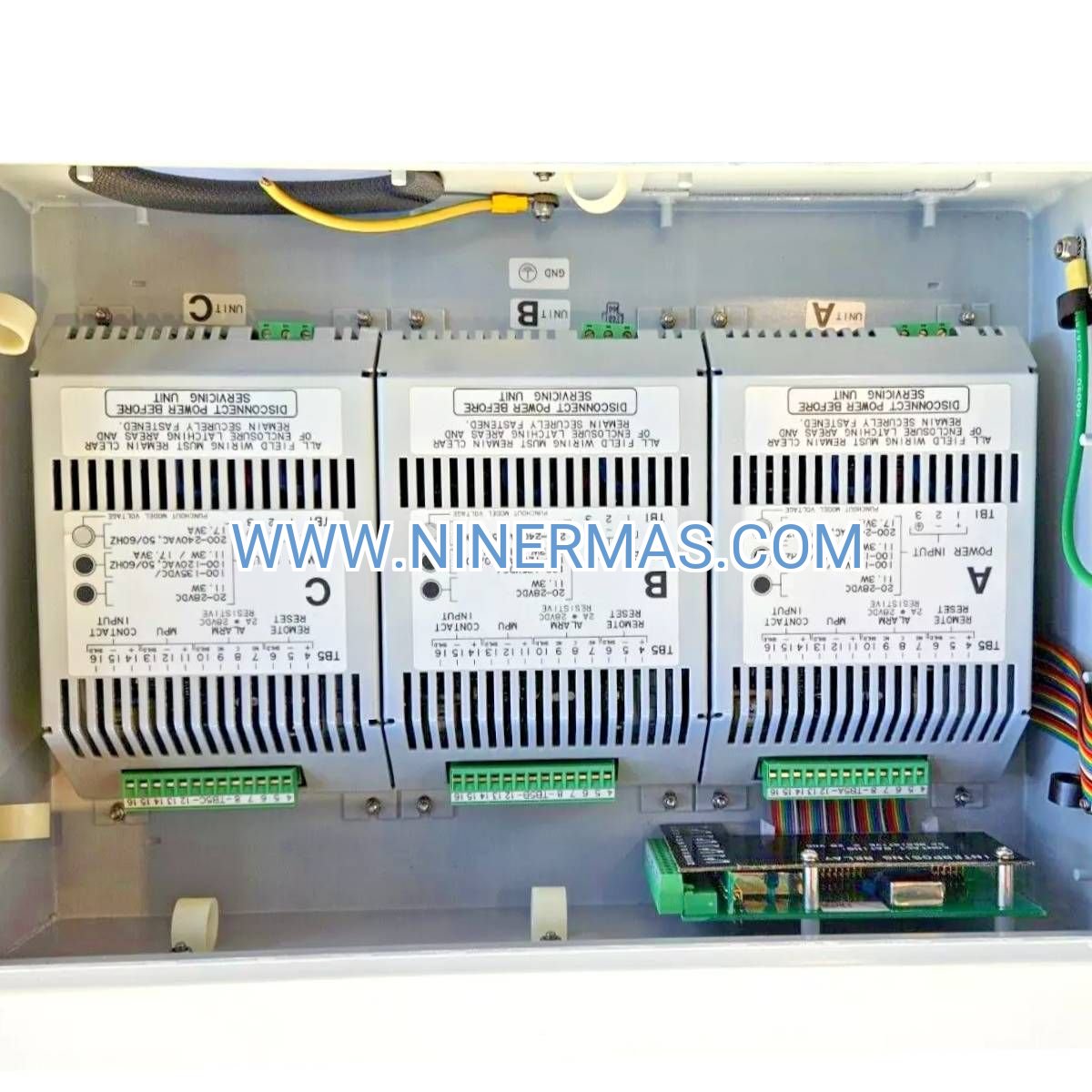
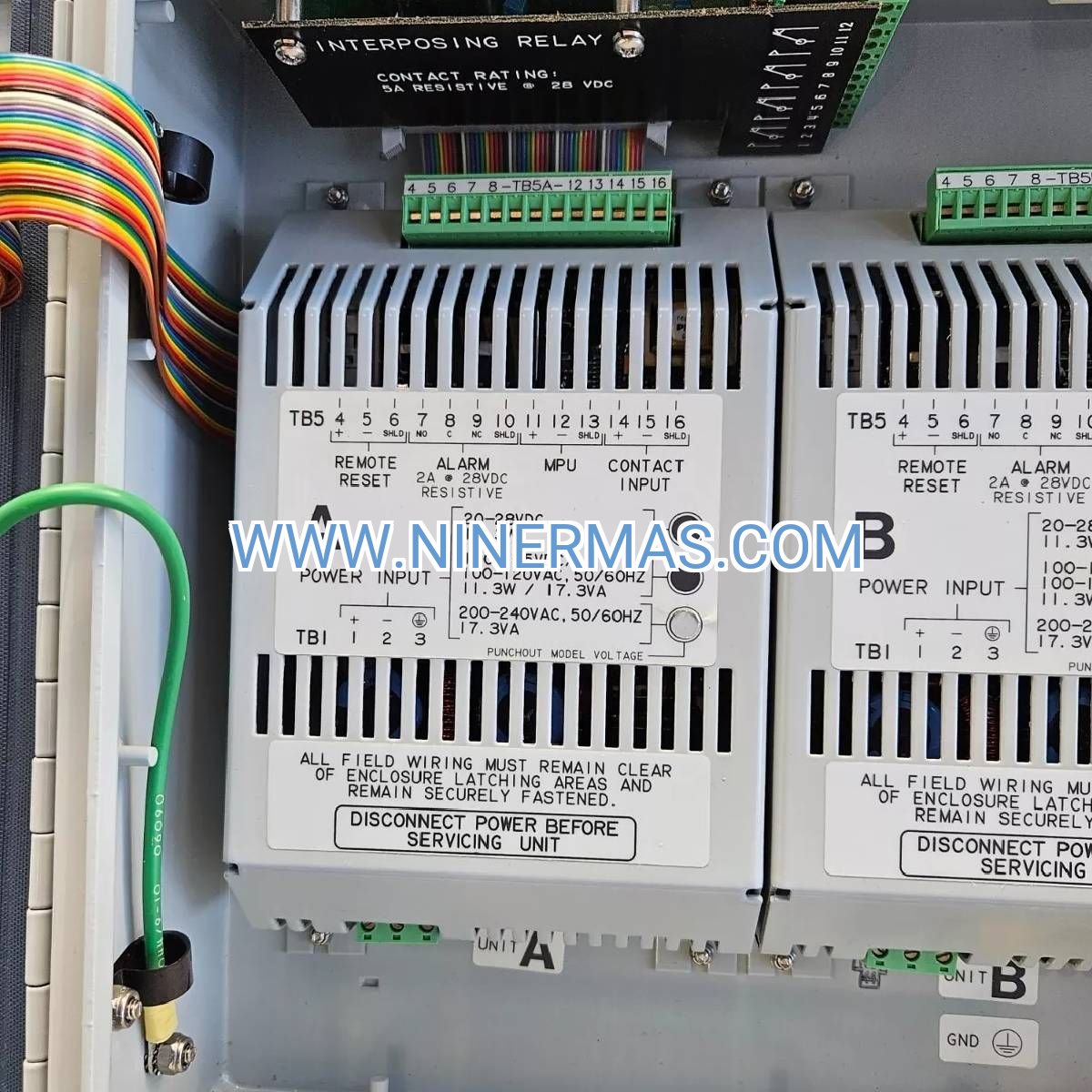
The 8200-205 represents Woodward's proven approach to turbine overspeed protection, combining triple-redundant speed sensing with fail-safe trip logic. This standalone safety system operates independently from primary control platforms, delivering SIL 2-compliant protection for steam, gas, and hydro turbine installations where runaway events threaten equipment integrity and personnel safety.
Designed for power generation, petrochemical processing, and industrial cogeneration facilities, the ProTech 203 addresses the critical challenge of catastrophic overspeed conditions through continuous monitoring and instantaneous trip initiation. Target users include plant engineers, safety instrumented system integrators, and turbine OEMs requiring certified protection layers that meet IEC 61508 functional safety standards.
Key advantages include de-energize-to-trip architecture ensuring automatic shutdown during power loss, field-adjustable speed setpoints from 100 to 20,000 RPM, and dual redundant relay outputs for direct valve actuation. The system's <10ms response time and NEMA 4X enclosure rating make it suitable for harsh industrial environments demanding uncompromising reliability.
Core Features & Benefits
✓ Triple-Sensor Redundancy → Three independent magnetic pickup inputs eliminate single-point failures, supporting 2-out-of-3 voting logic for enhanced diagnostic coverage and reduced nuisance trips in mission-critical applications.
✓ Fail-Safe Trip Architecture → De-energize-to-trip design automatically initiates turbine shutdown during control power loss, internal faults, or sensor failures—ensuring protection without active power dependency.
✓ Sub-10ms Response Time → From speed threshold detection to relay contact actuation in under 10 milliseconds, providing the fastest possible intervention to prevent mechanical damage during overspeed transients.
✓ SIL 2 Certified Protection → Meets IEC 61508 Safety Integrity Level 2 requirements with documented proof testing intervals and failure mode analysis, supporting compliance with safety instrumented system mandates.
✓ Universal Turbine Compatibility → Field-configurable for steam turbine generators, gas turbine compressor drives, and hydro turbine applications through adjustable speed ranges and multiple voltage input options (24 VDC / 120-240 VAC).
✓ Retrofit-Ready Integration → Direct replacement for legacy overspeed systems using standard MPU sensors, minimizing installation complexity and commissioning time while maintaining existing sensor infrastructure.
Typical Application Scenarios
Combined-Cycle Power Plants
In natural gas-fired combined-cycle facilities, the 8200-205 provides independent overspeed protection for gas turbine generator sets operating at 3,000-3,600 RPM. The system monitors turbine acceleration during load rejection events, initiating fuel valve closure and steam bypass activation when speed exceeds 110% of rated RPM. This prevents compressor surge, blade tip rub, and bearing failures that could result in multi-million dollar outages.
Petrochemical Compressor Drives
Steam turbine-driven centrifugal compressors in ethylene plants and refineries face overspeed risk during process upsets or anti-surge valve malfunctions. The ProTech 203 continuously compares speed signals from three MPU sensors, tripping the turbine stop valve when 2-out-of-3 inputs detect excessive acceleration. This safeguards rotating equipment valued at $5-15 million while maintaining SIL 2 protection layer integrity required by process safety management regulations.
Hydroelectric Generation Stations
Run-of-river and pumped storage hydro turbines experience rapid acceleration during sudden load loss or wicket gate control failures. The 8200-205 interfaces with turbine guide vane servos and emergency stop systems, detecting overspeed conditions within 10 milliseconds and initiating coordinated shutdown sequences. This prevents generator pole slipping, shaft torsional vibration, and catastrophic bearing damage in units ranging from 10 MW to 500 MW capacity.
Industrial Cogeneration Systems
Back-pressure steam turbines driving mechanical equipment in paper mills, chemical plants, and district heating facilities require standalone overspeed protection independent of distributed control systems. The ProTech 203 operates as a dedicated safety layer, monitoring turbine speed through magnetic pickups mounted on gear teeth or shaft-mounted targets, ensuring protection even during DCS communication failures or cyber security incidents.
Marine Propulsion & Auxiliary Power
Gas turbine propulsion systems and shipboard generator sets demand compact, vibration-resistant overspeed protection meeting marine classification society requirements. The NEMA 4X enclosure withstands salt spray and humidity, while the system's wide operating temperature range (-40°C to +70°C) ensures reliable performance in engine room environments.
Technical Parameters & Selection Guide
| Parameter | Specification |
|---|---|
| Model Number | 8200-205 |
| Product Series | ProTech 203 |
| Speed Measurement | Three independent magnetic pickup (MPU) inputs |
| Speed Range | 100 to 20,000 RPM (field-adjustable setpoints) |
| Trip Response Time | <10 milliseconds (detection to relay actuation) |
| Control Power | 24 VDC or 120-240 VAC (selectable) |
| Trip Logic | De-energize-to-trip (fail-safe) |
| Relay Outputs | Dual redundant SPDT contacts (10A @ 250 VAC) |
| Voting Configuration | 2-out-of-3 or 1-out-of-3 (field-selectable) |
| Safety Certification | SIL 2 per IEC 61508, UL listed, CE marked |
| Enclosure Rating | NEMA 4X / IP65 (corrosion-resistant) |
| Operating Temperature | -40°C to +70°C (-40°F to +158°F) |
| Dimensions (H×W×D) | 220 mm × 180 mm × 95 mm |
| Weight | 6.5 kg (14.3 lbs) |
Selection Criteria: Choose the 8200-205 when your application requires SIL 2-rated overspeed protection with triple-sensor redundancy and fail-safe trip logic. This model suits turbines operating between 100-20,000 RPM where independent safety layers are mandated by regulatory standards or insurance requirements. For applications demanding Modbus RTU communication or advanced diagnostics, consider the ProTech-GII series. For lower-criticality installations or budget-constrained projects, single-sensor overspeed devices may suffice, though they lack SIL certification and redundant architecture.
Extended Functions
Communication Integration: While the base 8200-205 provides discrete I/O for trip status and fault annunciation, optional Modbus RTU connectivity enables integration with SCADA systems, distributed control platforms, and plant historians. This allows remote monitoring of speed setpoints, sensor health, and trip event logs without compromising the system's standalone safety function.
Self-Diagnostics: Continuous monitoring of MPU sensor signal quality, relay coil integrity, and power supply voltage ensures early detection of degraded components. Diagnostic outputs trigger maintenance alerts before failures compromise protection capability, supporting predictive maintenance strategies and maximizing system availability.
Customization Options: Field-configurable parameters include overspeed trip setpoint (typically 110-115% of rated speed), underspeed alarm threshold, time delays for transient immunity, and voting logic selection. Custom enclosure materials, conformal coating for extreme environments, and extended temperature range variants are available for specialized applications.
Delivery & Service Assurance
Lead Time: Standard units ship within 3-5 business days from our regional distribution centers. Custom-configured systems with specialized enclosures or extended certifications require 4-6 weeks for engineering review and factory testing.
Warranty Coverage: Comprehensive 12-month warranty covers manufacturing defects, component failures, and workmanship issues. Extended warranty programs available for critical applications requiring 3-year or 5-year coverage with priority replacement service.
Technical Support: Access to Woodward-certified application engineers for installation planning, commissioning assistance, and troubleshooting support. Phone and email support available during business hours, with emergency hotline access for critical safety system issues.
Documentation Package: Each unit includes installation manual, wiring diagrams, calibration procedures, SIL certification documentation, and proof test instructions. CAD drawings and 3D models available for panel layout and mounting design.
Frequently Asked Questions
What makes the de-energize-to-trip design safer than energize-to-trip systems?
De-energize-to-trip architecture ensures that any loss of control power, internal component failure, or wiring fault automatically initiates a turbine trip. This fail-safe approach eliminates the risk of "stuck-on" conditions where energized relays could prevent trip actuation during critical overspeed events, making it the preferred design for SIL-rated safety applications.
Can this system replace my existing mechanical overspeed bolt?
The 8200-205 provides electronic overspeed protection that complements—but typically does not replace—mechanical overspeed bolts required by turbine OEM specifications. Many installations use the ProTech 203 as the primary protection layer with the mechanical bolt serving as ultimate backup, creating a defense-in-depth safety architecture.
How often does the ProTech 203 require calibration and testing?
Annual proof testing is recommended to verify trip setpoint accuracy, relay contact integrity, and sensor signal quality. The system's self-diagnostic features continuously monitor critical parameters, but periodic functional testing ensures compliance with SIL 2 proof test intervals (typically 12-24 months depending on application risk assessment).
What sensor compatibility does the 8200-205 support?
The system accepts standard passive magnetic pickup (MPU) sensors with output voltage ranges of 1-50 VAC RMS. Compatible with most turbine OEM sensors including Bently Nevada, Metrix, and Woodward MPU models. Sensor gap, target geometry, and signal conditioning parameters are field-adjustable to accommodate various installation configurations.
Does the system support remote speed monitoring and data logging?
The base model provides discrete outputs for trip status and fault conditions. For remote monitoring, speed trending, and event logging, optional Modbus RTU communication enables integration with plant DCS, SCADA systems, and condition monitoring platforms without affecting the core safety function's independence.
What installation time should I expect for retrofit applications?
Typical retrofit installations require 4-6 hours including panel mounting, MPU sensor wiring, trip relay connections, and functional testing. Pre-commissioning preparation (sensor verification, wiring routing, and setpoint documentation) can reduce on-site installation time to 2-3 hours for experienced technicians.
Request Technical Consultation
Our turbine protection specialists are available to discuss your specific overspeed detection requirements, review existing system architecture, and recommend optimal ProTech 203 configuration for your application. Contact us for detailed technical specifications, SIL certification documentation, or project-specific pricing.
Ready to enhance your turbine safety system? Request a quote or schedule a technical consultation with our application engineering team. We provide comprehensive support from initial specification through commissioning and lifecycle service.
© 2026 NINERMAS COMPANY LIMITED. All rights reserved.
Original Source: https://ninermas.com
Contact: sale@ninermas.com | +0086 187 5021 5667

Contact Info
-
Address:22 / F, South Wo Hang building, 148 Wing Lok Street, Sheung Wan, Western District, Hong Kong
-
Phone:+8618750215667
-
Email:
