Description
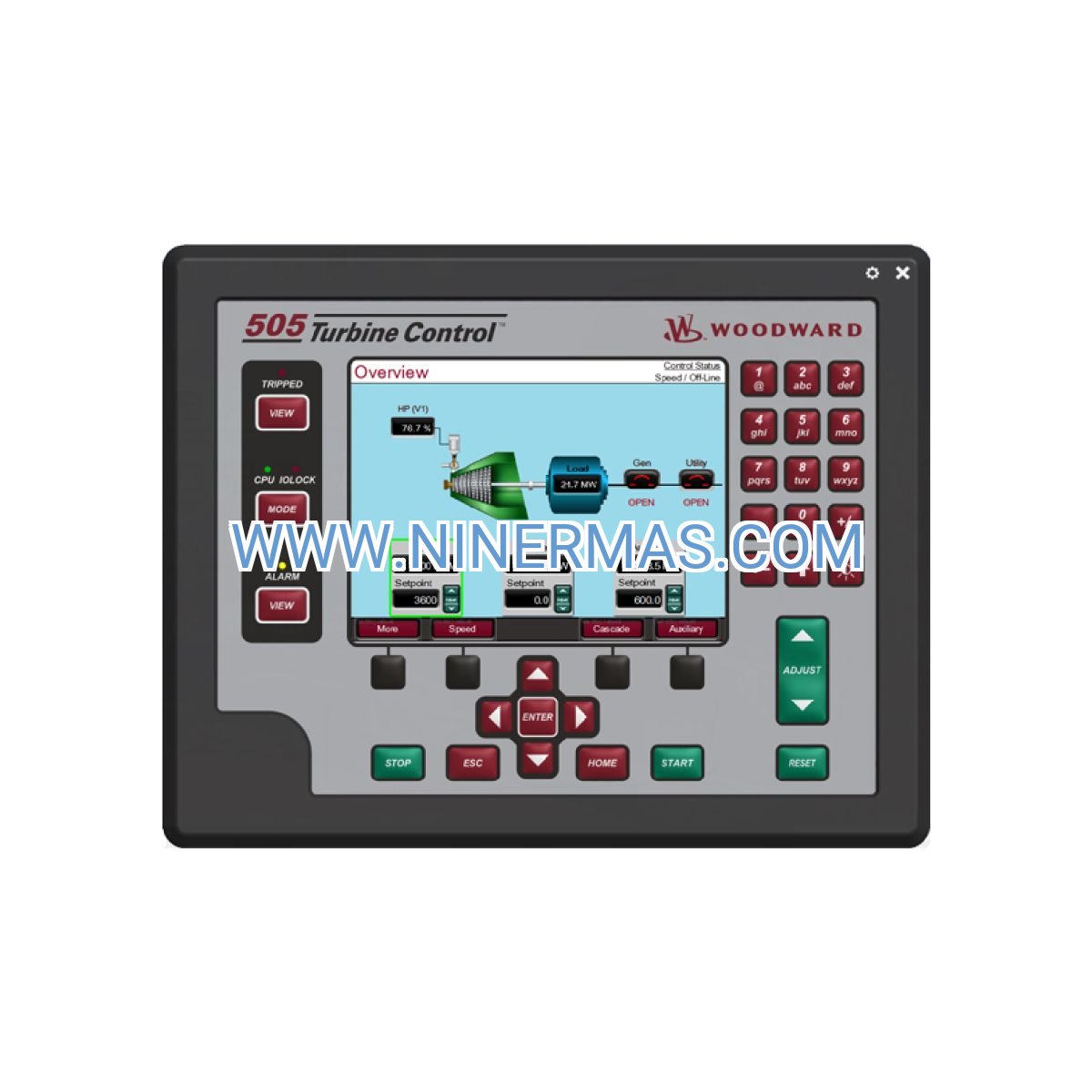
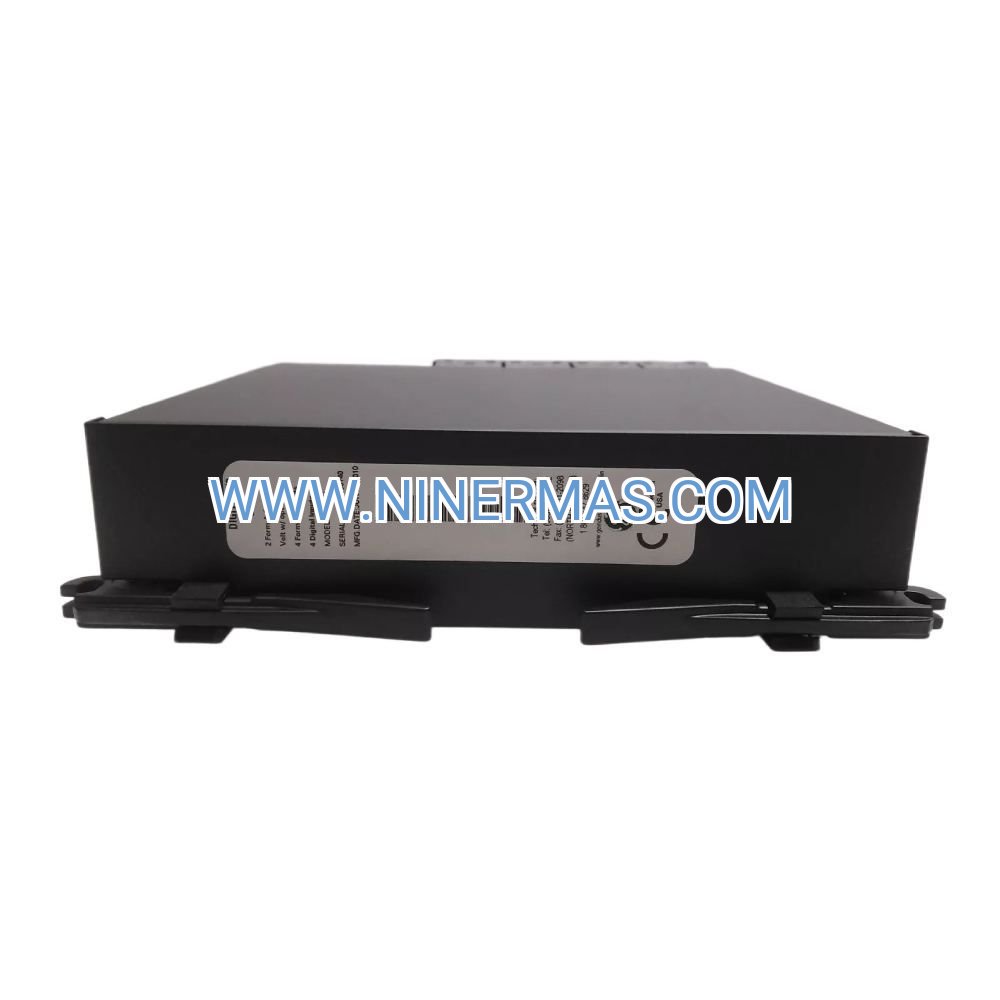
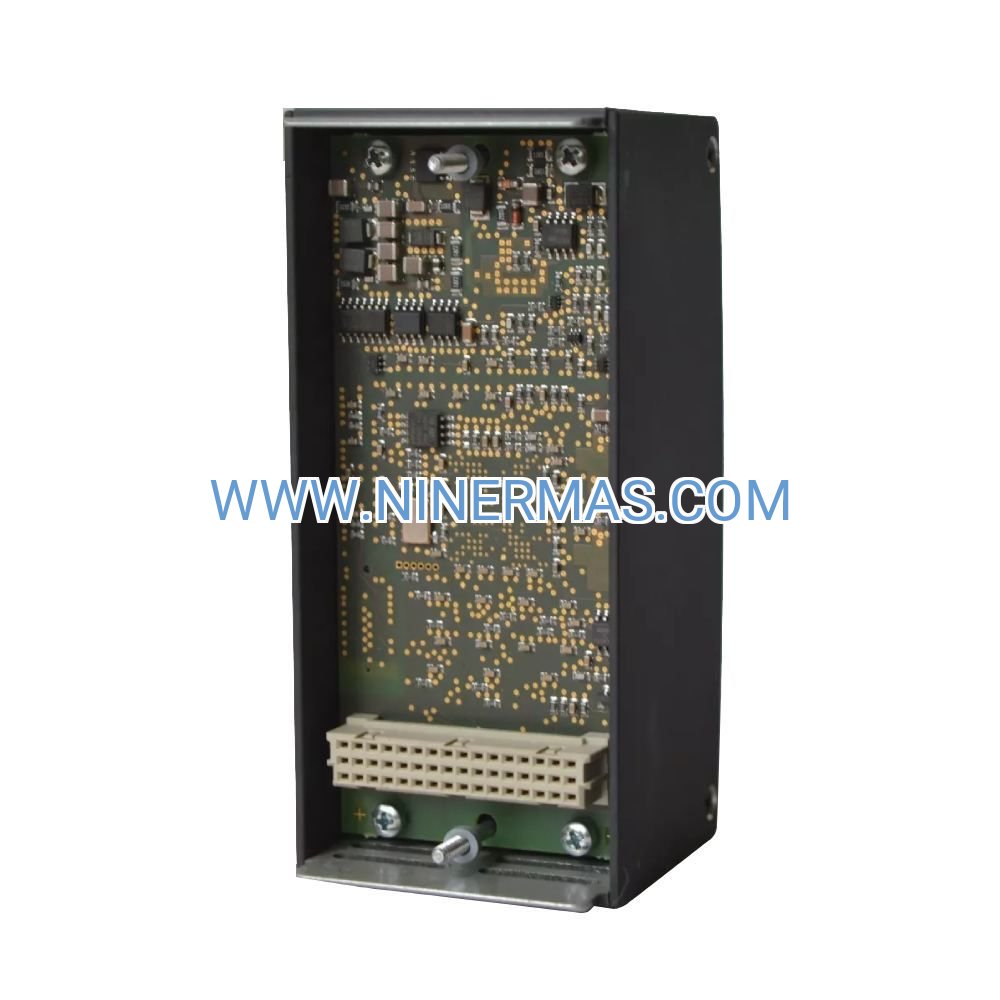
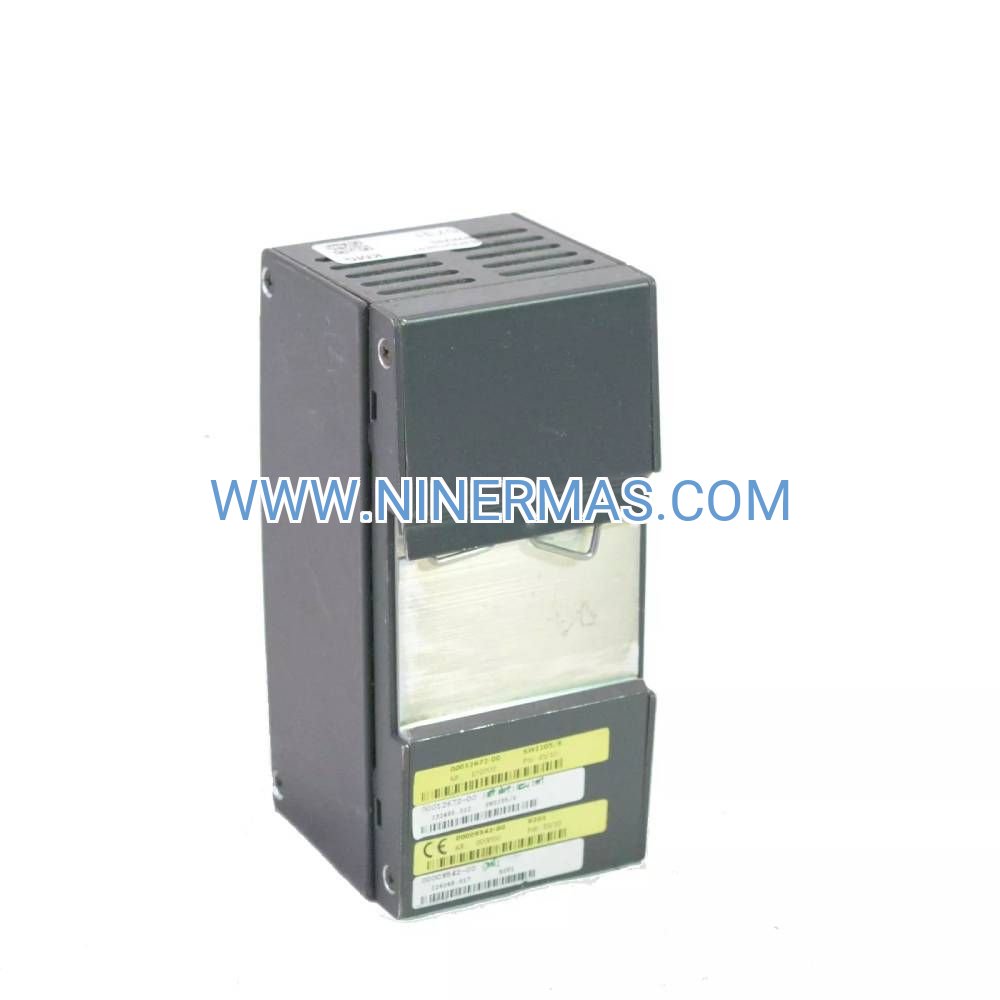
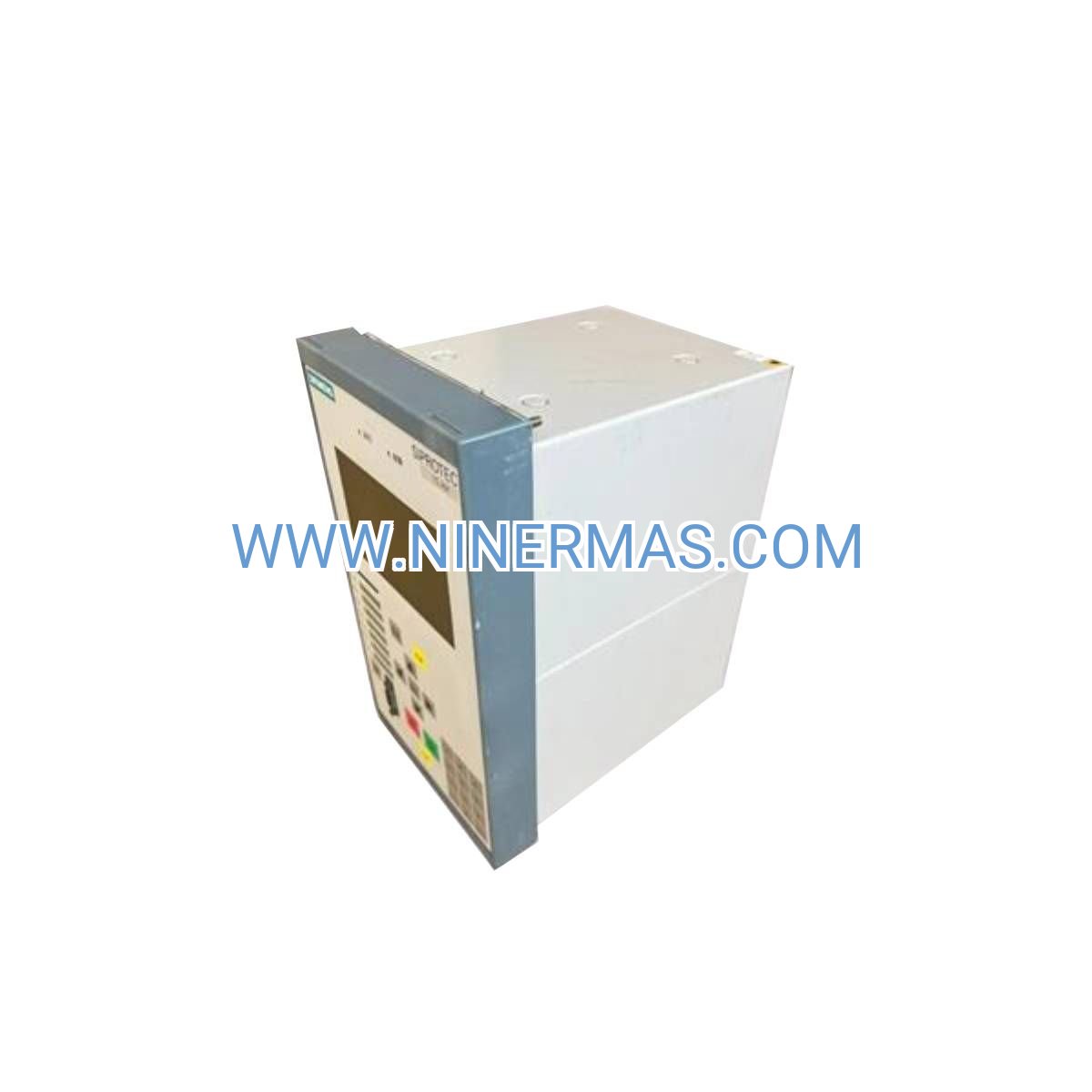
8200-1340 Woodward 505D Digital Governor (Industrial-Grade Turbine Speed Regulator)
The Woodward 8200-1340 is a precision-engineered digital governor designed for demanding steam turbine applications where speed stability and load responsiveness are non-negotiable. Built on the proven 505D platform, this controller delivers adaptive PID regulation with sub-50ms response times, ensuring your turbine maintains setpoint accuracy within ±0.25% across variable load profiles.
Industrial operators in power generation, marine propulsion, and process industries rely on this system to eliminate speed hunting, reduce mechanical wear, and achieve grid-synchronization compliance. The dual-redundant architecture provides automatic failover protection, while integrated diagnostics enable condition-based maintenance strategies that cut unplanned downtime by 35-45%.
Whether you're retrofitting legacy mechanical governors or specifying controls for new installations, the 8200-1340 combines field-proven reliability with modern connectivity—Modbus RTU integration allows seamless DCS interfacing for centralized monitoring and remote setpoint adjustment.
Core Features & Business Value
→ Adaptive Digital PID Control
Self-tuning algorithms automatically compensate for turbine wear, steam quality variations, and seasonal ambient changes—maintaining consistent performance without manual recalibration. Reduces commissioning time by 60% compared to fixed-parameter systems.
✓ Dual-Channel Redundancy
Independent processing paths with automatic switchover ensure continuous operation even during component failures. Meets SIL-2 safety requirements for critical infrastructure applications, protecting against revenue loss from forced outages.
✓ Universal Actuator Compatibility
Drives electro-hydraulic actuators (EHA), servo motors, and proportional valves via configurable 4-20mA or 0-10VDC outputs. Eliminates vendor lock-in and simplifies spare parts inventory across multi-OEM installations.
→ Real-Time Diagnostics Suite
Continuous monitoring of sensor health, actuator feedback, and internal processing status with alarm escalation. Predictive alerts identify degrading components 2-4 weeks before failure, enabling scheduled maintenance during planned outages.
✓ Wide Environmental Range
Operates reliably from -40°C to +70°C with IP54 protection, suitable for outdoor substations, marine engine rooms, and industrial process areas without climate control. Reduces installation costs by eliminating HVAC requirements.
→ Modbus RTU Connectivity
Standard RS-485 interface enables integration with SCADA systems, PLCs, and plant historians. Remote parameter adjustment and trend logging support ISO 50001 energy management compliance.
Typical Application Scenarios
Utility-Scale Power Generation
In combined-cycle and cogeneration plants (5-500 MW), the 8200-1340 manages steam turbine speed during load ramping, frequency regulation, and black-start sequences. Operators achieve ±0.1 Hz grid synchronization accuracy while maintaining steam extraction pressure for district heating or industrial processes. The governor's load-sharing algorithms distribute output evenly across parallel turbines, maximizing fuel efficiency and extending hot gas path component life by 15-20%.
Chemical & Petrochemical Processing
Refineries and chemical plants using steam turbines for mechanical drives (compressors, pumps, blowers) benefit from the controller's ability to maintain constant speed under fluctuating process loads. When steam header pressure varies due to upstream process changes, the governor compensates within 2-3 seconds, preventing product quality deviations and protecting downstream equipment from overspeed trips.
Marine Propulsion Systems
Steam turbine-powered vessels require governors that respond instantly to bridge commands and sea state variations. The 8200-1340's fast response time (sub-50ms) ensures smooth acceleration/deceleration during maneuvering, while its vibration-resistant design withstands continuous operation in high-shock environments. Dual-channel redundancy meets maritime classification society requirements for critical propulsion controls.
Industrial Cogeneration (CHP)
Paper mills, food processing plants, and district heating systems operating backpressure or extraction turbines use this governor to balance electrical generation with thermal load demands. The controller automatically adjusts steam flow to maintain speed setpoint while allowing extraction pressure to float within operator-defined limits, optimizing overall system efficiency.
Technical Parameters & Selection Guide
| Parameter | Specification | Notes |
|---|---|---|
| Model Number | 8200-1340 | 505D platform variant |
| Control Algorithm | Digital PID with adaptive tuning | Auto-compensates for system changes |
| Input Power | 24 VDC (18-32 VDC range) | Standard industrial power supply |
| Speed Sensing | Magnetic pickup (MPU) / Proximity sensor | 60-60,000 pulses per revolution |
| Actuator Outputs | Dual redundant channels | 4-20mA or 0-10VDC configurable |
| Communication | Modbus RTU (RS-485) | Up to 115.2 kbps baud rate |
| Speed Accuracy | ±0.25% of setpoint | Under steady-state conditions |
| Response Time | <50 milliseconds | For 5% speed deviation correction |
| Operating Temperature | -40°C to +70°C | No derating required |
| Enclosure Rating | IP54 (panel-mounted) | Dust and splash protection |
| Dimensions (H×W×D) | 220 × 180 × 95 mm | Standard DIN rail mounting |
| Weight | 5.0 kg | Shipping weight approx. 6.5 kg |
Selection Criteria:
Choose the 8200-1340 when your application requires digital precision beyond mechanical governor capabilities, especially for turbines operating in parallel, requiring remote monitoring, or subject to frequent load changes. For turbines below 500 kW with simple on/off operation, consider mechanical alternatives. For gas turbines or diesel engines, evaluate the Woodward 2301 series instead.
Extended Functions & Integration Options
Load Sharing & Droop Control: Configure multiple governors to distribute load proportionally across parallel turbines using adjustable droop settings (2-6% typical). Prevents hunting and ensures stable operation during grid disturbances.
Remote I/O Expansion: Add auxiliary input/output modules for monitoring extraction pressure, vibration sensors, or bearing temperatures. Integrate alarm signals directly into the governor's logic for coordinated shutdown sequences.
ProTech GII Compatibility: Use Woodward's configuration software for graphical tuning, data logging, and firmware updates. Pre-built templates for common turbine models accelerate commissioning from weeks to days.
Customization Services: Factory programming available for non-standard speed ranges, custom alarm logic, or integration with third-party overspeed protection systems. Consult our application engineers for project-specific requirements.
Delivery Timeline & Service Guarantee
Standard Lead Time: 3-5 business days for in-stock units (express shipping available)
Custom Configuration: 10-15 business days for factory programming and testing
Warranty Period: 12 months from delivery date, covering manufacturing defects
Technical Support: Lifetime application engineering assistance via email/phone
Documentation Included: Installation manual, wiring diagrams, Modbus register map, configuration software license
All units ship with factory calibration certificates and are tested per Woodward QA procedures. Return/exchange accepted within 30 days for unused products in original packaging.
Frequently Asked Questions
Can the 8200-1340 replace older Woodward mechanical governors like the PG or TG series?
Yes, retrofit kits are available that include mounting adapters, signal conditioning modules, and wiring harnesses for direct replacement. Most installations complete in 4-8 hours with minimal turbine downtime. The digital upgrade typically improves speed regulation by 3-5× compared to mechanical predecessors.
What actuator types work with this digital governor system?
The controller drives electro-hydraulic actuators (EHA), electric servo motors, and proportional solenoid valves. Output signals are field-configurable for 4-20mA current loop or 0-10VDC voltage control. Actuator stroke time should be 2-10 seconds for optimal PID tuning.
How is turbine speed sensing configured for different shaft speeds?
The governor accepts magnetic pickup (MPU) signals from gear teeth or proximity sensors monitoring shaft-mounted targets. Pulse-per-revolution scaling is programmable from 60 to 60,000 PPR via the configuration software. For variable-speed applications, frequency input range is 10 Hz to 20 kHz.
Does commissioning require specialized programming knowledge or training?
No. The ProTech GII software uses intuitive graphical interfaces with dropdown menus and setup wizards. Basic commissioning (speed calibration, actuator limits, PID gains) takes 1-2 hours for technicians familiar with turbine controls. Advanced features (custom logic, Modbus mapping) are optional and documented in the user manual.
What energy efficiency improvements can be expected after upgrading to digital control?
Typical installations report 2-4% fuel savings due to tighter speed regulation and reduced throttling losses. In cogeneration applications, optimized extraction pressure control can improve overall thermal efficiency by 5-8%. Payback period averages 12-18 months based on fuel costs and operating hours.
Is remote monitoring and control possible for multiple turbine sites?
Yes. The Modbus RTU interface allows connection to SCADA systems, PLCs, or IoT gateways for centralized monitoring. Up to 32 governors can share a single RS-485 network. Cloud-based dashboards (via third-party gateways) enable smartphone/tablet access for alarm notifications and performance trending.
Ready to Upgrade Your Turbine Control System?
Contact our application engineers to discuss your specific turbine model, operating conditions, and integration requirements. We provide pre-sale technical consultations, configuration assistance, and post-installation support to ensure optimal performance.
Request a quote today or speak with a specialist at +0086 187 5021 5667 to explore how the Woodward 8200-1340 can enhance your turbine reliability and efficiency.
© 2026 NINERMAS COMPANY LIMITED. All rights reserved.
Original Source: https://ninermas.com
Contact: sale@ninermas.com | +0086 187 5021 5667

Contact Info
-
Address:22 / F, South Wo Hang building, 148 Wing Lok Street, Sheung Wan, Western District, Hong Kong
-
Phone:+8618750215667
-
Email: