Description
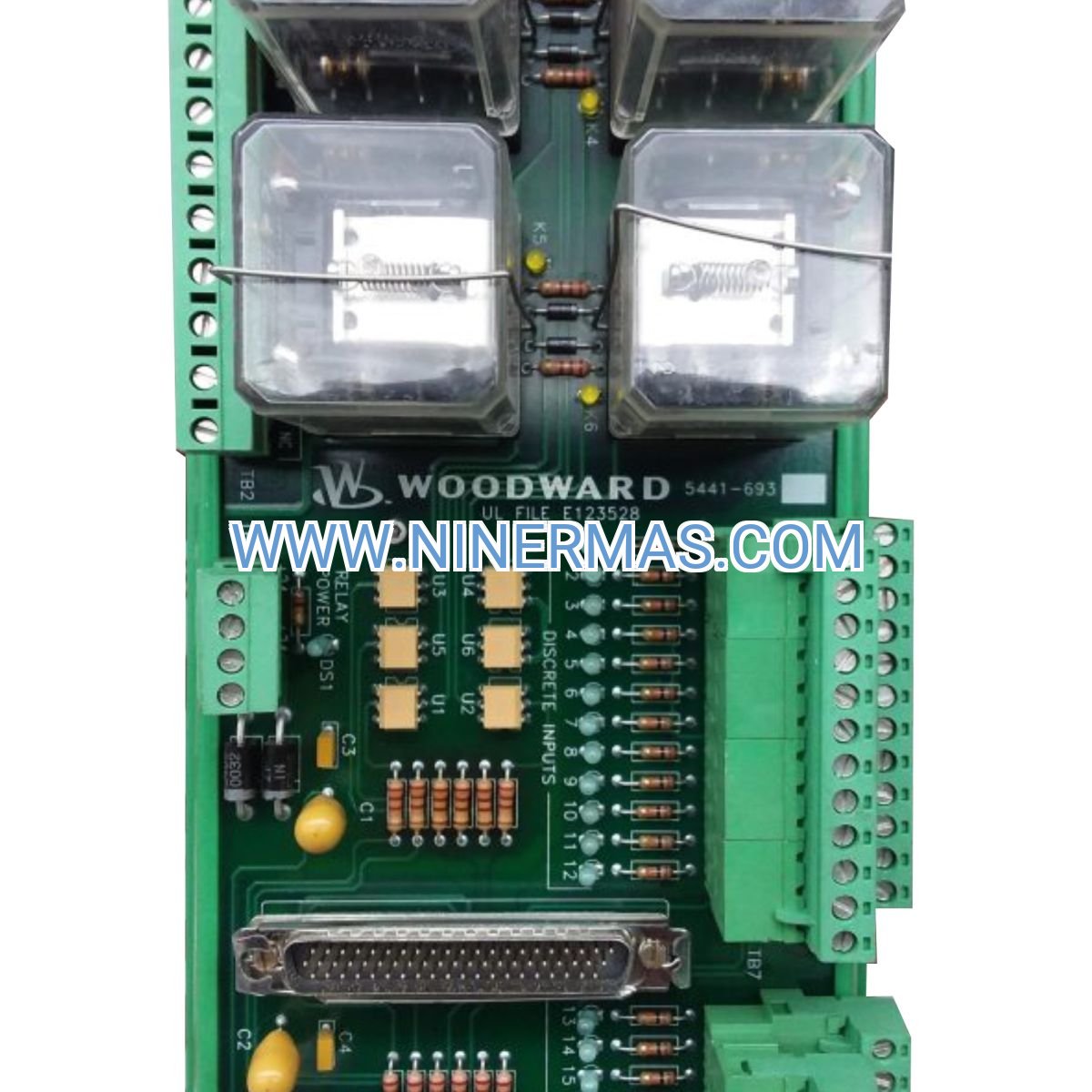
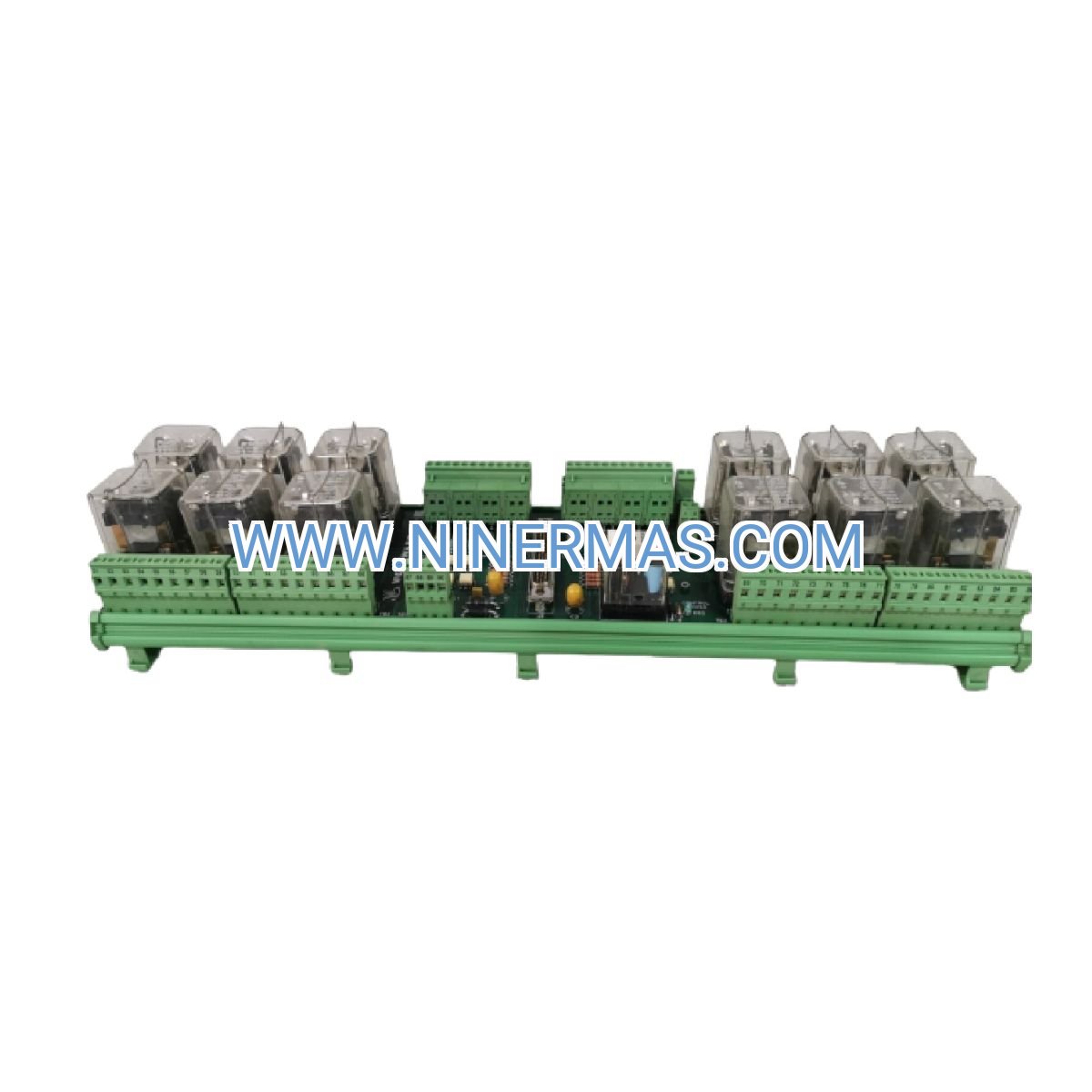
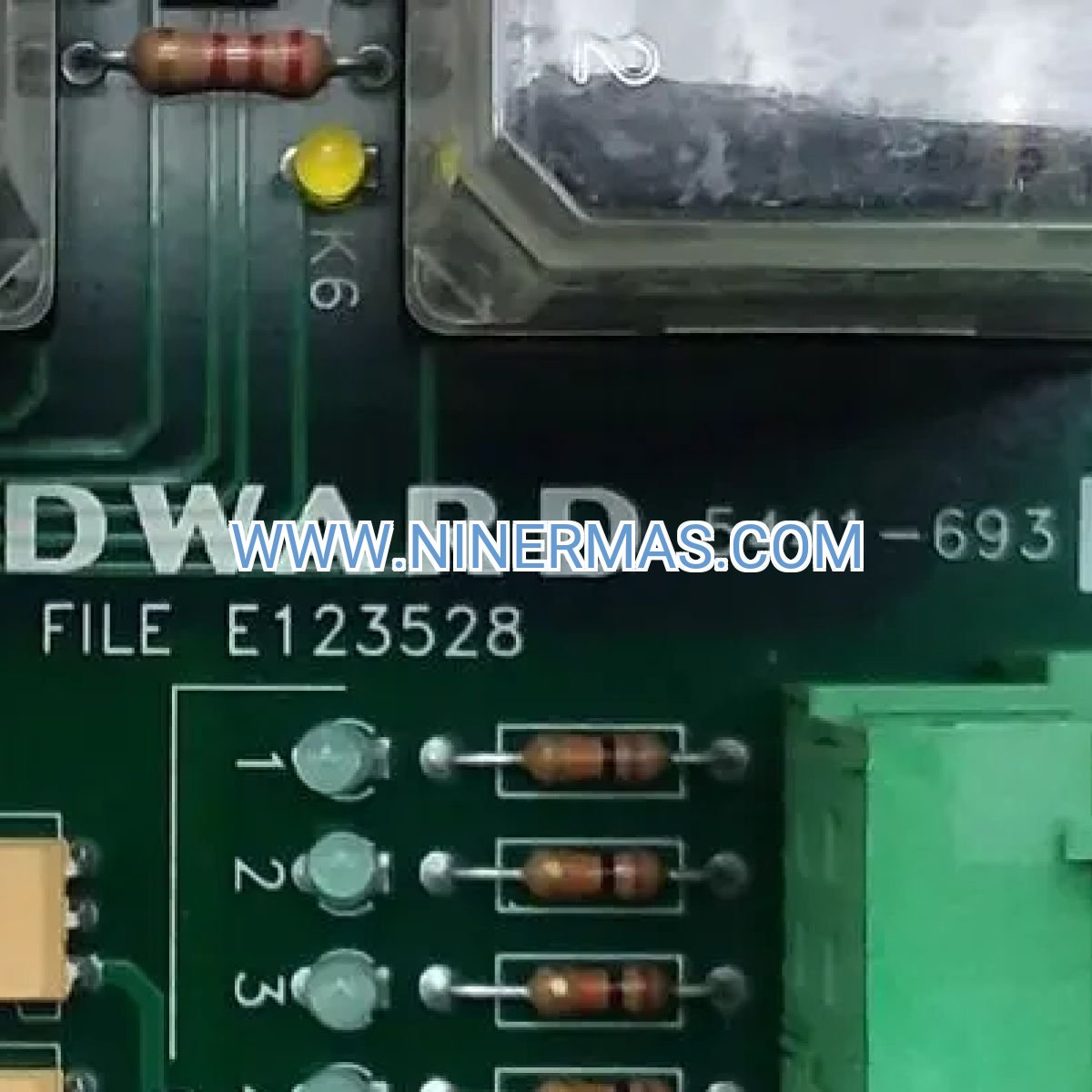
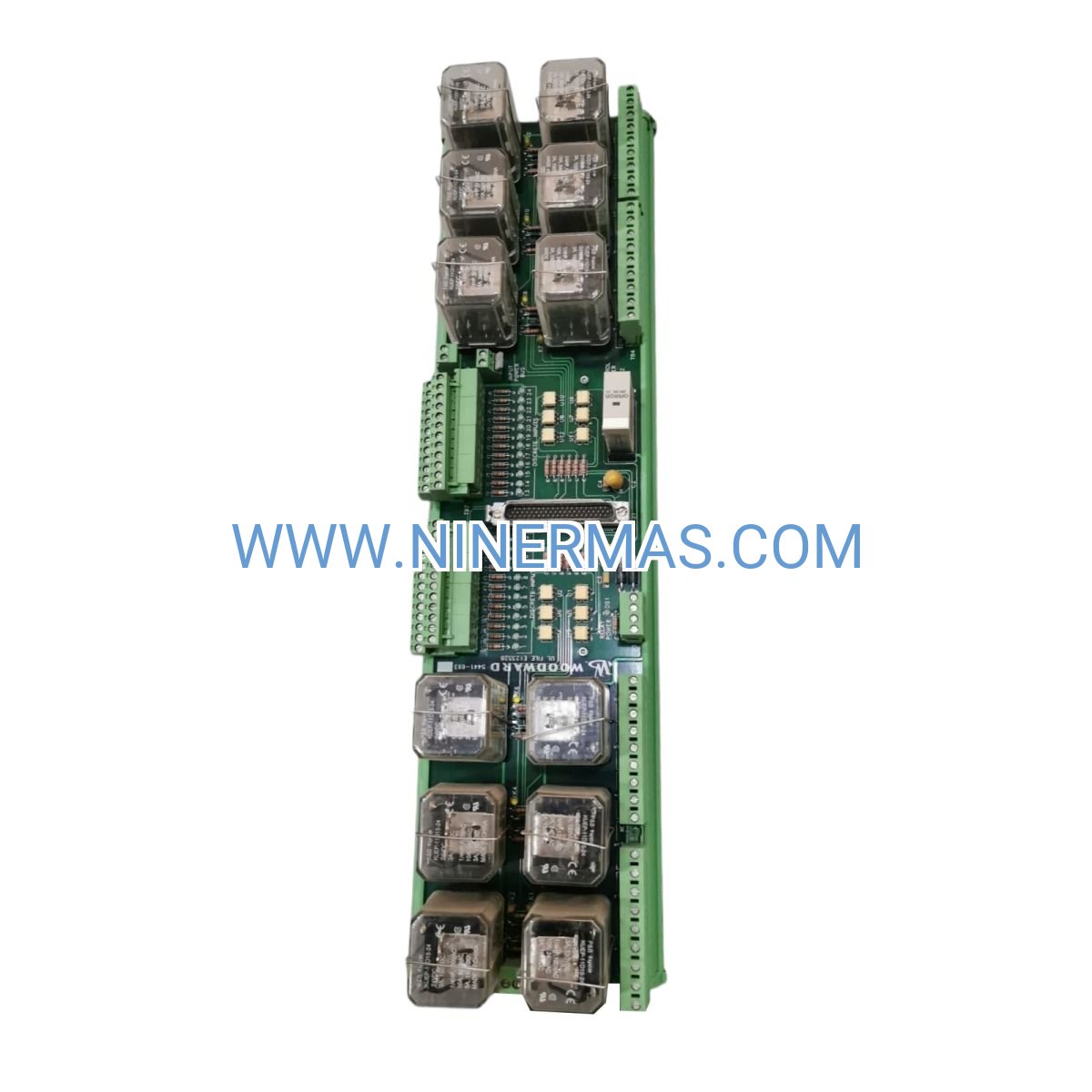
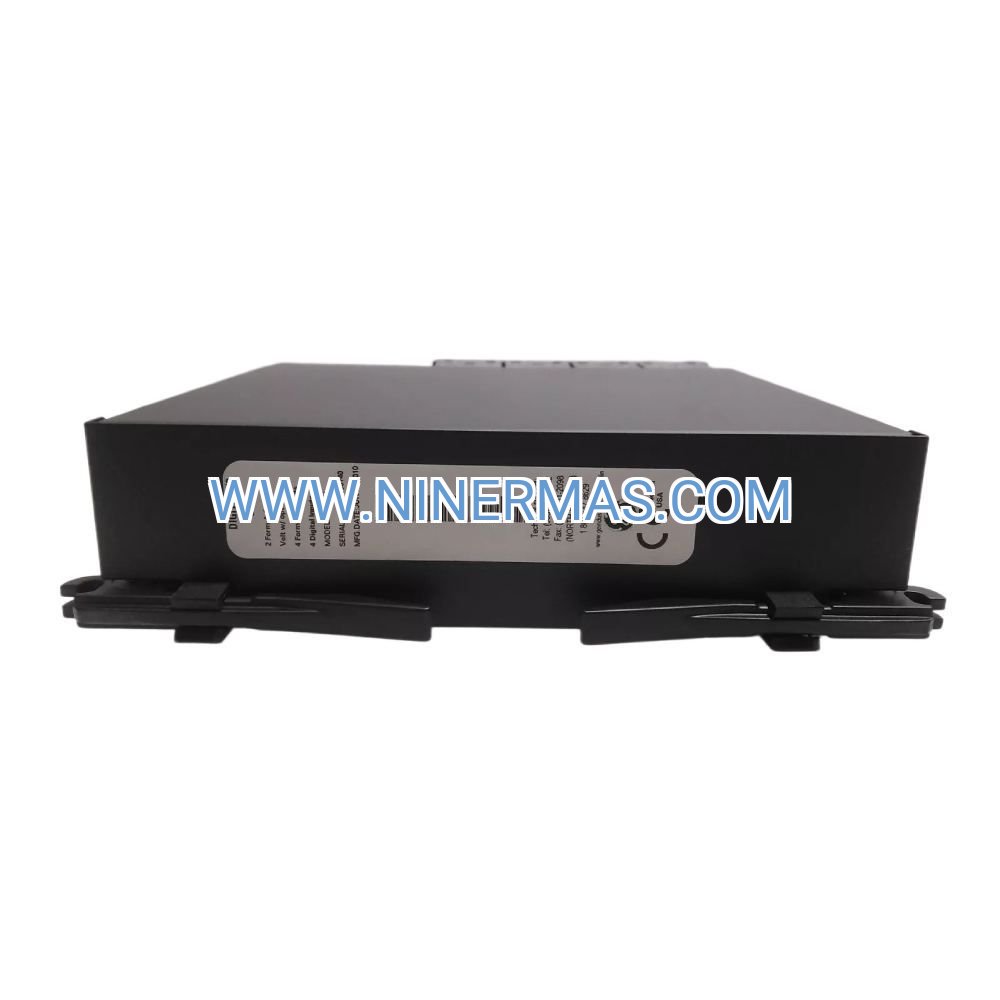
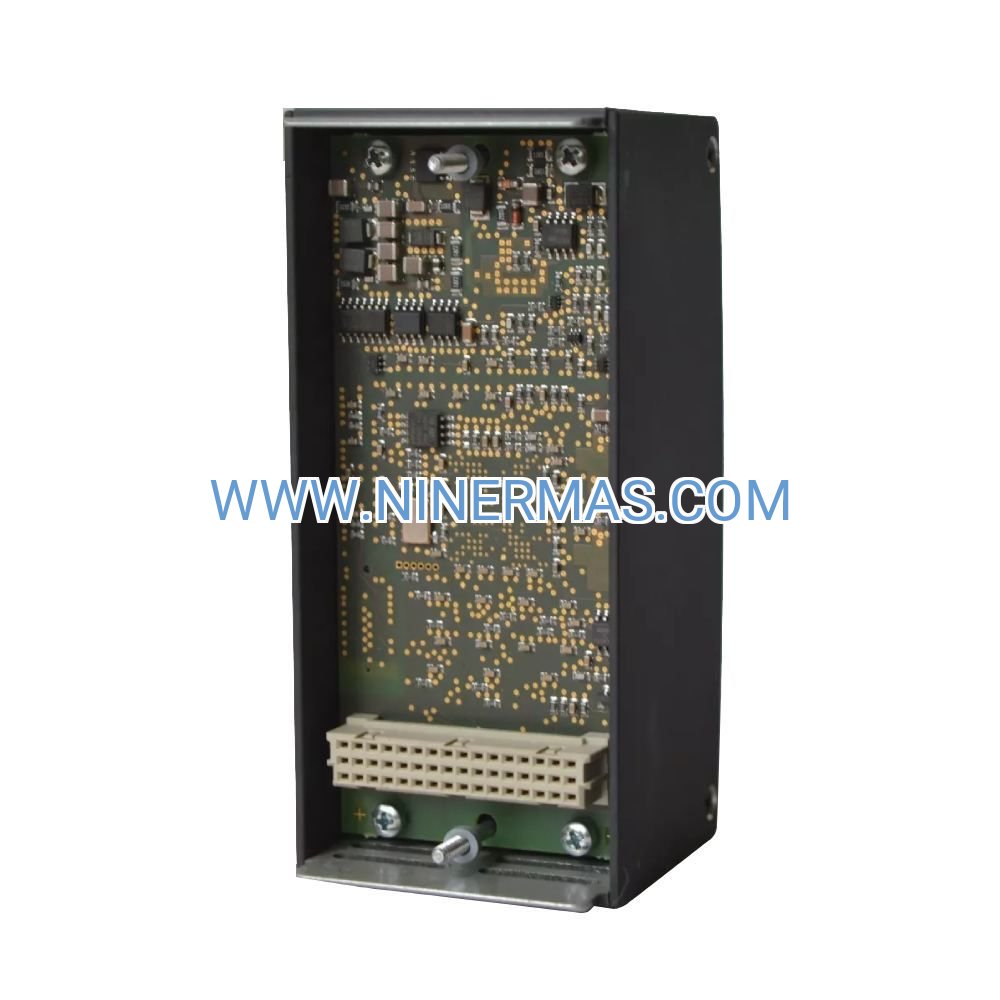
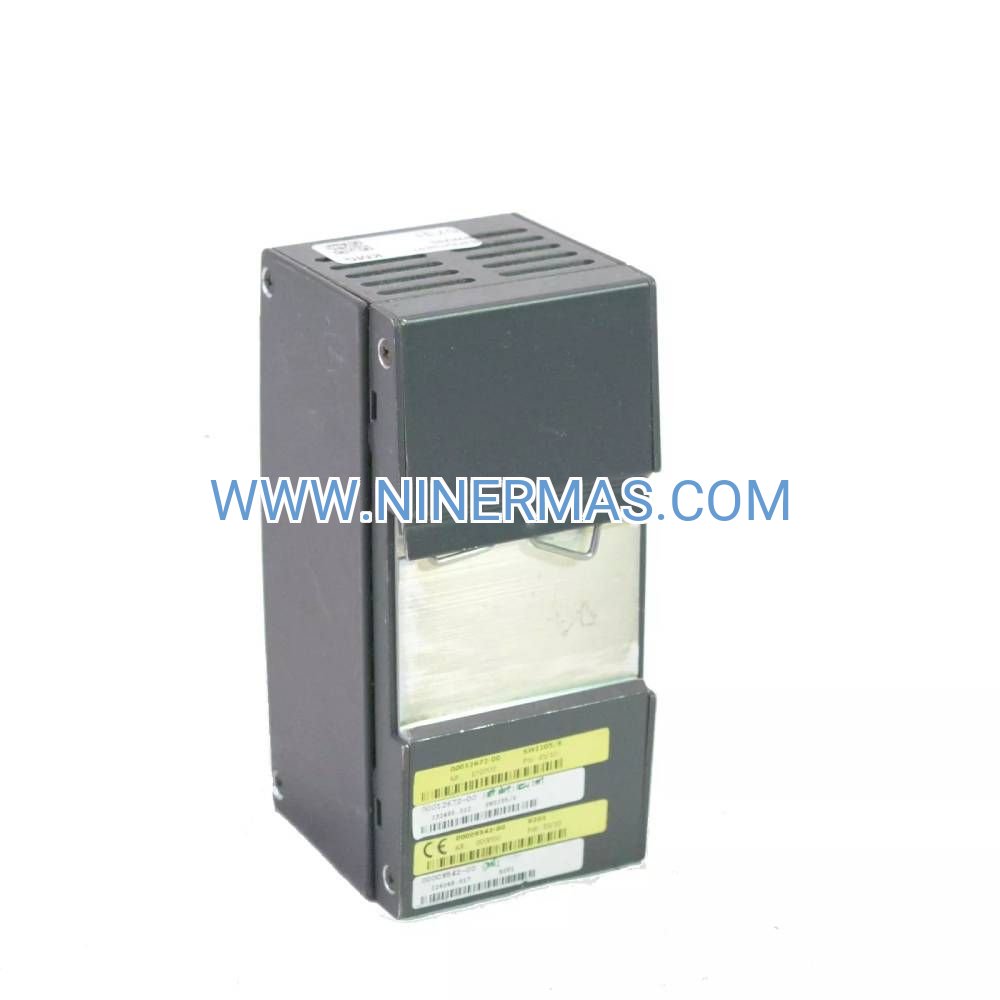
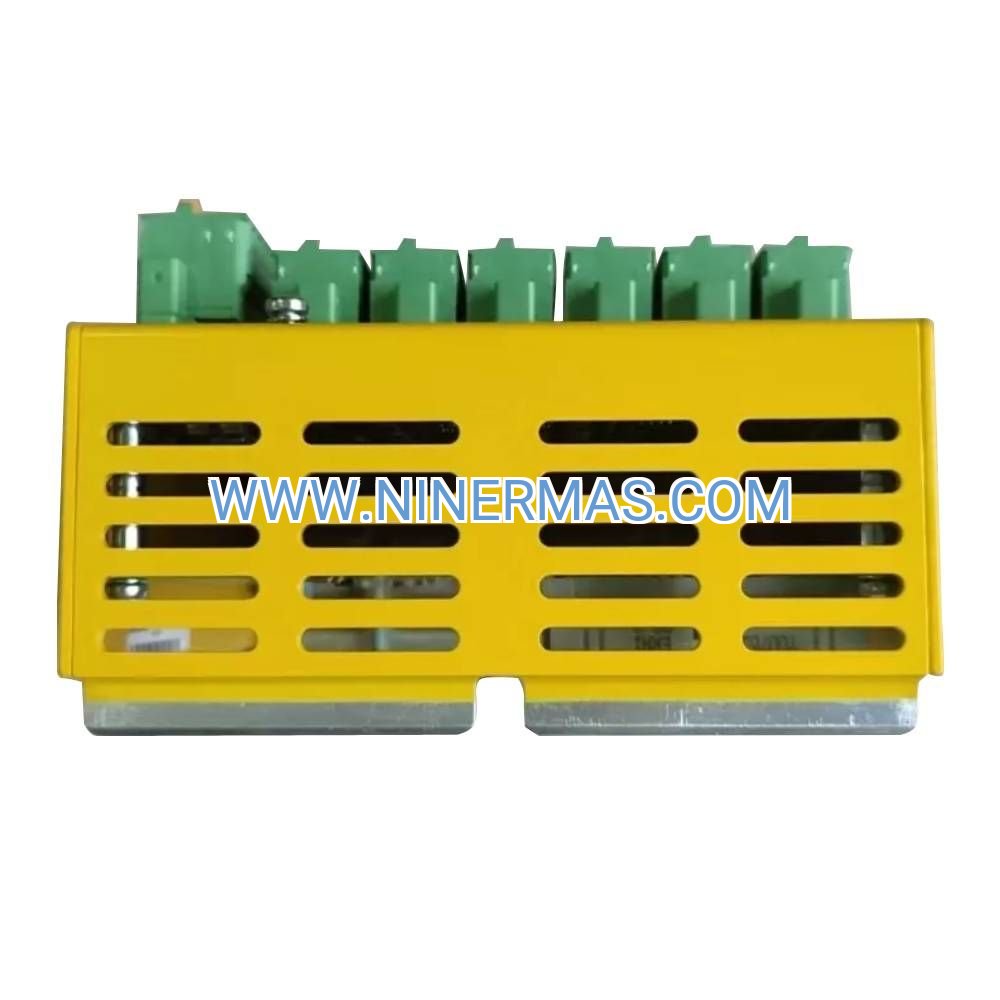
Woodward 5541-693 TMR Digital Control System (Industrial-Grade Triple Redundancy Platform)
The Woodward 5541-693 is an enterprise-class digital control platform engineered with Triple Modular Redundancy (TMR) architecture, delivering continuous uptime for turbine control, compressor automation, and power generation systems. Built for environments where a single point of failure is unacceptable, this system combines deterministic processing, automatic fault isolation, and hot-swappable modularity to safeguard critical industrial operations.
Designed for plant engineers and automation specialists managing gas turbines, steam turbines, or reciprocating compressors, the 5541-693 eliminates unplanned shutdowns through real-time voting logic that detects and bypasses faulty channels without process interruption. Its scalable I/O framework and MicroNet protocol compatibility make it the backbone of distributed control architectures in oil & gas, marine propulsion, and cogeneration facilities.
With certifications spanning UL, CE, ATEX, and IECEx standards, this controller meets global safety requirements while providing microsecond-level response times for speed regulation, temperature management, and vibration monitoring. The result: predictable performance, reduced maintenance costs, and compliance-ready documentation for audited industries.
Core Features & Benefits
✓ Triple Modular Redundancy Architecture
Three parallel processing channels with continuous cross-verification ensure that hardware faults are isolated instantly, maintaining control integrity without manual intervention or system restarts.
✓ Hot-Swappable Component Design
Replace CPUs, I/O modules, or power supplies during live operation—no scheduled downtime required, reducing annual maintenance windows by up to 40%.
✓ Deterministic Scan Cycles
Guaranteed execution times enable precise control of turbine speed governors, anti-surge valves, and load-sharing algorithms, critical for grid synchronization and emissions compliance.
✓ Expandable I/O Capacity
Supports 100+ analog/digital points through distributed MicroNet modules, accommodating complex multi-stage compressor trains or combined-cycle power plants without controller replacement.
✓ Integrated Diagnostics & Predictive Alerts
Real-time health monitoring tracks CPU load, network latency, and module status, triggering maintenance notifications before failures occur—extending MTBF beyond 100,000 hours.
✓ Backward Compatibility with Legacy Systems
Interfaces seamlessly with Woodward 505-series I/O and earlier MicroNet generations via adapter cards, protecting existing infrastructure investments during phased upgrades.
Typical Application Scenarios
→ Combined-Cycle Power Plants
Manages gas turbine speed control, steam turbine synchronization, and HRSG (Heat Recovery Steam Generator) sequencing in 50-500 MW facilities, ensuring grid stability during load transients while meeting NOx emission limits.
→ Offshore Oil & Gas Platforms
Provides anti-surge protection and capacity control for multi-stage centrifugal compressors in subsea gas processing, where redundancy is mandated by API 670 vibration monitoring standards and DNV-GL safety protocols.
→ Marine Propulsion Systems
Controls LM2500 or RB211 gas turbines in naval vessels and LNG carriers, delivering redundant speed regulation and emergency shutdown logic that complies with ABS and Lloyd's Register certifications.
→ Industrial Cogeneration Facilities
Coordinates generator paralleling, load sharing, and black-start sequences in chemical plants and refineries, integrating with DCS systems via Modbus TCP/IP for centralized SCADA visibility.
→ Pipeline Compressor Stations
Automated reciprocating compressor control with cylinder pressure monitoring, valve timing optimization, and remote diagnostics for unmanned stations across continental transmission networks.
Technical Parameters & Selection Guide
| Parameter | Specification |
|---|---|
| Model Number | 5541-693 |
| Architecture | Triple Modular Redundancy (TMR) with 2-out-of-3 voting |
| Processing Speed | Deterministic scan cycles (configurable 10-100ms) |
| Communication Protocol | MicroNet proprietary + Modbus TCP/IP |
| I/O Expansion | Up to 128 points via distributed modules |
| Operating Temperature | -40°C to +70°C (-40°F to +158°F) |
| Power Input | 24 VDC or 120/240 VAC (model-dependent) |
| Certifications | UL 508, CE, ATEX Zone 2, IECEx |
| MTBF (TMR Mode) | >100,000 hours |
| Dimensions | Standard 19-inch rack-mount chassis |
| Weight | 15 kg (33 lbs) |
Selection Criteria: Choose the 5541-693 when your application demands SIL 2/3 safety integrity, requires integration with existing Woodward ecosystems, or operates in hazardous area classifications (ATEX/IECEx). For smaller turbine packages (<5 MW), consider the 5437-523C compact TMR variant.
Extended Functions
IoT & Remote Monitoring Integration: The 5541-693 supports OPC UA and MQTT protocols for cloud-based analytics platforms, enabling predictive maintenance dashboards and remote troubleshooting via secure VPN connections.
Advanced Control Algorithms: Pre-configured libraries include PID loops, lead-lag compensation, and fuzzy logic for adaptive tuning—reducing commissioning time by 30% compared to custom programming.
Customization Options: Factory-configured I/O mapping, application-specific firmware, and customer-branded HMI screens available for OEM turbine manufacturers and system integrators.
Delivery & Service Assurance
Lead Time: Standard configurations ship within 4-6 weeks; custom-programmed units require 8-10 weeks for factory acceptance testing (FAT).
Warranty Coverage: 12-month manufacturer warranty against defects in materials and workmanship, with optional extended service contracts available.
Technical Support: Lifetime access to firmware updates, configuration assistance via phone/email, and on-site commissioning support (quoted separately).
Documentation Package: Includes installation manual, wiring diagrams, GAP software license (programming tool), and IEC 61131-3 compliant logic examples.
Frequently Asked Questions
How does the TMR voting logic handle simultaneous dual-channel failures?
The system continues operating on the remaining healthy channel while triggering critical alarms. Redundancy is temporarily lost until hot-swappable modules are replaced—typically within 15 minutes for trained personnel.
Can this controller interface with third-party vibration monitoring systems?
Yes. The 5541-693 accepts 4-20mA analog inputs and Modbus RTU/TCP data from Bently Nevada, SKF, and Emerson AMS systems, integrating vibration trip logic directly into the control strategy.
What programming environment is required for configuration changes?
Woodward's GAP (General Application Programming) software is mandatory for logic development, parameter tuning, and diagnostics. Licenses are sold separately and require Windows 10/11 workstations.
Is this system suitable for hazardous area installations?
The 5541-693 carries ATEX Zone 2 and IECEx certifications for gas group IIC environments. For Zone 1 applications, consult factory engineering for intrinsically safe barrier configurations.
How does this compare to Siemens or Emerson redundant controllers?
While Siemens S7-400H and Emerson Ovation offer similar TMR capabilities, the 5541-693 excels in turbomachinery-specific applications due to native support for Woodward actuators, speed sensors, and legacy MicroNet networks—reducing integration complexity.
What is the typical energy consumption of the system?
Power draw averages 150W for the base CPU module plus 20-40W per I/O expansion card, making it suitable for solar-powered remote installations with battery backup.
Take the Next Step
Ready to eliminate unplanned downtime in your critical control systems? Contact our automation specialists for application-specific sizing, pricing, and integration support. We provide technical consultations, system architecture reviews, and migration planning from legacy platforms.
© 2026 NINERMAS COMPANY LIMITED. All rights reserved.
Original Source: https://ninermas.com
Contact: sale@ninermas.com | +0086 187 5021 5667

Contact Info
-
Address:22 / F, South Wo Hang building, 148 Wing Lok Street, Sheung Wan, Western District, Hong Kong
-
Phone:+8618750215667
-
Email: