Description
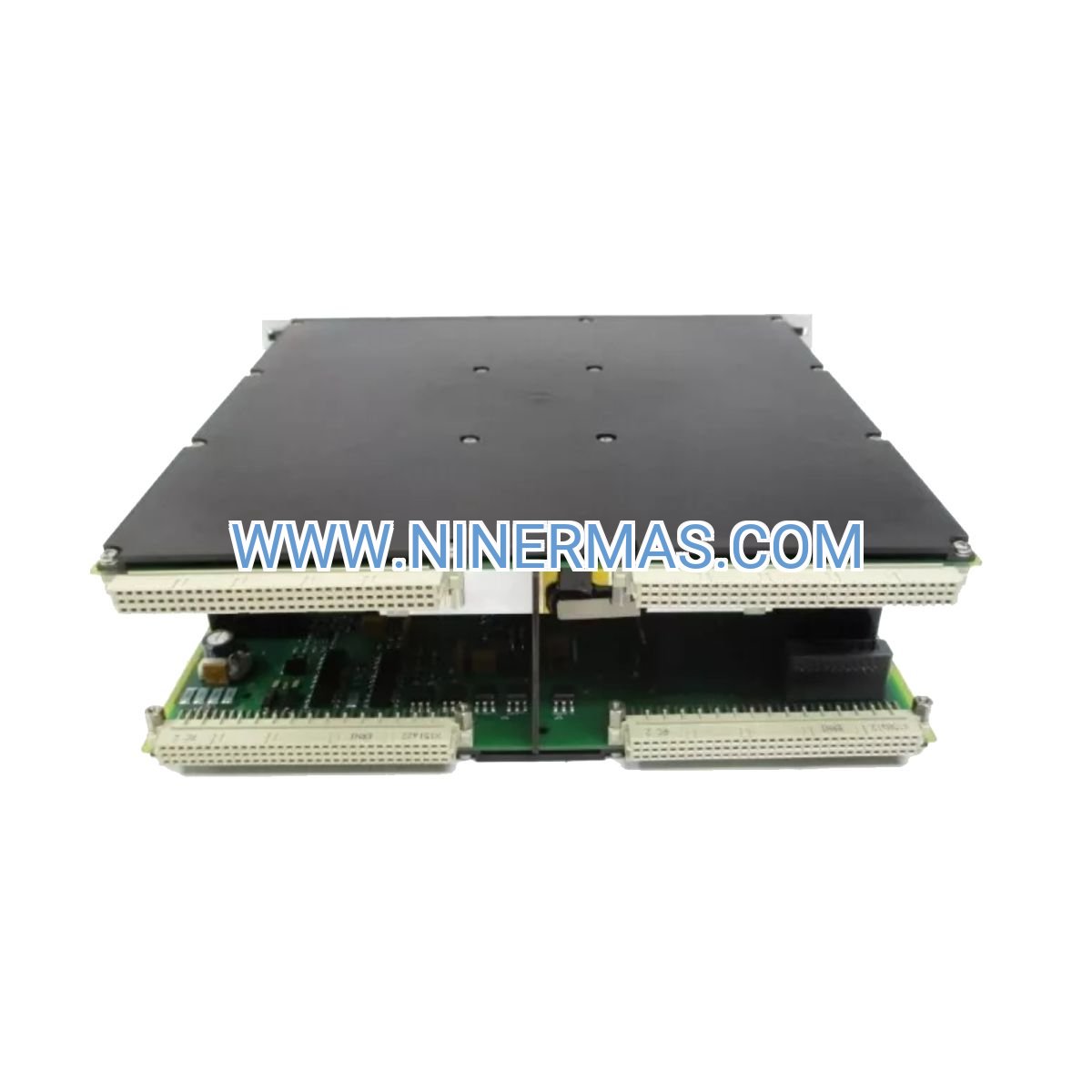
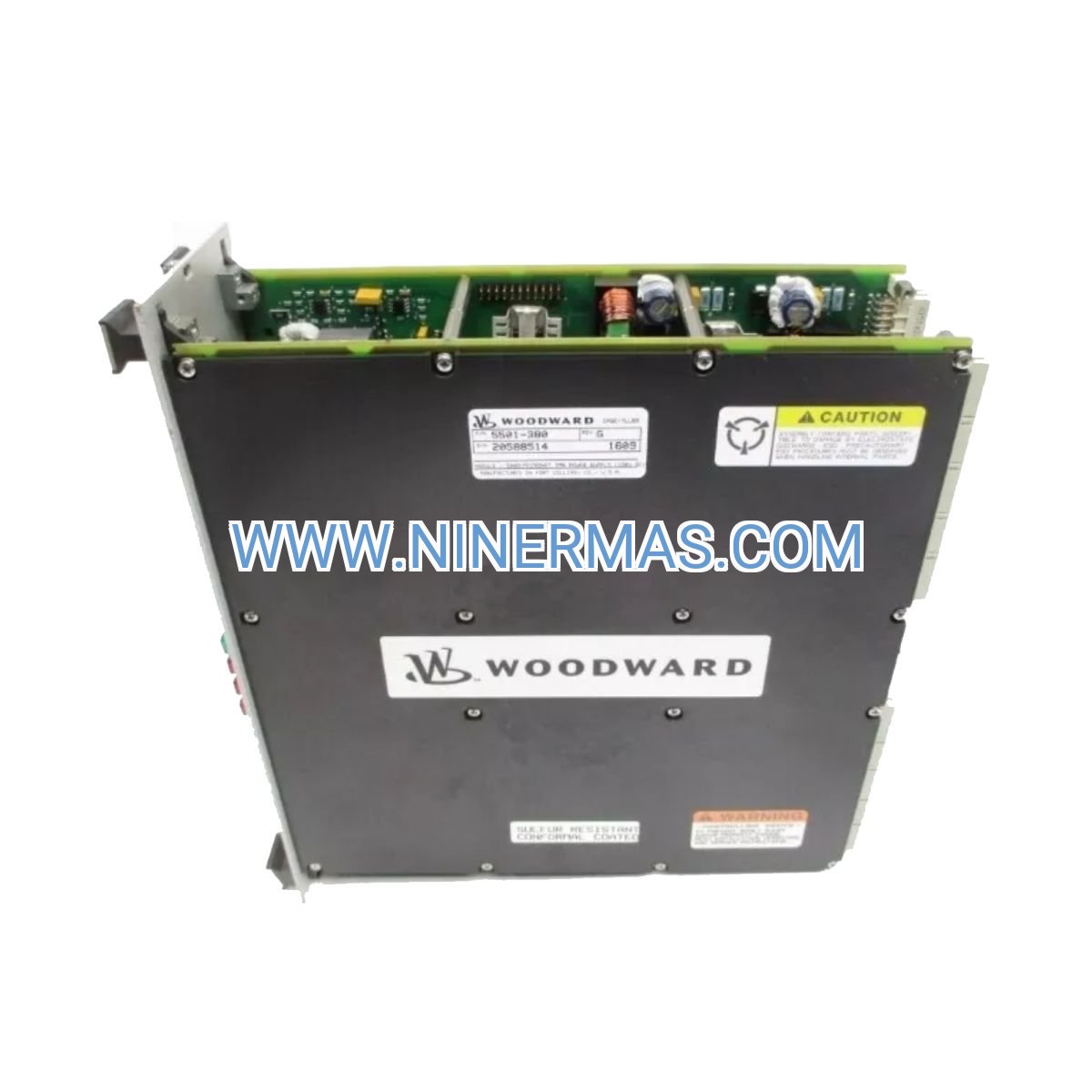
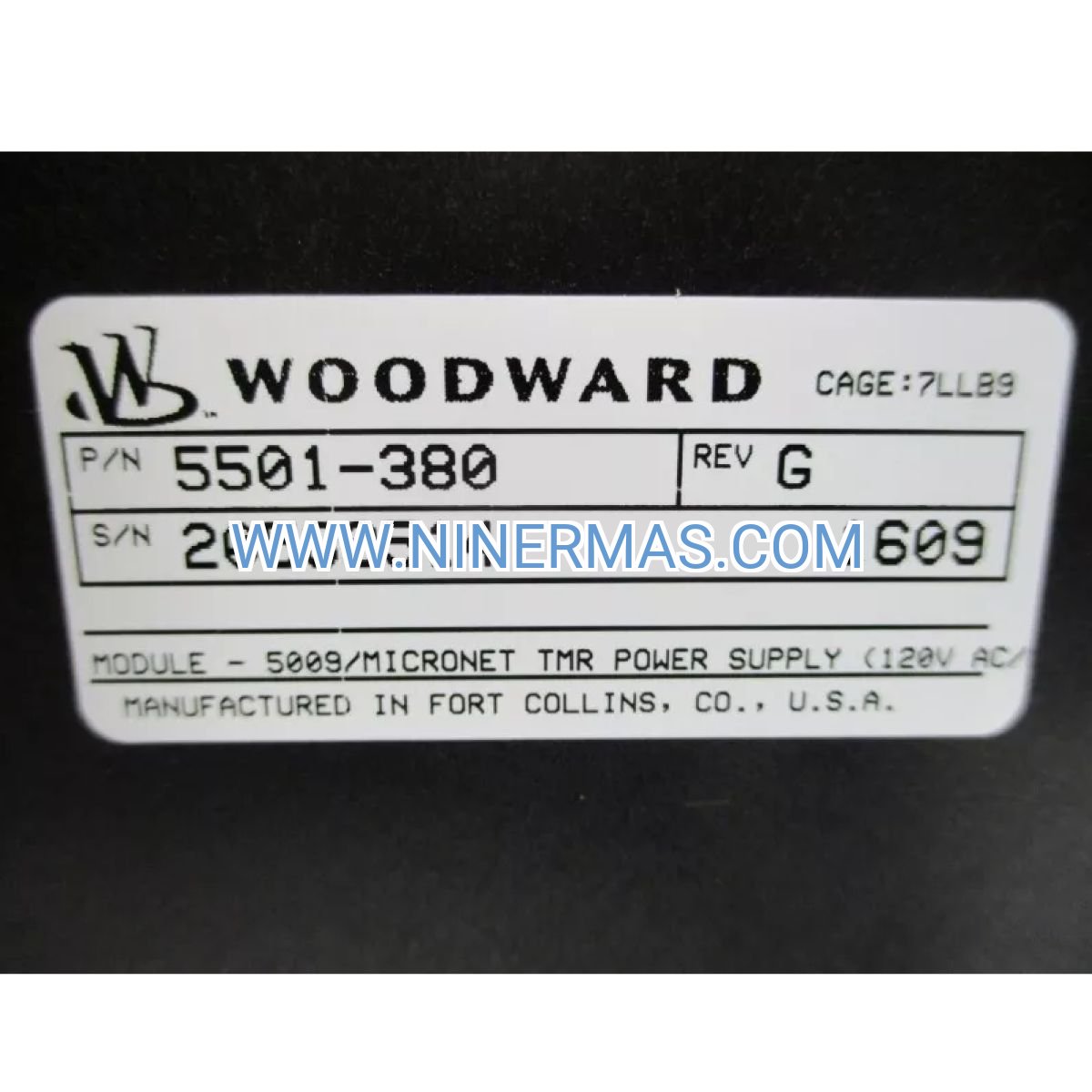
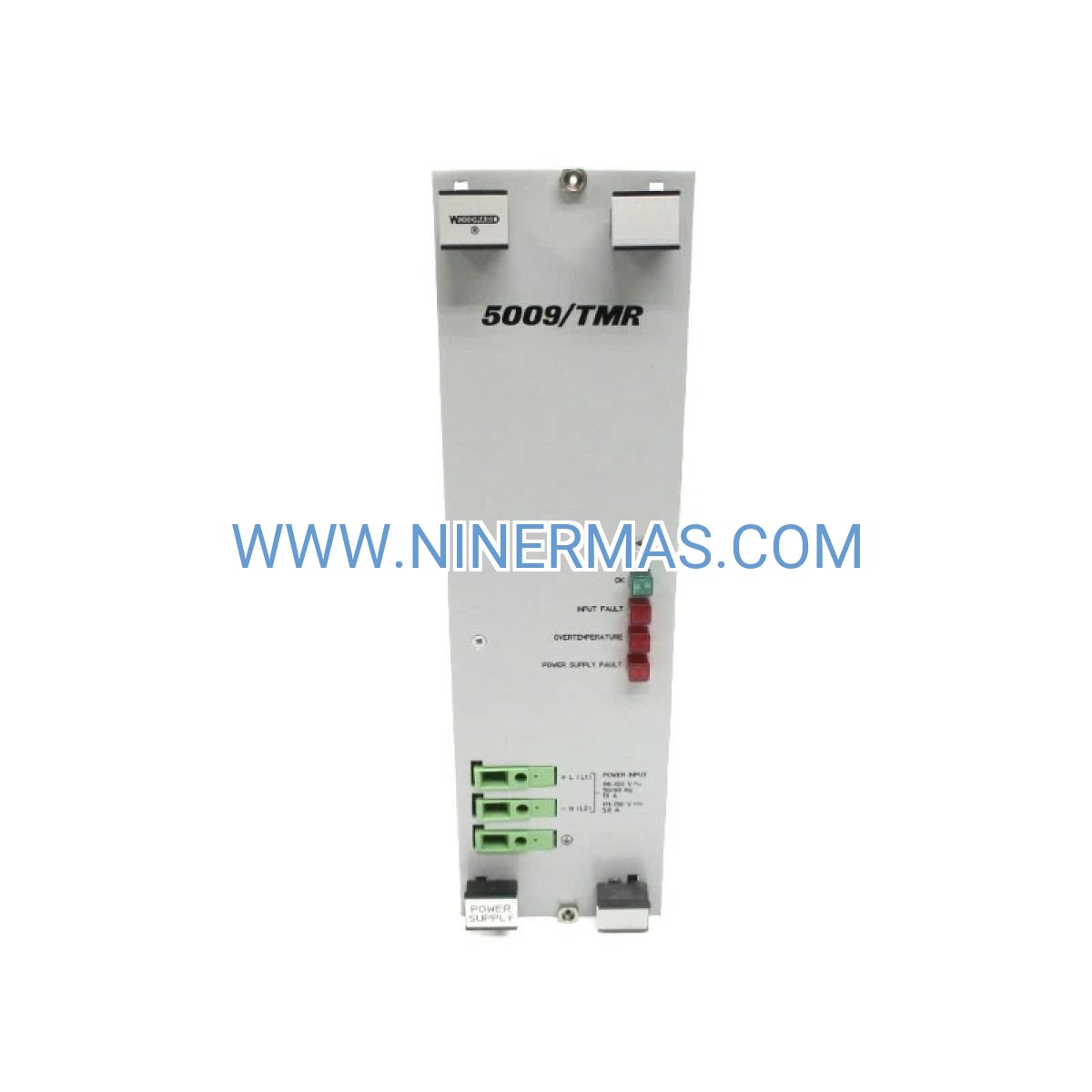
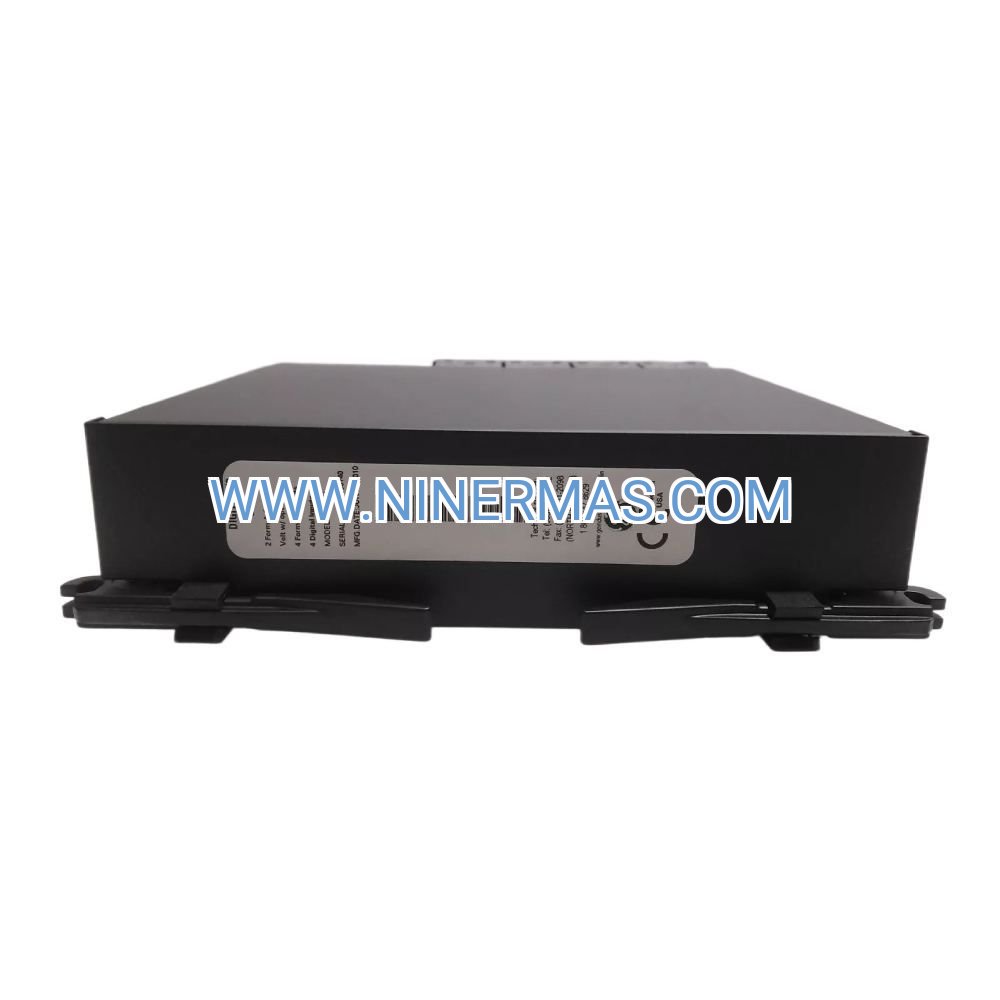
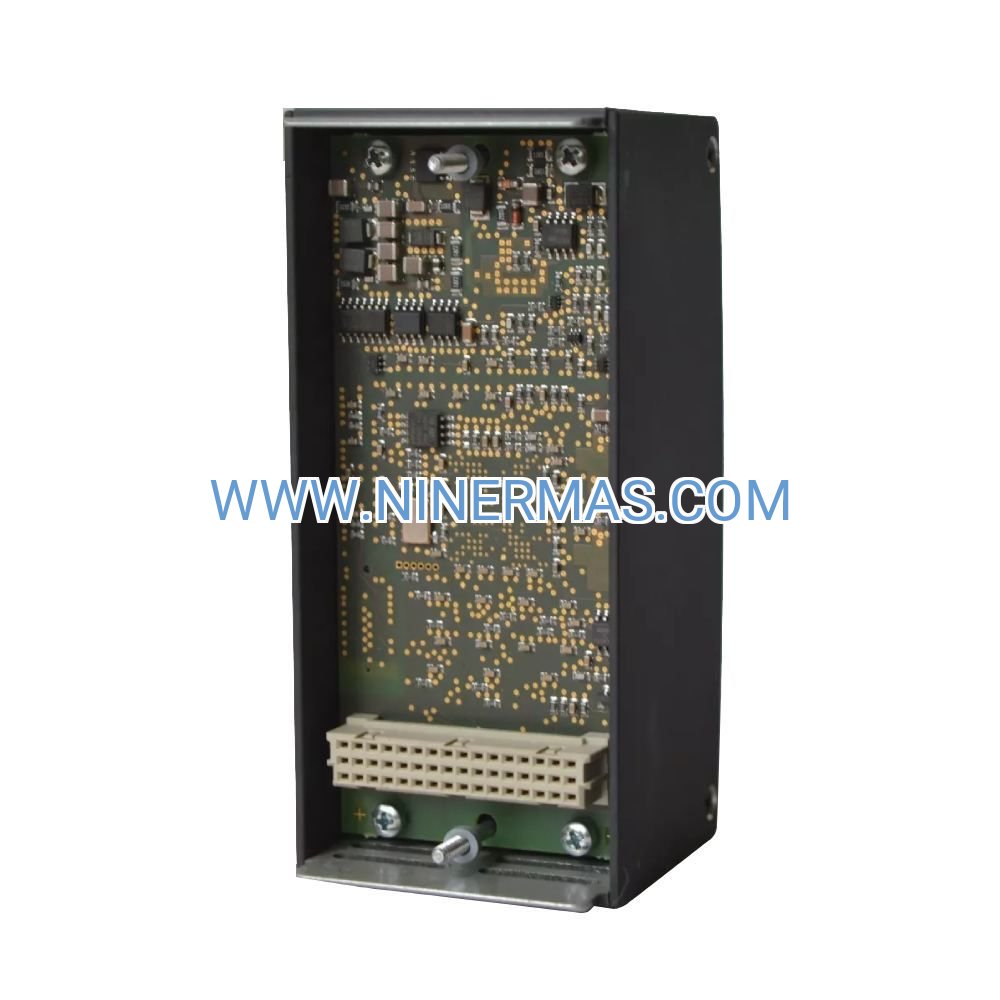
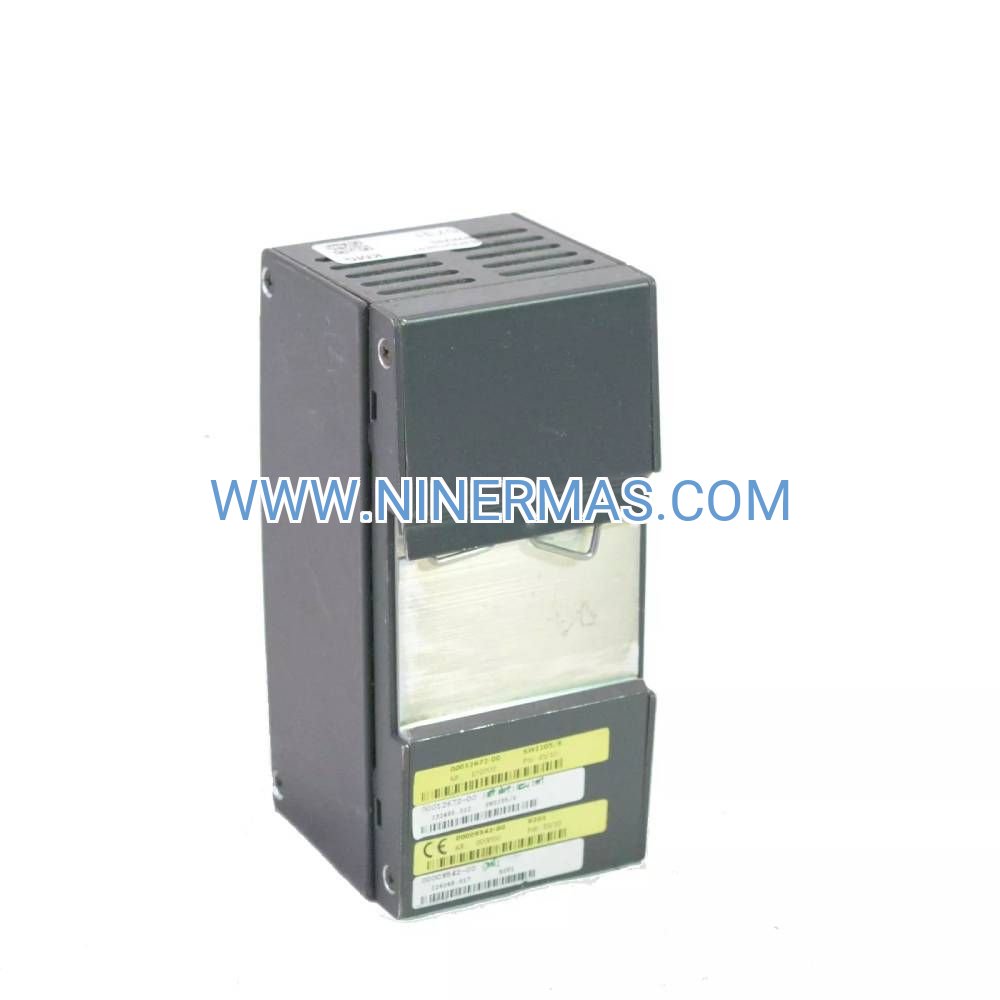
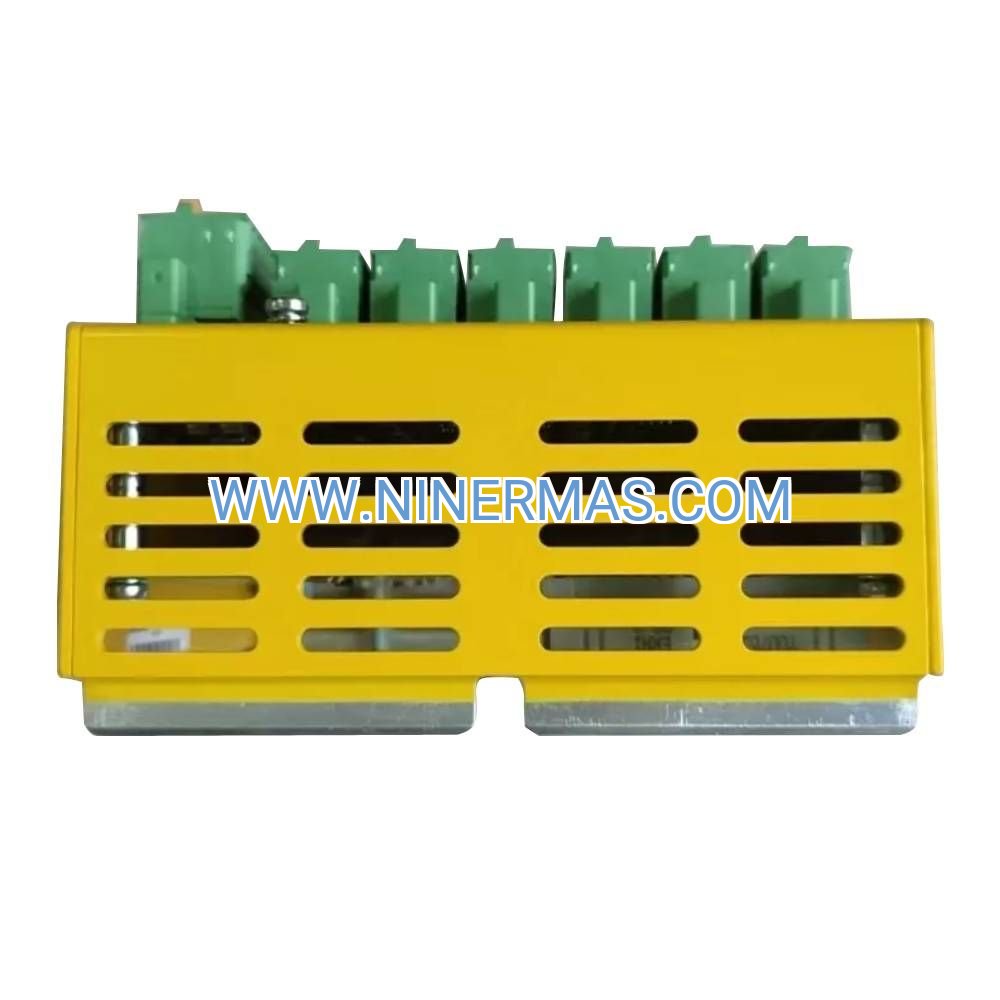
5501-380 Triple Modular Redundant Power Module (Industrial-Grade Reliability)
The 5501-380 represents a specialized TMR power architecture designed for environments where control system failure is not an option. Built around triple-channel redundancy principles, this module maintains continuous power delivery to MicroNet control platforms even during component-level faults. Industries relying on uninterrupted process control—from turbine operations to petrochemical automation—deploy this solution to eliminate power-related downtime risks.
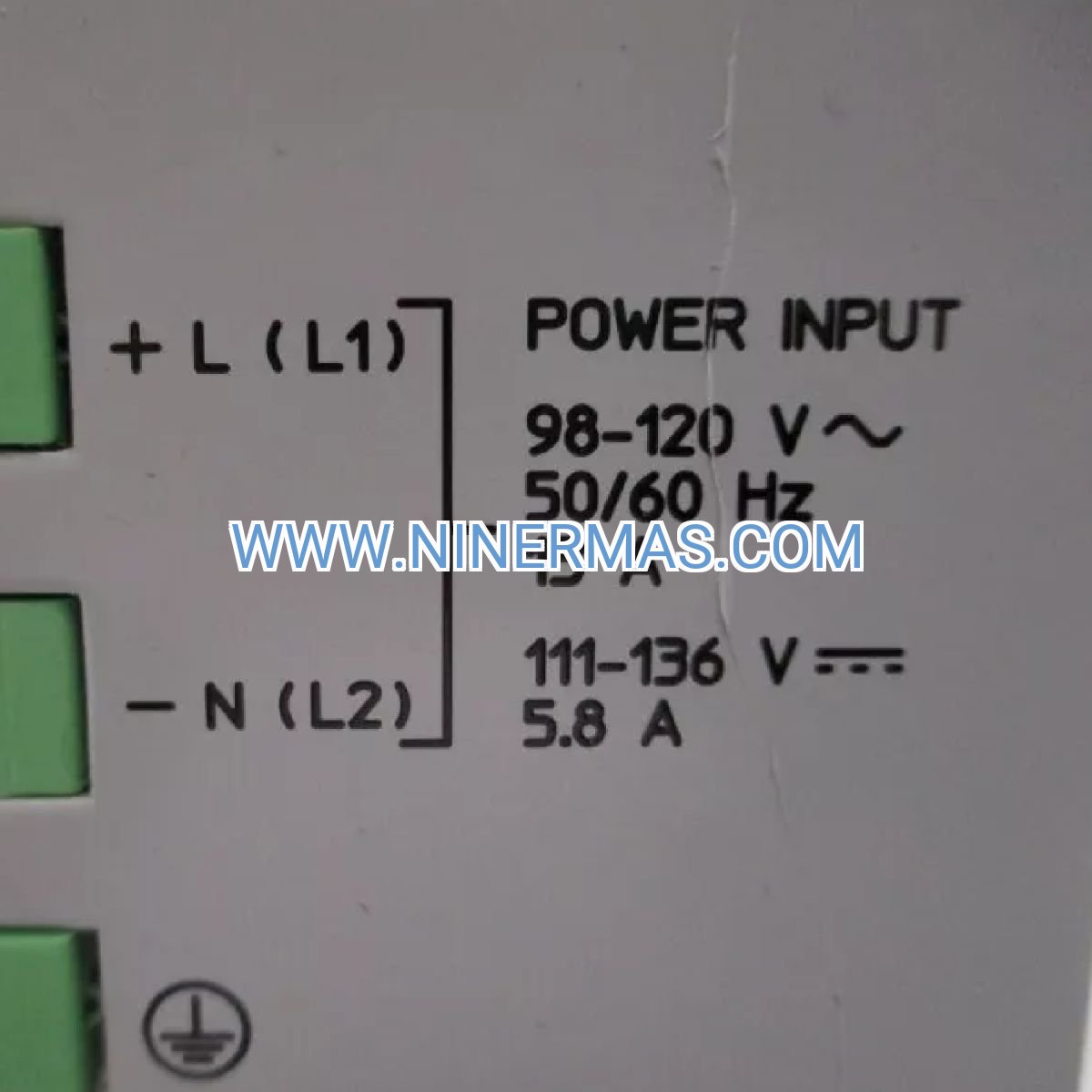
Engineered for harsh industrial conditions, the unit accepts dual-voltage inputs (120 VAC/VDC) and operates across extreme temperature ranges (-40°C to +70°C). Its TMR topology continuously monitors all three power channels, automatically isolating failed circuits while maintaining full output capacity through healthy paths. This self-healing capability makes it essential for safety-instrumented systems (SIS) and high-consequence process control applications.
Integration with Woodward MicroNet ecosystems is seamless—hot-swappable design enables maintenance without shutting down critical control loops, while diagnostic indicators provide instant visibility into each redundant channel's health status. For operators managing 24/7 facilities, this translates to predictive maintenance capabilities and zero unplanned outages.
Core Features & Business Value
→ Zero Single-Point Failure Risk: Three independent power channels operate in parallel voting logic. If one channel degrades, the system continues at full capacity using the remaining two, triggering maintenance alerts without interrupting operations—critical for refineries and power plants where downtime costs exceed $100K/hour.
✓ Dual-Voltage Flexibility: Accepts both 120 VAC and 120 VDC inputs, adapting to diverse facility power infrastructures without requiring voltage conversion equipment. Reduces installation complexity and eliminates external power conditioning costs.
✓ Extended Environmental Tolerance: Operates reliably from -40°C to +70°C with built-in overvoltage, overcurrent, and thermal protection. Suitable for outdoor enclosures, offshore platforms, and high-ambient industrial zones where standard power supplies fail.
→ Hot-Swap Maintenance: Field-replaceable design allows technicians to service failed modules during live operation. Reduces mean time to repair (MTTR) from hours to minutes, preserving production schedules and avoiding costly emergency shutdowns.
✓ Real-Time Diagnostics: Multi-color LED arrays display individual channel status, input voltage conditions, and fault codes. Enables proactive troubleshooting and reduces diagnostic time by 60% compared to non-indicating power supplies.
→ Compliance-Ready Certifications: UL, CE, and CSA approvals streamline regulatory compliance for installations in North America, Europe, and global markets. Pre-certified design accelerates project timelines and reduces engineering validation costs.
Application Scenarios & Industry Solutions
Gas Turbine Control Systems: In combined-cycle power plants, the 5501-380 powers MicroNet controllers managing fuel valve sequencing, ignition timing, and speed governing. During grid disturbances or generator trips, TMR redundancy ensures control systems remain energized, preventing turbine overspeed conditions and enabling safe shutdown sequences. Operators report 99.97% control availability in installations exceeding 50,000 operating hours.
Offshore Oil & Gas Platforms: Subsea production control systems face corrosive atmospheres, vibration, and limited maintenance access. The module's sealed construction and extended temperature rating support unmanned platform operations, while TMR architecture compensates for saltwater-induced component degradation. One North Sea operator documented zero power-related shutdowns across 18 platforms over a 3-year deployment.
Chemical Process Automation: Distributed control systems (DCS) in ammonia synthesis, polymer production, and specialty chemical plants require uninterrupted power to maintain reactor temperatures and pressure profiles. The 5501-380's fault tolerance prevents batch losses—a single power interruption in a polymerization reactor can waste $250K in raw materials and 72 hours of production time.
Pipeline Compressor Stations: Remote SCADA networks monitoring natural gas transmission rely on the module to power RTUs and flow computers. With stations often located 100+ miles from service centers, TMR redundancy eliminates emergency callouts and maintains pipeline pressure regulation during component failures.
Cogeneration Facilities: Combined heat and power (CHP) plants use the 5501-380 to ensure continuous operation of steam turbine governors and heat recovery steam generator (HRSG) controls. Redundant power prevents thermal stress events that occur when control systems lose power during load transitions.
Technical Parameters & Selection Guide
| Parameter | Specification |
|---|---|
| Model Number | 5501-380 |
| Input Voltage Range | 120 VAC ±10% / 120 VDC ±15% |
| Redundancy Architecture | Triple Modular Redundant (TMR) |
| Operating Temperature | -40°C to +70°C |
| Protection Features | Overvoltage, overcurrent, thermal shutdown |
| Mounting Options | DIN rail / Panel mount |
| Certifications | UL, CE, CSA |
| MTBF (Mean Time Between Failures) | >150,000 hours |
| Dimensions (H × W × D) | Standard MicroNet module form factor |
| Weight | 1.5 kg |
Selection Criteria: Choose the 5501-380 when your application requires SIL 2/3 safety integrity levels, operates in Class I Division 2 hazardous areas, or demands >99.9% power availability. For non-critical applications with single-channel power requirements, consider standard power supplies. Verify compatibility with your MicroNet backplane revision before ordering—consult factory documentation for specific part number cross-references.
Extended Capabilities & Integration Options
SCADA Integration: The module's diagnostic outputs interface with Modbus RTU and Ethernet/IP networks, enabling remote monitoring through plant-wide SCADA systems. Alarm conditions trigger automated notifications to maintenance teams, reducing response times by 40%.
Predictive Maintenance Analytics: When paired with Woodward's asset management software, power consumption trends and thermal profiles predict component end-of-life 30-90 days in advance. This data-driven approach shifts maintenance from reactive to scheduled, optimizing spare parts inventory.
Custom Voltage Configurations: For facilities with non-standard power infrastructure (e.g., 110 VAC or 48 VDC systems), factory-customized variants are available with 8-12 week lead times. Contact engineering support with your voltage specifications and quantity requirements.
Delivery Timeline & Service Commitments
Standard Lead Time: 3-5 business days for in-stock units; expedited same-day shipping available for critical outages (additional fees apply).
Custom Configurations: 8-12 weeks for non-standard voltage variants or bulk orders exceeding 50 units.
Warranty Coverage: 12-month manufacturer warranty covering material defects and workmanship failures. Extended 36-month warranties available for purchase at time of order.
Technical Support: Lifetime access to application engineers via phone/email (response within 4 business hours). On-site commissioning support available in North America, Europe, and Asia-Pacific regions.
Documentation Package: Each unit ships with installation manual, wiring diagrams, dimensional drawings, and compliance certificates. CAD models (STEP/IGES formats) available for download from product support portal.
Frequently Asked Questions
How does TMR redundancy differ from dual-redundant power supplies?
TMR uses three-way voting logic to detect and isolate faults automatically, whereas dual-redundant systems require external monitoring to identify failed channels. TMR provides higher reliability (99.99% vs. 99.9%) and eliminates the need for manual switchover procedures.
Can I retrofit this module into existing non-TMR MicroNet systems?
Yes, but you'll need to upgrade the backplane to a TMR-compatible version. Contact technical support with your current system configuration for a retrofit assessment and parts list.
What maintenance intervals are recommended for optimal performance?
Inspect LED indicators monthly, verify input voltage stability quarterly, and perform thermal imaging annually to detect component aging. Capacitor replacement is typically required every 7-10 years depending on operating temperature.
Does the module support both AC and DC inputs simultaneously for added redundancy?
No—select either AC or DC input based on your facility's primary power source. For dual-source redundancy, deploy two 5501-380 modules with separate AC and DC feeds, configured in a redundant pair.
What happens during a complete power loss to all three channels?
The system enters a controlled shutdown state, preserving the last known configuration in non-volatile memory. Upon power restoration, the module performs self-diagnostics and resumes operation automatically without manual intervention.
Are replacement parts available for field repair?
The 5501-380 is designed as a sealed, non-serviceable module. Failed units should be returned to authorized service centers for repair or replacement under warranty. Field repairs void certifications and are not recommended.
Ready to Eliminate Power-Related Downtime?
Contact our industrial automation specialists to discuss your specific application requirements. We'll help you configure the optimal TMR power solution, provide integration support, and ensure your critical control systems achieve maximum uptime. Request a technical consultation or place your order today—our team responds within 4 business hours.
Email: sale@ninermas.com | Phone: +0086 187 5021 5667
© 2026 NINERMAS COMPANY LIMITED. All rights reserved.
Original Source: https://ninermas.com
Contact: sale@ninermas.com | +0086 187 5021 5667

Contact Info
-
Address:22 / F, South Wo Hang building, 148 Wing Lok Street, Sheung Wan, Western District, Hong Kong
-
Phone:+8618750215667
-
Email: