Description
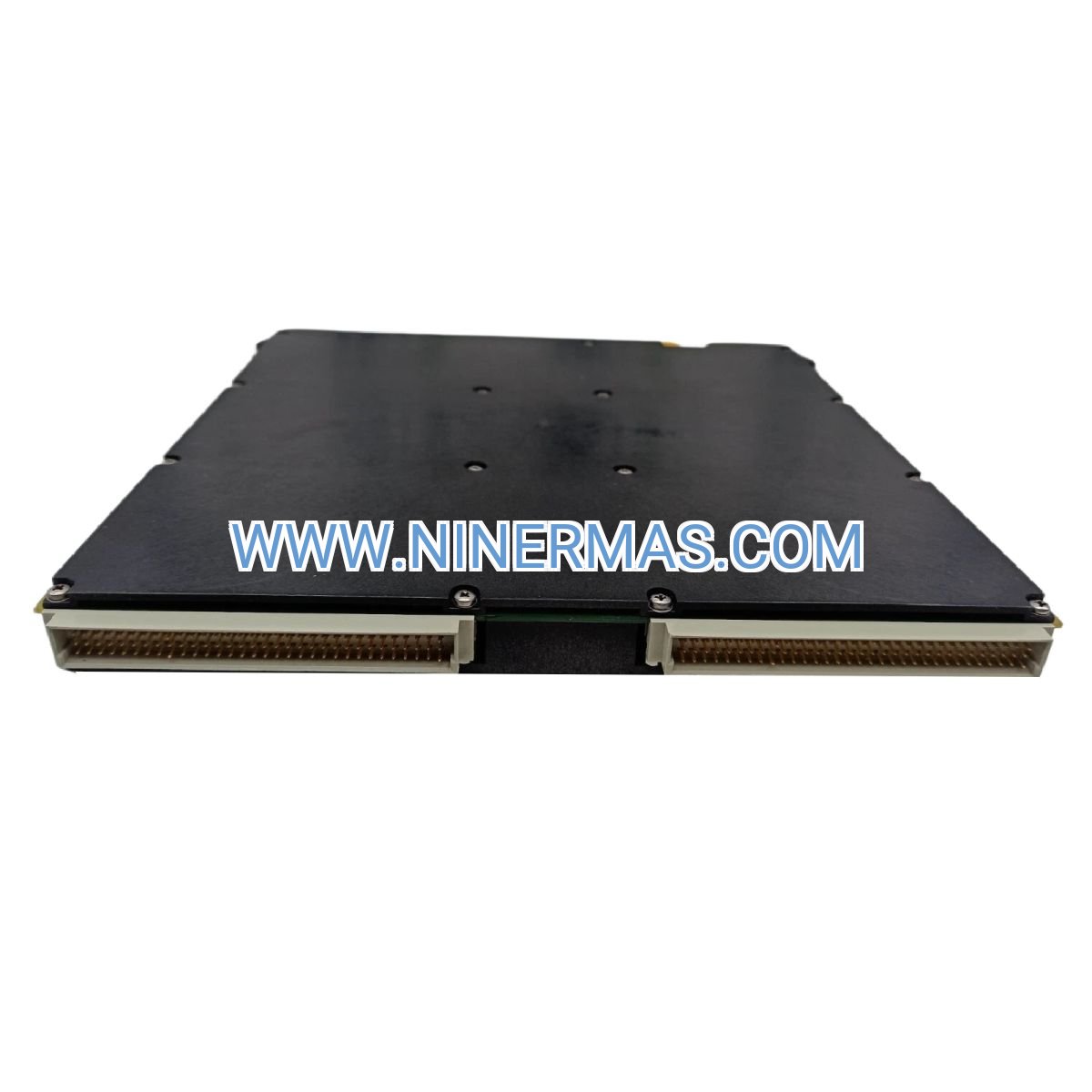
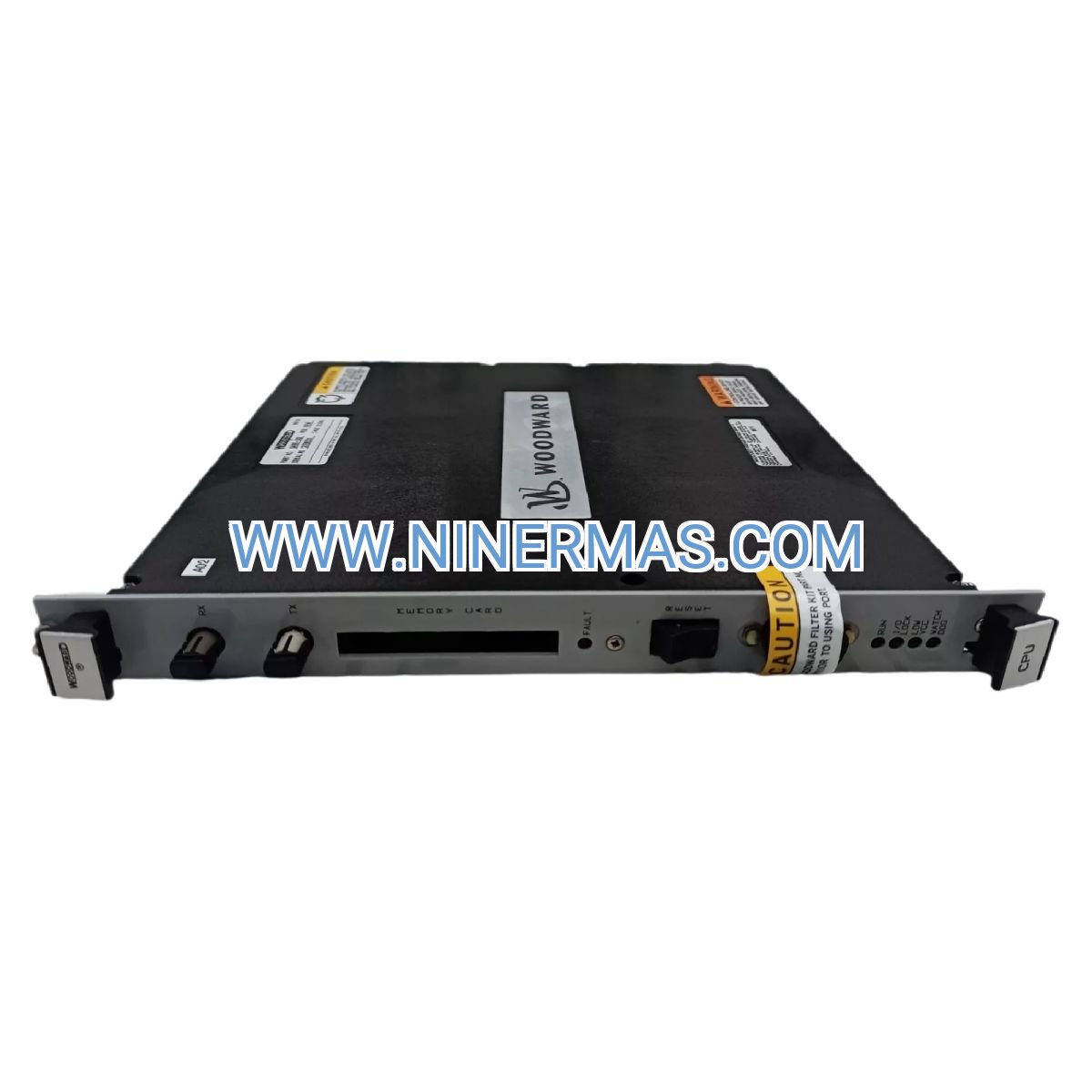
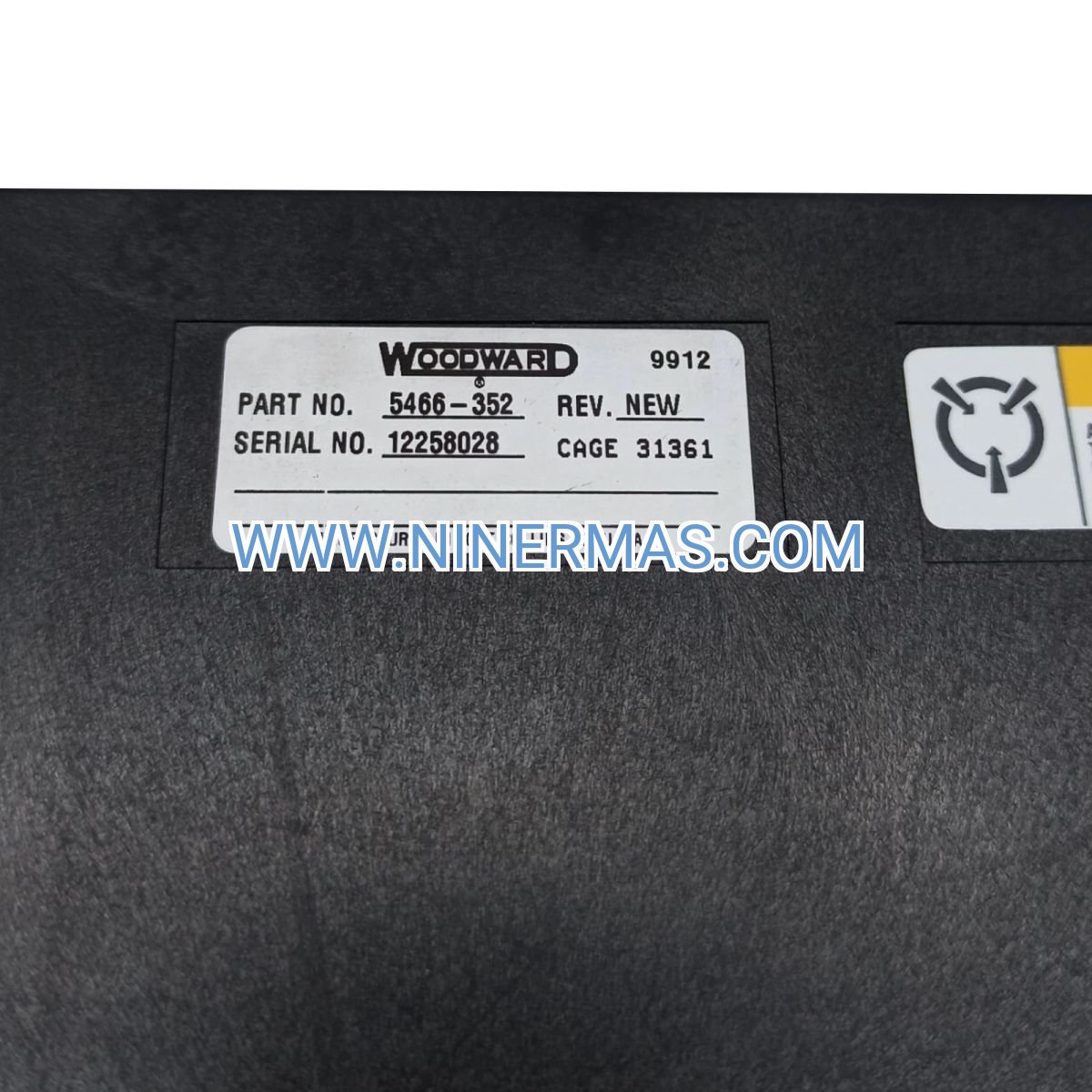
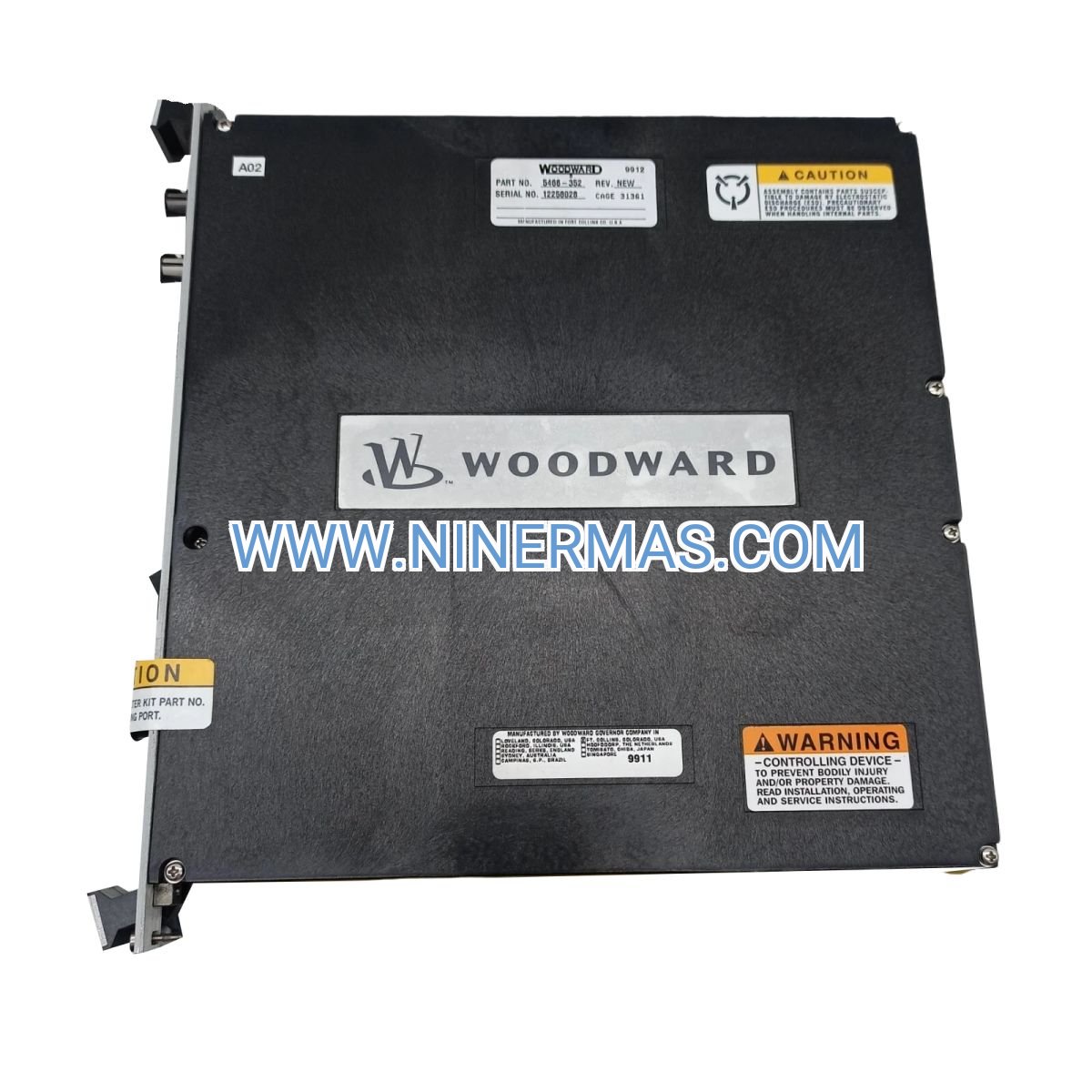
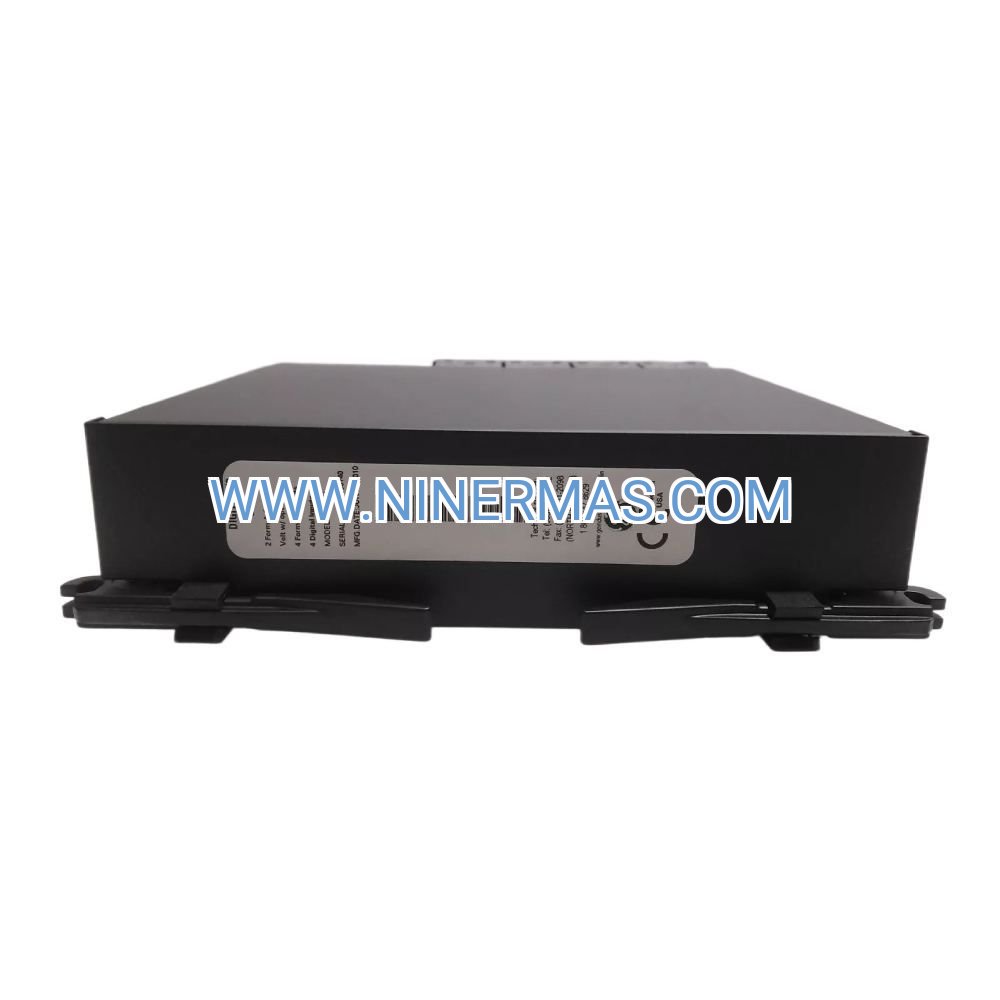
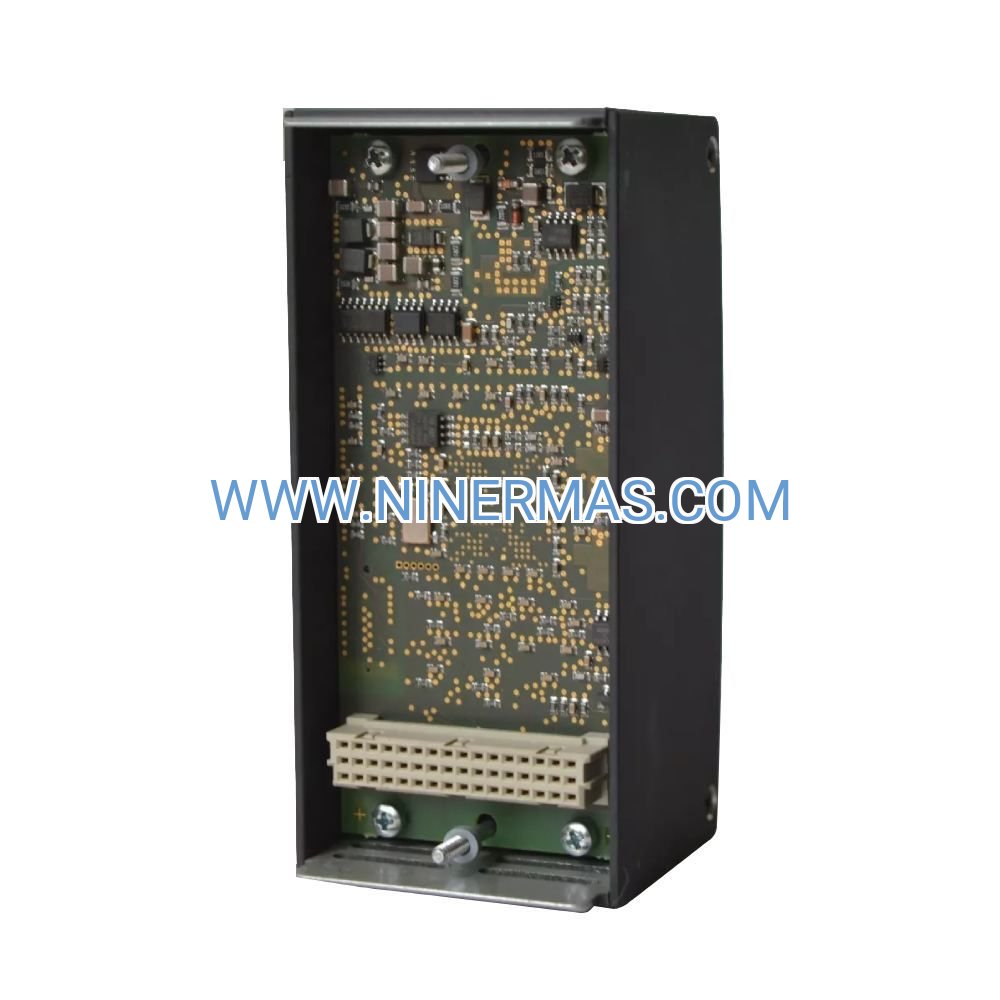
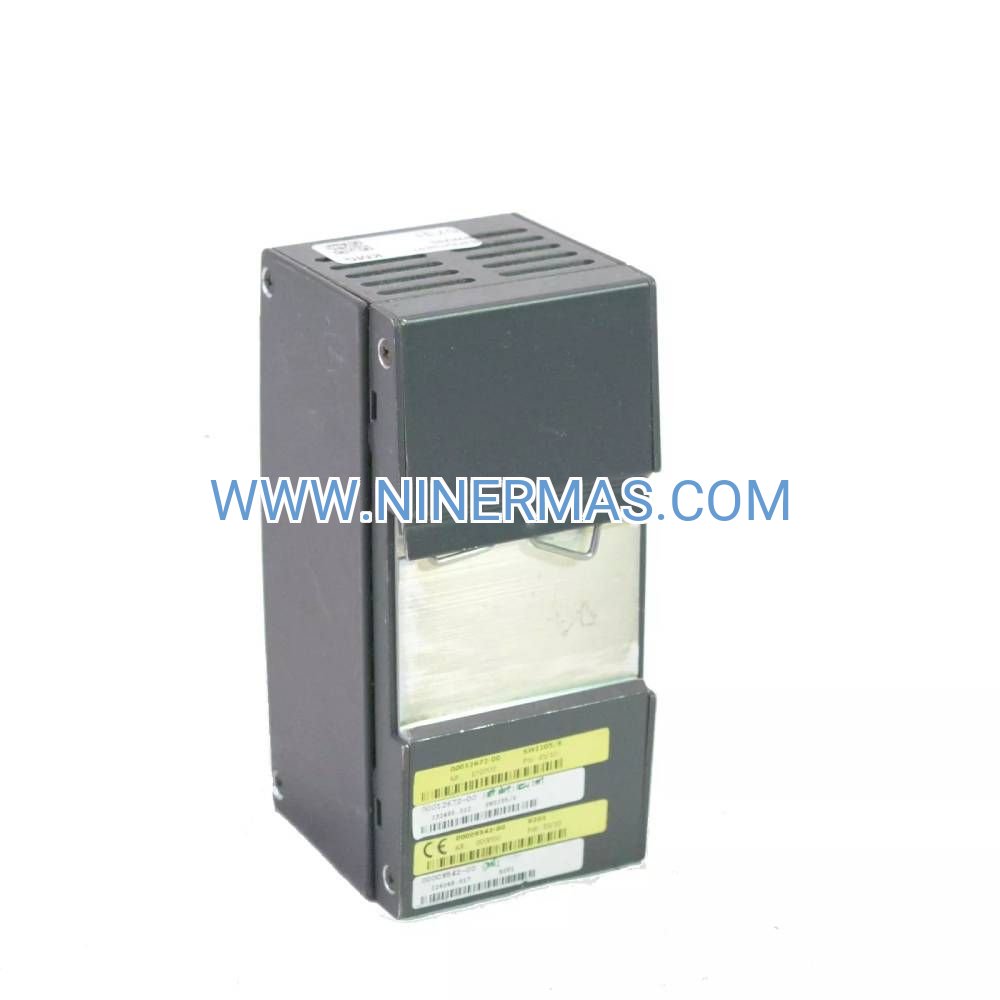
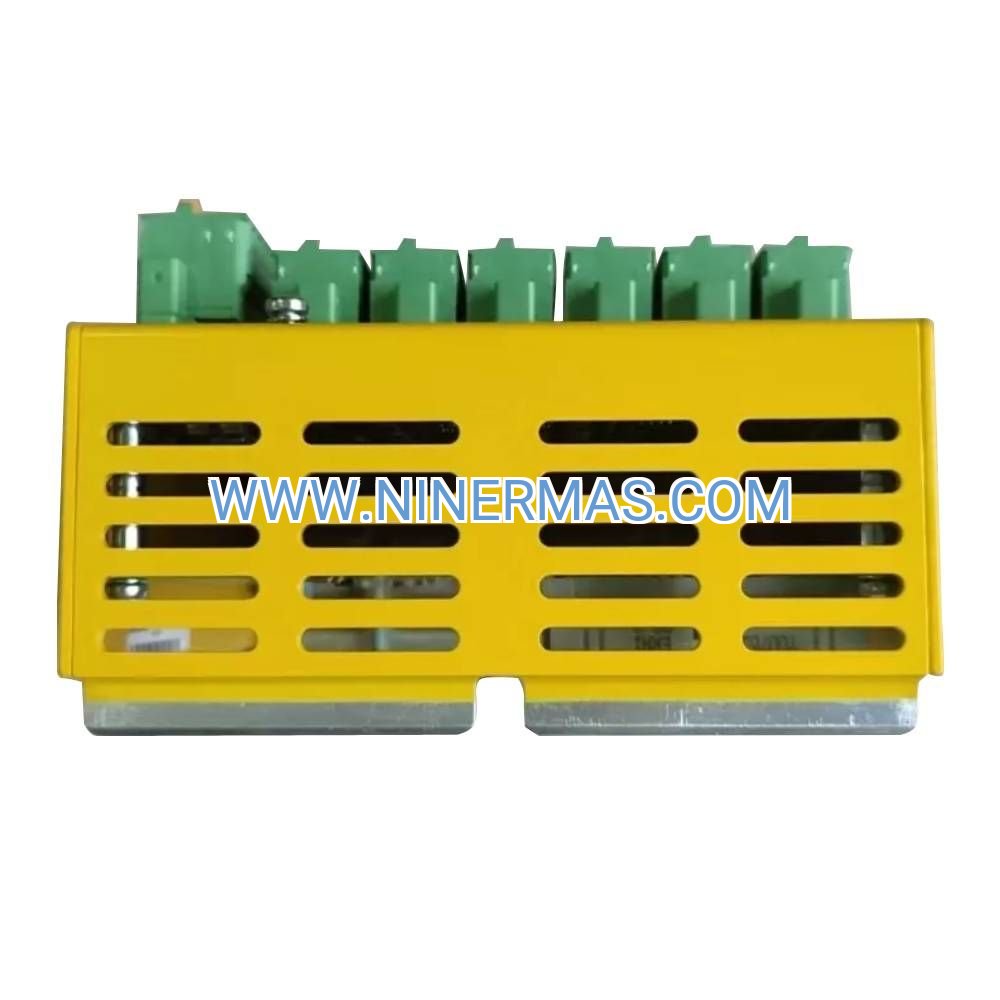
5466-352 Netcon CPU-040 Processor (Industrial-Grade Central Processing Unit)
The Woodward 5466-352 represents a mission-critical processing core engineered for turbine control and power generation environments where millisecond-level response times and continuous uptime define operational success. Built around the proven Motorola 68040 architecture, this CPU module transforms complex control algorithms into deterministic actions across distributed MicroNet networks, serving as the intelligent backbone for gas turbines, steam generators, and hydro installations worldwide.
Designed for system integrators and plant engineers managing critical infrastructure, the CPU-040 addresses the fundamental challenge of coordinating multiple control loops, safety interlocks, and communication protocols within a single ruggedized platform. Whether you're retrofitting legacy systems or architecting new installations, this module delivers the processing headroom and fault tolerance required for 24/7/365 operation in extreme industrial conditions ranging from Arctic facilities to desert power plants.
What sets the 5466-352 apart is its seamless integration within Woodward's proven MicroNet ecosystem—enabling hot-swappable redundancy, real-time diagnostics, and field-proven reliability that has accumulated millions of operating hours across energy, marine, and industrial sectors. From initial commissioning through decades of service, this CPU module provides the computational foundation for control strategies that protect multi-million-dollar assets while optimizing efficiency and emissions compliance.
Core Capabilities & Business Impact
→ Deterministic Real-Time Processing: Execute complex PID loops, sequencing logic, and safety functions with guaranteed scan times between 5-50ms, ensuring predictable response to process disturbances and load changes that directly impact product quality and equipment protection.
✓ Hot-Standby Redundancy Architecture: Deploy dual CPU configurations with automatic failover detection in under 100ms, eliminating single points of failure and enabling maintenance activities without process interruption—translating to measurable improvements in overall equipment effectiveness (OEE).
→ Extended Environmental Tolerance: Operate reliably across -40°C to +70°C ambient conditions without derating, supporting installations in unheated enclosures, offshore platforms, and remote locations where climate control is impractical or cost-prohibitive.
✓ Multi-Protocol Communication Gateway: Bridge proprietary Netcon networks with industry-standard Modbus RTU/TCP interfaces, facilitating integration with SCADA systems, historians, and enterprise asset management platforms for comprehensive visibility and data-driven optimization.
→ Flash-Based Program Storage: Retain control logic and configuration parameters through power cycles without battery backup requirements, reducing maintenance overhead while ensuring rapid recovery from utility interruptions or emergency shutdowns.
✓ Modular Expansion Capability: Scale I/O capacity and network reach through standardized MicroNet backplane connections, accommodating system growth from pilot installations to plant-wide distributed control architectures without controller replacement.
Industry-Specific Application Scenarios
Turbine Governor Control Systems: In combined-cycle power plants and cogeneration facilities, the 5466-352 manages speed regulation, load sharing, and synchronization for multiple turbine-generator sets. The module processes feedback from speed sensors, valve actuators, and grid frequency references to maintain ±0.25% speed regulation during load transients, preventing costly grid penalties while maximizing fuel efficiency. Plant operators benefit from reduced manual intervention and improved black-start reliability during grid restoration events.
Marine Propulsion & Auxiliary Systems: Aboard LNG carriers, cruise ships, and offshore support vessels, this CPU coordinates main engine governors, thruster controls, and power management systems under dynamic loading conditions. The wide temperature range and vibration resistance ensure continuous operation in engine rooms where ambient temperatures exceed 50°C and mechanical shock is routine. Integration with vessel automation networks enables bridge control and remote diagnostics for fleet management.
Industrial Compressor Stations: Natural gas pipeline operators deploy the 5466-352 to control centrifugal and reciprocating compressors, managing anti-surge protection, capacity control, and sequencing across multiple units. The CPU's deterministic execution prevents surge events that cause mechanical damage and production losses, while coordinating start/stop sequences that minimize electrical demand charges. Remote monitoring capabilities reduce site visits and enable predictive maintenance strategies.
Renewable Energy Integration: In hybrid power systems combining diesel generators with solar/wind resources, the module orchestrates load sharing, frequency regulation, and seamless transitions between generation sources. Fast scan times enable rapid response to renewable variability, maintaining power quality for sensitive loads while optimizing fuel consumption. Data logging functions support regulatory compliance and performance verification for incentive programs.
Process Manufacturing Control: Chemical plants, refineries, and food processing facilities utilize the CPU-040 for batch sequencing, continuous process regulation, and safety instrumented functions. The module's ability to execute multiple control strategies simultaneously—from simple on/off logic to advanced cascade loops—consolidates control functions that previously required separate PLCs, reducing panel space, wiring complexity, and engineering costs.
Technical Parameters & Selection Criteria
| Parameter | Specification | Selection Guidance |
|---|---|---|
| Processor Core | Motorola 68040, 32-bit RISC | Suitable for applications requiring up to 500 I/O points and 50 control loops |
| Operating Range | -40°C to +70°C ambient | Specify for outdoor enclosures, engine rooms, or extreme climate installations |
| Power Input | 18-32 VDC (24 VDC nominal) | Compatible with standard industrial power supplies; consider UPS for critical applications |
| Network Protocols | Netcon proprietary, Modbus RTU/TCP | Netcon for MicroNet I/O; Modbus for SCADA/HMI integration |
| Memory Architecture | Flash program storage + RAM execution | No battery maintenance; suitable for remote unmanned sites |
| Mounting Method | DIN rail chassis (35mm standard) | Allocate 120mm width × 180mm height × 90mm depth for panel layout |
| Certifications | UL508, CE, CSA C22.2 | Meets North American and European industrial equipment standards |
| MTBF Rating | >100,000 hours (calculated) | Plan spare inventory based on installed base and criticality assessment |
Selection Considerations: Choose the 5466-352 when your application demands proven reliability over cutting-edge performance—ideal for retrofits, long-term spare parts availability, and environments where field-proven technology reduces commissioning risk. For new designs requiring higher I/O density or advanced networking (EtherNet/IP, PROFINET), consult with our application engineers regarding next-generation MicroNet platforms while maintaining migration paths for existing investments.
Advanced Integration & Customization Options
IoT Connectivity & Remote Monitoring: Pair the CPU-040 with Modbus-to-cloud gateways to stream operational data to AWS IoT, Azure Industrial IoT, or private historians. Enable predictive maintenance algorithms that analyze vibration signatures, temperature trends, and performance degradation patterns—shifting from reactive repairs to condition-based interventions that reduce unplanned downtime by 30-40%.
Custom Control Algorithm Development: Our application engineering team provides GAP (General Application Program) software customization services, translating your process requirements into optimized control logic. From anti-surge compressor protection to complex batch recipes, we deliver tested, documented code that accelerates commissioning and ensures regulatory compliance for safety-critical functions.
Redundancy Configuration Packages: Pre-engineered dual-CPU kits include matched firmware, crossover cables, and configuration templates that simplify redundant system deployment. Automatic synchronization logic maintains state coherence between primary and backup processors, with health monitoring that triggers alarms before failover events occur—providing operations teams with actionable intelligence rather than unexpected transitions.
Multi-Site Standardization Programs: For organizations managing fleets of similar assets across multiple facilities, we offer configuration management services that version-control control logic, maintain spare parts databases, and provide training documentation. Standardization reduces engineering costs for expansions, simplifies troubleshooting, and enables personnel rotation between sites without retraining overhead.
Delivery Timeline & Service Commitments
Standard Lead Time: In-stock units ship within 24-48 hours via express courier to major industrial centers worldwide. Ground transportation typically delivers within 3-5 business days to North American destinations; international shipments clear customs within 5-7 business days depending on documentation requirements and destination country regulations.
Custom Configuration Services: Factory-programmed modules with customer-specific firmware, I/O mapping, and network addresses ship within 7-10 business days. This service eliminates field programming errors and accelerates commissioning for turnkey projects or emergency replacements where minimizing downtime justifies expedited engineering.
Warranty Coverage: Every 5466-352 module includes a comprehensive 12-month warranty covering manufacturing defects, component failures, and workmanship issues. Warranty service includes advance replacement shipment, return freight labels, and root cause analysis reports—ensuring minimal operational disruption and continuous improvement feedback to our quality systems.
Technical Support Access: Unlimited phone and email support from application engineers with turbine control and MicroNet expertise. We provide configuration file review, troubleshooting guidance, firmware upgrade assistance, and integration consulting at no additional charge during warranty period. Post-warranty support contracts available for extended coverage and priority response commitments.
Documentation Package: Each shipment includes installation manual, wiring diagrams, GAP programming reference, Modbus register maps, and dimensional drawings in PDF format. CAD files (DWG, STEP) available upon request for panel design integration. Firmware release notes and application bulletins accessible through our technical portal for registered users.
Frequently Asked Questions
How does the 5466-352 CPU module integrate with existing Woodward governor systems?
The CPU-040 serves as a drop-in replacement for earlier MicroNet processors while maintaining backward compatibility with legacy I/O modules and network configurations. Firmware migration tools preserve existing control logic, and our technical team provides conversion assistance to ensure seamless transitions without process interruption. For greenfield installations, the module coordinates with modern Woodward actuators, sensors, and HMI platforms through standardized communication protocols.
What programming languages and development tools are supported for custom control applications?
Woodward's GAP software environment supports IEC 61131-3 compliant languages including ladder diagram (LD), function block diagram (FBD), structured text (ST), and sequential function chart (SFC). The development suite includes simulation tools, online debugging, and version control integration. Pre-built function libraries accelerate development for common turbine control, PID tuning, and safety logic patterns. Training courses and example projects available through Woodward University.
Can the CPU-040 module operate in SIL-rated safety instrumented systems?
While the 5466-352 provides high reliability suitable for critical control functions, it is not certified for Safety Integrity Level (SIL) applications per IEC 61508. For safety instrumented functions requiring SIL 2 or SIL 3 certification, Woodward offers dedicated safety controllers that integrate with MicroNet systems through hardwired discrete signals or certified communication protocols. Our application engineers can architect hybrid solutions that leverage the CPU-040 for process control while meeting functional safety requirements.
What is the typical power consumption and heat dissipation for panel thermal design?
The module draws approximately 15 watts at nominal 24 VDC input, dissipating heat through the chassis backplane and convection cooling. For enclosed panels, allocate 20 watts per CPU for thermal calculations and ensure minimum 50mm clearance above/below modules for airflow. In ambient temperatures exceeding 50°C, consider forced ventilation or air conditioning to maintain internal panel temperatures within the -40°C to +70°C operating range. Redundant configurations double the heat load and power requirements.
How do firmware updates and cybersecurity patches get applied to deployed systems?
Firmware updates load via RS-232 serial connection or Modbus network using Woodward's service software tools. The update process preserves configuration data and control logic while upgrading the operating system and communication stacks. For critical systems, updates deploy to the standby CPU first, verify operation, then transfer to the primary controller—maintaining continuous process control. Cybersecurity patches release through Woodward's security bulletin system with severity ratings and deployment guidance. Network segmentation and access control best practices recommended for installations with external connectivity.
What spare parts inventory should be maintained for critical applications?
For single-CPU installations protecting critical processes, maintain one spare module configured with current firmware and baseline control logic. Redundant systems typically operate for extended periods on a single CPU during maintenance, reducing spare parts urgency. Consider environmental factors—offshore platforms and remote sites benefit from on-site spares due to logistics delays, while facilities near distribution centers may rely on 24-hour emergency shipment services. Our reliability engineering team can perform criticality assessments and recommend inventory strategies based on failure mode analysis and business continuity requirements.
Ready to Optimize Your Control System?
Whether you're specifying components for a new turbine installation, sourcing emergency replacements for unplanned failures, or evaluating upgrade paths for aging control systems, our technical sales team provides the application expertise and product availability to keep your operations running. Contact us today for configuration assistance, compatibility verification, or to request a formal quotation with delivery commitments tailored to your project timeline.
Request Technical Consultation: sale@ninermas.com | Immediate Availability Check: +0086 187 5021 5667
© 2026 NINERMAS COMPANY LIMITED. All rights reserved.
Original Source: https://ninermas.com
Contact: sale@ninermas.com | +0086 187 5021 5667

Contact Info
-
Address:22 / F, South Wo Hang building, 148 Wing Lok Street, Sheung Wan, Western District, Hong Kong
-
Phone:+8618750215667
-
Email: