


Description
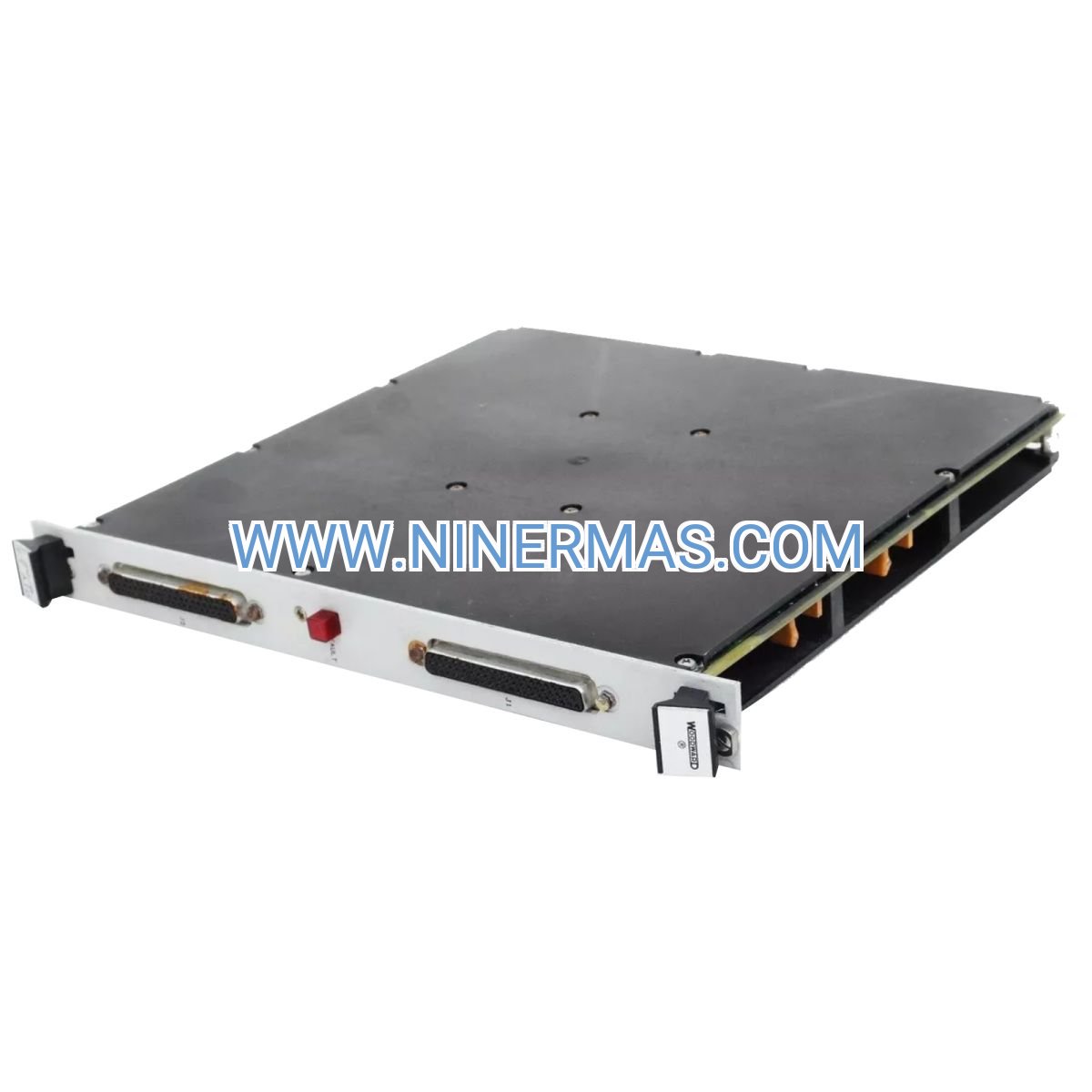
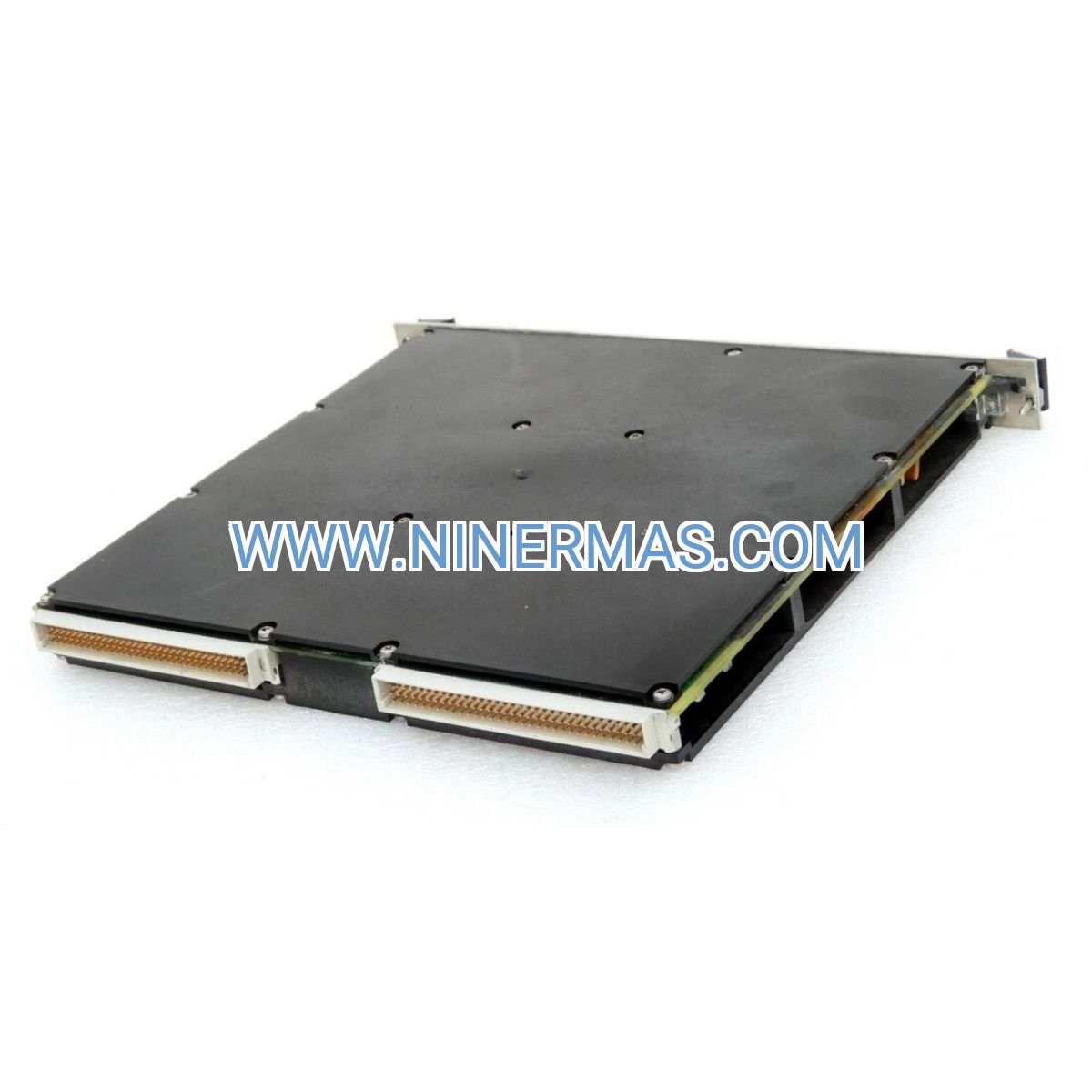
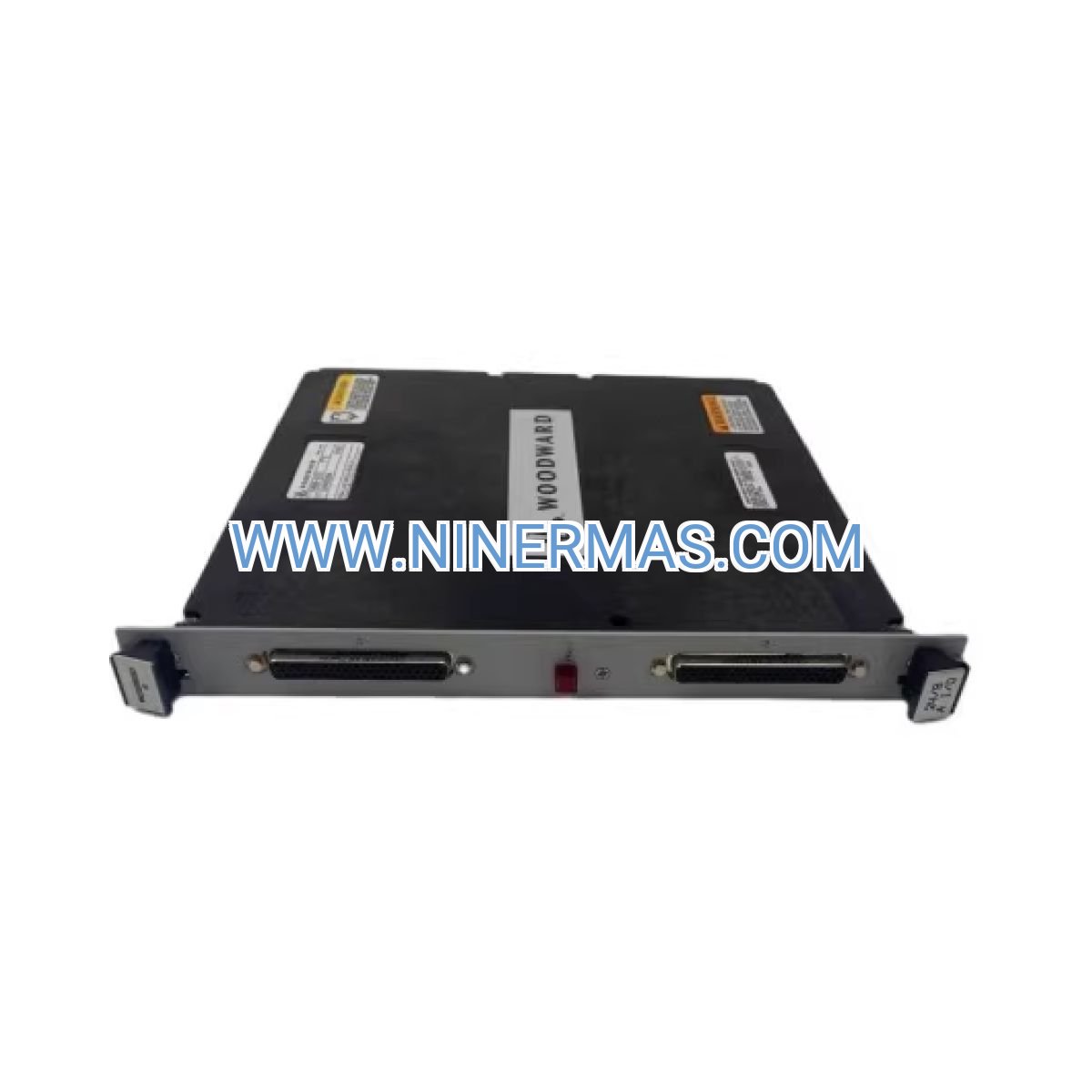
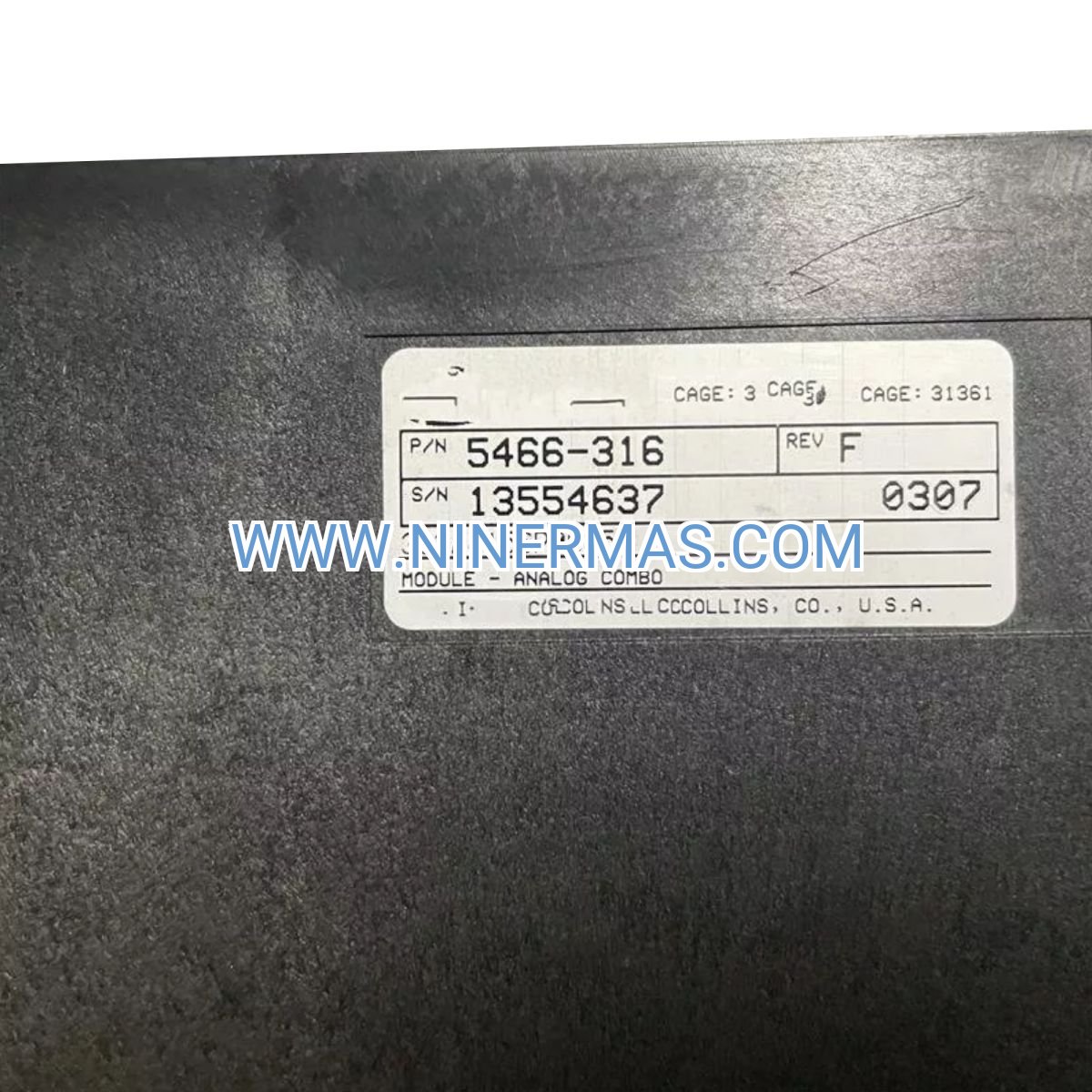
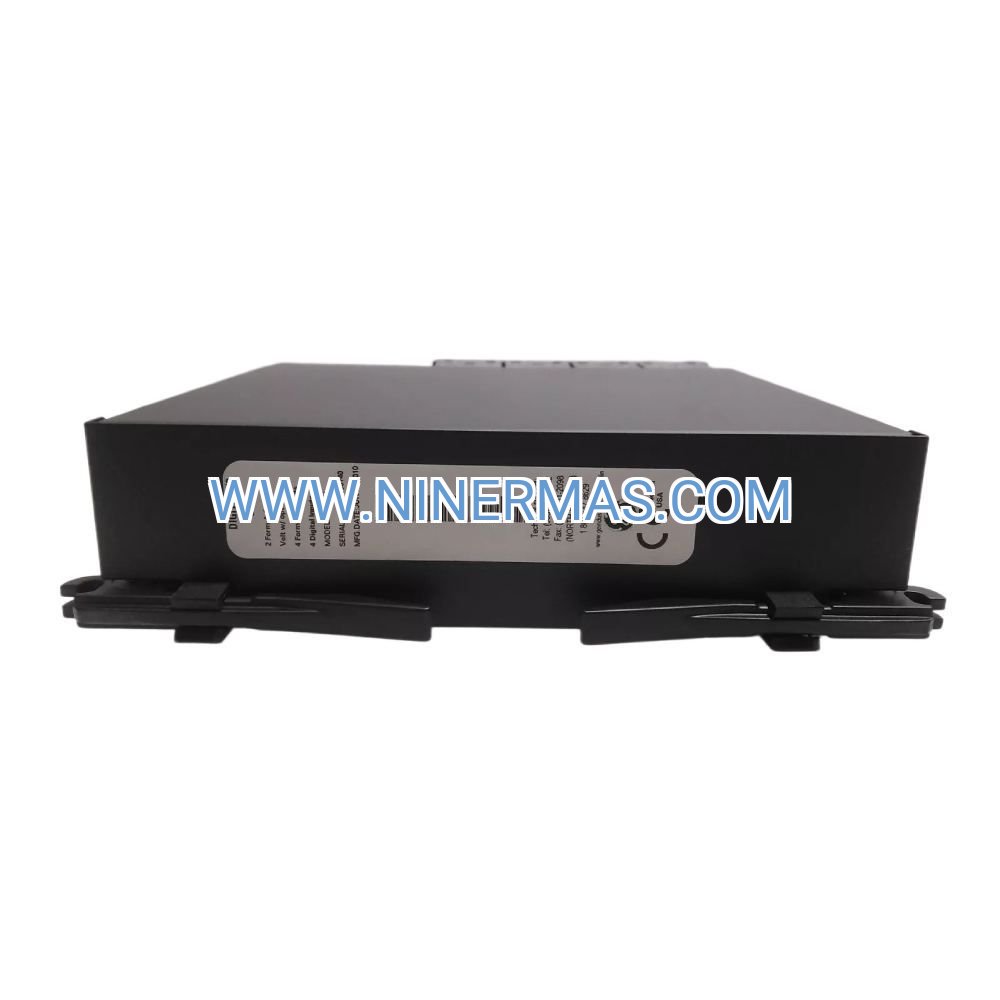
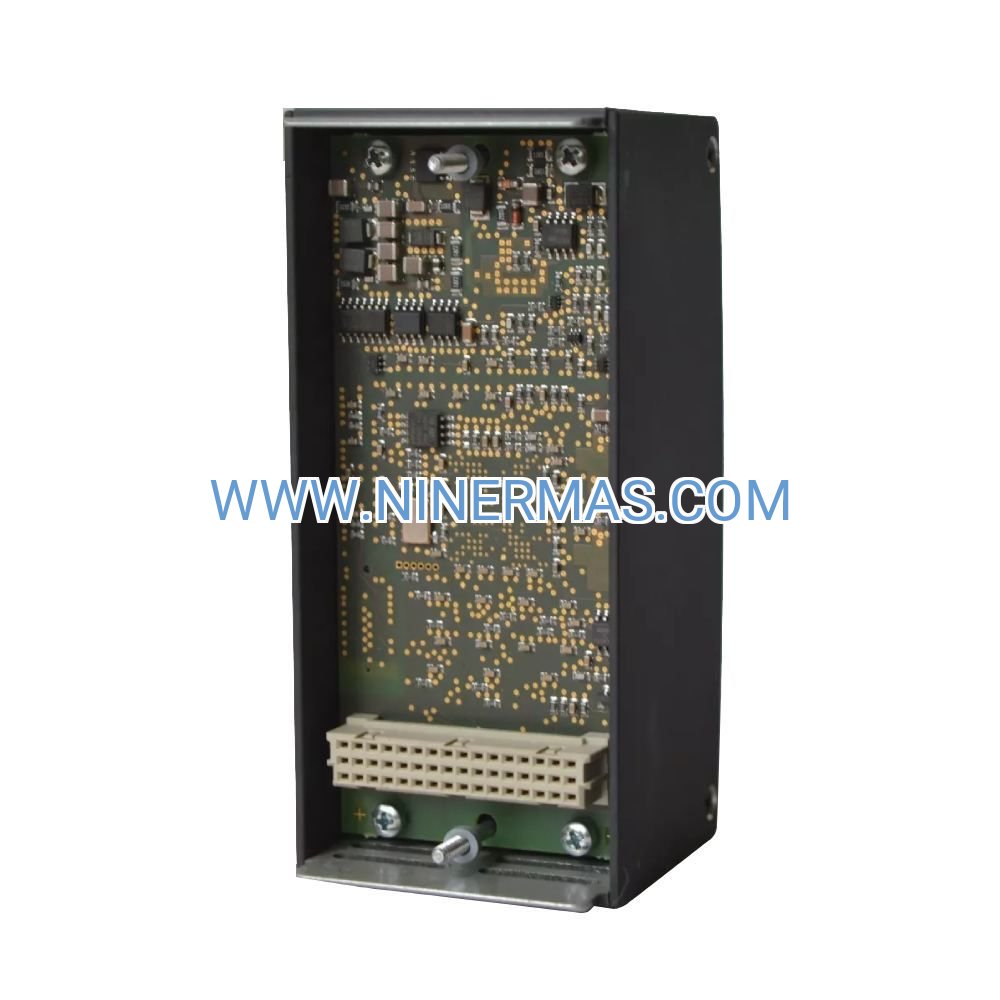
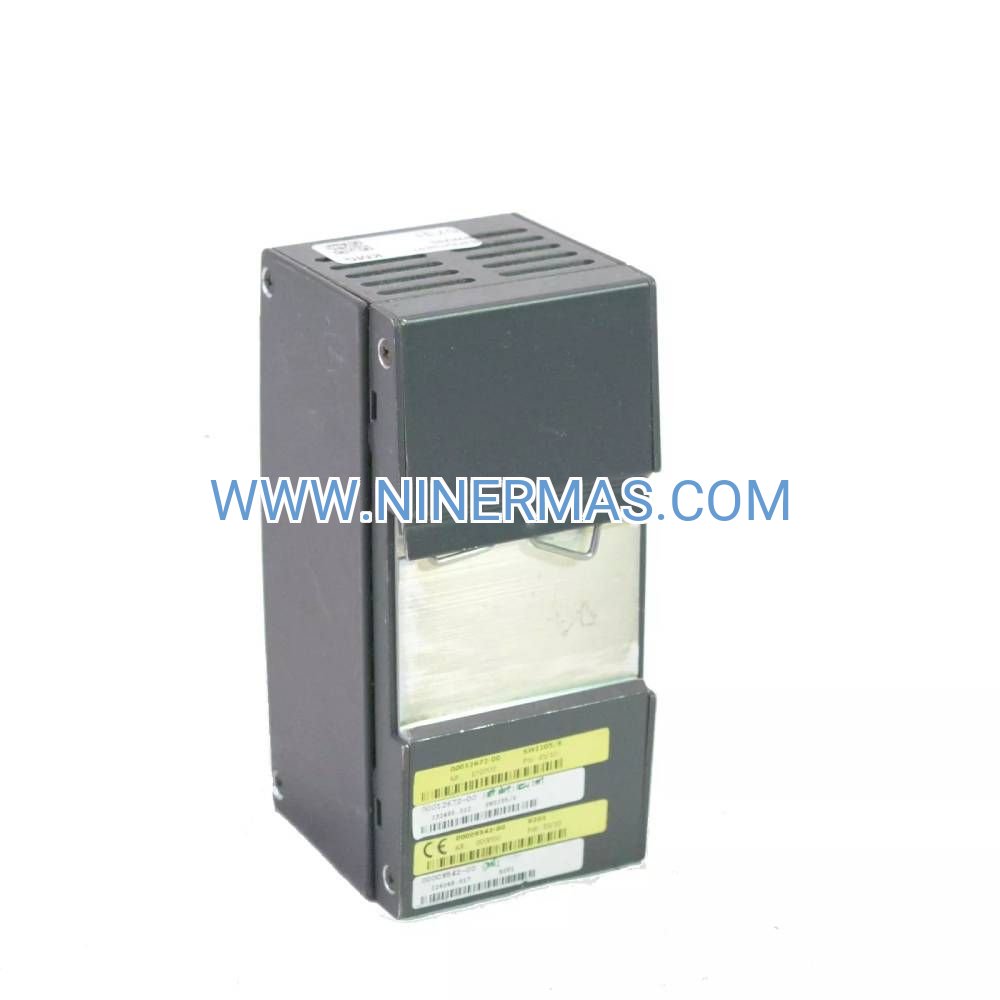
Woodward 5466-316 TMR Analog Combo I/O Module (Industrial-Grade Redundant Control)
The Woodward 5466-316 represents a critical infrastructure component for operators demanding zero-downtime performance in turbine control and power generation environments. Engineered with Triple Modular Redundant (TMR) architecture, this analog combination I/O module delivers continuous signal processing even when individual channels experience hardware failures, making it indispensable for safety-instrumented systems and mission-critical automation networks.
Designed for integration within MicroNet TMR control platforms, the 5466-316 serves power plant operators, turbine OEMs, and process engineers who cannot tolerate control system interruptions. Its fault-masking capability ensures that temperature sensors, pressure transducers, and actuator feedback signals remain accurate and available throughout maintenance cycles and component degradation events.
What distinguishes this module is its ability to maintain full operational integrity while isolating failed channels—eliminating emergency shutdowns, preserving production continuity, and enabling predictive maintenance strategies that reduce total cost of ownership across multi-year service intervals.
Core Features & Benefits
✓ Triple-Channel Voting Logic: Three independent signal processors cross-validate every measurement, automatically rejecting outlier data from degraded components while maintaining control accuracy within ±0.1% of full scale—critical for governor control and excitation regulation.
✓ Hot-Swap Field Replacement: Replace failed I/O cards during live operation without interrupting control loops or initiating turbine trips, reducing mean time to repair (MTTR) from hours to minutes and eliminating costly production losses.
✓ Extended Temperature Range (-40°C to +70°C): Operates reliably in extreme ambient conditions found in outdoor enclosures, desert installations, and arctic facilities without derating or auxiliary cooling systems.
✓ MicroNet Protocol Integration: Seamless backplane communication with existing Woodward TMR controllers, supporting distributed I/O architectures up to 100 meters from the main processor without signal degradation or latency issues.
✓ Diagnostic Health Monitoring: Built-in self-test routines continuously evaluate channel performance, providing early warning of drift, noise, or calibration errors through SCADA integration and local LED indicators.
✓ Multi-Range Input Flexibility: Configurable for 4-20mA, 0-10V, RTD, and thermocouple signals without hardware modifications, reducing spare parts inventory and simplifying engineering standardization across multiple units.
Typical Application Scenarios
→ Combined-Cycle Power Plants: In gas turbine-steam turbine configurations, the 5466-316 processes exhaust temperature arrays, steam pressure transmitters, and valve position feedback for heat recovery steam generators (HRSGs). The TMR architecture prevents false trips during sensor failures that would otherwise force unit shutdowns costing $50,000+ per hour in lost generation revenue.
→ Offshore Oil & Gas Platforms: Compression train control systems utilize the module's fault tolerance to maintain gas lift operations and export pipeline pressure regulation despite harsh marine environments. Salt fog, vibration, and temperature cycling that degrade standard I/O are masked by redundant channel voting, achieving 99.97% availability targets.
→ Petrochemical Reactor Control: Continuous polymerization processes depend on precise temperature cascade control across multiple zones. The 5466-316's ability to maintain loop integrity during thermocouple burnout or transmitter failure prevents batch losses, off-spec product, and emergency depressurization events.
→ Hydroelectric Governor Systems: Wicket gate positioning and load-frequency control require millisecond-level response to grid disturbances. Triple-redundant analog outputs ensure actuator commands remain accurate even when individual output drivers fail, protecting generators from over-speed trips and maintaining grid stability.
→ Industrial Cogeneration Facilities: Facilities producing both electricity and process steam leverage the module's dual analog input/output capability to coordinate turbine load with thermal demand, optimizing fuel efficiency while maintaining steam header pressure within ±2 psi tolerances despite varying loads.
Technical Parameters & Selection Guide
| Specification | Value |
|---|---|
| Catalog Number | 5466-316 |
| Redundancy Architecture | Triple Modular Redundant (TMR) |
| Analog Input Channels | High-resolution multi-range (configurable) |
| Analog Output Channels | Precision actuator control outputs |
| Signal Types Supported | 4-20mA, 0-10VDC, RTD, Thermocouple |
| Operating Temperature | -40°C to +70°C (-40°F to +158°F) |
| Power Supply Requirement | 24 VDC nominal (18-32 VDC range) |
| Communication Protocol | MicroNet TMR backplane |
| Mounting Method | DIN rail compatible |
| Hot-Swap Capability | Yes (online replacement supported) |
| Diagnostic Indicators | Multi-color LED status per channel |
| Typical Applications | Turbine control, power generation, SIS |
Selection Criteria: Choose the 5466-316 when your application requires SIL 2/3 safety integrity levels, when unplanned downtime costs exceed $10,000 per hour, or when regulatory frameworks mandate redundant control architectures. For non-critical monitoring applications with acceptable downtime windows, consider standard simplex I/O alternatives to optimize capital expenditure.
Extended Functions
SCADA Integration: The module exposes channel health status, diagnostic counters, and calibration data through Modbus TCP gateways and OPC UA servers, enabling predictive maintenance dashboards that forecast component end-of-life 30-90 days in advance.
Cybersecurity Hardening: When deployed with Woodward's secure backplane architecture, the 5466-316 operates within isolated network segments compliant with IEC 62443 industrial cybersecurity standards, protecting critical control loops from unauthorized access and malware propagation.
Custom Calibration Profiles: Engineering teams can store application-specific linearization curves, filtering parameters, and alarm setpoints in non-volatile memory, accelerating commissioning timelines and ensuring consistent performance across multiple identical installations.
Delivery & Service Assurance
Lead Time: Standard catalog items ship within 3-5 business days from regional distribution centers. Custom-configured modules with specialized firmware or extended temperature testing require 4-6 weeks for factory preparation and validation testing.
Warranty Coverage: Every 5466-316 module includes a comprehensive 12-month manufacturer's warranty covering defects in materials and workmanship. Extended warranty programs up to 60 months are available for critical infrastructure applications requiring long-term asset protection.
Technical Support: Our application engineering team provides pre-sales system architecture review, configuration file development, and post-installation troubleshooting support via phone, email, and remote desktop assistance. Average response time for critical issues: under 2 hours during business hours.
Documentation Package: Each module ships with installation quick-start guide, detailed technical manual (PDF), MicroNet Toolbox configuration software, and sample ladder logic for common control strategies. CAD drawings and 3D STEP models available for panel design integration.
Frequently Asked Questions
How does the TMR voting mechanism handle gradual sensor drift versus sudden failures?
The 5466-316 employs adaptive voting algorithms that distinguish between abrupt faults (open circuits, short circuits) and gradual degradation (calibration drift, noise increase). For sudden failures, the faulty channel is immediately excluded from voting. For drift conditions, the system generates diagnostic alarms while continuing to use weighted averaging until deviation exceeds configurable thresholds—typically 2-5% of span.
What is the maximum cable distance between field sensors and the I/O module?
For 4-20mA current loop signals, cable runs up to 1,500 meters are supported with standard 18 AWG shielded twisted pair, assuming loop resistance under 600 ohms. Voltage input signals (0-10V) should be limited to 100 meters to minimize noise pickup and voltage drop effects. RTD and thermocouple inputs perform optimally with cable lengths under 300 meters using appropriate extension-grade wire.
Can this module reduce energy consumption in variable-load applications?
Indirectly, yes. By maintaining precise analog control during partial-load conditions, the 5466-316 enables tighter process optimization that can improve thermal efficiency by 1-3% in turbine applications. For a 50 MW gas turbine operating 8,000 hours annually at $40/MWh, this translates to $160,000-$480,000 in annual fuel savings, far exceeding the module's acquisition cost.
What are the installation requirements for panel mounting and wiring?
The module requires a standard 35mm DIN rail with minimum 150mm of vertical clearance for cable management. Ambient temperature inside the enclosure must not exceed +60°C; forced ventilation is recommended for densely populated panels. Wiring should follow IEC 61131-2 guidelines with separate conduits for power, analog signals, and communication to minimize electromagnetic interference.
Does the 5466-316 support remote monitoring and diagnostics?
Yes, when integrated with Woodward's MicroNet TMR controller and appropriate communication gateways, all diagnostic parameters—including channel health, signal quality metrics, and fault history logs—are accessible via Ethernet/IP, Modbus TCP, or OPC UA protocols. This enables integration with plant-wide asset management systems and mobile monitoring applications.
How do I migrate from legacy simplex I/O to this TMR architecture?
Migration typically follows a phased approach: (1) Install TMR controller and I/O modules in parallel with existing system, (2) Cross-connect critical sensors to both old and new systems during commissioning, (3) Validate TMR performance under actual operating conditions, (4) Execute cutover during planned maintenance window. Woodward's field service engineers provide on-site migration support to minimize risk and downtime.
Take the Next Step
Ready to eliminate single points of failure in your critical control systems? Contact our industrial automation specialists today for application-specific configuration guidance, system architecture review, and competitive quotations. Whether you're upgrading legacy infrastructure or designing new installations, we'll help you specify the optimal TMR solution for your operational requirements.
Request a technical consultation: Share your I/O count, signal types, and environmental conditions to receive a customized bill of materials within 24 hours.
© 2026 NINERMAS COMPANY LIMITED. All rights reserved.
Original Source: https://ninermas.com
Contact: sale@ninermas.com | +0086 187 5021 5667

Contact Info
-
Address:22 / F, South Wo Hang building, 148 Wing Lok Street, Sheung Wan, Western District, Hong Kong
-
Phone:+8618750215667
-
Email:
