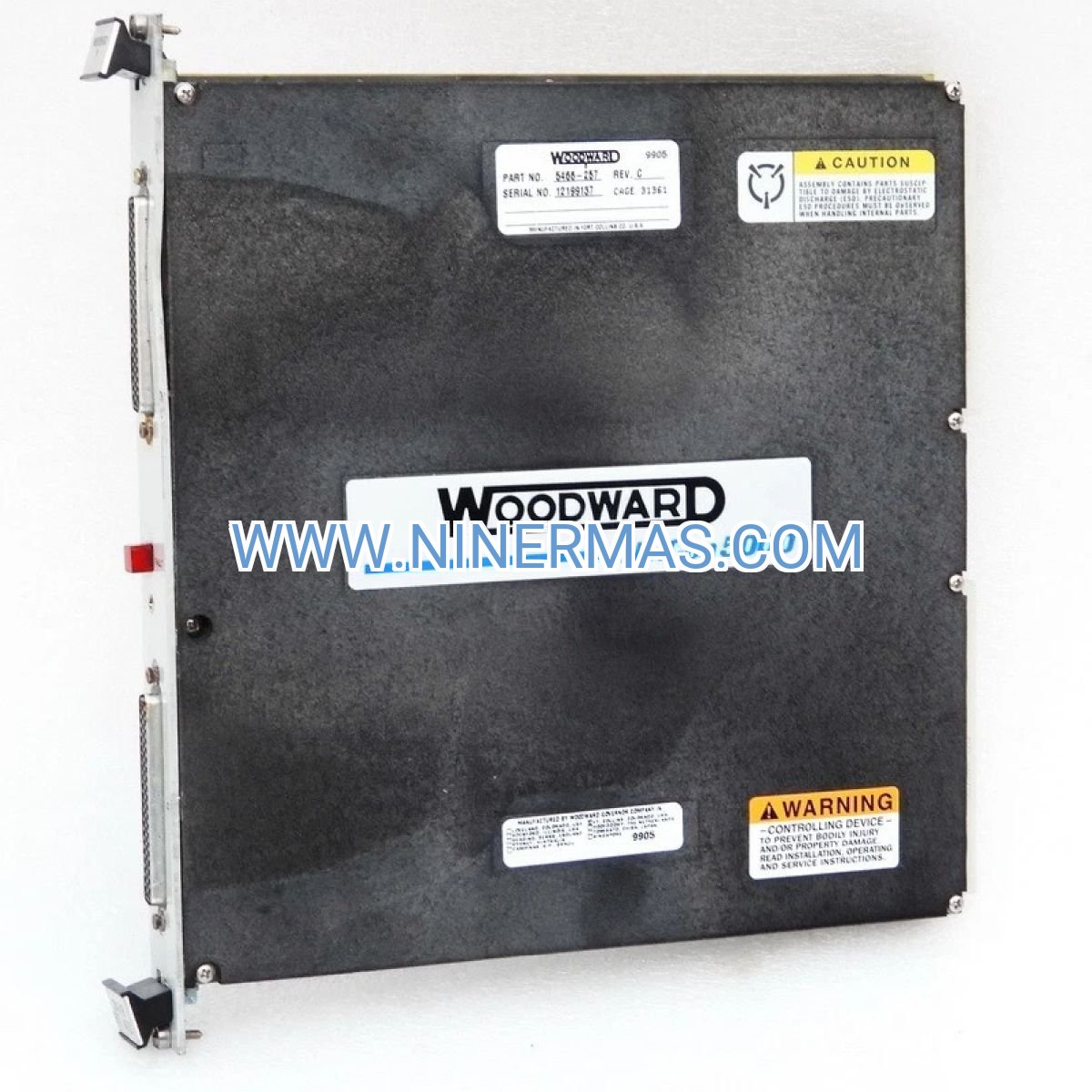
Description
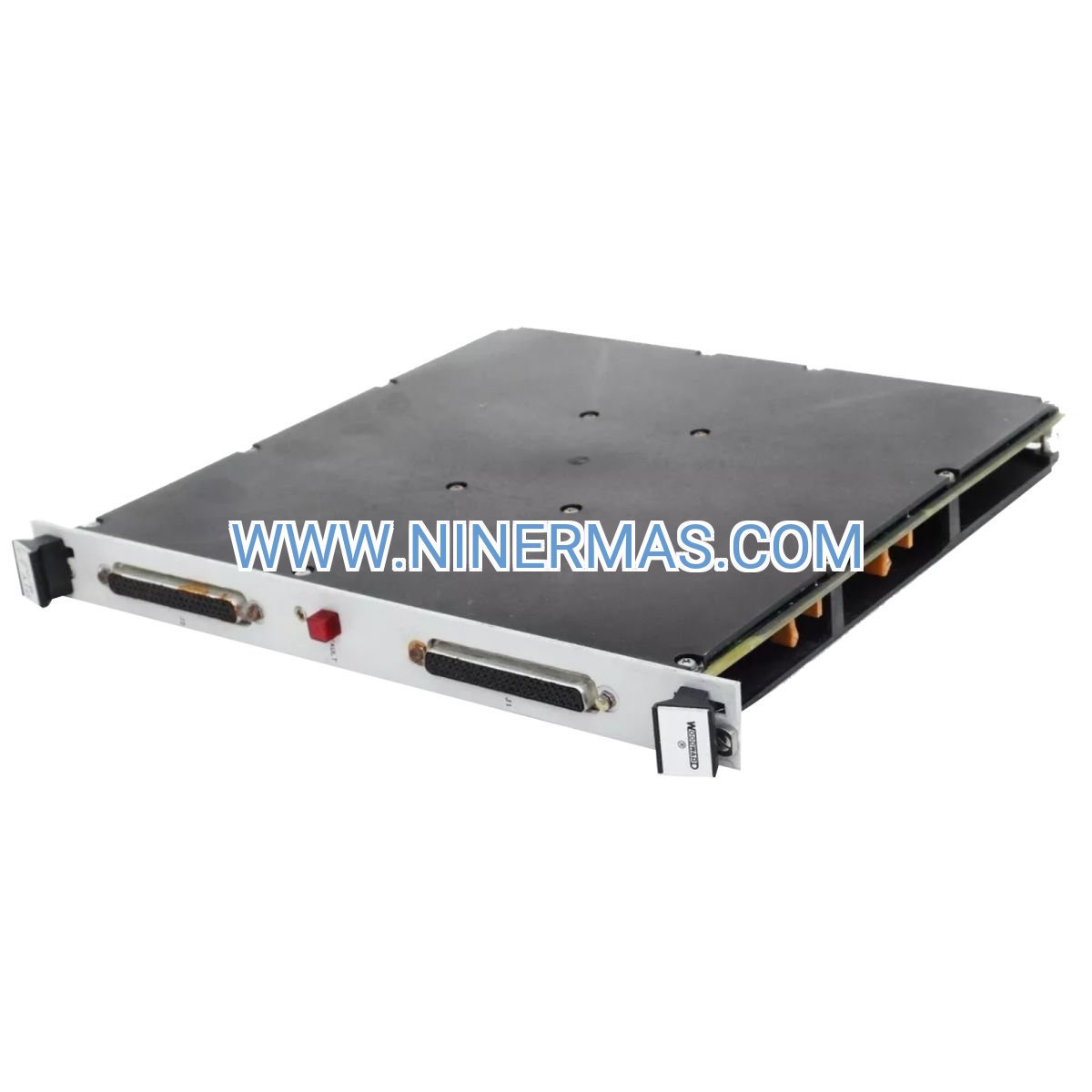
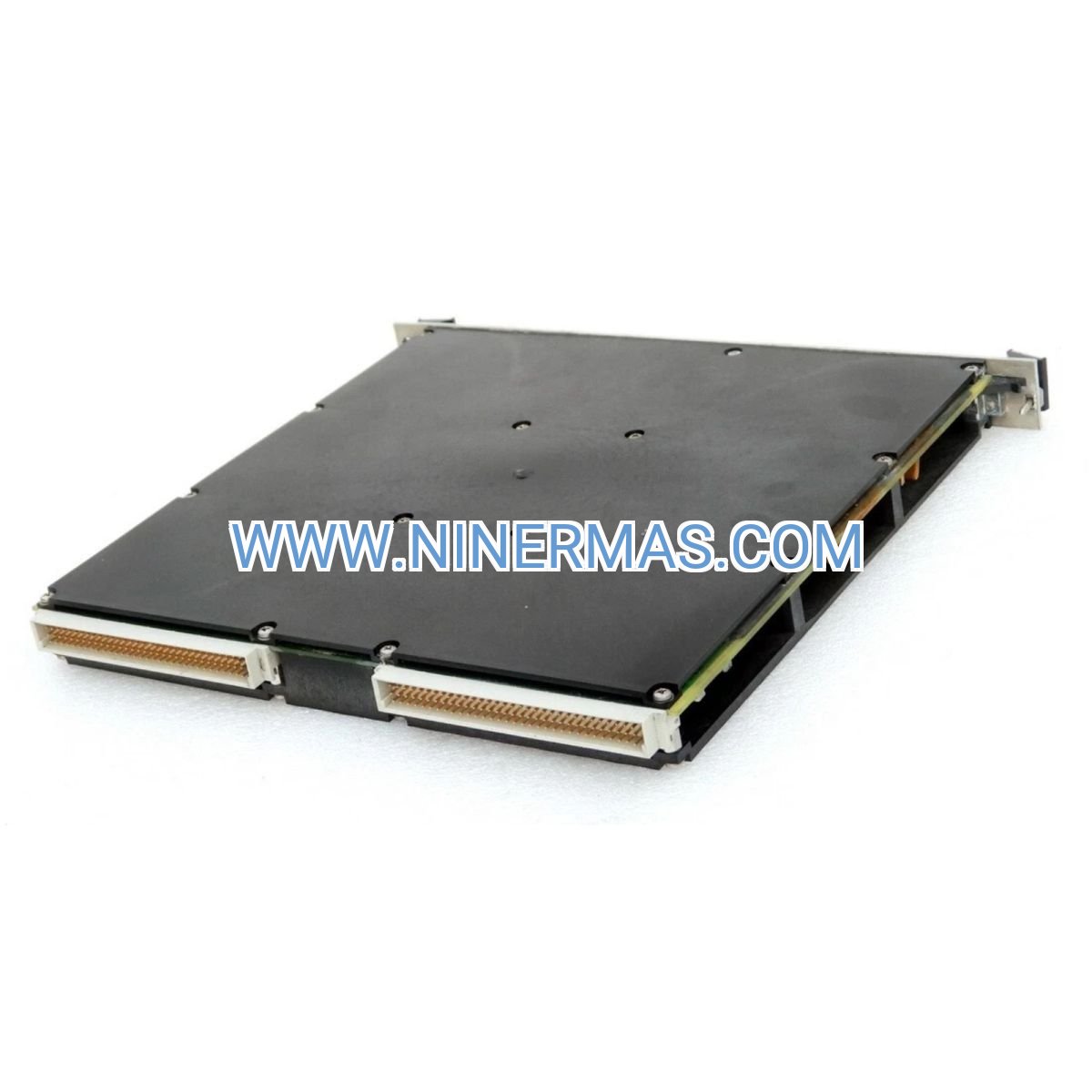
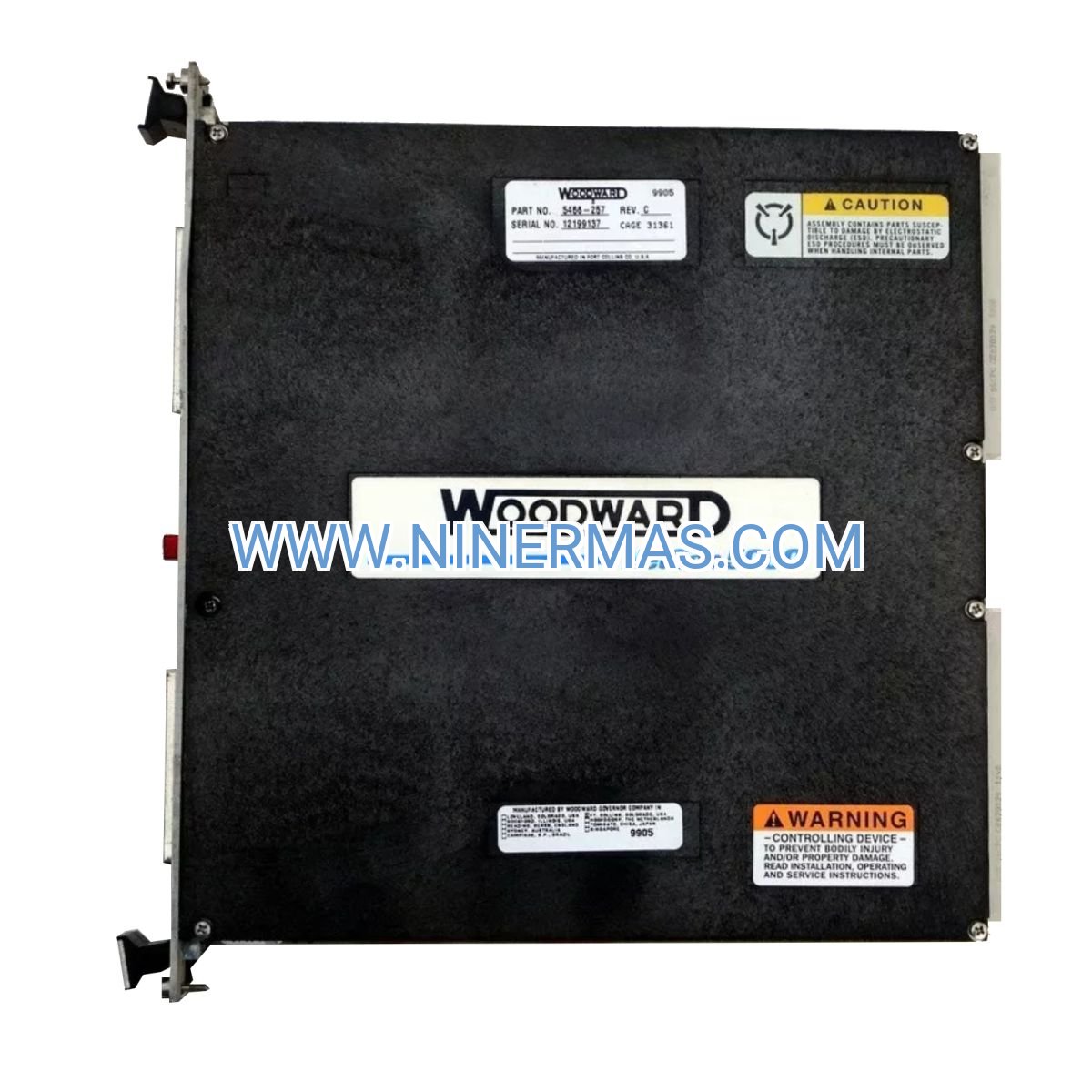
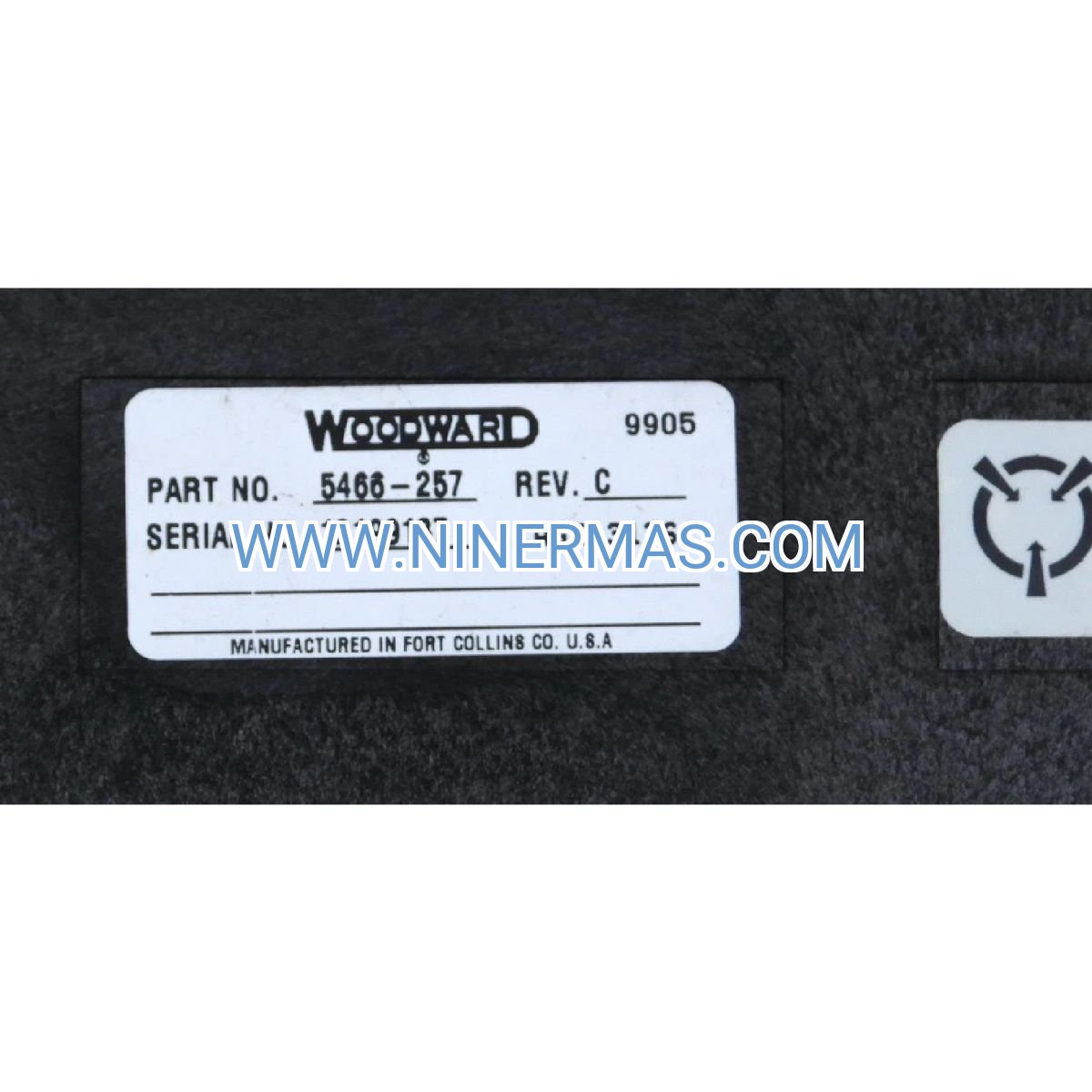
5466-257 TMR Remote Transceiver (Industrial-Grade Redundant Communication)
The Woodward 5466-257 represents a breakthrough in fault-tolerant industrial communication technology, delivering triple-redundant data transmission for control systems where operational continuity is non-negotiable. Engineered specifically for turbine control, power generation, and process automation environments, this remote transceiver module eliminates single points of failure through continuous self-verification and automatic error correction.
Designed for system integrators and plant engineers managing critical infrastructure, the 5466-257 bridges distributed I/O networks with central MicroNet TMR controllers while maintaining microsecond-level synchronization across all redundant channels. Its adaptive fault detection algorithms identify and isolate communication errors before they impact process control, ensuring your operations maintain peak performance even during component degradation.
With proven reliability in extreme industrial conditions—from offshore platforms to desert power stations—this transceiver module delivers the uptime guarantees demanded by industries where downtime costs exceed $100,000 per hour. The result: predictable operations, reduced insurance premiums, and compliance with the most stringent safety integrity level (SIL) requirements.
Core Capabilities & Business Impact
✓ Triple Modular Redundancy Architecture
Three independent processing channels operate simultaneously with real-time voting logic. When one channel experiences a fault, the system continues without interruption while alerting maintenance teams. This translates to 99.999% availability for your critical control loops—eliminating costly emergency shutdowns and production losses.
→ Deterministic Communication Performance
Guaranteed message delivery within 5ms latency ensures precise coordination between field devices and control logic. Predictable timing eliminates the jitter and packet loss common in standard industrial networks, enabling tighter process control and improved product quality in continuous manufacturing operations.
• Hot-Swappable Maintenance Design
Replace failed modules during operation without system shutdown or process interruption. Maintenance windows shrink from hours to minutes, maximizing production uptime while reducing overtime labor costs. The module's plug-and-play configuration automatically synchronizes with the network upon insertion.
✓ Comprehensive Diagnostic Intelligence
Built-in health monitoring tracks signal integrity, power supply stability, and communication throughput in real-time. Predictive alerts identify degrading components before failure occurs, enabling condition-based maintenance strategies that reduce spare parts inventory by 40% while preventing unexpected outages.
→ Extreme Environment Resilience
Operates reliably across -40°C to +70°C temperature ranges with immunity to electromagnetic interference, vibration, and humidity. Conformal coating protects circuitry from corrosive atmospheres, extending service life beyond 15 years in harsh industrial settings—reducing total cost of ownership compared to frequent replacements.
• Flexible Network Topology Support
Deploy in star, ring, or redundant configurations using fiber optic or copper media. Scale from simple point-to-point links to complex multi-node networks spanning 2km without signal degradation. Adapt the architecture as your facility expands without replacing existing infrastructure.
Industry-Specific Applications
Power Generation & Cogeneration Facilities
In combined-cycle power plants, the 5466-257 connects turbine protection systems with distributed vibration sensors, temperature transmitters, and valve actuators across the facility. When a sensor detects abnormal bearing vibration, the redundant communication ensures the shutdown command reaches all safety systems within milliseconds—preventing catastrophic turbine damage that could cost $5M+ in repairs and lost generation capacity.
Offshore Oil & Gas Production Platforms
Marine environments demand communication systems that withstand salt spray, temperature extremes, and constant vibration. The 5466-257's sealed enclosure and redundant channels maintain reliable control of wellhead chokes, separation processes, and flare systems even during severe weather events—ensuring continuous production and regulatory compliance in remote locations where technician access requires helicopter transport.
Petrochemical Refining & Processing
Refineries deploy this transceiver to link distributed control systems with field instrumentation across process units spanning hundreds of acres. The TMR architecture ensures that critical interlocks—such as emergency depressurization valves and fire suppression systems—receive activation signals even if lightning strikes damage communication cables, protecting personnel and preventing environmental releases.
Pipeline Compression Stations
Natural gas transmission networks rely on unmanned compressor stations operating 24/7 in remote locations. The 5466-257 enables centralized monitoring and control of multiple stations from a single operations center, with redundant communication paths ensuring that anti-surge control and vibration monitoring remain functional even during fiber optic cable cuts caused by construction or weather damage.
Marine Propulsion & Power Management
Modern vessels integrate engine control, electrical distribution, and thruster management into unified automation systems. The 5466-257's fault-tolerant communication prevents loss of propulsion control during critical maneuvers like docking or dynamic positioning operations, where communication failures could result in collisions, groundings, or loss of station-keeping capability.
Technical Specifications & Selection Criteria
| Parameter | Specification | Selection Consideration |
|---|---|---|
| Model Designation | 5466-257 | Verify compatibility with MicroNet TMR controller firmware version |
| Redundancy Level | Triple Modular (TMR) | Required for SIL 3 safety applications; dual redundancy insufficient |
| Communication Protocol | MicroNet Proprietary | Ensures deterministic timing; not compatible with Modbus/Ethernet/IP |
| Network Media | Fiber optic or shielded copper | Fiber recommended for distances >100m or high-EMI environments |
| Maximum Distance | 2km (fiber) / 100m (copper) | Plan repeater locations for larger facilities |
| Operating Temperature | -40°C to +70°C | Suitable for outdoor enclosures without climate control |
| Power Input | 24 VDC ±20% | Requires redundant power supplies for full fault tolerance |
| Power Consumption | 8W typical | Calculate heat dissipation for enclosed panel installations |
| Mounting Options | DIN rail / panel bracket | DIN rail simplifies installation in standard control cabinets |
| Diagnostic Indicators | LED status / network alarms | Integrate alarm outputs with SCADA for remote monitoring |
| MTBF Rating | >150,000 hours | Expect 17+ years continuous operation under rated conditions |
| Certifications | CE, UL508, CSA C22.2 | Verify local regulatory requirements for hazardous area installations |
Selection Guidelines: Choose the 5466-257 when your application requires SIL 2/3 safety integrity levels, operates in harsh environments, or demands uptime exceeding 99.9%. For non-critical monitoring applications or budget-constrained projects, consider dual-redundant alternatives. Ensure your MicroNet controller supports TMR operation—legacy systems may require firmware updates or hardware upgrades.
Advanced Integration Features
SCADA & HMI Connectivity: The module exposes diagnostic data via standard industrial protocols, enabling integration with Wonderware, Ignition, or FactoryTalk visualization platforms. Monitor communication health, channel status, and error rates from your central control room without proprietary software.
Cybersecurity Hardening: Firmware includes encrypted authentication and role-based access controls compliant with IEC 62443 industrial cybersecurity standards. Prevent unauthorized configuration changes while maintaining audit trails for regulatory compliance and forensic analysis.
Modular Expansion Capability: Add up to 32 remote I/O modules per transceiver, supporting thousands of I/O points across distributed locations. Mix analog inputs, digital outputs, and specialty modules (RTD, thermocouple, HART) on the same network without performance degradation.
Configuration Portability: Store network parameters and device mappings in removable memory modules for rapid replacement during failures. Technicians can swap transceivers in under 5 minutes without laptop configuration tools—critical for minimizing downtime during emergency repairs.
Delivery Timeline & Service Commitments
Standard Lead Time: 3-5 business days for in-stock units; expedited same-day shipping available for critical outages (additional fees apply)
Custom Configuration: Factory-programmed modules with pre-loaded network addresses and settings ship within 7-10 business days
Warranty Coverage: 24-month comprehensive warranty covering manufacturing defects, component failures, and workmanship issues—double the industry standard
Technical Support: Lifetime access to application engineers for troubleshooting, network design consultation, and firmware update assistance via phone, email, or remote desktop support
Documentation Package: Includes installation manual, wiring diagrams, configuration software, and sample ladder logic for common applications—reducing commissioning time by 50%
Calibration Certification: Factory calibration certificates traceable to NIST standards included with each unit for quality management system compliance
Frequently Asked Questions
How does the TMR voting mechanism handle communication errors in real-time?
The transceiver compares data packets from all three channels at the bit level every 100 microseconds. When discrepancies occur, a majority-voting algorithm selects the correct value while flagging the faulty channel for diagnostics. If one channel fails completely, the system continues operating on the remaining two channels with full functionality—no process interruption occurs. Maintenance teams receive immediate notification to schedule repairs during the next planned outage.
Can I integrate this transceiver with non-Woodward control systems or third-party PLCs?
The 5466-257 uses Woodward's proprietary MicroNet protocol optimized for deterministic TMR operation. Direct connection to Allen-Bradley, Siemens, or other PLC brands is not supported. However, Woodward offers protocol gateway modules that translate MicroNet data to Modbus TCP, EtherNet/IP, or Profinet for integration with multi-vendor automation architectures. Contact our engineering team to design the appropriate gateway configuration for your specific requirements.
What network topology provides the highest reliability for critical safety systems?
For maximum fault tolerance, deploy a redundant ring topology using fiber optic media with geographically separated cable routes. This configuration survives multiple cable cuts or transceiver failures without losing communication to any node. Each transceiver connects to the ring via two independent fiber paths—if construction equipment severs one cable, traffic automatically reroutes through the alternate path within 50 milliseconds. Star topologies offer simpler installation but create single points of failure at the central hub.
Does the module support hot-swapping without disrupting active control processes?
Yes—the TMR architecture enables online replacement of any single transceiver while the other two channels maintain full control system operation. The replacement module automatically synchronizes with the network upon insertion, typically completing initialization within 30 seconds. This capability eliminates the need for process shutdowns during routine maintenance or emergency repairs, saving thousands of dollars in lost production per incident.
What diagnostic capabilities help predict failures before they impact operations?
Built-in monitoring tracks 15+ health parameters including signal-to-noise ratio, bit error rates, power supply voltage, internal temperature, and channel synchronization accuracy. Trend analysis algorithms detect gradual degradation—such as corroding connectors or aging optical transceivers—and generate predictive maintenance alerts 2-4 weeks before failures occur. Integration with your CMMS enables automated work order generation and spare parts procurement.
How do I calculate the total number of transceivers needed for my facility?
Each 5466-257 supports one remote I/O drop location. Count the number of physical locations requiring I/O connectivity (motor control centers, analyzer shelters, wellhead platforms, etc.) to determine transceiver quantity. For large facilities, consider grouping nearby I/O points to minimize transceiver count—each unit supports up to 32 I/O modules, providing hundreds of I/O points per location. Our application engineers offer complimentary network design services to optimize your architecture for cost and reliability.
Ready to Eliminate Communication Failures?
Upgrade your critical control systems with proven TMR technology trusted by Fortune 500 energy companies worldwide. Our industrial automation specialists are available to discuss your specific application requirements, provide detailed technical specifications, and develop customized solutions for your facility.
Request a quote today: Contact our team at sale@ninermas.com or call +0086 187 5021 5667 to speak with an application engineer. Mention reference code 5466-257-TMR for priority technical support and volume pricing options.
© 2026 NINERMAS COMPANY LIMITED. All rights reserved.
Original Source: https://ninermas.com
Contact: sale@ninermas.com | +0086 187 5021 5667

Contact Info
-
Address:22 / F, South Wo Hang building, 148 Wing Lok Street, Sheung Wan, Western District, Hong Kong
-
Phone:+8618750215667
-
Email: