Description
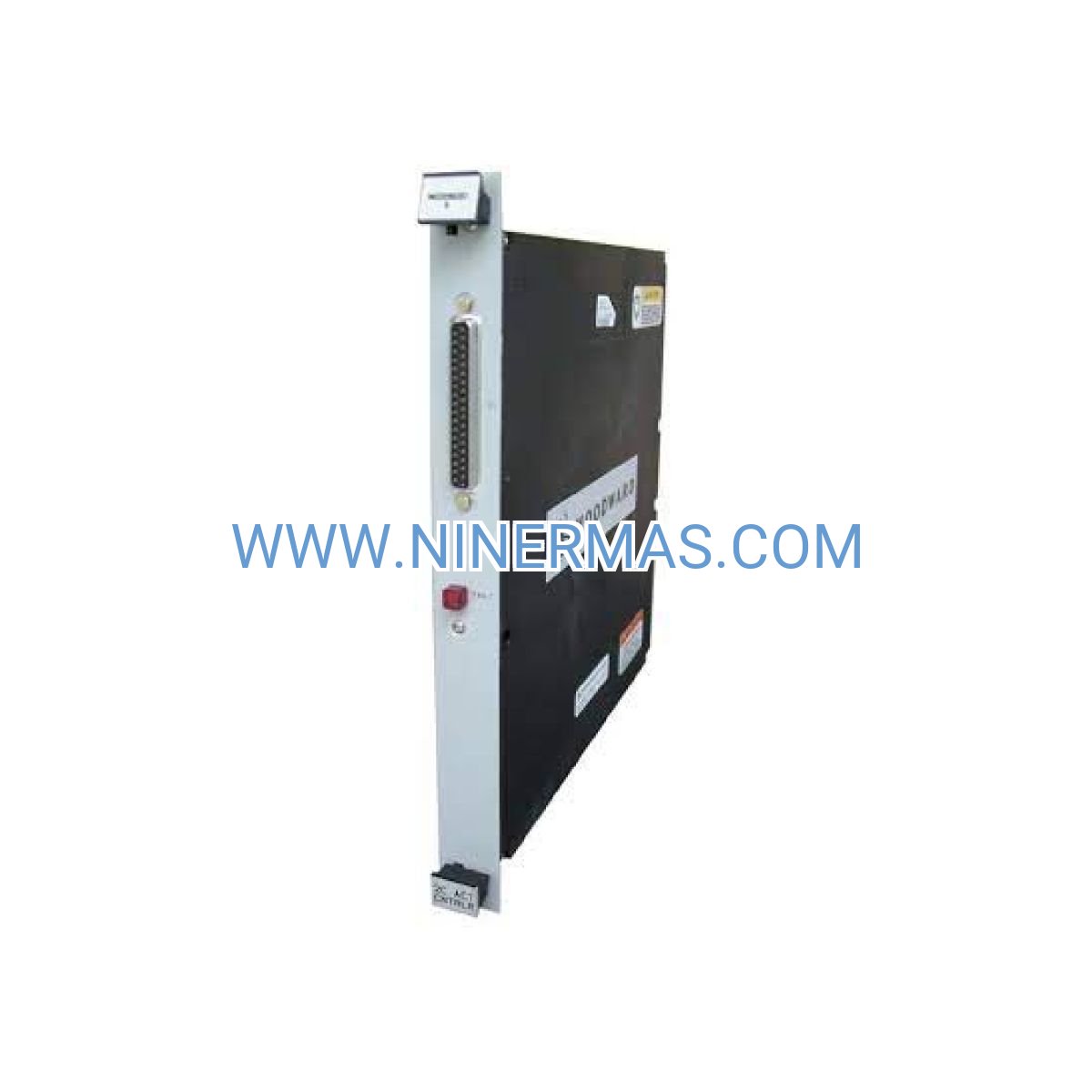
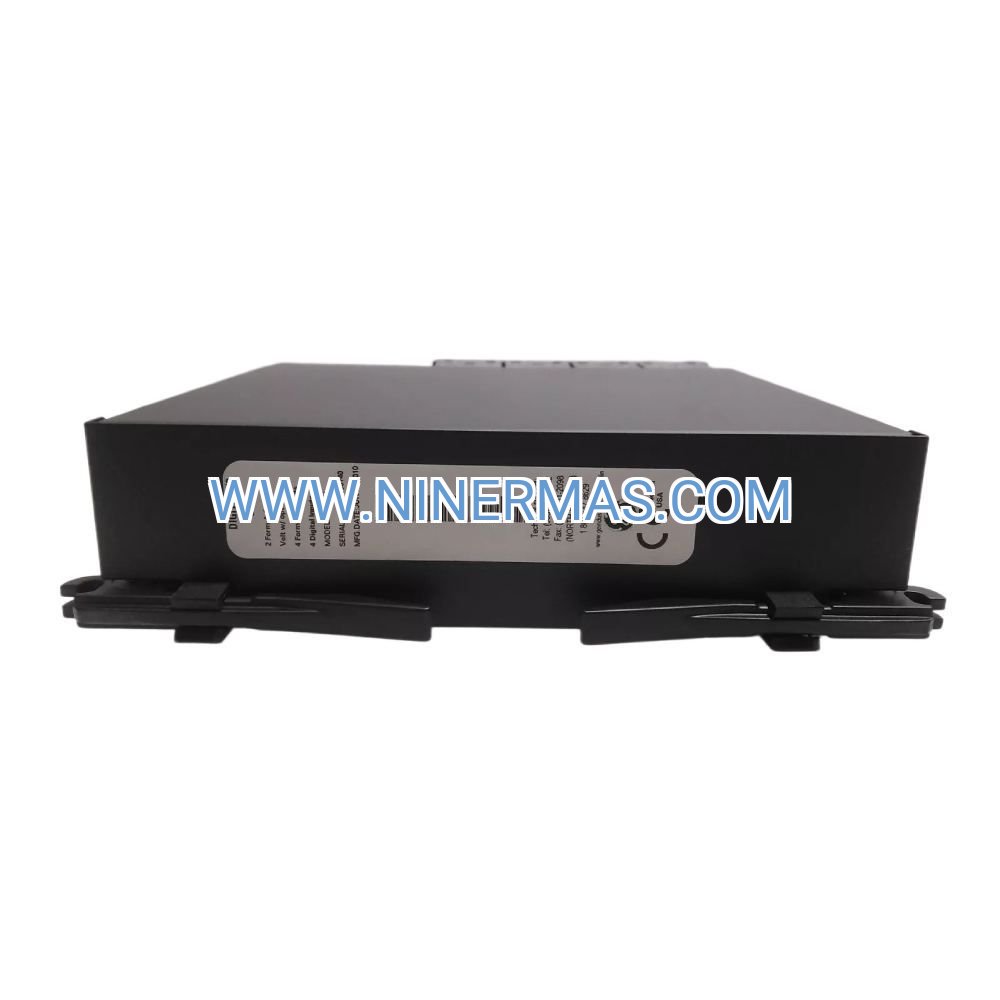
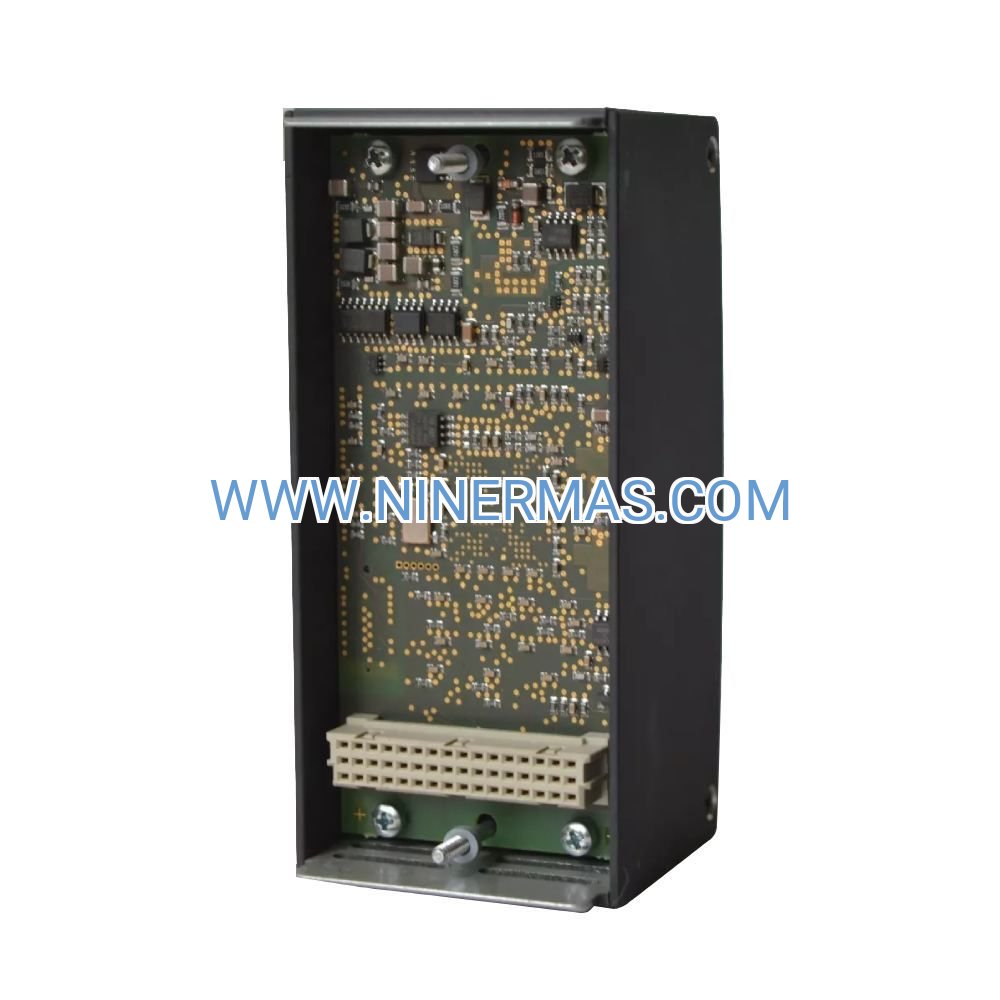
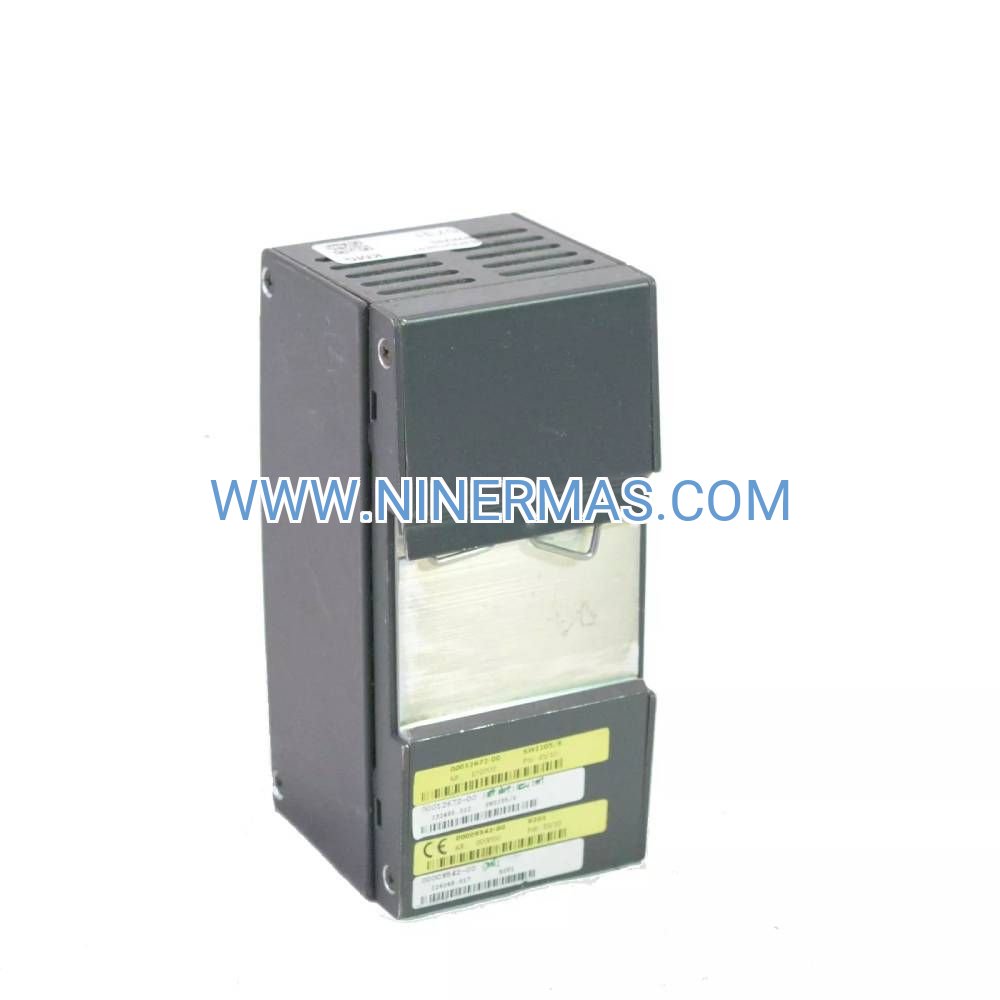
Woodward 5466-1510 CPU5200 Enhanced Module (Triple Modular Redundant Architecture)
The Woodward 5466-1510 is an industrial-grade TMR (Triple Modular Redundant) control processor engineered for applications where operational continuity is non-negotiable. Designed for turbine governors, compressor stations, and safety-instrumented systems, this CPU5200 Enhanced Module delivers deterministic control with automatic fault isolation across three independent processing channels.
Deployed in power generation facilities, offshore platforms, and critical infrastructure worldwide, the 5466-1510 addresses the challenge of unplanned downtime through continuous self-diagnostics and seamless failover. Target users include control engineers, plant operators, and system integrators managing high-consequence processes in oil & gas, utilities, and heavy manufacturing.
Key advantages include SIL 3 certification for safety applications, hot-swappable redundancy without process interruption, and native integration with Woodward's MicroNet distributed I/O ecosystem—reducing total cost of ownership while maximizing system availability.
Core Capabilities & Business Value
→ Triple Modular Redundancy: Three parallel processors vote on every control decision, automatically isolating faulty channels while maintaining full operational capacity—eliminating single points of failure that cause costly shutdowns.
→ Deterministic Scan Performance: Enhanced 32-bit RISC architecture executes complex control algorithms with predictable timing, ensuring precise speed regulation and load management critical for turbine synchronization and grid stability.
→ Extended Environmental Range: Operates reliably from -40°C to +70°C with conformal coating protection, suitable for harsh installations including desert compressor stations, arctic pipeline facilities, and tropical offshore platforms.
→ Dual Redundant Networking: Built-in network interfaces support high-availability communication with SCADA systems, HMIs, and distributed I/O—maintaining connectivity even during network failures or maintenance activities.
→ Online Firmware Updates: Apply security patches and feature enhancements without taking the control system offline, reducing maintenance windows and improving cybersecurity posture in connected industrial environments.
✓ Expanded Memory Capacity: Accommodates sophisticated control strategies including model predictive control, advanced sequencing logic, and multi-variable optimization algorithms previously requiring multiple controllers.
Industry Applications & Problem Resolution
Combined Cycle Power Plants: Manages gas turbine governors and steam turbine controls with millisecond-level coordination, addressing the challenge of rapid load following during peak demand periods while maintaining emissions compliance and fuel efficiency targets.
Natural Gas Pipeline Compression: Controls centrifugal and reciprocating compressors across remote stations, solving the problem of unattended operation in extreme climates where manual intervention is impractical and downtime directly impacts transmission capacity and revenue.
Petrochemical Processing: Orchestrates reactor temperature control, distillation column sequencing, and emergency shutdown systems, eliminating the risk of batch losses and safety incidents caused by controller failures in continuous production environments.
Marine Propulsion Systems: Governs diesel and gas turbine engines on LNG carriers and offshore support vessels, resolving the challenge of maintaining precise speed control during dynamic positioning operations where positioning accuracy affects operational safety.
Industrial Cogeneration: Integrates turbine control with heat recovery steam generators and electrical switchgear, addressing the complexity of balancing thermal and electrical loads while optimizing fuel consumption across varying demand profiles.
Technical Parameters & Selection Criteria
| Specification | Value | Application Relevance |
|---|---|---|
| Processor Architecture | Enhanced 32-bit RISC, TMR voting | Deterministic control for time-critical loops |
| Program Memory | Expanded capacity (enhanced version) | Supports complex algorithms and data logging |
| I/O Network | MicroNet dual redundant | Distributed architecture up to 1000+ I/O points |
| Scan Cycle | Configurable, deterministic timing | Predictable response for governor control |
| Operating Temperature | -40°C to +70°C | Suitable for outdoor enclosures and harsh climates |
| Safety Certification | SIL 3 capable (IEC 61508) | Qualified for safety-instrumented functions |
| Compliance | CE, UL, ATEX, IECEx | Global deployment in hazardous areas |
| MTBF | >100,000 hours (TMR configuration) | Minimizes unplanned maintenance interventions |
Selection Guidance: Choose the 5466-1510 Enhanced Module when your application requires SIL 3 safety certification, when control algorithms exceed the capacity of standard CPUs, or when environmental conditions demand extended temperature ratings. For non-redundant applications with less stringent availability requirements, consider standard single-channel controllers. Consult Woodward's application engineering team for sizing calculations based on I/O count, scan time requirements, and communication protocol needs.
Advanced Integration Features
MicroNet Ecosystem Compatibility: Seamlessly connects with Woodward's family of analog I/O modules, digital interfaces, and specialty cards including thermocouple inputs, RTD sensors, and high-speed counters—enabling flexible system architecture tailored to specific process requirements.
SCADA & HMI Connectivity: Native support for Modbus TCP/IP, OPC UA, and proprietary protocols facilitates integration with plant-wide monitoring systems, enabling remote diagnostics, performance trending, and predictive maintenance analytics.
Cybersecurity Hardening: Implements role-based access control, encrypted communication channels, and audit logging to meet NERC CIP, IEC 62443, and other industrial cybersecurity standards—protecting critical infrastructure from unauthorized access.
Custom Logic Development: Program using Woodward's GAP (General Application Programming) environment with IEC 61131-3 compliant languages including ladder logic, function block diagrams, and structured text—reducing engineering time through reusable code libraries.
Delivery Timeline & Service Commitment
Standard Lead Time: 4-6 weeks for factory-new units with full manufacturer warranty and calibration certificates. Expedited delivery available for critical outage situations subject to inventory availability.
Warranty Coverage: 24-month comprehensive warranty covering materials, workmanship, and firmware defects. Extended warranty programs available for long-term asset protection.
Technical Support: Access to Woodward-certified application engineers for commissioning assistance, troubleshooting guidance, and performance optimization. 24/7 emergency support hotline for critical process issues.
Documentation Package: Includes installation manual, programming reference guide, I/O wiring diagrams, and configuration templates. Firmware update utilities and diagnostic software provided at no additional charge.
Frequently Asked Questions
How does the TMR CPU integrate with existing DCS or PLC systems?
The 5466-1510 functions as a standalone controller or integrates via Modbus TCP/IP, OPC UA, or hardwired I/O to legacy systems. It can operate as a primary controller for turbine/compressor packages while exchanging data with plant DCS for supervisory monitoring and setpoint adjustments.
What I/O capacity does the CPU5200 Enhanced Module support?
The module supports distributed I/O configurations up to 1000+ points via dual redundant MicroNet networks. Actual capacity depends on scan time requirements and communication loading—consult engineering guidelines for specific application sizing.
Can the system achieve energy efficiency improvements in turbine control?
Yes, the enhanced processing capacity enables advanced control algorithms including model predictive control and multi-variable optimization, which can improve heat rate by 1-3% in combined cycle applications and reduce fuel consumption in mechanical drive systems through precise load matching.
What are the physical installation requirements for the module?
The CPU mounts in standard 19-inch racks or Woodward's MicroNet chassis. Requires 24 VDC power supply (redundant recommended), Ethernet network connections, and adequate ventilation for convection cooling. Typical panel depth requirement is 300mm including cable management.
Does the module support remote monitoring and diagnostics?
Full remote access is available via secure VPN connections using Woodward's diagnostic software. Real-time parameter monitoring, alarm history retrieval, and firmware updates can be performed remotely, reducing site visit requirements and enabling predictive maintenance strategies.
How does the system handle controller failures in TMR configuration?
Each of the three processors operates independently and continuously compares results. When a discrepancy is detected, the faulty channel is automatically isolated while the remaining two channels maintain control without process disruption. Failed modules can be replaced online without shutdown.
Take the Next Step
Protect your critical processes with proven TMR technology. Contact our application engineering team for system sizing, compatibility verification, and project-specific quotations. Existing Woodward users can request upgrade paths from legacy MicroNet systems.
© 2026 NINERMAS COMPANY LIMITED. All rights reserved.
Original Source: https://ninermas.com
Contact: sale@ninermas.com | +0086 187 5021 5667

Contact Info
-
Address:22 / F, South Wo Hang building, 148 Wing Lok Street, Sheung Wan, Western District, Hong Kong
-
Phone:+8618750215667
-
Email: