Description
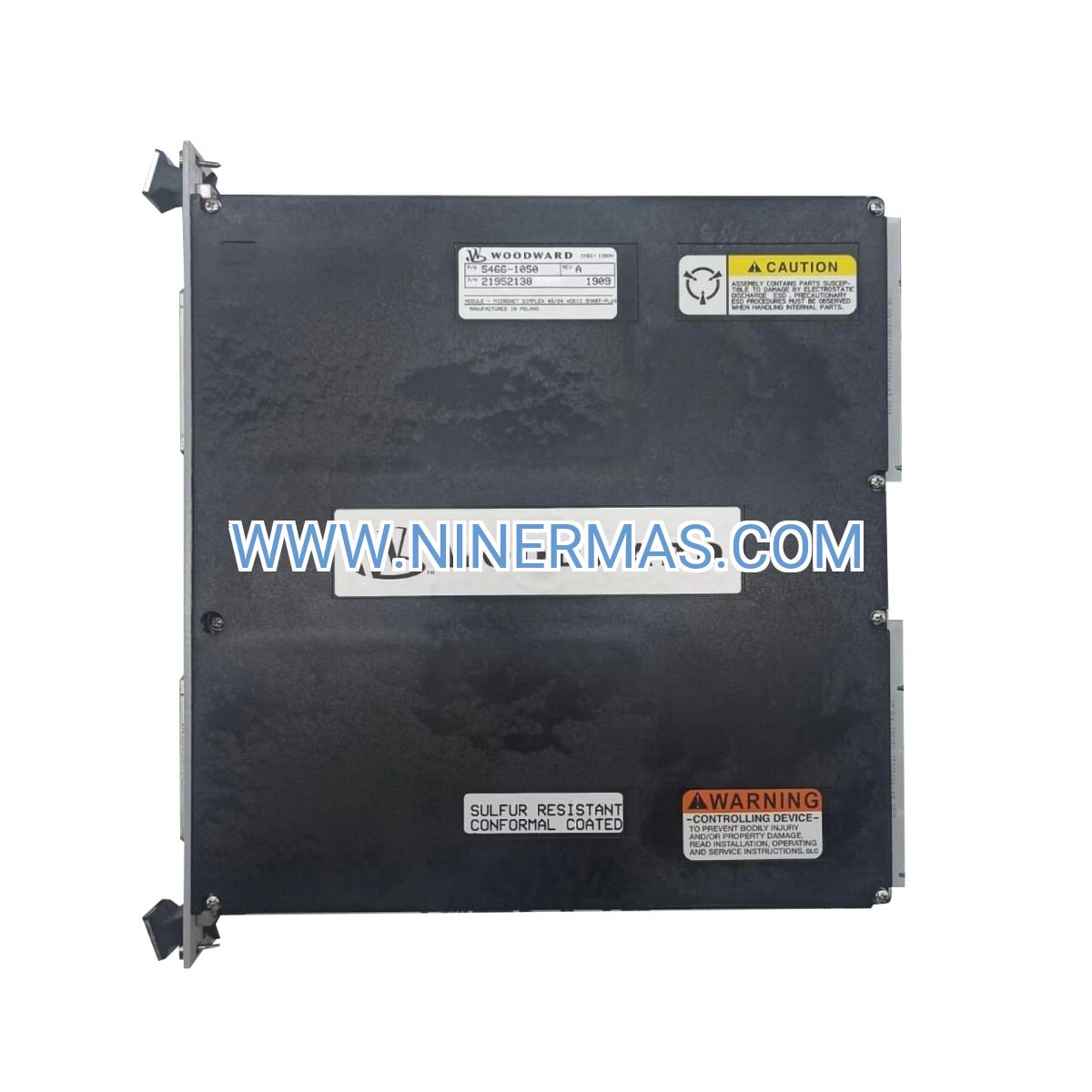
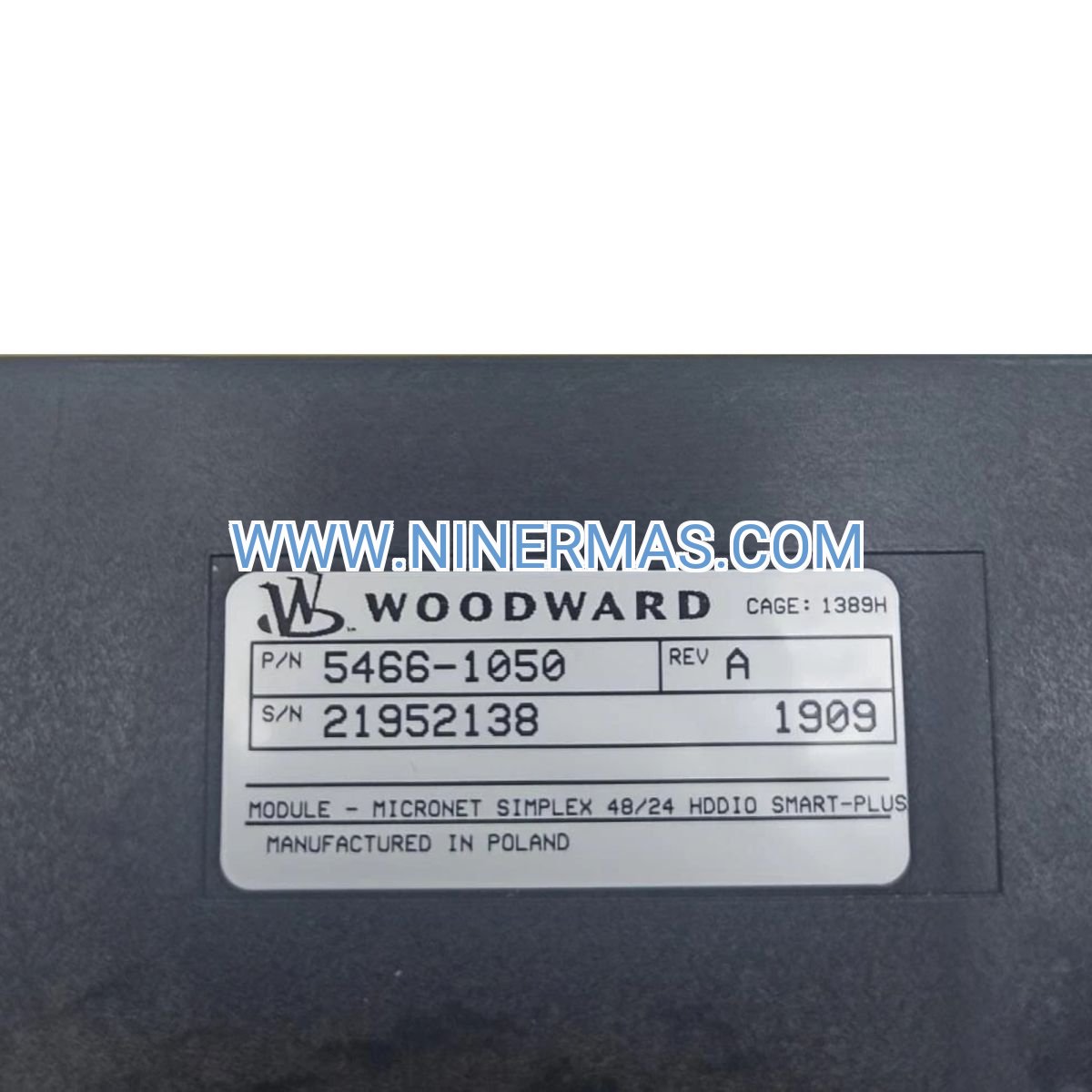
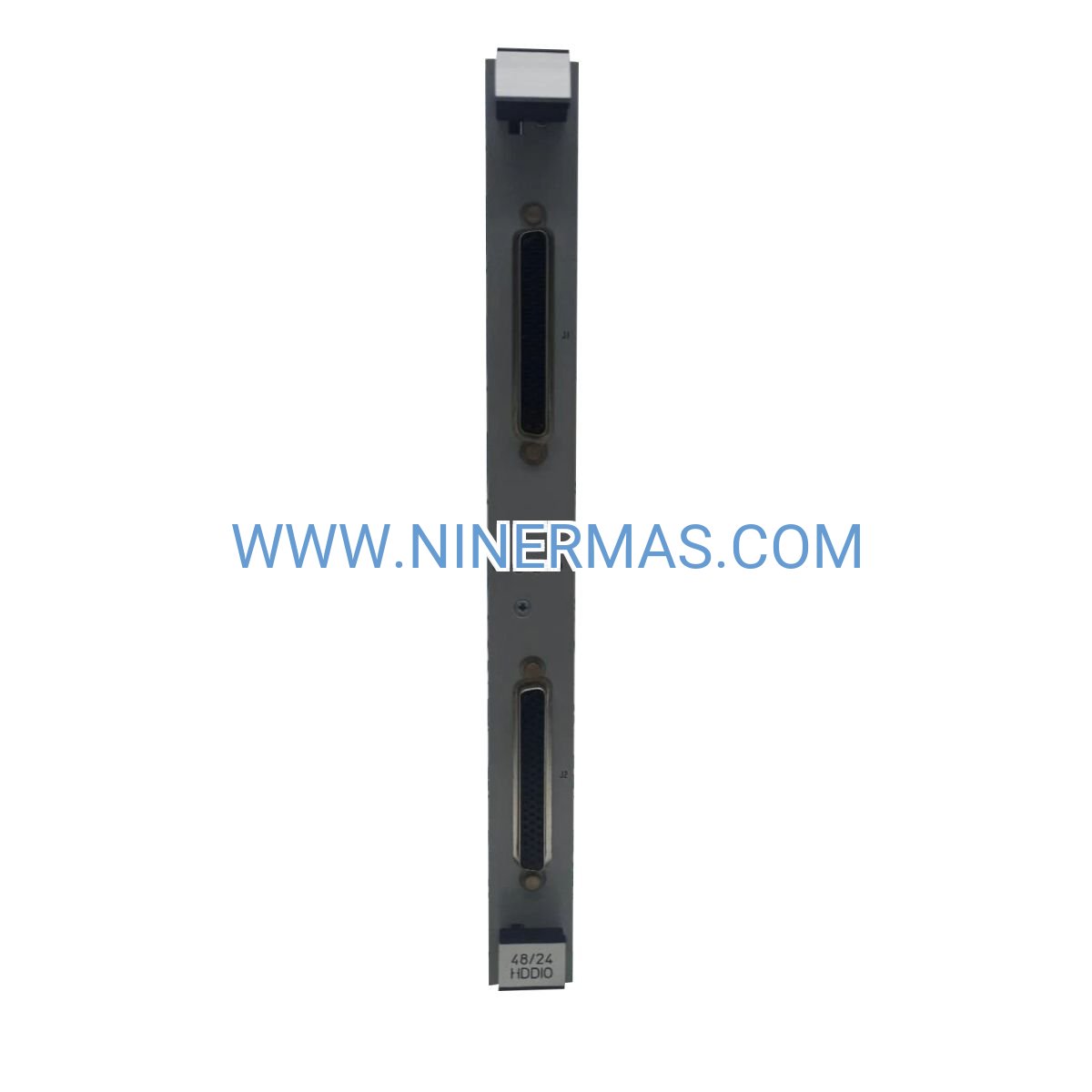
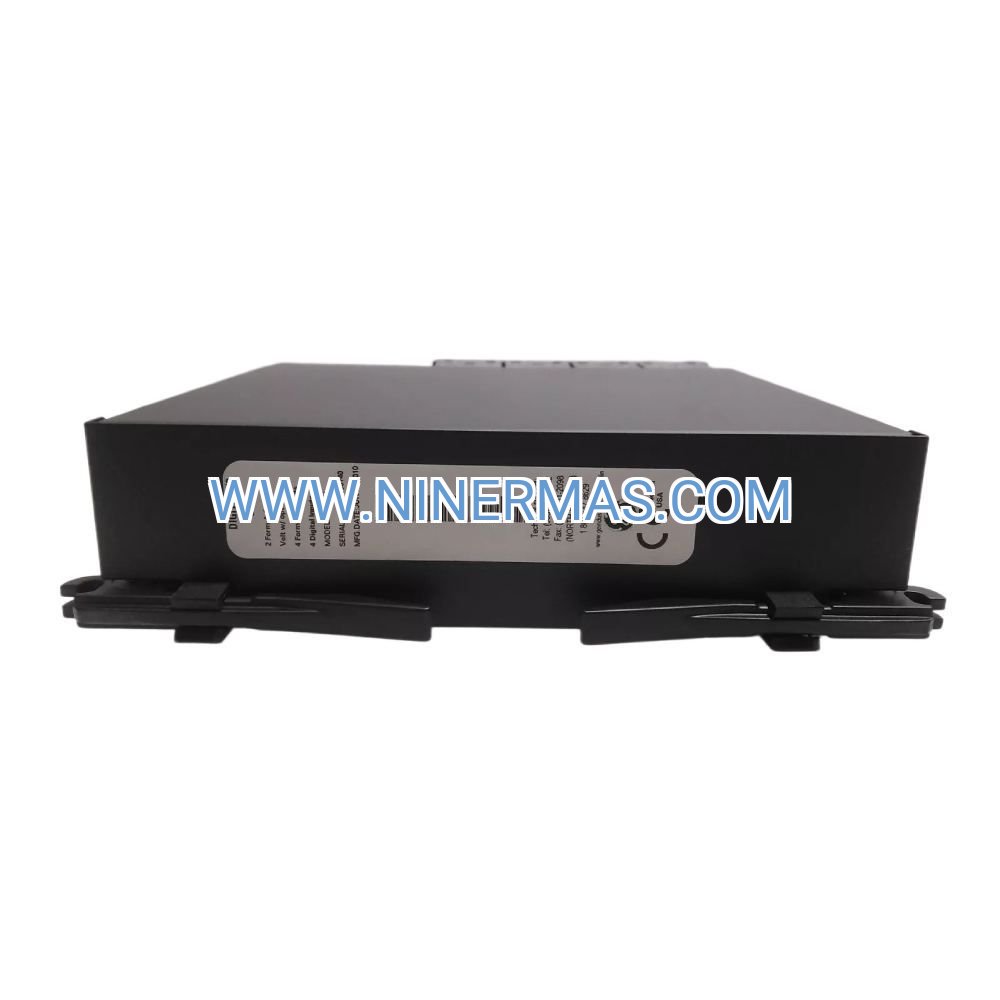
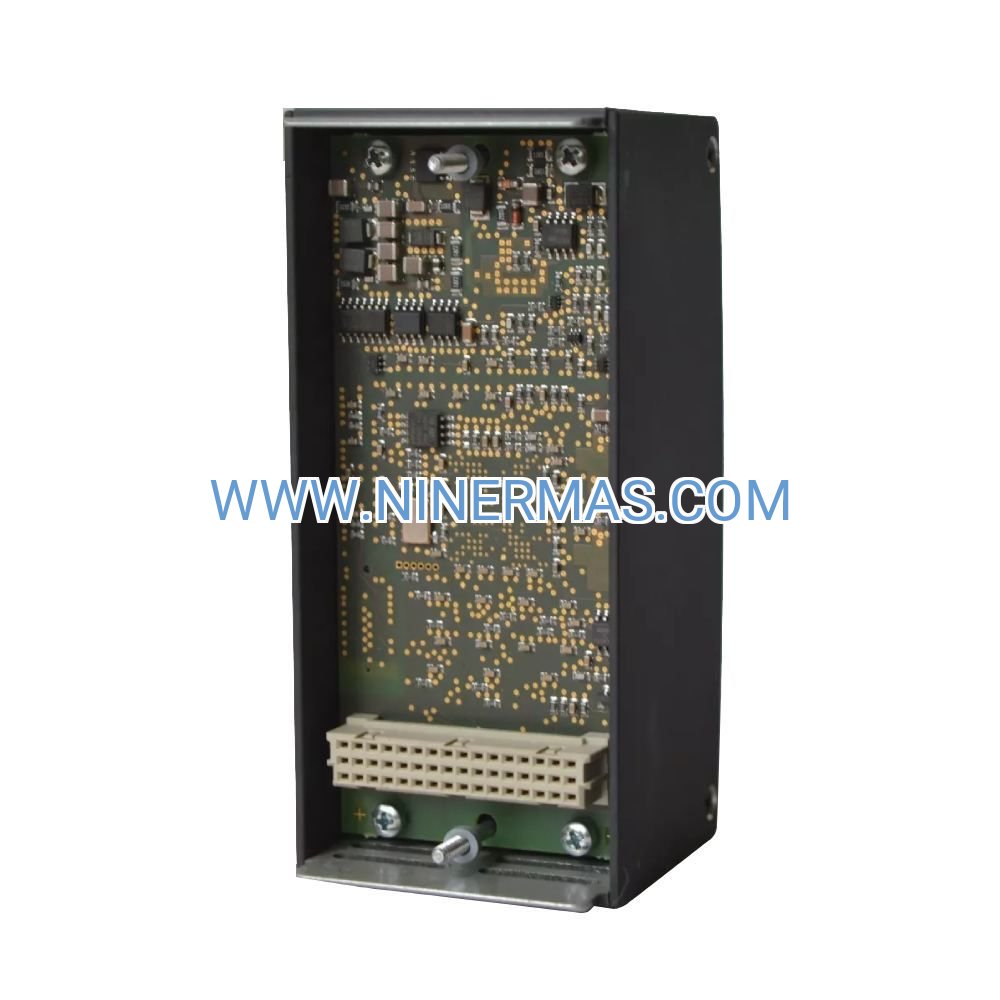
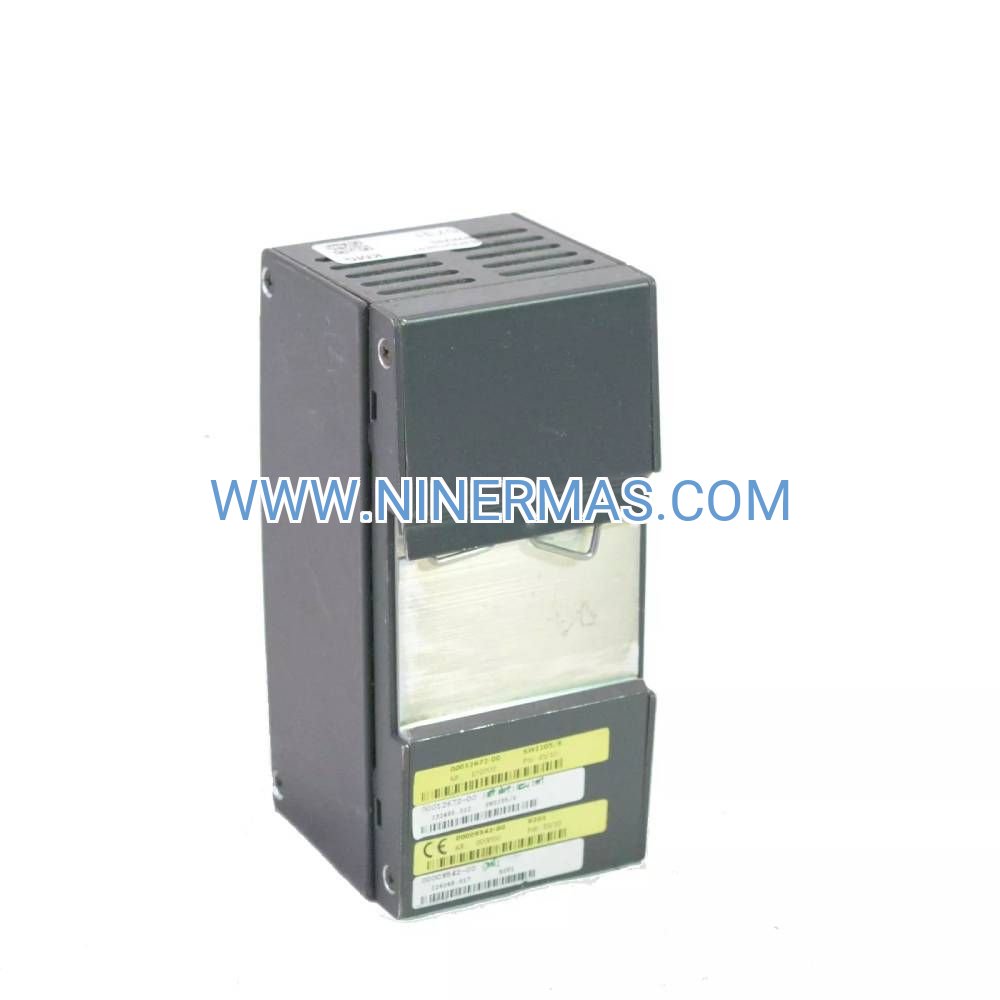
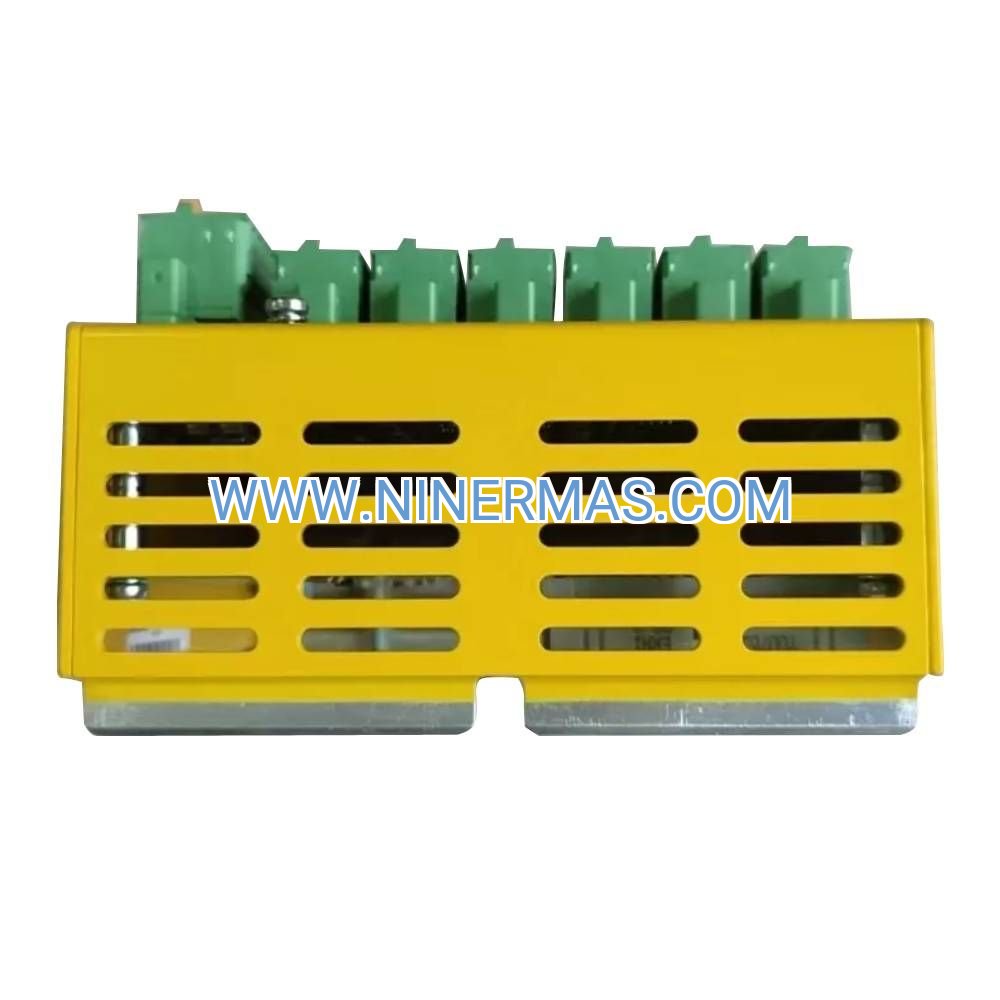
5466-1050 TMR CPU5200 Enhanced Module (Industrial-Grade Fault-Tolerant Processor)
The 5466-1050 TMR CPU5200 Enhanced Module is a mission-critical control processor engineered for continuous-duty turbine management and power generation systems. Built on triple modular redundant architecture, this industrial-grade controller ensures uninterrupted operation in environments where a single second of downtime can cost thousands in lost production. Designed for system integrators and plant engineers managing gas turbines, steam generators, and hydroelectric facilities, the 5466-1050 delivers deterministic control execution with automatic fault isolation and seamless channel switchover.
What sets this module apart is its ability to maintain full operational capability even during component failures—three independent processing channels continuously cross-verify calculations, automatically excluding faulty channels while the remaining two sustain control integrity. For facilities operating under strict uptime SLAs or managing critical infrastructure, this redundancy architecture transforms potential catastrophic failures into transparent maintenance events.
Core Capabilities & Business Value
→ Triple Modular Redundancy (TMR)
Three parallel processing channels with majority voting logic eliminate single-point failures. When one channel degrades, the system continues full-speed operation using the remaining two channels—no process interruption, no emergency shutdowns, no lost revenue from unplanned outages.
✓ Enhanced CPU5200 Architecture
Expanded memory capacity supports complex multi-loop control strategies, predictive algorithms, and real-time optimization routines. Execute governor control, load sharing, synchronization management, and emissions monitoring simultaneously without performance degradation.
✓ Extended Temperature Range (-40°C to +70°C)
Operate reliably in extreme climates—from Arctic gas compression stations to desert power plants—without auxiliary cooling systems. Reduces installation costs and eliminates climate-related downtime risks.
✓ Multi-Protocol Communication
Native support for Modbus RTU/TCP, Ethernet/IP, and proprietary MicroNet protocols enables seamless integration with SCADA systems, HMIs, and legacy control infrastructure. Dual redundant network paths ensure communication continuity during network failures.
✓ Real-Time Diagnostics & Predictive Maintenance
Continuous self-monitoring tracks channel health, memory integrity, I/O status, and communication quality. Predictive alerts identify degrading components before they fail, enabling scheduled maintenance during planned outages rather than emergency repairs.
✓ Hot-Swappable Design
Replace failed channels without system shutdown or process disruption. Maintenance teams can service individual modules during normal operation, maximizing asset availability and minimizing maintenance windows.
Typical Application Scenarios
Gas & Steam Turbine Control
Manage speed governing, fuel control, temperature regulation, and vibration monitoring for industrial turbines ranging from 5MW to 500MW+. The TMR architecture ensures continuous operation during sensor failures, actuator faults, or controller degradation—critical for peaking plants and baseload facilities operating under strict grid reliability standards.
Combined Cycle Power Plants
Coordinate gas turbine, heat recovery steam generator (HRSG), and steam turbine operations with deterministic timing and failsafe redundancy. Maintain optimal efficiency across load transitions while meeting emissions compliance requirements and grid frequency regulation demands.
Hydroelectric Generation Facilities
Control wicket gate positioning, generator excitation, and synchronization for run-of-river and pumped storage installations. TMR reliability prevents costly water spillage events and ensures rapid response to grid frequency deviations during peak demand periods.
Oil & Gas Compression Stations
Regulate compressor speed, anti-surge control, and station load balancing in remote pipeline facilities where technician response times exceed 4-6 hours. Redundant architecture maintains pipeline pressure and flow rates during component failures, preventing costly production curtailments.
Industrial Cogeneration Systems
Balance electrical generation with thermal energy production for manufacturing facilities, chemical plants, and district heating networks. Maintain process steam parameters while optimizing electrical export revenue and fuel consumption efficiency.
Technical Parameters & Selection Guide
| Parameter | Specification |
|---|---|
| Model Number | 5466-1050 |
| Processor Architecture | TMR CPU5200 Enhanced |
| Redundancy Level | Triple Modular (3-channel voting) |
| Operating Temperature | -40°C to +70°C (-40°F to +158°F) |
| Storage Temperature | -55°C to +85°C |
| Humidity Range | 5% to 95% non-condensing |
| Communication Protocols | Modbus RTU/TCP, Ethernet/IP, MicroNet |
| Network Redundancy | Dual redundant paths |
| Scan Cycle Time | Configurable: 10ms to 1000ms |
| Memory Capacity | Enhanced (application-dependent) |
| I/O Expansion | Supports distributed I/O via MicroNet |
| Diagnostic Capabilities | Channel health, memory checks, I/O status |
| Hot-Swap Support | Yes (individual channel replacement) |
| Mounting | DIN rail or panel mount |
| Dimensions | Standard MicroNet form factor |
| Weight | 1.2 kg (2.65 lbs) |
| Power Supply | 24 VDC (redundant inputs recommended) |
| Certifications | UL, CE, ATEX (zone-dependent) |
Selection Criteria: Choose the 5466-1050 Enhanced variant when your application requires expanded memory for complex control algorithms, multi-turbine coordination, or integration with advanced optimization software. For standard single-turbine applications with conventional PID control strategies, consider the base CPU5200 model. Facilities requiring SIL-rated safety functions should consult with Woodward application engineers to configure appropriate safety-certified I/O modules and redundant architectures.
Extended Functions
IoT & Remote Monitoring Integration
Built-in Ethernet connectivity enables direct integration with cloud-based asset performance management (APM) platforms. Stream real-time operational data, diagnostic logs, and performance metrics to centralized monitoring dashboards for multi-site fleet management and predictive analytics.
Advanced Control Algorithms
Enhanced processing capacity supports model predictive control (MPC), adaptive tuning, and machine learning inference at the edge. Optimize turbine efficiency in real-time based on ambient conditions, fuel quality variations, and grid demand signals.
Customization Options
Factory configuration services available for pre-loaded application programs, custom I/O mapping, and site-specific parameter sets. Reduces commissioning time and ensures consistent deployment across multiple installations.
Delivery Timeline & Service Guarantee
Standard Delivery: 3-5 business days for in-stock units via expedited shipping to major industrial regions. Custom-configured modules ship within 10-15 business days following order confirmation.
Warranty Coverage: 12-month comprehensive warranty covering manufacturing defects, component failures, and workmanship issues. Extended warranty programs available for critical infrastructure applications.
Technical Support: Lifetime application engineering support including configuration assistance, troubleshooting guidance, firmware updates, and retrofit planning. Access to Woodward-certified technicians with turbine control expertise via phone, email, and remote diagnostic sessions.
Documentation Package: Each module ships with installation manual, wiring diagrams, configuration software, sample application programs, and quick-start commissioning guide. Online access to technical bulletins, firmware release notes, and training resources.
Frequently Asked Questions
How does TMR redundancy differ from dual redundant controllers?
Triple modular redundancy uses three independent channels with majority voting—if one channel fails, the remaining two continue operation with full fault tolerance. Dual redundant systems lose fault tolerance after the first failure, requiring immediate repair. TMR provides an additional layer of protection critical for unmanned facilities or applications where technician response times exceed several hours.
Can the 5466-1050 replace older MicroNet CPU modules in existing systems?
Yes, the Enhanced CPU5200 maintains backward compatibility with legacy MicroNet I/O racks, communication modules, and HMI interfaces. Firmware migration tools assist with converting existing application programs to the enhanced platform while preserving control logic and tuning parameters.
What network infrastructure is required for redundant communication?
Dual Ethernet switches with RSTP (Rapid Spanning Tree Protocol) or equivalent redundancy protocols. Each CPU channel connects to both network paths, automatically switching to the backup path within 50-200ms during primary network failures. Standard industrial Ethernet cabling (Cat5e or better) supports distances up to 100 meters per segment.
Does the module support cybersecurity features for critical infrastructure?
The 5466-1050 includes role-based access control, encrypted communication options (TLS 1.2+), and audit logging capabilities. For facilities subject to NERC CIP, IEC 62443, or similar cybersecurity standards, additional network segmentation and firewall configurations are recommended—consult our application engineers for compliance architecture guidance.
What is the typical mean time between failures (MTBF) for TMR systems?
Properly maintained TMR systems achieve MTBF exceeding 200,000 hours (22+ years) for the overall control function. Individual channel MTBF typically ranges from 50,000-80,000 hours, but the voting architecture ensures system-level reliability far exceeds single-channel performance.
Can I perform firmware updates without shutting down the turbine?
Yes, using sequential channel update procedures. Update one channel at a time while the remaining two maintain control—the updated channel rejoins the voting group after verification, then proceed to the next channel. Total update time typically ranges from 30-60 minutes with zero process interruption.
Ready to Enhance Your Control System Reliability?
Contact our industrial automation specialists to discuss your specific turbine control requirements, receive application engineering support, or request a detailed quotation. Our team can assist with system architecture design, retrofit planning, and integration with existing SCADA infrastructure.
Email: sale@ninermas.com
Phone: +0086 187 5021 5667
Technical Documentation: Available upon request
© 2026 NINERMAS COMPANY LIMITED. All rights reserved.
Original Source: https://ninermas.com
Contact: sale@ninermas.com | +0086 187 5021 5667

Contact Info
-
Address:22 / F, South Wo Hang building, 148 Wing Lok Street, Sheung Wan, Western District, Hong Kong
-
Phone:+8618750215667
-
Email: