Description
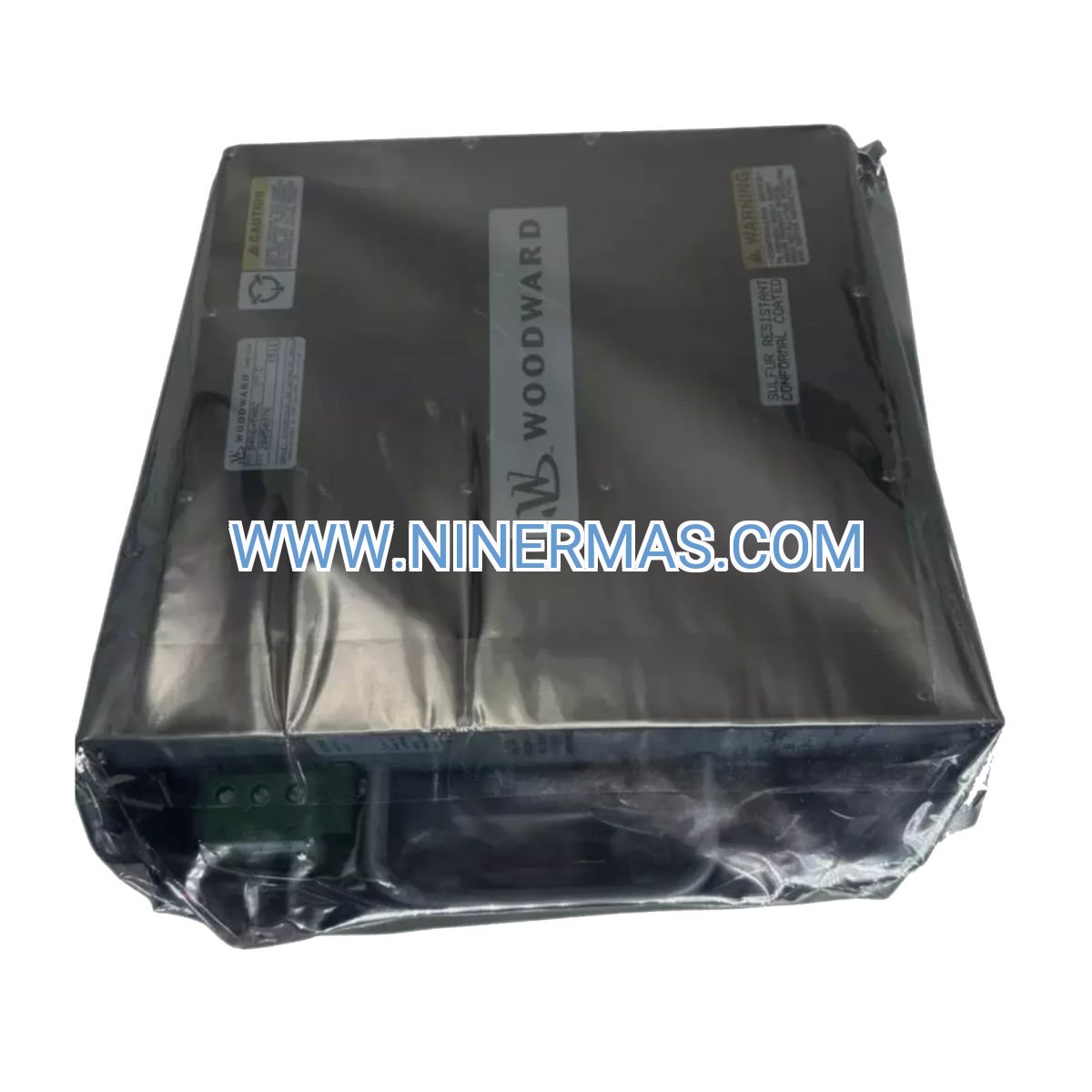
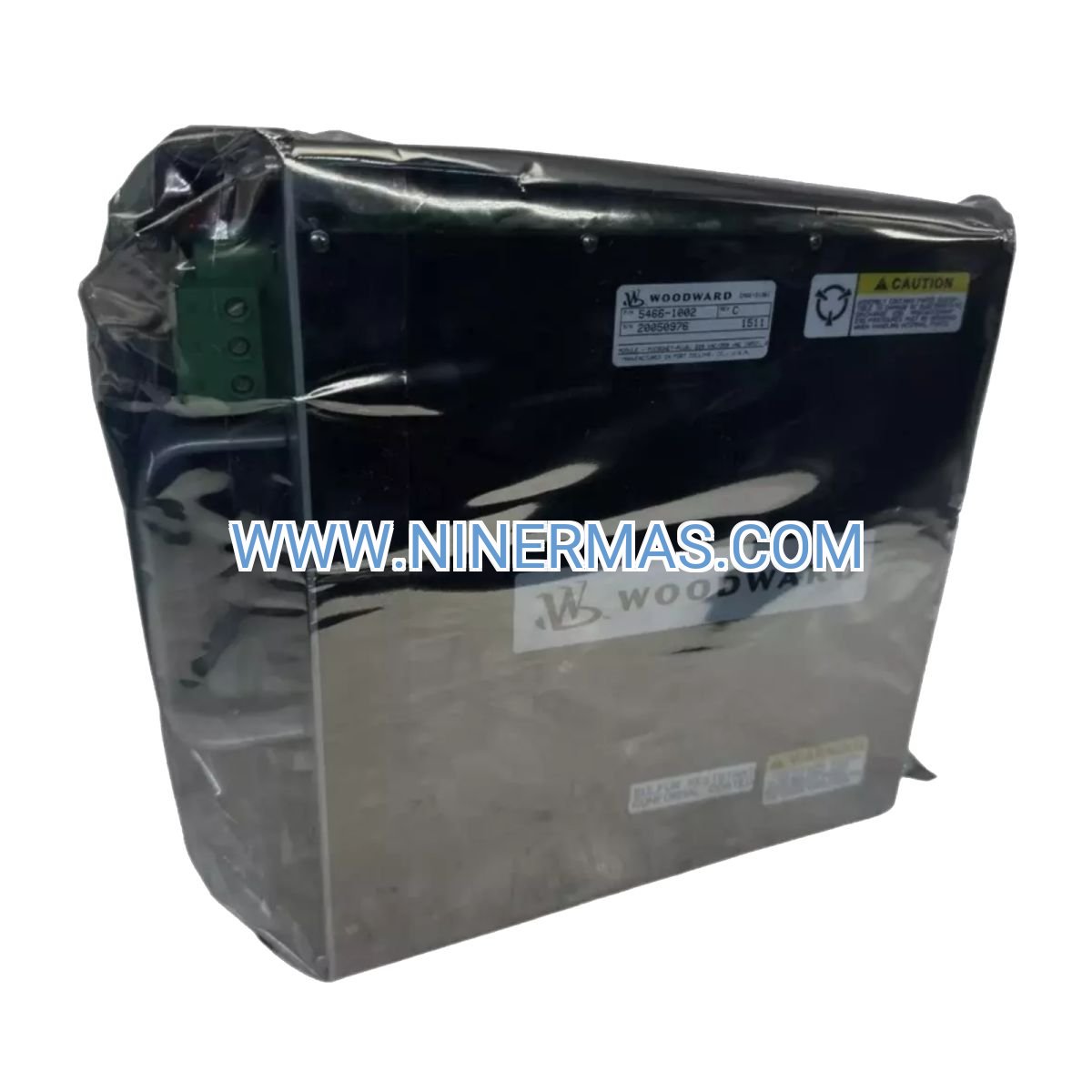
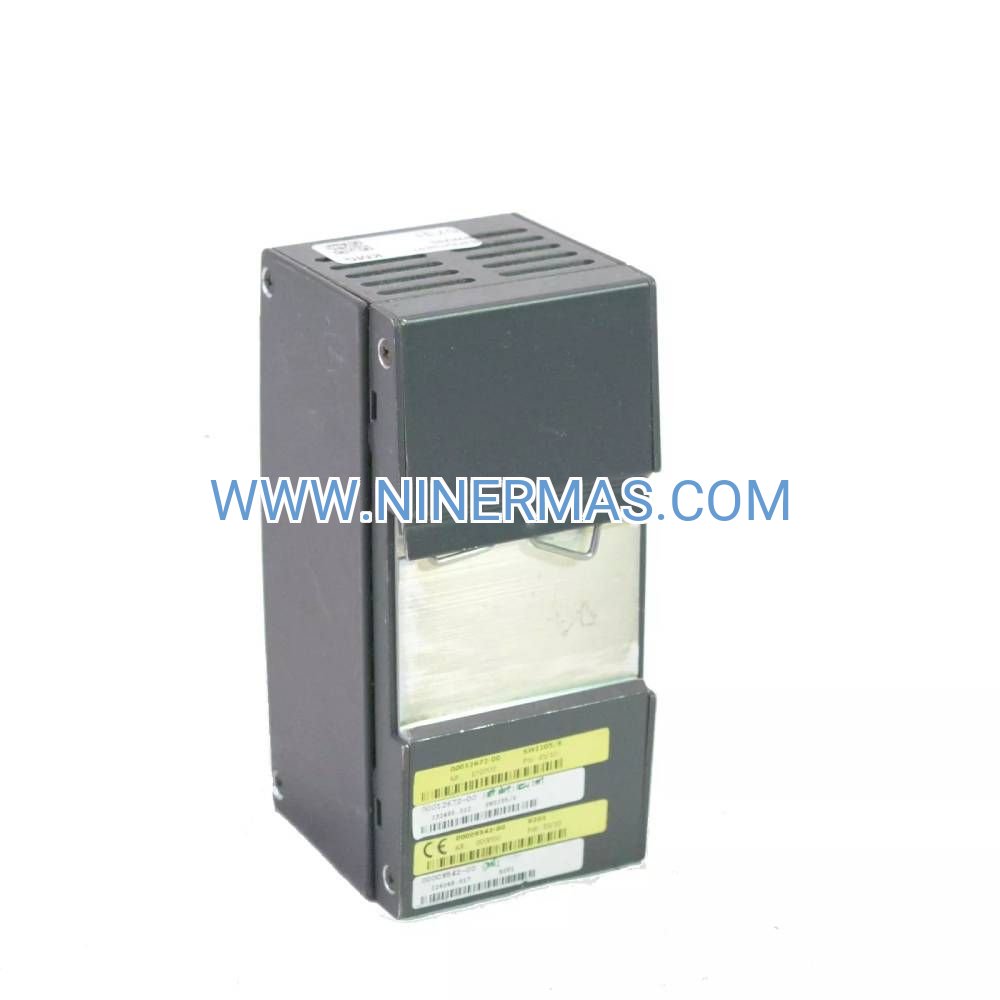
Woodward 5466-1002 CPU5200 – Triple Modular Redundant Control Processor
The Woodward 5466-1002 is an industrial-grade TMR (Triple Modular Redundant) processor engineered for applications where control system failure is unacceptable. Designed for turbine governors, compressor controls, and safety-critical automation, this CPU5200 module employs three independent processing channels that continuously validate each computational cycle. When one channel experiences a fault, the remaining two maintain seamless operation—eliminating process interruptions and protecting revenue-generating assets.
Ideal for power generation facilities, oil & gas installations, and marine propulsion systems, the 5466-1002 meets the stringent reliability demands of operators who cannot afford unplanned shutdowns. Its hot-swappable architecture allows technicians to replace failed modules during live operation, while built-in diagnostics provide early warning of degrading components before they impact system performance.
With deterministic scan cycles under 10 milliseconds and support for complex control algorithms, this processor delivers the computational horsepower needed for multi-variable governor control, load sharing coordination, and emergency shutdown sequencing. Whether you're upgrading legacy MicroNet systems or designing new fault-tolerant architectures, the 5466-1002 provides a proven foundation for mission-critical control.
Key Capabilities & Technical Advantages
✓ Triple-Channel Voting Architecture: Three independent 32-bit processors execute identical logic and vote on outputs every scan cycle, automatically masking single-point failures without operator intervention or process disturbance.
✓ Hot-Swappable Maintenance: Replace faulty modules during full-load operation without system shutdown, reducing maintenance windows and maximizing asset availability for continuous process industries.
✓ Deterministic Performance: Guaranteed scan cycle execution under 10ms enables precise control of fast-acting processes like turbine speed regulation, anti-surge protection, and synchronization sequences.
✓ Extended Temperature Range: Operates reliably from -40°C to +70°C, suitable for outdoor enclosures, offshore platforms, and harsh industrial environments without supplemental cooling.
✓ IEEE 1588 Time Sync: Precision time protocol synchronization across distributed control nodes ensures coordinated actions in multi-unit power plants and process facilities.
✓ 128MB Onboard Memory: Ample program and data storage supports sophisticated control strategies, historical trending, and diagnostic logging without external memory expansion.
Industry Applications & Use Cases
→ Utility-Scale Power Generation: Controls steam turbine governors, gas turbine fuel systems, and hydro-electric wicket gate positioning in plants where grid stability depends on millisecond-level response to load changes and frequency deviations.
→ Petrochemical Processing: Manages centrifugal compressor anti-surge valves, pipeline pressure regulation, and emergency shutdown systems in refineries and gas processing facilities operating under API 670 and IEC 61511 safety standards.
→ Marine & Offshore Propulsion: Provides classification society-approved redundant control for vessel main engines, thruster systems, and dynamic positioning applications where loss of control creates safety hazards.
→ Industrial Cogeneration: Coordinates combined heat and power systems, balancing electrical generation with thermal loads while maintaining synchronization with utility grids or operating in island mode.
→ Critical Infrastructure: Executes safety interlocks and process controls in water treatment plants, district heating systems, and other municipal facilities requiring high availability.
Technical Specifications & Selection Criteria
| Processor Architecture | Triple Modular Redundant (TMR) with 2-out-of-3 voting |
| Processing Platform | 32-bit industrial-grade CPU, deterministic real-time OS |
| Scan Cycle Time | <10ms typical (application-dependent) |
| Program Memory | 128MB flash storage for logic, configuration, and data |
| Operating Temperature | -40°C to +70°C (-40°F to +158°F) |
| Communication Protocols | Modbus TCP/IP, OPC UA, DNP3, proprietary MicroNet backplane |
| Network Interfaces | Redundant Ethernet, high-speed backplane communication |
| Time Synchronization | IEEE 1588 Precision Time Protocol (PTP) |
| Mounting | MicroNet TMR chassis, hot-swappable installation |
| Certifications | UL/cUL, CE, marine classification society approvals |
Selection Guidance: Choose the 5466-1002 when your application requires fault-tolerant control with automatic failover. For non-critical applications where brief interruptions are acceptable, consider simplex CPU alternatives. Verify I/O capacity requirements and ensure compatibility with existing MicroNet chassis and power supplies. Consult factory application engineers for turbine-specific configuration recommendations.
Advanced Integration Features
Programming Environment: Supports Woodward's GAP (Governor Application Programming) development tools, enabling custom control logic tailored to specific turbine models, fuel types, and operational requirements. Pre-built function blocks accelerate development of PID loops, sequencing logic, and protective functions.
SCADA Connectivity: Native OPC UA server functionality provides secure, standards-based integration with modern HMI/SCADA platforms. Modbus TCP mapping allows legacy system connectivity without protocol gateways.
Cybersecurity: Implements role-based access control, encrypted communication channels, and audit logging to meet NERC CIP and IEC 62443 industrial cybersecurity requirements for critical infrastructure protection.
Redundant Communication: Dual Ethernet ports support network-level redundancy using HSR (High-availability Seamless Redundancy) or PRP (Parallel Redundancy Protocol) for zero-recovery-time network failover.
Delivery Timeline & Service Commitment
Standard Lead Time: In-stock units ship within 2-3 business days via express courier. Custom-configured systems with pre-loaded application programs require 7-10 business days for factory programming and testing.
Warranty Coverage: Comprehensive 12-month warranty protects against manufacturing defects and component failures. Warranty includes advance replacement service to minimize downtime during failure events.
Technical Support: Access to application engineers with turbine control expertise for configuration assistance, troubleshooting guidance, and performance optimization recommendations. Remote diagnostic support available via secure VPN connections.
Documentation Package: Each module ships with installation manual, configuration guide, communication protocol specifications, and dimensional drawings. GAP programming examples and sample applications available via customer portal.
Frequently Asked Questions
How does TMR voting prevent false trips in critical control applications?
The three processors execute identical logic independently and compare outputs before energizing field devices. If one channel produces a different result due to a transient fault or component degradation, the other two channels outvote it, preventing spurious trips while flagging the discrepancy for maintenance attention.
What happens during module replacement in a live TMR system?
When you remove a module, the system automatically transitions to dual-redundant operation using the remaining two channels. After inserting the replacement module, it synchronizes with the active channels within seconds and rejoins the voting process—all without interrupting control outputs or requiring a system restart.
Can this processor interface with non-Woodward I/O and field devices?
Yes, the CPU5200 communicates with any I/O modules mounted in the MicroNet chassis, including analog inputs, digital outputs, and specialty cards for thermocouples, RTDs, and vibration monitoring. Modbus and OPC UA protocols enable integration with third-party PLCs, drives, and instrumentation.
Is the 5466-1002 suitable for SIL-rated safety instrumented systems?
While the TMR architecture provides high availability, this specific module is typically applied in control systems rather than certified SIL safety systems. For safety instrumented functions requiring IEC 61508 certification, consult Woodward's safety-certified product portfolio or implement the CPU5200 in a control layer separate from the safety layer.
What diagnostic information does the processor provide for predictive maintenance?
Built-in diagnostics monitor processor loading, memory utilization, communication health, and inter-channel synchronization. The system logs discrepancies between voting channels, allowing trending analysis to identify degrading components before they fail. Diagnostic data exports via Modbus or OPC UA for integration with plant-wide condition monitoring systems.
How do I migrate control logic from an older MicroNet CPU to the 5466-1002?
The CPU5200 maintains backward compatibility with GAP programs developed for earlier MicroNet processors. Export your existing configuration, import it into the current GAP development environment, recompile for the 5466-1002 target, and download. Woodward technical support can assist with migration planning and validation testing.
Take the Next Step
Protect your critical processes with proven fault-tolerant control technology. Contact our application specialists to discuss your specific turbine model, control requirements, and system architecture. We'll help you configure the optimal MicroNet TMR solution and provide technical support throughout commissioning and operation.
Request a quote, technical datasheet, or application consultation:
? Email: sale@ninermas.com
? Phone: +0086 187 5021 5667
© 2026 NINERMAS COMPANY LIMITED. All rights reserved.
Original Source: https://ninermas.com
Contact: sale@ninermas.com | +0086 187 5021 5667

Contact Info
-
Address:22 / F, South Wo Hang building, 148 Wing Lok Street, Sheung Wan, Western District, Hong Kong
-
Phone:+8618750215667
-
Email: