Description
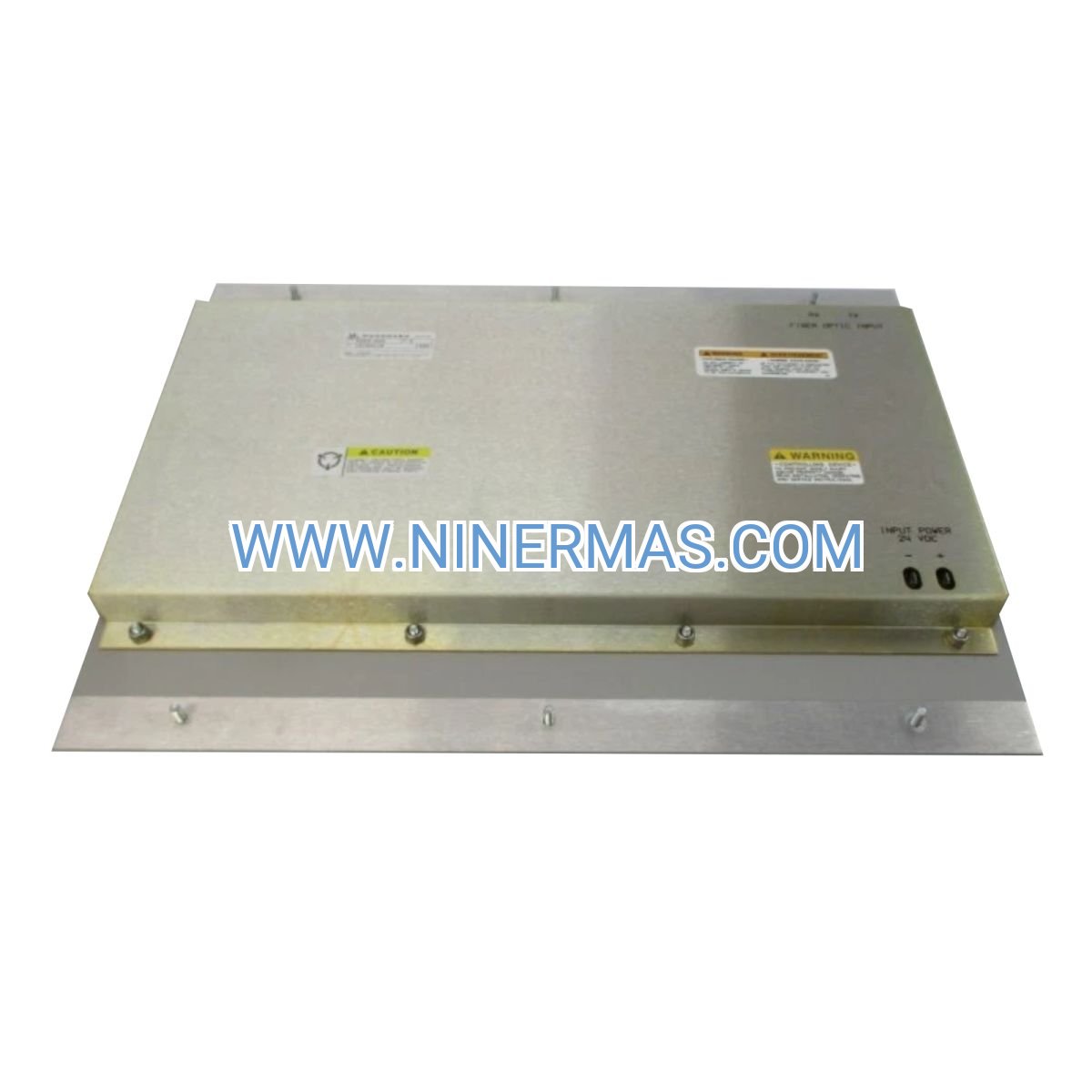
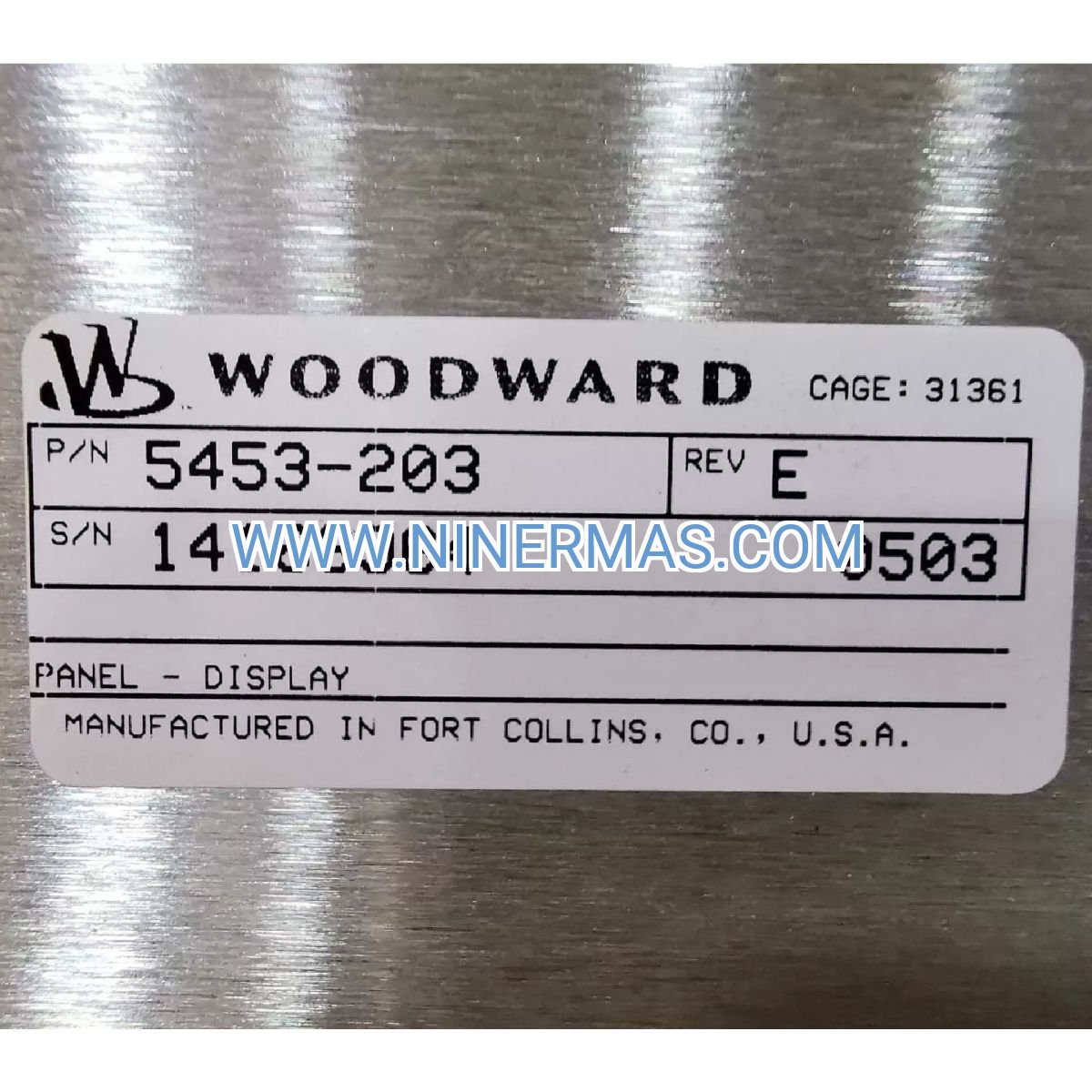
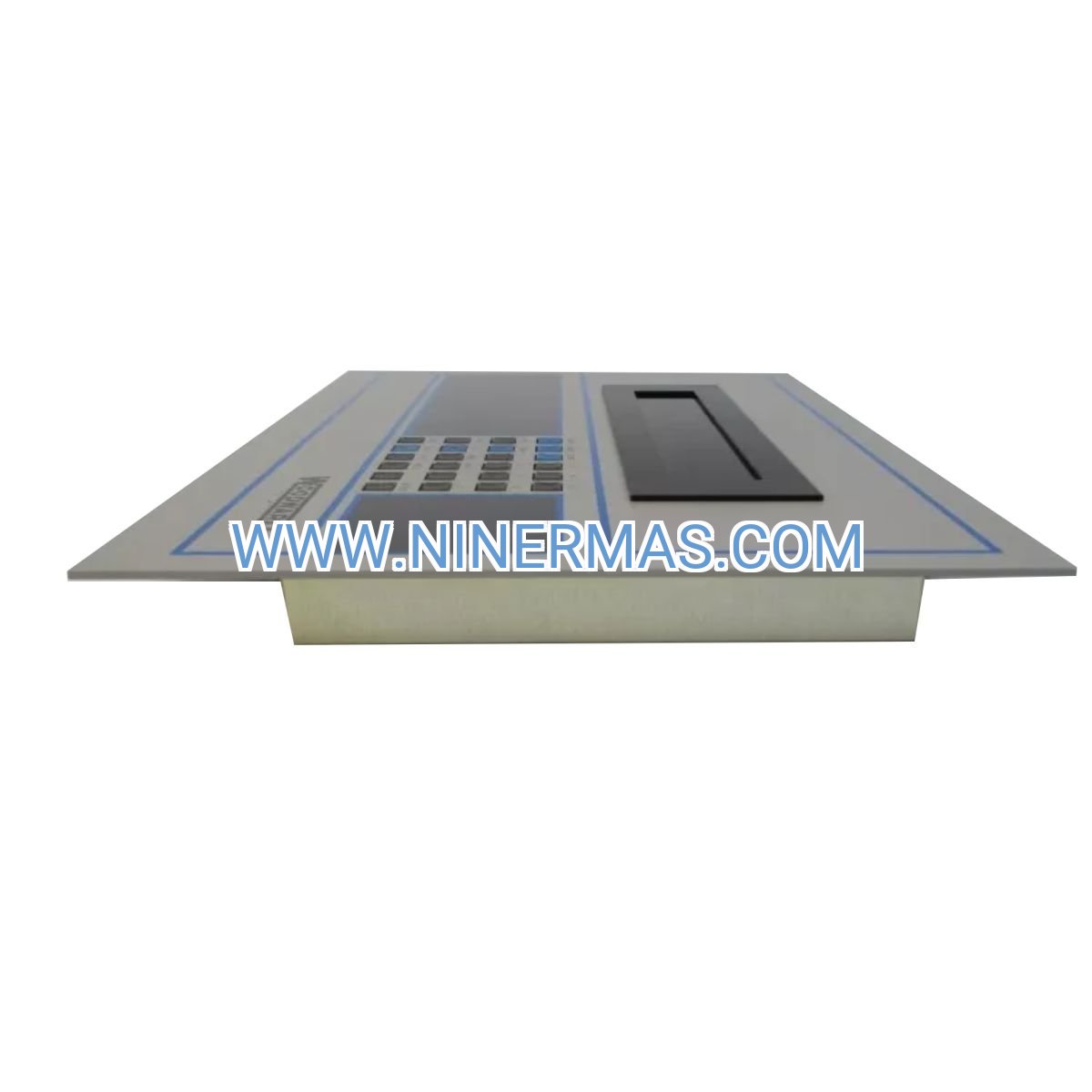
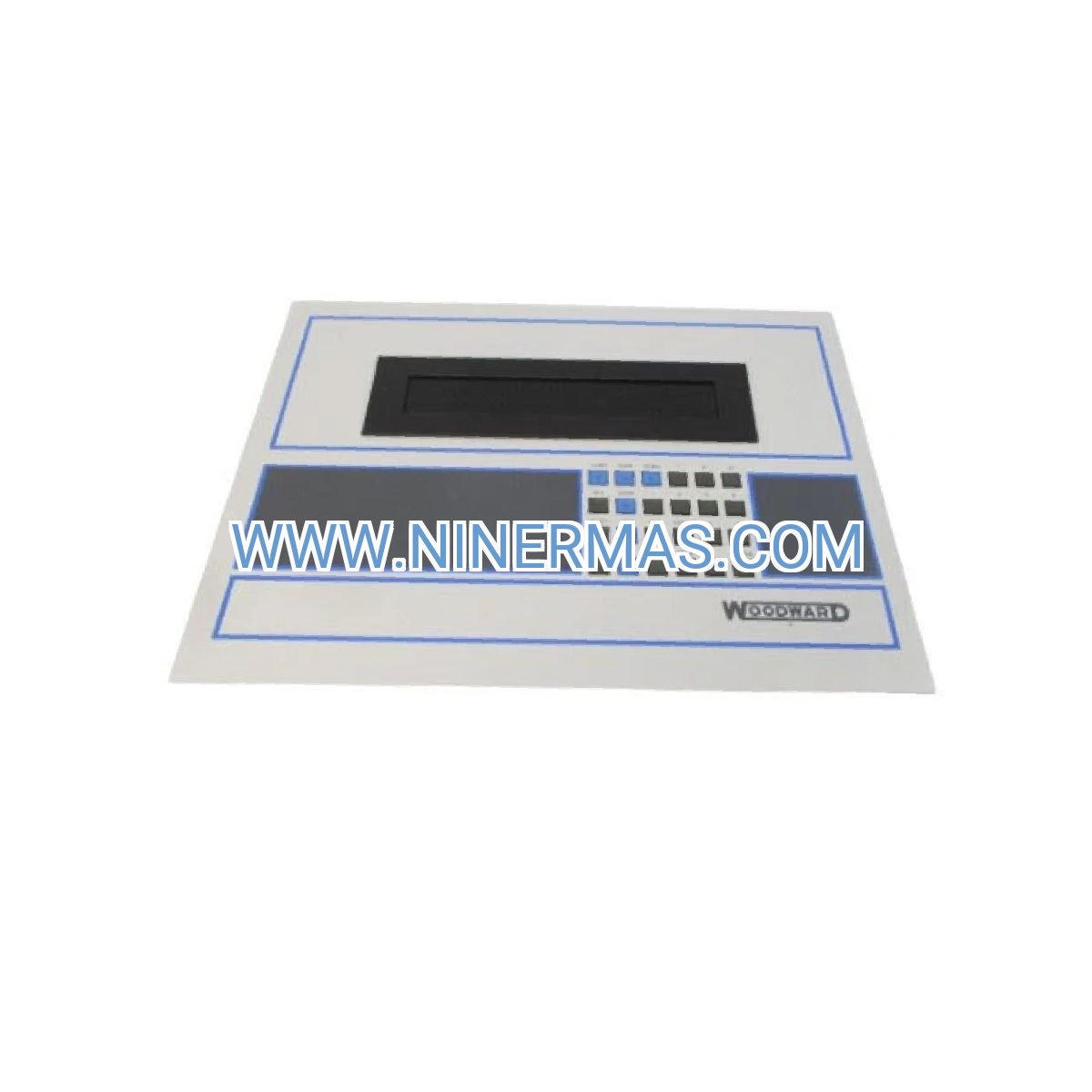
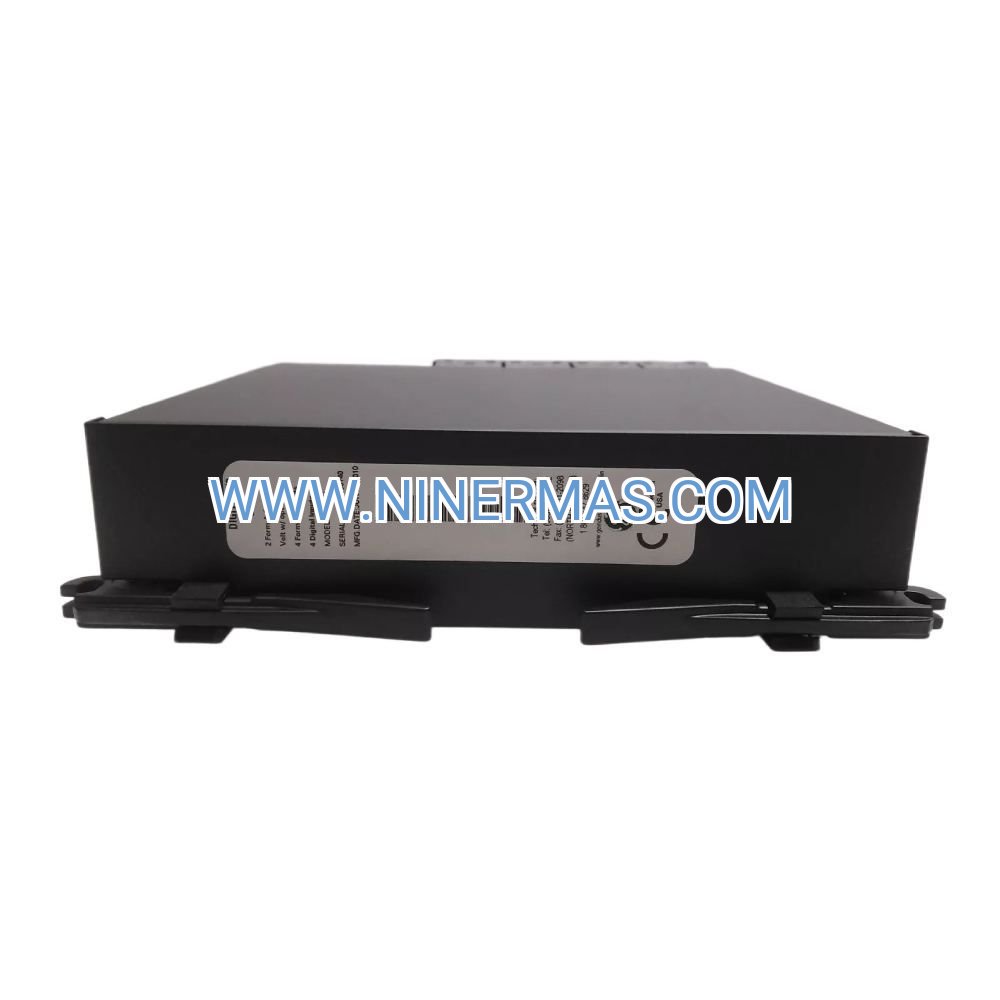
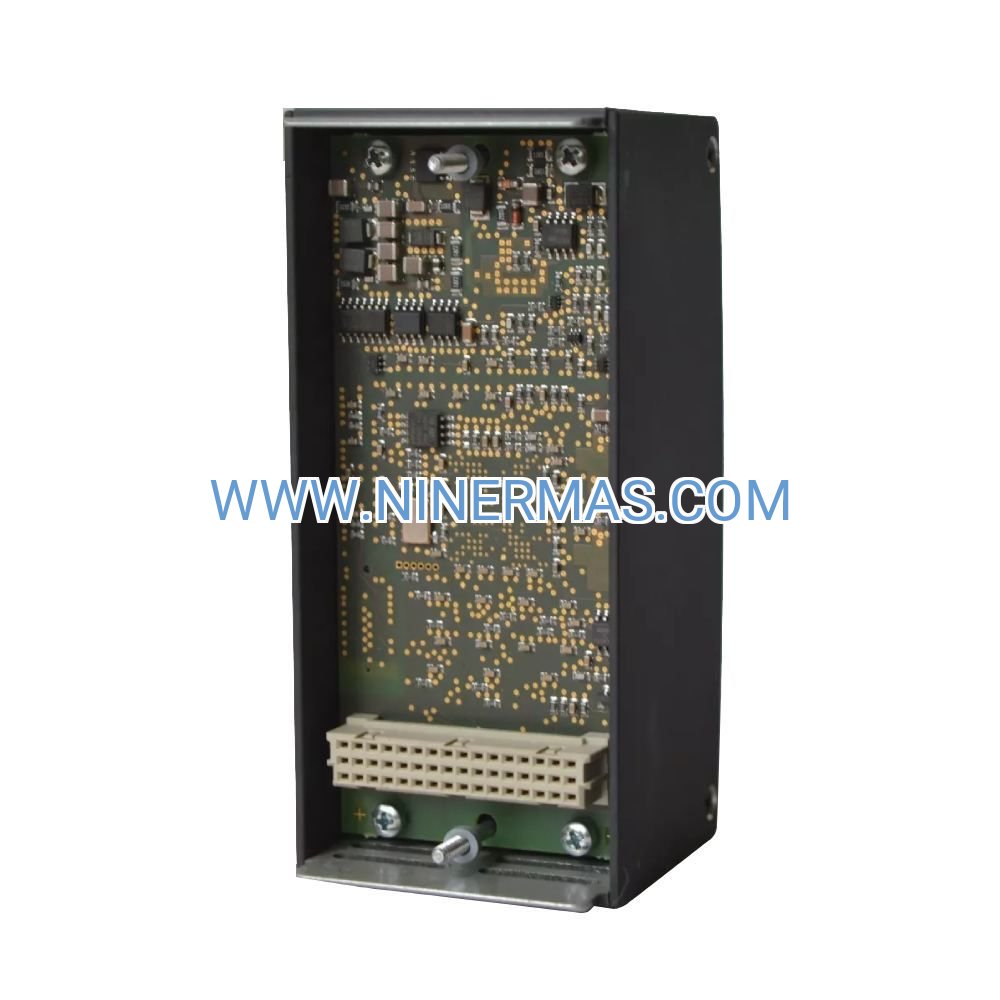
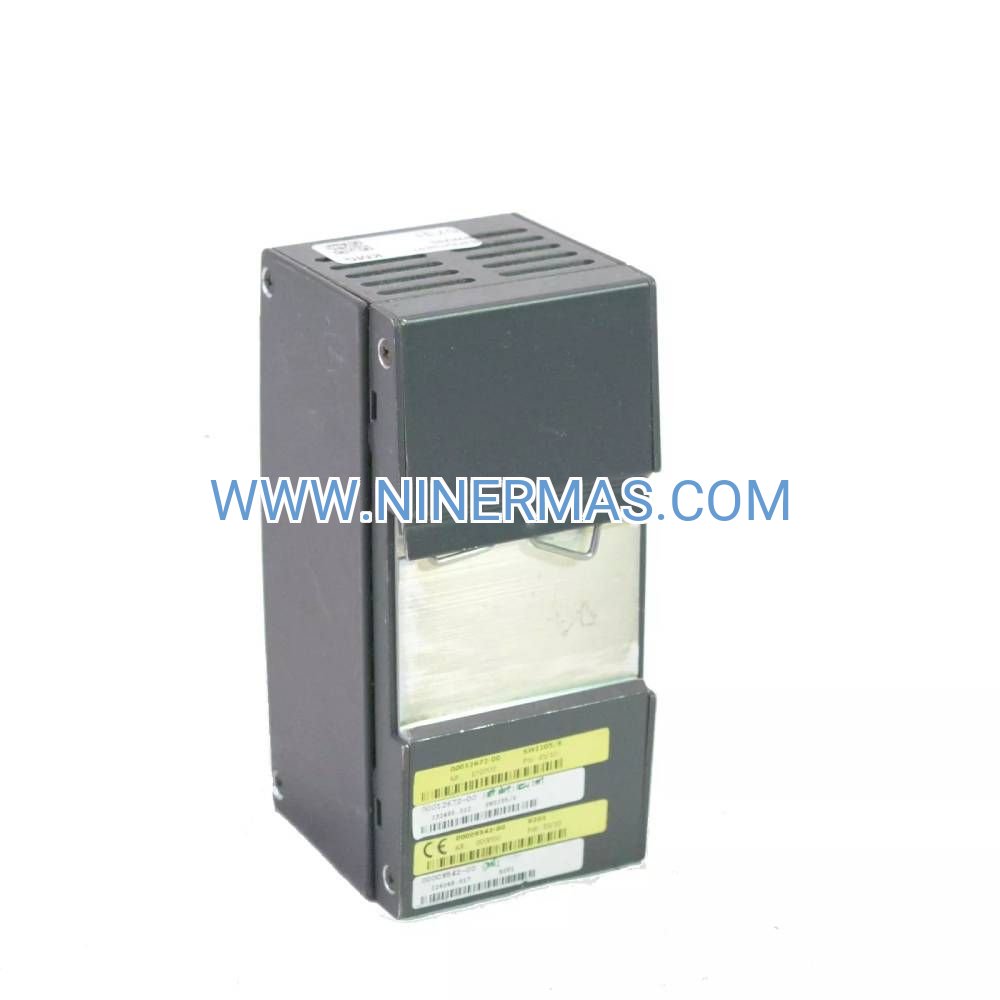
5453-203 Triple Modular Redundant CPU Module (Industrial-Grade Fault-Tolerant Processor)
The Woodward 5453-203 TMR CPU Module delivers uninterrupted control for mission-critical industrial processes through advanced triple modular redundancy architecture. Engineered for environments where a single point of failure could result in catastrophic downtime, this processor ensures continuous operation across power generation facilities, petrochemical plants, and offshore platforms. With three independent processing channels operating in synchronized parallel, the system maintains full functionality even when individual components fail—eliminating unplanned shutdowns and protecting revenue-critical operations.
Designed for system integrators and plant engineers managing high-stakes automation infrastructure, the 5453-203 combines deterministic scan times, extensive I/O capacity, and multi-protocol communication in a ruggedized package rated for extreme industrial environments. Whether you're upgrading legacy control systems or designing new installations, this TMR CPU provides the reliability foundation that safety-instrumented systems demand.
Key advantages include automatic fault isolation without process interruption, hot-swappable redundant components for zero-downtime maintenance, and compatibility with existing Woodward MicroNet distributed architectures. The module's proven track record in utility-scale turbine control and SIL 3-rated safety applications makes it the preferred choice for engineers who cannot compromise on availability.
Core Features & Business Value
→ Triple Modular Redundancy Architecture
Three independent CPU channels execute identical logic simultaneously, with continuous cross-verification through majority voting. If one channel develops a fault, the system isolates it automatically while the remaining two maintain full control authority—delivering availability exceeding 99.99% without manual intervention. Business impact: Eliminates costly unplanned outages and protects against single-component failures.
✓ Deterministic Real-Time Performance
Guaranteed scan times between 10-50ms ensure predictable response to process changes, critical for fast-acting protective functions and precise governor control. The processor handles up to 2048 distributed I/O points while maintaining cycle consistency. Business impact: Enables tight control loops and rapid fault response required for turbomachinery protection.
✓ Multi-Protocol Industrial Connectivity
Native support for Modbus RTU/TCP, Ethernet/IP, and proprietary MicroNet protocols enables seamless integration with SCADA systems, HMIs, and third-party devices. Redundant communication paths prevent network failures from disrupting control. Business impact: Simplifies system integration and protects against communication infrastructure failures.
✓ Extended Environmental Operating Range
Rated for -40°C to +70°C operation with conformal coating options for corrosive atmospheres, the module withstands harsh industrial conditions including vibration, humidity, and electromagnetic interference. MTBF exceeds 100,000 hours per MIL-HDBK-217F calculations. Business impact: Reduces maintenance frequency and extends service life in challenging installations.
✓ Hot-Swappable Redundant Architecture
All critical components—power supplies, communication modules, and I/O cards—support online replacement without halting the control process. Comprehensive diagnostics identify failing components before they impact operations. Business impact: Enables proactive maintenance during normal operation, eliminating forced outages for repairs.
Application Scenarios & Industry Solutions
Steam & Gas Turbine Governor Control
Manages speed regulation, load sharing, fuel metering, and overspeed protection for utility-scale turbines generating 50-500MW. The TMR architecture meets stringent reliability requirements for baseload power plants where unplanned trips cost $500K-$2M per event. Coordinates with temperature monitoring, vibration sensors, and emissions controls for comprehensive turbine management.
Pipeline Compressor Station Automation
Orchestrates anti-surge control, capacity modulation, and sequencing logic for natural gas compressor trains operating continuously in remote locations. Handles complex permissive logic, analog control loops, and protective shutdown functions across multiple compressor units. Reduces site visits through remote diagnostics and self-healing redundancy.
Combined Cycle Power Plant Integration
Integrates heat recovery steam generator (HRSG) control, steam bypass management, and emissions monitoring across multi-unit facilities requiring synchronized startup/shutdown sequences. Manages transitions between operating modes while maintaining NOx/CO compliance and optimizing heat rate efficiency.
Offshore Oil & Gas Production Platforms
Provides ruggedized fault-tolerant processing for wellhead control, separation processes, and export pumping systems in marine environments with limited maintenance access. Withstands salt spray, temperature extremes, and vibration while maintaining SIL 3 safety functions for emergency shutdown systems.
Industrial Cogeneration Facilities
Coordinates reciprocating engine or turbine control with thermal load management, synchronization, and grid interconnection protection. Balances electrical generation with steam/hot water production to optimize facility energy costs while ensuring reliable operation during utility grid disturbances.
Technical Parameters & Selection Guide
| Parameter | Specification |
|---|---|
| Model Number | 5453-203 |
| Redundancy Architecture | Triple Modular Redundant (TMR) with voting logic |
| Processor Type | Industrial-grade high-performance CPU |
| Memory Configuration | Redundant RAM with ECC (Error Correction Code) |
| Scan Cycle Time | 10-50ms (deterministic, configuration-dependent) |
| I/O Capacity | Up to 2048 points via distributed modules |
| Communication Protocols | Modbus RTU/TCP, Ethernet/IP, MicroNet proprietary |
| Operating Temperature | -40°C to +70°C (-40°F to +158°F) |
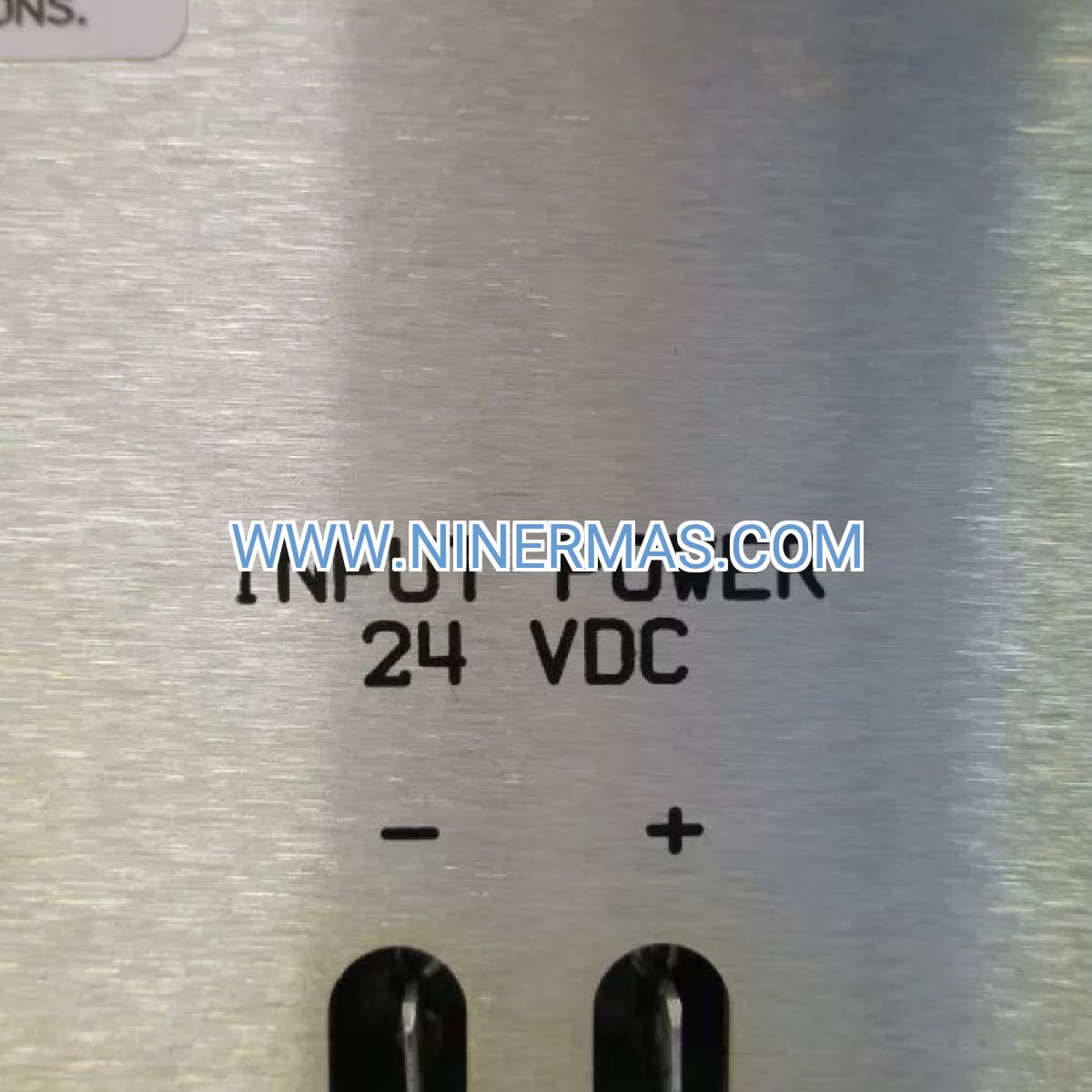
| Power Input | 24VDC redundant inputs |
| MTBF Rating | >100,000 hours (MIL-HDBK-217F) |
| Safety Integrity Level | Up to SIL 3 (IEC 61508 certified configuration) |
| Certifications | UL, CE, ATEX Zone 2 (optional) |
| Dimensions (H×W×D) | Standard DIN rail mount compatible |
| Weight | 1.2 kg (2.65 lbs) |
Selection Criteria: Choose the 5453-203 TMR CPU when your application requires availability exceeding 99.9%, when single-point failures could result in safety hazards or revenue losses exceeding $100K per event, or when regulatory requirements mandate redundant control architectures (SIL 2/3 applications). For less critical applications with acceptable downtime windows, consider simplex or dual-redundant alternatives. Verify I/O count requirements and communication protocol compatibility with existing infrastructure before specifying.
Extended Capabilities & Integration Options
IEC 61131-3 Programming Environment: Develop control logic using Woodward's GAP (General Automation Programming) software supporting ladder logic, function block diagrams, structured text, and sequential function charts. Built-in simulation tools enable offline testing before commissioning.
Advanced Diagnostics & Predictive Maintenance: Real-time monitoring of CPU load, memory utilization, communication health, and voting discrepancies accessible via front-panel LEDs, Modbus registers, and SCADA integration. Trend analysis identifies degrading components before failure.
Cybersecurity Features: Role-based access control, encrypted communication options, and audit logging protect against unauthorized configuration changes and cyber threats in connected industrial environments.
Customization & OEM Integration: Factory configuration services available for application-specific I/O mapping, protocol gateways, and custom enclosures. OEM partnership programs support private labeling and volume pricing for system integrators.
Delivery Timeline & Service Commitment
Standard Lead Time: 3-5 business days for in-stock units; expedited same-day shipping available for critical outage situations (additional fees apply).
Custom Configuration: 10-15 business days for factory-programmed modules with application-specific logic and I/O assignments.
Warranty Coverage: Comprehensive 12-month warranty covering manufacturing defects, component failures, and firmware issues. Warranty includes free firmware updates and technical support access.
Technical Support: Global network of certified Woodward engineers provides application consulting, commissioning assistance, and 24/7 emergency troubleshooting. Remote diagnostic services minimize on-site visit requirements.
Documentation Package: Each module ships with installation manual, programming guide, I/O wiring diagrams, Modbus register map, and sample application code to accelerate deployment.
Frequently Asked Questions
How does the triple modular redundancy voting mechanism detect and isolate faulty CPU channels?
Each of the three CPU channels processes identical inputs and compares outputs at every scan cycle. When one channel's output deviates from the other two, the voting logic automatically identifies it as faulty, annunciates an alarm, and excludes it from control decisions. The system continues operating on the two healthy channels with no interruption. Diagnostics pinpoint the failure mode (processor, memory, I/O interface) to guide replacement.
Can I retrofit the 5453-203 into an existing Woodward MicroNet system without replacing other components?
Yes, the module maintains backward compatibility with earlier MicroNet I/O racks, power supplies, and communication modules. However, firmware version alignment is critical—older I/O modules may require firmware updates to support advanced TMR features. A pre-installation compatibility assessment is recommended to identify any necessary updates.
What programming languages and development tools are required to configure the 5453-203?
Woodward's GAP (General Automation Programming) software is the primary development environment, supporting IEC 61131-3 languages including ladder logic (LD), function block diagram (FBD), structured text (ST), and sequential function chart (SFC). The software runs on Windows platforms and includes simulation, version control, and online debugging capabilities.
How do I monitor the health status of each redundant channel during normal operation?
The module provides multi-level diagnostics: front-panel LEDs indicate overall system health and individual channel status; Modbus registers expose detailed metrics (CPU load, memory usage, communication errors, voting discrepancies); and SCADA integration enables centralized monitoring with alarm notification. Historical trending identifies degrading performance before failures occur.
What is the typical power consumption and heat dissipation for thermal management planning?
Typical power consumption is 15-25W depending on I/O loading and communication activity. Heat dissipation requires adequate ventilation in enclosed panels—maintain minimum 50mm clearance above/below the module. For high-temperature environments (>50°C ambient), consider forced-air cooling or air-conditioned enclosures to ensure reliable operation within rated specifications.
Does the 5453-203 support integration with modern cloud-based monitoring and analytics platforms?
While the module itself operates as a standalone controller, its Modbus TCP and Ethernet/IP interfaces enable connectivity to edge gateways and IoT platforms. Third-party protocol converters (OPC UA, MQTT) can bridge the module to cloud analytics services for remote monitoring, predictive maintenance, and performance optimization—maintaining cybersecurity through properly configured firewalls and VPNs.
Request Technical Consultation & Pricing
Our industrial automation specialists are ready to assist with application engineering, system design reviews, and integration planning for your Woodward 5453-203 TMR CPU deployment. Contact our team to discuss your specific requirements, receive detailed technical documentation, and obtain volume pricing for multi-unit projects.
? Email: sale@ninermas.com
? Phone: +0086 187 5021 5667
⏰ Response Time: Technical inquiries answered within 4 business hours
© 2026 NINERMAS COMPANY LIMITED. All rights reserved.
Original Source: https://ninermas.com
Contact: sale@ninermas.com | +0086 187 5021 5667

Contact Info
-
Address:22 / F, South Wo Hang building, 148 Wing Lok Street, Sheung Wan, Western District, Hong Kong
-
Phone:+8618750215667
-
Email: