
Description
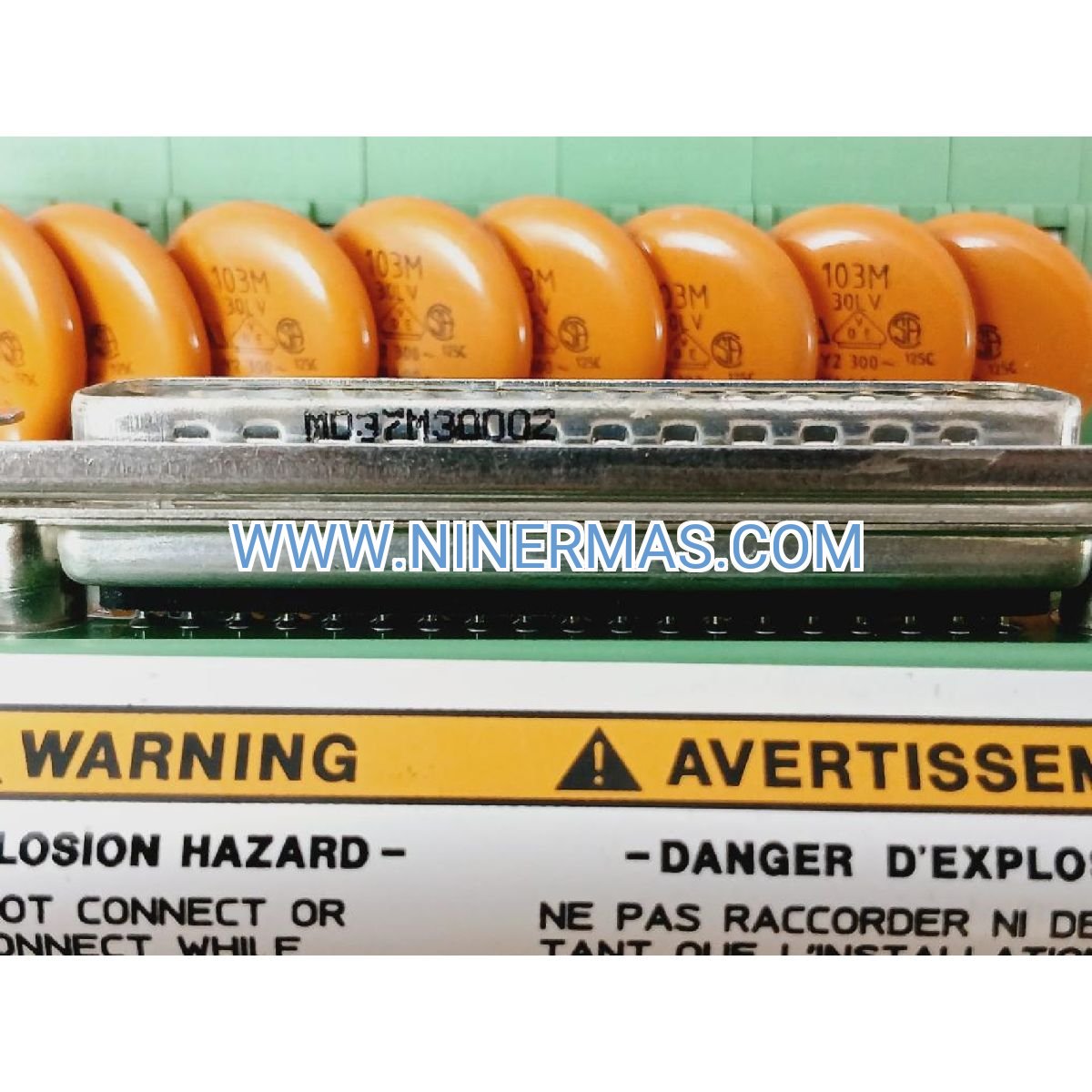
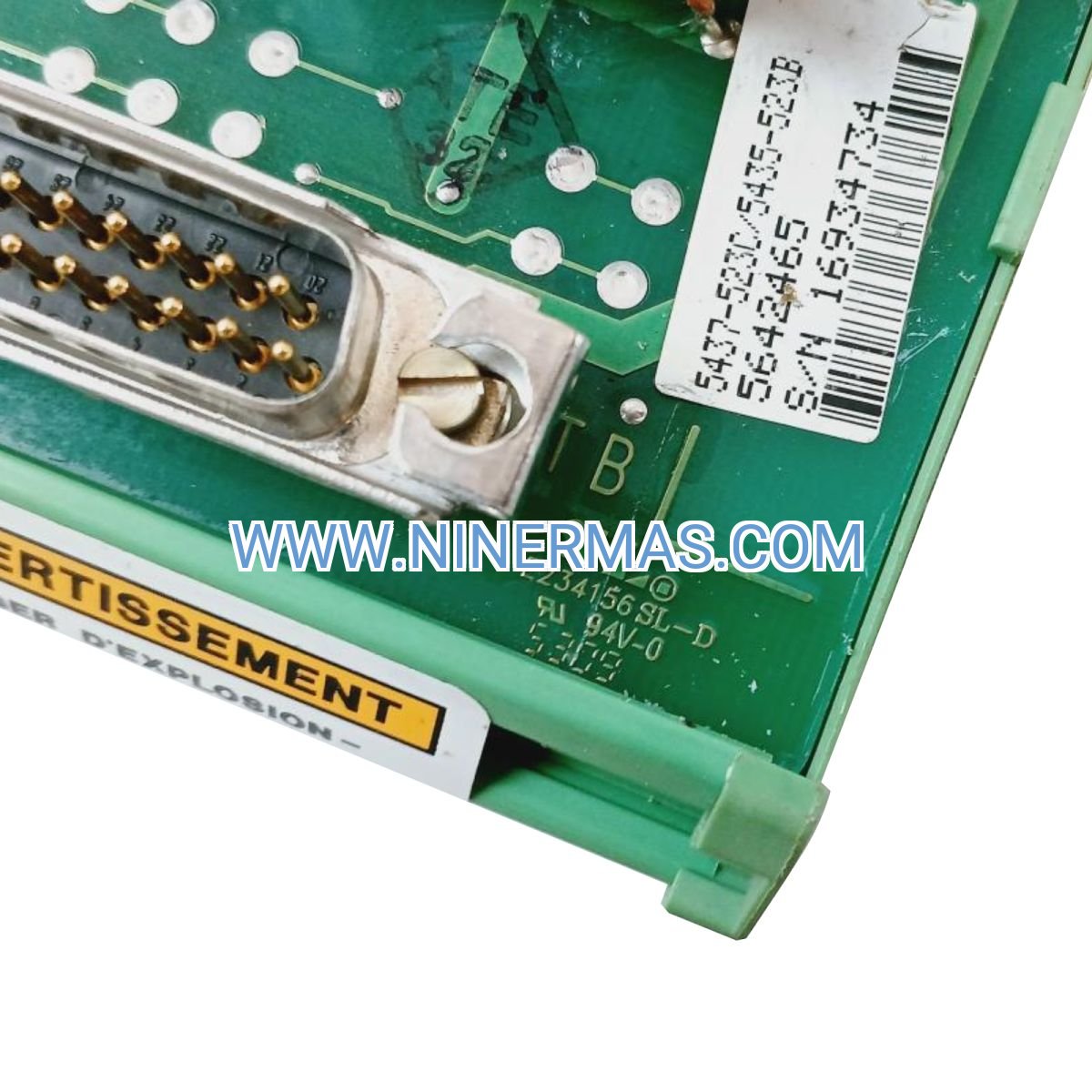
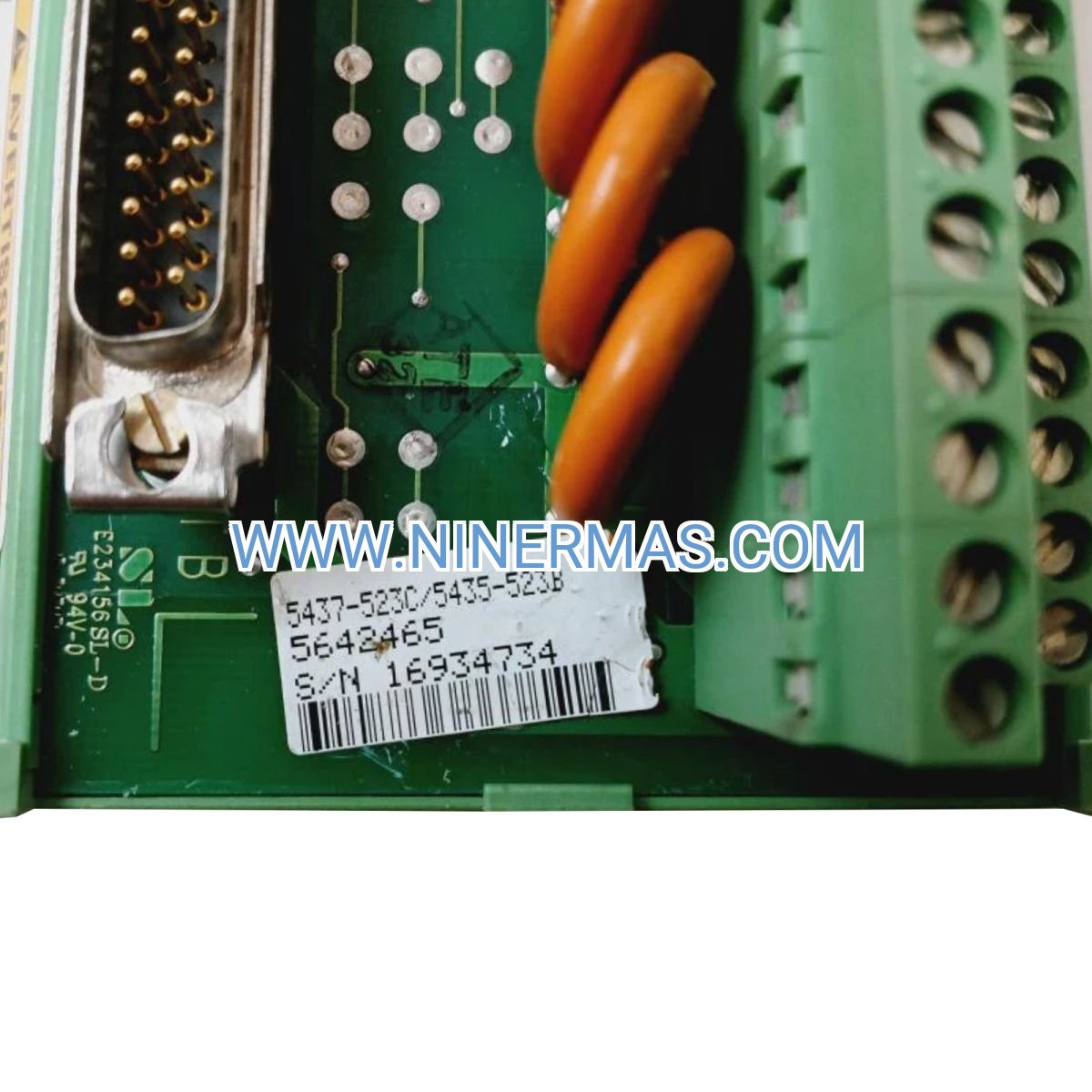
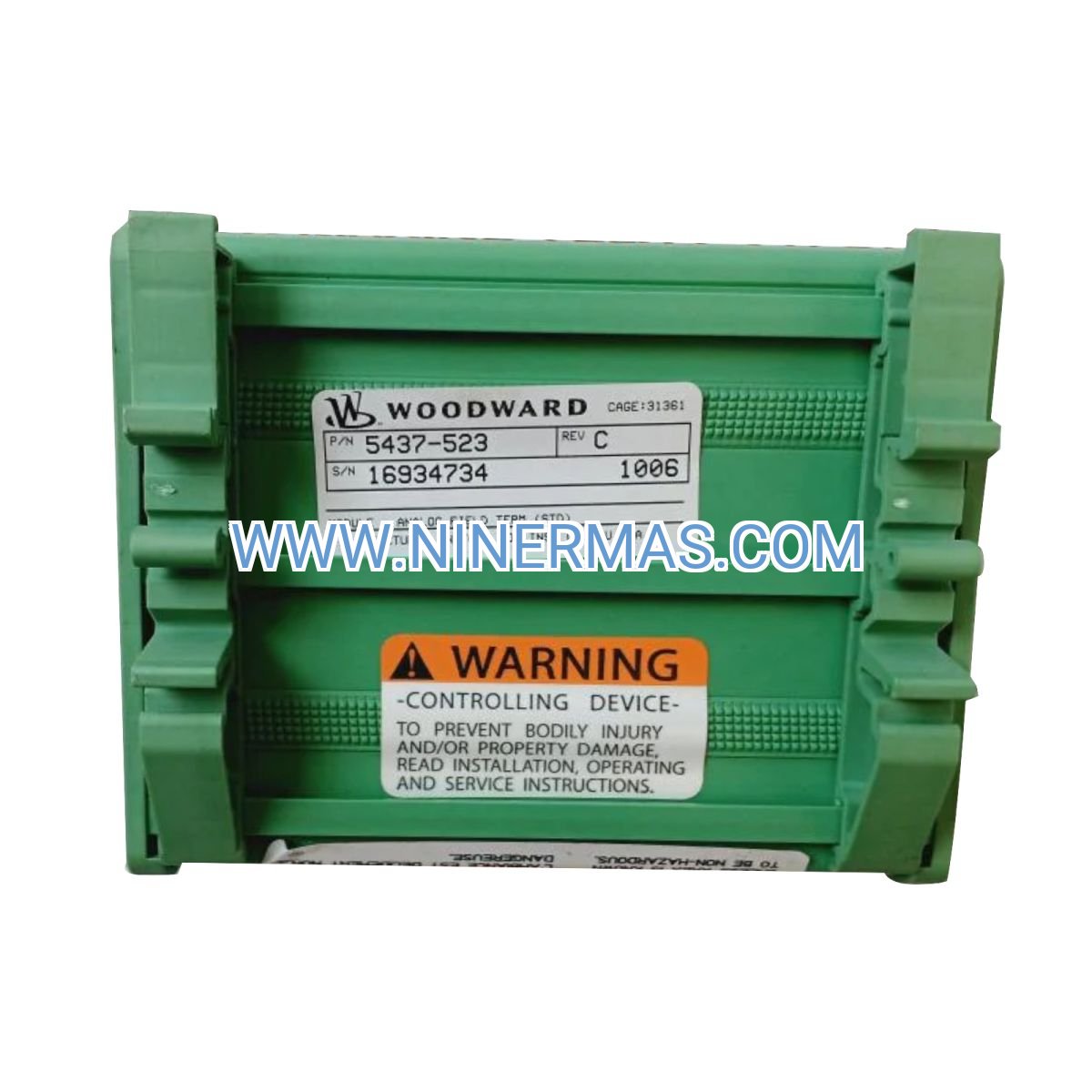
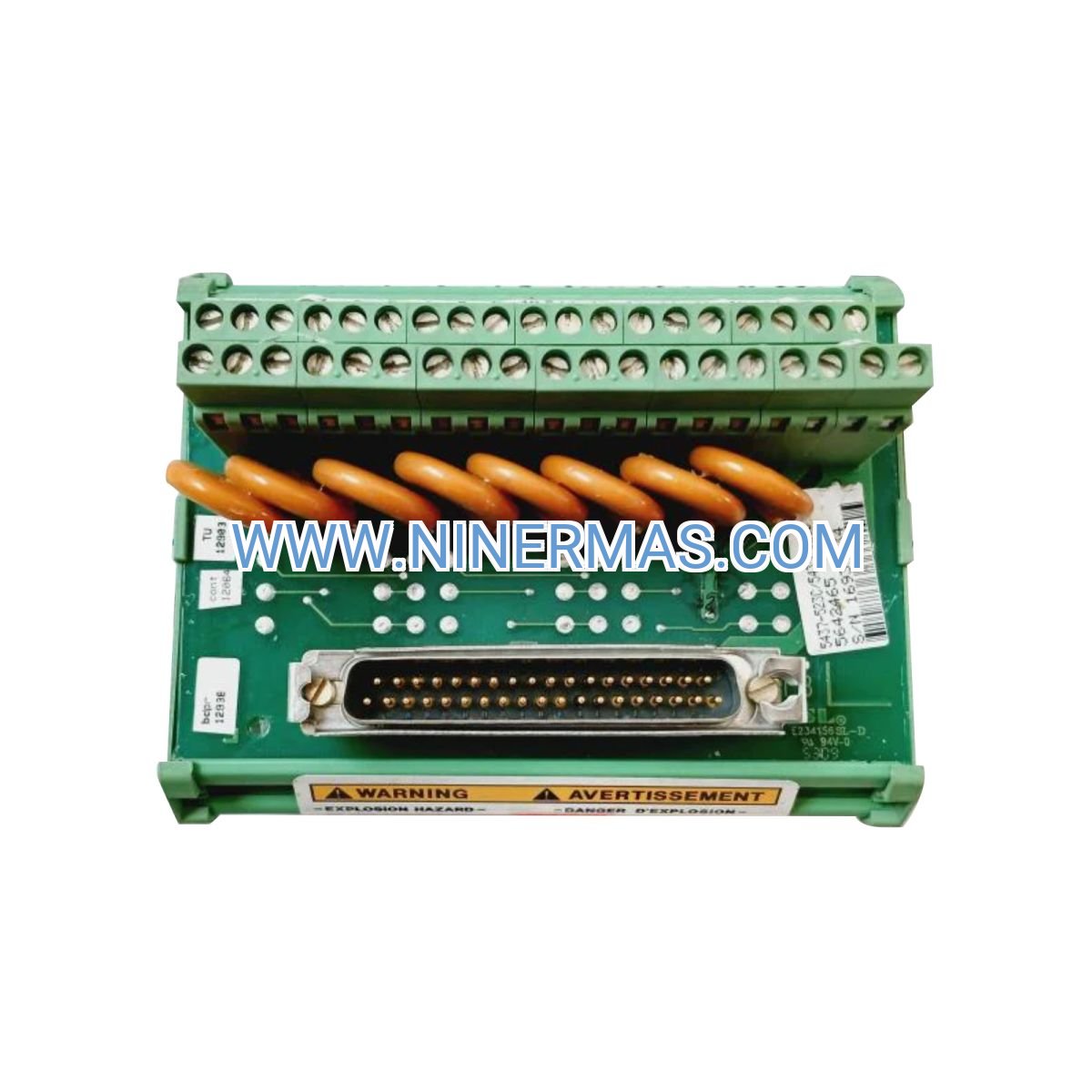
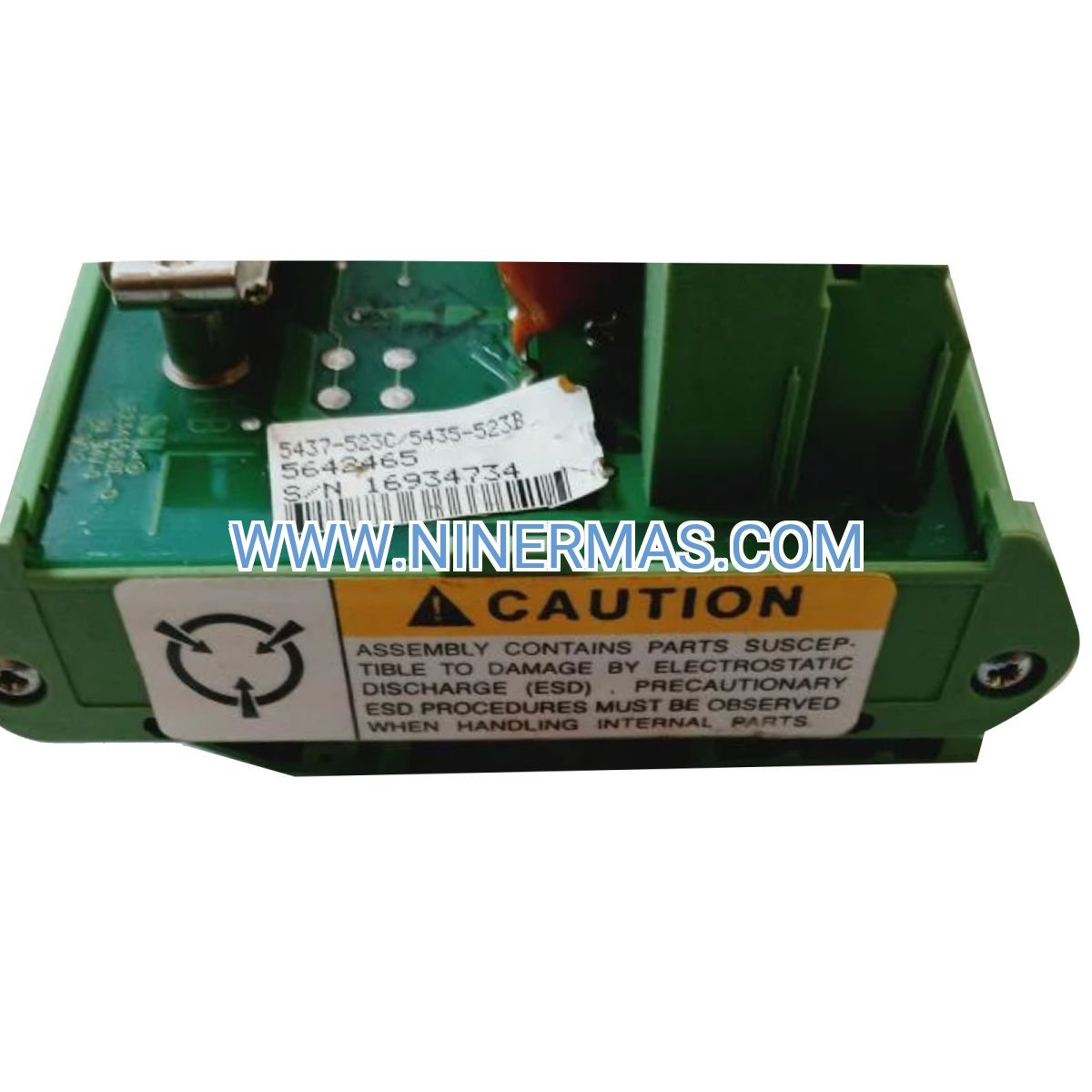
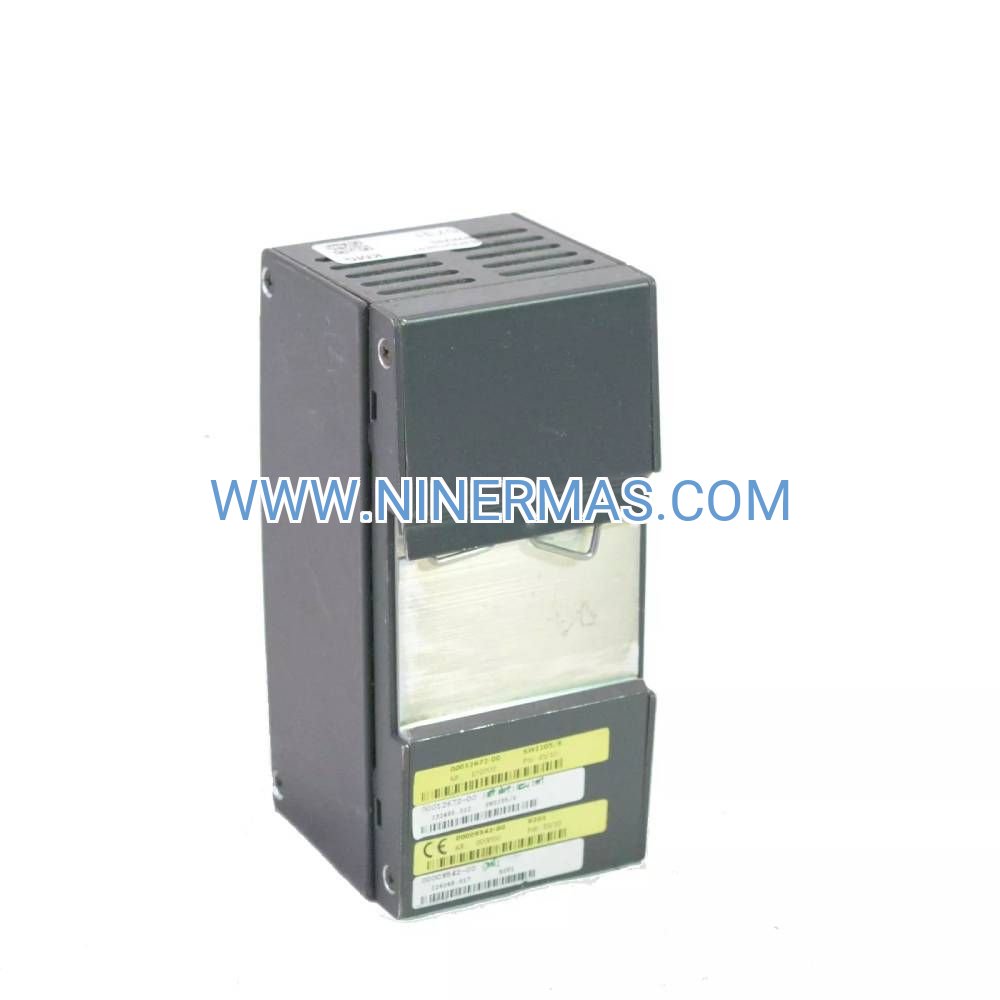
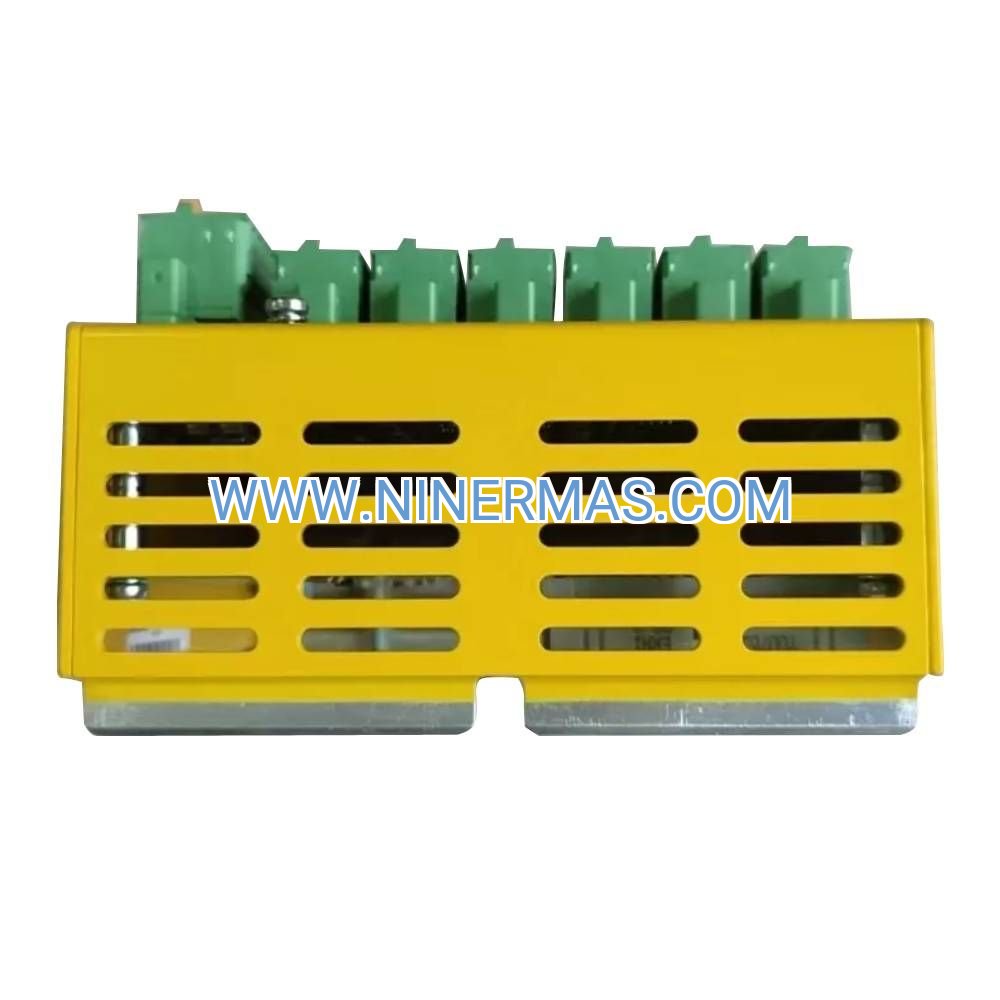
5437-523C Woodward MicroNet TMR Controller (Triple-Redundant Industrial Control Platform)
The 5437-523C is a triple-modular redundant (TMR) control platform engineered for continuous-duty turbine, compressor, and generator applications where operational continuity directly impacts revenue and safety. Built on Woodward's MicroNet architecture, this controller eliminates single points of failure through synchronized triple-processor voting logic, delivering deterministic control even during component degradation.
Designed for power generation facilities, petrochemical plants, and offshore installations, the 5437-523C addresses the critical challenge of maintaining process stability during hardware faults. Unlike simplex controllers that require scheduled downtime for maintenance, this TMR system enables live module replacement while preserving control integrity—reducing annual maintenance windows by up to 75% compared to traditional architectures.
Key differentiators include sub-10ms fault detection, automatic module isolation without process interruption, and native integration with Woodward actuators and sensors. The system's diagnostic framework provides predictive failure alerts 72-96 hours before critical events, enabling proactive maintenance scheduling that maximizes asset availability.
Core Capabilities & Business Value
→ Zero-Interruption Fault Handling: Triple-processor voting architecture detects and isolates failed modules in <10ms while maintaining full control authority—eliminating unplanned shutdowns that cost $50K-$500K per incident in lost production.
✓ Hot-Swappable Redundancy: Field-replaceable modules with automatic synchronization allow technicians to service hardware during operation, reducing maintenance-related downtime from 48-72 hours to zero for most component failures.
✓ Predictive Diagnostics Suite: Continuous health monitoring with 96-hour failure prediction enables condition-based maintenance strategies, cutting emergency repair costs by 40-60% through planned parts procurement and labor scheduling.
→ Wide Environmental Range: -40°C to +70°C operating envelope with conformal coating supports deployment in extreme climates—from Arctic gas fields to Middle Eastern desert installations—without environmental enclosures.
✓ Multi-Protocol Connectivity: Native Modbus RTU/TCP, Ethernet/IP, and proprietary Woodward protocols enable seamless integration with SCADA systems, DCS platforms, and legacy control networks without protocol gateways.
→ Certified Safety Compliance: UL508, CE, ATEX Zone 2, and IECEx certifications streamline regulatory approval for hazardous area installations, reducing project commissioning timelines by 3-6 weeks.
Industrial Application Scenarios
Gas Turbine Power Generation: Combined-cycle plants utilize the 5437-523C for primary speed/load control where grid stability demands <0.5% frequency deviation. The TMR architecture maintains governor response during module failures, preventing costly grid penalties and ensuring compliance with ISO/RTO interconnection standards.
Offshore Oil & Gas Platforms: Remote installations leverage the controller's fault tolerance to minimize helicopter-based service calls (averaging $15K-$25K per trip). Hot-swap capability allows platform operators to maintain spare module inventory rather than complete backup systems, reducing capital tied in spares by 60-70%.
Petrochemical Compressor Trains: Critical compression services (ethylene, hydrogen, natural gas) deploy the 5437-523C to prevent surge events during controller faults. The system's <10ms failover prevents compressor trips that typically require 4-8 hours for restart sequencing and process stabilization.
District Heating Cogeneration: Municipal CHP facilities use TMR control to guarantee heat delivery during winter peak demand. The system's predictive diagnostics enable summer maintenance scheduling when thermal loads are minimal, avoiding service disruptions during critical heating seasons.
Industrial Steam Turbines: Process plants with steam-driven equipment rely on the 5437-523C for admission valve control and extraction pressure regulation. Continuous operation during maintenance windows preserves production schedules in industries where batch interruptions create quality issues (pharmaceuticals, specialty chemicals).
Technical Parameters & Selection Criteria
| Parameter | Specification | Selection Notes |
|---|---|---|
| Model Number | 5437-523C | TMR configuration with integrated I/O |
| Processor Architecture | Triple-redundant with 2-of-3 voting | Tolerates single processor failure |
| Scan Cycle Time | 5-20ms (configurable) | Faster cycles for high-speed turbines |
| I/O Capacity | Expandable to 512 points | Modular expansion via MicroNet racks |
| Power Input | 18-32 VDC (dual redundant) | Requires isolated DC supplies |
| Power Consumption | 45W typical, 65W maximum | Size UPS for 2-hour backup minimum |
| Operating Temperature | -40°C to +70°C | Derate above 60°C per manual |
| Storage Temperature | -55°C to +85°C | Suitable for outdoor spare storage |
| Humidity Range | 5-95% RH non-condensing | Conformal coating protects circuitry |
| Vibration Tolerance | 5g @ 10-500Hz per IEC 60068 | Suitable for skid-mounted applications |
| MTBF (System) | >1,000,000 hours | TMR configuration effective rate |
| Communication Ports | 2x Ethernet, 2x RS-485 | Redundant network connections |
| Programming Environment | Woodward GAP software | IEC 61131-3 compliant languages |
| Certifications | UL508, CE, ATEX, IECEx | Verify regional requirements |
Selection Guidance: Choose the 5437-523C when application criticality justifies TMR investment (typically assets >$5M or downtime costs >$10K/hour). For less critical applications, consider simplex Woodward 505E or MicroNet Plus controllers. Ensure existing I/O modules are MicroNet-compatible or budget for rack replacement. Verify that maintenance staff have GAP programming training or plan for vendor commissioning support.
Extended Integration & Customization
SCADA/HMI Connectivity: The controller supports OPC UA server functionality for direct integration with modern SCADA platforms (Ignition, Wonderware, iFIX). Historical data buffering (up to 30 days) ensures trend continuity during network outages, critical for regulatory compliance in power generation.
Cybersecurity Features: Role-based access control, encrypted Ethernet communications (TLS 1.2), and audit logging align with NERC CIP and IEC 62443 standards. Firmware signing prevents unauthorized code modifications—essential for critical infrastructure protection.
Custom Control Strategies: Woodward application engineers can develop bespoke control algorithms for non-standard turbine configurations, including dual-fuel switching logic, emissions optimization routines, and black-start sequencing for grid restoration scenarios.
IoT & Cloud Integration: Optional gateway modules enable secure data forwarding to cloud analytics platforms (AWS IoT, Azure Industrial IoT) for fleet-wide performance benchmarking and machine learning-based optimization—without compromising control network security through proper DMZ architecture.
Delivery Timeline & Service Framework
Standard Lead Time: 6-8 weeks for new units from Woodward's North American distribution network. Expedited 2-3 week delivery available for critical outage situations (subject to premium freight charges and stock availability).
Custom Configuration: Factory-programmed units with customer-specific control logic require 10-12 weeks including FAT (Factory Acceptance Testing). Remote FAT via video conference available to reduce travel costs and schedule compression.
Warranty Coverage: 12-month manufacturer warranty covering defects in materials and workmanship. Extended warranties (24-36 months) available through authorized Woodward service partners, including coverage for wear items and calibration drift.
Technical Support: 24/7 phone support through Woodward's global service network (Americas, EMEA, APAC). On-site commissioning and troubleshooting available with 48-72 hour mobilization for emergency situations. Annual health check services recommended to maintain optimal performance.
Documentation Package: Includes installation manual, wiring diagrams, GAP programming guide, spare parts catalog, and calibration certificates. Editable AutoCAD drawings and 3D STEP models provided for panel design integration.
Frequently Asked Questions
How does the triple-redundant architecture handle simultaneous dual failures?
The 5437-523C maintains control with two operational processors through 2-of-3 voting logic. If a second processor fails before the first is replaced, the system transitions to simplex mode with alarm notification but continues operating. A third failure triggers a controlled shutdown to safe state. Mean time between dual failures exceeds 50 years under normal conditions.
Can this controller retrofit existing Woodward 505E or NetCon systems?
Yes, with I/O module compatibility verification. The 5437-523C uses the same MicroNet I/O racks as legacy systems, allowing phased migration. Control logic requires conversion from 505E ladder to IEC 61131-3 format—Woodward offers conversion services or GAP training for in-house programming teams.
What is the typical energy efficiency improvement versus older controllers?
The 5437-523C's faster scan rates (5ms vs. 50ms in legacy systems) enable tighter PID tuning, reducing process variability by 30-50%. In turbine applications, this translates to 0.5-1.2% heat rate improvement—worth $50K-$200K annually for a 50MW unit at $40/MWh power prices.
Does the system require special installation qualifications or certifications?
Installation follows standard industrial control practices per NEC Article 500 (hazardous locations) and NFPA 70. Woodward recommends factory training for commissioning personnel but does not mandate certification. For ATEX Zone 2 installations, ensure installers hold relevant Ex certifications per regional requirements.
How do firmware updates work without interrupting turbine operation?
The TMR architecture supports rolling updates: upload new firmware to one processor, verify operation, then sequentially update remaining processors. The voting logic maintains control using non-updated processors during each update cycle. Complete system update typically completes in 15-20 minutes with zero process interruption.
What remote monitoring capabilities are included for predictive maintenance?
Standard diagnostics track processor load, I/O health, power supply voltages, and communication errors with configurable alarm thresholds. Optional Woodward Connect service provides cloud-based analytics including vibration signature analysis (when paired with compatible sensors), thermal trending, and comparative fleet benchmarking for early fault detection.
Request Technical Consultation
Our application engineers provide complimentary system sizing and ROI analysis for TMR controller deployments. Contact us with your turbine specifications, uptime requirements, and existing control architecture for a detailed proposal including migration planning, training recommendations, and total cost of ownership projections.
© 2026 NINERMAS COMPANY LIMITED. All rights reserved.
Original Source: https://ninermas.com
Contact: sale@ninermas.com | +0086 187 5021 5667

Contact Info
-
Address:22 / F, South Wo Hang building, 148 Wing Lok Street, Sheung Wan, Western District, Hong Kong
-
Phone:+8618750215667
-
Email: