Description
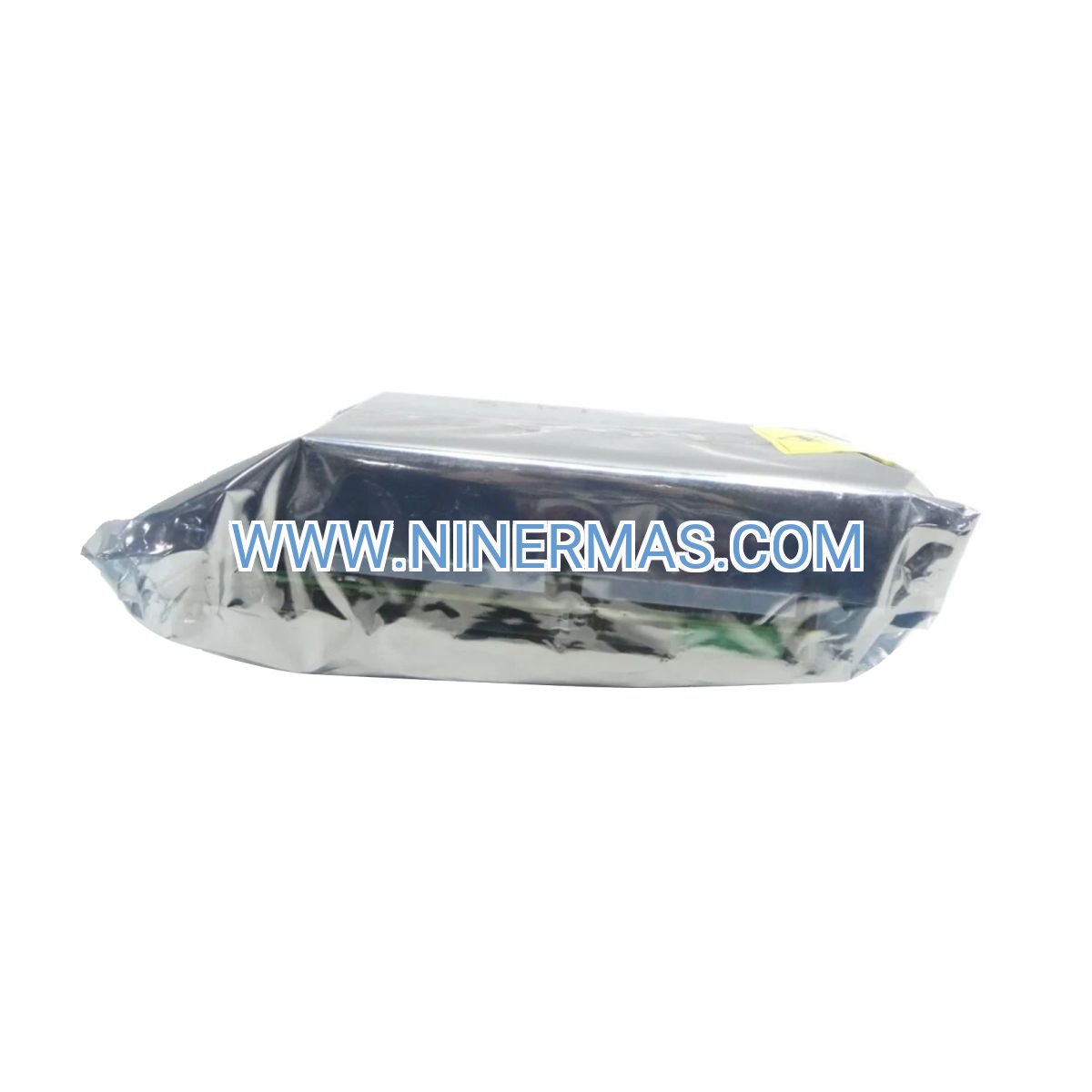
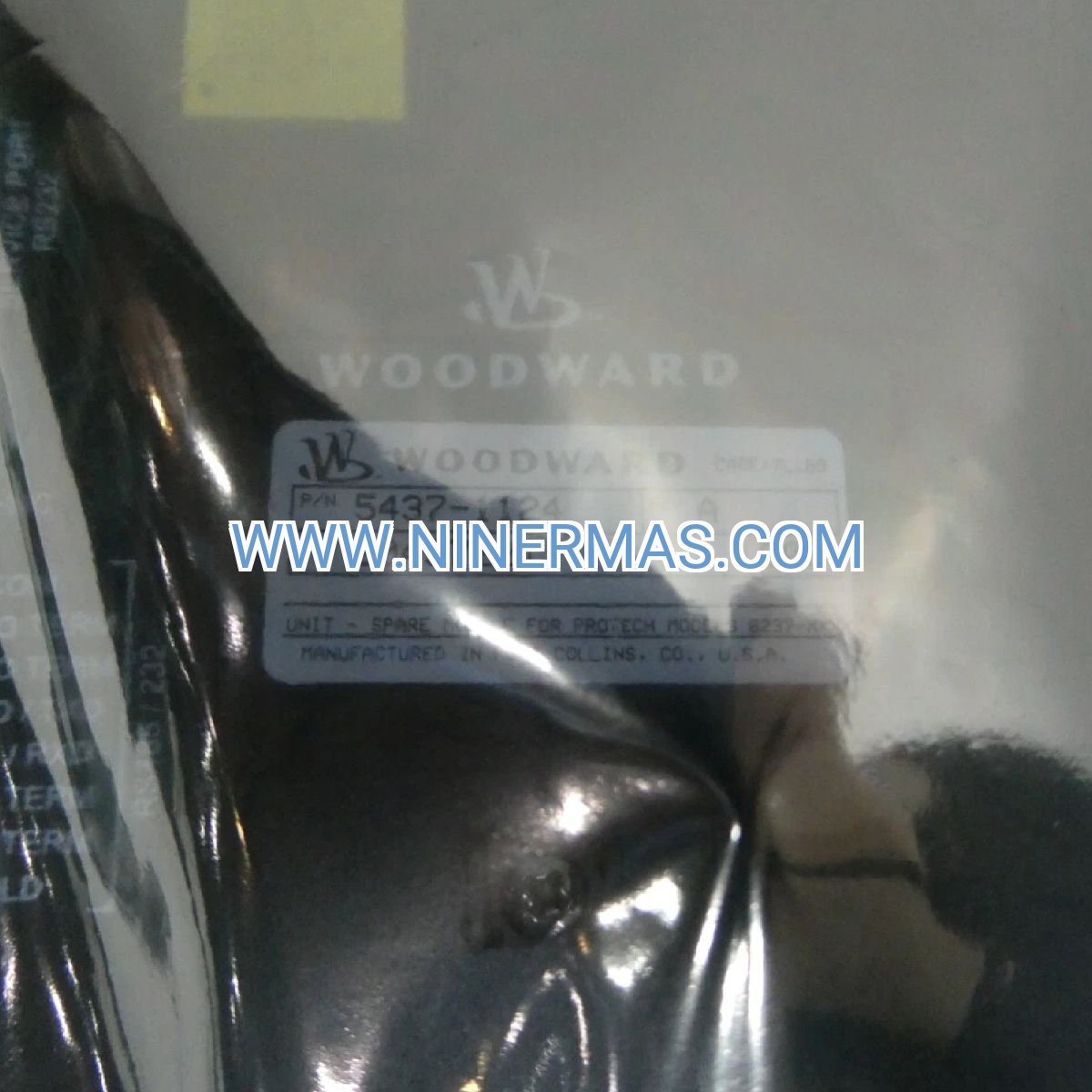
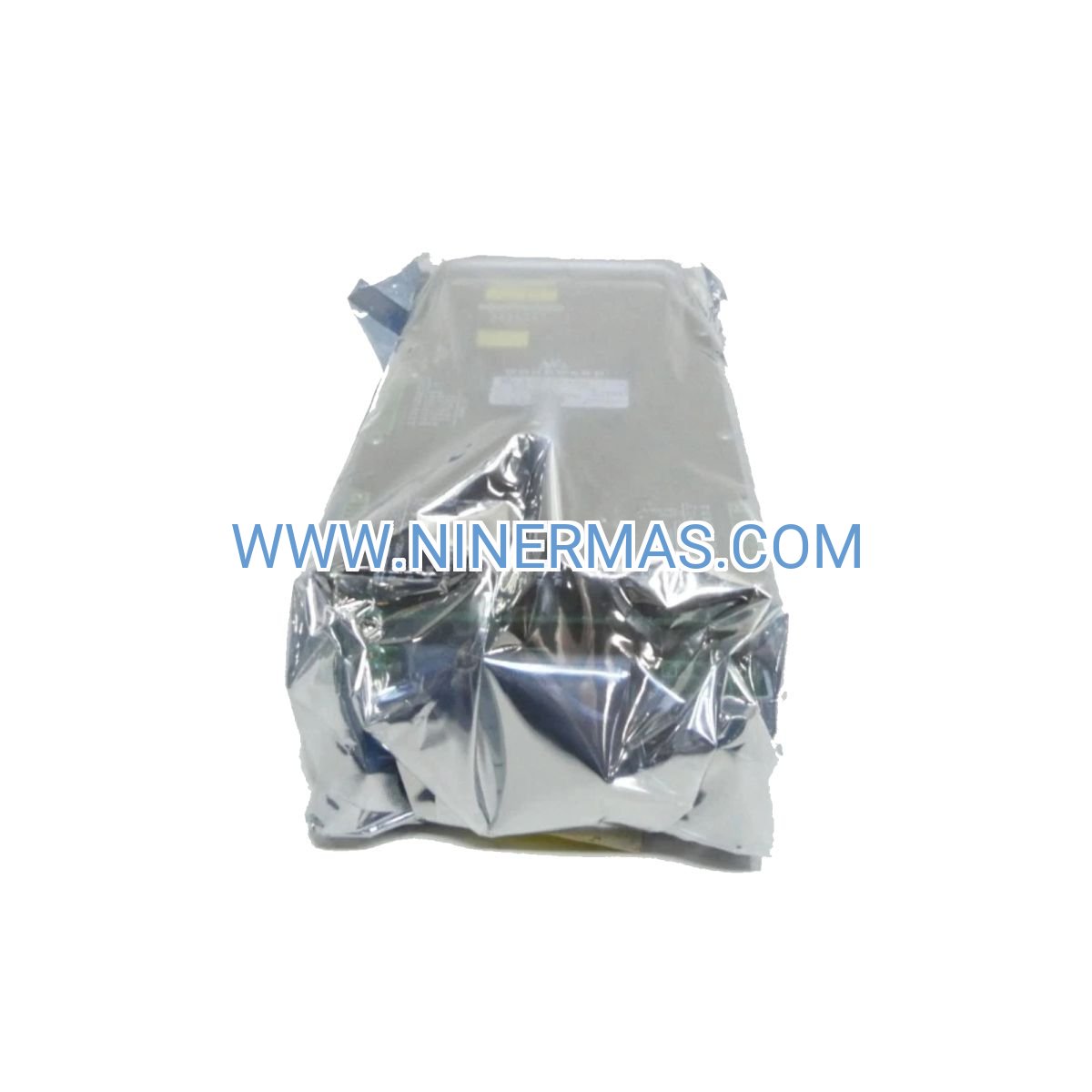
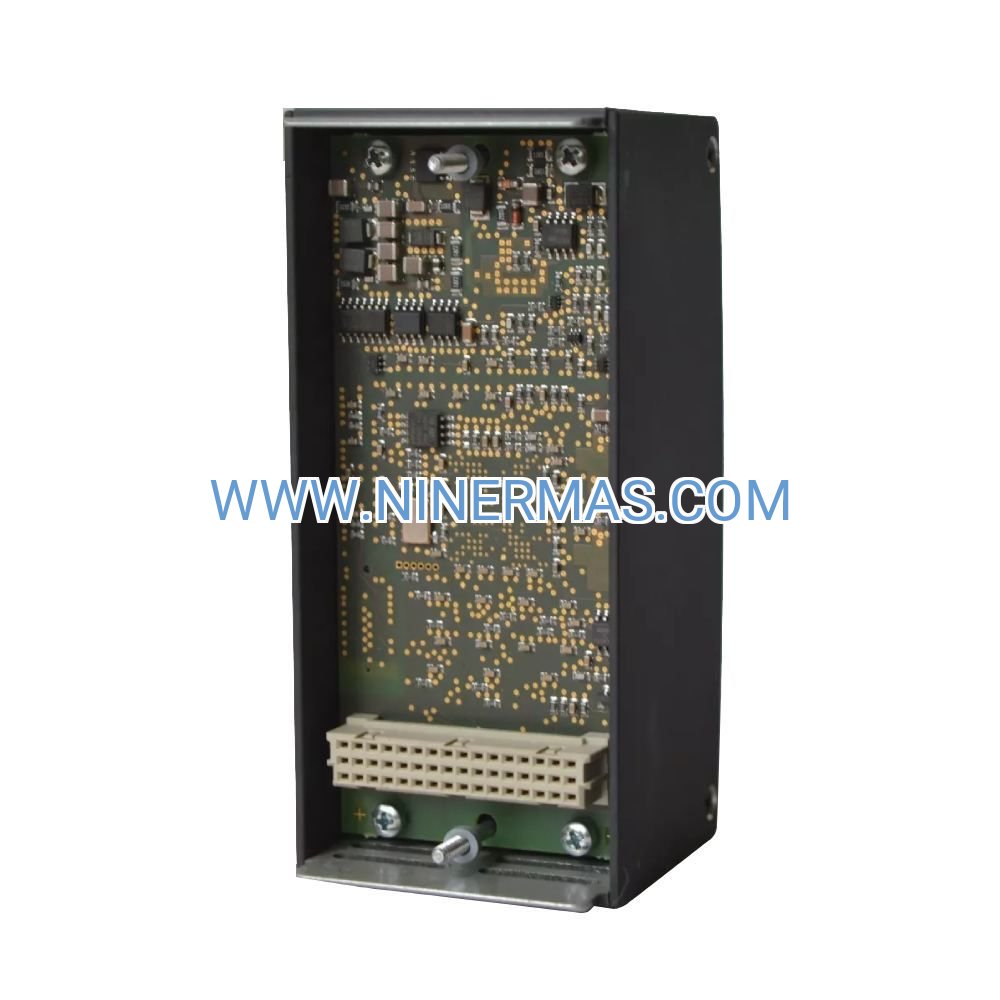
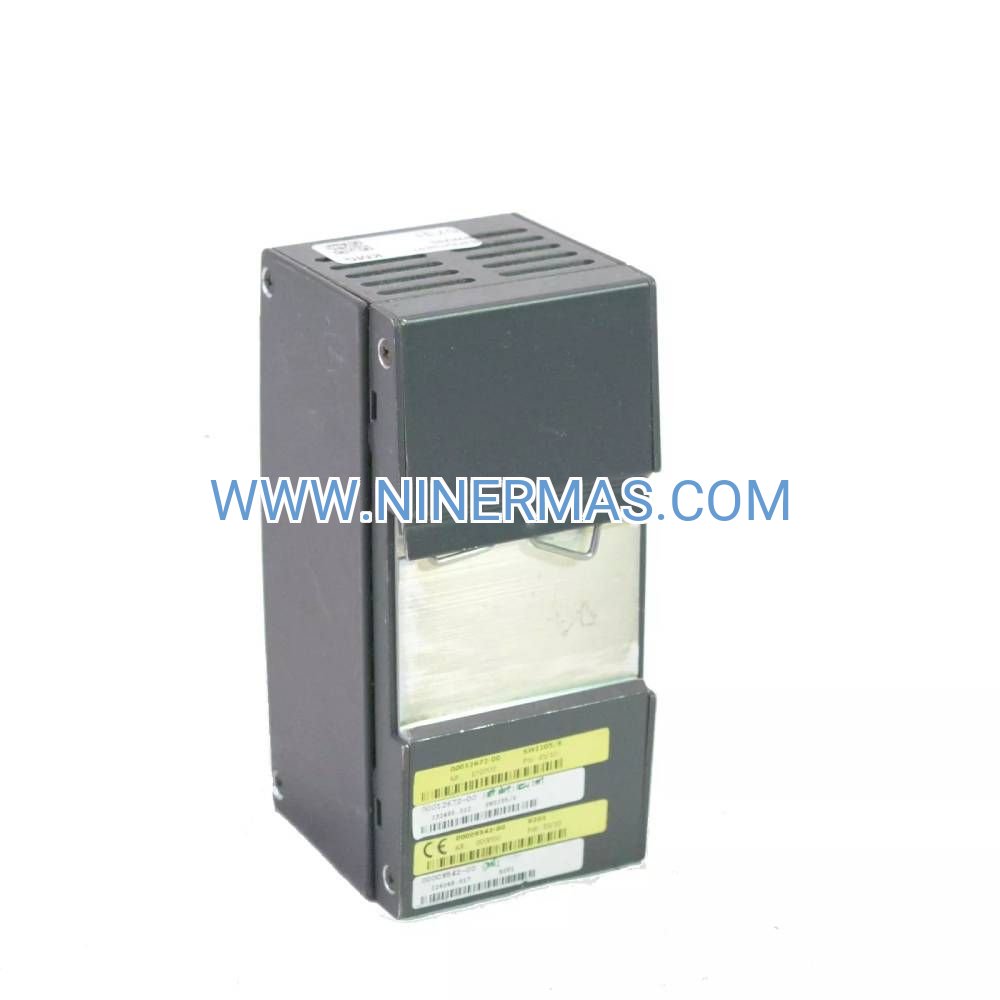
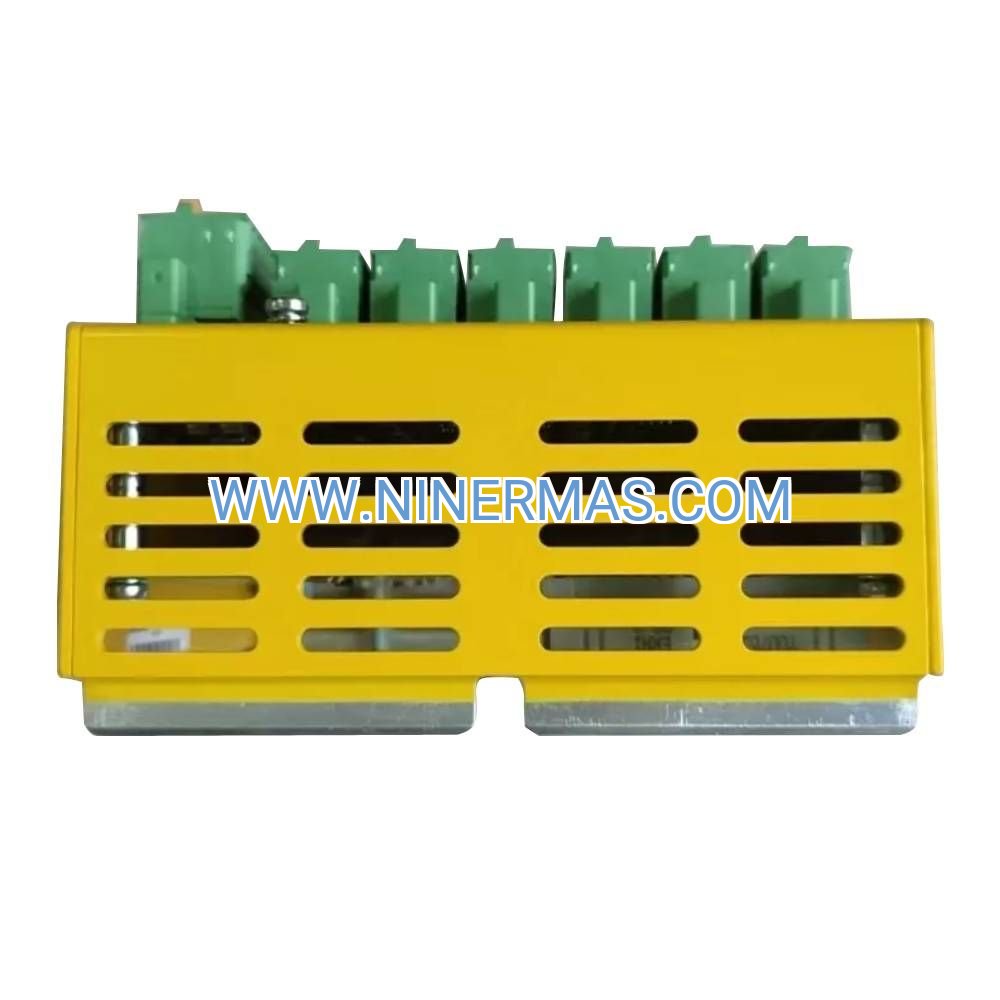
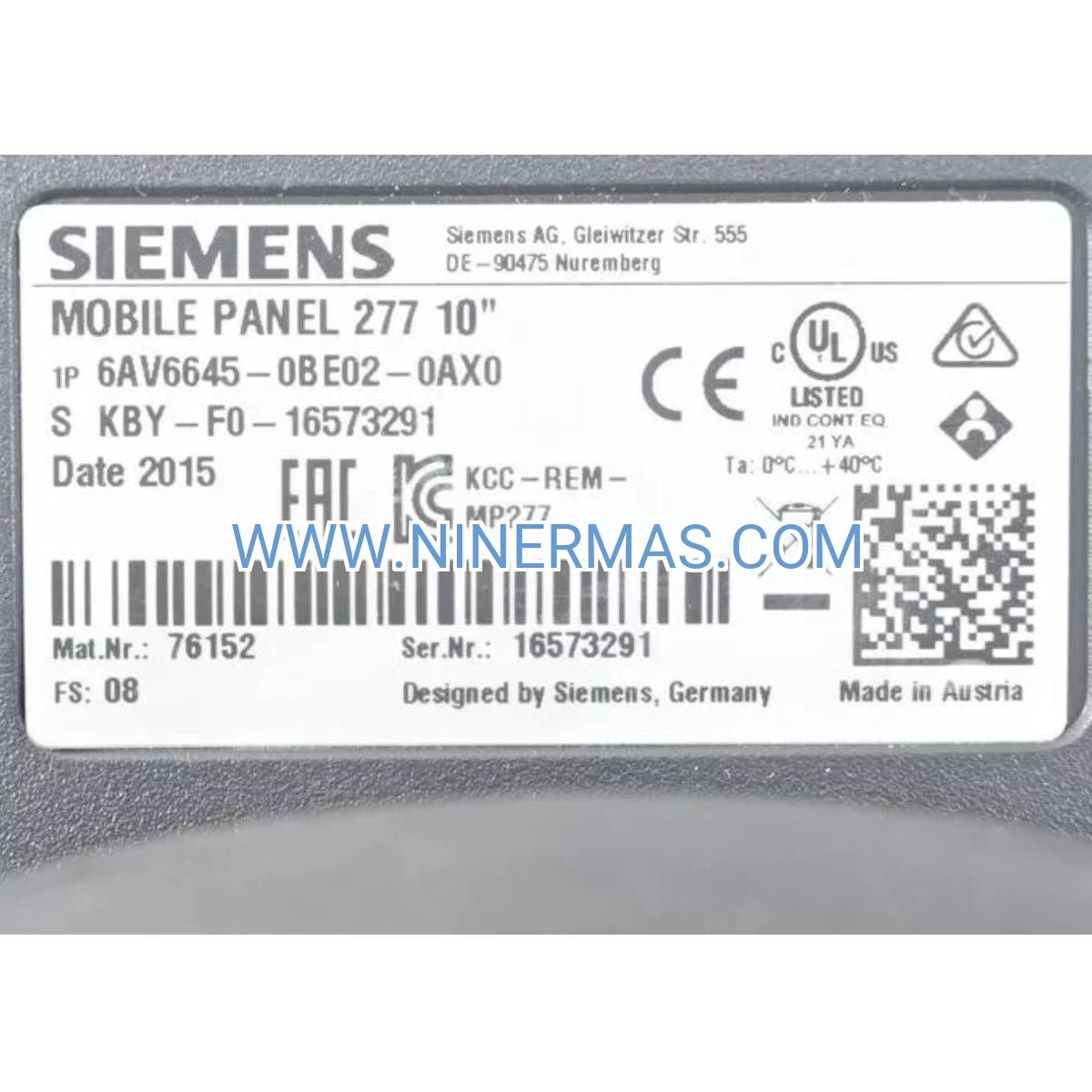
5437-1124 Triple Modular Redundant Control Platform (Industrial-Grade)
The Woodward 5437-1124 is a fault-tolerant TMR control platform engineered for environments where operational continuity is non-negotiable. Designed around triple-channel redundancy with automatic failover, this system ensures uninterrupted control authority across turbine governors, power generation units, and critical process loops. Whether managing gas turbines in remote installations or coordinating combined-cycle plants, the 5437-1124 delivers deterministic performance with built-in resilience against single-point failures.
Targeted at facility engineers, system integrators, and plant operators in energy, oil & gas, and heavy industry sectors, this control module addresses the challenge of maintaining 24/7 uptime while simplifying maintenance workflows. Its hot-swappable architecture allows component replacement during live operation, eliminating costly shutdowns and reducing mean time to repair (MTTR) by up to 70%.
Key differentiators include real-time cross-channel voting logic, comprehensive self-diagnostics with predictive fault alerts, and seamless integration with Woodward's MicroNet ecosystem. The system's modular design supports scalable I/O expansion, while its ruggedized construction withstands extreme temperatures from -40°C to +70°C—ideal for offshore platforms, desert installations, and arctic facilities.
Core Capabilities & Business Value
→ Zero-Downtime Redundancy: Three parallel processing channels continuously validate each other's outputs. When one channel detects anomalies, the system automatically isolates the fault and maintains full control using the remaining two channels—no manual intervention required. This translates to 99.99% uptime in mission-critical applications.
✓ Hot-Swap Maintenance: Replace CPUs, I/O modules, or power supplies without halting operations. Technicians can perform preventive maintenance during production hours, reducing annual maintenance windows by 60% compared to non-redundant systems.
✓ Deterministic Scan Performance: Fixed-cycle execution guarantees precise timing for PID loops, sequencing logic, and safety interlocks. Scan times remain consistent regardless of program complexity, ensuring predictable response in fast-acting turbine control scenarios.
→ Scalable I/O Architecture: Supports up to 2,048 I/O points through distributed modules. Mix analog inputs (4-20mA, RTD, thermocouple), digital I/O, and specialty cards for vibration monitoring or valve positioning—all within a single backplane.
✓ Integrated Diagnostics Suite: Real-time health monitoring tracks module status, communication integrity, and power supply voltages. Predictive alerts notify operators of degrading components before failures occur, enabling proactive parts replacement.
→ Wide Operating Range: Certified for -40°C to +70°C ambient temperatures with conformal coating options for corrosive atmospheres. Meets IEC 61508 SIL 3 requirements for safety-instrumented systems.
Industry-Specific Use Cases
Gas Turbine Governor Control: Manages fuel metering, speed regulation, and load sharing in industrial gas turbines. The TMR architecture prevents governor failures that could lead to turbine overspeed or flameout, protecting multi-million-dollar assets.
Combined-Cycle Power Plants: Coordinates steam turbine bypass valves, HRSG dampers, and generator synchronization across multiple units. Redundant control ensures grid stability during peak demand periods, avoiding penalties for frequency deviations.
Offshore Platform Compression: Controls reciprocating and centrifugal compressors in subsea gas processing. Salt-fog resistance and vibration tolerance make it suitable for unmanned platforms where service visits are limited to quarterly intervals.
Critical Process Automation: Regulates temperature, pressure, and flow in chemical reactors, distillation columns, and pharmaceutical batch systems. Failover capability prevents batch losses that could cost $500K+ per incident.
Renewable Energy Integration: Manages pitch control and yaw systems in wind turbines, or coordinates solar thermal collector fields. Handles rapid load fluctuations while maintaining grid code compliance.
Technical Parameters & Selection Criteria
| Parameter | Specification |
|---|---|
| Architecture | Triple Modular Redundant (3-channel voting) |
| Processor | 32-bit RISC, 100 MHz clock speed |
| Memory | 16 MB program, 8 MB data retention (battery-backed) |
| Scan Cycle | 10 ms typical (configurable 5-100 ms) |
| I/O Capacity | Up to 2,048 points (distributed modules) |
| Communication | Modbus TCP/IP, FOUNDATION Fieldbus, Ethernet/IP |
| Power Supply | 24 VDC nominal (18-32 VDC range), redundant inputs |
| Operating Temp | -40°C to +70°C (-40°F to +158°F) |
| Humidity | 5% to 95% non-condensing |
| Vibration | 5g peak, 10-500 Hz (IEC 60068-2-6) |
| MTBF | >150,000 hours (per MIL-HDBK-217F) |
| Certifications | UL, CE, ATEX Zone 2, IEC 61508 SIL 3 |
Selection Guidelines: Choose the 5437-1124 when application criticality demands fault tolerance beyond standard PLC redundancy. Ideal for SIL 2/3 safety loops, turbomachinery protection, or processes where unplanned shutdowns exceed $10K/hour in lost production. For non-critical applications with <99.5% uptime requirements, consider simplex controllers to optimize capital costs.
Advanced Integration Features
MicroNet Ecosystem Compatibility: Natively supports Woodward's 5441-series I/O modules, 5466-series CPUs, and 8440-series HMI panels. Firmware updates can be deployed across the network without individual module programming.
SCADA & Historian Connectivity: OPC UA server enables seamless data exchange with Wonderware, Ignition, or OSIsoft PI. Supports 10,000+ tags at 1-second update rates for real-time process visualization.
Cybersecurity Hardening: Role-based access control (RBAC), encrypted communications (TLS 1.2), and audit logging comply with IEC 62443 industrial cybersecurity standards. Firmware is digitally signed to prevent unauthorized modifications.
Custom Logic Development: Program using IEC 61131-3 languages (Ladder, Structured Text, Function Block) in Woodward's GAP software suite. Pre-built function libraries accelerate development for common turbine control algorithms.
Delivery Timeline & Support Services
Lead Time: Stock units ship within 3-5 business days. Custom-configured systems (specific I/O counts, firmware versions) require 2-3 weeks for factory assembly and testing.
Warranty Coverage: 12-month manufacturer warranty against defects in materials and workmanship. Extended warranties available for up to 5 years with annual calibration services.
Technical Support: 24/7 global helpdesk with <4-hour response SLA for critical issues. Regional application engineers available for on-site commissioning, troubleshooting, and performance optimization.
Documentation Package: Includes installation manual, wiring diagrams, I/O configuration spreadsheets, sample ladder logic programs, and Modbus register maps. CAD drawings (DWG/STEP) provided for panel layout design.
Frequently Asked Questions
How does the TMR voting mechanism handle sensor discrepancies?
The system compares all three channel inputs in real time. If one sensor reading deviates beyond configurable thresholds (typically ±2% for analog signals), that channel is flagged as suspect. The controller uses the median value from the two agreeing channels while alerting operators to investigate the outlier sensor.
What is the maximum distance between the controller and remote I/O modules?
Using fiber-optic communication, remote I/O can be located up to 2 km (1.24 miles) from the main controller. Copper Ethernet connections support 100 meters per segment, extendable via industrial switches.
Can I migrate existing Woodward MicroNet programs to the 5437-1124?
Yes, programs developed for earlier MicroNet platforms (e.g., 5200 series) are forward-compatible. Import your existing GAP project files, verify I/O mappings, and download to the new hardware—typically completed in 2-4 hours.
Does the system support redundant communication networks?
Absolutely. Dual Ethernet ports enable ring topology or parallel networks. If the primary network fails, the controller automatically switches to the backup path within 50 milliseconds, maintaining HMI connectivity and data logging.
What training is recommended for maintenance personnel?
Woodward offers a 3-day MicroNet TMR Systems course covering architecture, diagnostics, and troubleshooting. Online modules are also available for self-paced learning. Most technicians with PLC experience can perform routine maintenance after 8 hours of training.
How do I size the power supply for a fully populated system?
The base 5437-1124 module draws 15W. Add 5W per I/O module and 10W per communication card. For a system with 10 I/O modules and 2 comm cards, specify a 100W redundant power supply (15 + 50 + 20 = 85W, with 20% margin).
Ready to Enhance Your Control System Reliability?
Contact our application engineers to discuss your specific requirements. We'll provide a tailored configuration proposal, including I/O module selection, network architecture, and integration with your existing SCADA infrastructure. Request a quote today or schedule a technical consultation to explore how the 5437-1124 can eliminate unplanned downtime in your facility.
© 2026 NINERMAS COMPANY LIMITED. All rights reserved.
Original Source: https://ninermas.com
Contact: sale@ninermas.com | +0086 187 5021 5667

Contact Info
-
Address:22 / F, South Wo Hang building, 148 Wing Lok Street, Sheung Wan, Western District, Hong Kong
-
Phone:+8618750215667
-
Email: