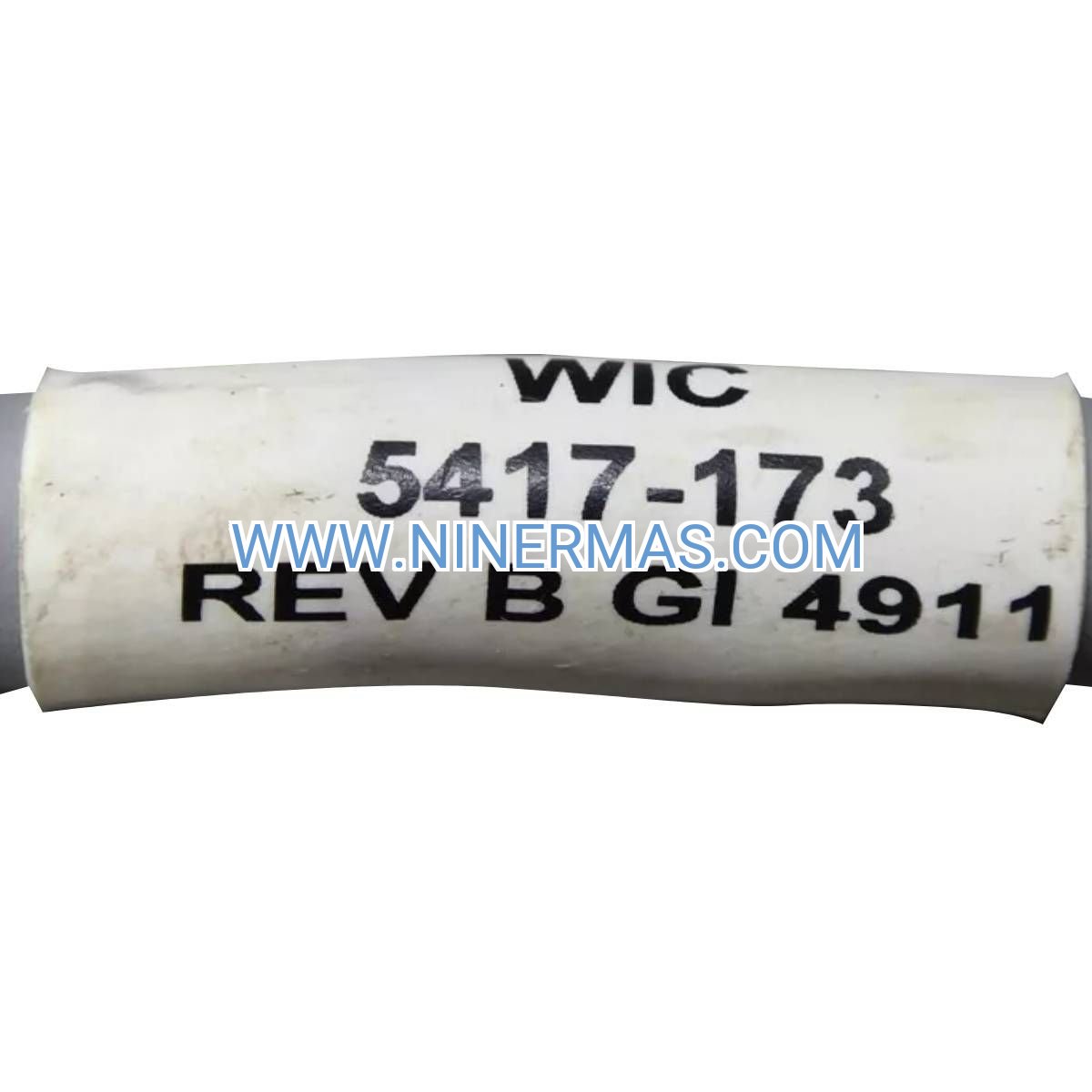
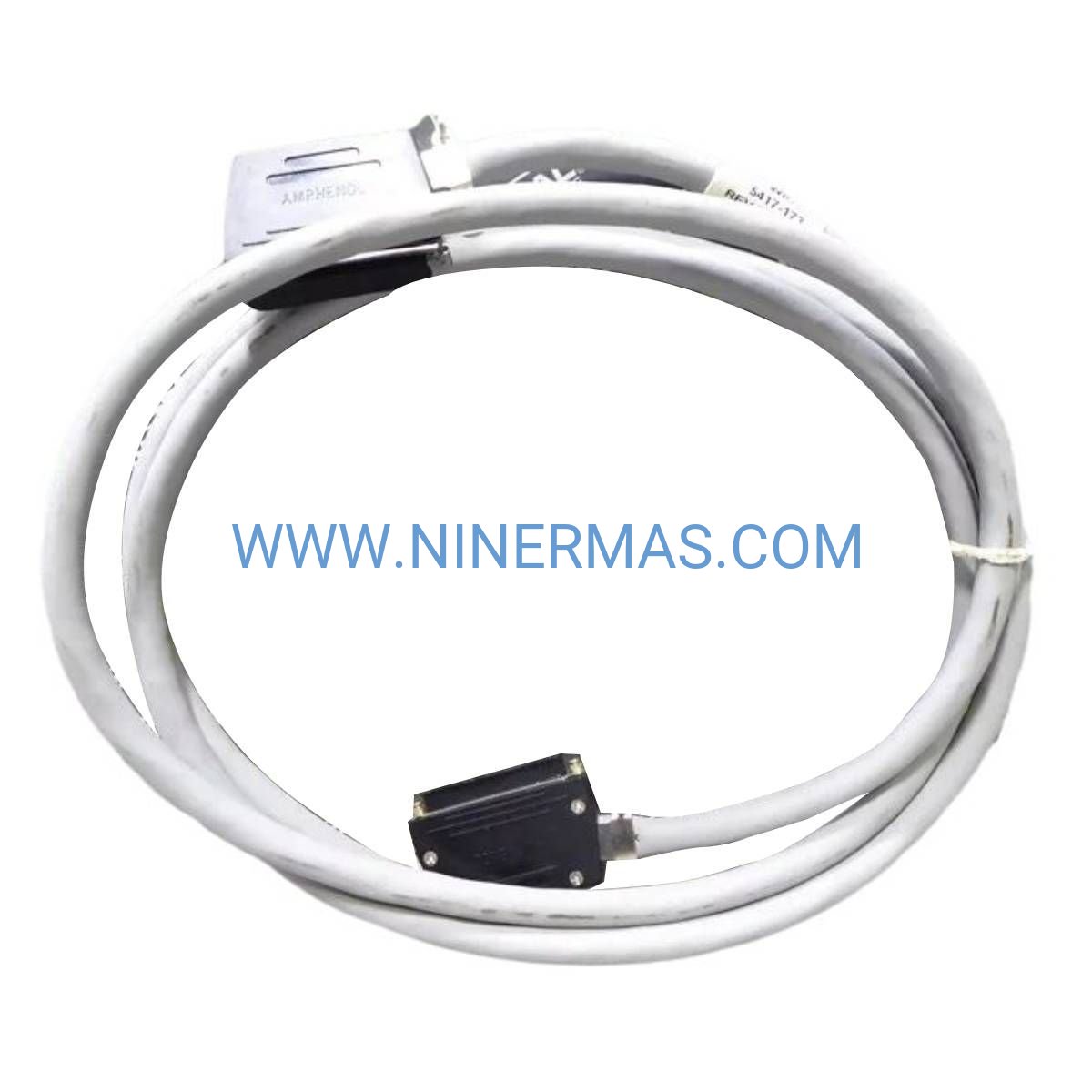
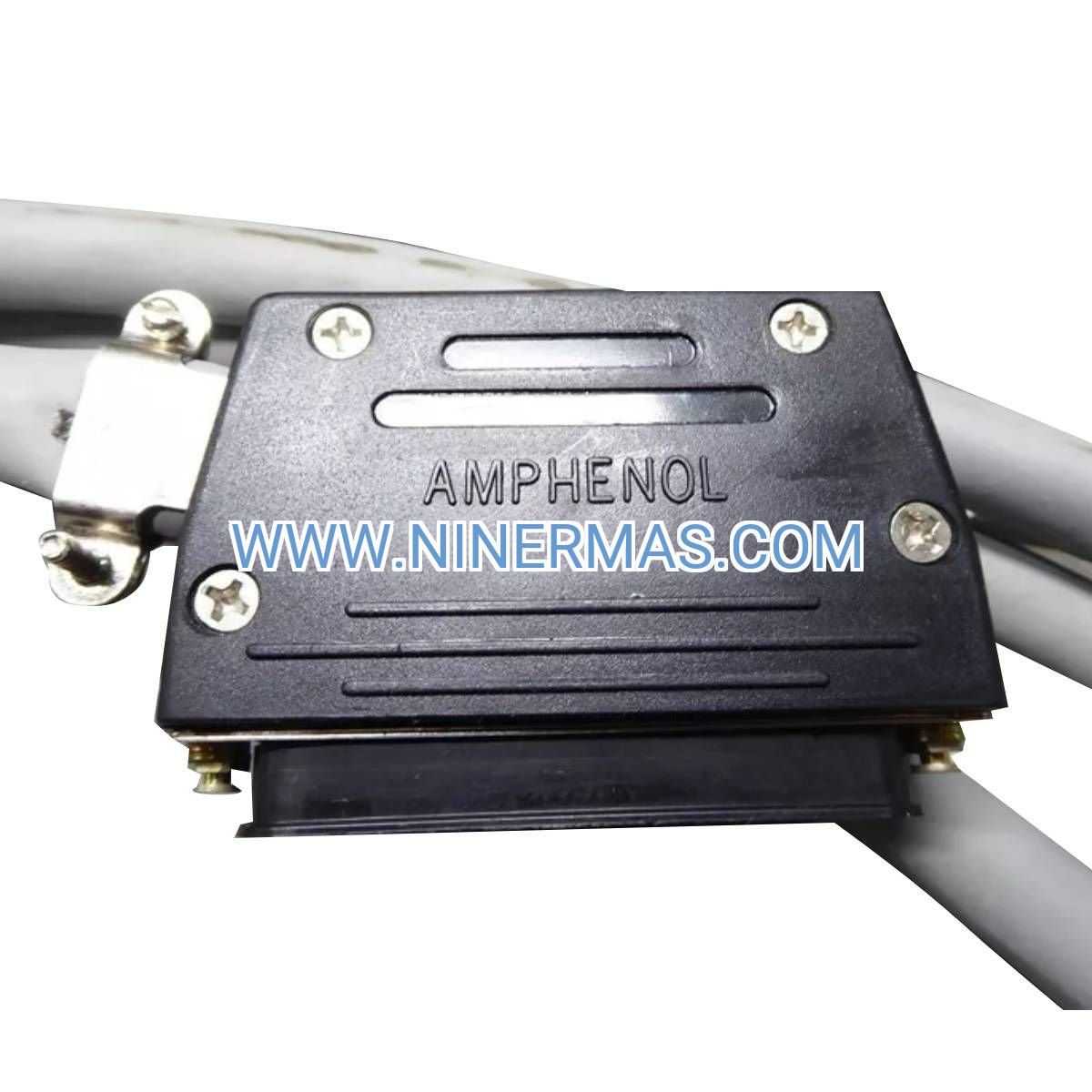
Description
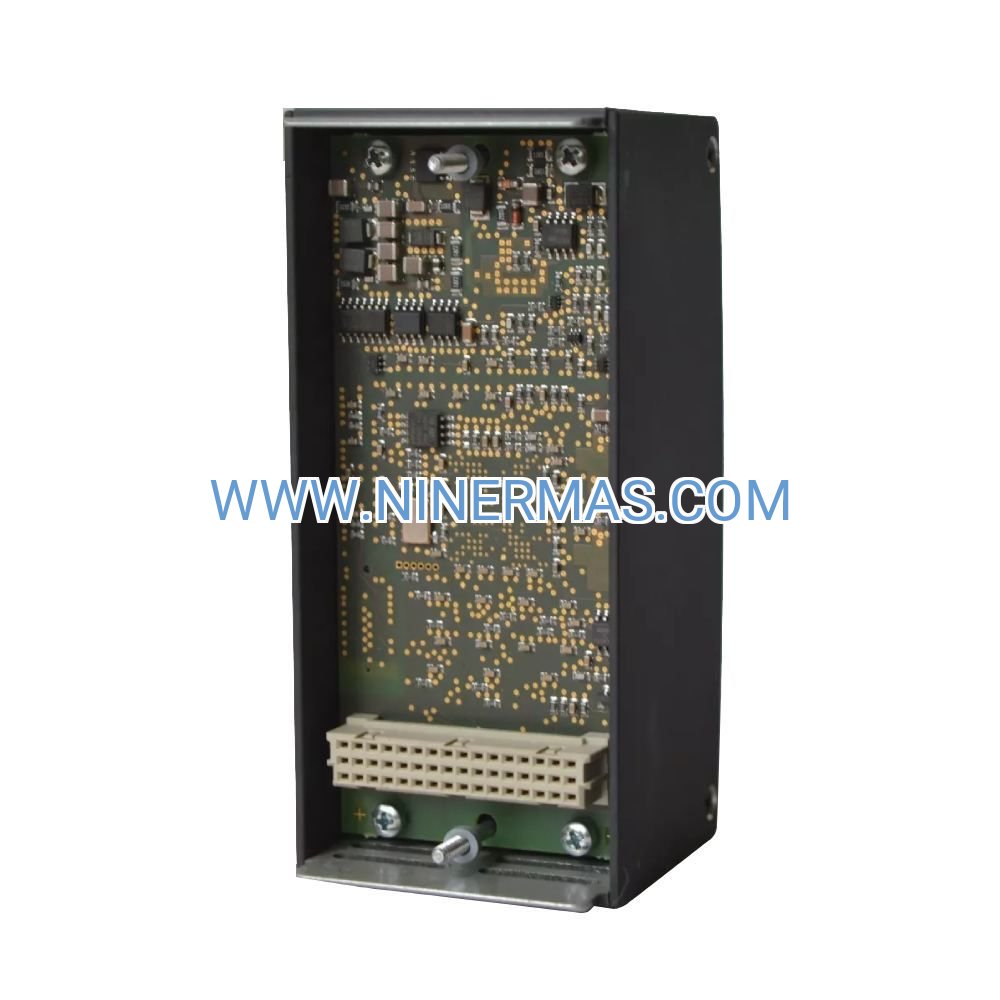
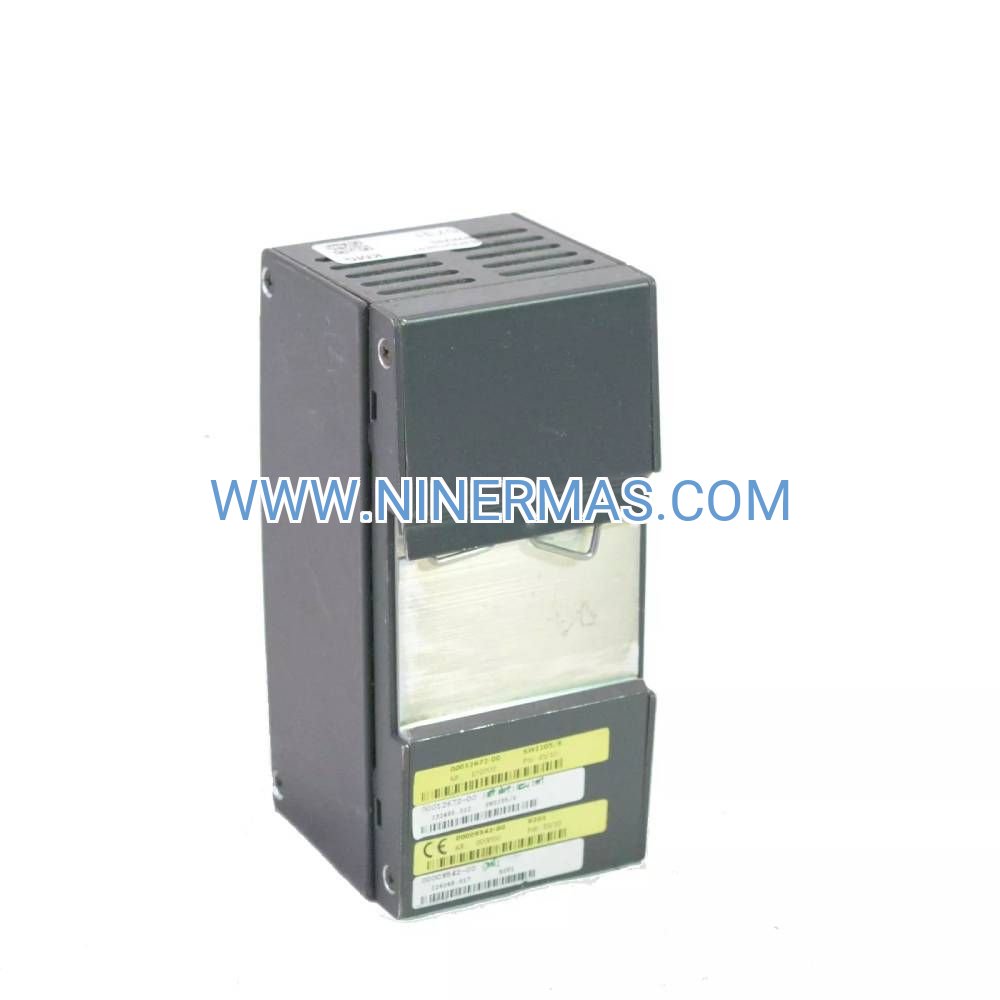
Woodward 5417-173 RTD Input Module (Industrial-Grade Multi-Point Temperature Acquisition)
The Woodward 5417-173 represents a specialized thermal measurement interface designed for distributed control architectures requiring simultaneous monitoring of multiple temperature zones. This 8-channel RTD acquisition module transforms resistance-based sensor signals into precision digital data streams, enabling real-time thermal profiling across turbomachinery, rotating equipment, and process-critical installations where temperature deviation directly impacts operational safety and efficiency.
Engineered for integration within MicroNet and MicroNet Plus control ecosystems, the 5417-173 addresses the challenge of maintaining thermal awareness across geographically dispersed measurement points in power generation, oil & gas, and heavy industrial environments. Its multi-wire RTD compatibility and channel-level isolation deliver measurement integrity even in electrically hostile installations where electromagnetic interference and ground potential differences compromise conventional analog inputs.
Organizations deploying this module gain deterministic temperature data for protective algorithms, predictive maintenance analytics, and process optimization routines—transforming raw thermal measurements into actionable intelligence that prevents catastrophic failures, extends asset lifecycles, and maintains regulatory compliance in safety-instrumented systems.
Core Capabilities & Technical Advantages
→ Eight Independent RTD Channels
Simultaneous acquisition from eight discrete temperature measurement points eliminates sequential scanning delays, providing synchronized thermal snapshots critical for differential temperature analysis, thermal gradient monitoring, and multi-zone process control applications.
✓ Universal RTD Sensor Compatibility
Native support for Pt100, Pt1000, and Ni100 sensor types across 2-wire, 3-wire, and 4-wire configurations enables standardization on a single module platform while accommodating legacy sensor infrastructure and optimizing measurement accuracy through lead-wire resistance compensation in 3-wire and 4-wire topologies.
✓ High-Resolution Thermal Measurement
0.01°C resolution with ±0.1°C typical accuracy at reference conditions delivers the measurement fidelity required for tight process control, early fault detection through subtle temperature trend analysis, and compliance with stringent thermal tolerance specifications in pharmaceutical, semiconductor, and aerospace applications.
✓ Extended Temperature Measurement Range
-200°C to +850°C (-328°F to +1562°F) operational span accommodates cryogenic processes, ambient monitoring, and high-temperature turbine exhaust applications within a single module specification, reducing inventory complexity and simplifying spare parts management.
✓ Electrical Isolation Architecture
Channel-to-channel and channel-to-ground galvanic isolation prevents ground loop formation, rejects common-mode noise, and protects measurement integrity in installations with distributed grounding systems or high-voltage proximity—essential for accurate readings in motor control centers, switchgear environments, and electrically noisy industrial settings.
✓ Configurable Sampling Dynamics
Adjustable acquisition rates up to 10 samples per second per channel enable optimization between measurement responsiveness and data processing overhead, supporting both fast-response protective functions and slower-moving process trend analysis within the same hardware platform.
Industrial Application Scenarios
Turbomachinery Thermal Protection
In gas turbine and steam turbine installations, the 5417-173 continuously monitors bearing metal temperatures, thrust bearing conditions, and critical component thermal states. Early detection of bearing temperature rise—often the first indicator of lubrication failure or mechanical degradation—enables automated load reduction or controlled shutdown sequences that prevent catastrophic bearing seizure, rotor damage, and extended outage durations. The module's high accuracy supports tight alarm setpoints that maximize operational availability while maintaining protective margins.
Generator Condition Monitoring
Electric generator applications leverage the module's multi-channel capability for comprehensive stator winding temperature profiling, bearing surveillance across drive-end and non-drive-end positions, and cooling system performance verification. Thermal imbalance detection between winding phases indicates developing insulation failures or cooling blockages, while bearing temperature trending supports predictive maintenance strategies that schedule interventions during planned outages rather than forced shutdowns.
Process Reactor Temperature Profiling
Chemical and petrochemical reactor control systems utilize the 5417-173 for multi-zone temperature mapping within reaction vessels, enabling precise control of exothermic reactions, polymerization processes, and catalyst bed temperatures. Simultaneous measurement of inlet, mid-bed, and outlet temperatures provides the thermal gradient data required for reaction optimization, yield maximization, and prevention of thermal runaway conditions in batch and continuous processes.
Heat Exchanger Performance Monitoring
Industrial heat recovery systems and process heat exchangers benefit from inlet/outlet temperature differential measurement across both process and utility sides. The module's synchronized sampling enables accurate heat transfer efficiency calculations, fouling detection through degrading thermal performance trends, and automated cleaning cycle initiation based on quantified efficiency degradation rather than fixed time intervals.
Thermal Process Optimization
Manufacturing processes in food processing, pharmaceutical production, and materials treatment industries require precise thermal profiling for quality assurance and regulatory compliance. The 5417-173 provides the validated temperature data required for batch record documentation, process validation protocols, and continuous verification of critical control points in HACCP and GMP-regulated operations.
Technical Specifications & Selection Criteria
| Parameter | Specification | Application Relevance |
|---|---|---|
| Model Designation | 5417-173 | Woodward MicroNet RTD input module |
| Input Channels | 8 independent RTD inputs | Multi-point thermal monitoring |
| Sensor Types | Pt100, Pt1000, Ni100 | Universal RTD compatibility |
| Wiring Configurations | 2-wire, 3-wire, 4-wire | Accuracy optimization options |
| Measurement Range | -200°C to +850°C | Cryogenic to high-temperature applications |
| Accuracy | ±0.1°C @ 0°C (typical) | Precision process control |
| Resolution | 0.01°C | Trend analysis and early fault detection |
| Sampling Rate | Up to 10 Hz per channel | Fast protective response capability |
| Isolation | Channel-to-channel & channel-to-ground | Noise immunity in industrial environments |
| Operating Temperature | -40°C to +70°C | Harsh environment suitability |
| System Compatibility | MicroNet, MicroNet Plus | Distributed control integration |
| Mounting | Standard MicroNet chassis | Modular system expansion |
Selection Guidance: Choose 3-wire or 4-wire RTD connections for applications requiring maximum accuracy or installations with long sensor cable runs where lead resistance becomes significant. 2-wire configurations are acceptable for less critical measurements or short cable distances. Configure sampling rates based on process dynamics—fast protective functions benefit from 10 Hz acquisition, while slow thermal processes may use 1 Hz or lower to reduce data processing overhead. Verify that your MicroNet controller has available chassis slots and sufficient I/O processing capacity before ordering.
Advanced Integration Features
Hot-Swap Serviceability
Field-replaceable design enables module extraction and installation during system operation without disrupting other control functions, minimizing maintenance downtime and supporting continuous process operations in 24/7 industrial environments.
Comprehensive Diagnostics
Built-in health monitoring detects open-circuit conditions (sensor disconnection), short-circuit faults, out-of-range resistance values indicating sensor degradation, and internal module malfunctions. Diagnostic status integrates with MicroNet alarm management for centralized fault notification and automated maintenance work order generation.
Software-Based Configuration
MicroNet Toolbox software provides intuitive setup interfaces for sensor type selection, wiring configuration, engineering unit conversion, alarm setpoint definition, and channel-specific filtering parameters. Configuration data stores in non-volatile memory, enabling rapid module replacement without manual recalibration.
Deterministic Data Delivery
Integration with MicroNet's deterministic communication architecture ensures predictable, jitter-free temperature data delivery to control algorithms, supporting time-critical protective functions and synchronized multi-variable control strategies.
Delivery Timeline & Service Commitment
Standard Delivery: 3-5 business days for in-stock modules with factory configuration
Custom Configuration: 7-10 business days for application-specific sensor calibration or extended testing
Warranty Coverage: 12-month comprehensive warranty covering manufacturing defects, component failures, and workmanship issues
Technical Support: Application engineering assistance for sensor selection, wiring design, configuration optimization, and troubleshooting
Documentation Package: Installation manual, configuration guide, wiring diagrams, and dimensional drawings included with every module
Frequently Asked Questions
What RTD sensor wiring method provides the best accuracy for long cable runs?
4-wire RTD connections deliver superior accuracy by completely eliminating lead wire resistance effects. 3-wire configurations provide excellent accuracy for most industrial applications at lower wiring cost. Reserve 2-wire connections for short cable runs (under 10 meters) or non-critical measurements where ±0.5°C additional error is acceptable.
Can I configure different RTD types on separate channels within the same module?
Yes, each of the eight channels supports independent configuration for sensor type (Pt100/Pt1000/Ni100) and wiring method (2/3/4-wire). This flexibility enables mixed sensor infrastructure consolidation on a single module platform, reducing spare parts inventory and simplifying system architecture.
How does the module indicate sensor failures or wiring problems?
The 5417-173 continuously monitors each channel for open circuits (broken wires or disconnected sensors), short circuits (damaged insulation), and out-of-range resistance values (sensor degradation or incorrect type selection). Fault conditions generate channel-specific diagnostic codes accessible through MicroNet Toolbox and trigger configurable alarms in the control system.
Is this module suitable for safety-instrumented system (SIS) applications?
While the 5417-173 provides reliable temperature measurement for control and monitoring, it is not certified for use in safety-instrumented systems requiring IEC 61508 SIL ratings. Safety-critical temperature monitoring should implement redundant measurement strategies using SIL-rated hardware and integrate with certified safety logic solvers.
What is the maximum cable distance between RTD sensors and the module?
Maximum cable distance depends on wiring configuration and required accuracy. 4-wire connections support cable runs exceeding 1000 meters with negligible accuracy degradation. 3-wire configurations typically limit to 300-500 meters. 2-wire connections should remain under 100 meters to maintain acceptable accuracy. Use shielded twisted-pair cable in all installations to minimize electromagnetic interference.
Does the module require external signal conditioning or barriers?
No external signal conditioning is required for standard RTD sensors. The module provides integrated excitation current, precision measurement circuitry, and linearization algorithms. Installations in hazardous areas classified for explosive atmospheres may require intrinsically safe barriers or explosion-proof enclosures depending on area classification and local electrical codes.
Take the Next Step
Enhance your thermal monitoring infrastructure with proven Woodward technology. Contact our application engineering team for sensor selection guidance, system integration support, or technical specifications tailored to your specific process requirements. Request a detailed quotation or schedule a consultation to discuss how the 5417-173 RTD input module can improve your temperature measurement accuracy and control system reliability.
© 2026 NINERMAS COMPANY LIMITED. All rights reserved.
Original Source: https://ninermas.com
Contact: sale@ninermas.com | +0086 187 5021 5667
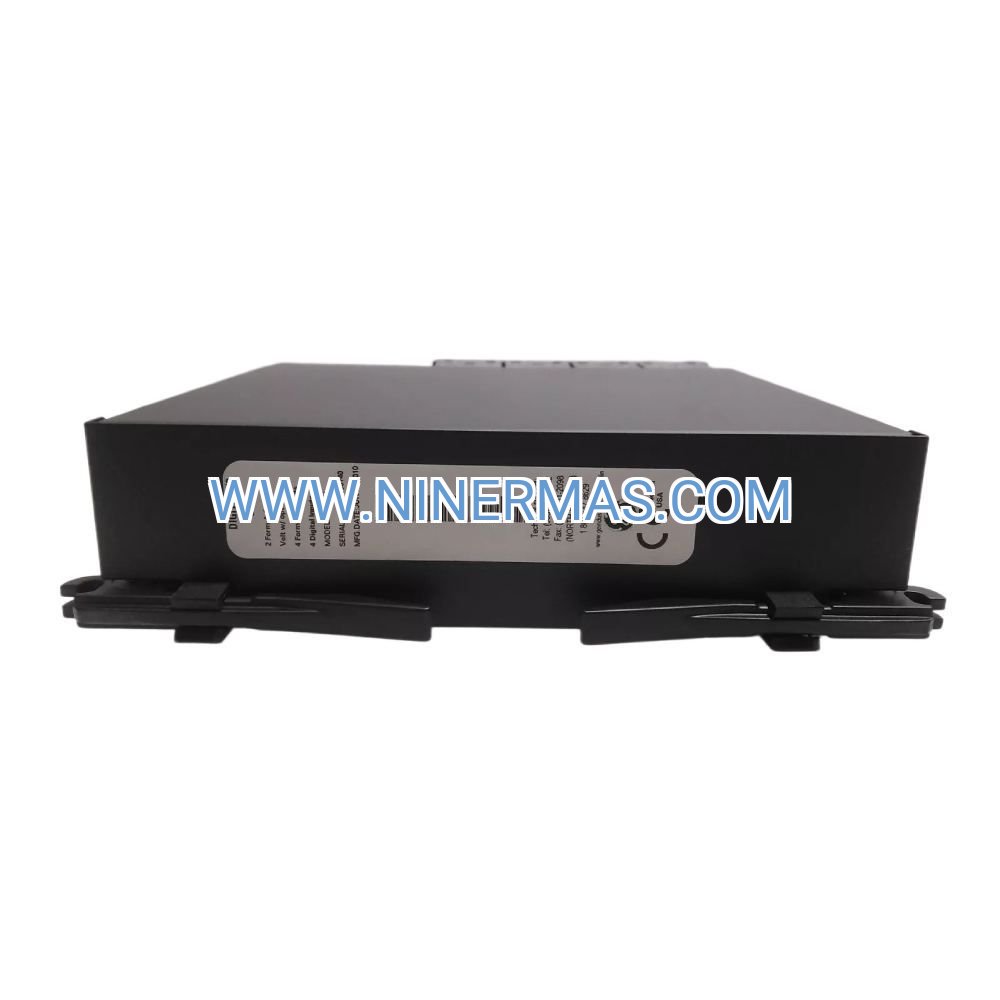

Contact Info
-
Address:22 / F, South Wo Hang building, 148 Wing Lok Street, Sheung Wan, Western District, Hong Kong
-
Phone:+8618750215667
-
Email: