


Description
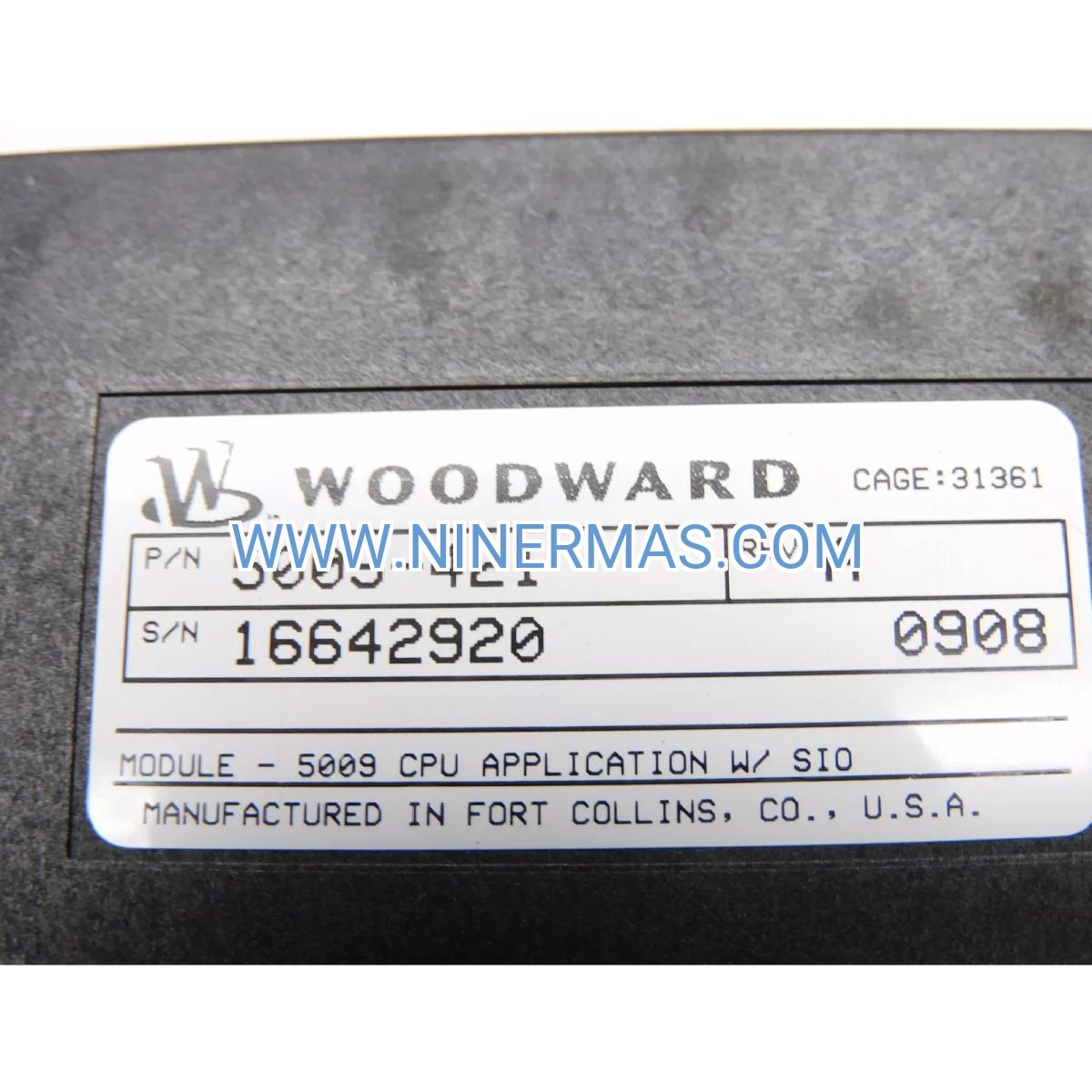
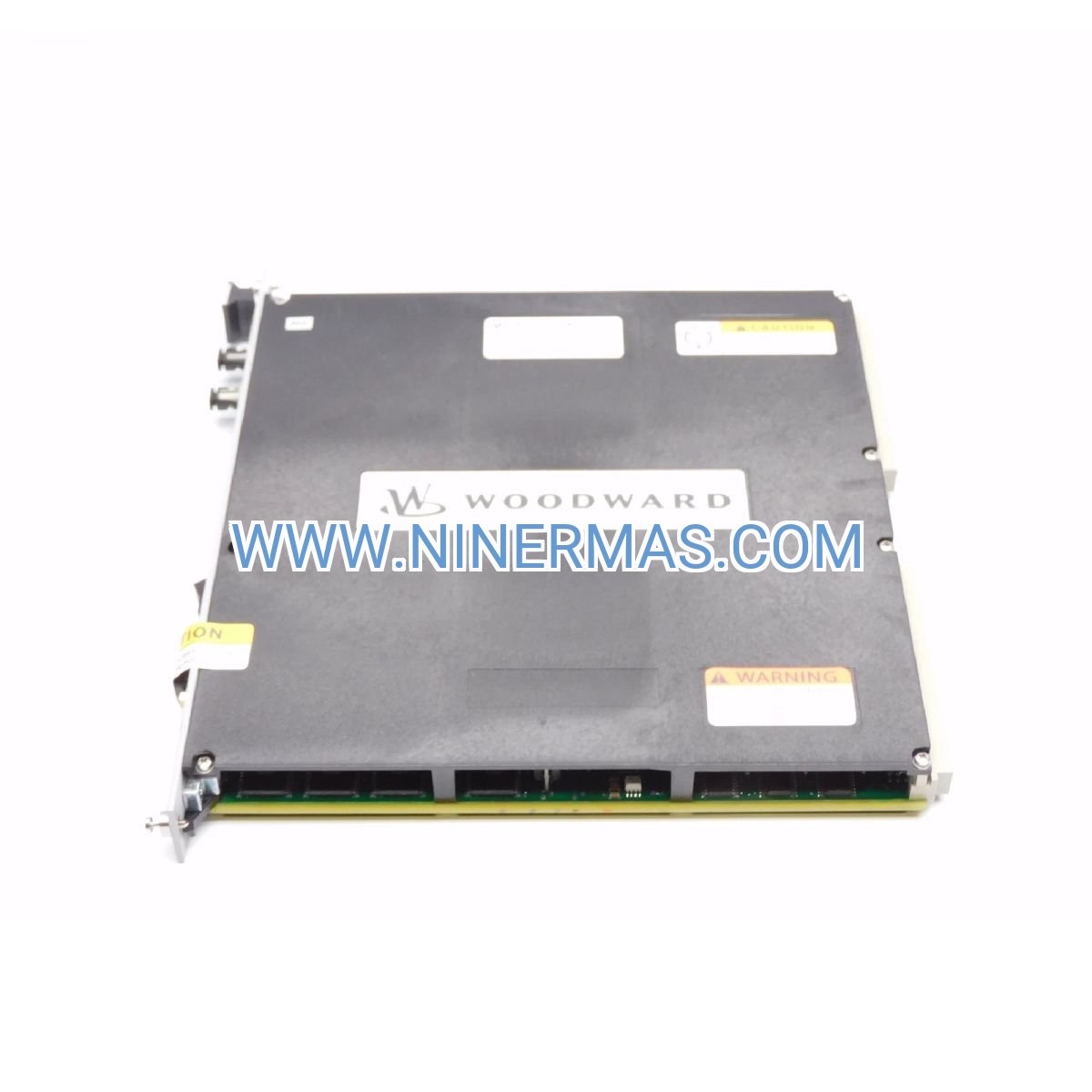
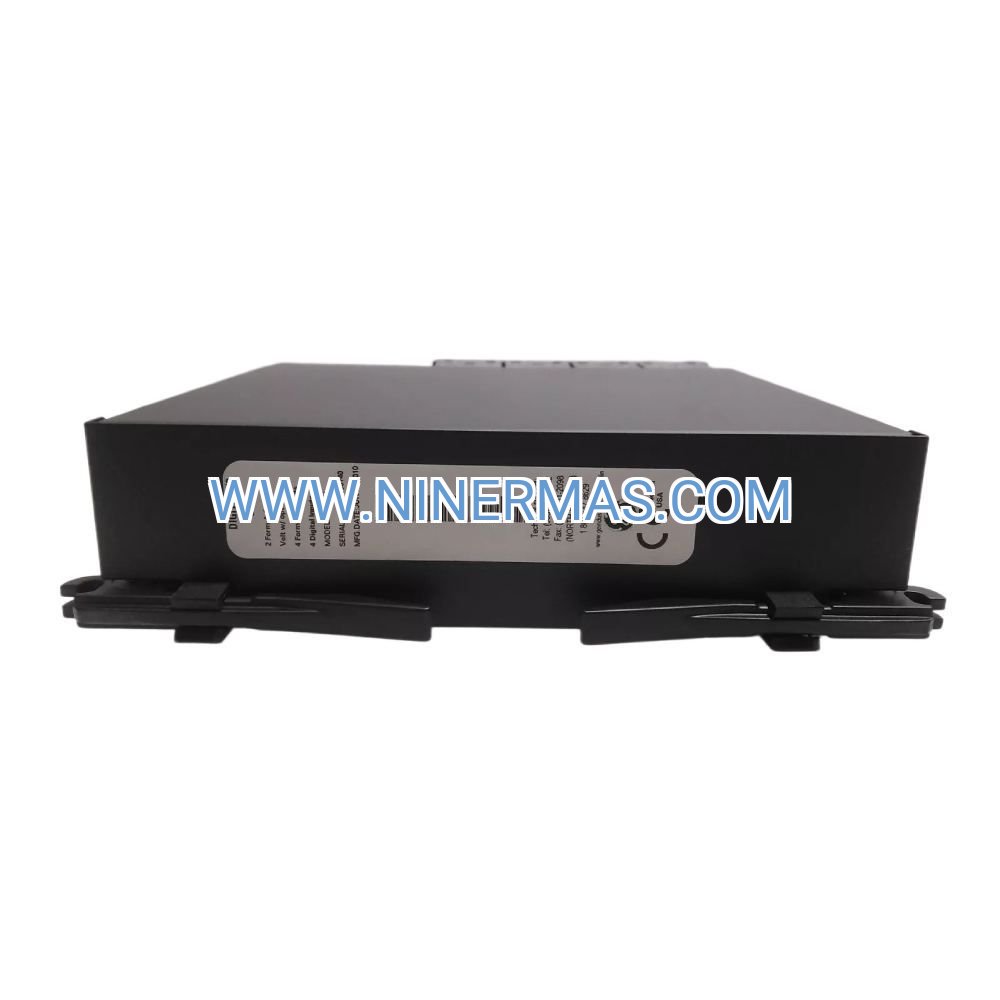
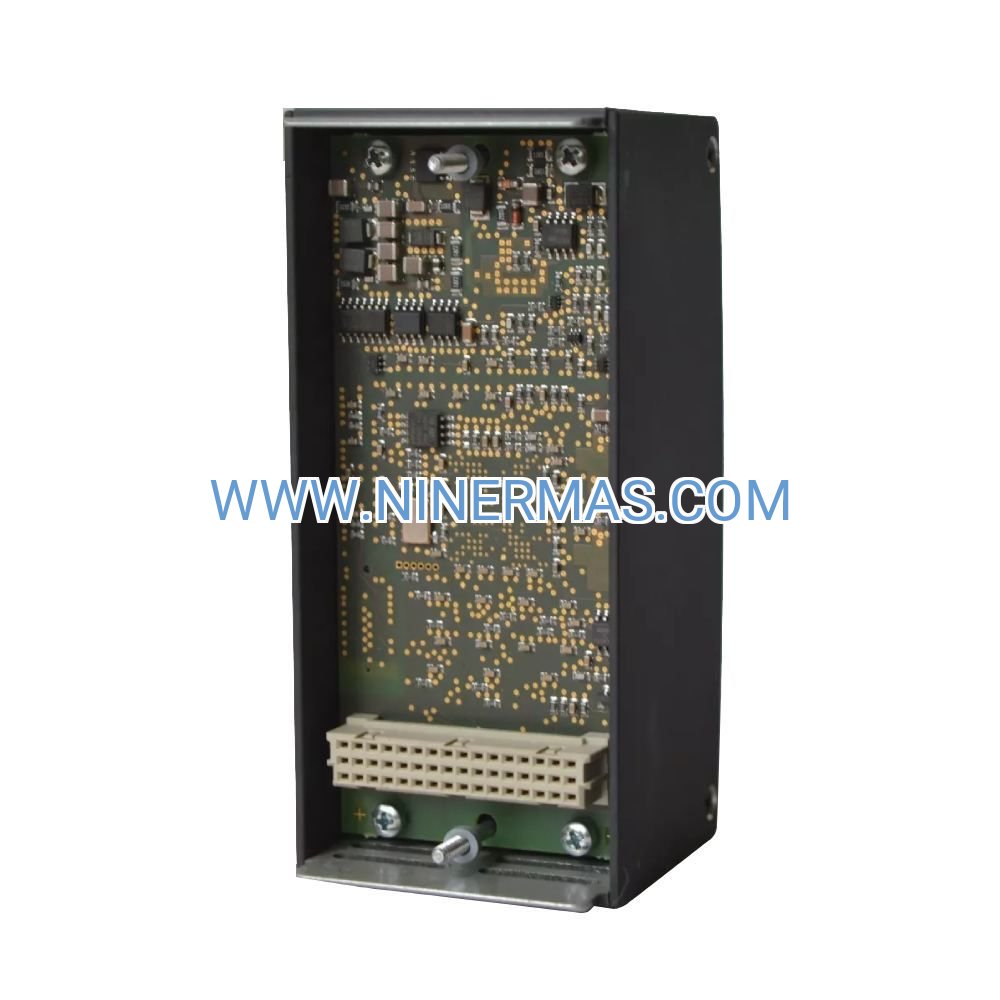
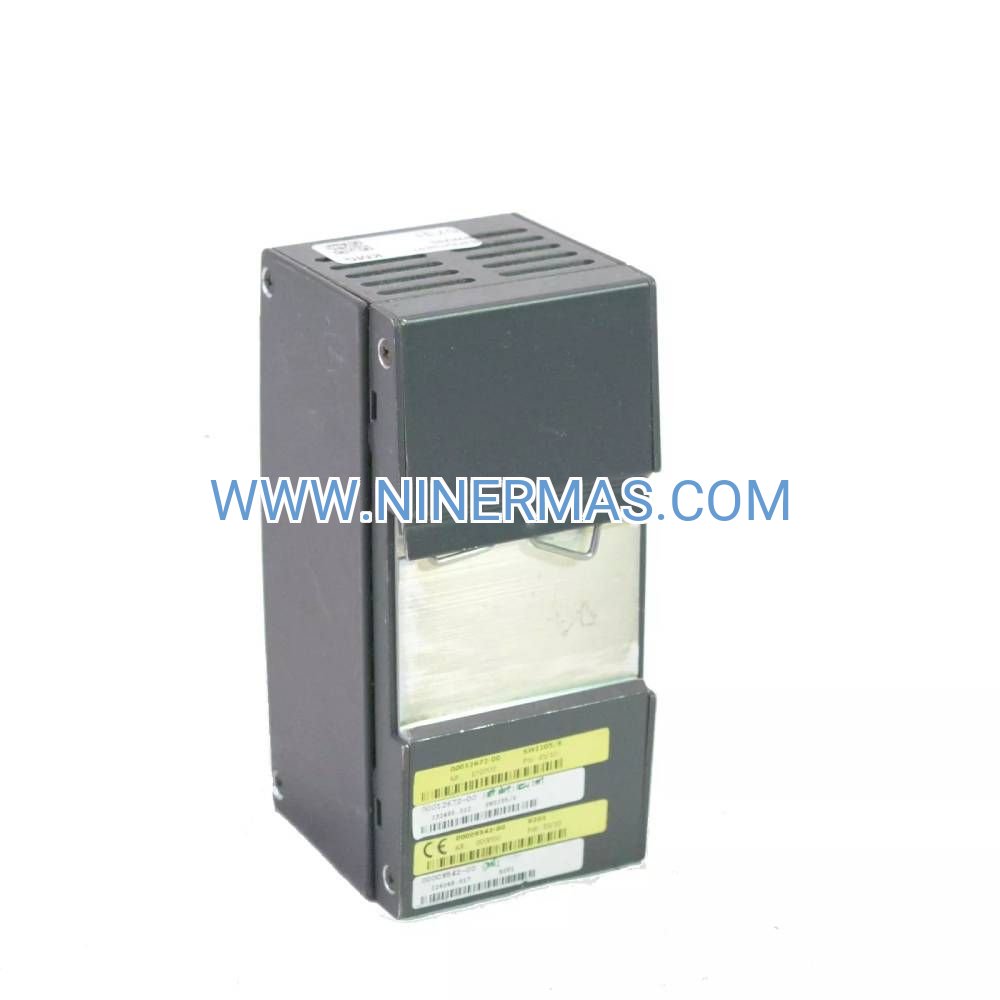
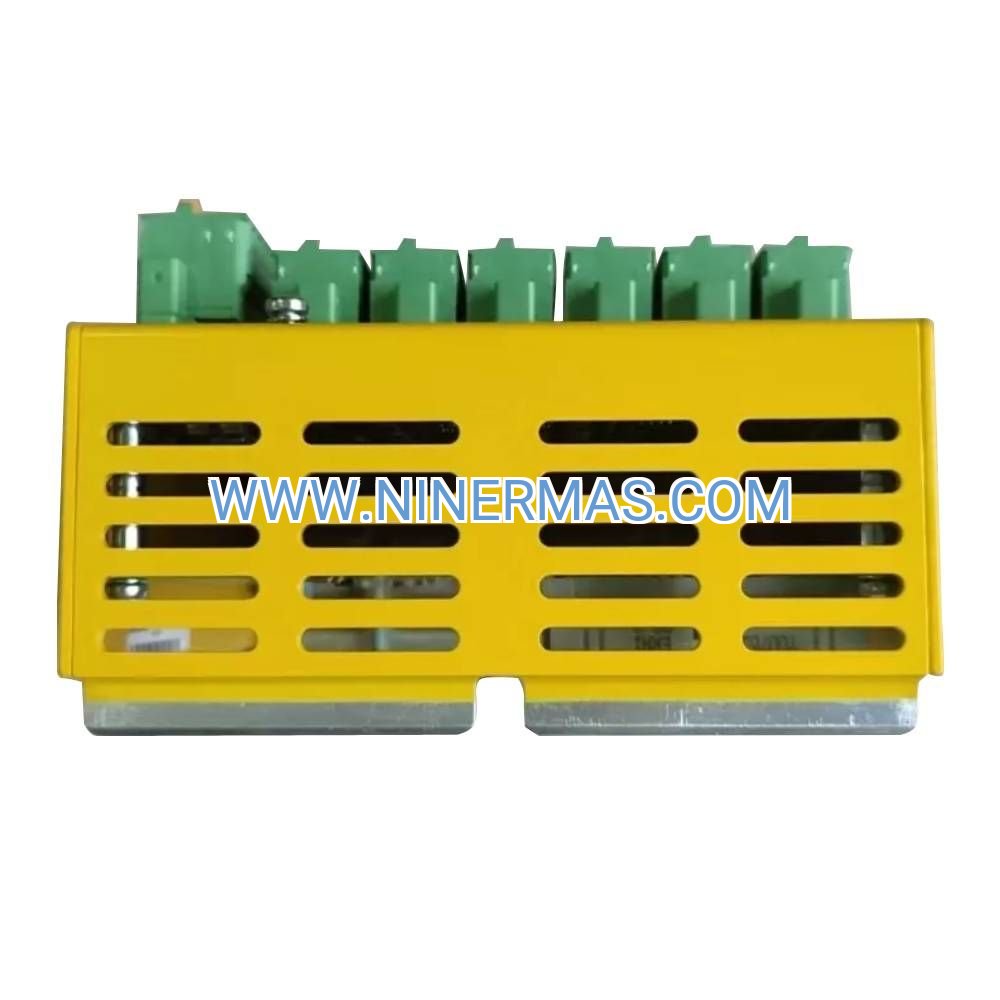
Woodward 5009-421 Steam Turbine Governor (Industrial-Grade Precision Control)
The Woodward 5009-421 is a microprocessor-based digital governor designed to deliver fail-safe speed and load regulation for steam turbines in power generation, petrochemical processing, and heavy industrial applications. Built on proven control algorithms and ruggedized hardware, this system ensures operational continuity in environments where turbine stability directly impacts production uptime and grid reliability.
Engineered for facilities requiring 24/7 turbine operation, the 5009-421 addresses critical challenges: overspeed protection during load rejection, precise synchronization for parallel operation, and adaptive control under varying steam conditions. Plant operators gain real-time visibility into turbine performance while minimizing manual intervention through automated load-following and startup sequencing.
Whether retrofitting legacy mechanical governors or specifying new turbine installations, this digital platform provides the control accuracy and diagnostic depth demanded by modern industrial operations. Factory-configured for rapid commissioning, the system integrates seamlessly with existing DCS infrastructure and SCADA networks.
Core Capabilities & Performance Advantages
✓ Microprocessor-Based Control Architecture
Dual-processor design with watchdog monitoring ensures continuous operation even during component degradation. Self-diagnostic routines detect sensor drift and actuator faults before they impact turbine performance.
✓ Multi-Mode Operation Flexibility
Seamless transitions between speed control, load control, and pressure control modes without process interruption. Configurable droop settings enable load sharing across multiple turbine-generator sets.
✓ Advanced Overspeed Protection
Triple-redundant speed sensing with independent overspeed trip logic responds within 10 milliseconds to load loss events, protecting turbine blading and connected equipment from catastrophic failure.
✓ Integrated Communication Protocols
Modbus RTU and analog I/O interfaces provide bidirectional data exchange with plant control systems. Remote parameter adjustment and trending reduce the need for on-site technician visits.
✓ Environmental Hardening
Operates reliably in -40°C to +70°C ambient temperatures with conformal-coated electronics resistant to moisture, vibration, and electromagnetic interference common in turbine halls.
✓ Simplified Maintenance Protocols
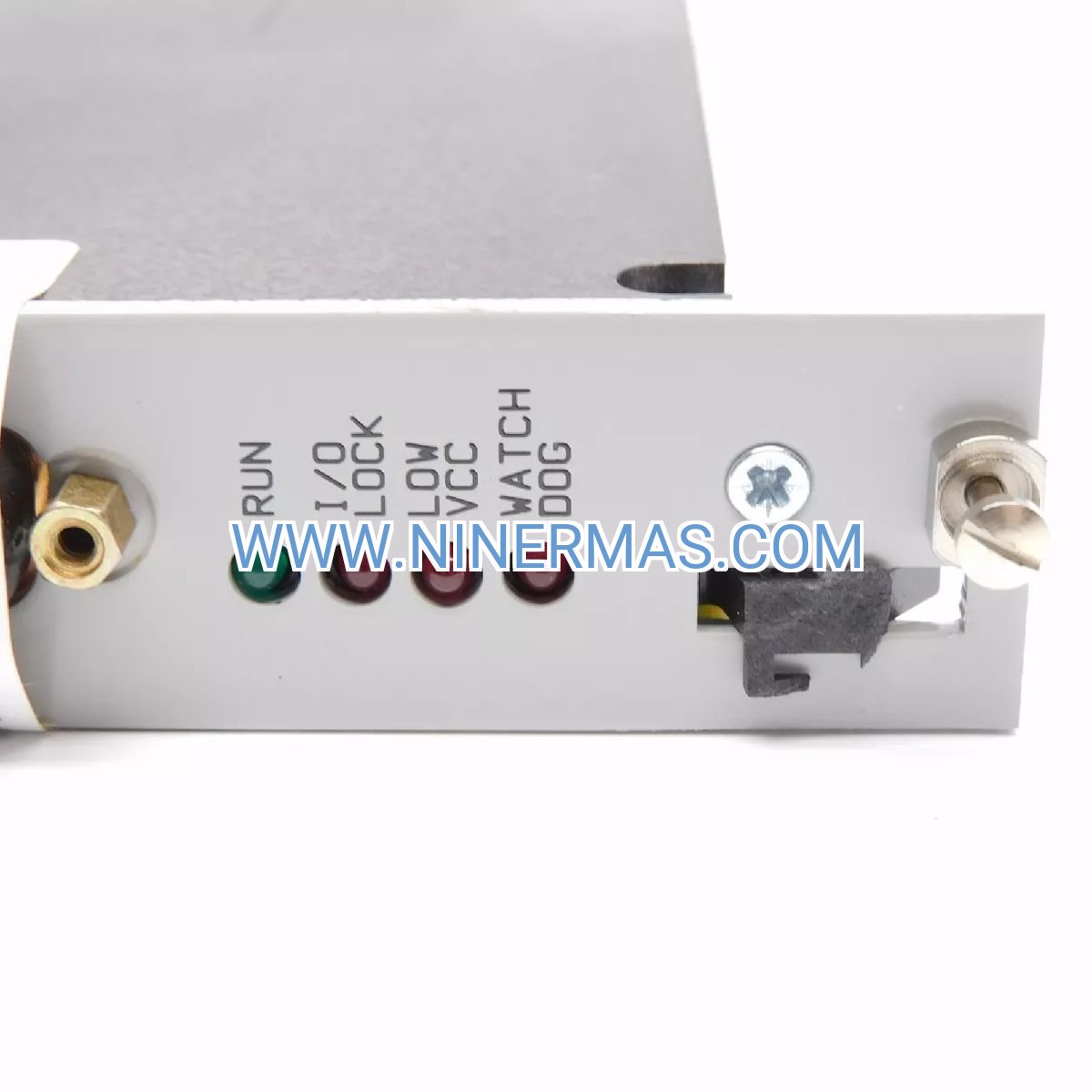
Modular component design allows field replacement of I/O cards and power supplies without system shutdown. LED diagnostic indicators accelerate troubleshooting during commissioning and routine inspections.
Industry Applications & Problem-Solving Scenarios
→ Utility-Scale Power Generation
Maintain grid frequency within ±0.1 Hz during load swings and generator synchronization events. The 5009-421's isochronous control mode ensures stable operation whether operating as a grid-connected unit or in island mode during black-start procedures.
→ Cogeneration & Combined Heat-Power Plants
Balance electrical output and process steam extraction through coordinated control of admission and extraction valves. Automatic load-following algorithms adjust turbine output to match facility thermal and electrical demands without operator intervention.
→ Petrochemical Mechanical Drives
Regulate turbines powering centrifugal compressors in ethylene crackers, LNG liquefaction trains, and refinery fluid catalytic cracking units. Precise speed control maintains compressor surge margins while optimizing process efficiency.
→ Pulp & Paper Mill Steam Systems
Control back-pressure turbines driving paper machine sections and digesters where steam pressure variations directly affect product quality. The governor's pressure control mode stabilizes header pressure during production rate changes.
→ Marine Propulsion & Auxiliary Power
Provide reliable speed regulation for ship propulsion turbines and emergency generator sets. Compact panel-mount configuration fits space-constrained engine rooms while meeting maritime vibration and EMC standards.
Technical Specifications & Selection Criteria
| Parameter | Specification |
|---|---|
| Model Designation | 5009-421 |
| Control Method | Digital PID with feedforward compensation |
| Speed Sensing | Magnetic pickup, proximity probe, or encoder input |
| Control Outputs | 4-20 mA analog, PWM for electrohydraulic actuators |
| Power Requirements | 24 VDC ±20% (18-32 VDC operating range) |
| Operating Environment | -40°C to +70°C, 5-95% RH non-condensing |
| Communication Interfaces | Modbus RTU (RS-485), analog I/O, discrete I/O |
| Mounting Options | Panel cutout, DIN rail, or 19" rack mount |
| Certifications | CE, UL, CSA, ATEX (consult factory for specific approvals) |
Selection Guidelines: Verify turbine speed sensor compatibility (magnetic pickup requires 50-200 mVpp minimum signal). For applications requiring SIL-rated overspeed protection, specify redundant speed inputs and independent trip relay outputs. Consult Woodward application engineering for steam turbine ratings above 50 MW or extraction turbine configurations.
Extended Functionality & System Integration
Remote Monitoring & Diagnostics: Ethernet connectivity option enables integration with Woodward's GAP software suite for real-time parameter trending, alarm logging, and predictive maintenance analytics. Cloud-based dashboards provide multi-site visibility for fleet operators managing distributed generation assets.
Custom Control Strategies: Factory programming services available for specialized applications including extraction turbine pressure control, combined-cycle coordination, and renewable energy grid stabilization. User-configurable logic blocks allow on-site customization without source code modification.
Actuator Compatibility: Direct interface to Woodward electrohydraulic actuators (ProAct series) and third-party servo valves. Configurable output scaling accommodates 0-10 VDC, 4-20 mA, and PWM signal formats without external signal conditioning.
Delivery Timeline & Service Commitments
Standard Lead Time: 4-6 weeks for factory-configured units with standard I/O arrangements. Expedited 2-week delivery available for critical outage support (subject to component availability).
Custom Configurations: 8-10 weeks for systems requiring application-specific programming, extended I/O, or special environmental ratings. Factory acceptance testing (FAT) included for all custom builds.
Warranty Coverage: 12-month comprehensive warranty covering materials, workmanship, and firmware defects. Extended warranty programs available for up to 5 years with annual health checks.
Technical Support: 24/7 global support hotline staffed by Woodward-certified turbine control specialists. On-site commissioning assistance and operator training included with system purchase. Lifetime access to firmware updates and technical bulletins.
Documentation Package: Complete installation manual, wiring diagrams, configuration software, and spare parts catalog provided in digital format. Site-specific control narratives and loop drawings available upon request.
Frequently Asked Questions
How does the 5009-421 integrate with existing DCS systems in power plants?
The governor communicates via Modbus RTU protocol, providing real-time data exchange with ABB, Emerson, Honeywell, and Siemens DCS platforms. Analog 4-20 mA signals offer redundant control paths for critical parameters. Pre-configured Modbus register maps accelerate integration during plant upgrades.
What speed sensing technologies are compatible with this digital governor?
Supports magnetic pickups (passive), proximity probes (active), and incremental encoders. Dual-channel speed inputs enable voting logic for enhanced reliability. Consult installation manual for sensor mounting requirements and cable shielding specifications to minimize electrical noise interference.
Can this system replace mechanical-hydraulic governors on older steam turbines?
Yes, the 5009-421 is specifically designed for retrofit applications. Interfaces directly with existing electrohydraulic actuators or can be paired with new Woodward ProAct actuators for complete governor modernization. Retrofit kits include mounting brackets and pre-terminated wiring harnesses.
What energy efficiency improvements can be expected after upgrading to digital control?
Plants typically achieve 2-5% heat rate improvement through optimized valve sequencing and elimination of mechanical governor deadband. Precise load control reduces steam throttling losses, while automated startup sequences minimize fuel consumption during turbine warming periods.
How is overspeed protection verified during commissioning and routine testing?
Built-in test functions simulate overspeed conditions without actual turbine acceleration. Trip relay operation is verified through manual test buttons and automated self-test routines. Compliance with NFPA 85 and API 612 overspeed testing requirements is documented in commissioning reports.
What cybersecurity measures protect the governor from unauthorized access?
Password-protected configuration software with multi-level user permissions. Modbus communication supports encrypted tunneling when integrated with secure industrial networks. Firmware digitally signed to prevent unauthorized code modifications. Consult Woodward's ICS cybersecurity guidelines for defense-in-depth strategies.
Take the Next Step Toward Reliable Turbine Control
Contact our turbine control specialists to discuss your steam turbine application requirements. We provide technical consultations, system sizing assistance, and detailed quotations tailored to your facility's operational needs. Request a datasheet or schedule a virtual product demonstration to see the 5009-421 in action.
© 2026 NINERMAS COMPANY LIMITED. All rights reserved.
Original Source: https://ninermas.com
Contact: sale@ninermas.com | +0086 187 5021 5667

Contact Info
-
Address:22 / F, South Wo Hang building, 148 Wing Lok Street, Sheung Wan, Western District, Hong Kong
-
Phone:+8618750215667
-
Email:
