Description
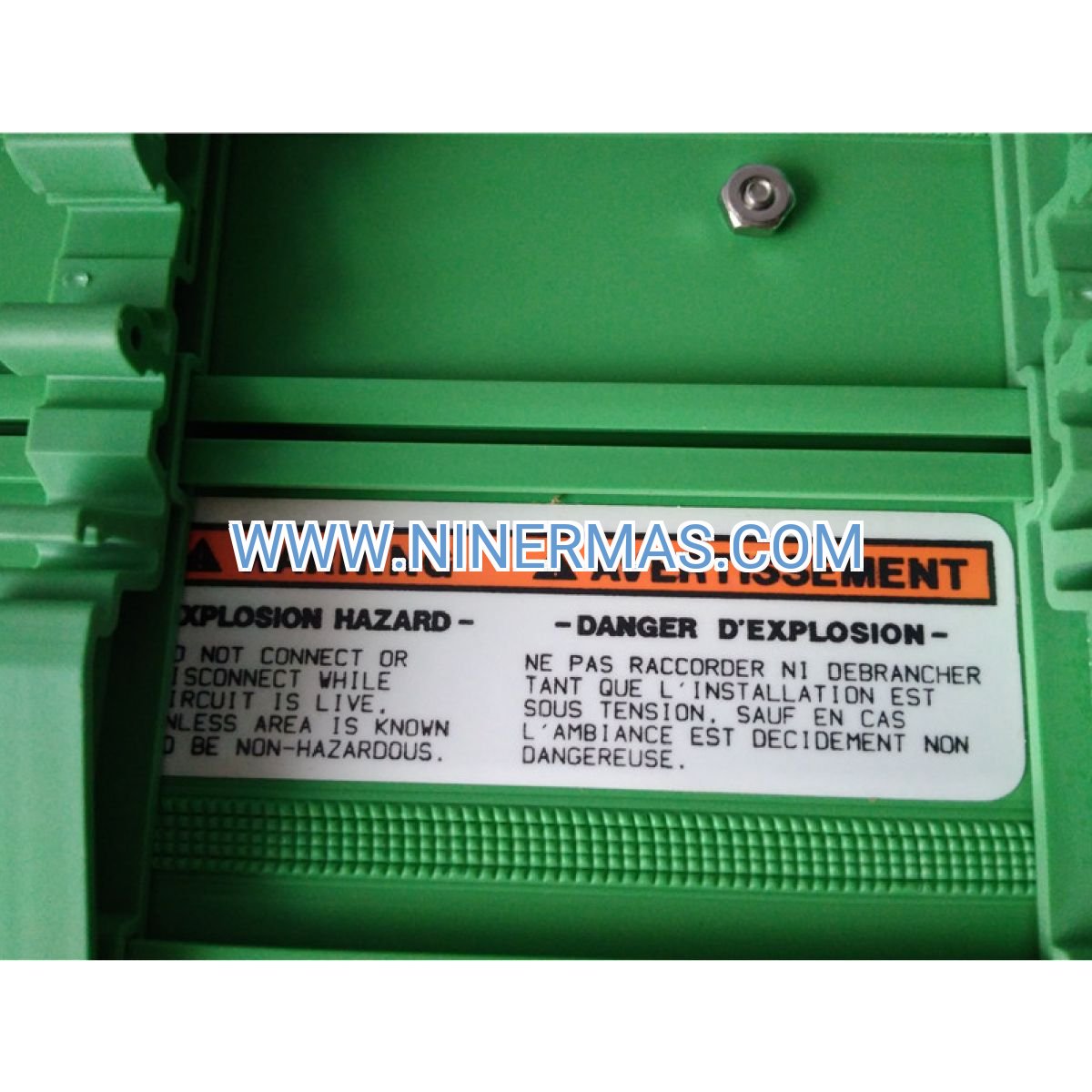
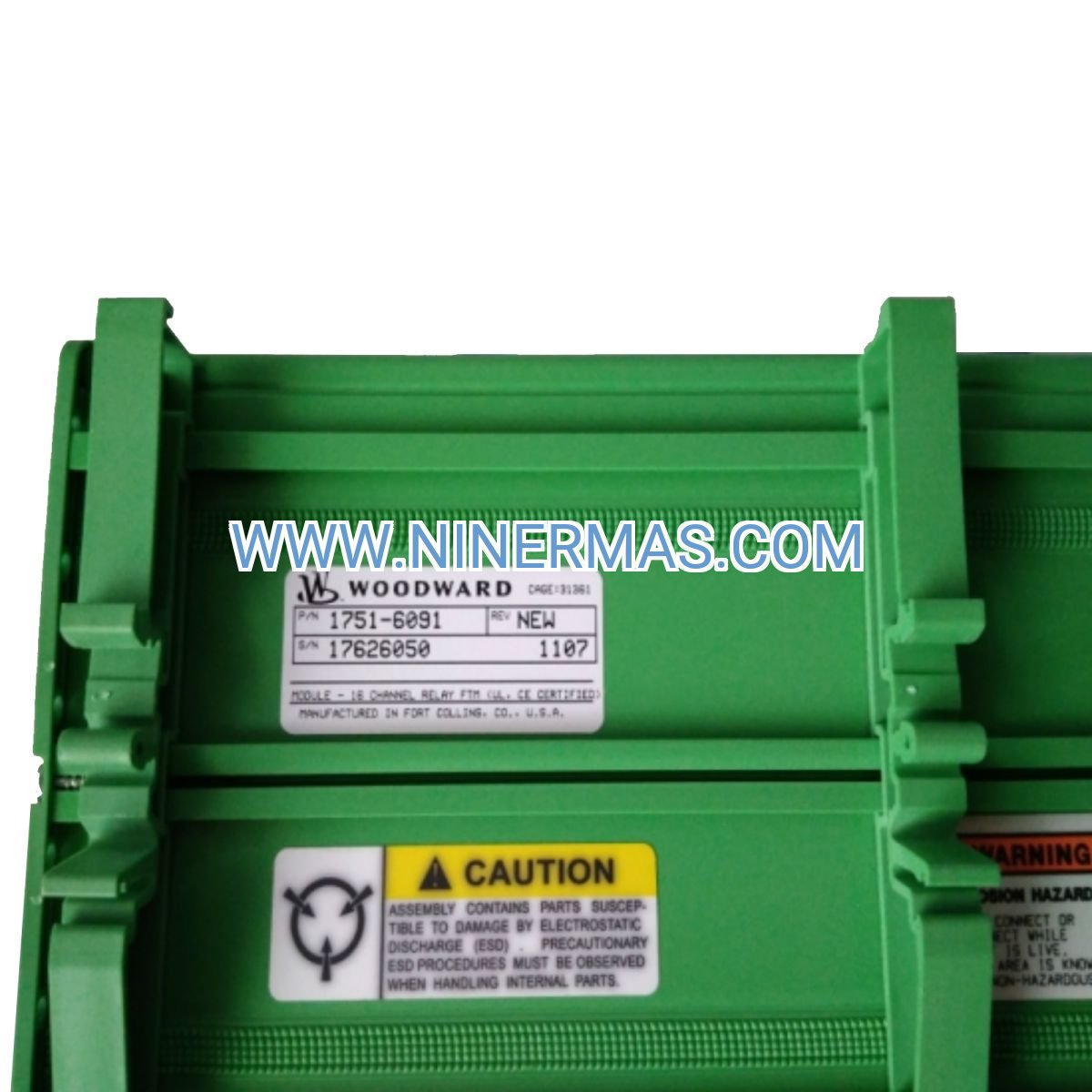
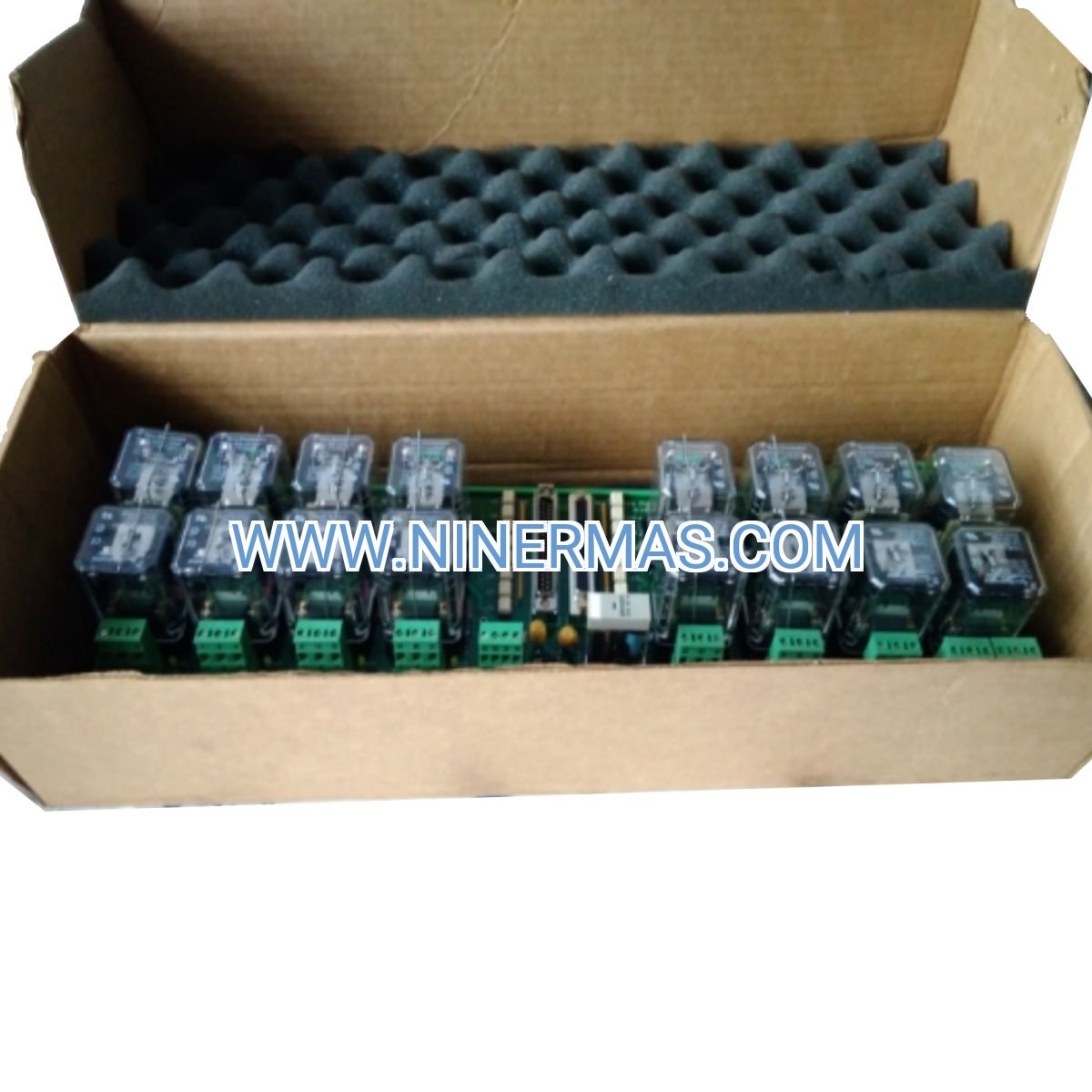
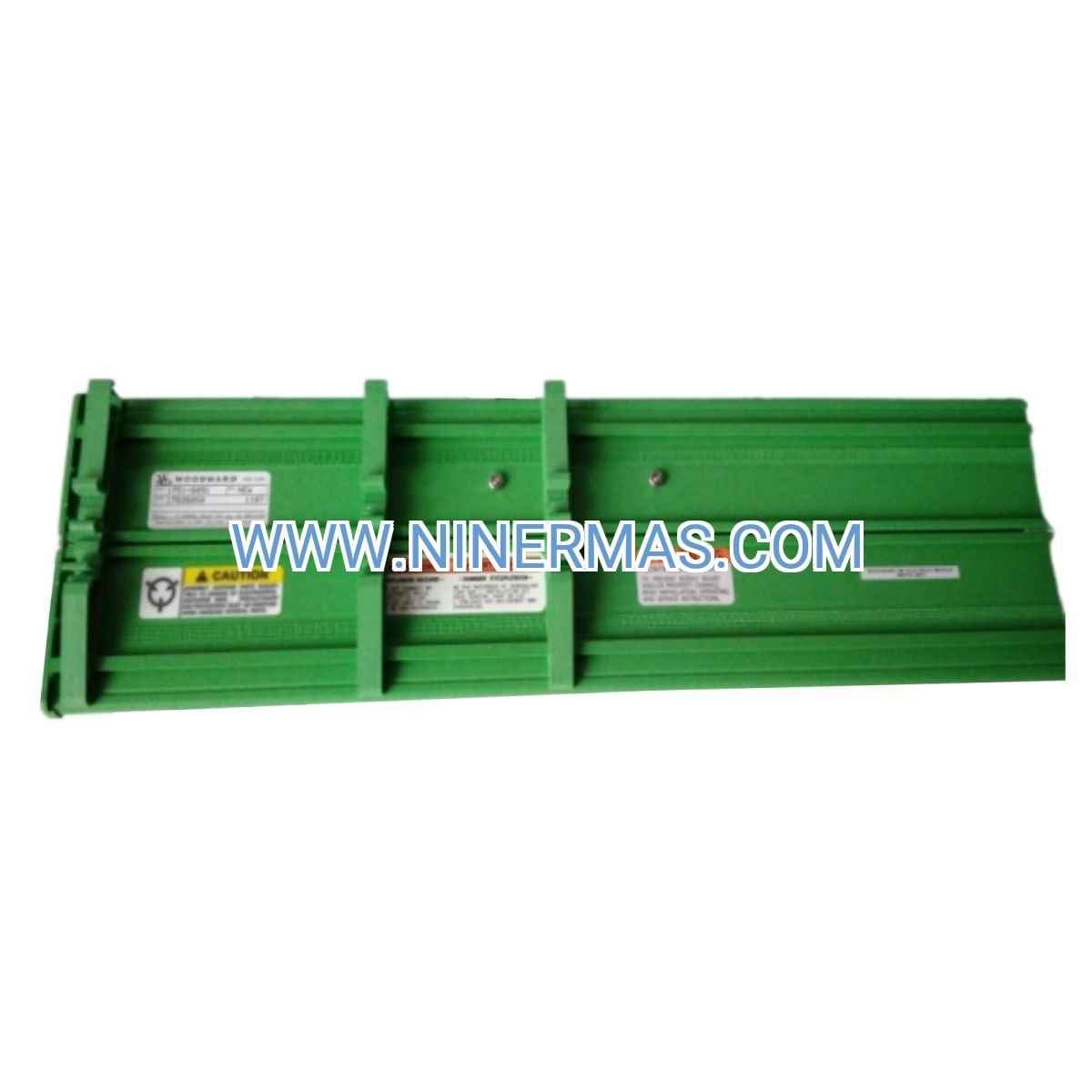
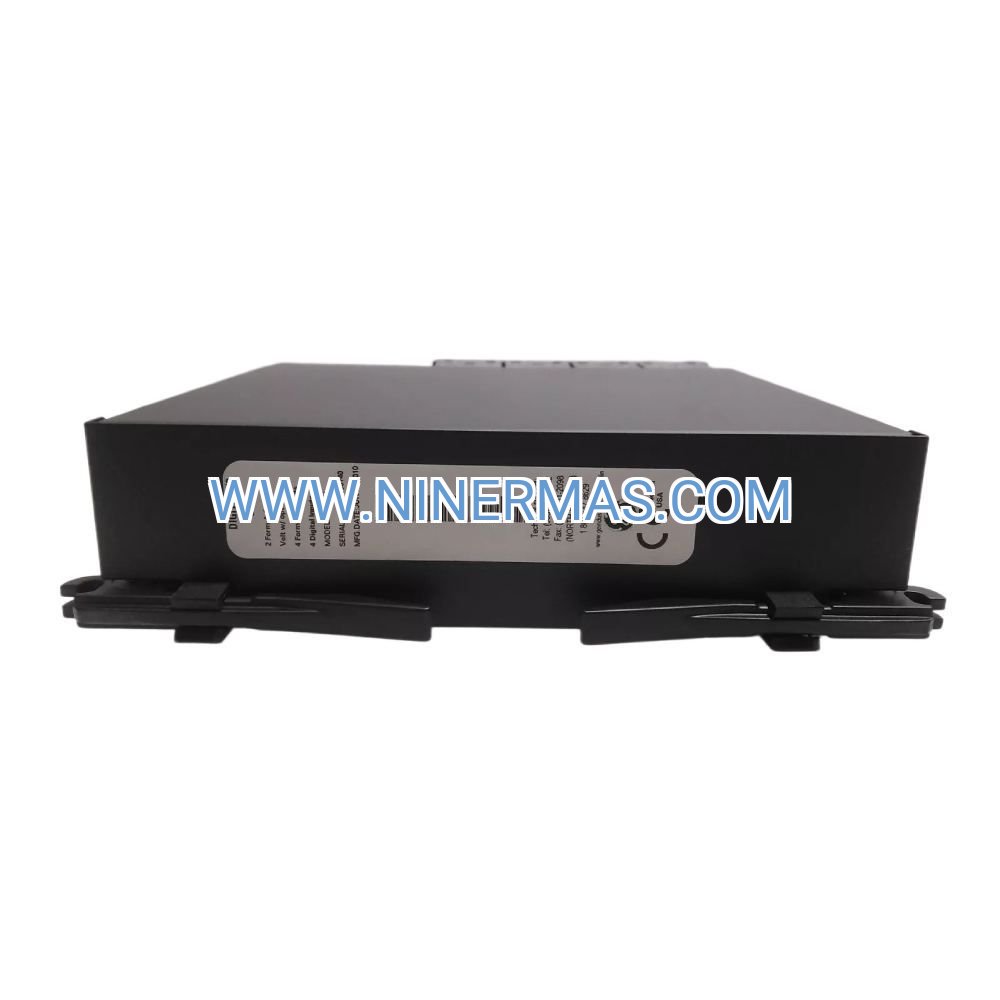
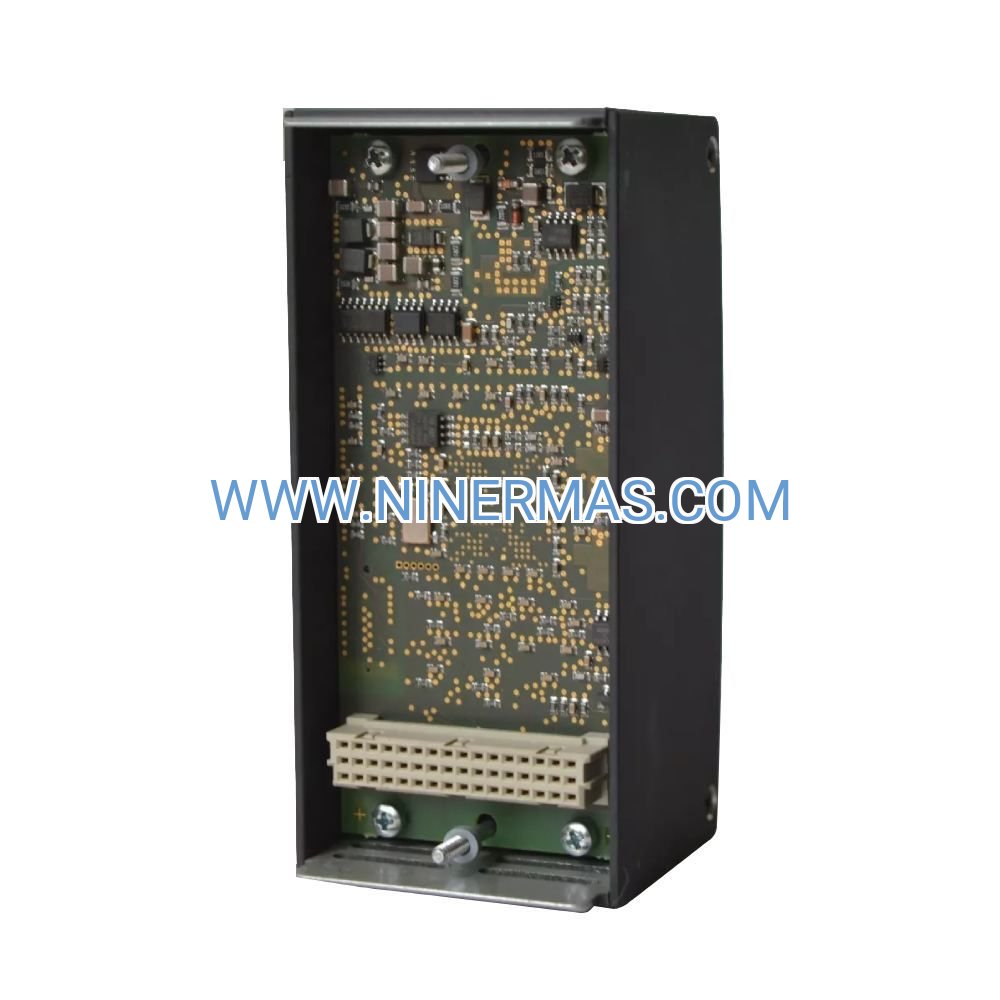
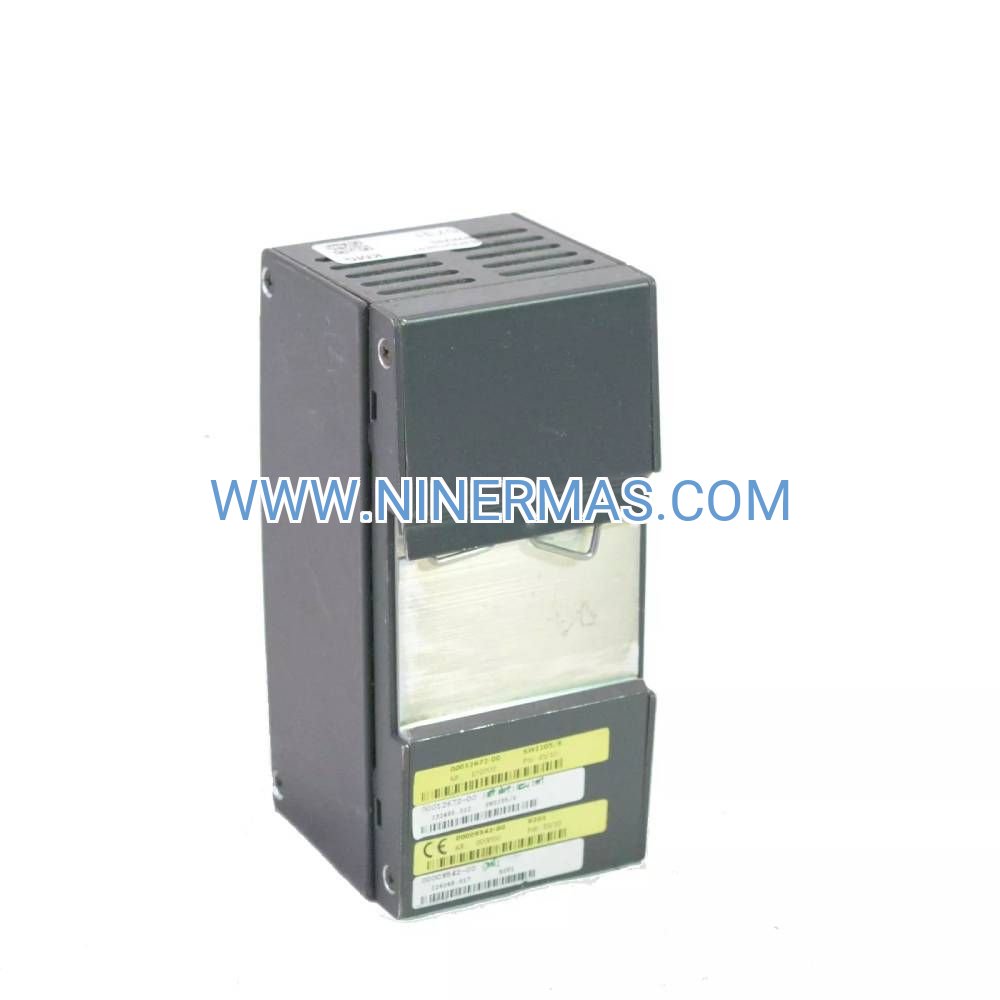
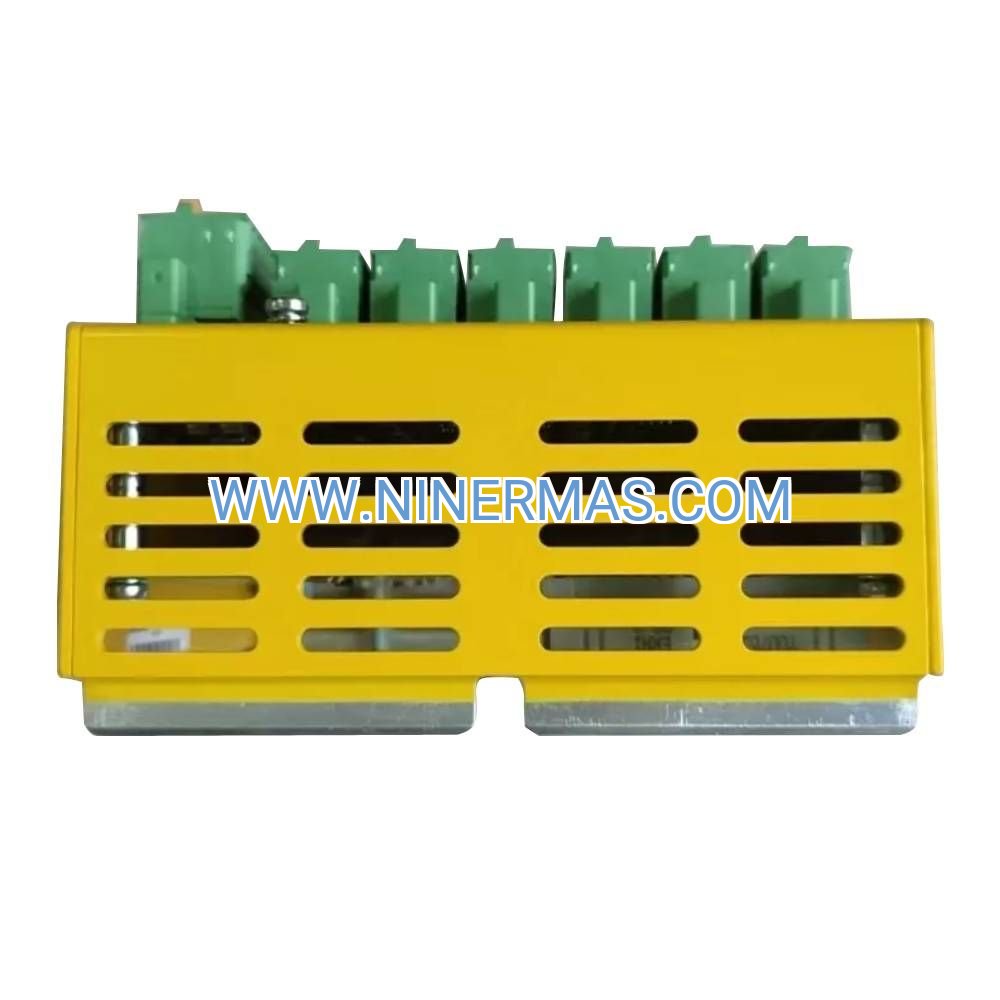
1751-6091 MicroNet Plus Digital Controller (Industrial-Grade Turbine Automation)
The 1751-6091 represents Woodward's flagship distributed control solution engineered specifically for high-stakes turbomachinery applications. This industrial-grade platform integrates advanced processing capabilities with field-proven reliability to deliver precise control across gas turbines, steam turbines, reciprocating engines, and critical rotating equipment. Designed for operators who demand zero-compromise performance in power generation, oil & gas, and heavy industrial environments, the MicroNet Plus architecture provides the foundation for safe, efficient, and profitable operations.
Industrial facilities face mounting pressure to maximize uptime, optimize fuel efficiency, and meet stringent emissions targets—all while managing aging infrastructure and skilled labor shortages. The 1751-6091 addresses these challenges through intelligent automation that reduces operator workload, prevents costly trips, and extends equipment service intervals. Whether you're retrofitting legacy mechanical controls or designing greenfield installations, this platform scales from standalone single-unit control to coordinated multi-unit power plants.
Key differentiators include triple-modular redundant (TMR) processing options for ultra-high availability, hot-swappable I/O modules that eliminate maintenance downtime, and native support for industry-standard protocols including Modbus RTU/TCP, Ethernet/IP, and DNP3. With over 30 years of field heritage and thousands of installations worldwide, the MicroNet Plus delivers proven ROI through reduced maintenance costs, improved heat rate, and enhanced operational flexibility.
Core Capabilities & Business Value
→ Redundant Processing Architecture: Dual or triple-modular redundant CPU configurations ensure continuous operation even during processor failures, delivering 99.99%+ availability for mission-critical applications where unplanned shutdowns cost $50,000-$500,000 per hour.
→ Scalable Modular I/O Framework: Supports 500+ I/O points per controller with mix-and-match analog, digital, thermocouple, RTD, and specialty modules—eliminating the need for costly external signal conditioning and reducing panel space by up to 40% versus traditional PLC architectures.
→ Extreme Environment Operation: Qualified for -40°C to +70°C ambient temperatures with conformal coating and vibration resistance to 5G, making it suitable for offshore platforms, desert installations, arctic facilities, and mobile power generation units without expensive climate-controlled enclosures.
→ Integrated Safety & Protection: Built-in overspeed detection, vibration monitoring, and emergency shutdown logic meet SIL-2 requirements out-of-the-box, reducing engineering time and eliminating separate safety PLC costs averaging $15,000-$30,000 per installation.
✓ Open Protocol Connectivity: Native Modbus, Ethernet/IP, and OPC UA support enables seamless integration with existing DCS, SCADA, and historian systems—no proprietary gateways required—cutting commissioning time by 30-50% versus closed-architecture competitors.
✓ Advanced Diagnostics & Predictive Maintenance: Real-time health monitoring tracks CPU load, I/O status, communication integrity, and power supply conditions with automatic alarm generation and trend logging, enabling condition-based maintenance that reduces spare parts inventory by 25-35%.
Industry Applications & Problem-Solving
Power Generation & Cogeneration Plants:
Coordinates multiple gas turbine-generator sets for grid synchronization, automatic load sharing, and black-start capability. Solves the challenge of maintaining stable frequency and voltage during load transients while optimizing fuel consumption across varying demand profiles. Typical installations achieve 2-4% heat rate improvement versus legacy controls, translating to $100,000+ annual fuel savings on 50MW combined-cycle units.
Oil & Gas Production Facilities:
Manages compressor stations, gas lift systems, and wellhead compression with anti-surge protection and capacity control. Addresses the pain point of frequent compressor trips due to process upsets by implementing advanced surge detection algorithms that maintain operation 15-20% closer to surge line, increasing throughput without capital investment in larger equipment.
Petrochemical & Refining Operations:
Controls steam turbine-driven pumps, compressors, and blowers in critical process services where reliability directly impacts production rates. Eliminates the risk of process shutdowns from control system failures through redundant architecture, preventing production losses that can exceed $1M per day in large refineries.
Marine & Offshore Propulsion:
Provides integrated control for main propulsion gas turbines and auxiliary power units on LNG carriers, naval vessels, and offshore support vessels. Solves the challenge of maintaining precise speed control during dynamic positioning and heavy weather operations while meeting IMO emissions regulations through optimized combustion control.
Industrial Mechanical Drive Applications:
Regulates gas turbines and steam turbines driving pipeline compressors, LNG liquefaction trains, and large industrial fans/blowers. Addresses the need for precise speed and load control across wide operating ranges while protecting expensive driven equipment from overspeed, vibration, and thermal excursions.
Technical Specifications & Selection Criteria
| Parameter | Specification |
|---|---|
| Model Designation | 1751-6091 |
| Controller Type | Distributed Digital Control System |
| CPU Architecture | Dual/TMR redundant configuration capable |
| Scan Rate | 10ms typical (configurable 5-100ms) |
| I/O Expansion | Up to 500+ points via modular racks |
| Communication Interfaces | Modbus RTU/TCP, Ethernet/IP, DNP3, OPC UA |
| Operating Temperature | -40°C to +70°C (-40°F to +158°F) |
| Storage Temperature | -55°C to +85°C |
| Power Requirements | 24VDC nominal (18-32VDC operating range) |
| Power Consumption | 45W typical (varies with I/O configuration) |
| Humidity Range | 5-95% RH non-condensing |
| Vibration Resistance | 5G per IEC 60068-2-6 |
| EMI/EMC Compliance | CE, FCC Part 15 Class A |
| Safety Certifications | UL508, cUL, ATEX Zone 2, IECEx |
| MTBF Rating | >100,000 hours (MIL-HDBK-217F) |
Selection Guidelines: Choose the 1751-6091 when your application requires distributed I/O architecture with more than 100 points, redundancy for high-availability operations, or integration with multiple communication protocols. For smaller standalone applications under 64 I/O points, consider compact MicroNet models. For SIL-3 safety-critical applications, specify TMR configuration with certified safety I/O modules. Consult factory application engineers for sizing calculations based on your specific turbine model, fuel type, and auxiliary equipment requirements.
Advanced Integration & Customization Options
Industrial IoT & Remote Monitoring: Optional cellular/satellite gateway modules enable secure cloud connectivity for remote diagnostics, performance trending, and predictive analytics. Integration with Woodward's Fleet Management Portal provides fleet-wide visibility across multiple sites, automated alarm notification via SMS/email, and benchmarking against similar installations to identify optimization opportunities.
Custom Control Strategies: Factory application engineering services available for developing specialized control algorithms including dual-fuel switching, emissions optimization, load-following renewable integration, and custom sequencing logic. Pre-engineered application packages available for common turbine models from GE, Siemens, Solar Turbines, and other OEMs reduce commissioning time by 40-60%.
Cybersecurity Hardening: Optional security packages include role-based access control, encrypted communications, audit logging, and compliance with NERC-CIP, IEC 62443, and NIST cybersecurity frameworks—critical for utilities and critical infrastructure operators facing increasing regulatory scrutiny and cyber threats.
Third-Party System Integration: Pre-built drivers and function blocks available for integration with OSIsoft PI, Honeywell Experion, Emerson DeltaV, Schneider Electric EcoStruxure, and other major DCS/SCADA platforms. OPC UA server functionality enables plug-and-play connectivity with MES and ERP systems for production tracking and asset management.
Delivery, Warranty & Technical Support
Lead Time: Stock configurations typically ship within 3-5 business days. Custom-configured systems with specialized I/O or redundancy options require 4-6 weeks. Expedited production available for critical outage situations with 10-15 day delivery (additional charges apply).
Warranty Coverage: Standard 12-month manufacturer warranty covers defects in materials and workmanship from date of shipment. Extended warranty programs available up to 5 years with options for advance replacement, on-site spares, and priority technical support.
Technical Support Services: Includes unlimited phone/email support during business hours, access to online knowledge base and firmware updates, and remote diagnostic assistance. Premium support packages available with 24/7/365 emergency hotline, guaranteed 2-hour response time, and dedicated application engineer assignment.
Documentation & Training: Complete installation manual, wiring diagrams, configuration software (ToolKit Suite), sample application programs, and quick-start guides included. On-site commissioning support and operator training available through Woodward's global service network—recommended for first-time installations or complex multi-unit systems.
Common Questions About the 1751-6091 MicroNet Plus
How does the 1751-6091 interface with existing DCS or SCADA systems?
The controller provides native Modbus TCP/RTU, Ethernet/IP, and OPC UA server functionality for seamless integration with virtually all industrial automation platforms. Standard register maps and pre-configured tag databases are available for popular DCS brands including Honeywell, Emerson, ABB, and Yokogawa. No proprietary gateways or protocol converters required—reducing hardware costs and eliminating single points of failure.
What programming tools and skill sets are needed for configuration?
Configuration is performed using Woodward's ToolKit software suite, which features graphical function-block programming similar to IEC 61131-3 standards. Engineers familiar with PLC programming (Rockwell, Siemens) or DCS configuration can typically become proficient within 2-3 days of training. Pre-built application templates for common turbine types reduce custom programming by 60-80%, and Woodward offers turnkey programming services for complex applications.
Can this system control multiple turbines or engines simultaneously?
Yes, a single 1751-6091 controller can manage up to 4 turbine-generator units with appropriate I/O expansion, or serve as the master controller in a distributed architecture coordinating 10+ units. Common multi-unit applications include load sharing, automatic synchronization, sequential start/stop, and plant-level optimization. For larger power plants, multiple controllers communicate via high-speed Ethernet to provide coordinated control while maintaining unit-level autonomy.
What are the typical energy efficiency improvements versus older control systems?
Retrofits from mechanical-hydraulic or first-generation electronic controls typically achieve 2-5% heat rate improvement through more precise fuel metering, optimized combustion air control, and elimination of governor droop. On a 50MW gas turbine, this translates to $80,000-$200,000 annual fuel savings depending on operating hours and gas prices. Additional savings come from reduced maintenance (fewer calibrations, no hydraulic fluid changes) and extended overhaul intervals due to smoother operation.
Is the controller suitable for hazardous area installations?
When installed in appropriate NEMA 4X or explosion-proof enclosures, the system meets Class I Division 2 (North America) and ATEX Zone 2 / IECEx (international) requirements for hazardous locations. Intrinsically-safe I/O barriers are available for direct field wiring in Division 1/Zone 1 areas. Consult factory application engineers for specific certifications required for your jurisdiction and hazard classification.
What cybersecurity features protect against unauthorized access?
Standard security includes password-protected configuration access, Ethernet port disable switches, and encrypted firmware. Optional security packages add role-based access control (operator/engineer/administrator levels), audit logging of all configuration changes, RADIUS/LDAP authentication integration, and compliance with IEC 62443 industrial cybersecurity standards—essential for utilities subject to NERC-CIP regulations or critical infrastructure operators.
Ready to Optimize Your Turbomachinery Control?
The 1751-6091 MicroNet Plus delivers the reliability, flexibility, and performance required for modern industrial turbine applications. Whether you're upgrading aging controls, designing new installations, or seeking to improve operational efficiency, our application engineering team is ready to help you configure the optimal solution for your specific requirements.
Contact our industrial automation specialists today: Request a detailed quotation, discuss your application requirements, or schedule a technical consultation. We provide comprehensive support from initial system sizing through commissioning and ongoing lifecycle services.
© 2026 NINERMAS COMPANY LIMITED. All rights reserved.
Original Source: https://ninermas.com
Contact: sale@ninermas.com | +0086 187 5021 5667

Contact Info
-
Address:22 / F, South Wo Hang building, 148 Wing Lok Street, Sheung Wan, Western District, Hong Kong
-
Phone:+8618750215667
-
Email: