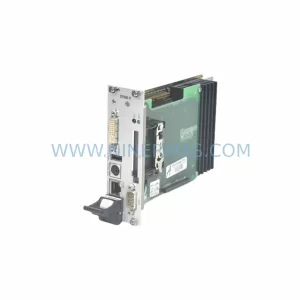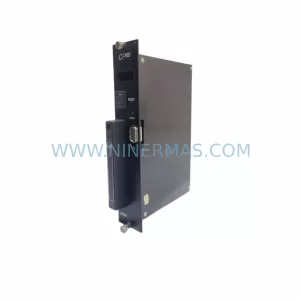
Original Industrial Spare Part
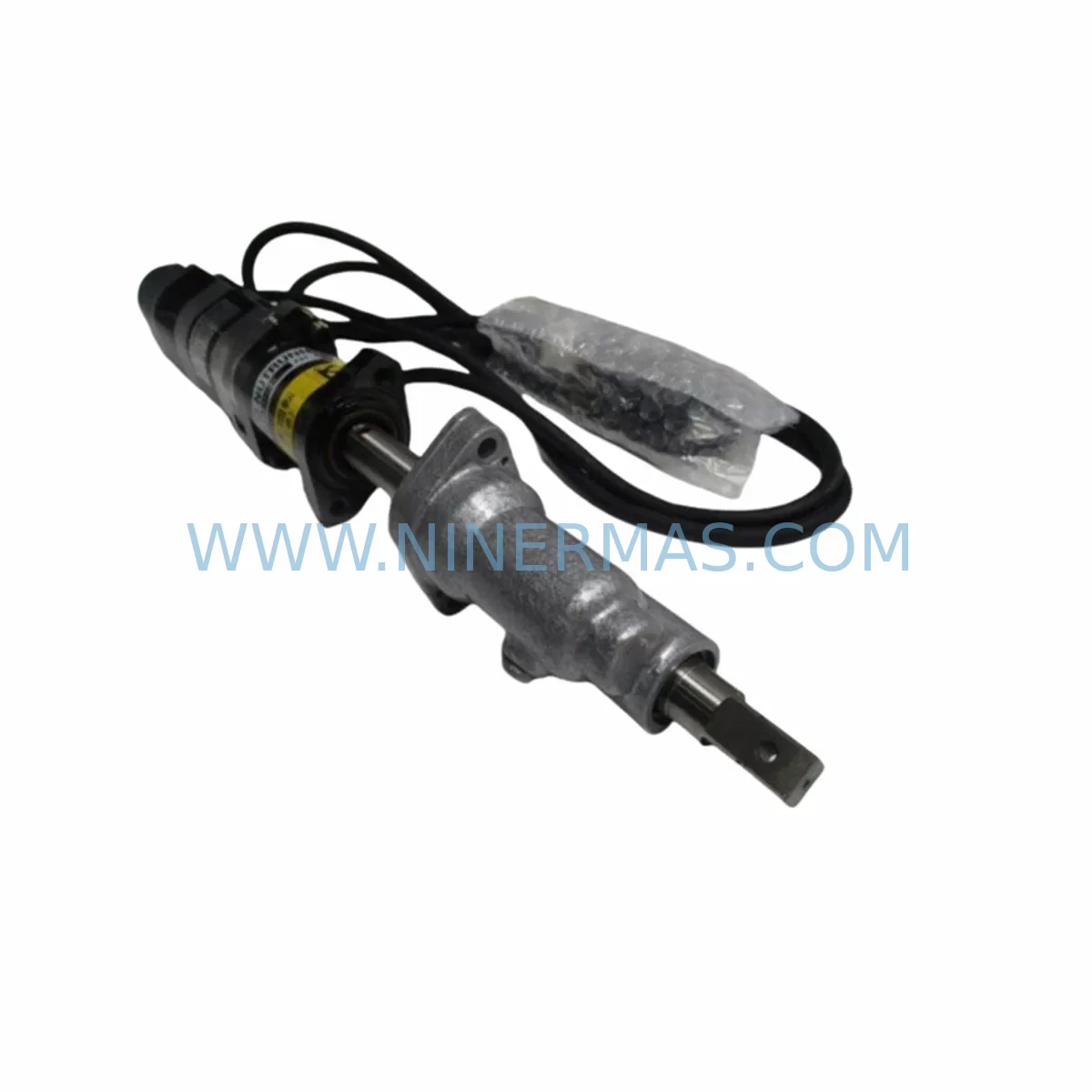
TORQUE TS4617N1920E203 Retrofit AC Servo Nutrunner Legacy Systems
Verify the part, confirm the platform family, and move straight into quotation with the right commercial details.
RFQ Ready
- SKUTS4617N1920E203
- CategoryPLC & Industrial Automation Modules
- BrandTORQUE
- SupportAvailability, lead time, condition, and shipping coordination
How Buyers Usually Use This Page
- Confirm the exact part number and platform family before sending the quote request.
- Use direct email when quantity, condition, and destination are already defined internally.
- Switch to the broader brand or category archive when you need alternates nearby.
Series Navigation
Move through the most common platform families behind this part.
Product RFQ
Send this part directly for quotation.
Include quantity, required condition, destination country, and target delivery timing. Current reference: TORQUE TS4617N1920E203 Retrofit AC Servo Nutrunner Legacy Systems with SKU TS4617N1920E203.
TORQUE TS4617N1920E203 Retrofit AC Servo Nutrunner Legacy Systems: Legacy-Compatible Upgrade for TS46 Series Automation Lines
The TORQUE TS4617N1920E203 is a high-precision AC servo nutrunner engineered for torque-critical assembly operations in automotive, electronics, and general industrial manufacturing. As a retrofit-ready replacement within the TS46 series platform, this unit is designed to integrate into existing control architectures with minimal re-engineering, making it the preferred choice for maintenance engineers managing aging production lines, discontinued spare parts, and system modernization projects where downtime must be strictly controlled.
When the original TS4617N1920E203 reaches end-of-life or becomes unavailable through standard distribution channels, production continuity depends on sourcing a verified compatible replacement that preserves existing wiring harnesses, controller interfaces, and torque calibration parameters. This unit fulfills that requirement directly, supporting the same torque range, spindle geometry, and communication protocol as the original TS46 series specification.
Upgrade Compatibility Table
| Parameter | TS4617N1920E203 Specification | Retrofit Notes |
|---|---|---|
| Series | TS46 | Direct replacement within TS46 platform |
| Drive Type | AC Servo | Compatible with existing servo drive units in TS46 control cabinet |
| Communication Interface | Serial / Fieldbus (per TS46 standard) | Verify fieldbus address assignment before commissioning; no protocol migration required for same-series swap |
| Power Supply | Per TS46 series rating | Confirm cabinet power capacity; check breaker sizing and cable cross-section before installation |
| Mounting / Installation | Standard TS46 spindle mount | Verify installation space clearance; torque arm and reaction bar compatibility must be confirmed on-site |
| Terminal Wiring | Per original harness layout | Reuse existing wiring harness where insulation condition permits; inspect connector pins for corrosion |
| Torque Calibration | Factory pre-tested | Re-run torque calibration sequence after installation; validate against original torque curve data |
| HMI Compatibility | Compatible with TS46 series HMI screens | No screen reprogramming required for same-series replacement; verify parameter mapping if upgrading HMI version |
| Warranty | 12 Months | Covers manufacturing defects; pre-shipment functional test included |
Retrofit Planning for Existing Automation Systems
Replacing a discontinued or failed TS4617N1920E203 in an active production environment requires a structured approach that accounts for the full scope of the control system, not just the nutrunner spindle itself. In most TS46 series installations, the nutrunner operates as part of a coordinated tightening station that includes a dedicated servo drive controller, a fieldbus communication module, a torque monitoring I/O card, and a station PLC managing the tightening sequence logic.
Before removing the failed unit, engineers should document the existing torque parameter set stored in the servo drive — including target torque, angle window, speed ramp, and error threshold values — since these are typically held in the drive’s non-volatile memory and may not be backed up in the main PLC program. If the station uses a TORQUE TS46 series controller or a compatible third-party servo drive, parameter export should be performed via the programming cable or fieldbus diagnostic tool before any hardware is disturbed.
In multi-spindle tightening stations, the TS4617N1920E203 may share a backplane or communication trunk with adjacent spindle units such as the TS4615 or TS4620 variants. Each spindle is typically assigned a unique node address on the fieldbus segment — whether DeviceNet, PROFIBUS-DP, or a proprietary TORQUE serial protocol — and address conflicts must be resolved before the replacement unit is brought online. Failure to verify node addressing is one of the most common causes of commissioning delays in multi-spindle retrofit projects.
The control cabinet housing the TS46 series drive system may also contain a power distribution module, a 24VDC I/O power supply, and a signal isolation barrier for analog torque feedback. When the nutrunner is replaced, it is good practice to inspect these supporting components for signs of wear, particularly the I/O power supply output voltage stability and the isolation barrier calibration, as degraded supporting hardware can cause intermittent torque errors even after a successful spindle replacement.
For stations that interface with an upstream MES or quality management system via OPC-UA or a legacy serial data link, the tightening result data format — including torque value, angle, OK/NOK status, and batch ID — must be verified to remain consistent after the replacement. In some installations, the result data mapping is configured in a gateway module or a dedicated data concentrator rather than in the nutrunner controller itself, which simplifies the swap but requires a post-installation data validation run before the station is returned to production.
Where the original installation used a TORQUE programming cable for parameter upload and the replacement unit requires initialization, ensure the cable driver version is compatible with the host PC operating system. Older TS46 series units may require a legacy RS-232 interface or a USB-to-serial adapter with specific FTDI chipset support. Having the correct programming cable and software version on-site before the maintenance window begins is essential to keeping the retrofit within the planned downtime budget.
Downtime Control During System Migration
Minimizing production downtime during a TS4617N1920E203 replacement requires preparation that begins well before the maintenance window opens. The most effective approach is to pre-configure the replacement unit off-line using a bench test setup that replicates the station’s parameter environment. This allows the engineering team to verify torque output, communication response, and error handling behavior before the unit is installed in the live system, reducing on-site commissioning time to a final validation run rather than a full setup sequence.
Where the tightening station is part of a synchronized production line, coordination with upstream and downstream stations is necessary to ensure that the line can be safely isolated without triggering cascading faults in adjacent PLCs or safety relay circuits. If the station uses a safety-rated torque monitoring function — common in automotive body-in-white and powertrain assembly applications — the safety function must be re-validated after the replacement in accordance with the applicable machinery safety standard, which should be factored into the planned downtime duration.
Preserving the original PLC program logic is straightforward in most TS46 series installations, as the nutrunner replacement does not require changes to the ladder logic or function block structure. However, if the station program references the nutrunner’s firmware version or hardware revision in a compatibility check routine, this check may need to be temporarily bypassed or updated to reflect the replacement unit’s firmware level. Retaining a backup copy of the original PLC program before any modifications is standard practice and should be treated as a non-negotiable step in the retrofit procedure.
Post-installation, a minimum of five to ten tightening cycles should be performed on a test fixture or scrap assembly before the station is returned to production. This confirms that the torque curve, angle window, and result reporting are all functioning correctly and that the replacement unit has been properly seated and calibrated. All test results should be recorded and retained as part of the maintenance record for the station.
Retrofit Support FAQ
Q: Is the TS4617N1920E203 a direct drop-in replacement for the original unit without controller modifications?
A: In most TS46 series installations, yes. The replacement unit shares the same mechanical interface, wiring harness connector layout, and communication protocol as the original. However, node address assignment and torque parameter upload must be completed during commissioning. If the original controller firmware is significantly older, a firmware compatibility check is recommended before installation.
Q: What pre-shipment testing is performed on this unit?
A: Each TS4617N1920E203 unit undergoes a functional test prior to shipment, verifying motor rotation, encoder feedback, and communication response. A test report is available upon request. The unit is covered by a 12-month warranty against manufacturing defects from the date of shipment.
Q: How do I verify wiring compatibility with my existing harness?
A: Compare the connector pinout of the replacement unit against the original wiring diagram for your station. In standard TS46 series installations, the power connector, encoder connector, and fieldbus connector positions are consistent across the series. If your installation used a custom harness adapter, verify adapter compatibility before installation. Our technical team can assist with pinout verification if the original documentation is unavailable.
Q: What is the typical lead time and stock availability?
A: This unit is maintained in stock to support urgent replacement requirements. Standard lead time for in-stock units is 3–7 business days for international shipment. For large-quantity orders or scheduled maintenance programs, please contact us in advance to confirm allocation. Stock levels are updated regularly to support ongoing spare parts programs for TS46 series installations.
| Product Series | Other series |
|---|
Catalog Continuation
Alternative parts within PLC & Industrial Automation Modules.
Stay inside the same system family when you need substitutes, adjacent modules, or a broader shortlist for procurement review.