Siemens 6ES7960-1AA06-0XA0 Synchronization Module | S7-400H Redundant System | Industrial PLC Component
Description
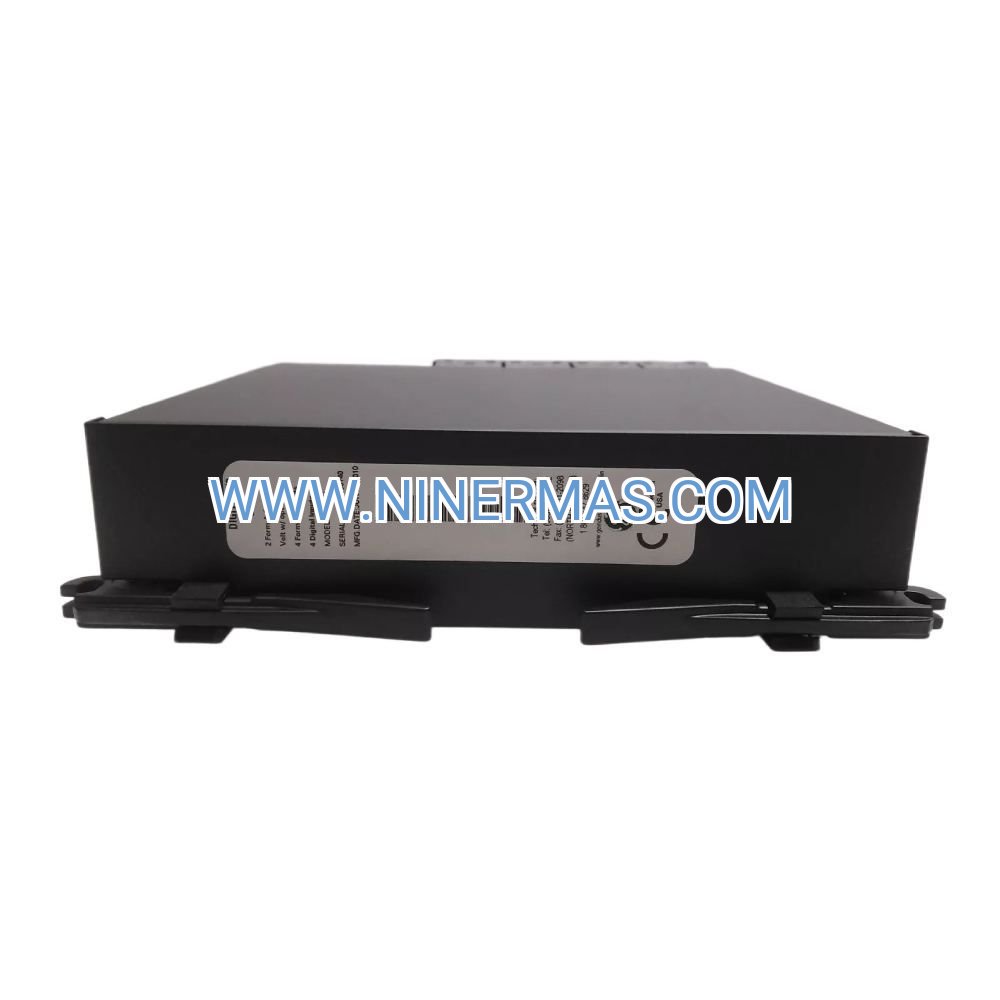
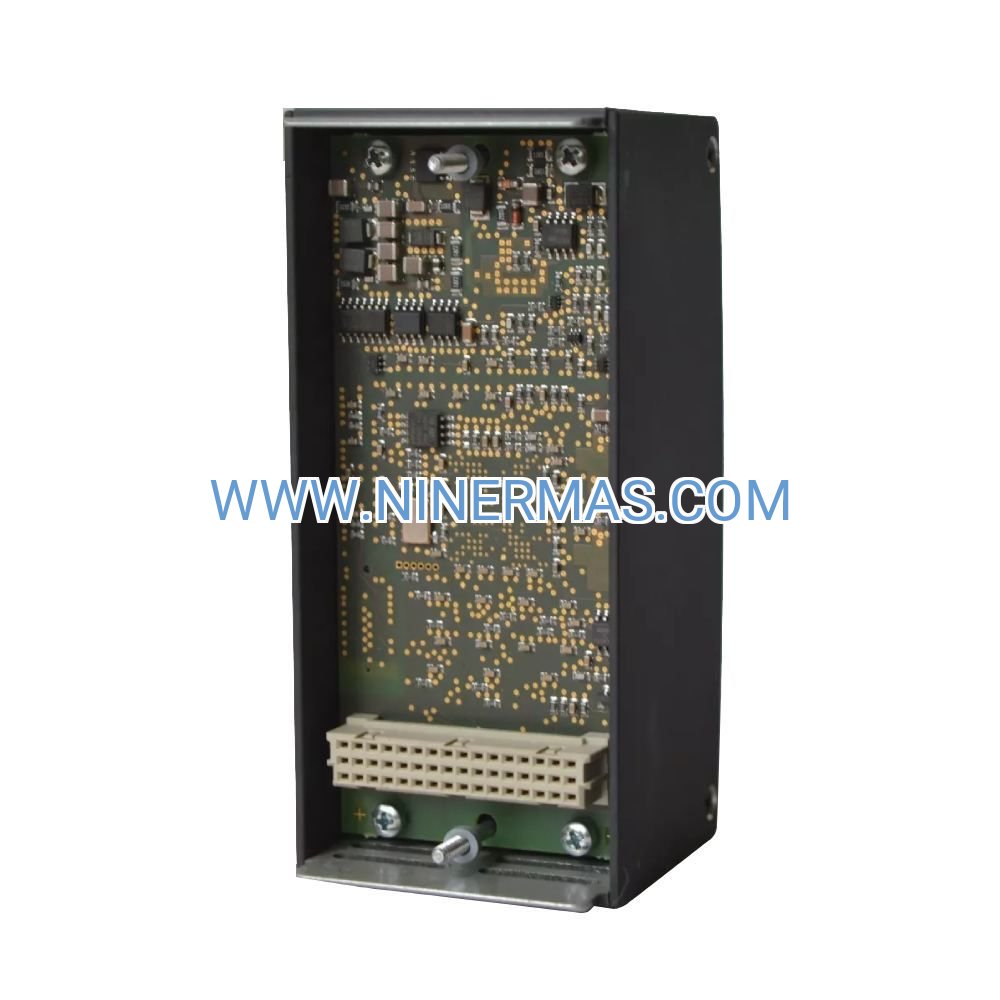
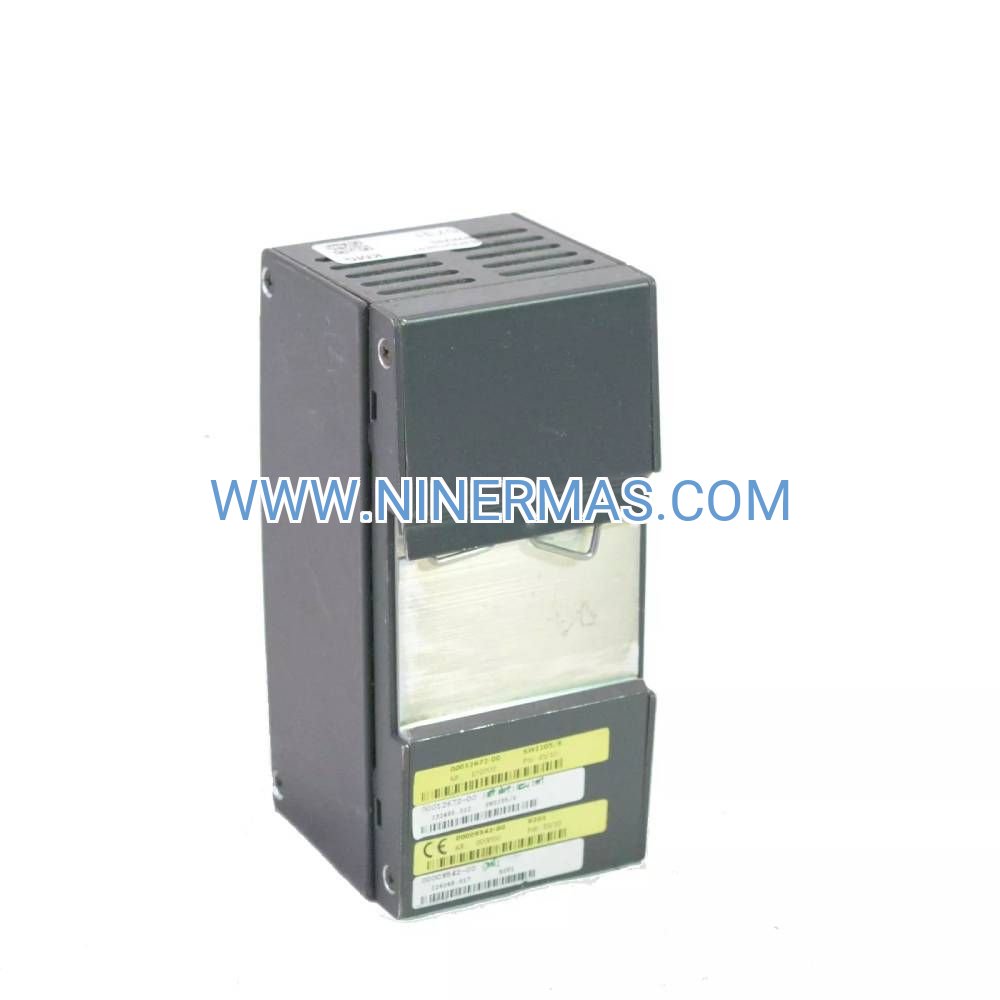
Siemens 6ES7960-1AA06-0XA0 SIMATIC S7-400H Synchronization Module (Industrial Redundant Control Solution)
The Siemens 6ES7960-1AA06-0XA0 synchronization module is a mission-critical component designed for S7-400H fault-tolerant PLC systems. By enabling real-time data synchronization between redundant CPU pairs, this module ensures continuous process control even during hardware failures, delivering unmatched reliability for industries where downtime is not an option.
Engineered for high-stakes environments such as petrochemical plants, power generation facilities, pharmaceutical manufacturing, and water treatment systems, this module addresses challenges including unexpected CPU failures, data inconsistency risks, and the need for seamless switchover without process interruption.
Through standardized design and proven Siemens engineering, the 6ES7960-1AA06-0XA0 offers rapid fault detection, automatic failover capability, and transparent operation—making it the preferred choice for system integrators, control engineers, and plant operators demanding maximum uptime. Contact our automation specialists for system configuration guidance and technical support.
Core Functions & Technical Advantages
Real-Time Redundancy Synchronization
Maintains continuous data mirroring between primary and standby CPUs through high-speed fiber-optic links, ensuring both controllers operate with identical process states. Automatic synchronization occurs within milliseconds, eliminating data loss during switchover events.
Bumpless Failover Technology
When the active CPU encounters a fault, the standby unit assumes control instantaneously without disrupting field I/O operations or process logic execution. This zero-interruption transition protects production continuity and prevents costly emergency shutdowns.
Comprehensive Diagnostic Capabilities
Built-in monitoring functions track synchronization status, communication integrity, and module health in real time. LED indicators and STEP 7 diagnostic buffers provide immediate visibility into system performance, accelerating troubleshooting and reducing maintenance windows.
Enhanced System Availability
Compared to simplex PLC architectures, S7-400H configurations with synchronization modules achieve availability rates exceeding 99.99%, meeting stringent SIL (Safety Integrity Level) requirements for critical infrastructure and hazardous process control.
Flexible Integration & Scalability
Compatible with all S7-400H CPU variants and standard SIMATIC I/O modules, the synchronization module integrates seamlessly into existing automation frameworks. Supports hot-swappable installation for maintenance without system shutdown.
Robust Industrial Design
Operates reliably in harsh environments with extended temperature ranges (-25°C to +60°C), high electromagnetic immunity (EMC Class A), and conformal coating options for corrosive atmospheres. Designed for 24/7 operation over multi-decade service lifespans.
Typical Application Scenarios
This synchronization module is essential for applications demanding fault-tolerant control and continuous process availability, particularly in:
Petrochemical & Refining Operations
Ensures uninterrupted control of distillation columns, reactor vessels, and pipeline networks where process upsets can lead to safety hazards or environmental incidents. Redundant architecture prevents single-point failures in critical interlock systems.
Power Generation & Distribution
Maintains stable operation of turbine control systems, boiler management, and substation automation. Synchronization modules enable seamless failover during equipment maintenance or unexpected faults, protecting grid stability and generation capacity.
Pharmaceutical & Biotech Manufacturing
Supports GMP-compliant batch control systems where process interruptions compromise product quality and regulatory compliance. Redundant PLCs with synchronized data ensure traceability and reproducibility across production campaigns.
Water & Wastewater Treatment
Guarantees continuous monitoring and control of pumping stations, filtration systems, and chemical dosing equipment. High-availability control prevents service disruptions affecting public health and environmental discharge standards.
Metals & Mining Processing
Protects continuous casting lines, smelting furnaces, and material handling systems from unplanned stoppages. Redundant control minimizes production losses and equipment damage in high-temperature, high-vibration industrial environments.
Technical Parameters & Configuration Guide
To facilitate engineering design and system specification, the following parameters define the 6ES7960-1AA06-0XA0 module capabilities:
Key Specifications:
- Module Type: Synchronization module for S7-400H redundant systems
- Communication Interface: Fiber-optic link (multimode or single-mode, depending on distance requirements)
- Synchronization Cycle: Typically 10-100 ms (configurable based on CPU type and program complexity)
- Supported CPU Families: All S7-400H CPUs (e.g., CPU 412H, CPU 414H, CPU 417H series)
- Power Supply: 24V DC (supplied via S7-400 backplane)
- Current Consumption: Approx. 800 mA (typical)
- Operating Temperature: -25°C to +60°C (extended range for industrial environments)
- Protection Rating: IP20 (suitable for control cabinet installation)
- Dimensions (W×H×D): 40 mm × 125 mm × 120 mm (single-slot module)
- Certifications: CE, UL, cULus, ATEX (Zone 2), IECEx
Configuration Recommendations:
When designing S7-400H systems, consider the following factors: required system availability (target MTBF), maximum acceptable switchover time, fiber-optic cable routing and distance (up to 10 km for single-mode), environmental conditions (temperature, vibration, EMI), and integration with existing PROFIBUS/PROFINET networks. For complex applications, consult with certified Siemens system integrators to optimize redundancy architecture and validate safety functions.
Advanced Features & System Integration
Hot-Swap Capability
Synchronization modules support online replacement during operation, allowing maintenance teams to service hardware without halting production processes—critical for continuous manufacturing environments.
STEP 7 Programming Integration
Fully supported within TIA Portal and STEP 7 Classic environments, enabling engineers to configure redundancy parameters, monitor synchronization status, and simulate failover scenarios during commissioning.
Network Redundancy Support
Works in conjunction with redundant PROFIBUS DP and PROFINET IO networks, creating fully fault-tolerant communication paths from field devices through I/O modules to redundant CPUs.
Safety Integration (Optional)
Compatible with S7-400FH safety CPUs for applications requiring SIL 3 functional safety compliance, such as emergency shutdown systems (ESD) and fire & gas detection networks.
Delivery, Service & Quality Assurance
Lead Time: Standard catalog items typically ship within 3-5 business days; custom-configured systems or large-volume orders may require 2-4 weeks depending on regional availability.
Warranty Coverage: All modules include a minimum 12-month manufacturer warranty covering defects in materials and workmanship. Extended warranty and service contracts available through authorized Siemens partners.
Technical Support: Comprehensive support includes pre-sales application consulting, system design review, commissioning assistance (remote or on-site, region-dependent), and lifecycle maintenance services. Access to Siemens Industry Online Support portal for firmware updates and technical bulletins.
Documentation Package: Each module ships with complete technical documentation including installation manual, wiring diagrams, STEP 7 configuration examples, GSD files for network integration, and compliance certificates. Digital resources available via Siemens Industry Mall.
Authenticity Guarantee: All products sourced directly from authorized Siemens distribution channels, with serialized traceability and anti-counterfeiting verification. Counterfeit components pose significant safety and reliability risks—always verify supplier credentials.
Frequently Asked Questions (FAQ)
Q: How does the S7-400H synchronization module integrate with existing non-redundant S7-400 systems?
A: Upgrading from simplex to redundant architecture requires installing a second CPU, synchronization modules, and fiber-optic cables. Existing I/O modules and field wiring can often be reused. STEP 7 project migration tools assist in converting standard programs to redundant configurations. Consult Siemens migration guides or system integrators for detailed planning.
Q: What is the maximum distance between redundant CPU racks using this synchronization module?
A: With multimode fiber-optic cables, distances up to 300 meters are supported; single-mode fiber extends this to approximately 10 kilometers. Actual limits depend on fiber quality, connector types, and environmental factors. For geographically distributed redundancy (e.g., separate control rooms), single-mode fiber is recommended.
Q: How long does failover take when the active CPU fails?
A: Typical switchover times range from 50 to 200 milliseconds, depending on CPU model, program complexity, and I/O configuration. This bumpless transfer ensures process control continuity without triggering alarms or safety shutdowns in most applications. Critical timing requirements should be validated during system design.
Q: Can synchronization modules be installed in hazardous area (ATEX/IECEx) environments?
A: The module itself is rated for Zone 2 (gas) and Zone 22 (dust) hazardous locations when installed in appropriately certified enclosures. For Zone 1 or Division 1 applications, additional purge/pressurization systems or intrinsically safe barriers may be required. Verify local electrical codes and certification requirements.
Q: Does the synchronization module support remote monitoring and diagnostics?
A: Yes—when integrated with SIMATIC WinCC SCADA systems or TIA Portal cloud connectors, synchronization status, fault logs, and performance metrics can be accessed remotely via secure VPN or industrial IoT gateways. This enables predictive maintenance and reduces on-site troubleshooting visits.
Q: What maintenance is required for S7-400H synchronization modules?
A: Routine maintenance includes periodic inspection of fiber-optic connectors for contamination, verification of LED status indicators, and review of diagnostic buffers for intermittent faults. Modules are designed for maintenance-free operation over 10+ year lifecycles, with no consumable components requiring replacement.
Request Technical Support & Custom Configuration
To obtain detailed system design assistance, pricing quotations, or application-specific recommendations, please provide the following project information: application description and industry sector, required system availability target (e.g., 99.9% uptime), number of I/O points and field devices, environmental conditions (temperature, humidity, vibration), existing automation infrastructure (PLC models, network protocols), and preferred delivery timeline. Our automation engineers will respond with tailored solutions and technical documentation within one business day.
© 2026 NINERMAS COMPANY LIMITED. All rights reserved. Original Source: https://ninermas.com Contact: sale@ninermas.com | +0086 187 5021 5667

Contact Info
-
Address:22 / F, South Wo Hang building, 148 Wing Lok Street, Sheung Wan, Western District, Hong Kong
-
Phone:+8618750215667
-
Email: