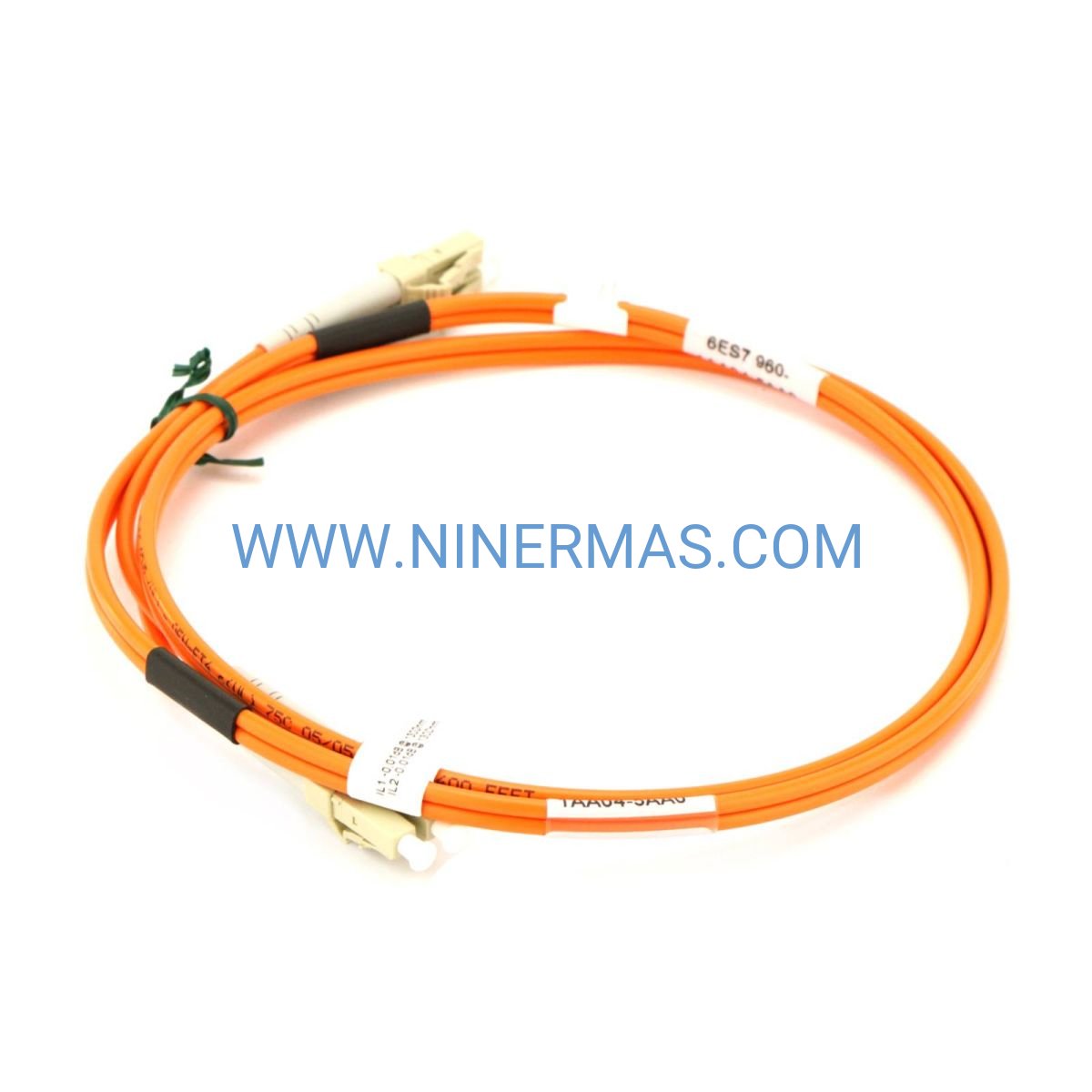
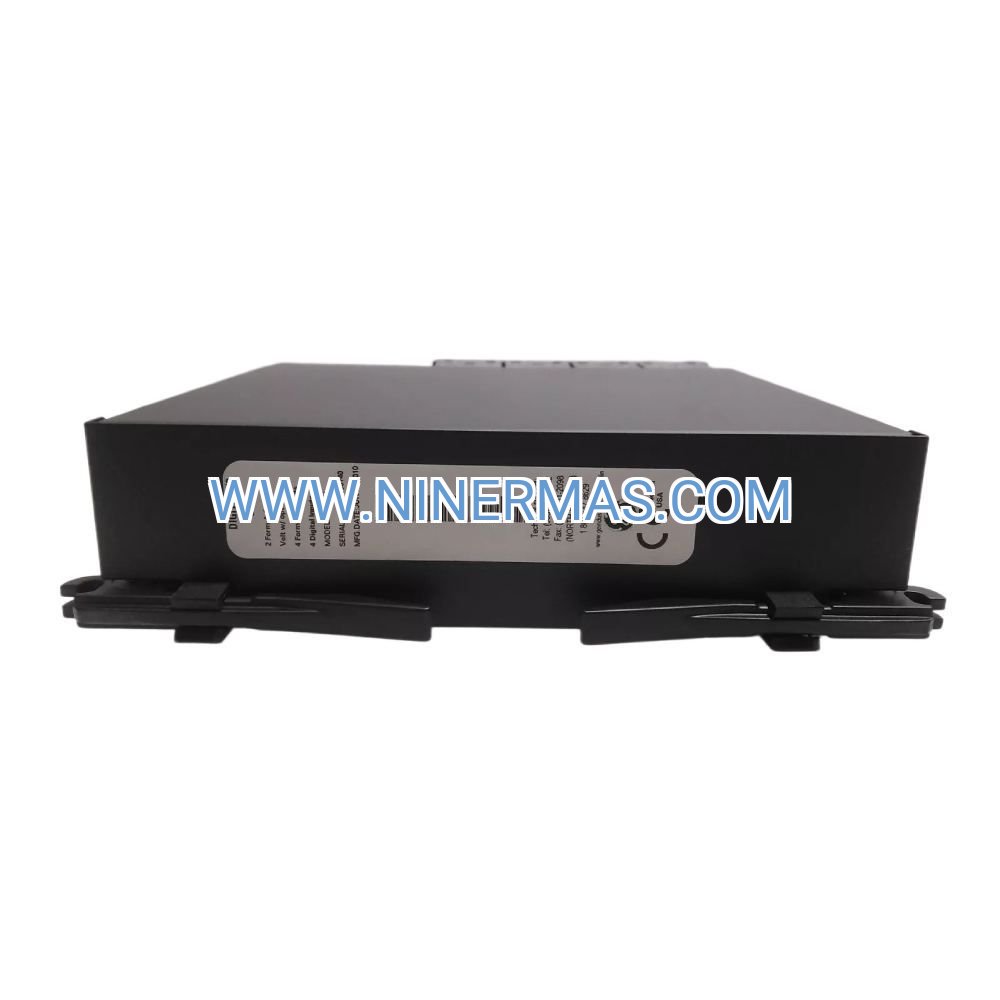
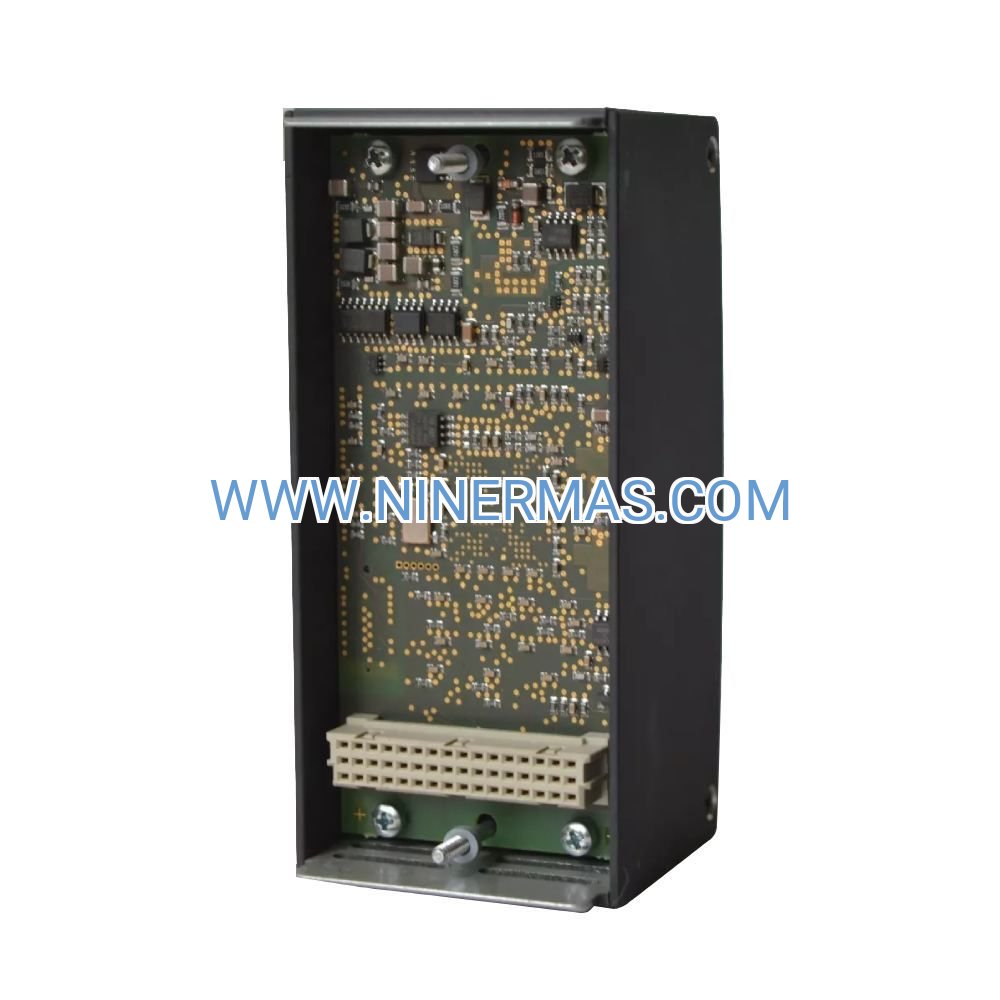
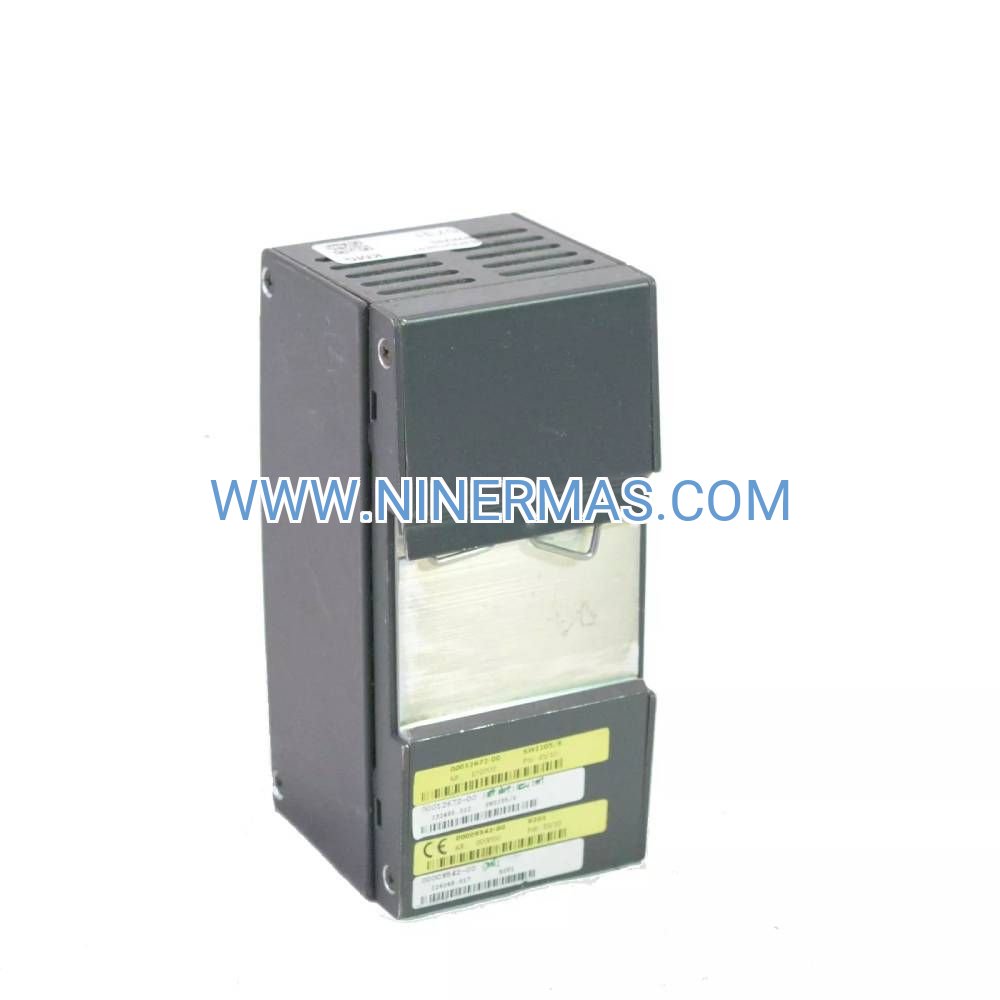
Siemens 6ES7960-1AA04-0XA0 Synchronization Module | S7-400H Redundant PLC System
Description
Siemens 6ES7960-1AA04-0XA0 Synchronization Module (Industrial-Grade Fault-Tolerant Control System)
The Siemens 6ES7960-1AA04-0XA0 SIMATIC S7-400H synchronization module is a mission-critical component designed for high-availability automation systems. Through advanced redundancy technology and real-time data mirroring, it ensures continuous process control even during controller failures, delivering uninterrupted operation for safety-critical and production-critical applications.
Ideal for industries requiring zero-downtime operations—including petrochemical plants, power generation facilities, pharmaceutical manufacturing, water treatment systems, and continuous process industries—this module addresses challenges such as unexpected system failures, production interruptions, data loss risks, and costly unplanned downtime.
Featuring standardized design with flexible configuration options, the 6ES7960-1AA04-0XA0 offers seamless hot-swapping capability, sub-millisecond switchover time, comprehensive diagnostic functions, and broad compatibility with S7-400H systems. Perfect for design engineers, system integrators, automation contractors, and plant maintenance teams. Contact our engineers for customized redundancy solutions and technical consultation.
Core Functions & Advantages
- Seamless Redundancy Switching
Utilizes dual-controller architecture with automatic failover detection. When the primary controller fails, the standby controller takes over within milliseconds, ensuring zero process interruption and eliminating production losses. - Real-Time Data Synchronization
Employs high-speed fiber-optic or electrical synchronization links to maintain identical data states between redundant controllers. All process variables, program states, and I/O images are continuously mirrored, guaranteeing bumpless transfer during switchover. - Enhanced System Availability
Achieves availability rates exceeding 99.99% through redundant hardware configuration. Supports online maintenance and hot-swapping of modules without system shutdown, significantly reducing planned and unplanned downtime. - Comprehensive Diagnostic Capabilities
Integrated self-diagnostics continuously monitor synchronization status, communication health, and controller performance. Provides early warning of potential failures through detailed fault logs and LED status indicators, enabling proactive maintenance. - Flexible System Architecture
Compatible with various S7-400H CPU models and supports multiple synchronization topologies. Allows scalable expansion from basic redundancy to complex multi-zone fault-tolerant systems, adapting to diverse application requirements. - Industry-Proven Reliability
Manufactured to industrial standards with extended temperature range (-25°C to +60°C), high electromagnetic immunity (EMC Class A), and conformal coating protection. Backed by Siemens' decades of automation expertise and global support network.
Typical Application Scenarios
This synchronization module is engineered for mission-critical processes demanding maximum uptime and operational safety, particularly in:
- Petrochemical & Refining Operations
Ensures continuous control of distillation columns, reactor systems, and pipeline networks where process interruptions can lead to safety hazards, product quality issues, or environmental incidents. Meets SIL 3 safety requirements for emergency shutdown systems. - Power Generation & Distribution
Maintains reliable control of turbine systems, boiler management, and substation automation. Prevents costly grid disruptions and equipment damage through guaranteed controller availability during maintenance or component failures. - Pharmaceutical & Biotech Manufacturing
Protects batch processes, fermentation systems, and cleanroom environments from control system failures that could compromise product sterility, regulatory compliance, or batch integrity. Supports FDA 21 CFR Part 11 validation requirements. - Water & Wastewater Treatment
Provides fault-tolerant control for municipal water supply, sewage treatment plants, and industrial effluent systems. Ensures continuous operation of critical pumping stations, filtration processes, and chemical dosing systems serving public health infrastructure. - Continuous Process Industries
Supports 24/7 operations in steel production, cement manufacturing, pulp & paper mills, and food processing where unplanned shutdowns result in material waste, equipment damage, and significant revenue loss.
Technical Parameters & Selection Guide
To facilitate engineering design and system configuration, we provide comprehensive technical specifications. Custom configurations are available based on project-specific requirements.
| Parameter | Specification |
|---|---|
| Product Code | 6ES7960-1AA04-0XA0 |
| Module Version | V4 (Fourth Generation) |
| Compatible CPUs | S7-400H series (CPU 412H, 414H, 416H, 417H) |
| Synchronization Interface | Dual redundant links (fiber optic or electrical) |
| Switchover Time | < 100 ms (typical) |
| Data Transfer Rate | Up to 12 Mbit/s per link |
| Power Supply | 24V DC (via backplane) |
| Power Consumption | Approx. 5W |
| Operating Temperature | -25°C to +60°C |
| Storage Temperature | -40°C to +70°C |
| Protection Rating | IP20 (for cabinet installation) |
| Dimensions (W×H×D) | 40 mm × 290 mm × 210 mm |
| Mounting | S7-400 standard rail |
| Certifications | CE, UL, cULus, ATEX (Zone 2) |
Selection Recommendations: When configuring an S7-400H system, consider the following factors: required system availability level (target uptime percentage), process criticality and safety classification (SIL rating), maximum acceptable switchover time, synchronization distance between redundant racks (fiber vs. electrical links), environmental conditions (temperature, vibration, EMI), and integration with existing Siemens automation infrastructure. For assistance with system architecture design, please provide your process requirements, I/O count, communication protocols needed, and installation environment details. Our application engineers will recommend the optimal redundancy configuration and component selection.
Extended Capabilities
- Hot-Swap Functionality: Supports online replacement of synchronization modules without interrupting the running process, enabling maintenance during production hours.
- Distributed I/O Support: Compatible with PROFIBUS DP and PROFINET IO redundant I/O systems, extending fault tolerance to field device level.
- Remote Diagnostics: Integrates with SIMATIC PCS 7, WinCC, and TIA Portal for centralized monitoring, alarm management, and predictive maintenance analytics.
- Cyber Security Features: Supports encrypted communication, access control, and audit logging to meet IEC 62443 industrial cybersecurity standards.
Delivery, Service & Quality Assurance
Standard catalog items ship within 3-5 business days from regional distribution centers; custom-configured systems require 10-15 business days for factory assembly and testing. All modules include a minimum 12-month manufacturer warranty covering defects in materials and workmanship. Extended warranty and service contracts are available.
Technical support includes remote commissioning assistance, on-site startup services (region-dependent), and access to Siemens Technical Support Center. Complete documentation package provided: hardware installation manual, synchronization configuration guide, electrical wiring diagrams, TIA Portal programming examples, and maintenance procedures. All modules are factory-tested and include calibration certificates.
Frequently Asked Questions (FAQ)
Q: How does the S7-400H synchronization module integrate with existing non-redundant S7-400 systems?
A: Migration from standard S7-400 to S7-400H requires upgrading to H-series CPUs and adding synchronization modules. Existing I/O modules and communication processors can often be reused. The process involves duplicating the controller hardware, installing sync modules, configuring redundancy parameters in STEP 7/TIA Portal, and testing failover behavior. Detailed migration guides and engineering services are available.
Q: What is the maximum distance between redundant controller racks?
A: With electrical synchronization cables, the maximum distance is approximately 10 meters. For longer distances up to 10 kilometers, fiber-optic synchronization links (6ES7960-1AB06-0XA0) are required. Distance affects cable selection but not synchronization performance.
Q: Can I achieve energy savings with a redundant system compared to simplex control?
A: Redundant systems consume approximately 2× the power of single controllers due to dual hardware. However, the business value lies in eliminating costly downtime—a single hour of unplanned shutdown in process industries can cost $50,000-$500,000. The ROI comes from availability improvement, not energy reduction.
Q: What environmental protection does the module offer for harsh industrial conditions?
A: The module is rated IP20 and designed for installation in climate-controlled control cabinets. For harsh environments (dust, moisture, corrosive gases), install in NEMA 4/4X or IP54/IP65 rated enclosures with appropriate climate control. Conformal coating provides additional protection against humidity and contaminants.
Q: Does the synchronization module support remote monitoring and Industry 4.0 integration?
A: Yes, through integration with SIMATIC PCS 7 or TIA Portal, synchronization status and diagnostics can be accessed via OPC UA, MQTT, or web services. This enables cloud-based monitoring, predictive maintenance analytics, and integration with MES/ERP systems for comprehensive digital factory solutions.
Q: What happens if both controllers fail simultaneously?
A: Simultaneous dual-controller failure is extremely rare (probability < 0.01% annually) but possible during events like power surges or catastrophic environmental conditions. For ultra-critical applications, consider additional layers: redundant power supplies, UPS backup, geographically separated control rooms, or triple modular redundancy (TMR) architectures. Risk assessment should guide the appropriate redundancy level.
Request Technical Support & Quotation
To receive a detailed system configuration proposal, pricing quotation, or engineering consultation, please provide the following information: project name and industry sector, application description and process criticality level, required system availability target (e.g., 99.9%, 99.99%), number and type of I/O points, communication protocols and network architecture, environmental conditions (temperature range, hazardous area classification), existing Siemens automation infrastructure, and preferred delivery timeline. Our certified automation engineers will provide one-on-one application support and customized redundancy solutions within 24 hours.
© 2026 NINERMAS COMPANY LIMITED. All rights reserved. Original Source: https://ninermas.com Contact: sale@ninermas.com | +0086 187 5021 5667

Contact Info
-
Address:22 / F, South Wo Hang building, 148 Wing Lok Street, Sheung Wan, Western District, Hong Kong
-
Phone:+8618750215667
-
Email: