


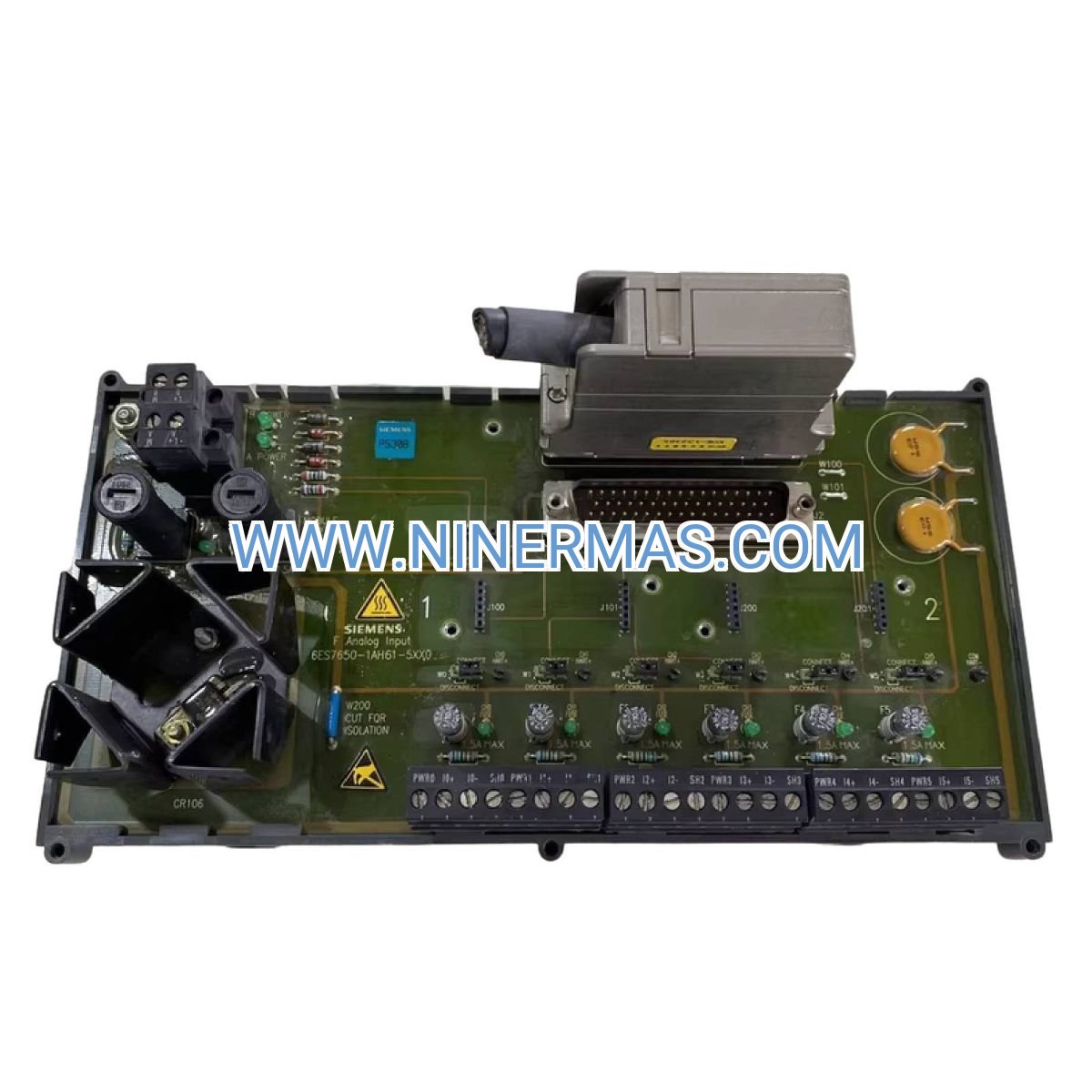
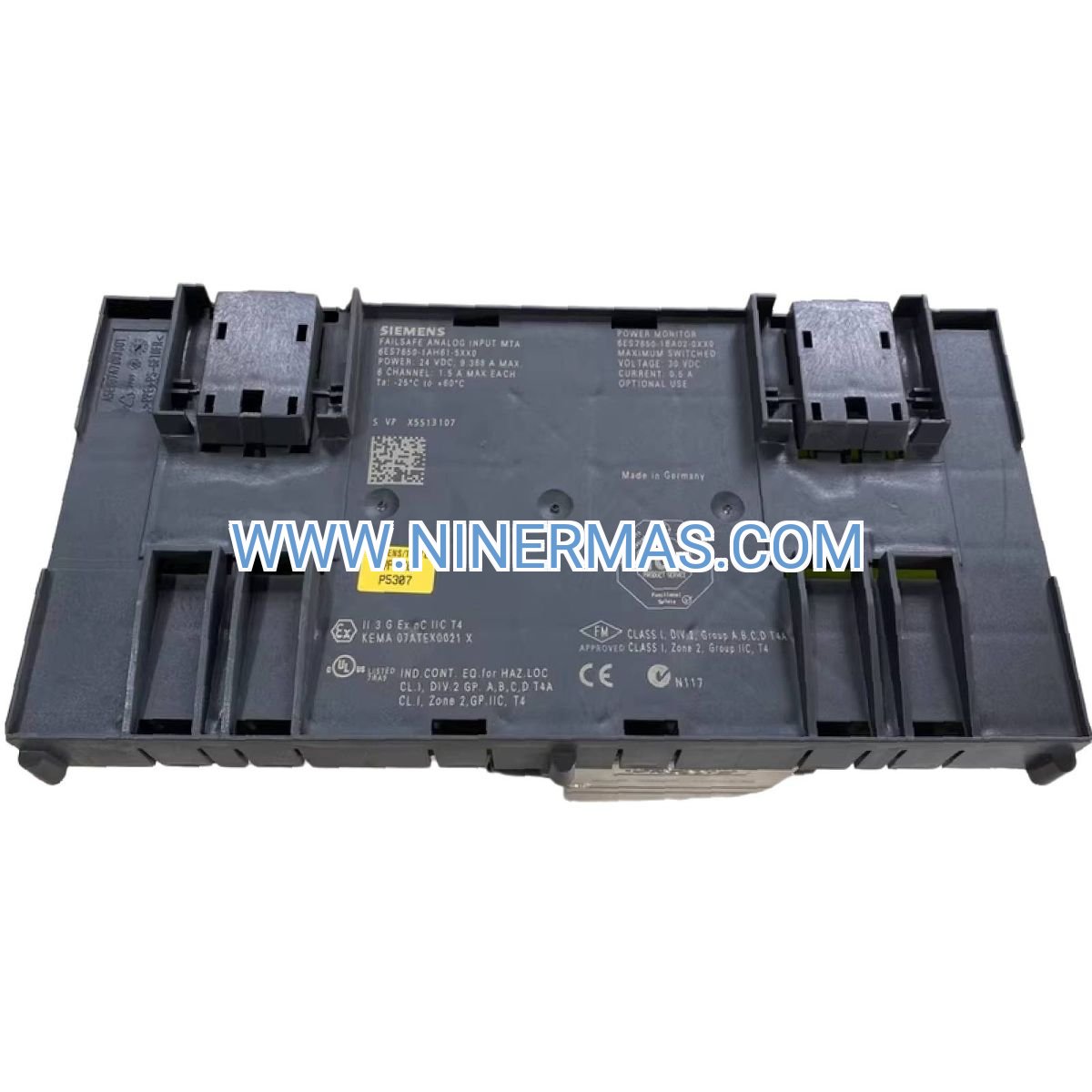
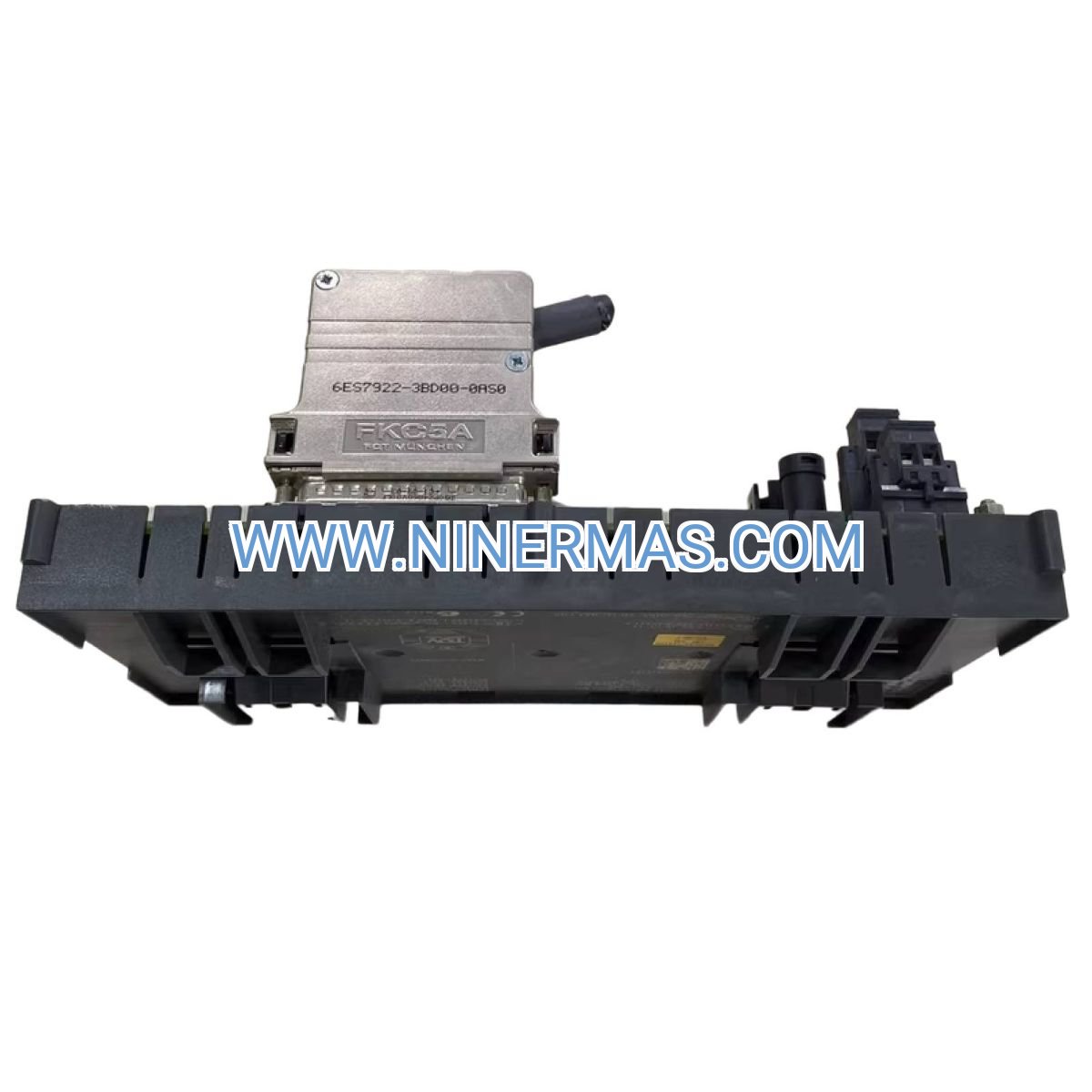
Siemens SIMATIC PCS 7 DCS System | Industrial Process Automation Bundle | 6ES7650-1AA61-2XX0
Description
Siemens SIMATIC PCS 7 DCS System (Industrial Process Automation Platform)
The Siemens 6ES7650-1AA61-2XX0 SIMATIC PCS 7 is an enterprise-grade distributed control system (DCS) designed for continuous process automation across chemical, pharmaceutical, oil & gas, and power generation industries. Through integrated SCADA visualization, redundant controller architecture, and safety-certified I/O modules, it delivers real-time process monitoring, advanced regulatory control, and fail-safe operation for mission-critical applications.
Ideal for greenfield projects and brownfield expansions requiring centralized control of multiple process units, batch reactors, or utility systems. This solution addresses common challenges including: unplanned downtime due to single-point failures, limited visibility into distributed assets, difficulty integrating legacy equipment, and compliance gaps in safety-instrumented systems (SIS).
Leveraging modular design and open communication standards (PROFIBUS, PROFINET, OPC), the PCS 7 bundle offers scalability from small skid packages to plant-wide installations with thousands of I/O points. Suitable for engineering firms, system integrators, OEMs, and end-user facilities seeking proven reliability, lifecycle support, and seamless migration paths. Contact our application engineers for customized architecture proposals and budget quotations.
Core Capabilities & Advantages
- High-Availability Redundancy
Dual-redundant controllers, power supplies, and communication networks ensure continuous operation during component failures, minimizing unplanned shutdowns and production losses in 24/7 environments. - Integrated Safety & Process Control
Native support for SIL 2/3 safety functions via F-modules eliminates the need for separate safety PLCs, reducing engineering effort, cabinet footprint, and lifecycle costs while maintaining TÜV-certified compliance. - Advanced Process Optimization
Built-in PID control, cascade loops, feedforward compensation, and model-predictive control (MPC) blocks enable tighter setpoint tracking, faster disturbance rejection, and energy savings up to 30% compared to manual or basic automation. - Unified Engineering Environment
Single software platform (PCS 7 Engineering Station) for controller programming, HMI configuration, alarm management, and historian setup accelerates commissioning timelines and simplifies operator training. - Comprehensive Diagnostics & Asset Management
Real-time device health monitoring, predictive maintenance alerts, and integration with Siemens SIMATIC PDM reduce mean-time-to-repair (MTTR) and extend equipment lifespan through condition-based servicing. - Scalable & Future-Proof Architecture
Modular expansion from 50 to 60,000+ I/O points, support for virtualized servers, cloud connectivity (MindSphere), and backward compatibility with legacy S7-400 systems protect long-term investment.
Typical Application Scenarios
This system is engineered for industries demanding high process stability, regulatory compliance, and operational continuity:
- Chemical & Petrochemical Plants
Control of continuous reactors, distillation columns, and blending units where precise temperature/pressure regulation and emergency shutdown (ESD) logic are critical for product quality and personnel safety. - Oil & Gas Upstream/Midstream
Offshore platform automation, pipeline SCADA, and gas processing facilities requiring explosion-proof I/O, redundant communications, and integration with third-party safety systems (fire & gas detection). - Pharmaceutical & Biotech Manufacturing
Batch recipe management, clean-in-place (CIP) sequencing, and FDA 21 CFR Part 11 audit trails for sterile production environments with strict validation and traceability requirements. - Power Generation & Utilities
Boiler control, turbine protection, and balance-of-plant automation in combined-cycle, cogeneration, or waste-to-energy facilities where grid synchronization and emissions monitoring are mandatory. - Water & Wastewater Treatment
Municipal and industrial treatment plants managing multi-stage filtration, chemical dosing, and effluent quality control with remote telemetry and regulatory reporting capabilities.
Technical Specifications & Selection Guide
To facilitate design and procurement, we offer standard configurations and custom-engineered solutions tailored to project-specific requirements:
| Parameter | Specification |
|---|---|
| Controller Platform | AS 410 (redundant) / AS 416 (single) |
| I/O Capacity | Up to 12,000 channels per controller pair |
| Communication Protocols | PROFIBUS DP, PROFINET IO, Modbus TCP, OPC UA |
| Operating System | Windows Server (Engineering/Operator Stations) |
| SCADA Software | WinCC V7.x with Process Historian |
| Safety Certification | TÜV SIL 2/3 (IEC 61508), ATEX Zone 2 |
| Operating Temperature | 0°C to +60°C (cabinet-mounted) |
| Protection Rating | IP20 (standard enclosures), IP65 (field I/O) |
| Power Supply | 24 VDC (redundant), 120/230 VAC options |
| Typical Lead Time | 4–8 weeks (standard) / 8–12 weeks (custom) |
Selection Recommendations: Sizing should account for total I/O count, required redundancy level, safety integrity requirements, existing network infrastructure, and physical installation constraints (cabinet dimensions, environmental conditions). For assistance, please provide: process flow diagrams (P&IDs), I/O lists, hazardous area classifications, and preferred communication standards. Our engineers will recommend optimal hardware configurations and licensing packages.
Extended Functionality & Integration Options
- Batch Management (PCS 7 Batch): ISA-88 compliant recipe execution for pharmaceutical and specialty chemical production
- Advanced Process Library (APL): Pre-engineered control modules for common unit operations (pumps, valves, motors, PIDs)
- Route Control: Automated material transfer sequencing for multi-product pipelines and tank farms
- Energy Management: Real-time consumption tracking and optimization algorithms per ISO 50001 standards
- Third-Party Integration: Drivers for ABB, Emerson, Honeywell, and Yokogawa field devices via HART, Foundation Fieldbus, or Modbus
- Cloud Analytics: MindSphere connectivity for predictive maintenance, benchmarking, and remote expert support
Delivery, Service & Quality Assurance
Lead Times: Standard catalog bundles ship within 4–6 weeks; engineered-to-order systems require 8–12 weeks including factory acceptance testing (FAT).
Warranty & Support: 12-month manufacturer warranty covering hardware defects; extended service contracts available with 24/7 hotline access, on-site commissioning assistance, and annual software updates.
Technical Documentation: Each system includes electrical schematics, loop diagrams, I/O assignment tables, software backups, and operator manuals in PDF and hardcopy formats. Training materials and video tutorials provided upon request.
Compliance & Certifications: CE marked, UL/cUL listed, ATEX/IECEx certified for hazardous locations, and compliant with NFPA 70 (NEC) and IEC 61131 programming standards.
Frequently Asked Questions (FAQ)
Q: How does the SIMATIC PCS 7 DCS integrate with existing SCADA or MES systems?
A: PCS 7 supports industry-standard OPC DA/UA servers for seamless data exchange with third-party SCADA platforms (Wonderware, iFIX, Ignition) and MES/ERP systems (SAP, Rockwell FactoryTalk). Ethernet/IP and Modbus TCP gateways are also available for legacy equipment connectivity.
Q: What is the maximum number of process units or control loops one PCS 7 system can handle?
A: A single-server configuration supports up to 12,000 I/O points and 2,000 control loops. For larger plants, multi-server architectures with distributed OS clients can scale to 60,000+ I/O points across multiple process areas or production lines.
Q: What energy savings can be achieved, and under what conditions?
A: Typical savings range from 15–30% in applications with variable-speed drives (VSDs), optimized setpoint control, and load-following strategies. Actual results depend on baseline efficiency, process dynamics, and operator adherence to optimized recipes.
Q: What are the environmental and installation requirements for PCS 7 cabinets?
A: Standard cabinets require climate-controlled environments (0–60°C, <95% RH non-condensing) with IP20 protection. For harsh or outdoor installations, IP54/65-rated enclosures with air conditioning and dust filtration are recommended. Ensure adequate clearance for cable routing and maintenance access.
Q: Can the system be monitored and controlled remotely? Which protocols are supported?
A: Yes. Remote access is enabled via secure VPN tunnels, with web-based thin clients (WinCC Web Navigator) or mobile apps (PCS 7 Mobile). Supported protocols include HTTPS, OPC UA, and MQTT for cloud integration. Cybersecurity features include user authentication, encrypted communications, and audit logging per IEC 62443 standards.
Q: Is training provided for operators and maintenance personnel?
A: Comprehensive training packages are available, covering system operation, troubleshooting, and basic configuration changes. Courses can be delivered on-site, at regional training centers, or via virtual instructor-led sessions. Customized curricula aligned with plant-specific applications are also offered.
Request a Customized Solution
To receive a detailed system proposal, budget quotation, or technical consultation, please provide the following project information:
- Project name and industry sector
- Application type (continuous, batch, hybrid)
- Estimated I/O count (analog inputs/outputs, digital signals)
- Redundancy requirements (controller, network, power)
- Safety integrity level (SIL) if applicable
- Existing infrastructure (network topology, control room layout)
- Preferred delivery timeline and budget constraints
Our application engineers will respond within 24–48 hours with a preliminary architecture diagram, bill of materials (BOM), and implementation roadmap tailored to your operational needs.
© 2026 NINERMAS COMPANY LIMITED. All rights reserved. Original Source: https://ninermas.com Contact: sale@ninermas.com | +0086 187 5021 5667

Contact Info
-
Address:22 / F, South Wo Hang building, 148 Wing Lok Street, Sheung Wan, Western District, Hong Kong
-
Phone:+8618750215667
-
Email:
