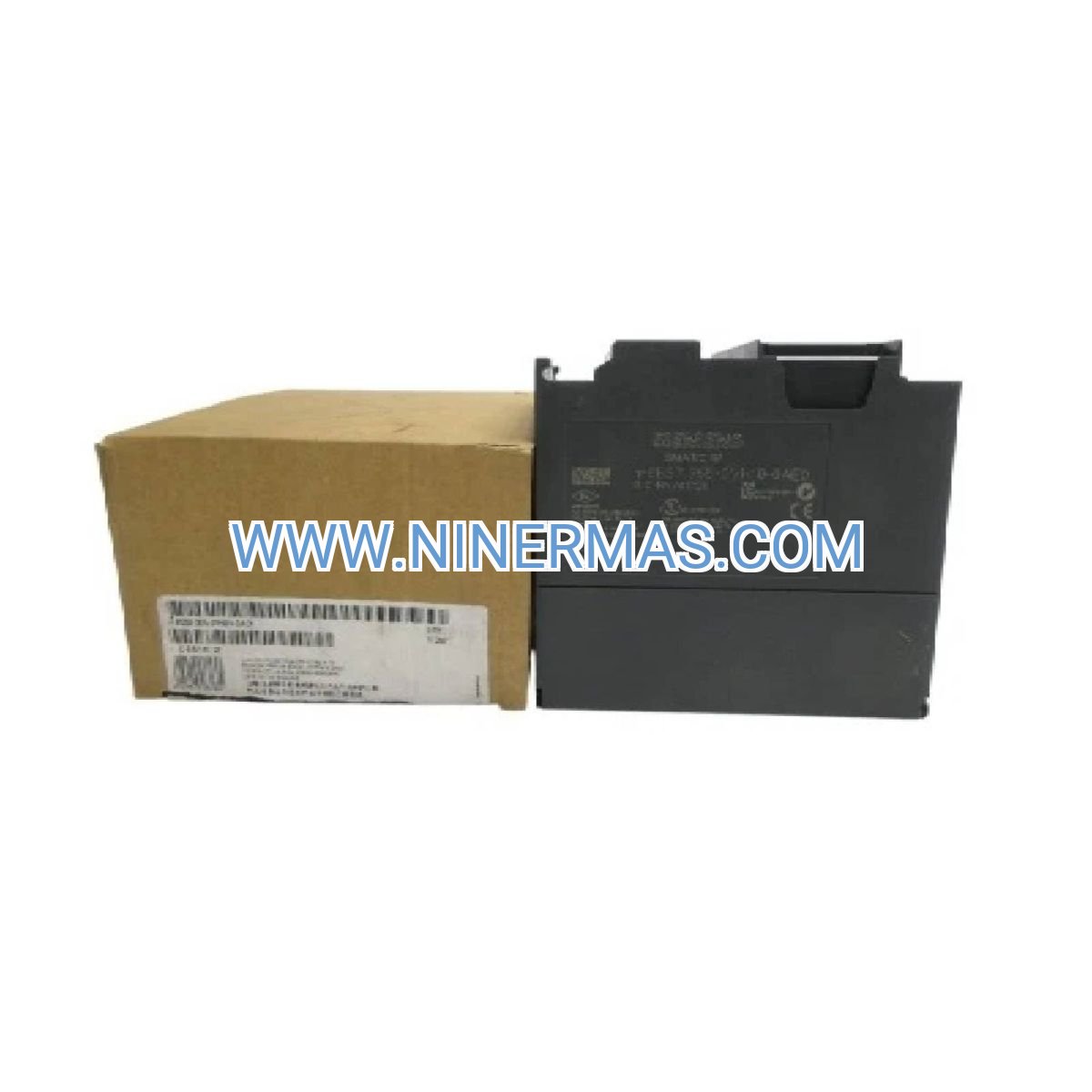
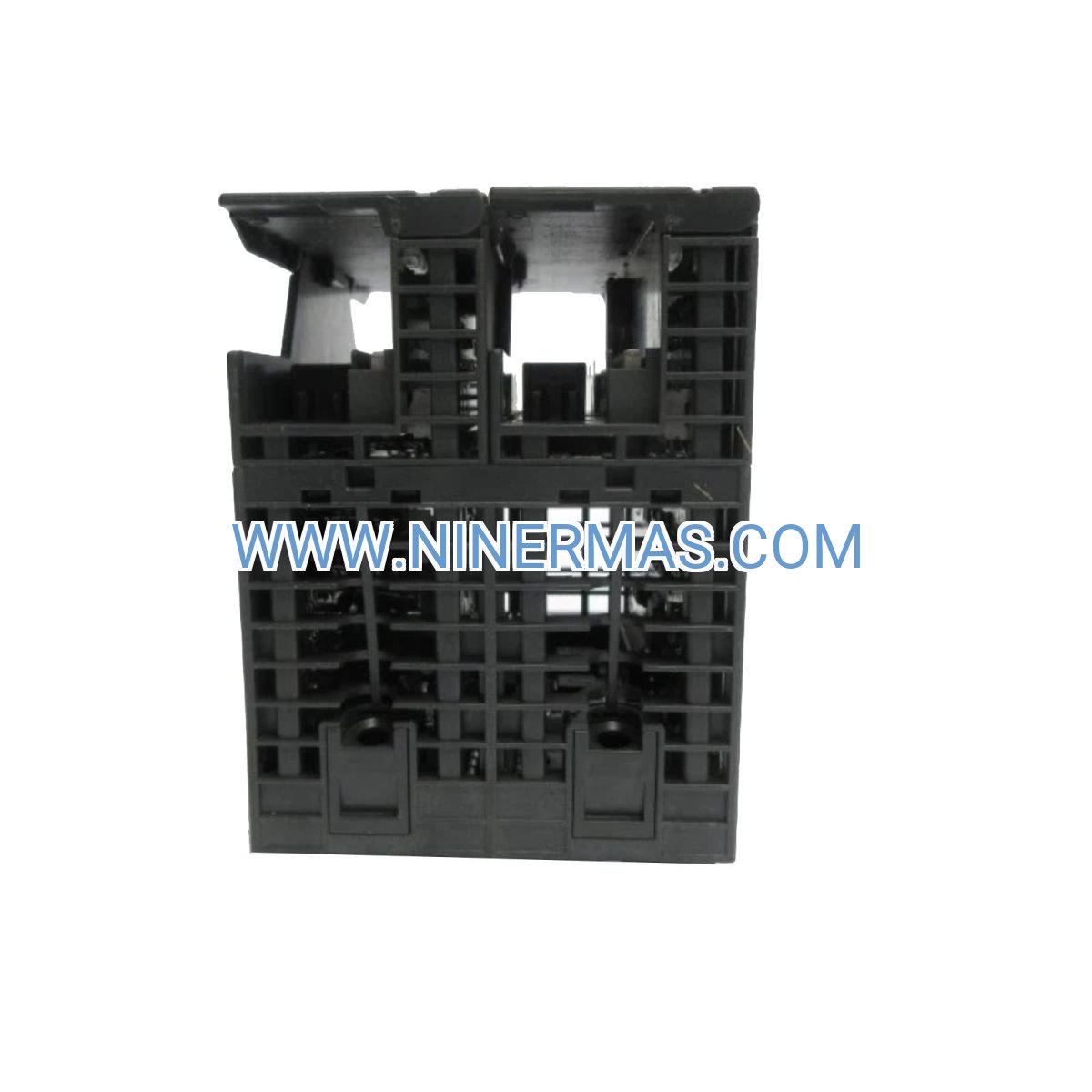
Siemens 6ES7354-1AH01-0AE0 IM 354 Interface Module for S7-300 PLC | PROFIBUS DP Communication
Description
Siemens IM 354 Interface Module for S7-300 PLC Systems (Industrial-Grade PROFIBUS DP Communication)
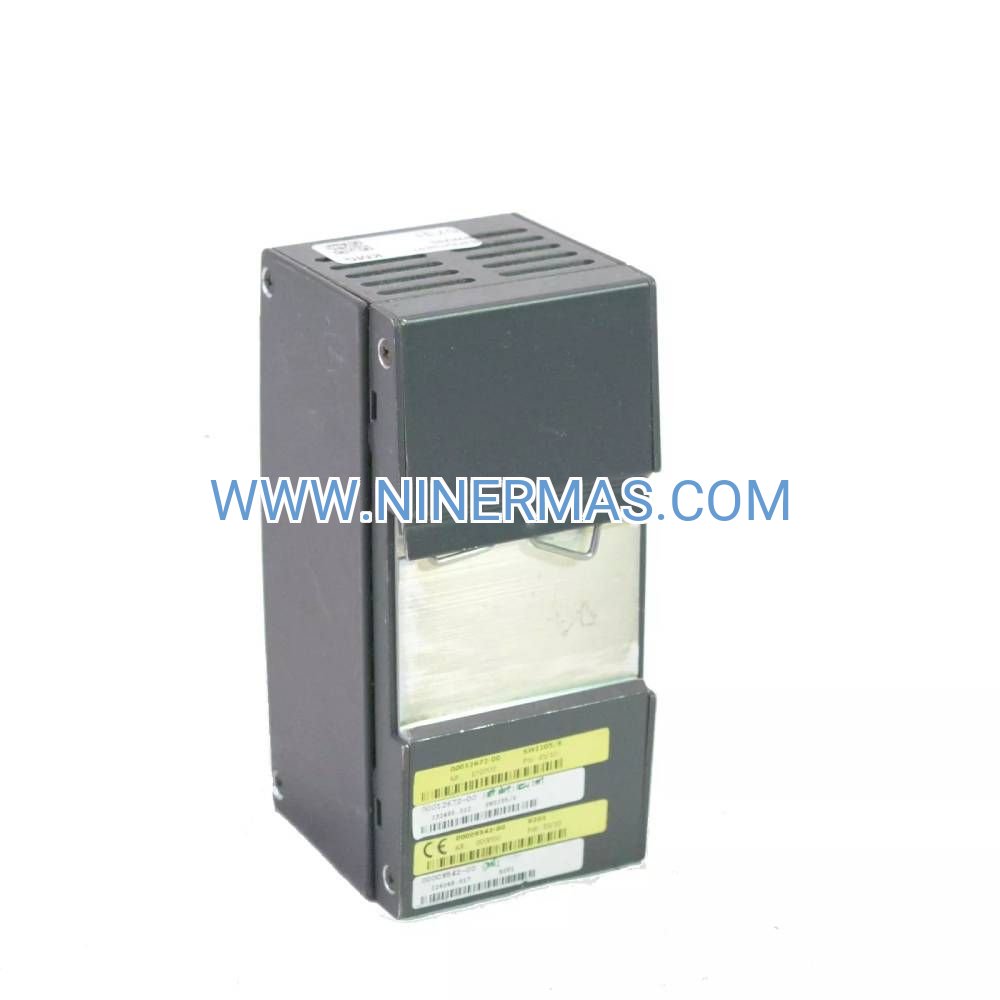
The Siemens 6ES7354-1AH01-0AE0 IM 354 is a professional interface module designed for S7-300 programmable logic controller systems, enabling high-speed PROFIBUS DP communication and seamless data exchange between distributed I/O stations and central control units. Through advanced fieldbus technology and robust industrial-grade construction, it delivers reliable signal transmission, real-time process monitoring, and flexible system expansion capabilities.
Ideal for manufacturing automation, process control networks, distributed I/O architectures, and multi-station production lines—including automotive assembly, chemical processing, pharmaceutical manufacturing, and material handling systems. It effectively addresses challenges such as long-distance signal degradation, complex wiring requirements, limited I/O expansion capacity, slow communication response times, and difficult fault diagnostics.
Featuring standardized design with customizable configuration options, this interface module offers high-speed data transfer (up to 12 Mbit/s), excellent electromagnetic compatibility, hot-swap capability, and straightforward maintenance procedures—making it suitable for system integrators, automation engineers, OEM equipment manufacturers, and industrial end-users. Contact our engineering team for application-specific configuration guidance and technical quotations.
Core Features & Technical Advantages
High-Speed PROFIBUS DP Communication
Supports PROFIBUS DP protocol with data transfer rates up to 12 Mbit/s, enabling real-time communication between central controllers and distributed I/O modules. Reduces system response latency and improves overall control precision for time-critical industrial processes.
Flexible System Expansion Architecture
Allows connection of up to 32 distributed I/O stations per segment, significantly expanding system I/O capacity without complex rewiring. Supports modular configuration to adapt to varying production scale requirements and future system upgrades.
Robust Industrial-Grade Construction
Built with industrial-grade components rated for harsh environments, featuring wide operating temperature range (-25°C to +60°C), excellent vibration resistance, and IP20 protection rating. Ensures stable operation in demanding factory floor conditions.
Comprehensive Diagnostic Capabilities
Integrated diagnostic functions provide real-time monitoring of communication status, bus faults, and module health. LED indicators display operational status at a glance, while detailed diagnostic data accessible via STEP 7 software accelerates troubleshooting and reduces downtime.
Simplified Installation & Maintenance
Standard DIN rail mounting with tool-free installation, clearly labeled connection terminals, and hot-swap capability for quick module replacement without system shutdown. Reduces installation time and maintenance costs significantly.
Excellent Electromagnetic Compatibility
Designed with advanced EMC protection to withstand industrial electromagnetic interference, ensuring reliable communication in electrically noisy environments with VFDs, welding equipment, and high-power machinery nearby.
Typical Application Scenarios
This interface module is engineered for industrial environments requiring stable communication, distributed control architecture, and high system reliability, particularly in:
Automotive Manufacturing & Assembly Lines
Connects distributed I/O stations across welding robots, painting booths, and assembly workstations. Enables centralized monitoring and control of multi-station production processes while reducing cable complexity and installation costs.
Chemical & Petrochemical Process Control
Facilitates communication between field instruments (pressure transmitters, flow meters, valve actuators) and central DCS/PLC systems. Supports long-distance signal transmission in hazardous area applications with proper barriers and intrinsically safe designs.
Pharmaceutical & Food Processing Plants
Provides reliable data exchange for batch control systems, recipe management, and quality monitoring applications. Meets stringent hygiene standards and validation requirements for regulated industries with comprehensive diagnostic logging.
Water Treatment & Municipal Infrastructure
Connects remote pump stations, filtration units, and monitoring equipment to central SCADA systems. Enables real-time process optimization and predictive maintenance across geographically distributed facilities.
Material Handling & Warehouse Automation
Integrates conveyor systems, sorting equipment, and automated storage/retrieval systems into unified control architecture. Supports high-speed communication for coordinated motion control and inventory tracking applications.
Technical Specifications & Selection Guide
To facilitate engineering design and product selection, we provide comprehensive technical parameters for the Siemens IM 354 interface module. Custom configurations available based on specific project requirements.
Key Technical Parameters:
- Product Model: 6ES7354-1AH01-0AE0
- Communication Protocol: PROFIBUS DP (EN 50170)
- Data Transfer Rate: 9.6 kbit/s to 12 Mbit/s (auto-detection)
- Maximum Stations: 32 per segment (with repeaters: up to 125)
- Power Supply: 24V DC (via backplane bus)
- Current Consumption: Typical 80 mA from backplane
- Operating Temperature: -25°C to +60°C
- Storage Temperature: -40°C to +70°C
- Protection Rating: IP20
- Mounting: Standard S7-300 DIN rail
- Dimensions (W×H×D): 40mm × 125mm × 120mm
- Weight: Approximately 150g
- Certifications: CE, UL, cULus, FM approved
Selection Considerations:
When selecting interface modules, consider: required communication distance (standard segment up to 200m without repeaters), number of distributed I/O stations, data transfer rate requirements, environmental conditions (temperature, vibration, EMI), power supply availability, and integration with existing S7-300 system architecture. For complex applications or multi-segment networks, consult our automation engineers with your system topology and I/O count requirements for optimized configuration recommendations.
System Integration & Configuration Options
Compatible S7-300 CPU Models:
Works seamlessly with all S7-300 series CPUs including CPU 312, 313, 314, 315, 316, and 317 models. Supports both standard and failsafe CPU variants for safety-critical applications.
Distributed I/O Compatibility:
Connects to ET 200M, ET 200S, ET 200pro, and third-party PROFIBUS DP-compliant I/O systems. Supports mixed digital/analog I/O, specialty modules (temperature, weighing, positioning), and intelligent field devices.
Network Topology Options:
Supports linear, tree, and star network topologies with PROFIBUS repeaters and optical link modules (OLM) for extended distances and electrical isolation. Enables flexible system architecture design for complex plant layouts.
Software Configuration:
Configured via Siemens STEP 7 programming software (TIA Portal or Classic). Hardware configuration wizard simplifies setup with automatic address assignment and parameter templates. Comprehensive diagnostic views integrated into programming environment.
Delivery, Service & Quality Assurance
Product Availability: Standard catalog items typically ship within 3-5 business days from regional warehouses. Custom-configured systems or large-volume orders may require 7-14 days lead time depending on specifications and quantity.
Warranty Coverage: All products include minimum 12-month manufacturer warranty covering defects in materials and workmanship. Extended warranty options available for critical applications.
Technical Support: Comprehensive technical assistance including pre-sales application consulting, configuration guidance, commissioning support, and post-sales troubleshooting. Remote diagnostic support and on-site service available in major industrial regions (service terms vary by location).
Documentation Package: Complete technical documentation provided including product datasheet, installation manual, wiring diagrams, STEP 7 configuration examples, and GSD (General Station Description) files for seamless integration. All documents available in multiple languages.
Quality Certifications: Products sourced through authorized Siemens distribution channels with full traceability. Compliant with international industrial standards including CE, UL, cULus, and FM approvals for global project deployment.
Frequently Asked Questions (FAQ)
Q: How do I connect the Siemens IM 354 interface module to my existing S7-300 PLC system?
A: The IM 354 mounts on standard S7-300 DIN rail and connects to the backplane bus for power and communication with the CPU. PROFIBUS DP connection uses standard 9-pin D-sub connector with terminating resistor (required at both ends of bus segment). Detailed wiring diagrams and pin assignments provided in installation manual. Verify CPU firmware supports PROFIBUS DP master functionality and configure hardware in STEP 7 software.
Q: What is the maximum number of distributed I/O stations I can connect with one IM 354 module?
A: A single PROFIBUS DP segment supports up to 32 stations (including the master). With PROFIBUS repeaters (RS 485 or optical), you can extend to 125 stations total across multiple segments. Actual station count depends on data volume, cycle time requirements, and communication speed. For large systems, consult our engineers for network optimization.
Q: What communication distance can the IM 354 achieve and how does baud rate affect it?
A: Maximum segment length varies with baud rate: 1200m at 9.6-187.5 kbit/s, 400m at 500 kbit/s, 200m at 1.5 Mbit/s, and 100m at 12 Mbit/s. Use PROFIBUS repeaters to extend distances or optical link modules (OLM) for kilometer-range connections with electrical isolation. Cable quality and proper termination critical for reliable high-speed communication.
Q: What are the environmental requirements for installing the IM 354 interface module?
A: Operating temperature range: -25°C to +60°C; storage: -40°C to +70°C. Protection rating IP20 requires installation in enclosed control cabinet. Ensure adequate ventilation (natural or forced cooling) and maintain ambient temperature below 60°C. Avoid direct exposure to moisture, corrosive gases, or excessive vibration. Follow Siemens installation guidelines for proper spacing and cable routing.
Q: Does the IM 354 support remote monitoring and diagnostic data collection?
A: Yes, comprehensive diagnostic information accessible via STEP 7 software including communication status, bus faults, station availability, and error counters. Diagnostic data can be read by CPU program and transmitted to SCADA/HMI systems for remote monitoring. Supports PROFIBUS DP diagnostics protocol for standardized fault reporting. LED indicators on module provide local status indication (SF, BF, RUN).
Q: Can I hot-swap the IM 354 module without shutting down the entire PLC system?
A: The IM 354 supports hot-swap capability when properly configured in STEP 7. However, removing the module will interrupt communication with all distributed I/O stations on that PROFIBUS segment. For critical applications, implement redundant communication paths or plan maintenance during scheduled downtime. Always follow proper ESD precautions when handling electronic modules.
Request Technical Support & Quotation
For detailed application engineering support, product selection guidance, or project quotations, please provide the following information to our technical team:
- Project name and application industry
- S7-300 CPU model and firmware version
- Number and types of distributed I/O stations required
- Total I/O point count (digital inputs/outputs, analog channels)
- Maximum communication distance and network topology
- Environmental conditions (temperature, protection rating requirements)
- Required delivery timeline and quantity
Our automation engineers will provide one-on-one consultation, system architecture recommendations, and competitive pricing within 24 business hours.
© 2026 NINERMAS COMPANY LIMITED. All rights reserved.
Original Source: https://ninermas.com
Contact: sale@ninermas.com | +0086 187 5021 5667

Contact Info
-
Address:22 / F, South Wo Hang building, 148 Wing Lok Street, Sheung Wan, Western District, Hong Kong
-
Phone:+8618750215667
-
Email: