


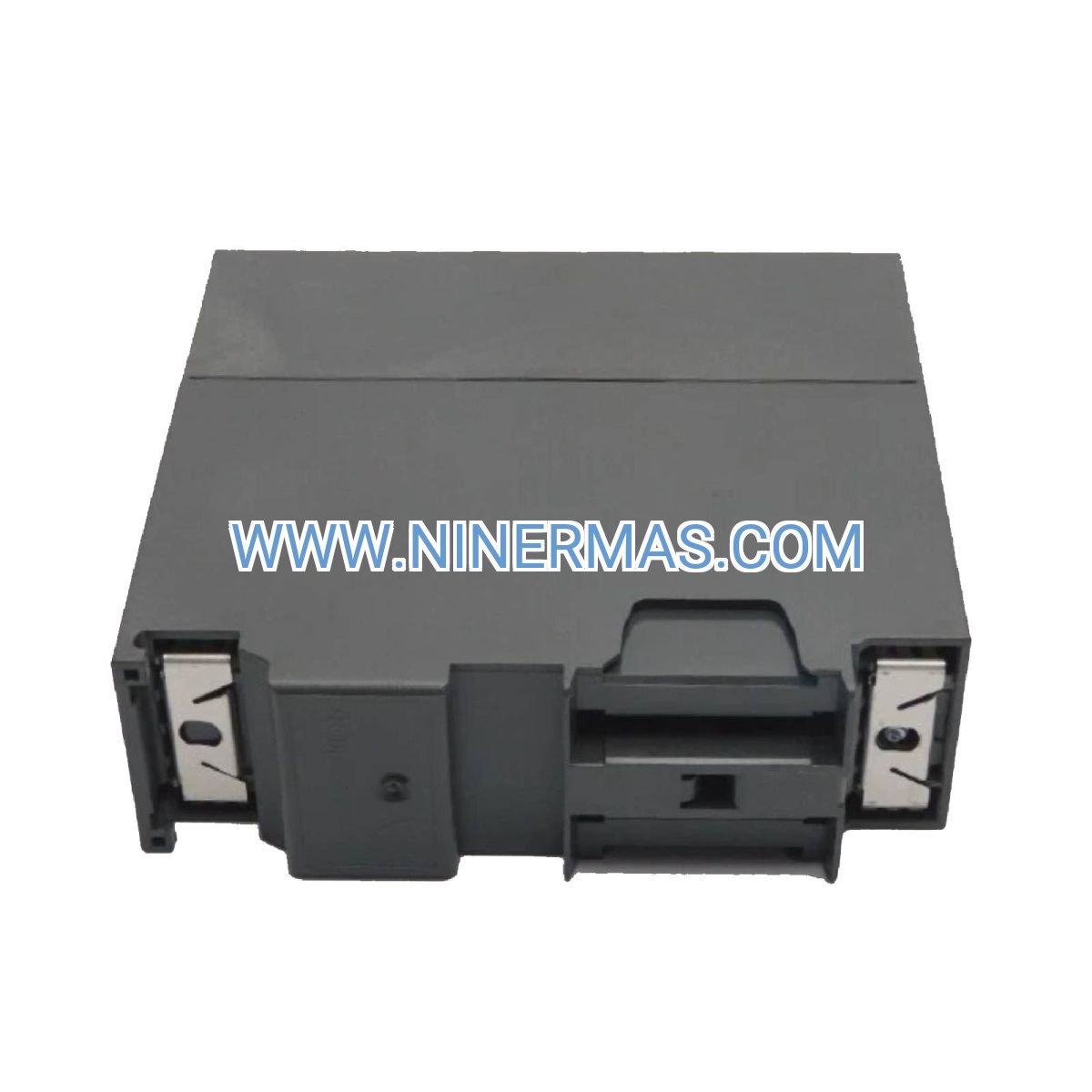

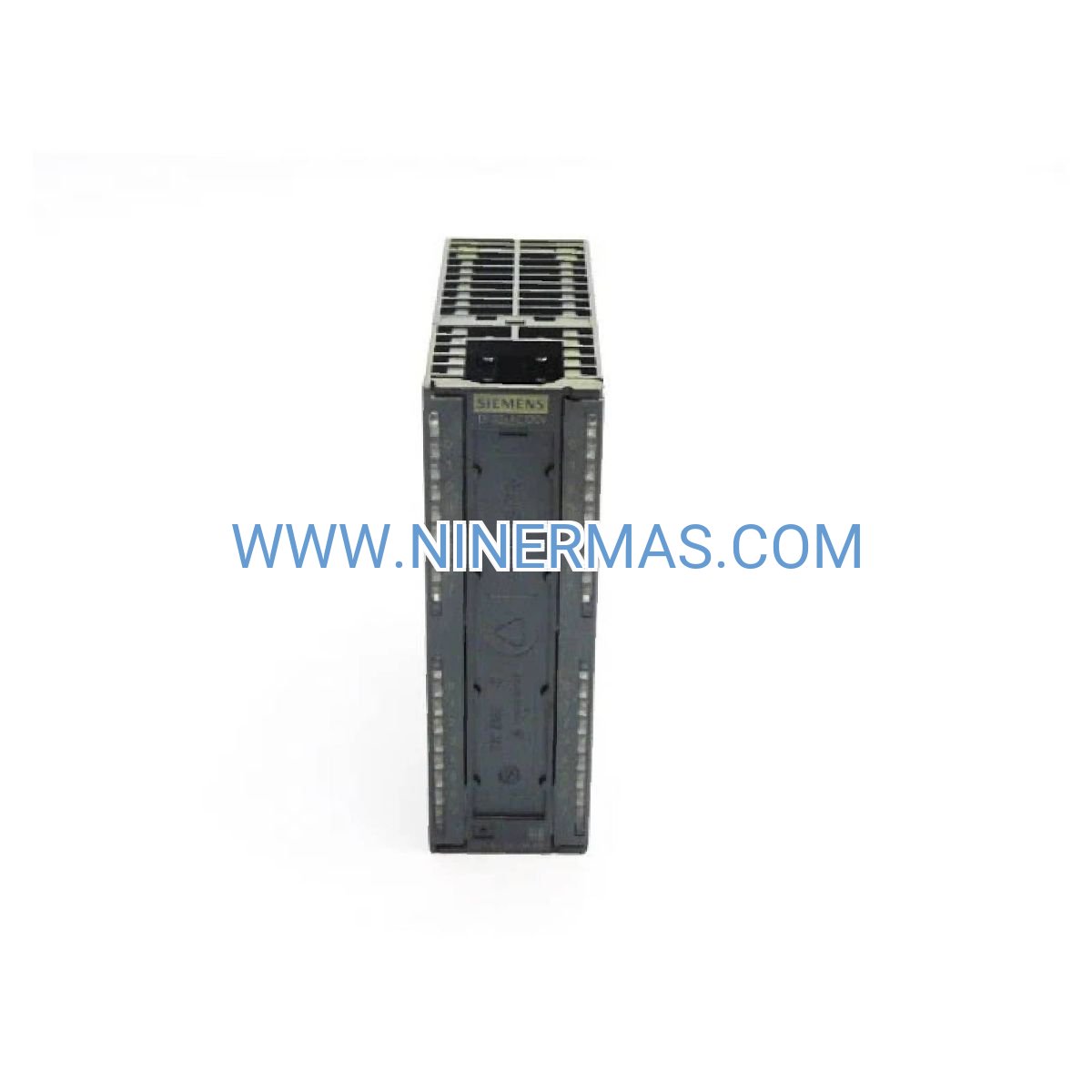
Siemens 6ES7321-1BP00-0AA0 SM 321 Digital Input Module | 64-Channel DI for S7-300 PLC | Industrial Automation
Description
Siemens SM 321 Digital Input Module (Industrial-Grade I/O Solution for S7-300 PLC)
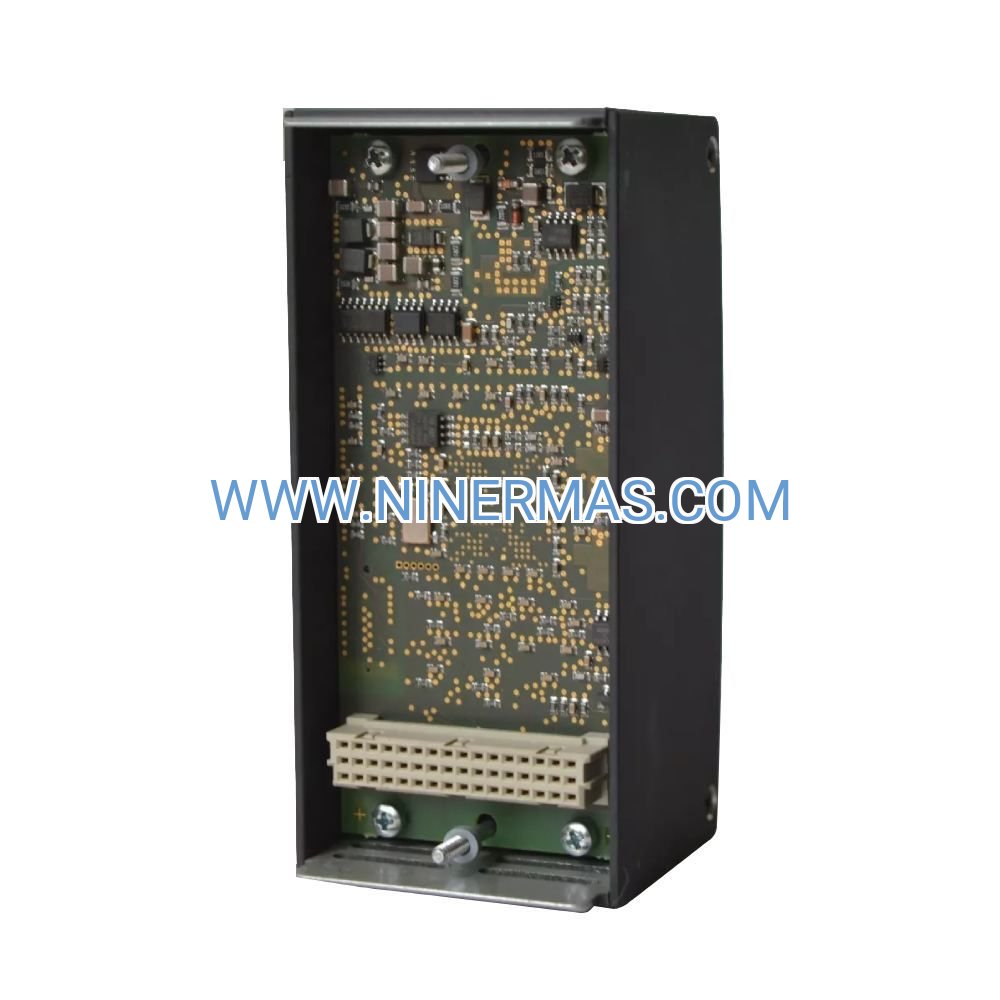
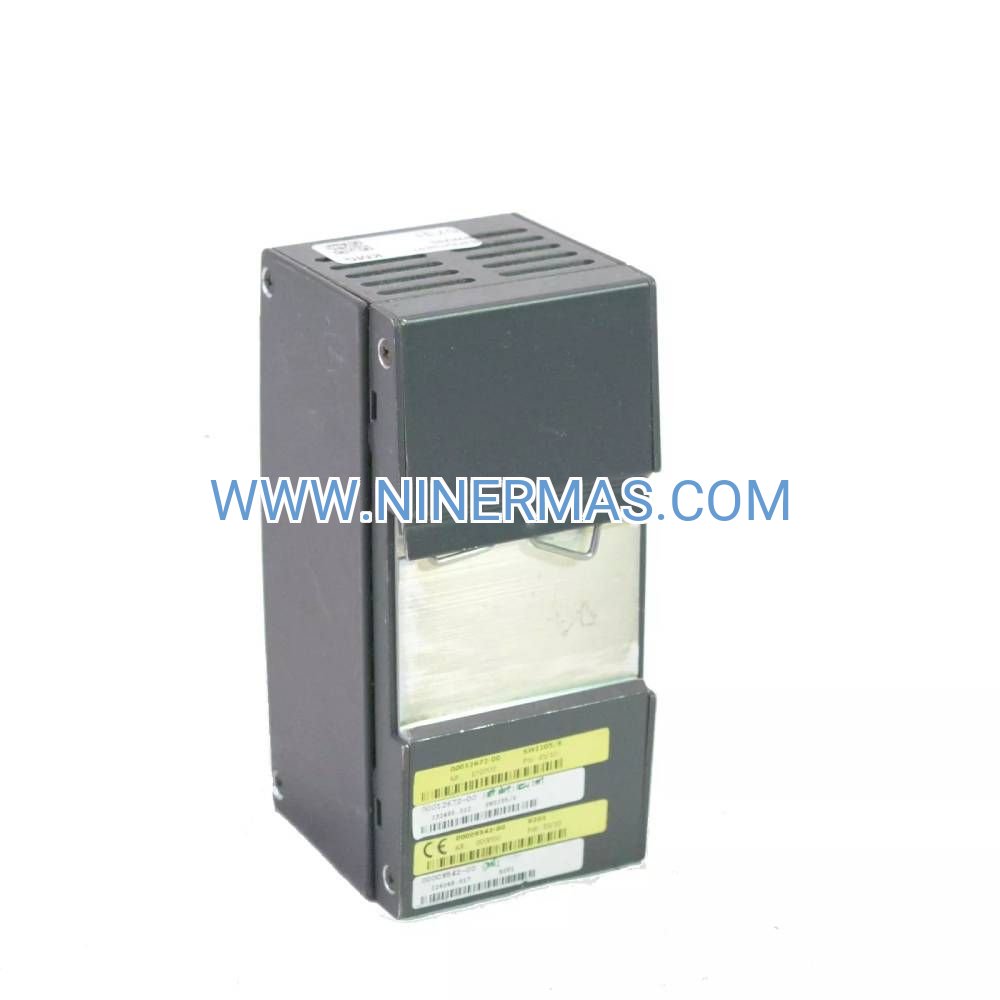
The Siemens 6ES7321-1BP00-0AA0 SM 321 is a high-performance digital input module designed for SIMATIC S7-300 programmable logic controller systems. Through galvanically isolated 64-channel digital signal acquisition and 24V DC input architecture, it enables reliable real-time monitoring and control in demanding industrial environments.
Ideal for process automation, manufacturing lines, energy management systems, and building automation applications, this module addresses critical challenges including signal interference, wiring complexity, high-density I/O requirements, and system scalability limitations. It ensures stable signal acquisition even in electrically noisy environments with electromagnetic interference.
With standardized design and flexible configuration options, the SM 321 module delivers exceptional reliability, easy maintenance, seamless integration with S7-300 CPU units, and compatibility with STEP 7 programming software. Suitable for design engineers, system integrators, OEM manufacturers, and plant maintenance teams. Contact our engineers for application-specific configuration guidance and technical quotations.
Core Features & Advantages
High-Density Signal Acquisition
Equipped with 64 isolated digital input channels in a compact form factor, the module maximizes cabinet space utilization while reducing wiring complexity. Each channel features individual galvanic isolation to prevent ground loop interference and cross-talk between signals.
Robust Industrial Design
Built to withstand harsh industrial conditions with wide operating temperature range (-25°C to +60°C), vibration resistance, and EMC compliance. The module maintains signal integrity in environments with motor drives, welding equipment, and high-frequency switching devices.
Flexible Input Configuration
Supports both sink and source input wiring configurations with 24V DC nominal voltage. Input delay time is adjustable via software (0.1ms to 20ms) to filter mechanical contact bounce or adapt to different sensor response characteristics.
Comprehensive Diagnostic Capabilities
Integrated self-diagnostics monitor power supply status, channel faults, and module communication errors. LED indicators provide instant visual feedback for troubleshooting, while diagnostic data is accessible through STEP 7 software for predictive maintenance strategies.
Hot-Swappable Operation
Front connector technology enables module replacement without disturbing field wiring, minimizing downtime during maintenance. The keyed connector design prevents incorrect installation and ensures reliable electrical connections.
Seamless System Integration
Fully compatible with all S7-300 CPU variants and can be mixed with analog I/O, communication processors, and function modules on the same backplane. Supports distributed I/O configurations via PROFIBUS DP or PROFINET for flexible system architecture.
Typical Application Scenarios
This module is engineered for applications demanding high channel density, signal reliability, and deterministic response times, particularly in:
Process Automation & Chemical Plants
Monitors valve position feedback, limit switches, flow sensors, and emergency stop circuits in continuous process industries. The isolated inputs protect control systems from ground potential differences common in large-scale installations spanning multiple buildings or process units.
Manufacturing & Assembly Lines
Acquires signals from proximity sensors, photoelectric switches, safety light curtains, and part-present detectors in automotive, electronics, and packaging machinery. High-speed input response ensures accurate position detection for synchronized motion control applications.
Energy & Utilities Infrastructure
Interfaces with circuit breaker auxiliary contacts, transformer temperature alarms, motor protection relays, and SCADA remote terminal units in power generation, transmission, and distribution facilities. Meets stringent reliability requirements for critical infrastructure monitoring.
Building Automation & HVAC Systems
Connects to occupancy sensors, door/window contacts, smoke detectors, and equipment status indicators in commercial buildings and data centers. Enables centralized monitoring and energy optimization through integration with building management systems.
Material Handling & Logistics
Processes signals from conveyor position sensors, barcode scanners, weight scales, and automated guided vehicle (AGV) navigation systems in warehouses and distribution centers. Supports high-throughput operations with minimal signal latency.
Technical Specifications & Selection Guide
To facilitate engineering design and procurement, we provide key technical parameters for the SM 321 module. Custom configurations and extended temperature variants are available upon request.
Electrical Specifications:
- Input Channels: 64 (isolated in groups of 16)
- Input Voltage: 24V DC nominal (range: 11V to 30V DC)
- Input Current: Typical 7mA per channel
- Input Type: Sink/Source configurable
- Signal Delay: 0.1ms to 20ms (software selectable)
- Isolation Voltage: 500V DC between channels and backplane
Mechanical & Environmental:
- Dimensions: 40mm (W) × 125mm (H) × 120mm (D)
- Mounting: DIN rail on S7-300 profile rail
- Operating Temperature: -25°C to +60°C
- Storage Temperature: -40°C to +70°C
- Relative Humidity: 5% to 95% (non-condensing)
- Protection Rating: IP20
System Integration:
- Compatibility: All S7-300 CPU models (CPU 312 to CPU 319)
- Backplane Current: 80mA from 5V DC bus, 30mA from 24V DC bus
- Configuration Tool: STEP 7 V5.x or TIA Portal
- Diagnostic Support: Module status, channel diagnostics, supply voltage monitoring
Selection Considerations:
When specifying this module, evaluate the following project parameters: total number of digital input points required, sensor output type (PNP/NPN), required input filtering for noise immunity, cabinet space constraints, and future expansion needs. For applications requiring higher channel counts, multiple modules can be installed on the same rack. Our application engineers can assist with I/O mapping, load calculations, and system architecture optimization—please provide your functional specification or P&ID for tailored recommendations.
Extended Capabilities
Distributed I/O Architecture
The SM 321 module can be deployed in ET 200M distributed I/O stations connected via PROFIBUS DP or PROFINET, enabling decentralized signal acquisition closer to field devices. This reduces wiring costs, improves signal quality, and simplifies cabinet layout in large installations.
Redundancy & Fault Tolerance
For mission-critical applications, the module supports redundant S7-300H controller configurations with automatic failover. Redundant power supplies and communication paths ensure continuous operation even during component failures.
Integration with SCADA/HMI Systems
Digital input data is accessible through OPC UA, OPC DA, or Modbus TCP protocols for integration with third-party SCADA platforms, historian databases, and cloud-based analytics services. Supports Industry 4.0 initiatives with standardized data exchange formats.
Delivery, Service & Quality Assurance
Lead Time & Inventory: Standard catalog items typically ship within 3-5 business days from regional distribution centers. Custom-configured modules or large project quantities may require 2-3 weeks—contact us for expedited delivery options.
Warranty & Support: All modules include a minimum 12-month manufacturer warranty covering defects in materials and workmanship. Extended warranty programs and spare parts kits are available for long-term projects.
Technical Documentation: Each shipment includes product datasheet, wiring diagrams, GSD/GSDML files for network configuration, and quick-start guide. Complete technical manuals and CAD drawings (EPLAN, AutoCAD) are downloadable from our support portal.
Installation & Commissioning: Remote technical assistance is provided at no charge during installation. On-site commissioning support and training services are available regionally—please inquire for service coverage in your area.
Compliance & Certifications: CE marked, UL/cUL listed, and compliant with IEC 61131-2 standards for programmable controllers. RoHS and REACH compliant for environmental regulations.
Frequently Asked Questions (FAQ)
Q: How does the SM 321 digital input module integrate with existing S7-300 PLC systems?
A: The module installs directly onto the S7-300 DIN rail mounting system and connects to the backplane bus automatically. Configuration is performed through STEP 7 software by adding the module to your hardware configuration and assigning input addresses. No special interface cards or adapters are required—simply insert the module, lock the bus connector, and download the updated configuration to the CPU.
Q: What is the maximum number of SM 321 modules that can be used in a single S7-300 system?
A: A standard S7-300 rack supports up to 8 signal modules (excluding CPU and power supply). For larger systems, expansion racks can be added via interface modules (IM 360/361), allowing up to 4 expansion racks with a total of 32 modules. This enables systems with over 2,000 digital input points when using 64-channel modules.
Q: What input filtering options are available to prevent false triggering from electrical noise?
A: Each input channel features hardware RC filtering plus software-configurable input delay (0.1ms to 20ms). For high-noise environments, set longer delay times (3-20ms) to filter transient spikes. For fast-response applications like high-speed counting, use minimum delay (0.1-0.5ms). The galvanic isolation (500V) provides additional immunity to ground potential differences and common-mode interference.
Q: Can the SM 321 module be used in hazardous area (ATEX/IEX) applications?
A: The standard SM 321 module is rated for IP20 and is intended for installation in control cabinets located in safe areas (Zone 2 or non-classified). For Zone 1 or Division 1 applications, use intrinsically safe barriers or isolators between field devices and the module, or specify ET 200iSP distributed I/O systems with ATEX/IEX certification for direct hazardous area mounting.
Q: What diagnostic capabilities does the module provide for predictive maintenance?
A: The SM 321 continuously monitors supply voltage levels, backplane communication status, and individual channel faults (wire break detection on some variants). Diagnostic data is accessible via STEP 7 software, HMI panels, or OPC servers. LED indicators on the module front panel show power status (green), group fault (red), and channel diagnostics. Advanced diagnostics can trigger email alerts or SMS notifications through integrated SCADA systems.
Q: Does the module support remote monitoring and data acquisition via Industrial Ethernet protocols?
A: Yes, when used with S7-300 CPUs equipped with Ethernet communication processors (CP 343-1 or integrated PROFINET ports), input data is accessible via PROFINET, OPC UA, Modbus TCP, or S7 communication protocols. This enables integration with cloud platforms, mobile monitoring apps, and enterprise MES/ERP systems for real-time production visibility and historical data analysis.
Request Technical Support & Quotation
To receive detailed application engineering support, product selection guidance, or project quotations, please provide the following information: project name and industry sector, application description (process type, machine function), total digital input point count required, sensor types and output specifications (PNP/NPN, voltage levels), environmental conditions (temperature, humidity, vibration), cabinet layout constraints, and preferred delivery timeline. Our certified automation engineers will respond within 24 hours with customized recommendations and budget pricing.
© 2026 NINERMAS COMPANY LIMITED. All rights reserved. Original Source: https://ninermas.com Contact: sale@ninermas.com | +0086 187 5021 5667

Contact Info
-
Address:22 / F, South Wo Hang building, 148 Wing Lok Street, Sheung Wan, Western District, Hong Kong
-
Phone:+8618750215667
-
Email:
