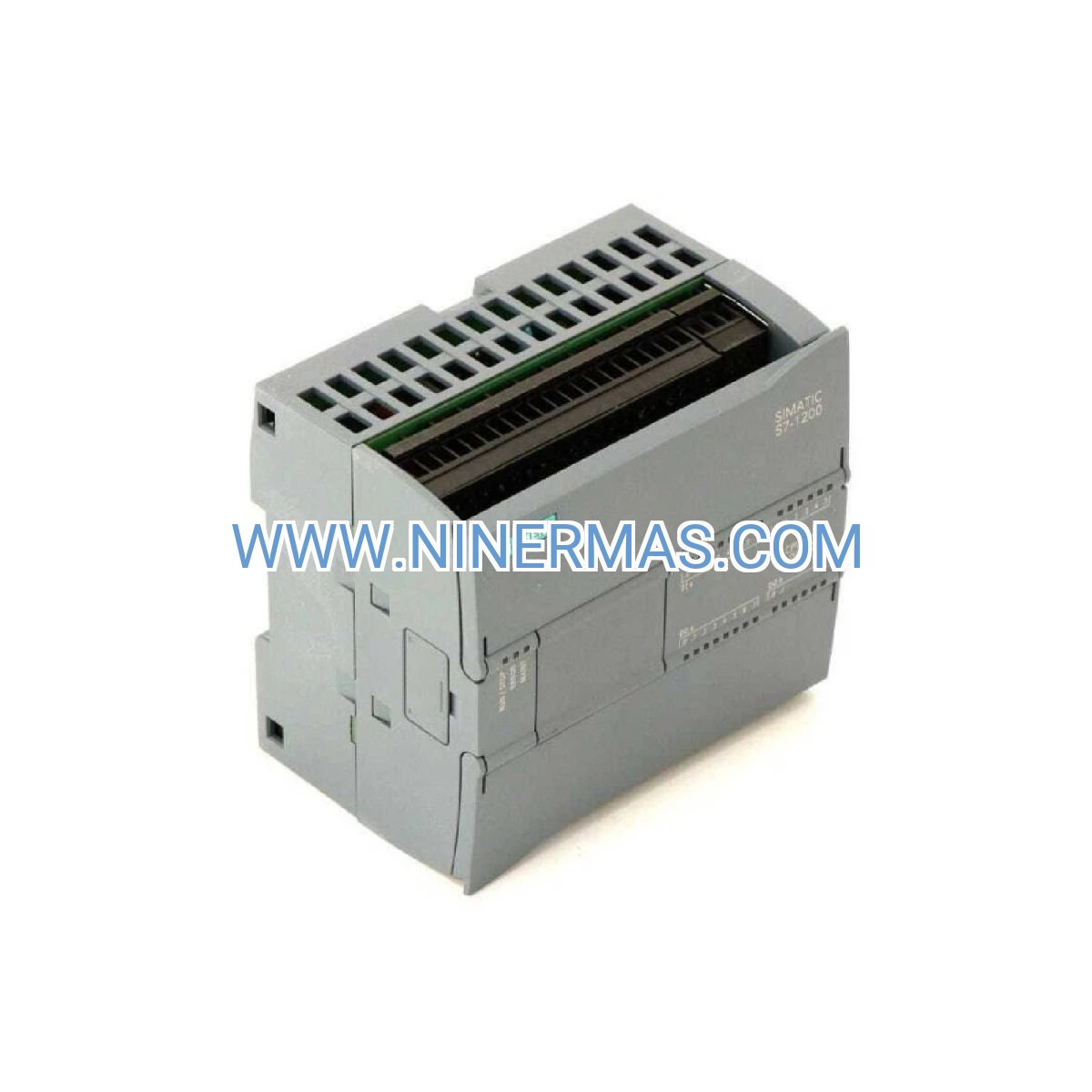
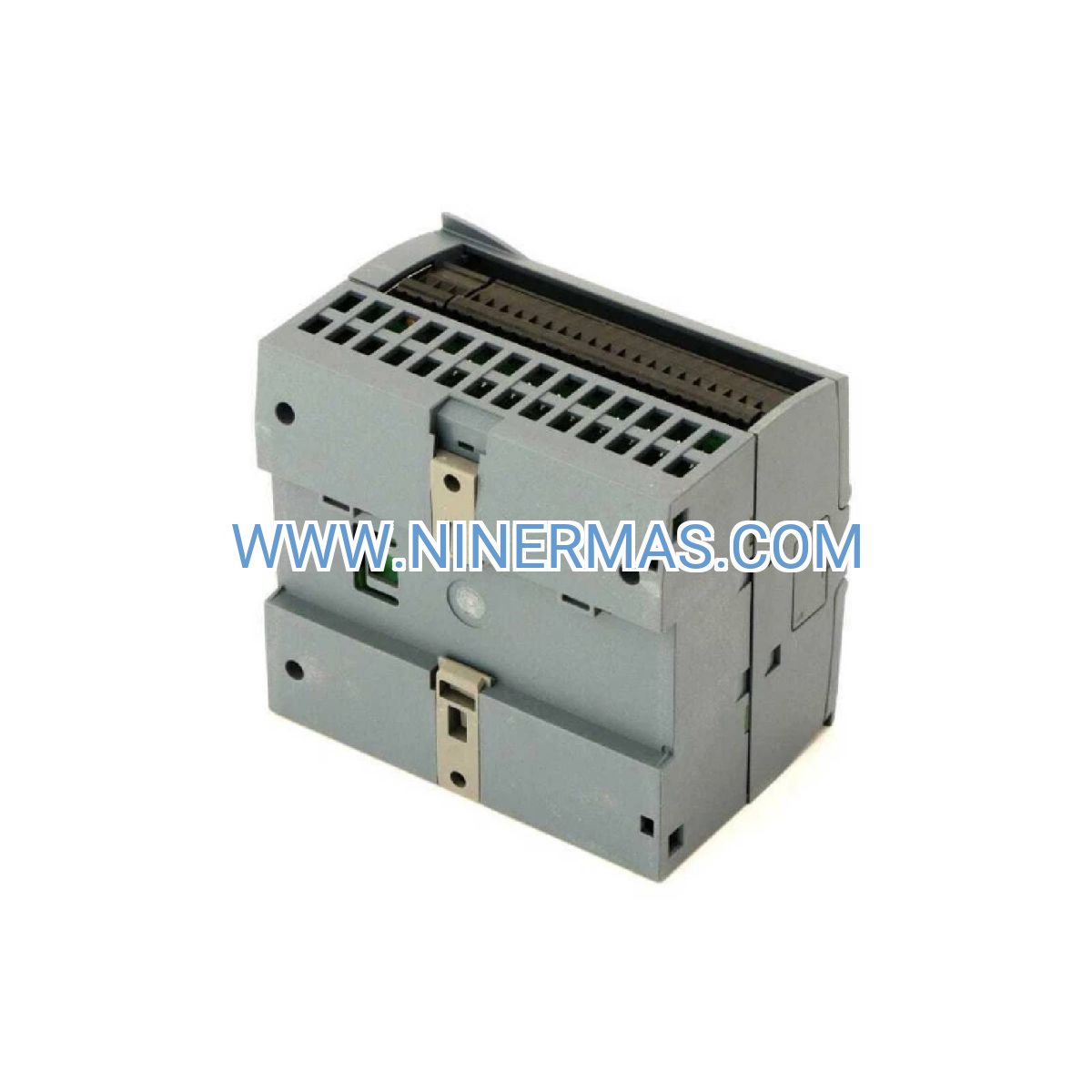
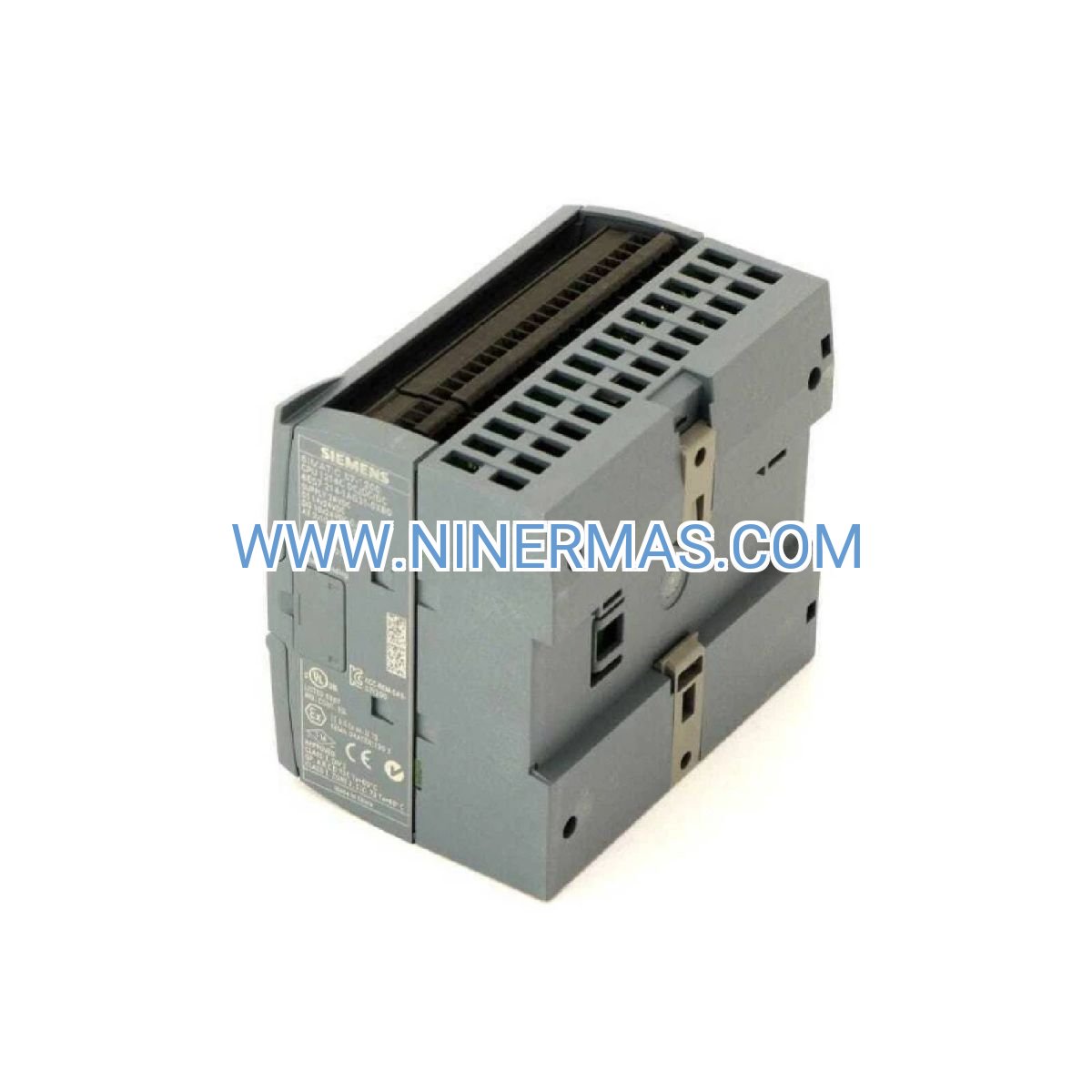
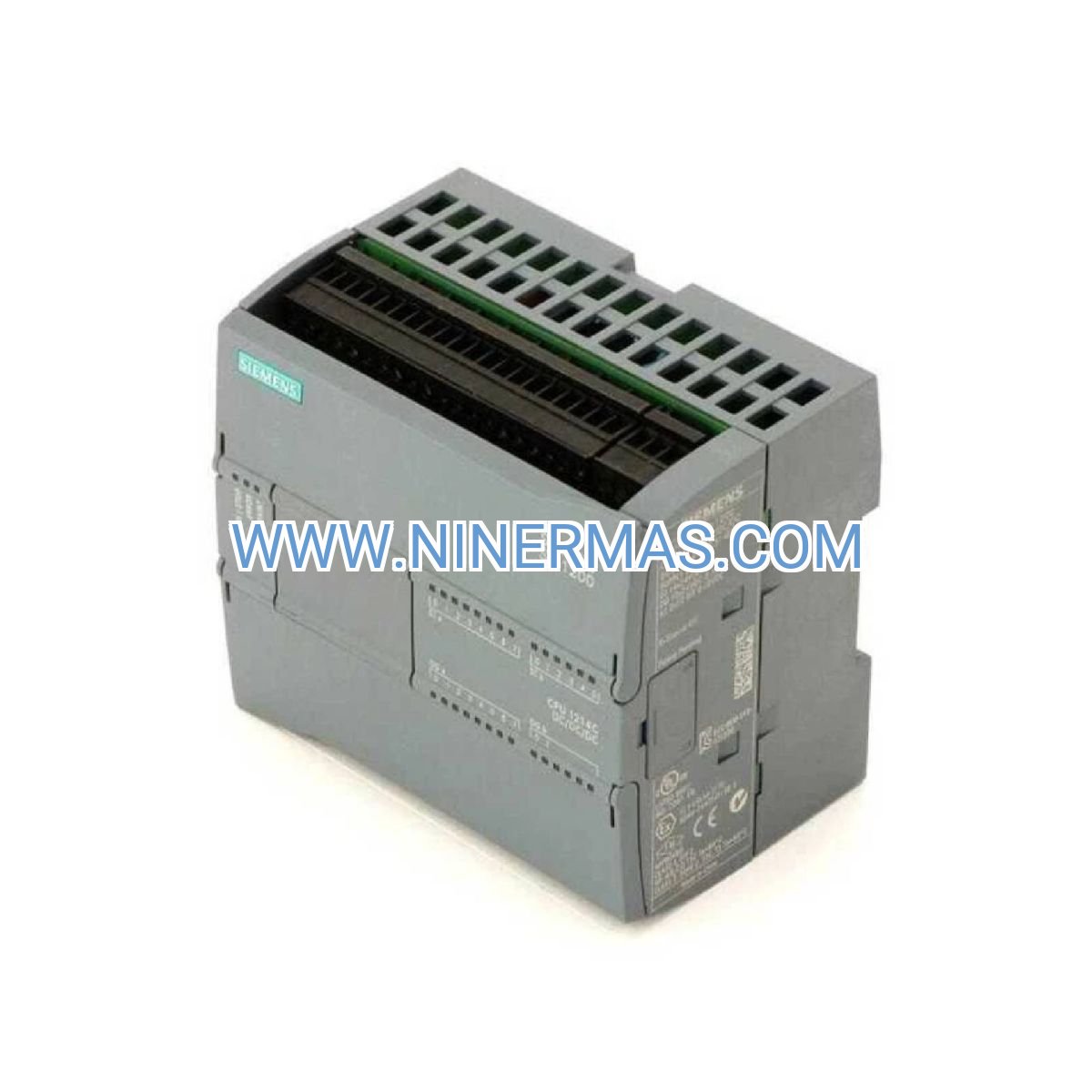
Siemens S7-200 CPU 224 PLC Controller 6ES7214-1AD23-0XB0 | Compact Industrial Automation Solution
Description
Siemens S7-200 CPU 224 PLC Controller (Industrial-Grade Automation Solution)
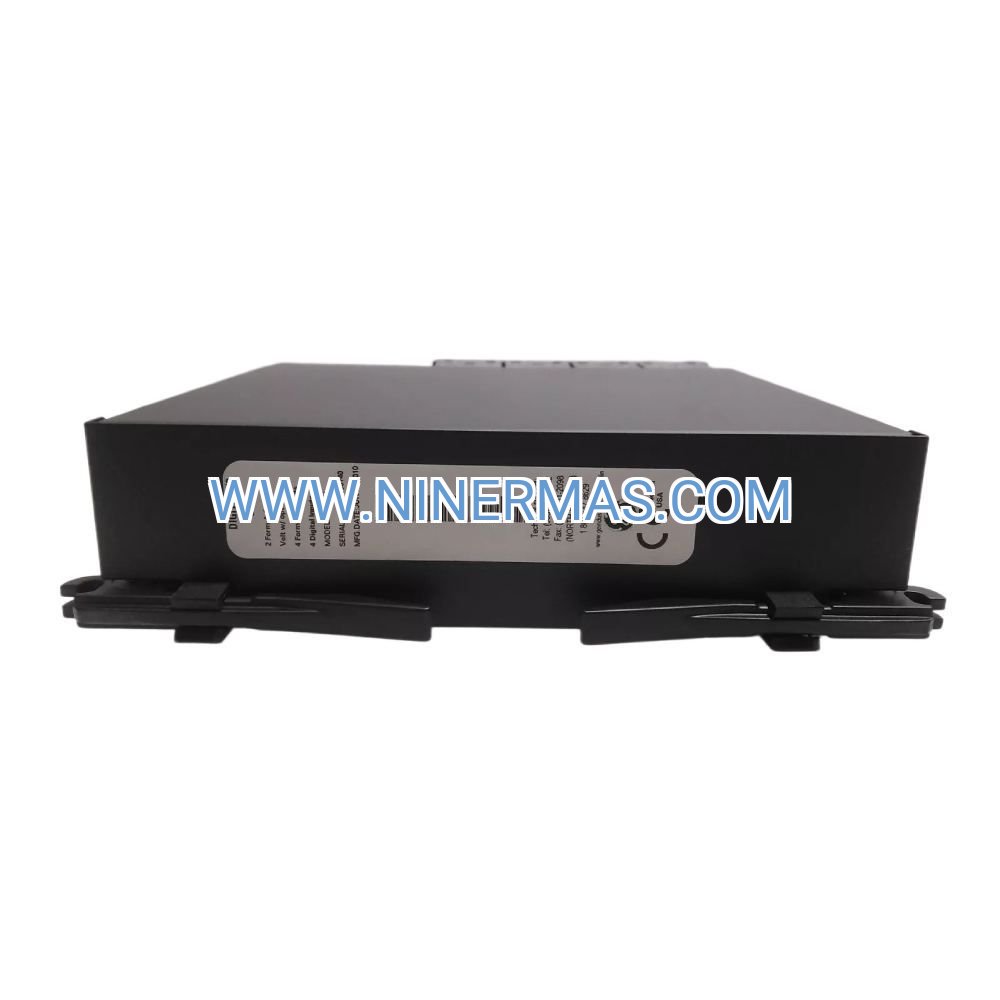
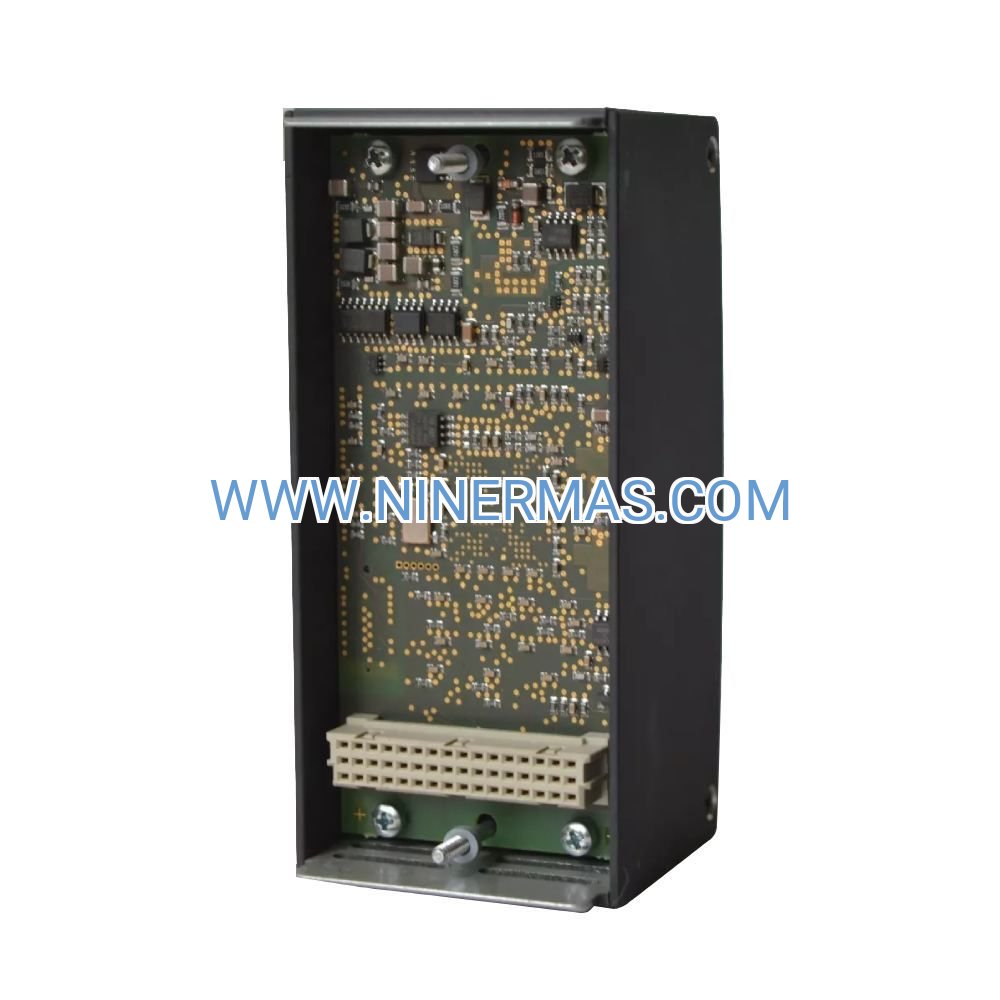
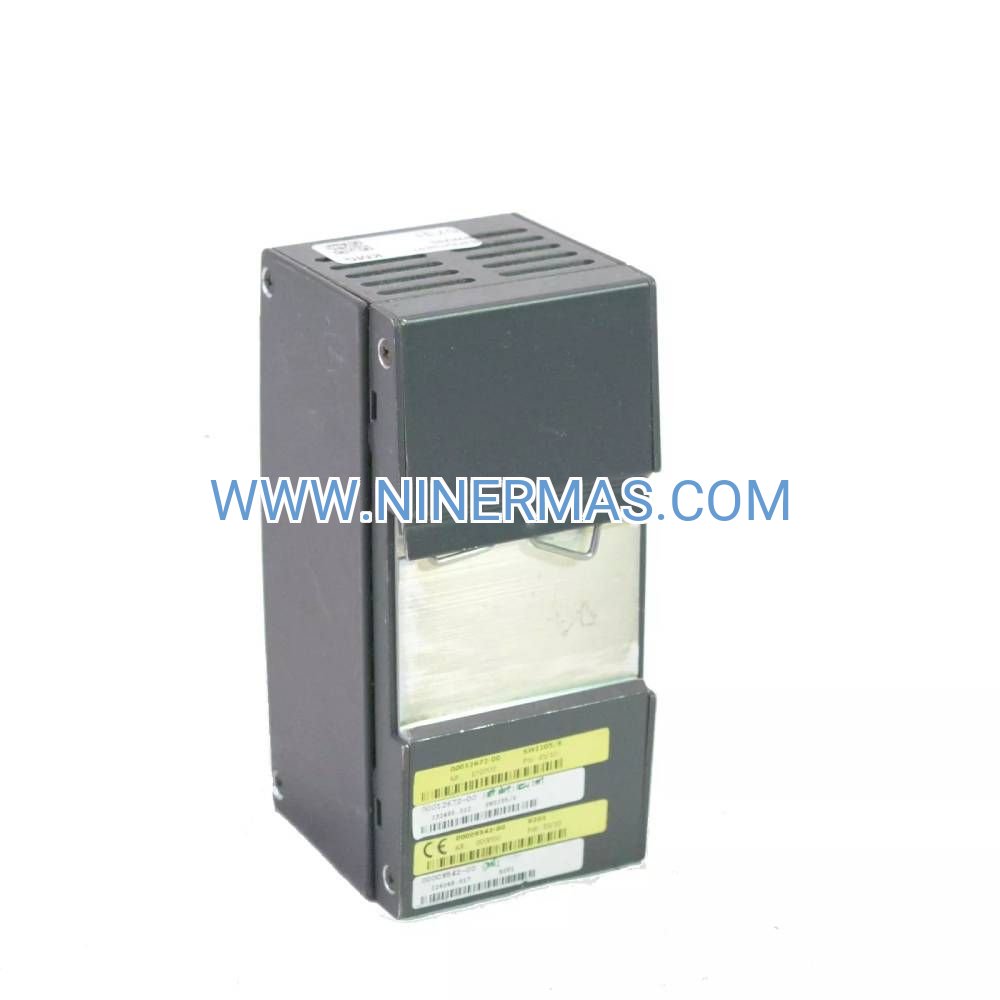
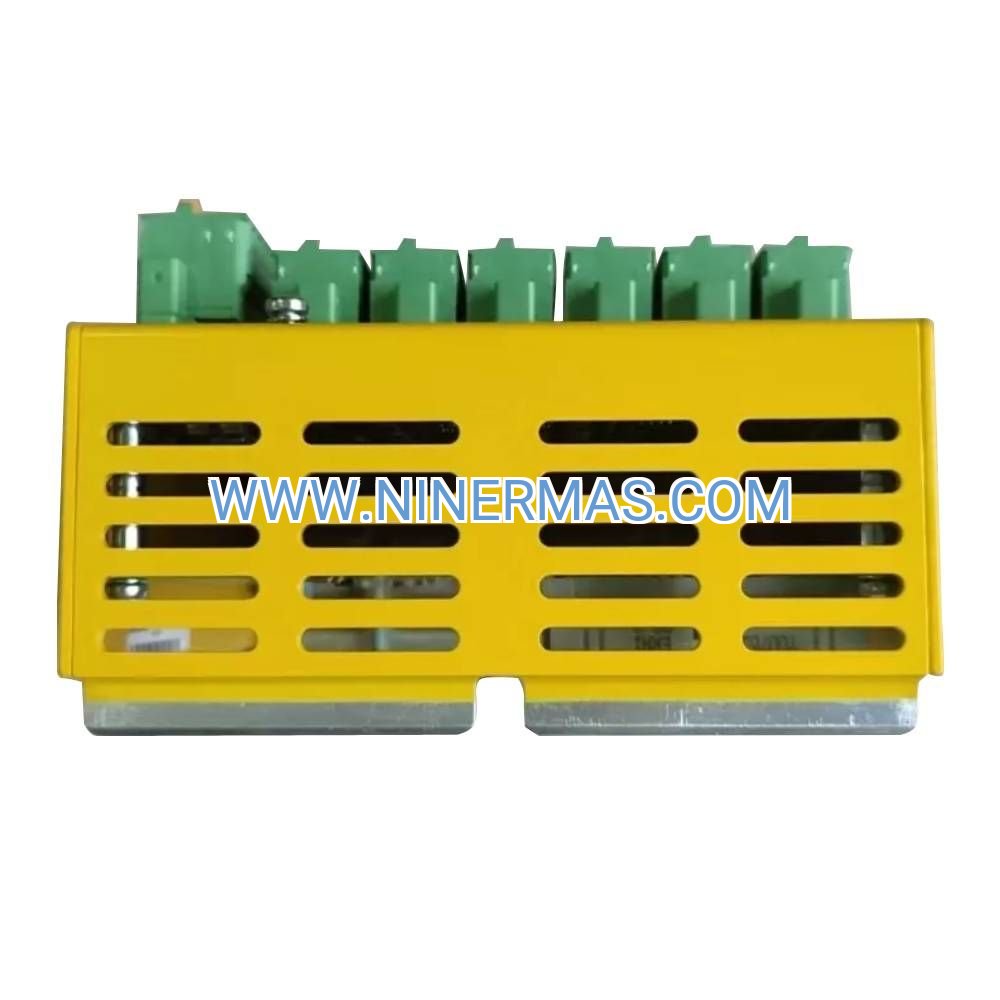
The Siemens 6ES7214-1AD23-0XB0 SIMATIC S7-200 CPU 224 is a professional-grade programmable logic controller engineered for industrial automation and process control applications. Through its integrated DC/DC/DC architecture and high-speed processing capabilities, this compact PLC delivers reliable control for discrete manufacturing, continuous processes, and machine-level automation tasks.
Designed for system integrators, automation engineers, and manufacturing facilities requiring dependable control solutions, this CPU 224 unit excels in applications such as packaging machinery, material handling systems, HVAC control, water treatment facilities, and production line automation. It addresses critical challenges including inconsistent process control, limited I/O expandability, complex programming requirements, and inadequate diagnostic capabilities.
With standardized programming environments and flexible configuration options, this controller offers rapid commissioning, robust performance, seamless integration with existing Siemens ecosystems, and comprehensive diagnostic features. Ideal for OEMs, system integrators, plant engineers, and maintenance teams seeking proven automation technology. Contact our engineering team for application-specific configuration guidance and technical specifications.
Core Features & Technical Advantages
- Integrated I/O Configuration
Features 14 digital inputs and 10 digital outputs with DC sourcing capability, enabling direct connection to industrial sensors and actuators without external relay modules, reducing panel space and wiring complexity. - Compact Footprint Design
Space-efficient form factor (approximately 196mm × 80mm × 62mm) allows installation in confined control cabinets while maintaining full functionality, ideal for retrofit projects and mobile equipment applications. - Substantial Program Memory
Equipped with 12KB of user program memory supporting complex control logic, data handling routines, and communication protocols, accommodating mid-scale automation requirements without external memory expansion. - High-Speed Processing Performance
Executes Boolean operations in microseconds with scan times optimized for time-critical applications, ensuring responsive control in high-speed packaging, positioning, and motion coordination tasks. - Flexible Communication Interfaces
Supports RS-485 PPI protocol and optional Profibus-DP connectivity, enabling multi-drop networking with HMI panels, frequency drives, remote I/O modules, and SCADA systems for distributed control architectures. - Comprehensive Protection Mechanisms
Incorporates overvoltage protection, reverse polarity safeguards, electromagnetic interference filtering, and watchdog timer functions, minimizing downtime risks in harsh industrial environments with electrical noise and power fluctuations. - User-Friendly Programming Environment
Compatible with STEP 7-Micro/WIN software featuring ladder logic (LAD), function block diagram (FBD), and statement list (STL) programming languages, reducing learning curves for technicians familiar with IEC 61131-3 standards.
Typical Application Scenarios
This PLC controller is engineered for environments demanding precise control, operational continuity, and system reliability, particularly in:
- Discrete Manufacturing & Assembly Lines
Controls conveyor sequencing, robotic pick-and-place operations, quality inspection stations, and product sorting systems in automotive components, electronics assembly, and consumer goods production facilities. - Process Control & Batch Operations
Manages mixing processes, temperature regulation loops, level control systems, and recipe-based batch production in food & beverage processing, chemical blending, pharmaceutical manufacturing, and water treatment plants. - Building Automation & HVAC Systems
Regulates air handling units, chiller sequencing, boiler control, lighting management, and access control integration in commercial buildings, hospitals, data centers, and educational institutions requiring energy-efficient operation. - Packaging & Material Handling Equipment
Coordinates filling machines, labeling systems, palletizing robots, and warehouse automation equipment in logistics centers, distribution facilities, and packaging operations demanding high throughput and minimal changeover time. - Machine Tool & CNC Integration
Provides auxiliary control for tool changers, coolant systems, part loading mechanisms, and safety interlocks in metalworking, woodworking, and plastic injection molding machinery requiring coordinated multi-axis operations.
Technical Specifications & Selection Guide
To facilitate engineering design and system configuration, we provide detailed technical parameters for the CPU 224 controller. Custom configurations available based on project-specific requirements.
| Parameter | Specification |
|---|---|
| Model Number | 6ES7214-1AD23-0XB0 |
| CPU Type | SIMATIC S7-200 CPU 224 |
| Digital Inputs | 14 × DC 24V (sink/source) |
| Digital Outputs | 10 × DC 24V/0.75A (sourcing) |
| Program Memory | 12 KB user program + 10 KB data memory |
| Execution Speed | 0.22 μs per Boolean instruction |
| Power Supply | DC 24V (20.4–28.8V range), typical 90mA consumption |
| Communication Ports | 1 × RS-485 PPI/Freeport (programmable) |
| Expansion Capability | Up to 7 expansion modules (max 256 I/O points) |
| Operating Temperature | 0°C to +55°C (horizontal mounting) |
| Protection Rating | IP20 (panel-mounted enclosure recommended) |
| Certifications | CE, UL, cUL, FM, RCM compliant |
| Programming Software | STEP 7-Micro/WIN V4.0 or higher |
| Dimensions (W×H×D) | 196mm × 80mm × 62mm |
| Mounting | DIN rail or panel screw mounting |
Selection Recommendations: When specifying this controller, consider total I/O count requirements (including future expansion), communication protocol compatibility with existing equipment, ambient temperature conditions, power supply availability (ensure stable 24VDC source), and panel space constraints. For applications exceeding 24 I/O points, evaluate expansion module requirements. For complex motion control or high-speed counting beyond 30kHz, consult with application engineers to verify suitability. Provide process flow diagrams, I/O lists, and communication architecture details for optimized system design assistance.
Advanced Integration Capabilities
- HMI & SCADA Connectivity: Native support for Siemens HMI panels (KTP, TP series) via PPI protocol; compatible with third-party SCADA platforms through Modbus RTU or OPC servers for centralized monitoring and data logging.
- Variable Frequency Drive Integration: Direct communication with Siemens SINAMICS and MICROMASTER drives using USS protocol, enabling coordinated motor control without additional gateway hardware.
- Remote Monitoring & Diagnostics: Optional CP 243-1 Ethernet module enables web-based diagnostics, email alarm notifications, and remote program modifications, reducing on-site service visits and improving response times.
- Data Acquisition & Trending: Built-in real-time clock and data logging functions support production tracking, quality assurance documentation, and predictive maintenance analytics when paired with appropriate storage solutions.
Delivery, Service & Quality Assurance
Lead Time: Standard catalog items typically ship within 3–5 business days from regional distribution centers; custom-configured systems or bulk orders require 10–15 business days depending on specification complexity and current demand.
Warranty Coverage: All units include a minimum 18-month manufacturer warranty covering defects in materials and workmanship under normal operating conditions, with extended warranty options available for critical applications.
Technical Support: Comprehensive pre-sales application engineering assistance, post-installation commissioning guidance, and ongoing technical support via phone, email, and remote desktop sessions. On-site startup services available in select regions (subject to travel charges).
Documentation Package: Each controller ships with complete technical documentation including hardware installation manual, wiring diagrams, I/O specifications, programming examples, communication protocol references, and troubleshooting guides in PDF format. Sample programs and function blocks available upon request.
Quality Standards: Manufactured in ISO 9001-certified facilities with full traceability, 100% functional testing, and compliance verification to international electrical safety and EMC standards (IEC 61131-2, IEC 61000-6-2/4).
Frequently Asked Questions (FAQ)
Q: How does the Siemens S7-200 CPU 224 integrate with existing automation systems?
A: The CPU 224 supports RS-485 PPI communication protocol for native Siemens device integration, and can be configured for Modbus RTU or USS protocols to interface with third-party equipment. Connection requires proper cable shielding (Profibus-standard twisted pair recommended), termination resistors at network endpoints, and address configuration via programming software. Maximum network distance is 50 meters at 187.5 kbps without repeaters; up to 1200 meters at 9.6 kbps. For Ethernet connectivity, add a CP 243-1 communication processor module.
Q: What is the maximum I/O capacity for a single CPU 224 controller?
A: The base CPU 224 provides 14 digital inputs and 10 digital outputs (24 total local I/O). Through the right-side expansion bus, you can add up to 7 expansion modules (EM series) supporting combinations of digital I/O, analog I/O, and specialty modules (high-speed counters, positioning). Maximum system capacity is 256 digital I/O points or 35 analog channels, depending on module selection and power budget constraints.
Q: Can this PLC controller operate in harsh industrial environments?
A: The CPU 224 is rated IP20 and designed for controlled industrial cabinet environments with operating temperatures from 0°C to +55°C (horizontal mounting; derate to +45°C for vertical mounting). It includes built-in EMC filtering and surge protection for typical industrial electrical noise. For extreme conditions (high humidity, corrosive atmospheres, excessive vibration, or temperatures beyond specification), install within a NEMA 4/4X or IP65-rated enclosure with appropriate climate control. Conformal coating options available for marine or chemical processing applications—consult factory for specifications.
Q: What programming software is required and what is the learning curve?
A: Programming requires STEP 7-Micro/WIN software (V4.0 SP9 or later recommended), available as a free download from Siemens for basic functionality, with advanced features in licensed versions. The software supports three IEC 61131-3 programming languages: Ladder Logic (LAD) for relay-logic familiarity, Function Block Diagram (FBD) for process engineers, and Statement List (STL) for experienced programmers. Typical learning time for engineers with basic PLC experience is 2–3 days for fundamental programming; 1–2 weeks for advanced features including PID control, communications, and interrupts. Training courses and online tutorials available.
Q: Does the S7-200 CPU 224 support remote monitoring and data collection?
A: Base CPU 224 units support local and networked monitoring via PPI protocol when connected to HMI panels or PC-based SCADA systems. For web-based remote access, Ethernet connectivity, and IoT integration, add a CP 243-1 Ethernet communication processor (installed in expansion slot). This enables HTTP server functionality for browser-based diagnostics, SNMP monitoring, email notifications, and FTP data transfer. Alternatively, use third-party protocol converters or industrial IoT gateways supporting Modbus TCP, OPC UA, or MQTT for cloud platform integration and mobile app access.
Q: What is the expected service life and maintenance requirements?
A: Siemens S7-200 controllers are designed for 10+ years of continuous operation under rated conditions with minimal maintenance. No battery replacement required for program retention (uses EEPROM technology). Recommended maintenance includes annual inspection of terminal block connections for tightness, visual inspection for dust accumulation (clean with dry compressed air if necessary), and verification of cooling ventilation clearances. Firmware updates not typically required unless adding new communication protocols. Mean Time Between Failures (MTBF) exceeds 500,000 hours based on field reliability data. Keep spare units for critical applications to minimize downtime during unexpected failures.
Request Technical Support & Custom Configuration
To receive detailed application engineering support, system configuration recommendations, or pricing quotations, please provide the following project information: application description and industry sector, required I/O count (digital/analog, inputs/outputs), communication protocol requirements and network topology, environmental conditions (temperature range, enclosure type, hazardous area classification if applicable), power supply specifications, and any special certifications or compliance requirements (UL508A, ATEX, SIL rating, etc.). Our application engineers will respond within one business day with tailored recommendations and technical documentation.
© 2026 NINERMAS COMPANY LIMITED. All rights reserved.
Original Source: https://ninermas.com
Contact: sale@ninermas.com | +0086 187 5021 5667

Contact Info
-
Address:22 / F, South Wo Hang building, 148 Wing Lok Street, Sheung Wan, Western District, Hong Kong
-
Phone:+8618750215667
-
Email: