


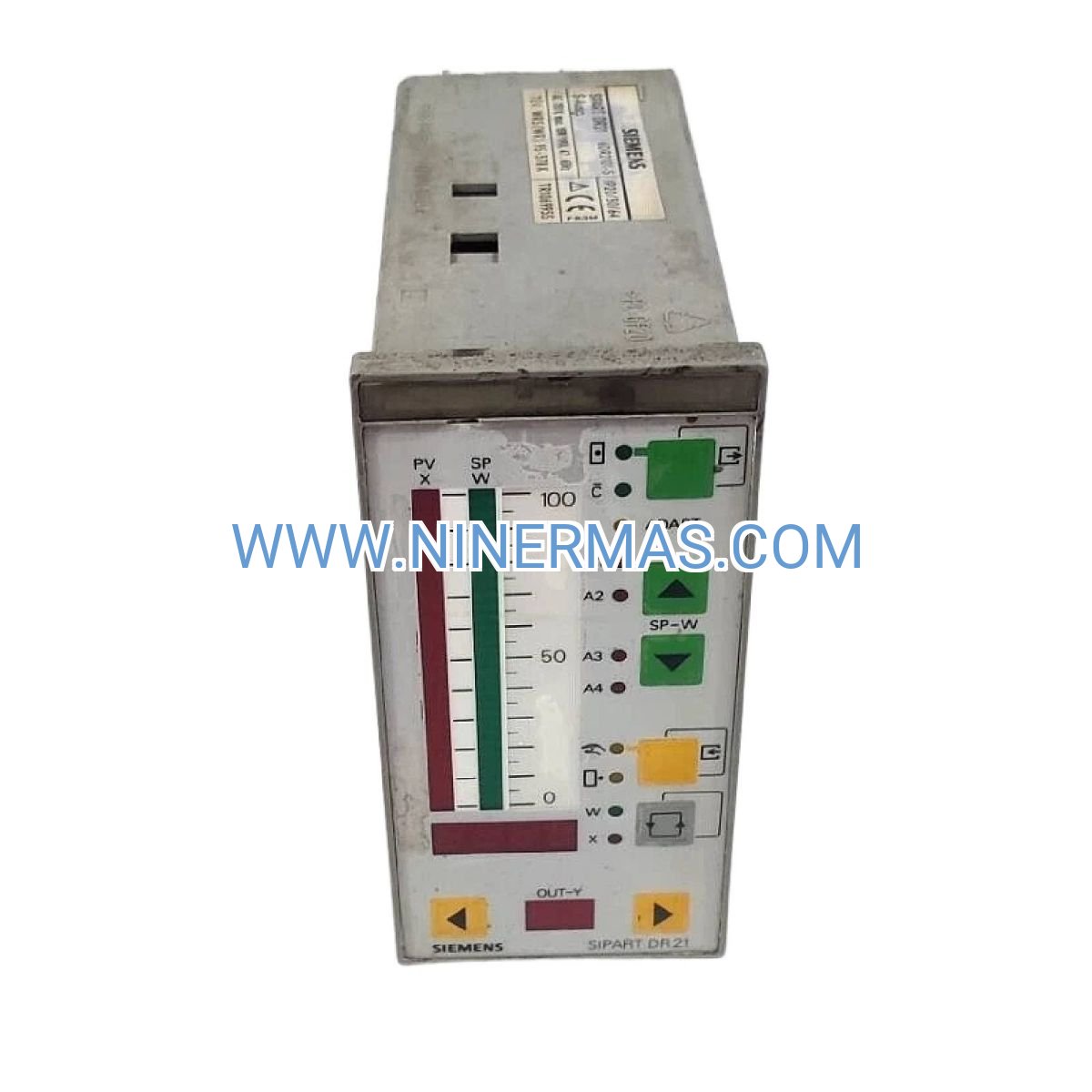
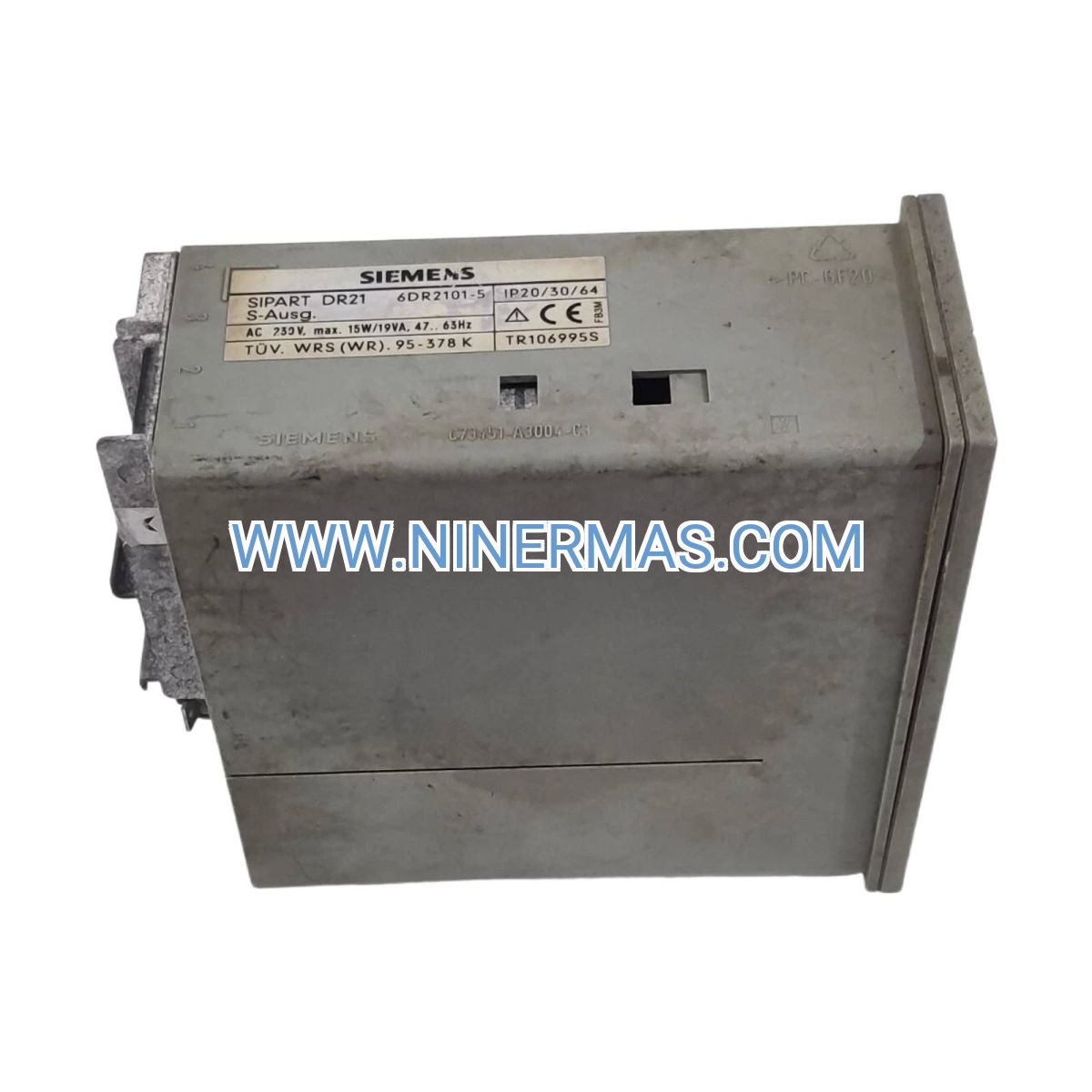
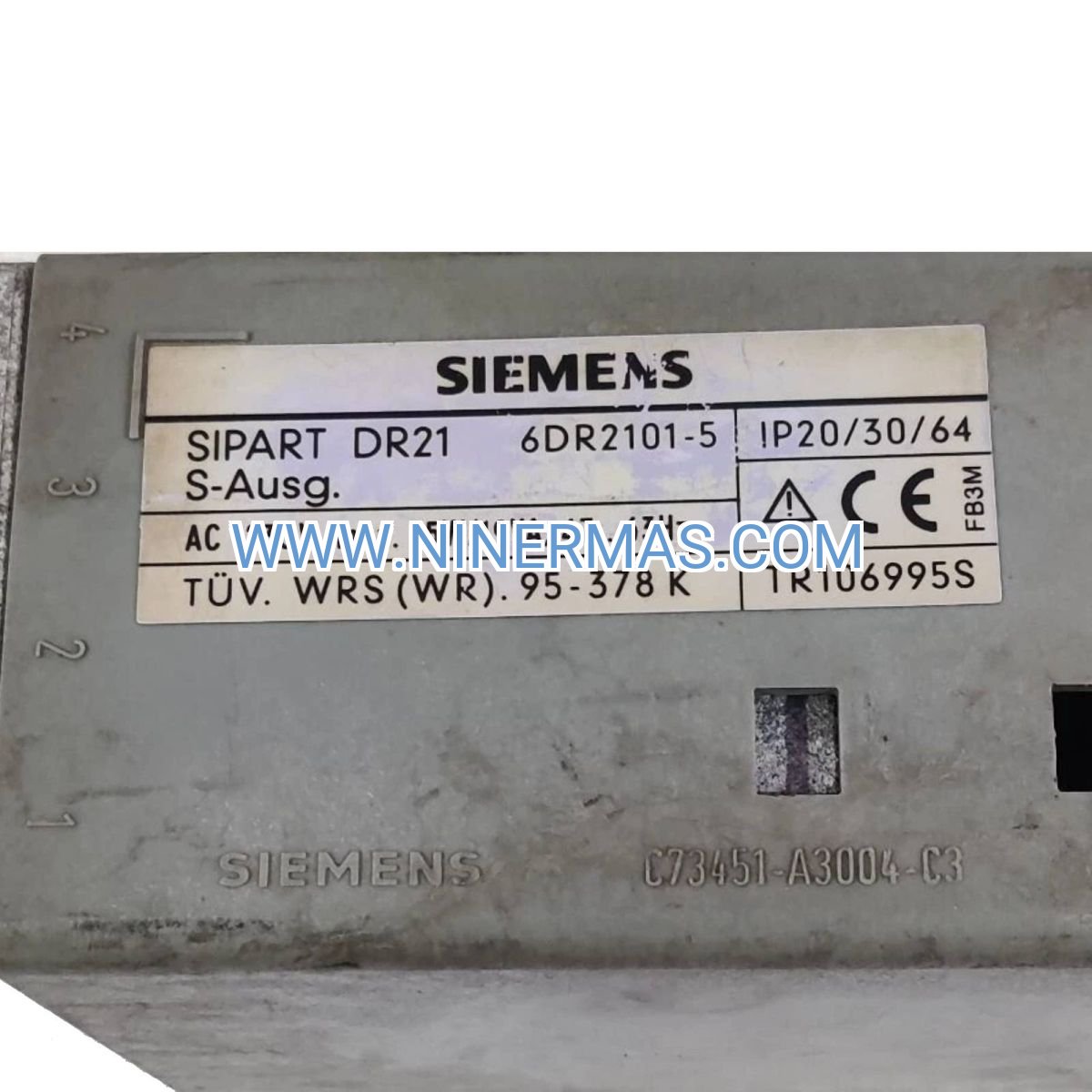
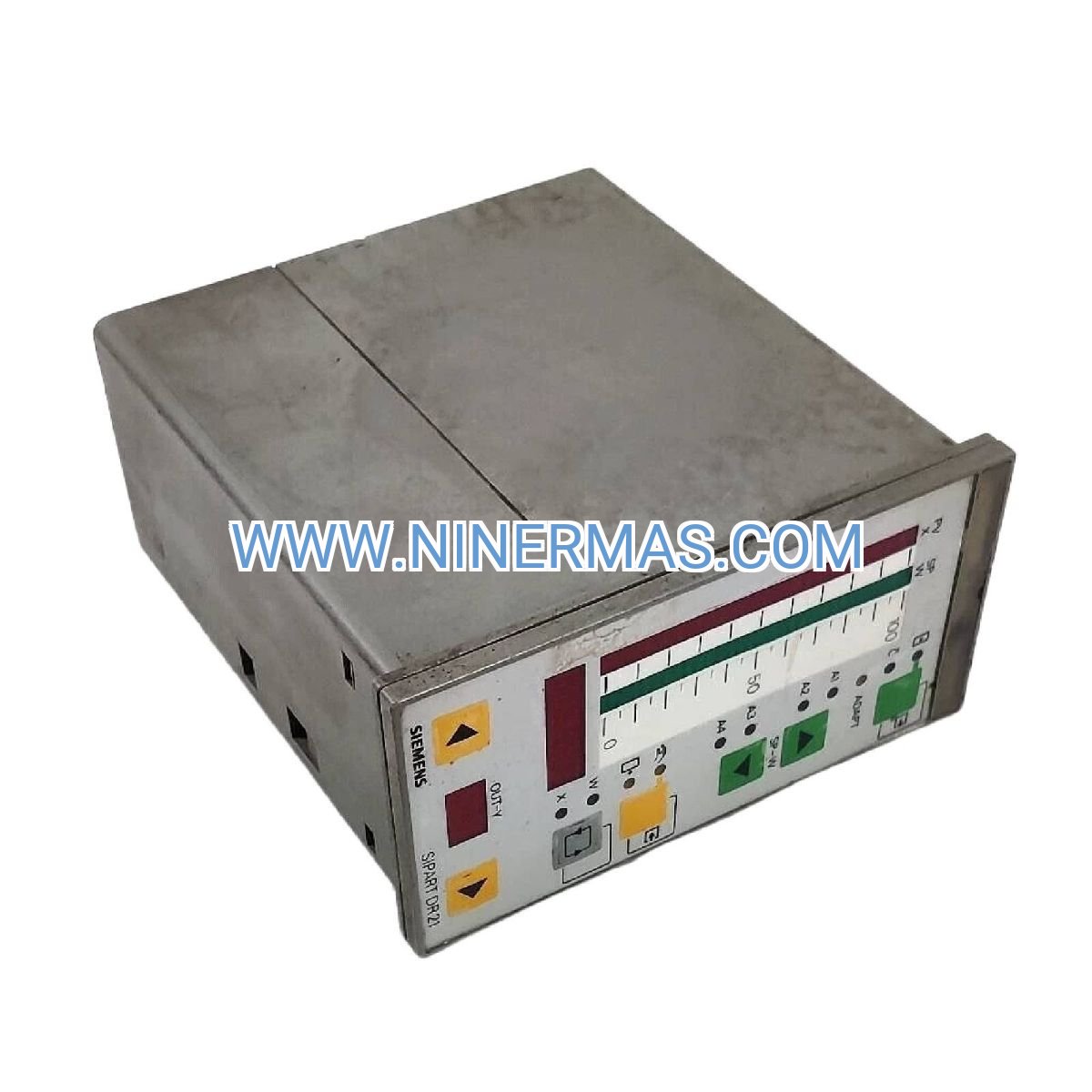
Siemens 6DD1661-0AD0 SIMATIC TDC CS51 Module | Industrial High-Speed Communication Interface
Description
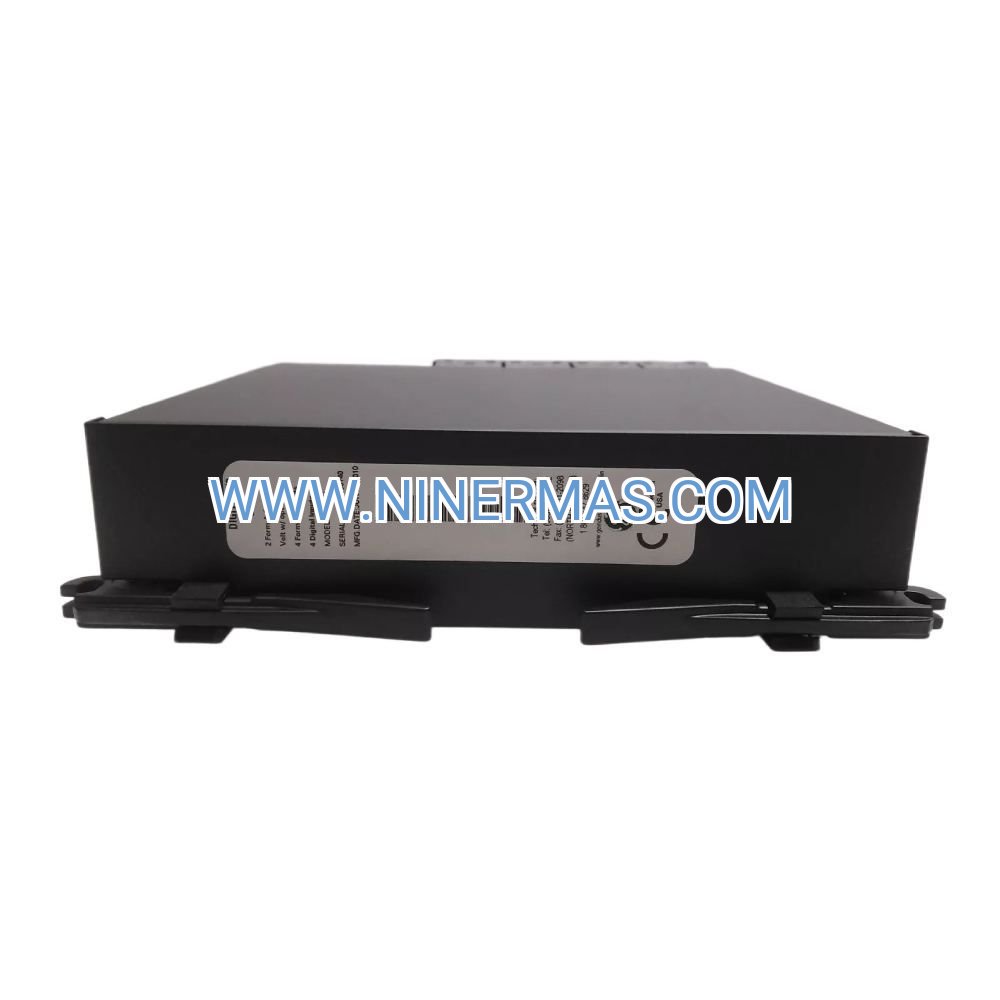
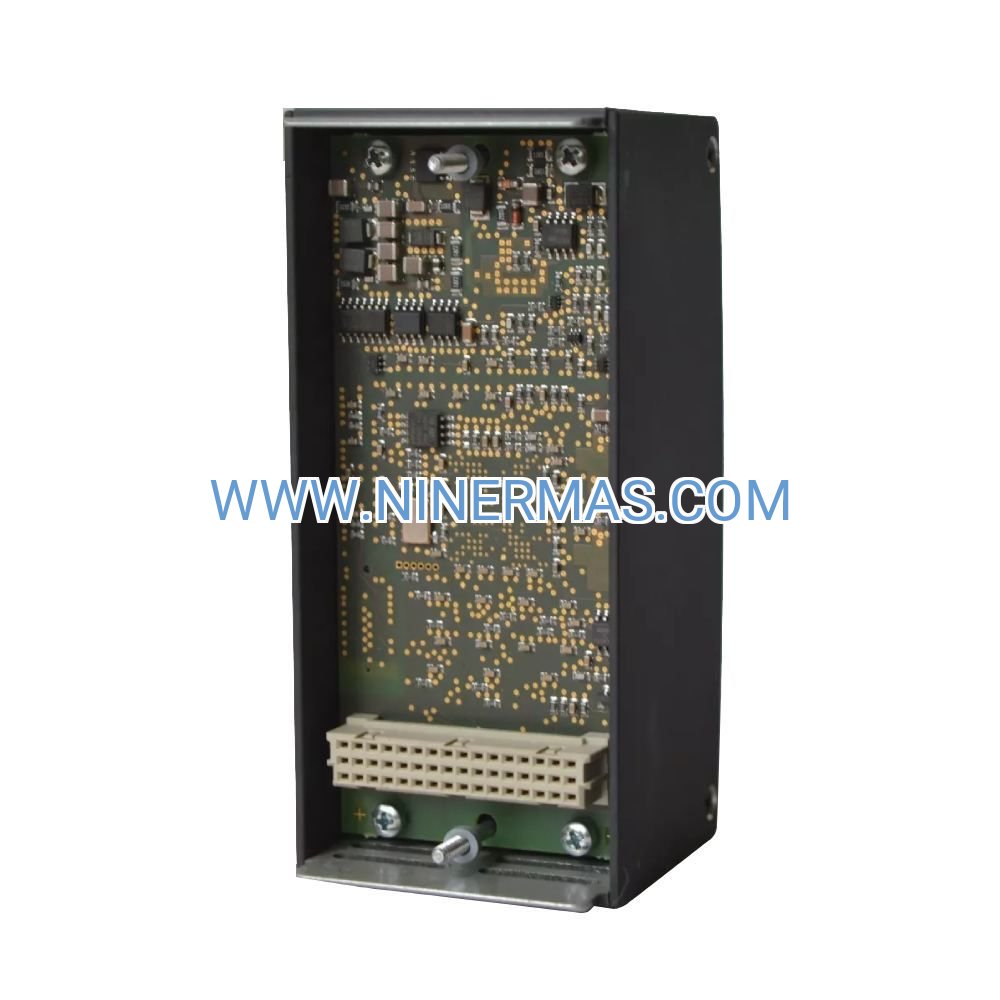
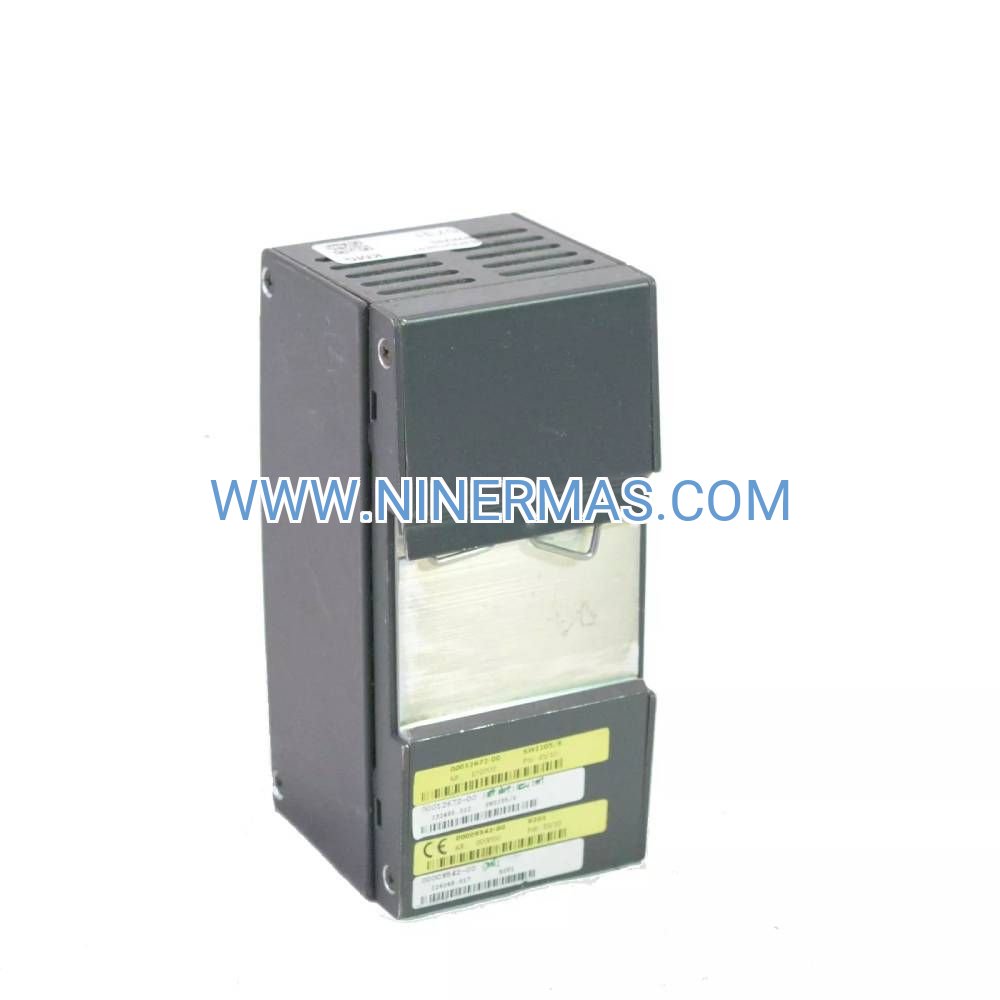
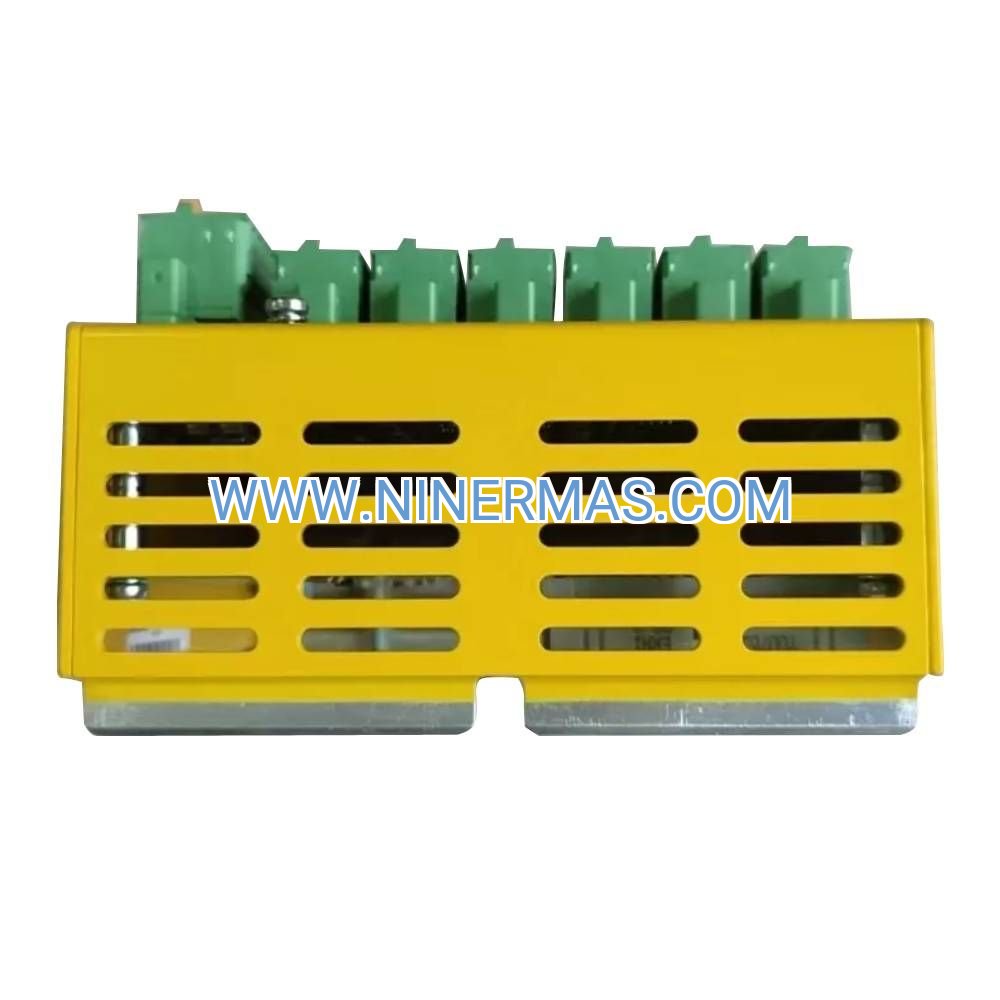
Siemens 6DD1661-0AD0 SIMATIC TDC CS51 Communication Module (Industrial High-Speed Control Interface)
The Siemens 6DD1661-0AD0 SIMATIC TDC CS51 Communication Module is an industrial-grade interface designed for high-speed, deterministic process control applications. Through advanced real-time communication architecture and seamless integration with SIMATIC TDC systems, it enables precise data exchange, motion synchronization, and distributed control across complex automation networks.
Engineered for mission-critical environments including chemical processing, power generation, pharmaceutical manufacturing, and high-precision motion control systems, this module addresses challenges such as communication latency, data integrity loss, network jitter, and insufficient diagnostic visibility. It ensures microsecond-level response times and fault-tolerant operation in demanding industrial conditions.
With standardized mounting dimensions and flexible configuration options, the CS51 module delivers proven reliability, extensive protocol compatibility, simplified maintenance, and scalable architecture. Ideal for system integrators, design engineers, OEM manufacturers, and plant automation teams requiring deterministic performance. Contact our engineering team for application-specific configuration guidance and technical quotations.
Core Features & Technical Advantages
- Deterministic Real-Time Communication
Utilizes time-synchronized data exchange protocols with guaranteed cycle times, ensuring predictable response for closed-loop control, motion coordination, and safety-critical operations. - High-Speed Data Throughput
Supports multi-megabit data rates with minimal latency, enabling rapid sensor acquisition, actuator control, and inter-controller communication in fast-process applications. - Seamless SIMATIC TDC Integration
Native compatibility with SIMATIC TDC controllers and I/O systems, simplifying system architecture, reducing engineering time, and ensuring long-term spare parts availability. - Comprehensive Diagnostic Capabilities
Built-in status LEDs, detailed error logging, and remote diagnostic access via engineering tools, reducing troubleshooting time and minimizing unplanned downtime. - Industrial-Grade Reliability
Designed to withstand extended temperature ranges, electrical noise, vibration, and humidity typical in process plants, with conformal coating and robust connector systems. - Flexible Network Topologies
Supports star, ring, and redundant configurations, allowing fault-tolerant network designs that maintain operation during cable breaks or module failures.
Typical Application Scenarios
This communication module is engineered for environments demanding high availability, precise timing, and robust data integrity, including:
- Chemical & Petrochemical Process Control
Ensures stable communication between distributed control systems (DCS), field instruments, and safety PLCs, maintaining process stability and regulatory compliance in continuous operations. - Power Generation & Energy Management
Facilitates real-time data exchange in turbine control, boiler management, and grid synchronization systems, where timing accuracy directly impacts efficiency and safety. - Pharmaceutical & Biotech Manufacturing
Supports validated automation systems with traceable communication logs, critical for batch control, clean-room environments, and FDA 21 CFR Part 11 compliance. - High-Precision Motion & Robotics
Enables synchronized multi-axis control in packaging lines, material handling, and assembly automation, reducing positioning errors and cycle times. - Water Treatment & Municipal Infrastructure
Provides reliable communication for SCADA systems monitoring pumps, valves, and treatment processes across geographically distributed sites.
Technical Specifications & Selection Guide
To facilitate engineering design and procurement, key specifications are outlined below. Custom configurations are available based on project-specific requirements.
| Parameter | Specification |
|---|---|
| Product Code | 6DD1661-0AD0 |
| Module Type | SIMATIC TDC CS51 Communication Interface |
| Communication Protocol | Proprietary high-speed deterministic (consult datasheet for protocol details) |
| Data Transfer Rate | Up to several Mbit/s (application-dependent) |
| Cycle Time | Microsecond to millisecond range (configurable) |
| Operating Temperature | Typically 0°C to +60°C (verify for specific variant) |
| Power Supply | 24 VDC nominal (consult manual for tolerance range) |
| Mounting | Standard DIN rail or rack-mount (system-dependent) |
| Protection Rating | IP20 (for control cabinet installation) |
| Diagnostic Interface | Status LEDs, software-based diagnostics via engineering station |
| Redundancy Support | Yes (when configured with redundant network topology) |
Selection Considerations: When specifying this module, evaluate network topology requirements, required cycle times, environmental conditions (temperature, EMI exposure), cabinet space constraints, and integration with existing SIMATIC TDC infrastructure. For assistance, provide project details including system architecture, I/O count, communication distance, and redundancy needs. Our application engineers will recommend optimal configuration and provide certified drawings.
Extended Functionality & Integration Options
- Redundant Communication Paths: Configure dual-channel operation for mission-critical applications requiring zero single-point-of-failure tolerance.
- Remote Diagnostics & Monitoring: Integrate with SCADA/HMI systems for real-time status visualization, alarm management, and predictive maintenance analytics.
- Protocol Gateways: Combine with protocol converters to interface legacy equipment or third-party devices using Modbus, PROFIBUS, or OPC UA.
- Cybersecurity Features: Implement network segmentation, access control, and encrypted communication channels in compliance with IEC 62443 standards.
Delivery, Service & Quality Assurance
Lead Time: Standard catalog items typically ship within 3–7 business days; custom-configured modules require 2–4 weeks depending on specifications and current demand.
Warranty: Covered by a minimum 12-month manufacturer warranty from date of shipment, with extended service agreements available for critical infrastructure projects.
Technical Support: Comprehensive support including pre-sales application consulting, installation guidance, commissioning assistance, and remote troubleshooting. On-site service available in select regions (subject to terms).
Documentation Package: Each module ships with complete technical documentation including dimensional drawings, wiring diagrams, configuration manuals, and compliance certificates (CE, UL, or other regional certifications as applicable).
Quality Standards: Manufactured under ISO 9001 quality management systems, with traceability for critical components and compliance with international industrial automation standards.
Frequently Asked Questions (FAQ)
Q: How does the Siemens TDC CS51 communication module integrate with existing automation systems?
A: The CS51 module is designed for native integration within SIMATIC TDC ecosystems. It connects via standardized backplane or network interfaces, with configuration performed through Siemens engineering software (e.g., SIMATIC STEP 7 or TDC-specific tools). For third-party system integration, protocol gateways or OPC servers may be required. Consult technical documentation or contact our engineers for compatibility verification.
Q: What is the maximum communication distance supported by this module?
A: Communication distance depends on the physical layer (copper, fiber optic) and network topology. Copper-based connections typically support distances up to 100 meters per segment, while fiber optic extensions can reach several kilometers. Repeaters or switches may be used to extend range. Refer to system design guidelines for specific project requirements.
Q: Can this module be used in redundant or fault-tolerant configurations?
A: Yes, the CS51 module supports redundant network topologies when configured appropriately. Redundancy can be implemented at the communication path level (dual cables/networks) or at the module level (hot-standby modules). Proper redundancy design requires careful planning of network architecture, power supplies, and failover logic. Our engineering team can provide reference designs and validation support.
Q: What environmental conditions can the module withstand?
A: The module is rated for industrial environments with typical operating temperatures of 0°C to +60°C, humidity up to 95% non-condensing, and resistance to electrical noise per IEC standards. It is designed for installation in control cabinets with IP20 protection. For harsh environments (extreme temperatures, corrosive atmospheres, outdoor installations), additional enclosure protection or environmental conditioning may be necessary.
Q: Is remote monitoring and diagnostics supported?
A: Yes, the module provides comprehensive diagnostic data accessible via engineering workstations or SCADA/HMI systems. Status information includes communication health, error counters, signal quality metrics, and module temperature. Remote access can be configured through secure network connections (VPN, firewall-protected) following cybersecurity best practices. Integration with cloud-based analytics platforms is possible via OPC UA or similar protocols.
Q: What technical information is needed for proper module selection and ordering?
A: To ensure correct specification, please provide: (1) System architecture overview (controller types, I/O distribution, network topology), (2) Required communication cycle times and data volumes, (3) Environmental conditions (temperature range, enclosure type), (4) Redundancy requirements, (5) Integration with existing equipment (legacy systems, third-party devices), (6) Compliance or certification needs (regional standards, industry-specific regulations). Our application engineers will review your requirements and recommend the optimal configuration.
Request Technical Support & Quotation
For detailed application engineering, custom configuration assistance, or project-specific pricing, please provide the following information: Project name and scope, Application type (process control, motion, SCADA, etc.), System architecture (controller models, I/O count, network topology), Environmental conditions, Delivery timeline, and Quantity required. Our technical sales team will respond with tailored recommendations, certified documentation, and competitive quotations.
© 2026 NINERMAS COMPANY LIMITED. All rights reserved.
Original Source: https://ninermas.com
Contact: sale@ninermas.com | +0086 187 5021 5667

Contact Info
-
Address:22 / F, South Wo Hang building, 148 Wing Lok Street, Sheung Wan, Western District, Hong Kong
-
Phone:+8618750215667
-
Email:
