Description
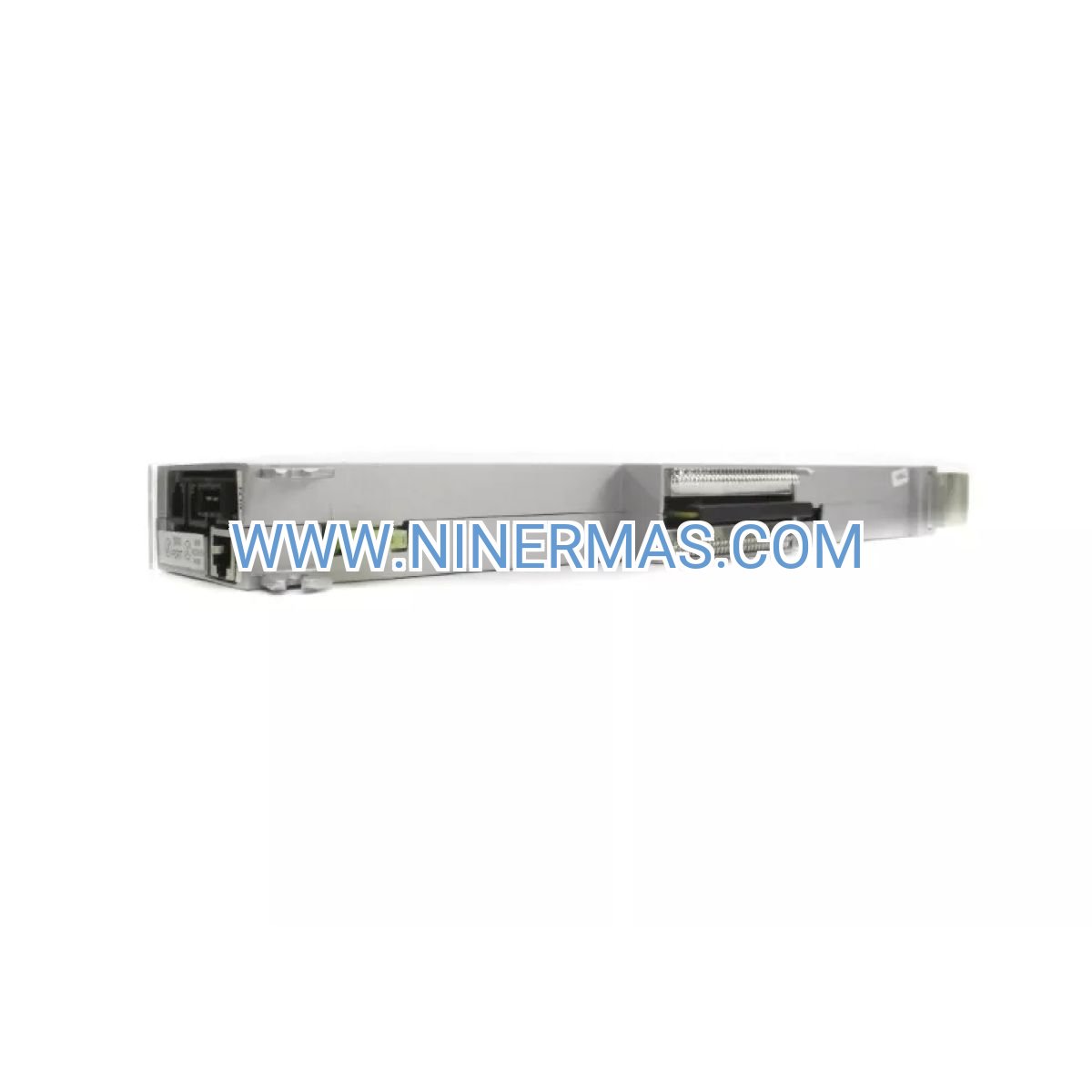
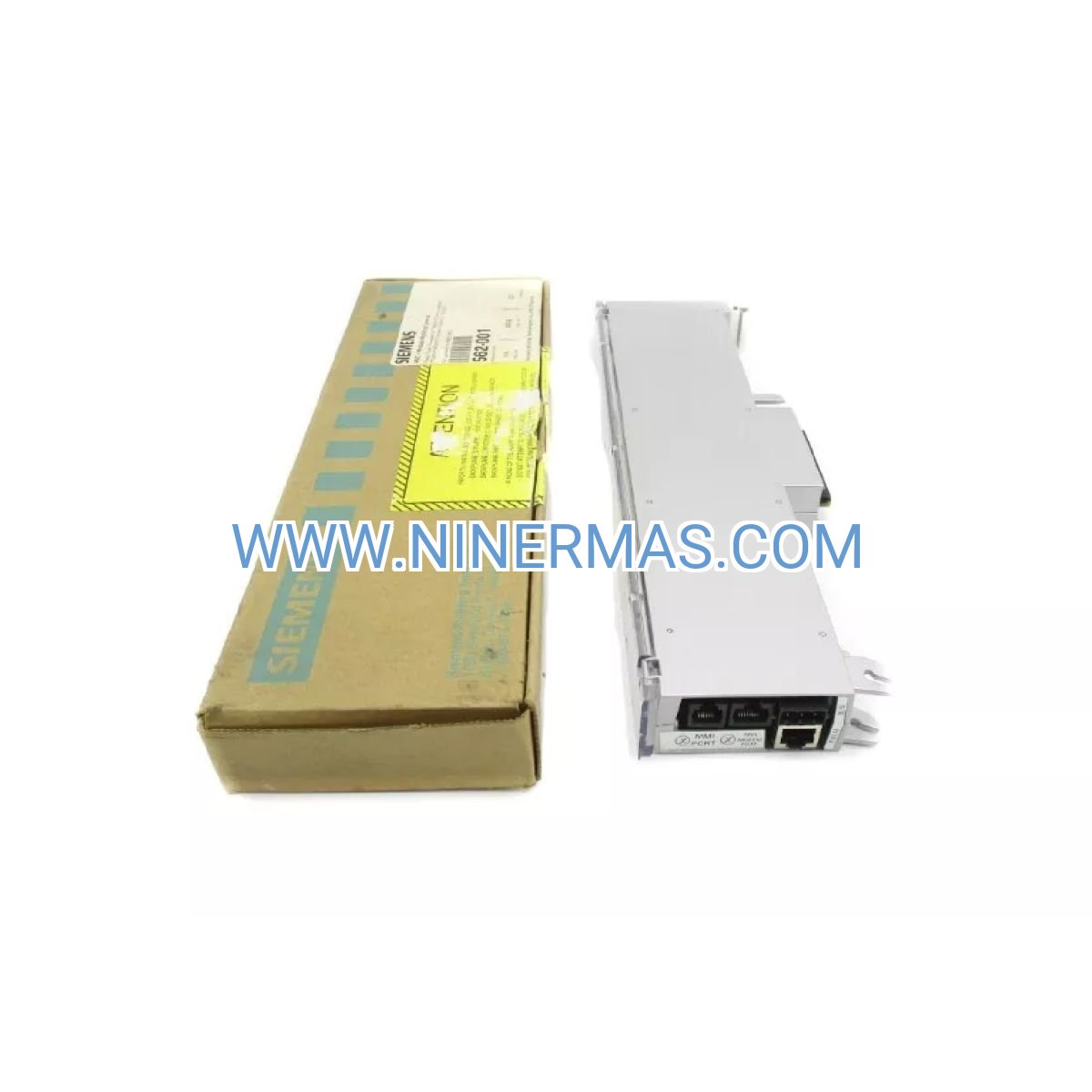
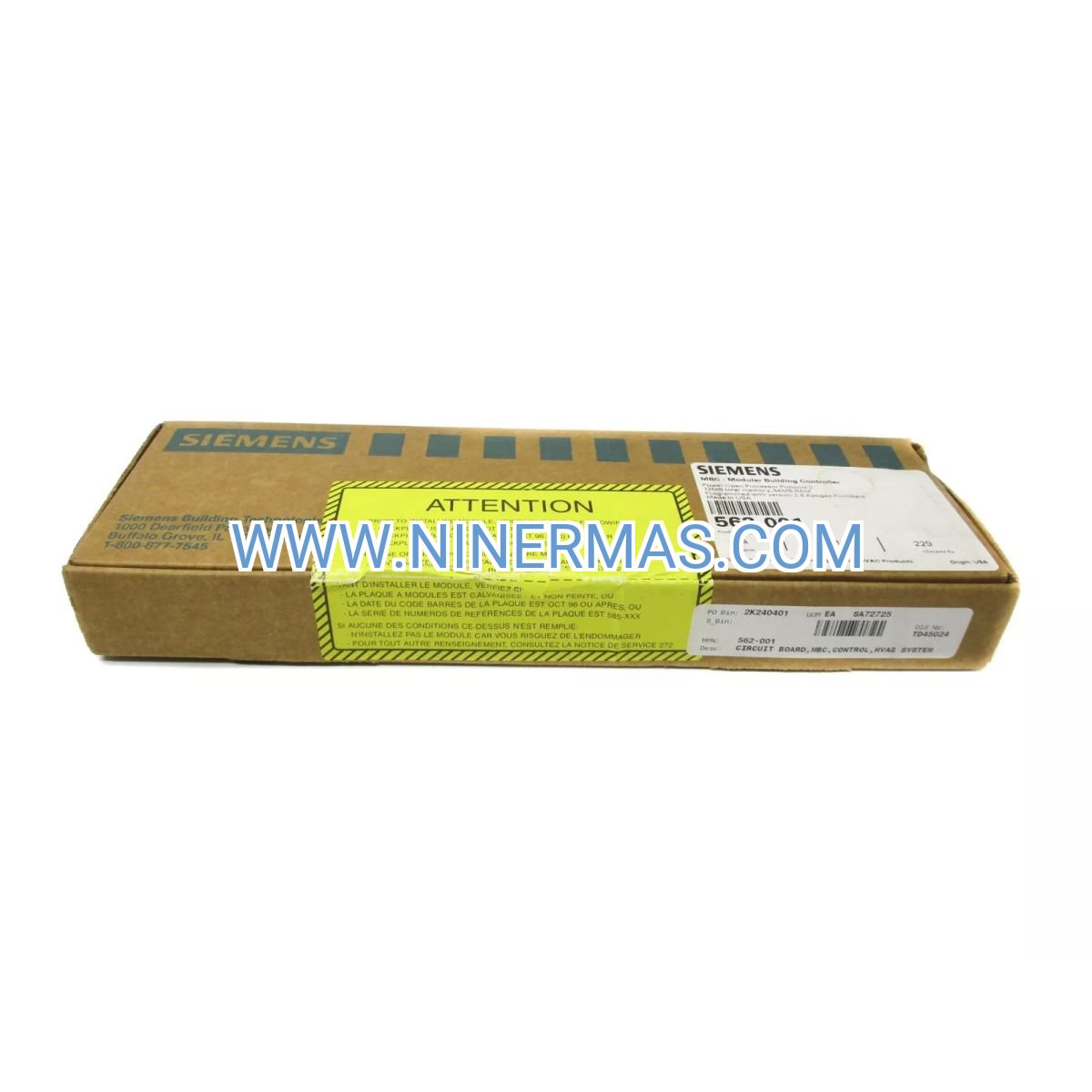
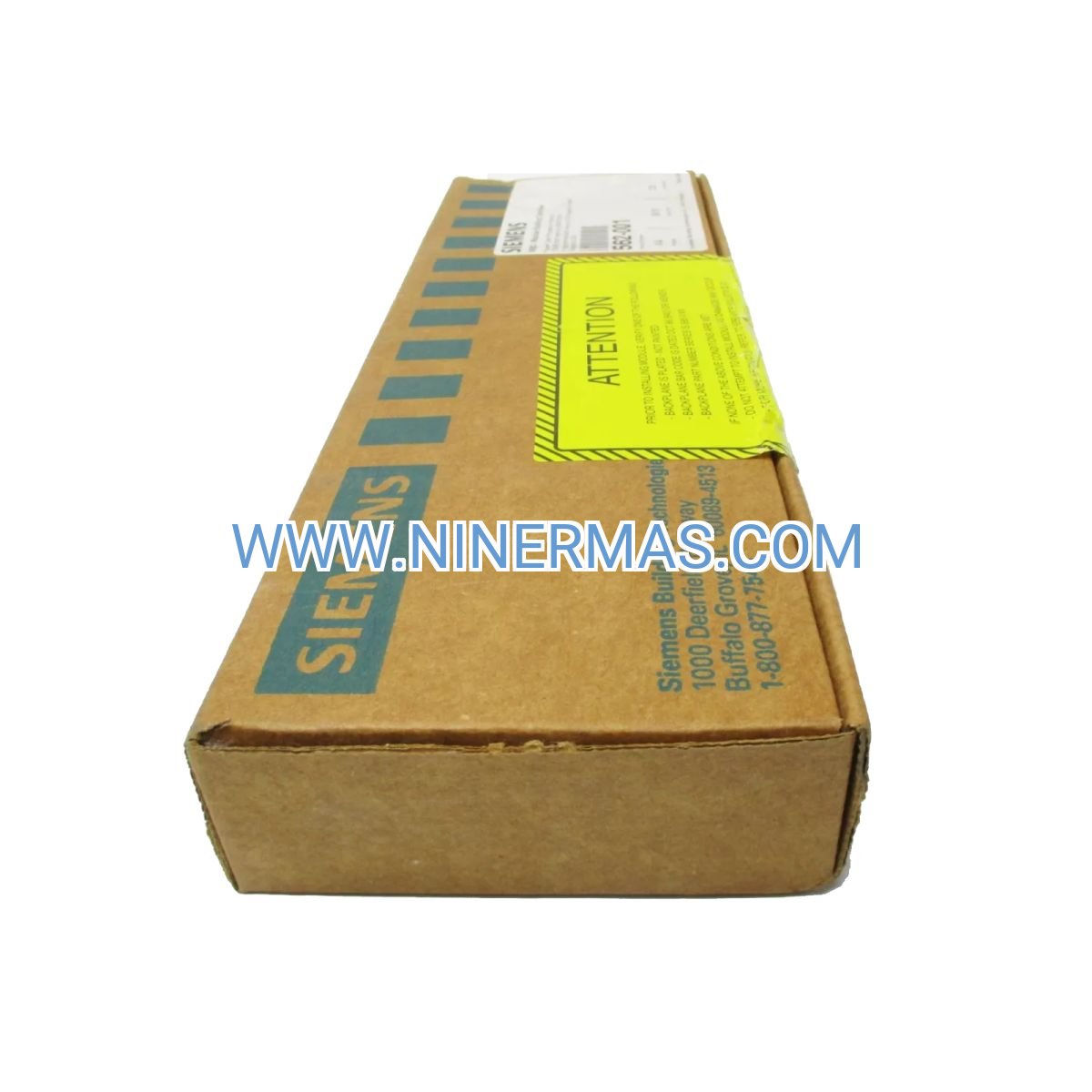
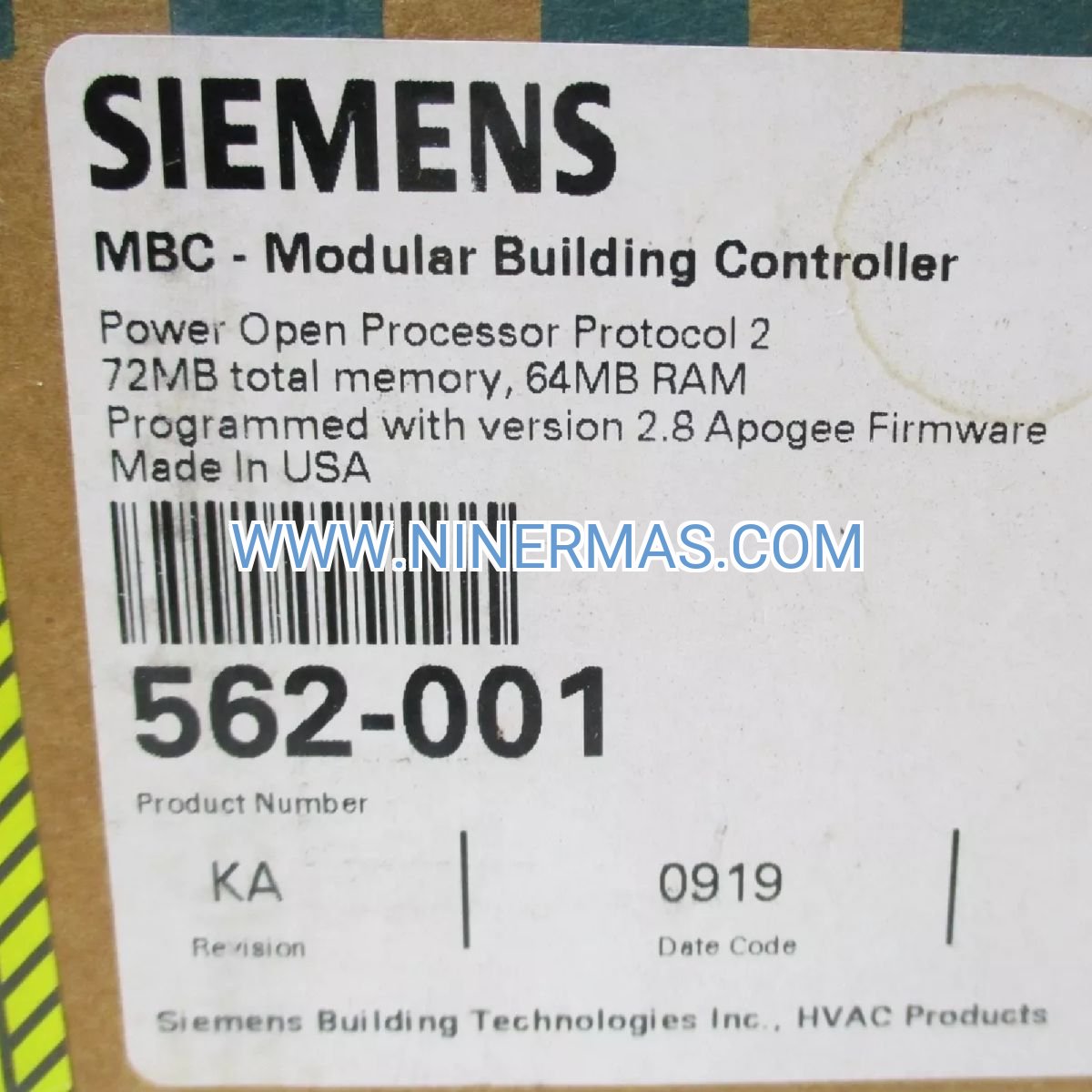
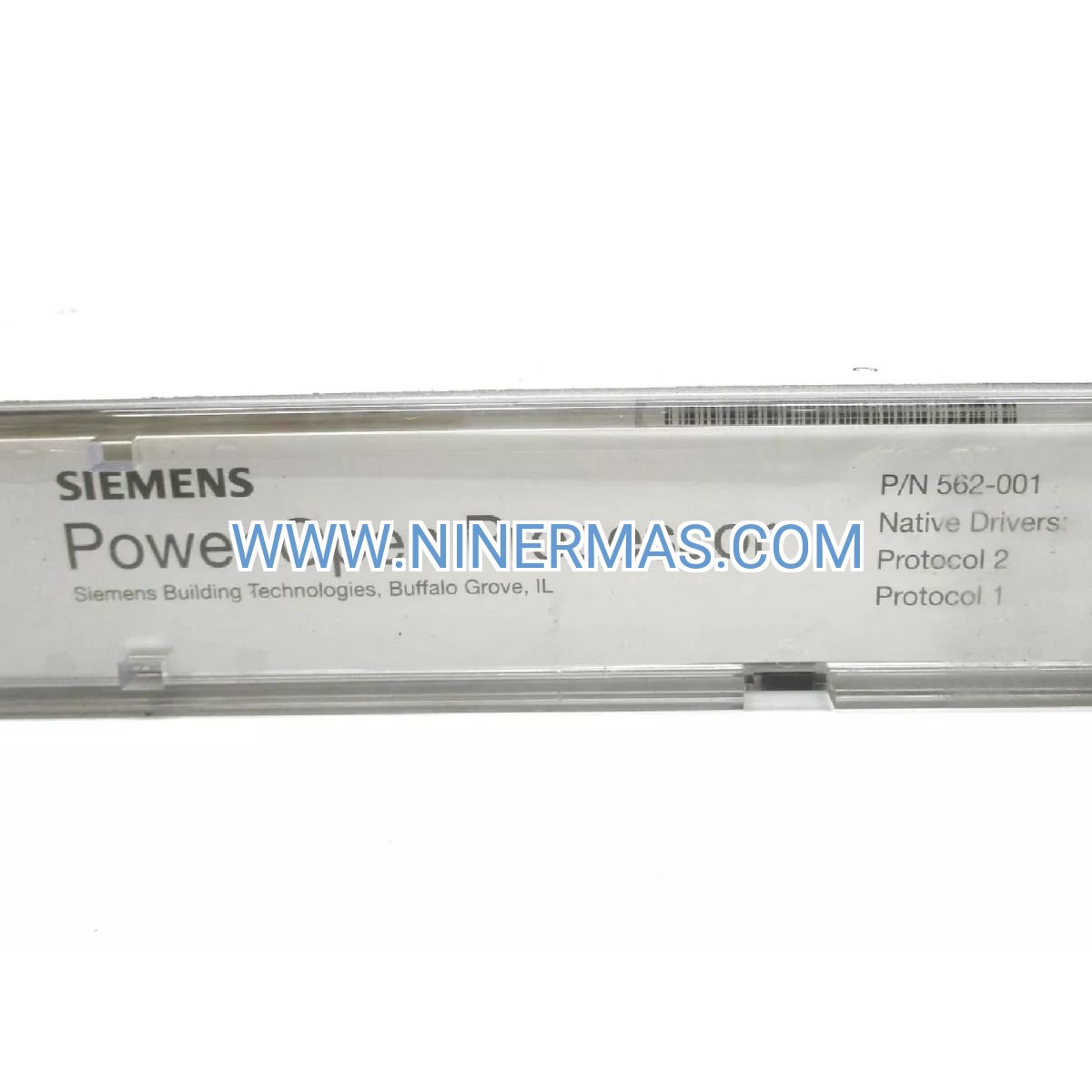
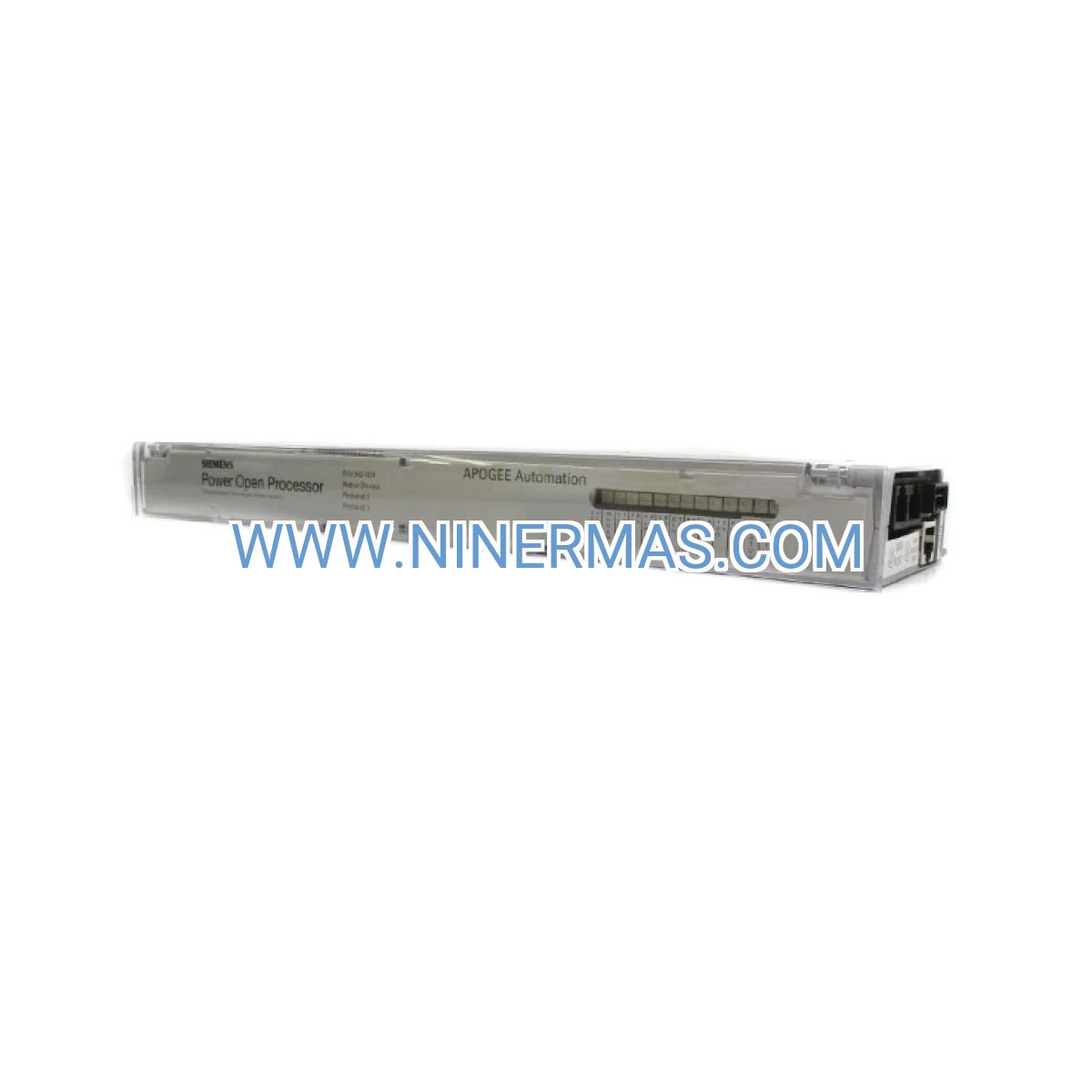
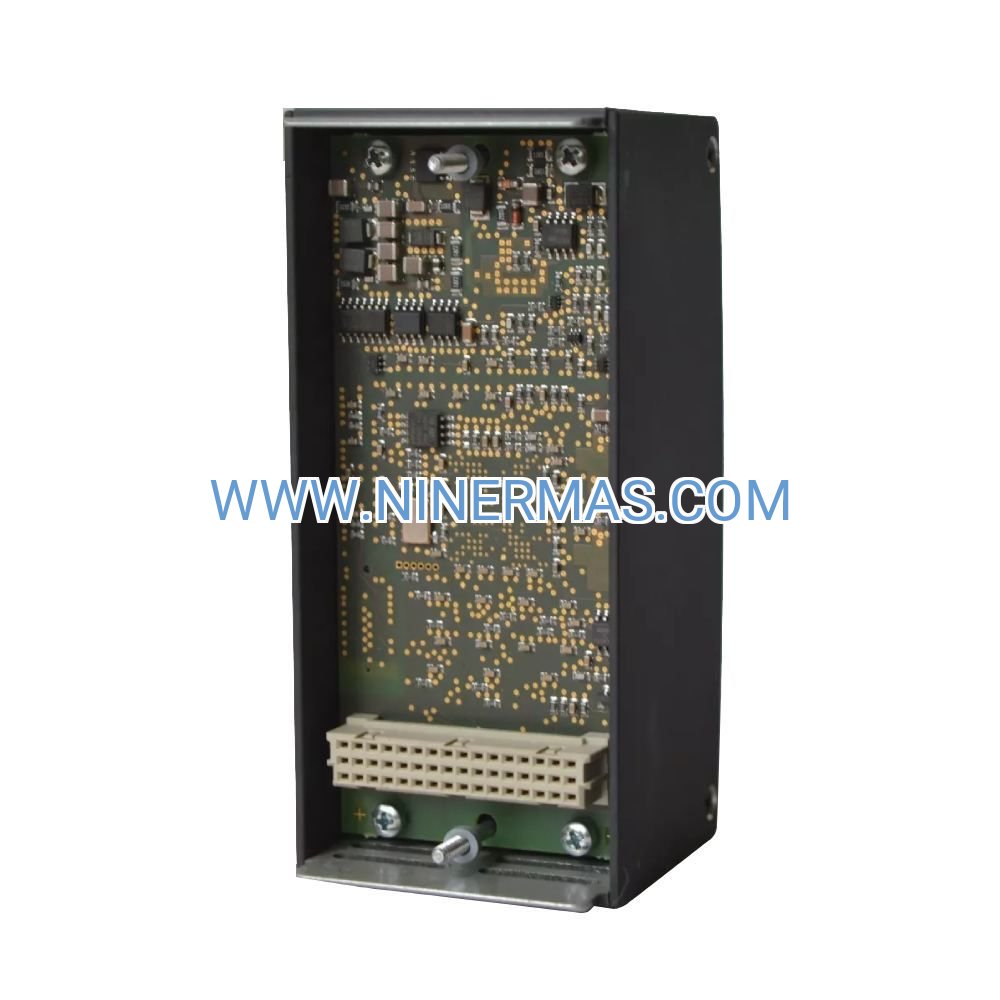
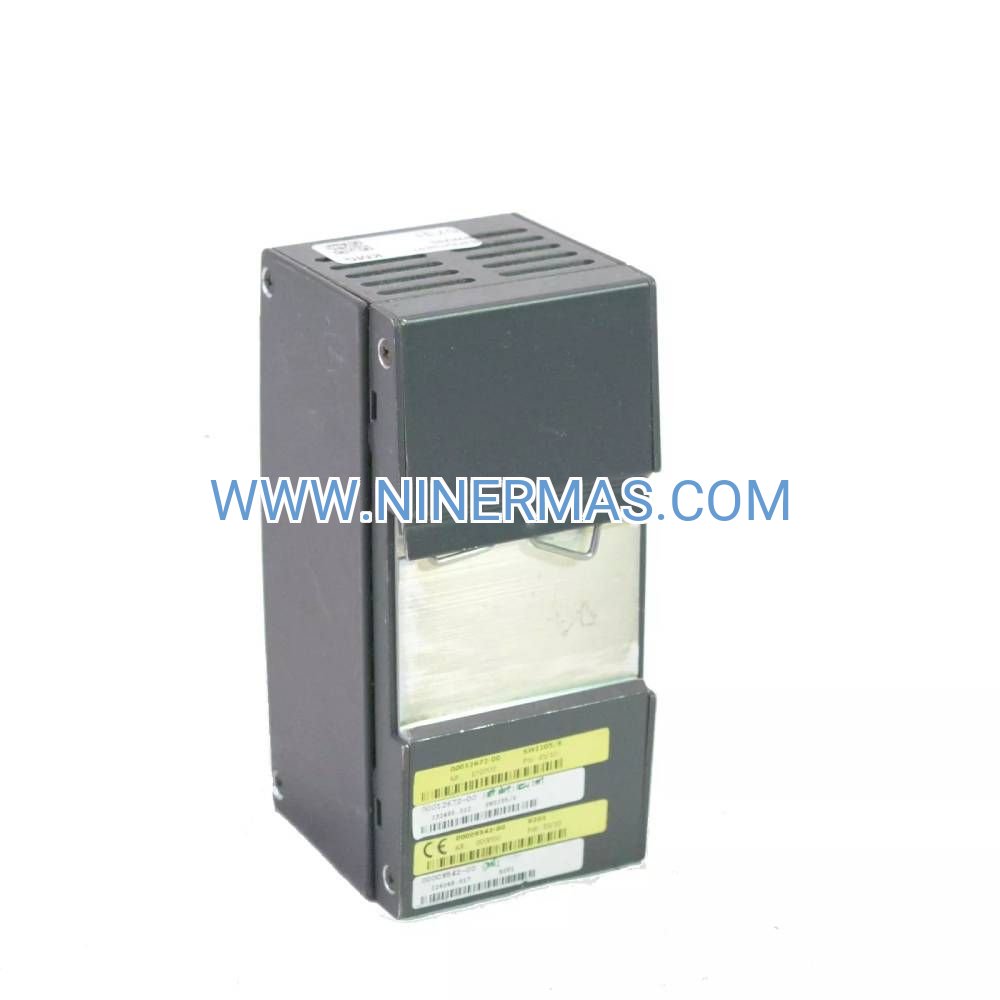
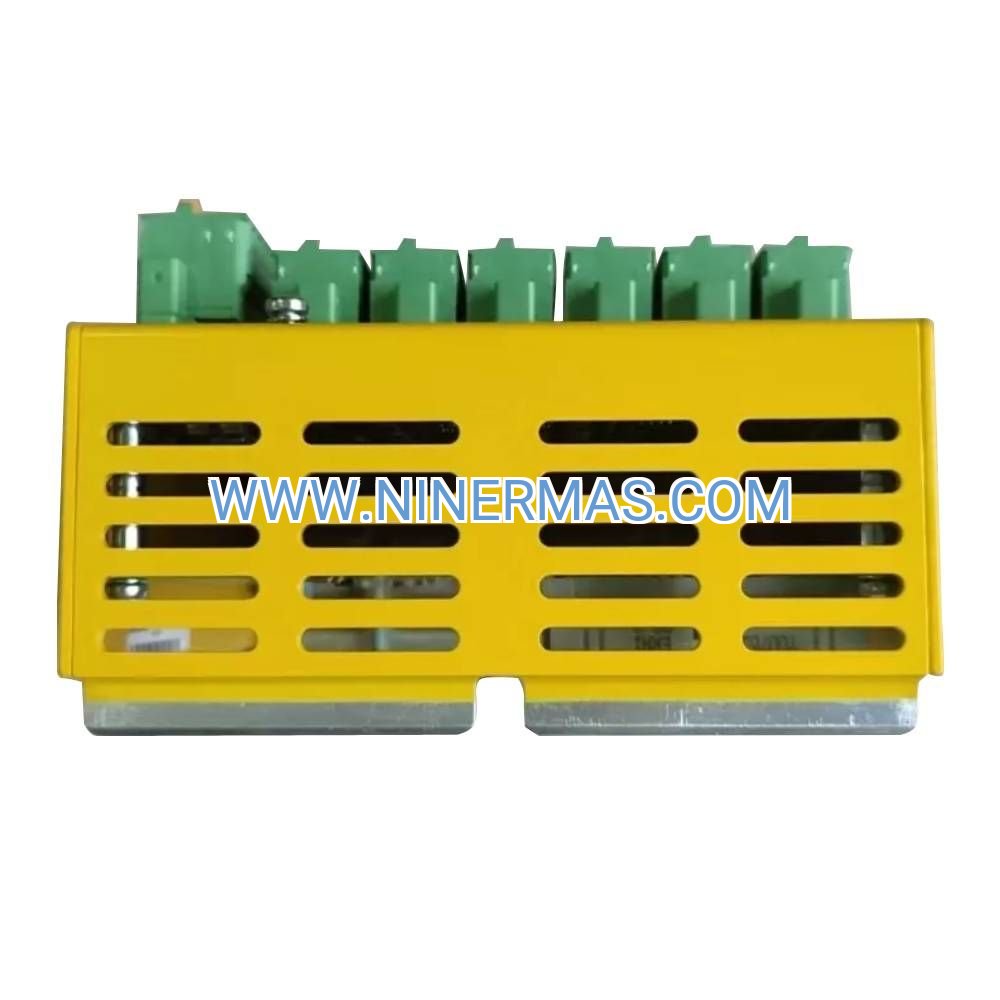
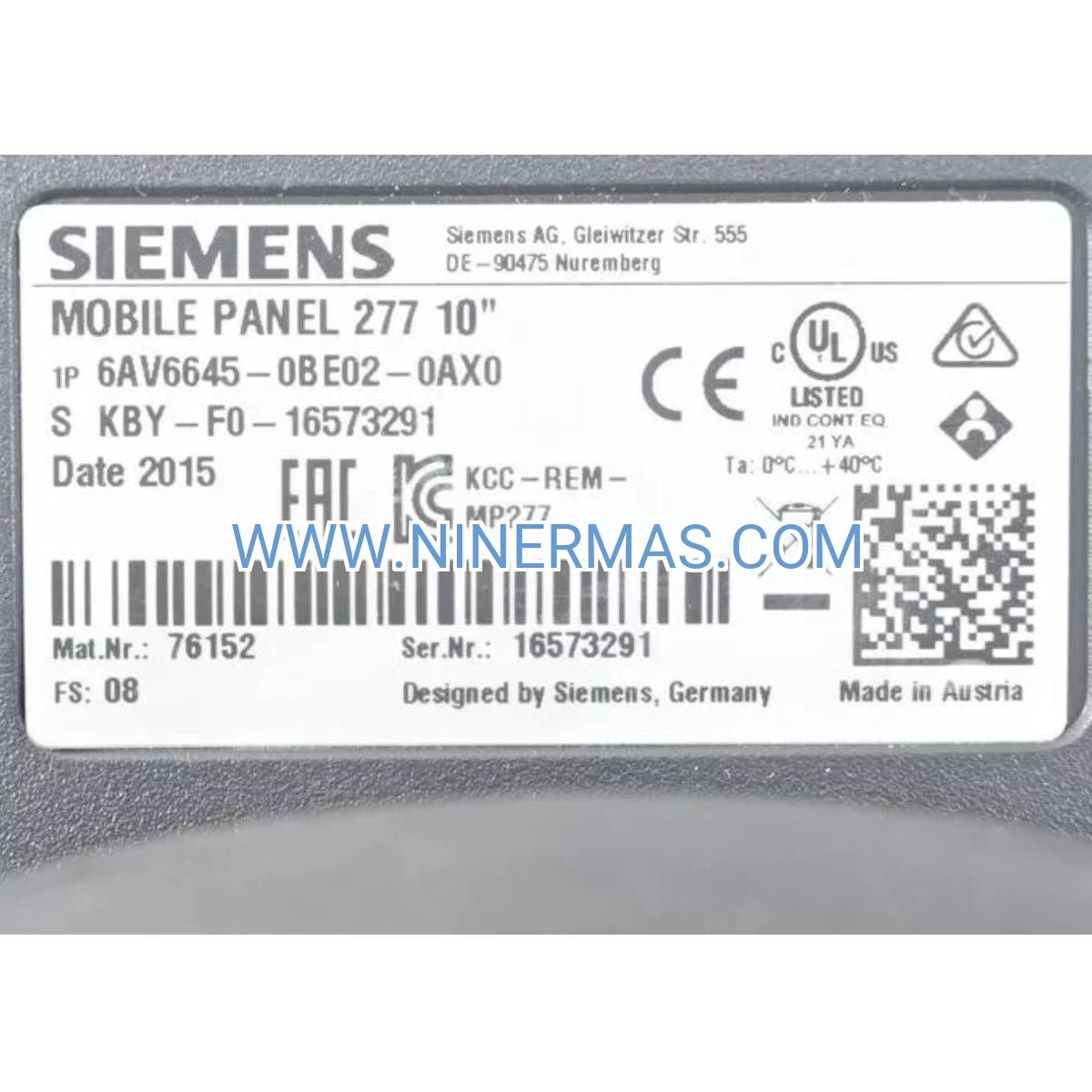
Industrial-Grade SIPART DR19 PID Controller (Siemens 562-001)
The Siemens 562-001 represents a proven solution in digital process regulation, combining robust hardware architecture with intelligent control algorithms. Designed for continuous operation in harsh industrial environments, this SIPART DR19 controller manages critical process variables—temperature, pressure, flow rate, and liquid level—with consistent accuracy across chemical plants, power stations, and manufacturing facilities. Built on decades of Siemens engineering expertise, the 562-001 addresses the core challenge of maintaining stable process conditions despite load fluctuations, ambient variations, and equipment aging.
Process engineers and plant operators rely on this controller to eliminate manual intervention, reduce product variability, and prevent costly process upsets. Whether you're retrofitting legacy systems or designing new control loops, the 562-001 delivers field-proven reliability with straightforward integration into existing infrastructure. Its universal input compatibility and configurable output ranges make it adaptable to diverse measurement and actuation requirements without custom engineering.
Key advantages include adaptive PID tuning that automatically optimizes control response, multi-sensor compatibility eliminating the need for signal conditioning hardware, and industrial-grade construction rated for demanding ambient conditions. The result: tighter process control, reduced energy consumption, and lower maintenance overhead compared to conventional analog controllers.
Core Capabilities & Technical Benefits
✓ Universal Input Flexibility
Accepts RTD sensors (Pt100/Pt1000), thermocouples (J/K/T/E/R/S types), and standard analog signals (4-20mA, 0-10V DC) without external converters. This eliminates signal conditioning costs and simplifies spare parts inventory across multi-process facilities.
✓ Adaptive PID Algorithm with Auto-Tuning
Intelligent control logic continuously adjusts proportional, integral, and derivative parameters based on real-time process behavior. Reduces commissioning time by 60% compared to manual tuning while maintaining optimal setpoint tracking during load changes.
✓ High-Precision Measurement & Control
Achieves ±0.5% accuracy across the full measurement span with fast sampling cycles (100-500ms). Minimizes process variability, improving product quality consistency and reducing raw material waste in batch operations.
→ Integrated Alarm Management
Configurable high/low alarm thresholds with relay outputs trigger immediate notifications before process deviations escalate into safety incidents or quality failures. Supports predictive maintenance strategies by detecting gradual sensor drift.
→ Panel-Mount Design with IP54 Protection
Compact enclosure withstands dust, moisture, and vibration typical of industrial control rooms. Front-accessible terminals and display simplify installation, calibration, and routine maintenance without removing adjacent equipment.
→ Wide Operating Range & Power Options
Functions reliably from -10°C to +55°C ambient temperature with dual power supply compatibility (24V DC or 115-230V AC). Ensures continuous operation during utility fluctuations and supports global deployment without voltage conversion.
Application Scenarios Across Industries
Chemical & Petrochemical Processing
Manages reactor jacket temperatures in exothermic synthesis reactions, preventing thermal runaway while maximizing yield. Controls distillation column reflux ratios to maintain product purity specifications. Regulates batch heating/cooling cycles with programmable setpoint ramps for consistent product characteristics.
Power Generation & Utilities
Maintains steam temperature control in boiler superheater sections, protecting turbine blades from thermal stress. Regulates feedwater flow to deaerators, optimizing dissolved oxygen removal. Controls auxiliary heating systems in fuel oil preheating and flue gas conditioning applications.
Oil & Gas Production Facilities
Stabilizes separator pressure in three-phase separation units, maximizing hydrocarbon recovery. Controls pipeline heating systems to prevent wax deposition and hydrate formation. Manages glycol regeneration temperatures in gas dehydration units.
Manufacturing & Material Processing
Regulates heat treatment furnace temperatures for metal hardening and annealing operations. Controls drying oven conditions in coating, textile, and food processing lines. Maintains environmental chamber setpoints for product testing and quality assurance laboratories.
Water & Wastewater Treatment
Manages chemical dosing pump speeds based on pH measurement feedback in neutralization processes. Controls filtration system pressures to optimize backwash cycles and extend membrane life. Regulates disinfection contact chamber temperatures for pathogen inactivation efficiency.
Technical Parameters & Selection Guide
| Parameter | Specification |
|---|---|
| Model Designation | 562-001 (SIPART DR19 Series) |
| Control Algorithm | Digital PID with Auto-Tuning |
| Input Types | RTD, Thermocouple, 4-20mA, 0-10V DC |
| Control Output | Analog (configurable range) |
| Measurement Accuracy | ±0.5% of span |
| Sampling Rate | 100-500ms (adjustable) |
| Operating Temperature | -10°C to +55°C |
| Power Requirements | 24V DC or 115-230V AC |
| Enclosure Rating | IP54 (panel mount) |
| Display Type | Digital with parameter indication |
| Country of Origin | Germany |
Selection Criteria: Choose the 562-001 when your application requires single-loop PID control with universal input compatibility and you need proven reliability in continuous process industries. For multi-loop control or advanced communication requirements, consider upgrading to the SIPART DR21 series. Ensure your sensor output matches one of the supported input types, or specify signal conditioning requirements during ordering.
Extended Integration & Customization Options
SCADA & DCS Connectivity: The analog output signal integrates seamlessly with supervisory control systems, providing real-time process variable feedback to centralized monitoring platforms. Optional communication modules enable digital protocol support for enhanced data logging and remote parameter adjustment.
Alarm Relay Expansion: Additional relay modules can be configured for multi-stage alarm notification, supporting escalation protocols in critical safety applications. Dry contact outputs interface with plant-wide annunciator systems and emergency shutdown logic.
Custom Calibration Services: Factory calibration certificates traceable to national standards are available for regulated industries (pharmaceutical, food processing). Field calibration support includes on-site commissioning assistance and application-specific parameter optimization.
Delivery Timeline & Service Commitment
Standard Delivery: In-stock units ship within 2-3 business days via express courier with tracking. International shipments typically arrive within 5-7 business days depending on customs clearance.
Warranty Coverage: Comprehensive 12-month warranty covers manufacturing defects, component failures, and workmanship issues. Warranty includes free replacement parts and technical support for troubleshooting assistance.
Technical Support: Our application engineers provide pre-sales consultation for proper product selection, post-sales commissioning guidance, and ongoing troubleshooting support. Access to detailed installation manuals, wiring diagrams, and configuration software ensures smooth integration.
Documentation Package: Each controller ships with installation instructions, quick-start guide, and calibration certificate. Downloadable resources include detailed technical manuals, CAD drawings for panel cutout dimensions, and sample PID tuning procedures.
Frequently Asked Questions
What sensor types work with the Siemens 562-001 process controller?
The controller accepts resistance temperature detectors (Pt100, Pt1000), thermocouples (Types J, K, T, E, R, S), and industry-standard analog signals (4-20mA current loop, 0-10V DC voltage). This universal input design eliminates the need for external signal converters in most applications.
How does the auto-tuning feature improve control performance?
The adaptive algorithm monitors process response to control actions and automatically calculates optimal PID parameters. This reduces commissioning time from hours to minutes while achieving better setpoint tracking and disturbance rejection than manual tuning methods.
Can this controller interface with existing SCADA systems?
Yes, the analog output signal (typically 4-20mA) connects directly to SCADA input modules. For digital communication requirements, optional protocol converters enable Modbus RTU, Profibus, or Ethernet/IP connectivity.
What is the typical response time for process changes?
Sampling rates range from 100-500 milliseconds depending on configuration. Combined with optimized PID parameters, the controller typically achieves setpoint stabilization within 2-5 time constants of the controlled process.
Is on-site calibration possible without removing the controller?
Absolutely. Front-panel access allows field calibration using the built-in menu system. You can verify and adjust input scaling, output ranges, and alarm setpoints without interrupting adjacent equipment or removing the unit from the panel.
What power supply options are available for global installations?
The 562-001 accepts both 24V DC and 115-230V AC power inputs, accommodating different regional electrical standards and control panel designs. Dual power supply compatibility simplifies international deployments and spare parts management.
Take the Next Step
Ready to upgrade your process control infrastructure? Contact our technical sales team for application-specific recommendations, pricing for volume orders, or to request detailed technical documentation. We provide expert guidance to ensure the 562-001 meets your exact control requirements.
Request a Quote: Email your process specifications and quantity requirements
Technical Consultation: Schedule a call with our application engineers
Documentation: Download installation manuals and wiring diagrams
© 2026 NINERMAS COMPANY LIMITED. All rights reserved.
Original Source: https://ninermas.com
Contact: sale@ninermas.com | +0086 187 5021 5667

Contact Info
-
Address:22 / F, South Wo Hang building, 148 Wing Lok Street, Sheung Wan, Western District, Hong Kong
-
Phone:+8618750215667
-
Email: