Original Industrial Spare Part
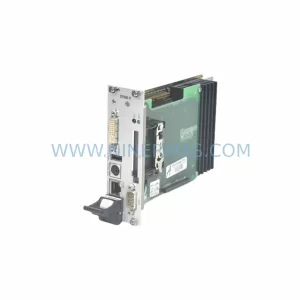
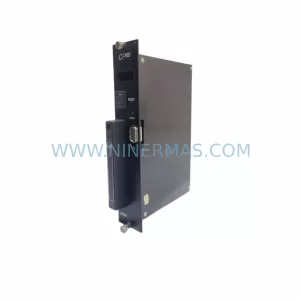
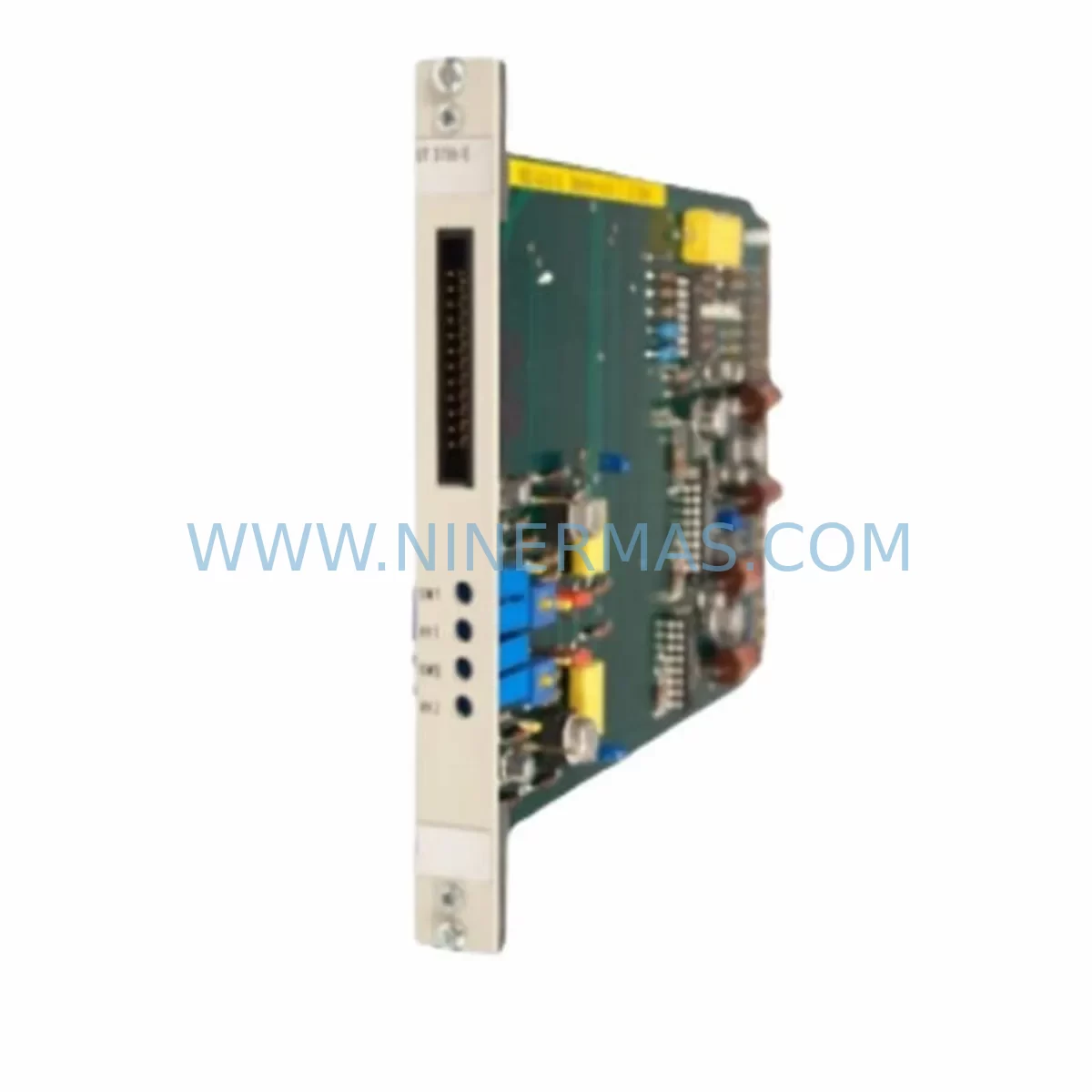
RIKEN KEIKI NP-581 GP-581-PF Retrofit Gas Detector
Verify the part, confirm the platform family, and move straight into quotation with the right commercial details.
RFQ Ready
- SKUNP-581 570-SR-PF GP-581-PF RKP-62069
- CategoryPLC & Industrial Automation Modules
- BrandRIKEN KEIKI
- SupportAvailability, lead time, condition, and shipping coordination
How Buyers Usually Use This Page
- Confirm the exact part number and platform family before sending the quote request.
- Use direct email when quantity, condition, and destination are already defined internally.
- Switch to the broader brand or category archive when you need alternates nearby.
Series Navigation
Move through the most common platform families behind this part.
Product RFQ
Send this part directly for quotation.
Include quantity, required condition, destination country, and target delivery timing. Current reference: RIKEN KEIKI NP-581 GP-581-PF Retrofit Gas Detector with SKU NP-581 570-SR-PF GP-581-PF RKP-62069.
RIKEN KEIKI NP-581 GP-581-PF Retrofit-Compatible Gas Detector for Legacy GP-Series Systems
The RIKEN KEIKI NP-581 (also referenced as 570-SR-PF, GP-581-PF, and RKP-62069) is a retrofit-compatible fixed-point gas detector engineered to replace end-of-life and discontinued units within the RIKEN KEIKI GP-Series gas detection platform. Designed for industrial facilities operating aging safety infrastructure, this unit delivers a smooth migration path without requiring full system overhaul. Whether your facility runs a legacy GP-1000 controller, a GP-204 multi-channel panel, or an older GP-68 portable calibration reference, the NP-581 integrates into existing wiring topologies with minimal field modification.
Industrial plants, petrochemical refineries, offshore platforms, and water treatment facilities frequently encounter the challenge of maintaining gas detection continuity when original OEM units reach end-of-production status. The NP-581 addresses this directly — providing a verified replacement path for GP-Series sensor heads and transmitter assemblies that are no longer available through standard distribution channels. NINERMAS maintains in-stock inventory of the NP-581 / GP-581-PF to support urgent maintenance windows and planned turnaround shutdowns.
Before committing to a retrofit installation, engineers should confirm several critical parameters: the existing 4–20 mA loop wiring gauge and total loop resistance, the terminal block configuration on the local junction box, the controller input card type (whether the GP-1000 or equivalent panel accepts a 2-wire or 3-wire transmitter), and the sensor address assignment if the system uses a digital communication backbone such as RS-485 Modbus. In multi-zone installations where the GP-204 controller manages several detection points simultaneously, replacing one NP-581 unit requires verifying that the channel address does not conflict with adjacent GP-581-PF nodes already commissioned on the same bus.
Power supply compatibility is another key pre-installation checkpoint. The NP-581 operates on a 24 VDC nominal supply, consistent with the GP-Series platform standard. However, facilities that have undergone partial electrical upgrades may have introduced regulated switching power supplies with tighter voltage tolerance windows. Confirm that the field-mounted power distribution unit — often a DIN-rail mounted 24 VDC PSU co-located in the same control cabinet as the GP-1000 or GP-204 panel — can sustain the inrush current during sensor warm-up without triggering low-voltage fault alarms on adjacent channels.
For installations where the original GP-581-PF was mounted in a hazardous area enclosure rated for Zone 1 or Zone 2 classification, the NP-581 retrofit must be accompanied by a review of the enclosure’s cable gland specifications and the Ex certification documentation. The replacement unit’s intrinsic safety (IS) or explosion-proof (Ex d) rating must match or exceed the original installation’s area classification requirements. NINERMAS can provide the relevant certification documentation upon request to support your site safety review process.
In control system environments where the GP-Series detector feeds signal inputs into a Yokogawa CENTUM VP DCS, a Honeywell Experion PKS, or a Siemens SIMATIC S7-300 safety PLC, the 4–20 mA analog output of the NP-581 is directly compatible with standard AI modules. No signal conditioning or additional isolators are required in most standard configurations, though facilities with long cable runs exceeding 300 metres should evaluate whether a signal isolator or loop-powered repeater is warranted to maintain signal integrity. The RKP-62069 calibration adapter remains compatible with the NP-581 sensor head, allowing existing calibration procedures and gas exposure records to continue without interruption.
Facilities planning a broader control system migration — for example, transitioning from a standalone GP-1000 panel to an integrated safety instrumented system (SIS) compliant with IEC 61511 — can use the NP-581 as an interim measure to maintain detection coverage during the transition period. This approach avoids the risk of a detection gap while the new SIS architecture is being engineered, validated, and commissioned. The NP-581’s standard analog output ensures it can feed both the legacy GP-204 controller and a new safety PLC input card simultaneously during parallel operation phases, provided the loop load budget is respected.
Upgrade Compatibility Table
| Parameter | Original GP-Series Unit | NP-581 / GP-581-PF Retrofit | Retrofit Notes |
|---|---|---|---|
| Output Signal | 4–20 mA (2-wire / 3-wire) | 4–20 mA (2-wire / 3-wire) | Direct drop-in; no signal converter required |
| Supply Voltage | 24 VDC nominal | 24 VDC nominal | Verify PSU current capacity before installation |
| Mounting Interface | GP-Series standard flange / conduit entry | Compatible with GP-Series mounting flange | Confirm conduit thread type (PG or NPT) |
| Communication | Analog 4–20 mA; optional RS-485 | Analog 4–20 mA; RS-485 Modbus RTU | Address configuration required for Modbus installations |
| Calibration Adapter | RKP-62069 | RKP-62069 (compatible) | Existing calibration kit reusable |
| Hazardous Area Rating | Ex d / Ex ia (Zone 1/2) | Ex d / Ex ia (Zone 1/2) | Verify area classification and certification match |
| Controller Compatibility | GP-1000, GP-204 | GP-1000, GP-204, SIS AI modules | Parallel operation supported during migration |
| Warranty | OEM (discontinued) | 12-Month Warranty (NINERMAS) | Covers manufacturing defects and functional failure |
Retrofit Planning for Existing Automation Systems
A successful NP-581 retrofit begins with a structured pre-installation audit of the existing gas detection loop. Start by documenting the terminal block layout inside the local junction box — typically a stainless steel or GRP enclosure mounted within 5 metres of the detector head. Identify the positive signal line, negative return, and any shield drain wire connections. Cross-reference these against the NP-581 wiring diagram to confirm terminal assignments before disconnecting the legacy GP-581-PF unit.
In control cabinets housing the GP-1000 or GP-204 panel, the input card slot assignment for the replaced channel should be noted and preserved. If the facility uses a Modbus RS-485 network to poll detector status, the NP-581’s device address must be programmed to match the original unit’s address before the new detector is brought online. This prevents address conflicts with other GP-Series nodes — such as adjacent NP-581 units monitoring hydrogen sulfide or carbon monoxide — and avoids false alarm conditions during the commissioning phase.
For facilities where the gas detection system interfaces with a Yokogawa CENTUM VP DCS or a Honeywell Experion PKS historian, the AI channel tag in the DCS configuration should be verified to ensure the engineering unit range (0–100% LEL or 0–50 ppm, depending on the target gas) matches the NP-581’s output span. If the original GP-581-PF was configured for a different gas range, the DCS tag scaling may require adjustment in the controller configuration software before the new unit is accepted into service.
Installations that include a 570-SR-PF sensor replacement element should confirm that the sensor chemistry is appropriate for the target gas species and concentration range. The 570-SR-PF electrochemical or catalytic bead sensor element is field-replaceable, allowing the transmitter body to remain in place while only the sensing element is exchanged — a significant advantage in minimising installation time and reducing the risk of disturbing conduit seals in hazardous area installations. Spare sensor elements should be held in climate-controlled storage, consistent with RIKEN KEIKI’s recommended storage conditions, to preserve sensor life prior to installation.
Downtime Control During System Migration
Minimising detection downtime during an NP-581 retrofit requires careful sequencing of the replacement activity. Where the facility’s safety management system permits, the affected detection zone should be placed under a temporary gas watch — with a trained operator stationed in the area with a portable gas monitor — for the duration of the detector replacement. This maintains safety coverage without requiring a full process shutdown.
The physical swap of the GP-581-PF for the NP-581 typically takes 30 to 60 minutes per detector point, assuming the conduit and junction box are accessible and the terminal connections are clearly labelled. Pre-staging the NP-581 unit with the correct Modbus address programmed, the sensor element installed, and the calibration verification completed off-site reduces on-site commissioning time significantly. A bench calibration using the RKP-62069 calibration adapter and a certified span gas cylinder should be completed before the unit is transported to site.
Once the NP-581 is installed and powered, allow the sensor warm-up period specified in the product datasheet before accepting the unit into service. During warm-up, the GP-1000 or GP-204 controller may display a fault or initialisation status on the affected channel — this is normal and should be communicated to the control room operator in advance to prevent unnecessary alarm response. After warm-up, perform a bump test with a known concentration of span gas to verify the detector’s response before returning the zone to normal monitored status.
For multi-point replacement programmes involving several NP-581 units across a large facility, a phased replacement schedule — replacing detectors zone by zone rather than all at once — limits the extent of simultaneous detection gaps and allows the maintenance team to build familiarity with the installation procedure before tackling more complex or confined-space locations.
Retrofit Support FAQ
Q: Is the NP-581 a direct replacement for the GP-581-PF without any wiring changes?
A: In most standard installations, yes. The NP-581 uses the same 4–20 mA two-wire or three-wire output as the original GP-581-PF and is compatible with the GP-Series terminal block layout. Minor wiring adjustments may be required if the original installation used non-standard terminal assignments or if the conduit entry thread type differs between the old and new units.
Q: Can the NP-581 be used with the existing GP-1000 controller without reprogramming the controller?
A: Yes, for analog 4–20 mA configurations. The GP-1000 controller does not require reprogramming when the NP-581 is substituted on an analog input channel. If the installation uses RS-485 Modbus communication, the NP-581’s device address must be set to match the original unit’s address using the configuration tool before installation.
Q: Does NINERMAS provide pre-shipment testing for the NP-581?
A: Yes. Each NP-581 unit supplied by NINERMAS undergoes functional verification prior to dispatch, including power-on testing and output signal verification. Calibration certificates and test records are available upon request. Units are supplied with a 12-month warranty covering manufacturing defects and functional failure under normal operating conditions.
Q: What is the lead time and stock availability for the NP-581 / GP-581-PF?
A: NINERMAS maintains stock of the NP-581 to support urgent maintenance requirements. Standard orders are dispatched within 3–5 business days. For large-quantity orders or long-term spare parts programmes, please contact our sales team to discuss stock reservation and scheduled delivery arrangements.
| Product Series | Other series |
|---|
Catalog Continuation
More RIKEN KEIKI modules in the catalog.
Use the brand lane to compare nearby part numbers, platform-adjacent modules, and other inquiry-ready listings before sending your final RFQ.
SKU: NP-581 RKP-62069 0090-03499
RIKEN KEIKI NP-581 RKP-62069 Safety Module for Critical Sites
Catalog Continuation
Alternative parts within PLC & Industrial Automation Modules.
Stay inside the same system family when you need substitutes, adjacent modules, or a broader shortlist for procurement review.