


Description
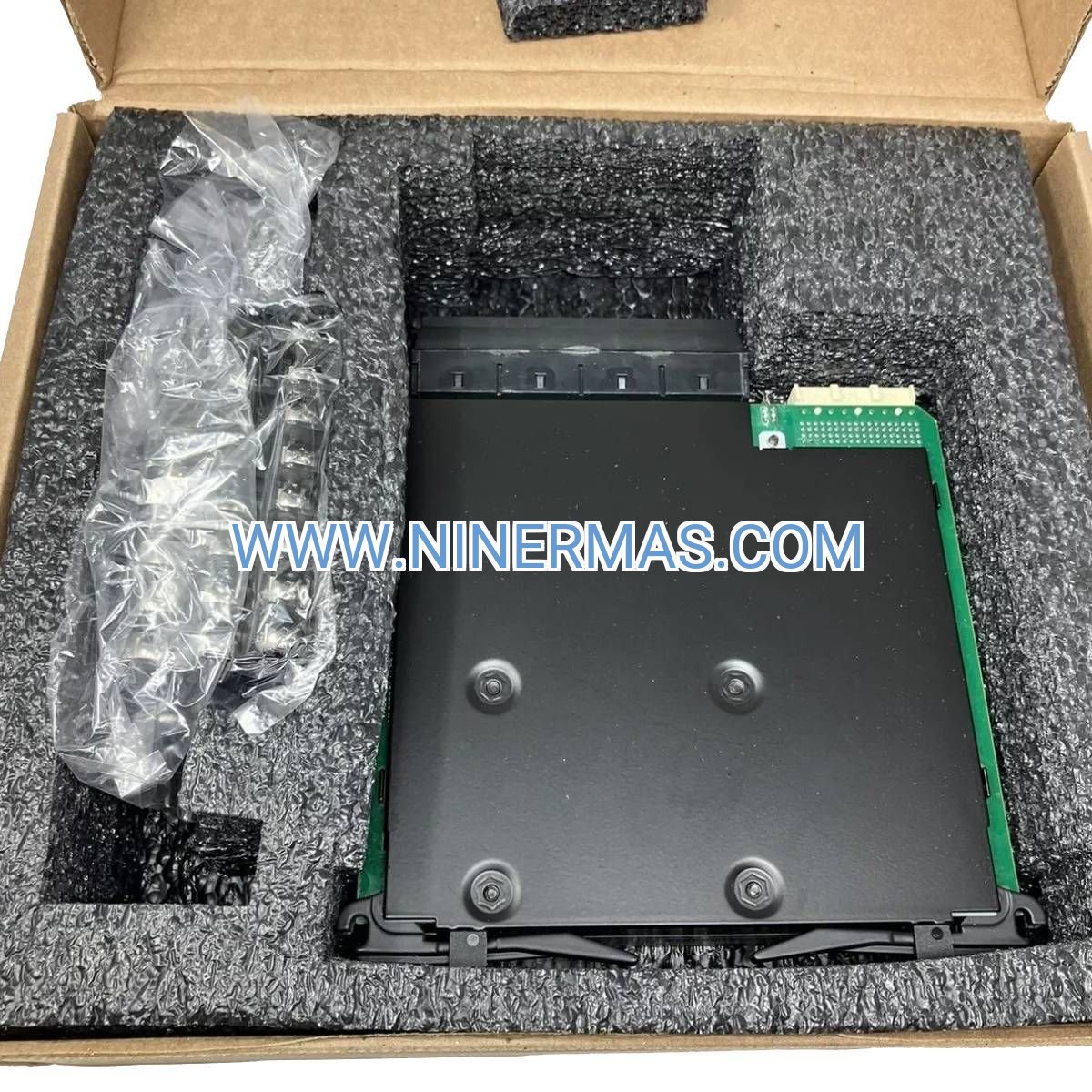
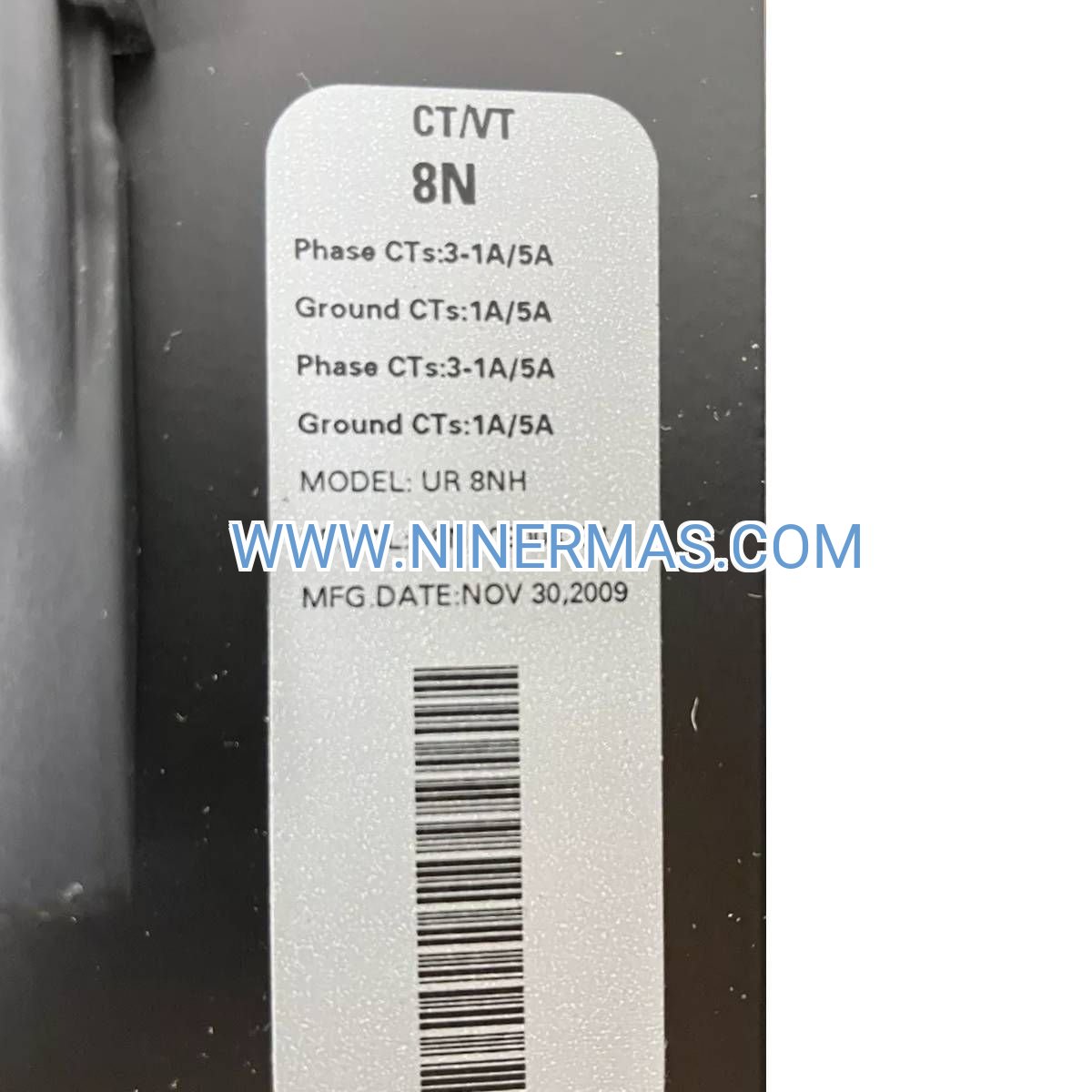
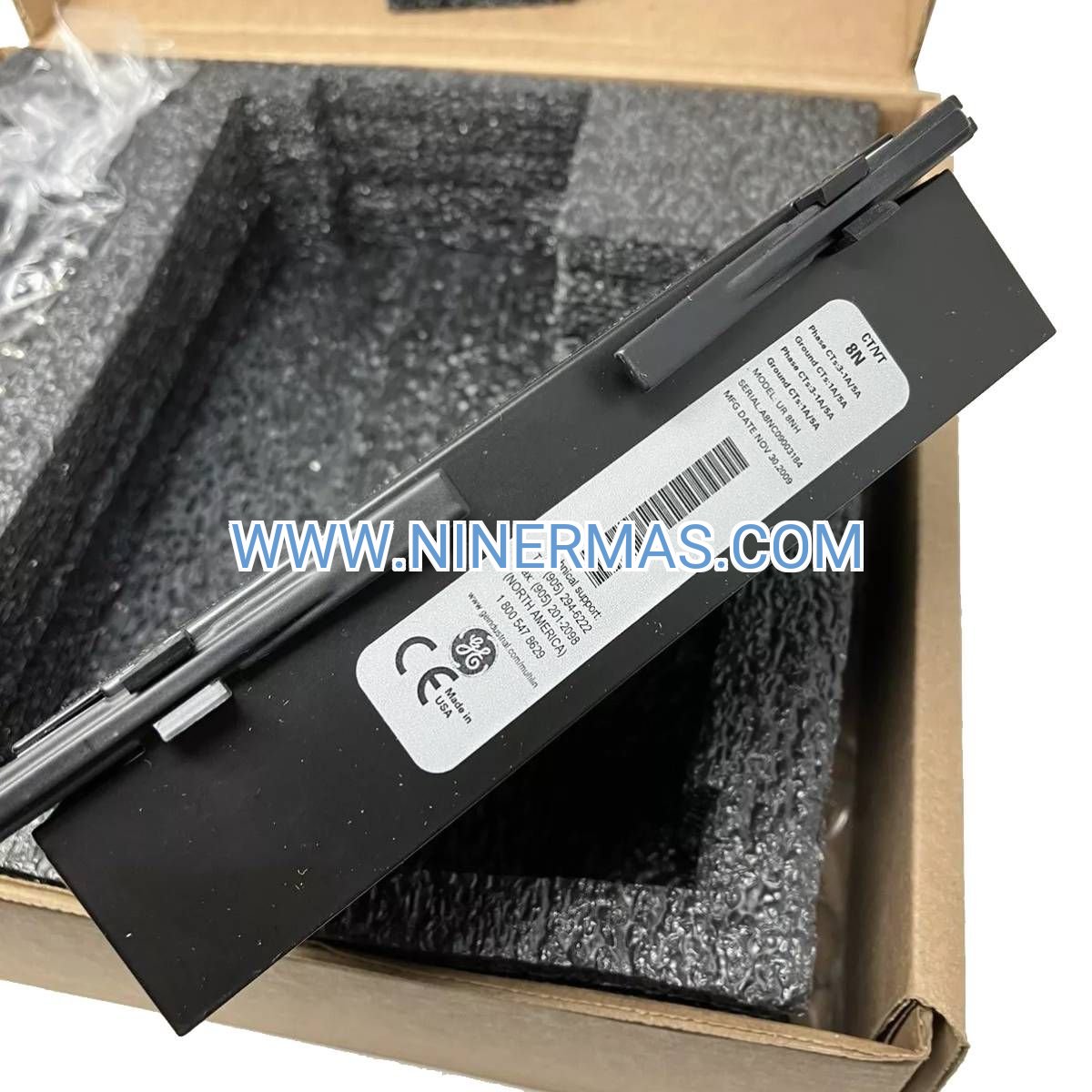
PQMII-T20-C-A Three-Phase Power Quality Meter (Industrial-Grade Monitoring Platform)
The PQMII-T20-C-A represents GE Multilin's advanced approach to three-phase electrical system monitoring, combining precision measurement with extensive transducer integration capabilities. This industrial power quality meter delivers continuous surveillance of voltage stability, current flow, harmonic distortion, and transient phenomena across critical infrastructure installations.
Designed for facilities where power reliability directly impacts operational continuity, this meter addresses the challenge of invisible electrical disturbances that degrade equipment performance and trigger unexpected failures. Engineers and facility managers gain quantifiable insights into power system behavior, enabling proactive maintenance strategies and compliance documentation.
With 20 dedicated transducer channels and Type C analog outputs, the PQMII-T20-C-A extends beyond conventional metering to create a comprehensive monitoring ecosystem. Whether protecting sensitive manufacturing processes, ensuring data center uptime, or optimizing renewable energy integration, this platform transforms raw electrical data into actionable intelligence.
Core Capabilities & Technical Advantages
→ Multi-Parameter Electrical Analysis
Simultaneous measurement of voltage (20-1040V), current (1A/5A CT), active/reactive/apparent power, power factor, and frequency with ±0.2% accuracy class. High-speed 256 samples-per-cycle acquisition captures transient events that standard meters miss, protecting assets worth significantly more than the monitoring investment.
→ Comprehensive Harmonic Profiling
Individual phase analysis up to 63rd harmonic order reveals distortion sources affecting transformer heating, motor efficiency, and capacitor bank longevity. Total Harmonic Distortion (THD) tracking enables IEEE 519 compliance verification and proactive filter sizing for non-linear load environments.
→ Extended Transducer Integration (T20 Configuration)
Twenty 4-20mA or 0-10V analog input channels accommodate temperature sensors, pressure transmitters, flow meters, and environmental monitors. Correlate electrical parameters with process variables to identify cause-effect relationships during troubleshooting investigations.
→ Intelligent Event Capture System
Automatic waveform recording during voltage sags, swells, and interruptions with configurable pre-trigger and post-trigger windows. Onboard storage for 512 events with precise time-stamping enables forensic analysis of power quality incidents and vendor accountability discussions.
✓ Dual-Protocol Communication Architecture
RS-485 Modbus RTU and DNP3.0 support ensures compatibility with legacy SCADA systems and modern building management platforms. Seamless integration with GE Multilin protection relay networks creates unified monitoring and control ecosystems.
✓ Type C Analog Output Flexibility
Scalable 4-20mA or 0-10V signals drive external PLCs, chart recorders, and alarm panels without additional signal conditioning. Real-time parameter retransmission enables distributed control strategies and automated load management responses.
Industry-Specific Application Scenarios
Precision Manufacturing Environments
CNC machining centers, semiconductor fabrication, and pharmaceutical production demand voltage stability within ±1% tolerances. The PQMII-T20-C-A identifies micro-interruptions and voltage notching that cause scrap production, correlating electrical disturbances with quality control data to quantify the cost of poor power quality.
Mission-Critical Data Centers
Where every millisecond of downtime translates to revenue loss, this meter provides early warning of UPS bypass events, generator transfer anomalies, and harmonic resonance conditions. Multi-point deployment across PDU circuits creates visibility into load balancing effectiveness and identifies opportunities for capacity optimization.
Renewable Energy Integration Points
Solar inverter arrays and wind turbine generators introduce variable power quality challenges. Monitor voltage flicker, frequency deviations, and harmonic injection at grid interconnection points to maintain utility compliance and optimize inverter control algorithms for maximum energy harvest.
Commercial Building Energy Management
Identify tenant-specific power quality issues in multi-occupancy facilities, allocate energy costs with sub-metering accuracy, and verify LEED certification requirements. Transducer inputs accommodate chiller efficiency monitoring, lighting circuit analysis, and HVAC system performance tracking within a single platform.
Industrial Substation Monitoring
Utility-grade accuracy supports revenue metering verification, capacitor bank switching analysis, and transformer loading studies. Integration with protective relay systems creates comprehensive substation automation architectures that reduce site visit requirements and accelerate fault response times.
Technical Specifications & Selection Criteria
| Specification Category | PQMII-T20-C-A Parameters |
|---|---|
| Voltage Measurement Range | 20-600V AC (L-N) | 35-1040V AC (L-L) |
| Current Input Configuration | 1A or 5A nominal via external CT |
| Transducer Input Channels | 20 channels (4-20mA / 0-10V) |
| Analog Output Type | Type C: Configurable 4-20mA / 0-10V |
| Measurement Accuracy | ±0.2% (voltage/current) | ±0.5% (power) |
| Harmonic Analysis Capability | Up to 63rd order, individual phase |
| Sampling Rate | 256 samples per cycle (60Hz: 15,360 samples/sec) |
| Event Memory Capacity | 512 events with waveform storage |
| Communication Protocols | RS-485 Modbus RTU, DNP3.0 |
| Power Supply Range | 85-264V AC / 90-300V DC (universal input) |
| Operating Temperature | -40°C to +70°C (-40°F to +158°F) |
| Display Interface | Backlit LCD, multi-page navigation |
| Panel Cutout Requirement | 96mm × 96mm (standard DIN size) |
| Compliance Standards | IEEE 519, IEC 61000-4-30 Class A |
Selection Guidance: Choose the PQMII-T20-C-A when your application requires extensive auxiliary parameter monitoring beyond standard electrical measurements. The 20 transducer inputs justify the investment in process-critical environments where correlating electrical and mechanical variables accelerates root cause analysis. For applications focused solely on electrical parameters, consider standard PQMII configurations with reduced transducer counts.
Advanced Integration & Customization Options
SCADA & BMS Connectivity
EnerVista PQMII Setup software enables remote configuration, real-time data visualization, and historical trend analysis via Ethernet or serial connections. Export capabilities support integration with third-party analytics platforms, energy management information systems (EMIS), and predictive maintenance algorithms.
Automated Control Strategies
Analog outputs drive demand response systems, power factor correction controllers, and load shedding sequences without intermediate signal processing. Programmable alarm thresholds trigger external notification systems when power quality parameters exceed acceptable limits.
Custom Transducer Configurations
Factory calibration accommodates non-standard sensor ranges and specialized measurement requirements. Application-specific firmware modifications support unique monitoring scenarios in research facilities, prototype testing environments, and specialized industrial processes.
Delivery Timeline & Service Commitments
Standard Delivery: 3-5 business days for in-stock units via expedited shipping to major industrial centers. Custom configurations with specialized firmware or extended transducer calibrations ship within 10-15 business days following order confirmation.
Warranty Coverage: Comprehensive 12-month manufacturer warranty protects against component failures and workmanship defects. Extended warranty options available for critical infrastructure applications requiring guaranteed replacement timelines.
Technical Support: Pre-sales application engineering assistance ensures correct model selection and system integration planning. Post-installation support includes configuration guidance, communication troubleshooting, and data interpretation consultation via phone and email channels.
Documentation Package: Each meter ships with installation manual, quick-start guide, Modbus register map, DNP3.0 point list, and EnerVista software installation media. Comprehensive technical documentation supports in-house commissioning and reduces dependency on external contractors.
Frequently Asked Questions
What differentiates the T20 configuration from standard PQMII models?
The T20 designation specifies 20 transducer input channels for monitoring auxiliary analog signals beyond electrical parameters. Standard PQMII models focus exclusively on voltage, current, and power measurements, while the T20 variant accommodates temperature, pressure, flow, vibration, and other process variables within a unified monitoring platform.
Can this meter replace multiple single-function instruments?
Absolutely. The PQMII-T20-C-A consolidates power quality analysis, energy metering, harmonic monitoring, and multi-channel data acquisition into a single panel-mount device. Facilities typically eliminate 3-5 separate instruments per monitoring point, reducing panel space requirements, wiring complexity, and maintenance inventory.
How does harmonic analysis support equipment protection strategies?
Individual harmonic magnitude tracking identifies specific distortion sources (variable frequency drives at 5th/7th harmonics, switch-mode power supplies at higher orders). This intelligence guides filter specification, transformer K-factor selection, and conductor derating calculations, preventing premature equipment failures and optimizing capital expenditure on mitigation equipment.
What communication speed limitations exist for Modbus RTU?
The RS-485 interface supports baud rates from 9600 to 115,200 bps with configurable parity and stop bit settings. Typical installations operate at 19,200 bps for reliable communication over distances up to 1200 meters without repeaters. DNP3.0 protocol offers enhanced data integrity features for mission-critical SCADA applications.
Are the analog outputs isolated from measurement circuits?
Yes, Type C analog outputs feature galvanic isolation to prevent ground loop interference and protect connected equipment. Output signals maintain ±0.5% accuracy across the full 4-20mA or 0-10V range, ensuring reliable operation in electrically noisy industrial environments.
Can the meter monitor both wye and delta three-phase configurations?
The PQMII-T20-C-A accommodates all standard three-phase wiring configurations including 3-wire delta, 4-wire wye, and 3-wire wye systems. Software configuration selects the appropriate voltage and current vector calculations to ensure accurate power and energy measurements regardless of distribution topology.
Ready to Enhance Your Power Quality Visibility?
Transform reactive troubleshooting into proactive system optimization with the PQMII-T20-C-A's comprehensive monitoring capabilities. Our technical team stands ready to discuss your specific application requirements, recommend complementary protection devices, and provide detailed integration planning support.
Contact our industrial automation specialists today: Receive application-specific configuration recommendations, competitive project pricing, and expedited delivery options for urgent installations. Every inquiry receives personalized attention from engineers who understand the critical nature of power quality in modern industrial operations.
© 2026 NINERMAS COMPANY LIMITED. All rights reserved.
Original Source: https://ninermas.com
Contact: sale@ninermas.com | +0086 187 5021 5667

Contact Info
-
Address:22 / F, South Wo Hang building, 148 Wing Lok Street, Sheung Wan, Western District, Hong Kong
-
Phone:+8618750215667
-
Email:
