Description
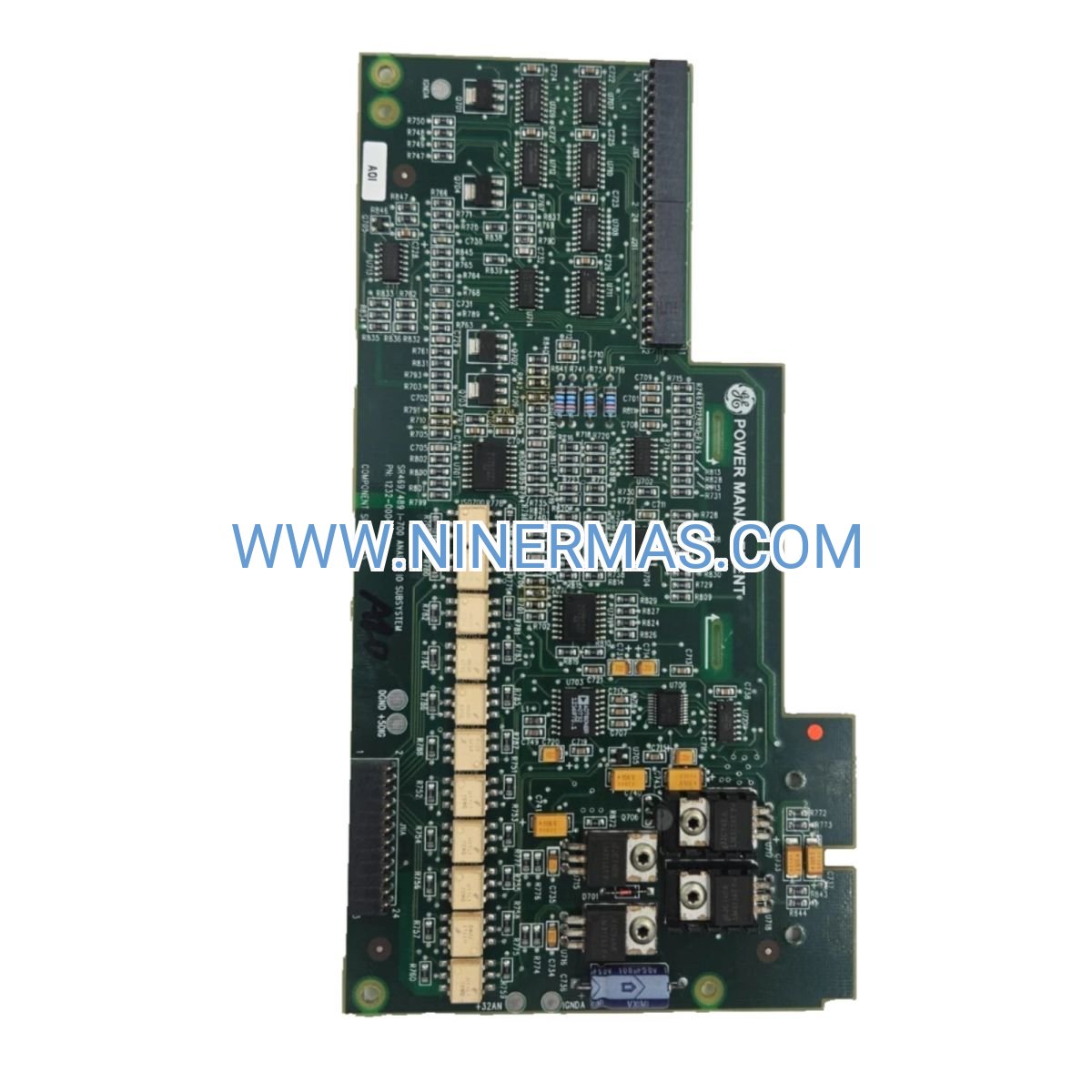
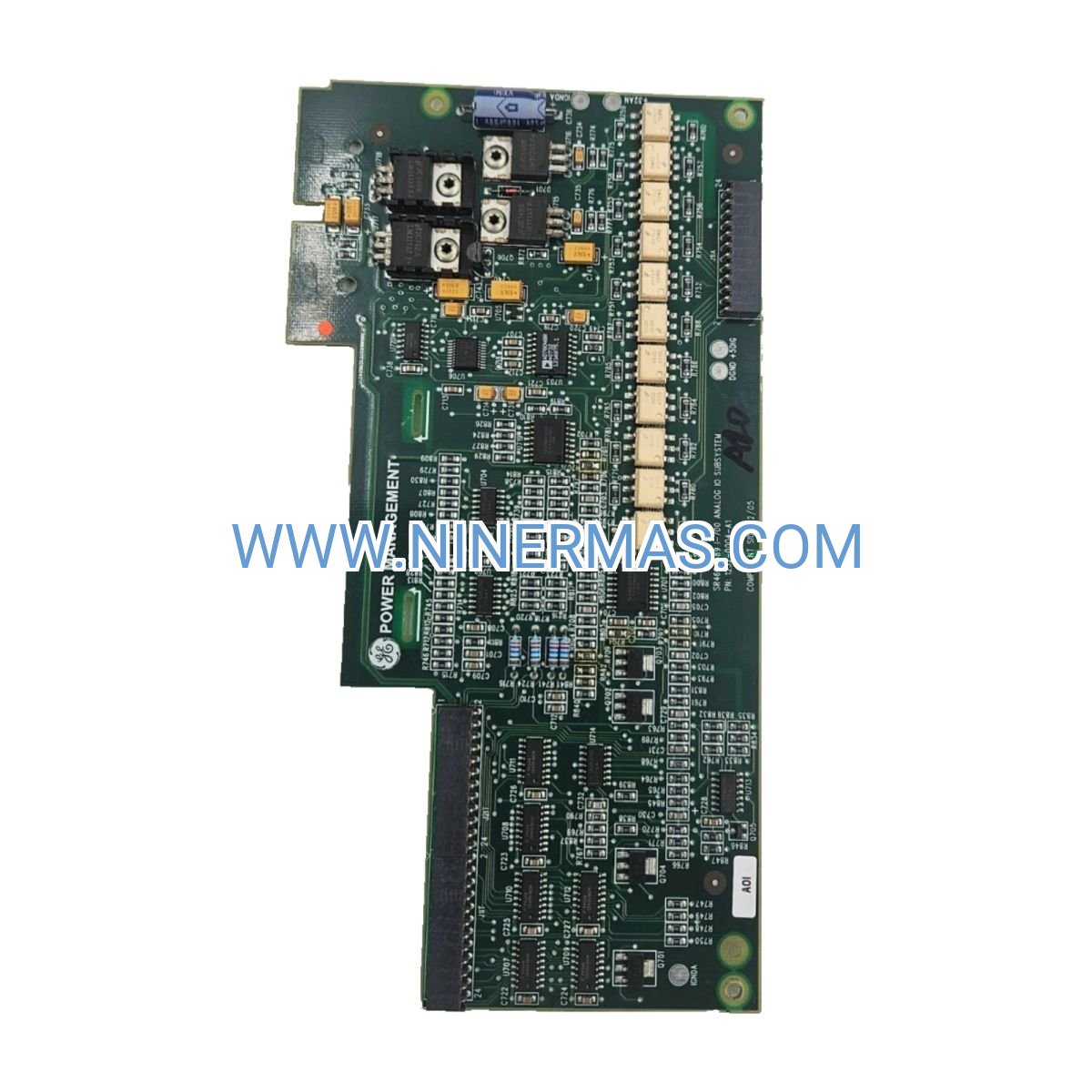
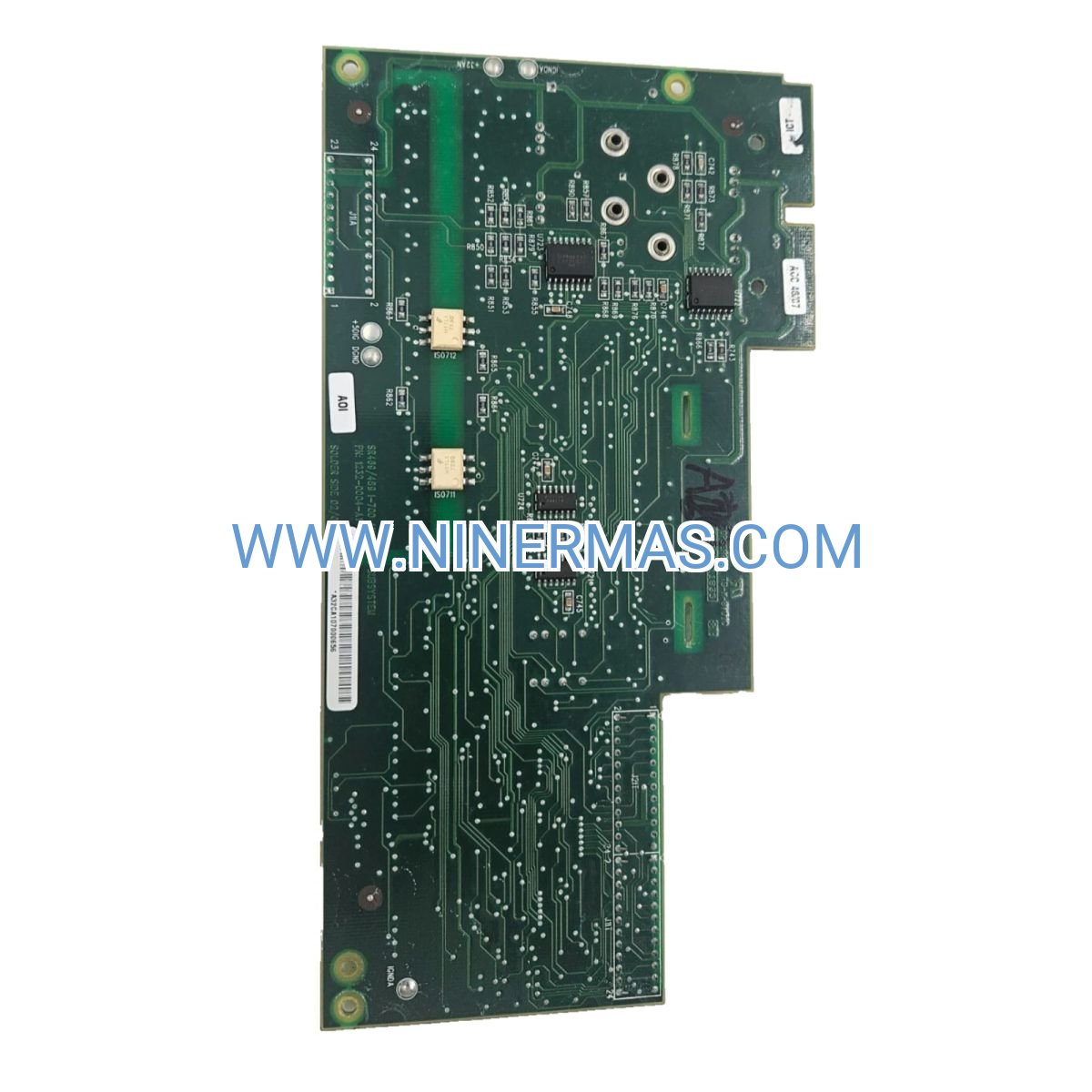
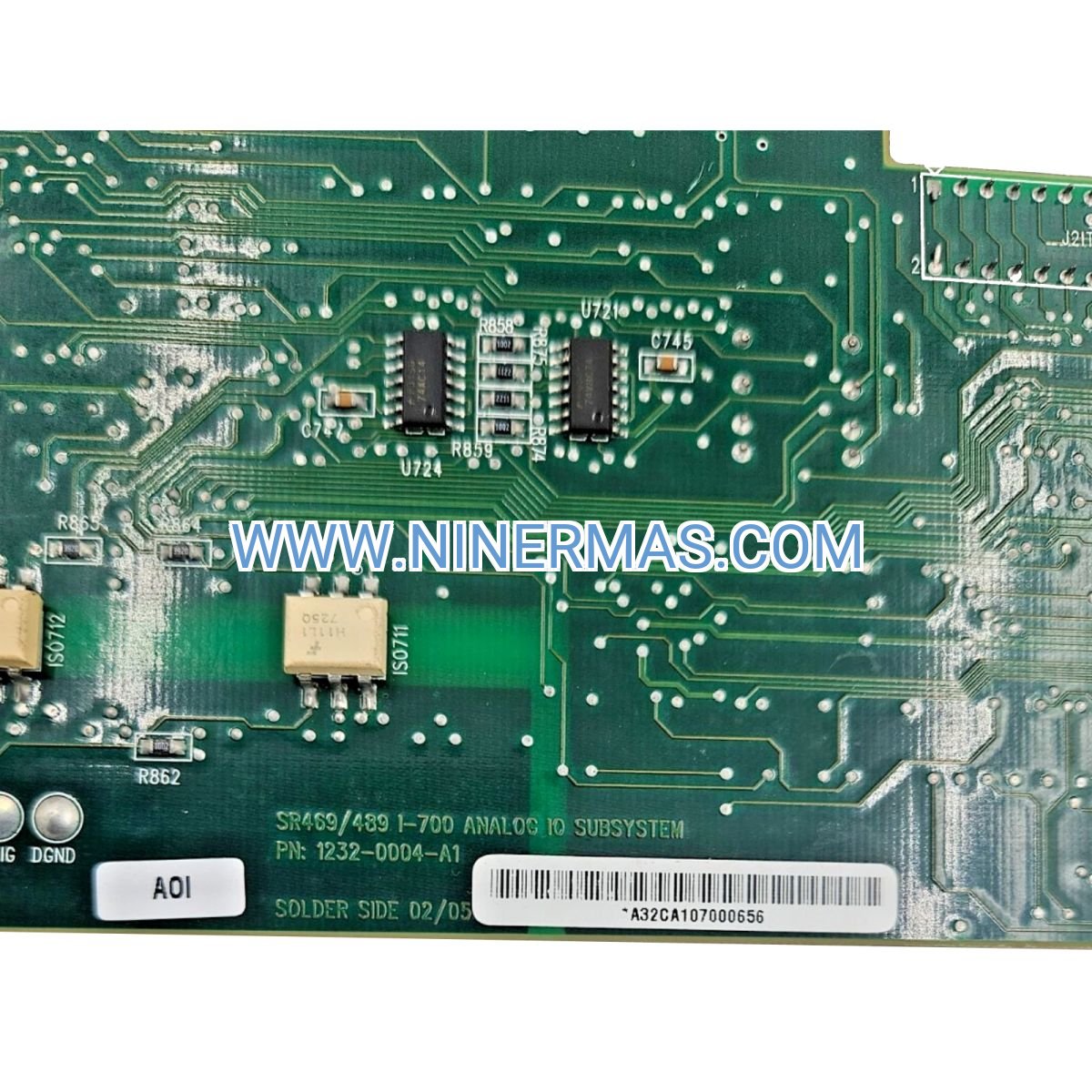
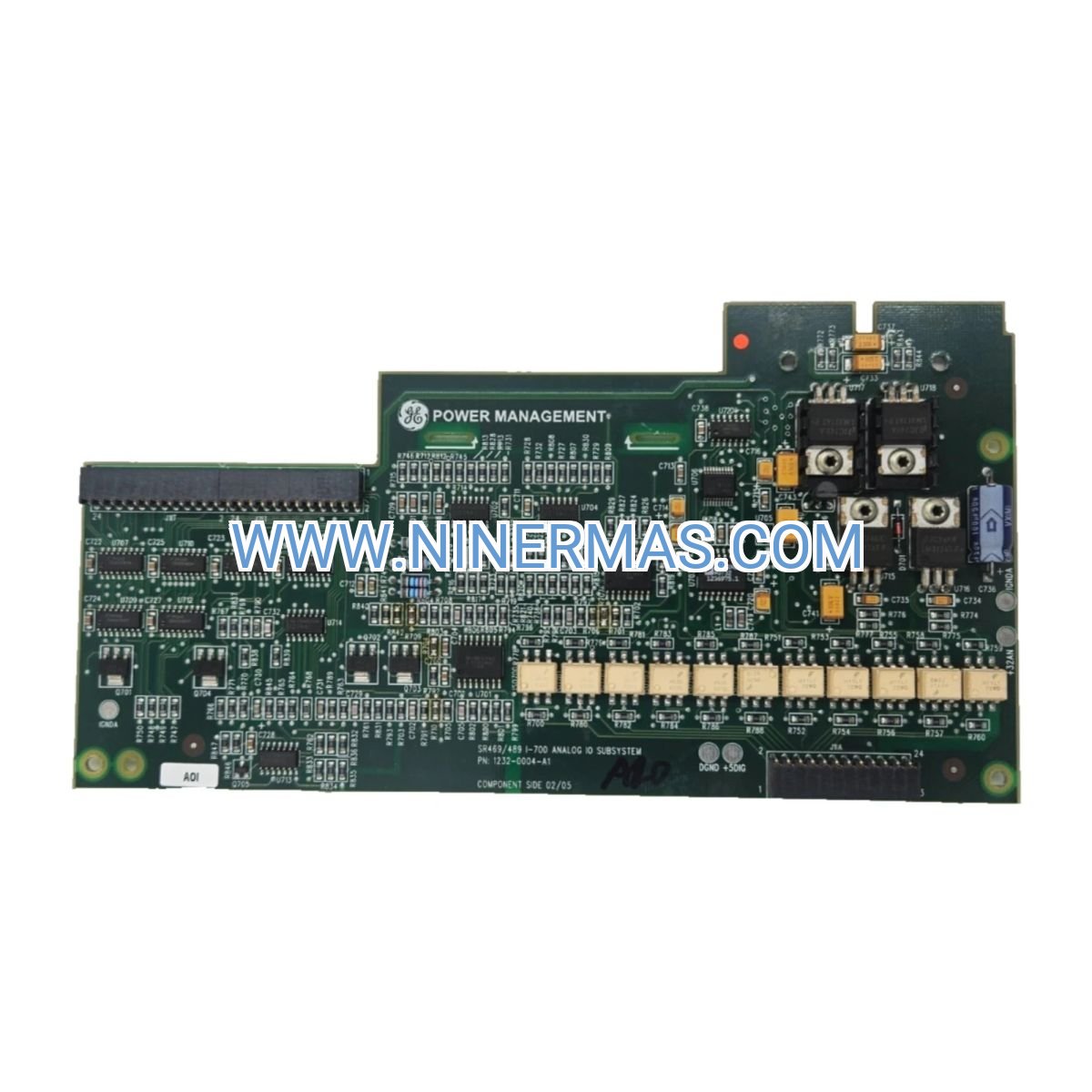
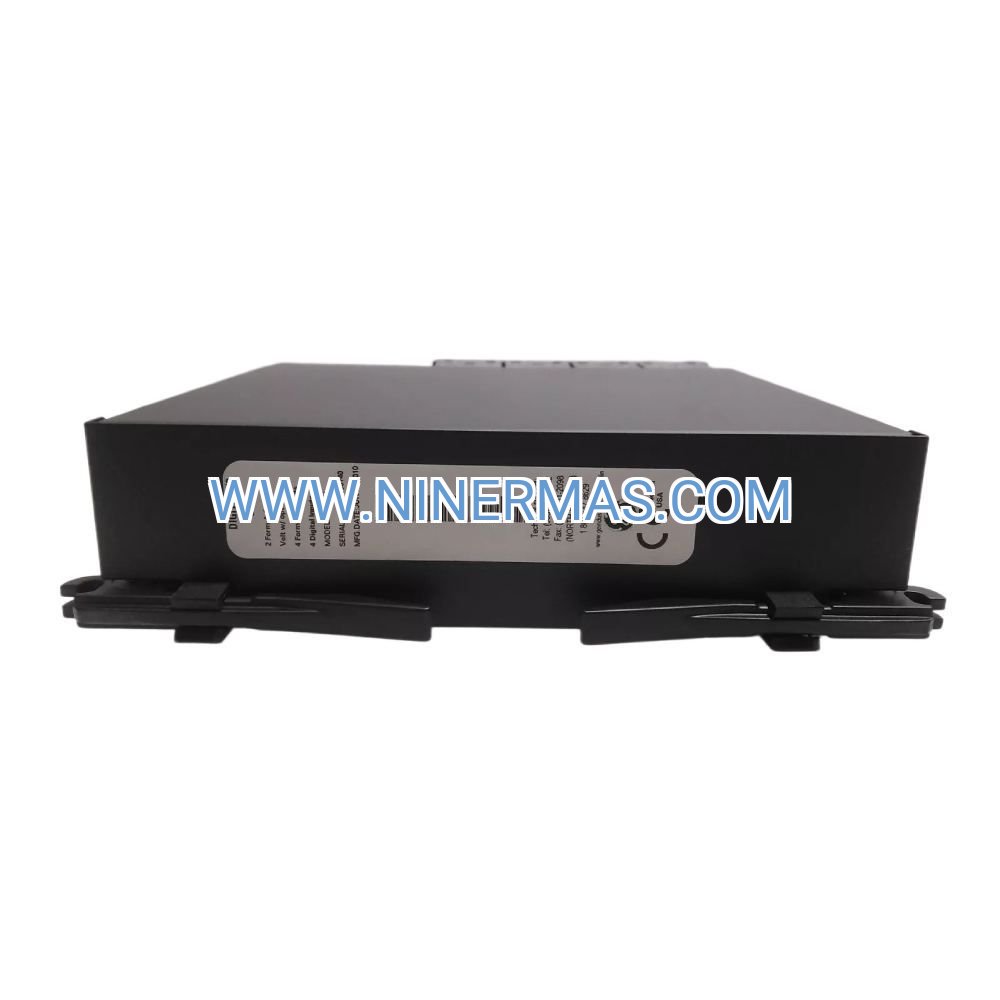
SR469 Motor Protection Relay (Industrial-Grade Motor Safeguard System)
The SR469 stands as a proven motor protection relay engineered to deliver fail-safe monitoring and control for medium to large-scale industrial motors operating in mission-critical environments. Combining adaptive thermal modeling with over 50 integrated protection algorithms, this relay minimizes unplanned downtime while extending motor service life through intelligent fault detection and real-time diagnostics. Designed for process industries, water treatment facilities, mining operations, and power generation plants, the SR469 transforms motor management from reactive maintenance to predictive asset optimization.
Industrial operators face constant pressure to maintain uptime while preventing catastrophic motor failures that can halt entire production lines. The SR469 addresses these challenges by providing comprehensive electrical and thermal protection, seamless SCADA connectivity, and configurable alarm thresholds that adapt to your specific operational parameters. Whether you're managing pump motors in wastewater treatment or safeguarding conveyor systems in mining applications, this relay delivers the reliability and precision your operations demand.
Key advantages include adaptive thermal protection that prevents nuisance trips, multi-protocol communication support for legacy and modern control systems, and a 40-character backlit LCD that simplifies on-site diagnostics. With 7 configurable relay outputs and 8 programmable digital inputs, the SR469 integrates seamlessly into existing motor control centers while providing the flexibility to scale protection strategies as your facility evolves.
Core Capabilities & Business Value
→ Adaptive Thermal Modeling: Tracks motor heating curves under variable load conditions, preventing premature trips during startup transients while ensuring protection against sustained overloads—reduces false alarms by up to 40% compared to conventional thermal relays.
→ Multi-Protocol SCADA Integration: Native support for Modbus RTU, DNP 3.0, and IEC 60870-5-103 enables centralized monitoring across distributed facilities, allowing operators to track motor health from control rooms and receive instant fault notifications.
→ Comprehensive Fault Detection: Monitors phase unbalance, ground faults, locked rotor conditions, under/overvoltage events, phase reversal, and bearing temperature—each protection element independently configurable to match motor nameplate specifications.
→ RTD Temperature Monitoring: Direct RTD inputs for bearing and stator winding temperature measurement provide early warning of thermal degradation, enabling predictive maintenance scheduling before failures occur.
→ Wide Operating Range: 90-265V AC/DC power supply compatibility and -40°C to +70°C operating temperature range ensure reliable performance in extreme industrial environments from Arctic facilities to desert mining operations.
→ Event Recording & Diagnostics: Captures fault waveforms and sequence-of-events data for post-trip analysis, accelerating root cause identification and reducing mean time to repair (MTTR) by 30-50%.
Industrial Application Scenarios
✓ Chemical & Petrochemical Processing
In continuous process environments where motor failures trigger costly production shutdowns, the SR469 protects reactor agitators, centrifugal pumps, and compressor motors against electrical faults and mechanical overloads. Its thermal model accounts for ambient temperature variations and process load fluctuations, maintaining protection accuracy across seasonal changes and production cycles. Integration with DCS systems enables automated load shedding during power quality events.
✓ Municipal Water & Wastewater Treatment
Large pump motors driving water distribution and sewage lift stations benefit from the SR469's remote monitoring capabilities and configurable alarm outputs. Operators receive early warnings of pump cavitation, bearing wear, and electrical imbalances before catastrophic failures occur. Modbus connectivity allows integration with existing SCADA infrastructure for centralized asset management across multiple treatment facilities.
✓ Mining & Mineral Processing
Crusher motors, SAG mill drives, and conveyor systems operating in dusty, high-vibration environments require robust protection against mechanical shock loads and electrical transients. The SR469's ruggedized design withstands harsh conditions while its locked rotor and phase unbalance protection prevent damage from material jams and belt misalignment. Event logs document fault patterns for maintenance optimization.
✓ Power Generation Auxiliary Systems
Critical auxiliary motors in thermal and combined-cycle power plants—including boiler feed pumps, cooling tower fans, and fuel handling systems—demand fail-safe protection to maintain plant availability. The SR469's DNP 3.0 protocol support enables seamless integration with utility-grade control systems, while its backup power supply inputs ensure protection continuity during station blackout events.
✓ Manufacturing & Material Handling
Automated production lines rely on conveyor motors, robotic cell drives, and process fans that must operate continuously without unplanned interruptions. The SR469's programmable digital inputs allow integration with PLC-based control sequences, enabling coordinated motor starting and load management that reduces peak demand charges by 15-25%.
Technical Parameters & Selection Guide
| Specification | Value | Application Notes |
|---|---|---|
| Control Power | 90-265V AC/DC | Universal input eliminates need for auxiliary transformers |
| Current Sensing | 0.2-13A (CT secondary) | Compatible with standard 5A and 1A current transformers |
| Frequency Range | 45-65 Hz | Suitable for 50Hz and 60Hz power systems |
| Protection Functions | 50+ algorithms | Includes thermal, electrical, and mechanical protection |
| Communication Ports | RS-485 (Modbus/DNP/IEC) | Supports multi-drop networks up to 32 devices |
| Display Interface | 40-character backlit LCD | Real-time metering and fault indication |
| Relay Outputs | 7× Form-C (SPDT) | 10A @ 250V AC resistive load rating |
| Digital Inputs | 8× programmable | Configurable for external trip, reset, or status signals |
| RTD Inputs | 6× Pt100/Pt1000 | For bearing and winding temperature monitoring |
| Operating Temperature | -40°C to +70°C | Extended range for outdoor and harsh environments |
| Mounting Options | Panel/rack mount | Standard 19" rack or vertical panel installation |
| Certifications | UL, CSA, CE, IEC 61010 | Global compliance for industrial installations |
Selection Criteria: When specifying the SR469 for your application, verify motor full-load current falls within the relay's sensing range (typically 0.2-13A CT secondary). For motors exceeding 13A secondary current, select appropriate CT ratios to scale current within relay limits. Confirm communication protocol compatibility with existing SCADA or DCS infrastructure—Modbus RTU is most common in North American facilities, while IEC 60870-5 predominates in European installations. For applications requiring bearing temperature monitoring, ensure RTD sensor compatibility (Pt100 or Pt1000) and verify cable routing meets noise immunity requirements.
Advanced Integration & Customization
The SR469 supports programmable logic functions that enable custom protection schemes beyond standard factory settings. Users can configure time-delayed trip sequences, load-dependent alarm thresholds, and coordinated protection with upstream circuit breakers. The relay's Modbus register map provides access to over 200 data points including real-time current, voltage, power factor, and accumulated running hours—enabling predictive maintenance programs based on actual motor utilization rather than calendar-based schedules.
For facilities implementing Industry 4.0 initiatives, the SR469's communication capabilities support edge computing architectures where motor data feeds into cloud-based analytics platforms. Integration with vibration sensors and oil analysis systems creates comprehensive condition monitoring ecosystems that predict bearing failures 4-6 weeks before catastrophic events. Custom firmware configurations allow adaptation to specialized applications including variable frequency drive (VFD) motor protection and soft-starter coordination.
Delivery Timeline & Service Commitment
Standard Delivery: In-stock SR469 units ship within 1-2 business days via express courier, with typical transit times of 3-5 days to major industrial centers. All relays undergo factory testing and include calibration certificates traceable to NIST standards.
Custom Configuration: Pre-programmed relays with customer-specific settings require 5-7 business days for configuration validation and testing. Provide motor nameplate data, CT ratios, and protection setpoint requirements at time of order.
Warranty Coverage: 12-month comprehensive warranty covers manufacturing defects, component failures, and workmanship issues. Warranty includes advance replacement service to minimize downtime during failure events.
Technical Support: Lifetime access to application engineering support for configuration assistance, troubleshooting guidance, and firmware updates. Remote commissioning support available via video conference for complex installations.
Documentation Package: Each relay ships with installation manual, quick-start guide, Modbus register map, and configuration software (EnerVista SR469 Setup). Wiring diagrams and CAD drawings available for download from manufacturer support portal.
Frequently Asked Questions
How does the SR469 thermal model differ from conventional overload relays?
Conventional thermal overload relays use fixed time-current curves that don't account for motor cooling variations or load history. The SR469 employs an adaptive algorithm that tracks rotor and stator thermal capacity in real-time, adjusting trip thresholds based on ambient temperature, load profile, and cooling effectiveness. This prevents nuisance trips during permissible overload conditions while maintaining protection during sustained thermal stress.
Can the SR469 protect motors controlled by variable frequency drives?
Yes, but configuration adjustments are necessary. VFD-fed motors require modified thermal curves to account for reduced cooling at low speeds and harmonic heating effects. The SR469's programmable thermal model can be adapted for VFD applications, though dedicated VFD-compatible relays may offer enhanced features for specific drive types. Consult application notes for VFD-specific setpoint recommendations.
What's the maximum communication distance for Modbus RTU networks?
Standard RS-485 networks support distances up to 1,200 meters (4,000 feet) at 9,600 baud using twisted-pair cable with proper termination. For longer distances or higher baud rates, use RS-485 repeaters or fiber optic converters. Multi-drop networks support up to 32 devices per segment with appropriate addressing.
Does the relay require external current transformers?
Yes, the SR469 requires external CTs for current measurement. Standard 5A or 1A secondary CTs are compatible—select CT ratios based on motor full-load current to ensure secondary current falls within the relay's 0.2-13A sensing range. For example, a 200A motor would typically use 200:5 CTs (40:1 ratio) producing 5A secondary at full load.
How do I access historical fault records?
Fault records are stored in non-volatile memory and accessible via the front-panel LCD or through communication ports using EnerVista software. The relay stores the last 40 fault events with time stamps, fault type, and pre-fault operating conditions. Data can be exported to CSV format for trend analysis and maintenance reporting.
Is the SR469 suitable for hazardous location installations?
The standard SR469 is rated for general industrial environments (IP20 front, IP10 rear). For hazardous locations requiring Class I Division 2 or ATEX certification, specify explosion-proof enclosures or intrinsically safe barriers for communication circuits. Consult local electrical codes and GE application guides for specific hazardous area requirements.
Take the Next Step
Protect your critical motor assets with proven SR469 technology trusted by thousands of industrial facilities worldwide. Contact our application specialists to discuss your specific motor protection requirements, receive custom configuration recommendations, and obtain project-specific pricing for multi-unit installations. Request a detailed datasheet or schedule a technical consultation to explore how the SR469 integrates with your existing control infrastructure.
© 2026 NINERMAS COMPANY LIMITED. All rights reserved.
Original Source: https://ninermas.com
Contact: sale@ninermas.com | +0086 187 5021 5667

Contact Info
-
Address:22 / F, South Wo Hang building, 148 Wing Lok Street, Sheung Wan, Western District, Hong Kong
-
Phone:+8618750215667
-
Email: