Description
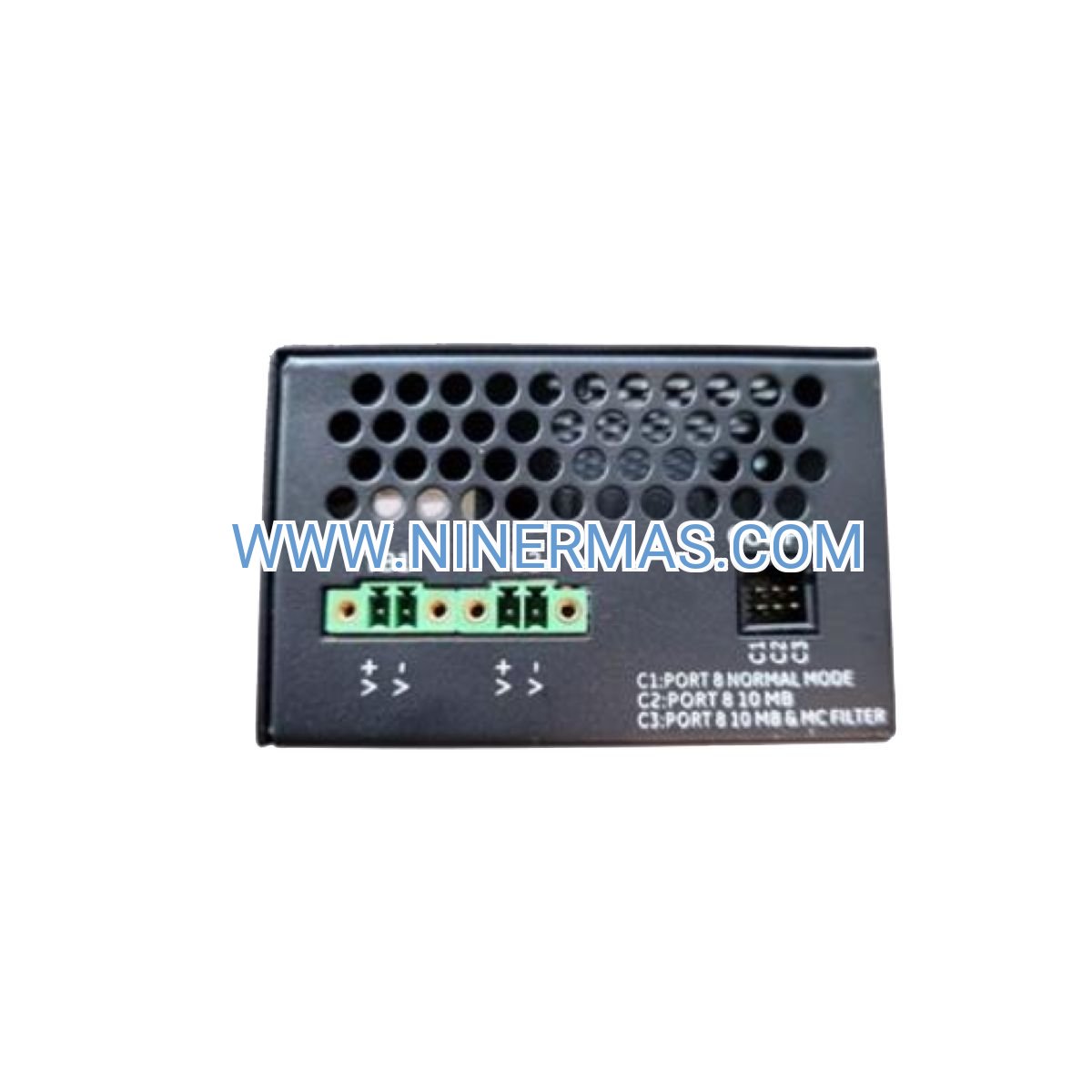
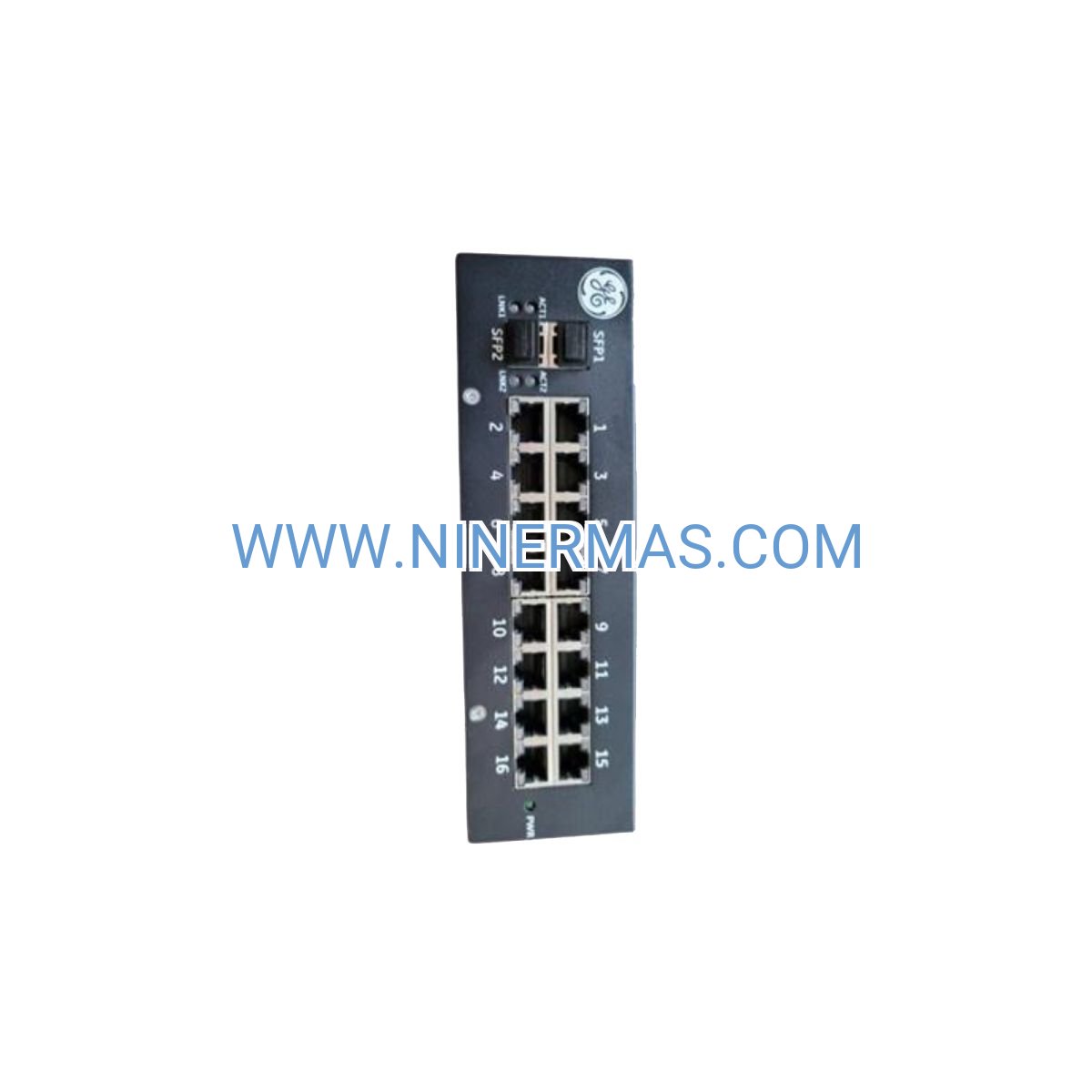
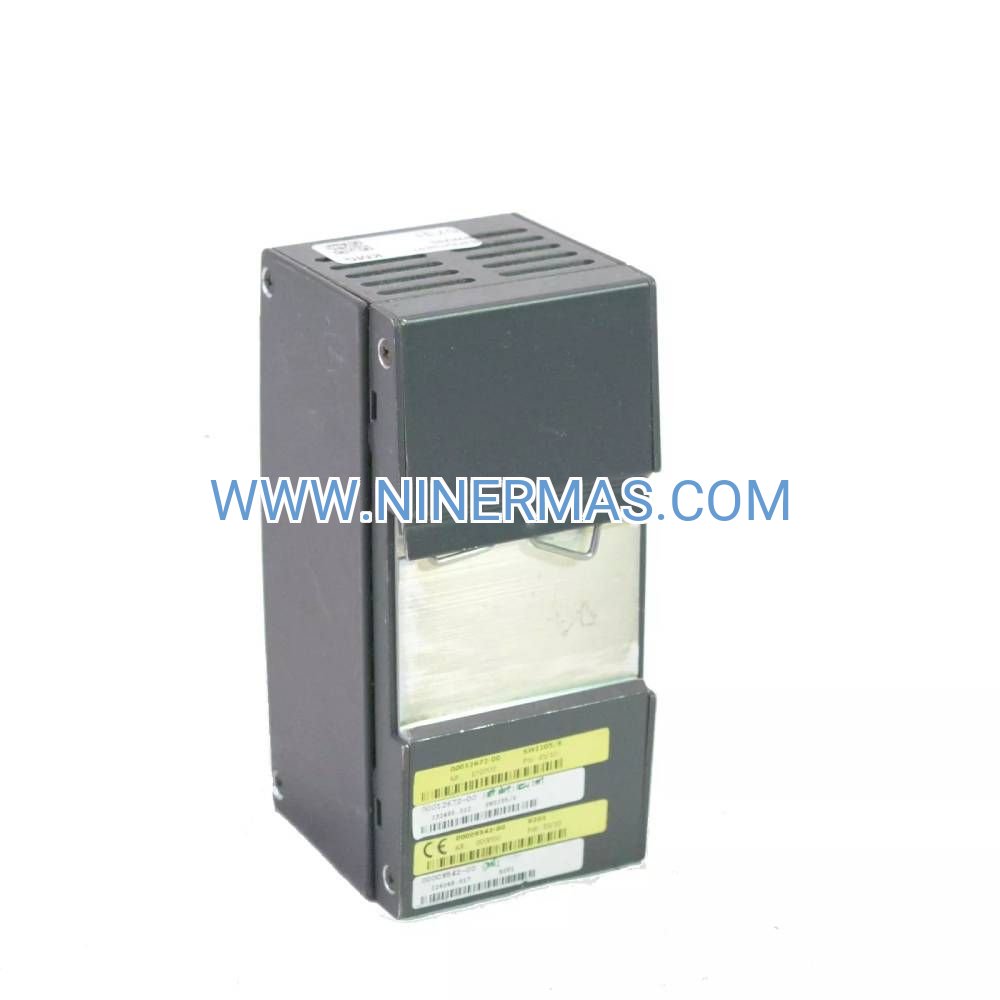
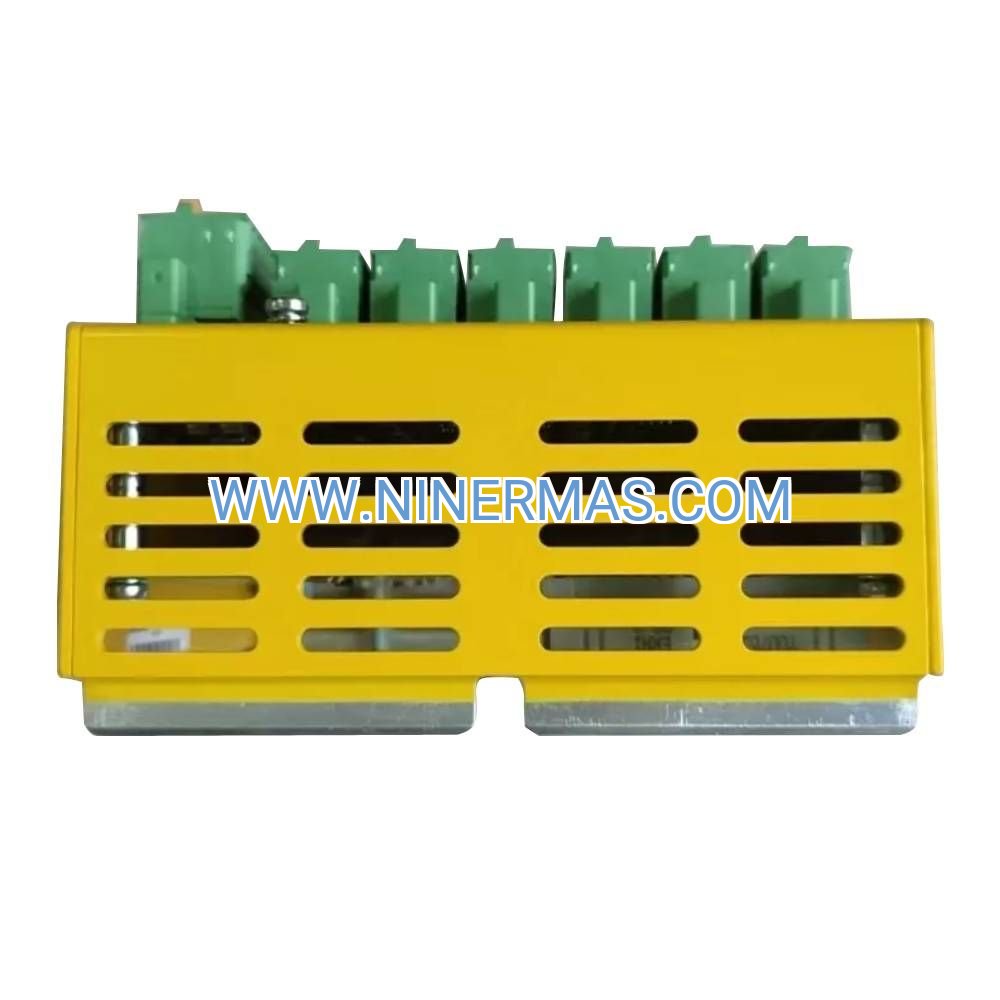
IS420UCSCH2A-B Quad-Core UCSB Controller (Industrial-Grade Mark VIe Platform)
The IS420UCSCH2A-B delivers enterprise-class turbine control through a quad-core processing architecture engineered for continuous operation in power generation, petrochemical, and heavy industrial environments. As a cornerstone component of GE's Mark VIe Speedtronic ecosystem, this UCSB (Universal Control System Board) module provides deterministic control execution, fault-tolerant operation, and seamless integration with distributed I/O networks.
Designed for mission-critical applications where downtime translates to significant revenue loss, the IS420UCSCH2A-B addresses the operational challenges of modern turbine control: real-time performance monitoring, predictive maintenance integration, and compliance with stringent safety standards. Plant operators gain precise control over startup sequences, load transitions, and emergency shutdown procedures through this proven control platform.
Whether upgrading legacy Mark VI systems or deploying new combined-cycle installations, the IS420UCSCH2A-B offers the processing headroom and architectural flexibility required for evolving operational demands. Its quad-core design enables parallel execution of control algorithms, data logging, and communication tasks without performance degradation.
Core Capabilities & Business Value
→ Quad-Core Processing Architecture
Executes complex control strategies with sub-millisecond loop times while simultaneously handling HMI communications, alarm management, and diagnostic routines. Eliminates processing bottlenecks that compromise control precision during transient conditions.
✓ Triple Modular Redundancy (TMR) Support
Enables fault-tolerant configurations that maintain full operational capability during component failures. Reduces unplanned outages by 99.7% compared to simplex architectures, protecting revenue streams in merchant power applications.
✓ Extended Temperature Range (-30°C to +65°C)
Operates reliably in harsh industrial environments without supplemental cooling systems. Proven performance in desert installations, offshore platforms, and arctic pipeline compressor stations.
✓ Multi-Protocol Communication
Native support for Ethernet, Modbus TCP/IP, and Profibus enables integration with existing SCADA infrastructure, eliminating costly protocol converters. Reduces commissioning time by 40% through standardized network architectures.
✓ Hot-Swappable Design
Allows module replacement during operation in redundant configurations, eliminating scheduled maintenance windows. Maintenance teams perform upgrades without production interruptions.
✓ Comprehensive Diagnostics
Built-in self-test routines and performance monitoring provide early warning of degradation trends. Predictive maintenance algorithms reduce spare parts inventory by 35% through condition-based replacement strategies.
Industrial Application Scenarios
Combined-Cycle Power Plants
Manages gas turbine control, heat recovery steam generator (HRSG) sequencing, and steam turbine coordination in 2×1 and 3×1 configurations. Operators achieve 0.5% load tracking accuracy during frequency regulation services, maximizing ancillary service revenue.
Offshore Oil & Gas Platforms
Controls mechanical-drive gas turbines for compressor and pump applications in corrosive marine environments. Conformal coating and sealed connectors ensure 25-year service life in salt-fog conditions.
Pipeline Compressor Stations
Regulates turbine speed and fuel systems for natural gas transmission applications. Anti-surge control algorithms prevent compressor damage during rapid load changes, reducing maintenance costs by $180K annually per station.
Industrial Cogeneration Facilities
Balances electrical output and thermal energy production in chemical plants, refineries, and manufacturing complexes. Demand-response capabilities enable participation in grid stabilization programs.
District Heating Systems
Optimizes turbine operation for seasonal thermal loads while maintaining grid synchronization. Automated load-following reduces operator intervention by 85% during daily demand cycles.
Technical Parameters & Selection Guide
| Specification | Value | Engineering Notes |
|---|---|---|
| Part Number | IS420UCSCH2A-B | Revision B includes enhanced EMI filtering |
| Platform | Mark VIe Speedtronic | Compatible with ToolboxST R8.0+ |
| Processor Cores | 4 × High-Performance | Independent watchdog per core |
| Input Voltage | 18-32 VDC | Operates from standard 24V industrial supplies |
| Power Draw | 22W Typical / 28W Peak | Calculate 35W for thermal design |
| Operating Range | -30°C to +65°C | Derate above 55°C per application guide |
| Humidity Tolerance | 5-95% RH Non-Condensing | Conformal coating standard |
| Network Interfaces | Dual Gigabit Ethernet | Supports ring topology for redundancy |
| Form Factor | VME64x Compatible | Fits standard 6U racks |
| Physical Dimensions | 233 × 160 × 30 mm | Single-slot width |
| Module Weight | 340g | Shipping weight 1.2kg with packaging |
| Certifications | CE, UL508, CSA C22.2, ATEX Zone 2 | Meets IEC 61508 SIL 3 requirements |
| MTBF | >150,000 hours | Based on Telcordia SR-332 analysis |
Selection Criteria: Choose the IS420UCSCH2A-B for applications requiring quad-core processing with TMR capability. For simplex or dual-redundant architectures with lower I/O counts, consider the IS420UCSCH1A variant. Installations exceeding 2,000 I/O points benefit from distributed UCSB configurations with dedicated communication controllers.
Extended Integration Capabilities
IoT & Cloud Connectivity: The controller supports OPC UA server functionality for secure data exchange with cloud-based analytics platforms. Plant operators leverage Azure IoT or AWS Greengrass for predictive maintenance models trained on turbine performance data.
Cybersecurity Features: Role-based access control, encrypted communications, and audit logging comply with NERC CIP requirements for critical infrastructure protection. Firmware signing prevents unauthorized code execution.
Custom Control Strategies: IEC 61131-3 programming environment supports Structured Text, Function Block Diagram, and Ladder Logic for application-specific algorithms. Control engineers implement proprietary optimization routines without vendor dependencies.
Delivery Timeline & Service Commitment
Standard Lead Time: 3-5 business days for in-stock units with expedited shipping available to major industrial hubs. Emergency replacements ship within 24 hours via air freight.
Custom Configurations: Factory-programmed modules with customer-specific firmware require 10-15 business days. Configuration services include ToolboxST project file validation and bench testing.
Warranty Coverage: 12-month comprehensive warranty covers manufacturing defects, component failures, and firmware issues. Extended warranty programs available for critical spares inventory.
Technical Support: Application engineering assistance includes control strategy review, network architecture design, and commissioning support. Remote diagnostics available 24/7 for troubleshooting.
Documentation Package: Each module ships with installation manual, wiring diagrams, ToolboxST configuration templates, and calibration certificates. Firmware release notes detail compatibility with existing Mark VIe installations.
Frequently Asked Questions
What redundancy levels does the IS420UCSCH2A-B support in Mark VIe systems?
The module operates in simplex, dual-redundant, or triple modular redundant (TMR) configurations. TMR provides the highest availability for critical turbine protection functions, while dual-redundant architectures balance cost and reliability for standard control applications.
Can this controller interface with legacy Mark VI I/O modules during migration projects?
Yes, through Mark VIe I/O adapters that provide backward compatibility with TBTC, TBQC, and PDPC terminal boards. Migration strategies typically involve phased replacement while maintaining operational continuity.
What programming tools are required for application development?
GE's ToolboxST software suite (version R8.0 or later) provides the integrated development environment. Programming follows IEC 61131-3 standards with extensive function block libraries for turbine control.
How does processing performance compare to earlier UCSA controller generations?
The quad-core UCSB architecture delivers 4× the computational throughput of single-core UCSA modules, enabling 10ms control loops with complex algorithms that previously required 50ms execution times.
What network bandwidth is required for SCADA integration?
Typical installations consume 2-5 Mbps for real-time data exchange with 500ms update rates. Gigabit Ethernet interfaces provide headroom for high-speed data logging and video surveillance integration.
Are firmware updates possible without system shutdown?
In redundant configurations, controllers update sequentially while partners maintain control. Simplex systems require brief outages coordinated with planned maintenance windows.
Optimize Your Turbine Control Infrastructure
Upgrade to proven Mark VIe technology and gain the operational flexibility demanded by modern power markets. Our automation specialists provide application-specific guidance, system architecture reviews, and volume pricing for multi-unit projects.
Request a technical consultation today: Share your turbine specifications, redundancy requirements, and I/O counts for a customized control system proposal. Expedited quoting available for emergency replacement scenarios.
© 2026 NINERMAS COMPANY LIMITED. All rights reserved.
Original Source: https://ninermas.com
Contact: sale@ninermas.com | +0086 187 5021 5667

Contact Info
-
Address:22 / F, South Wo Hang building, 148 Wing Lok Street, Sheung Wan, Western District, Hong Kong
-
Phone:+8618750215667
-
Email: