Description
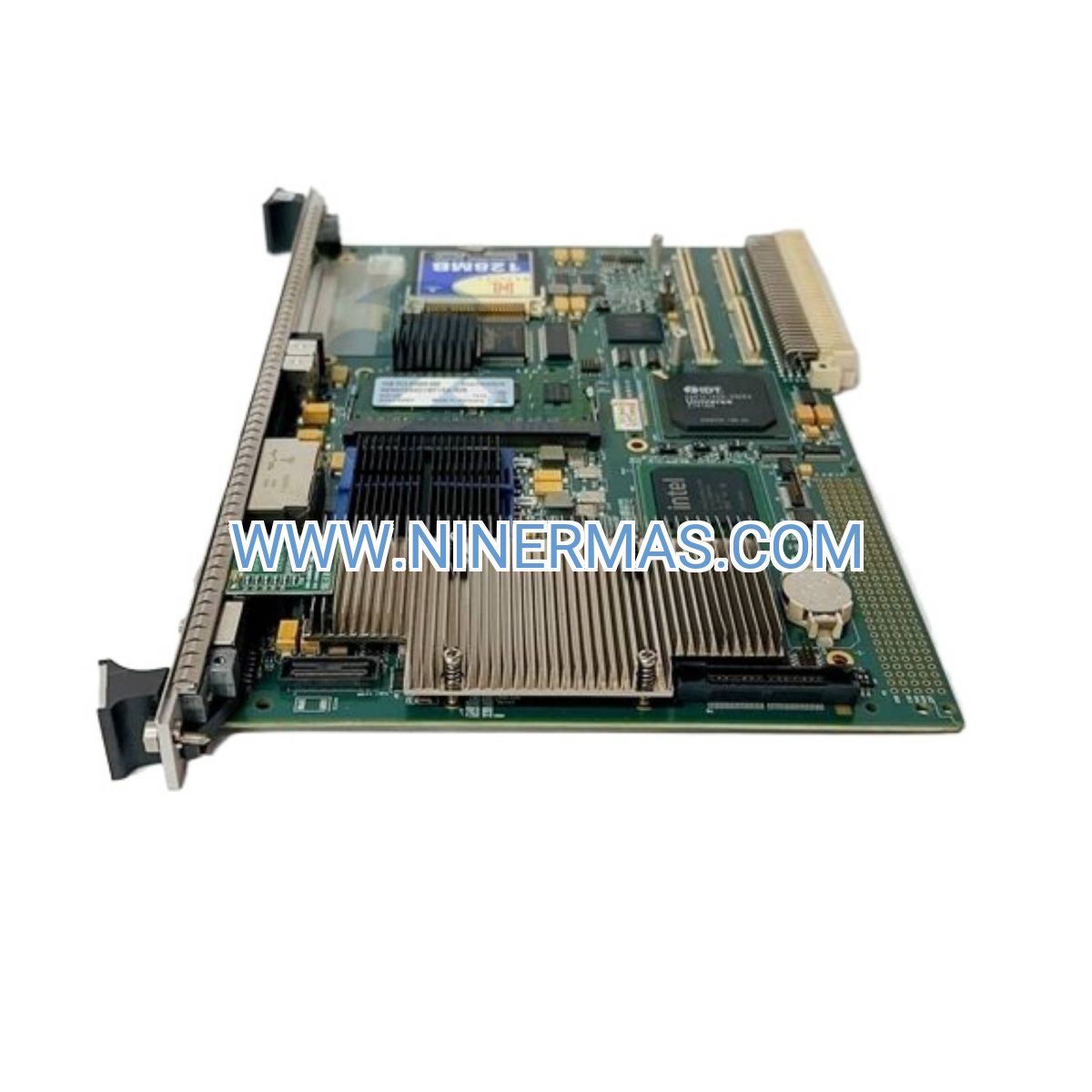
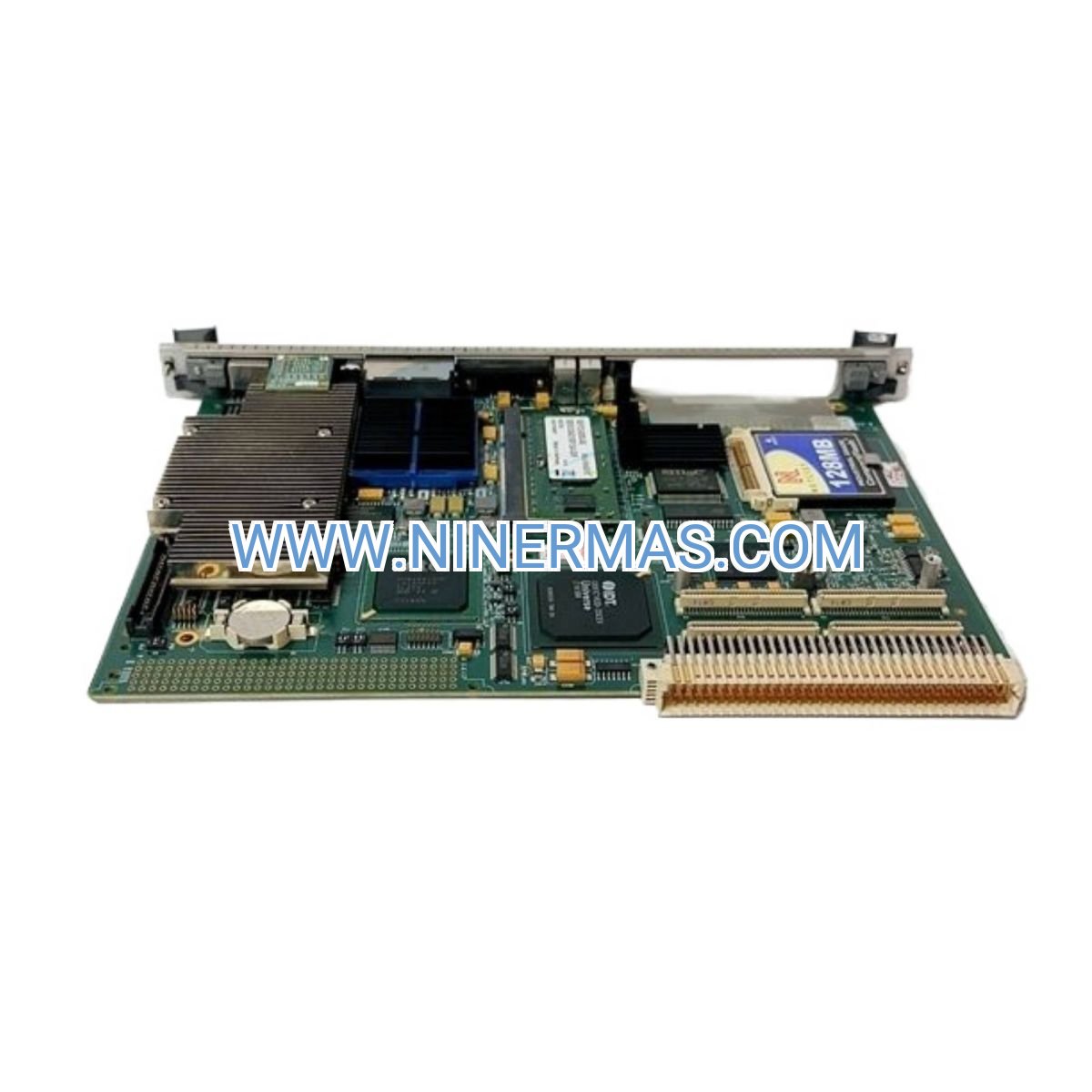
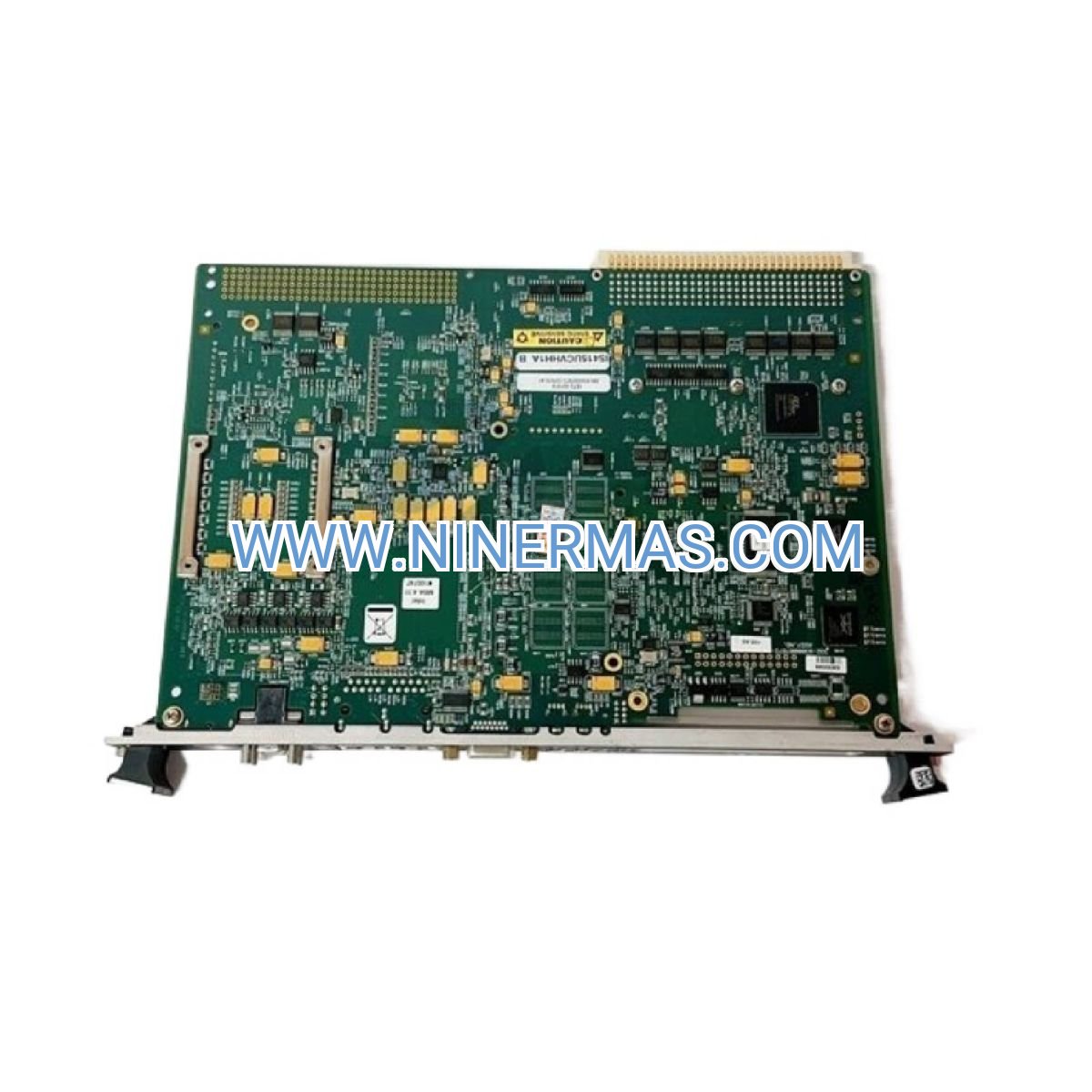
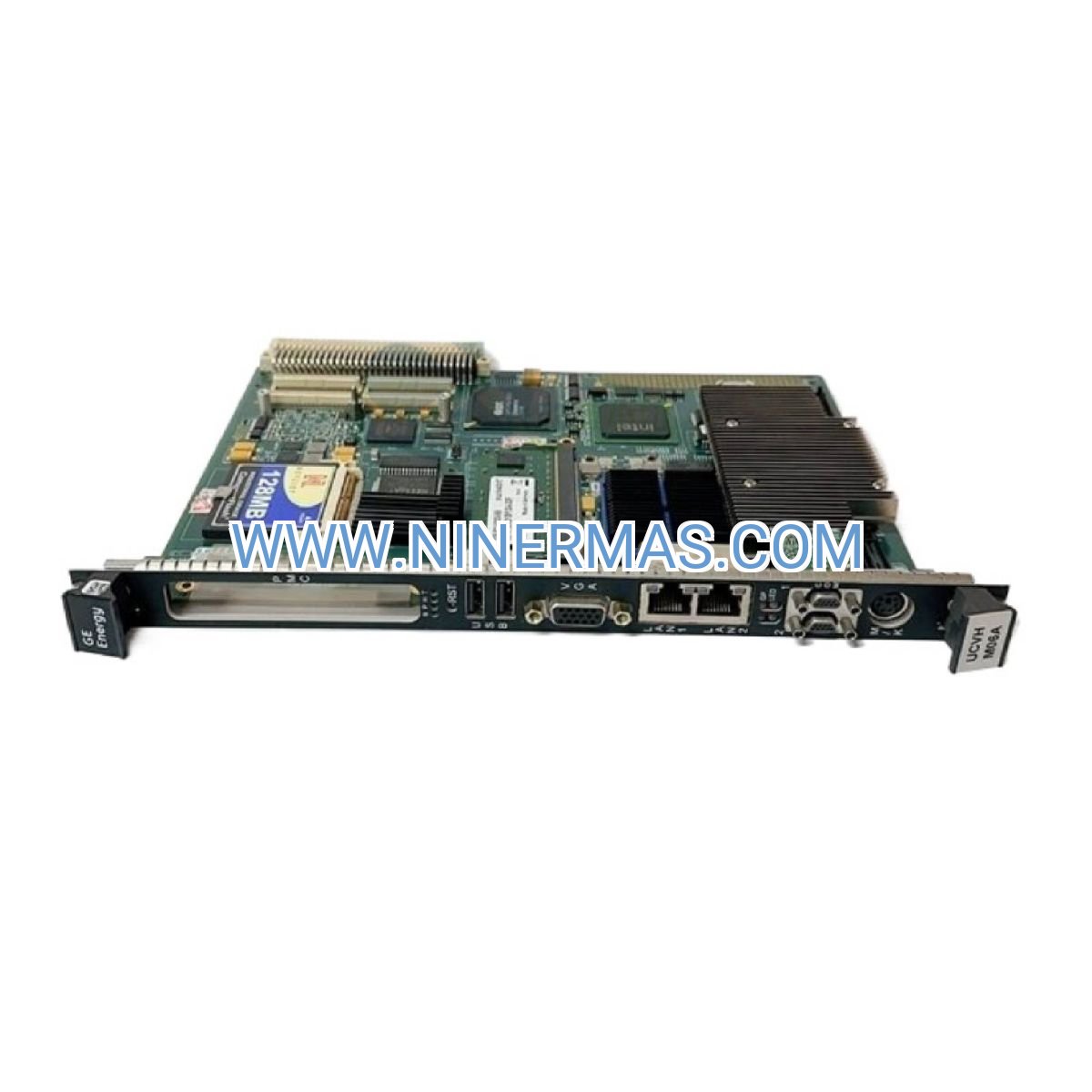
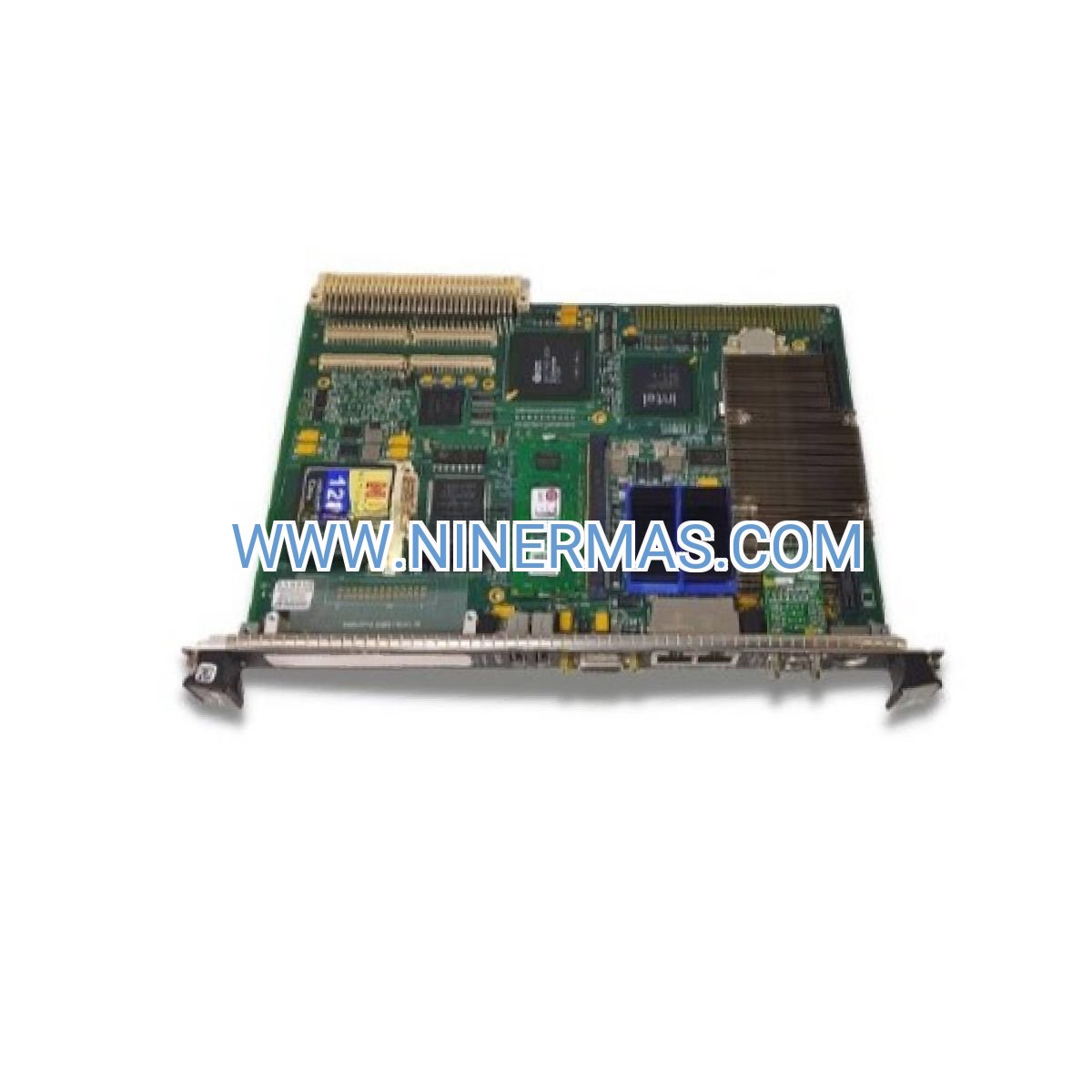
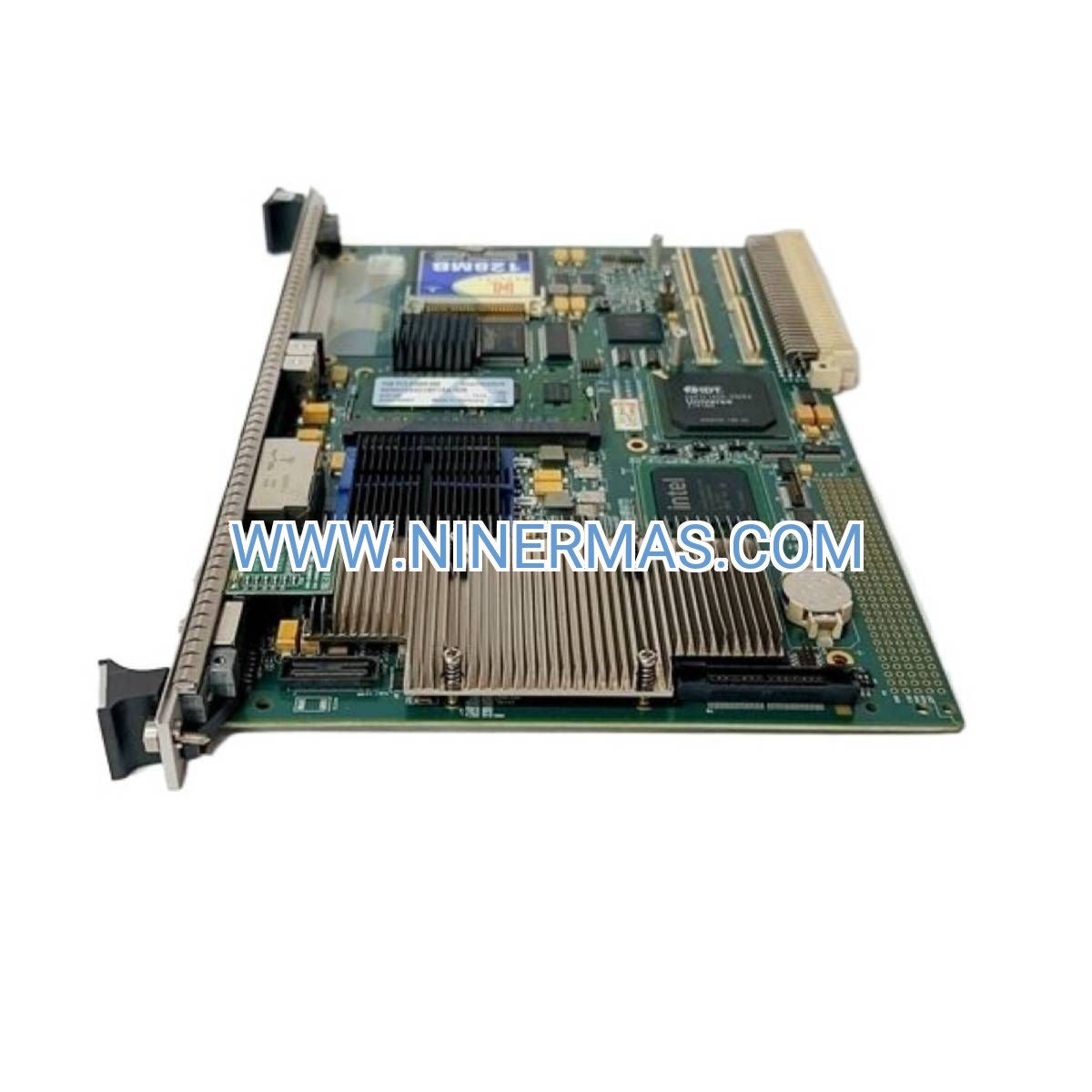
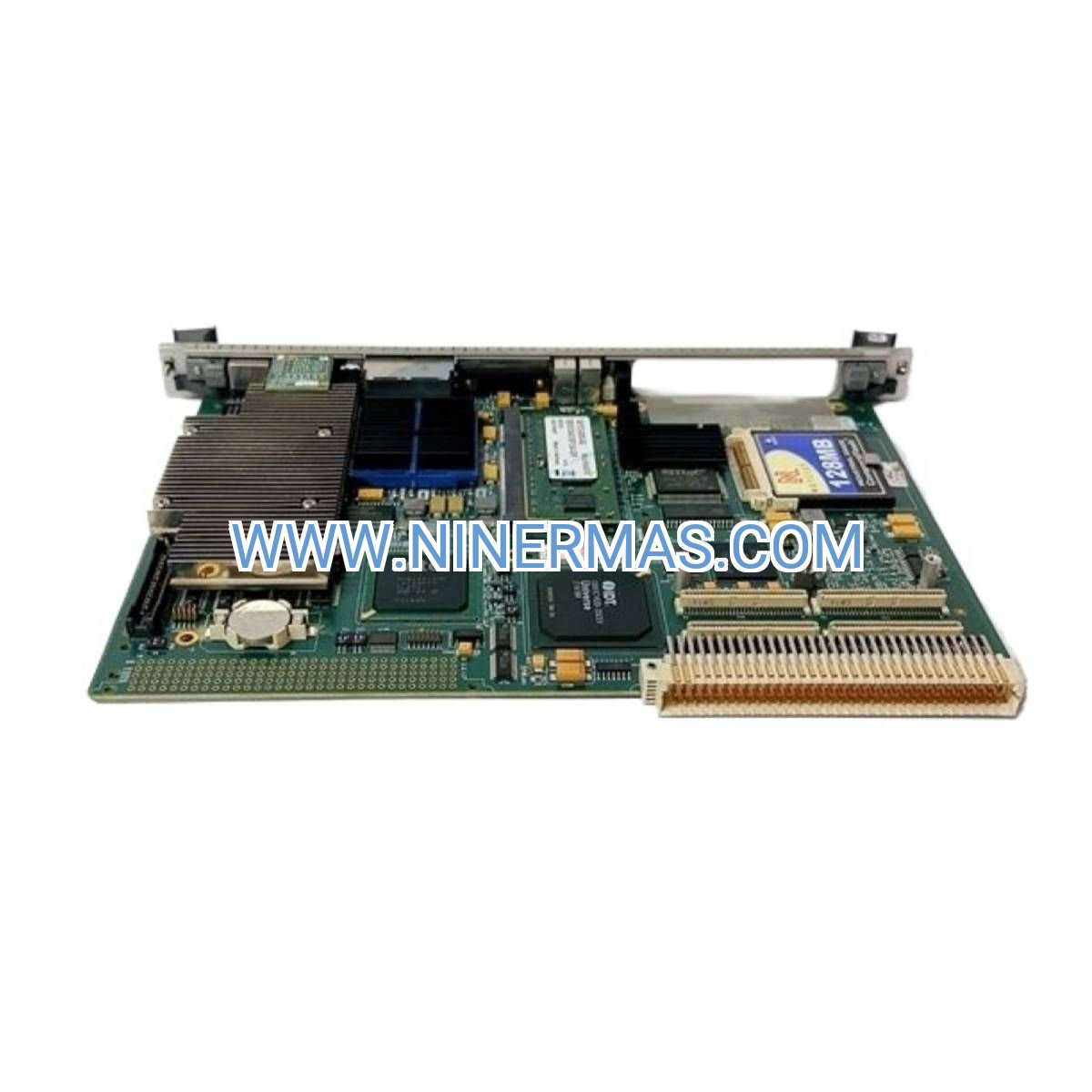
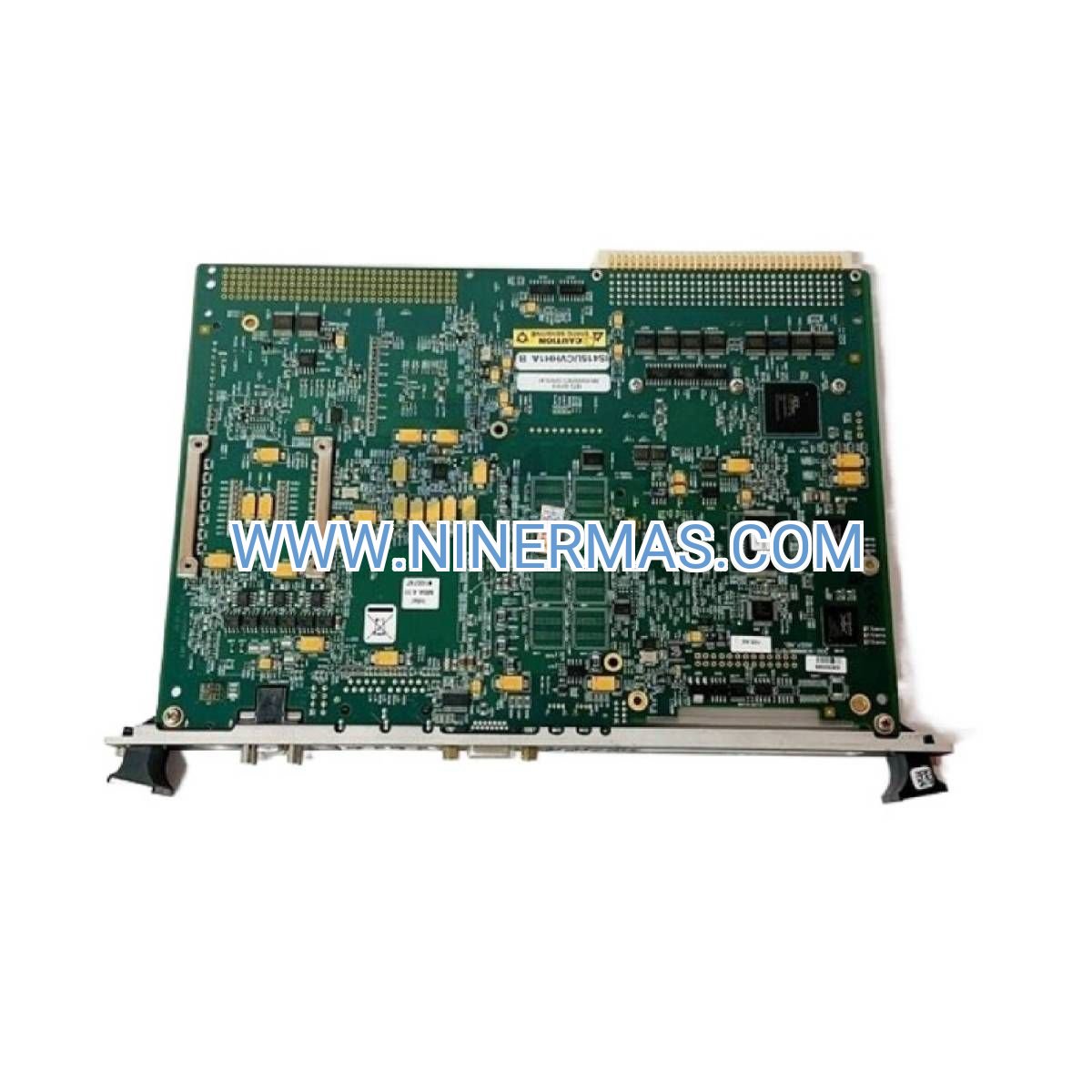
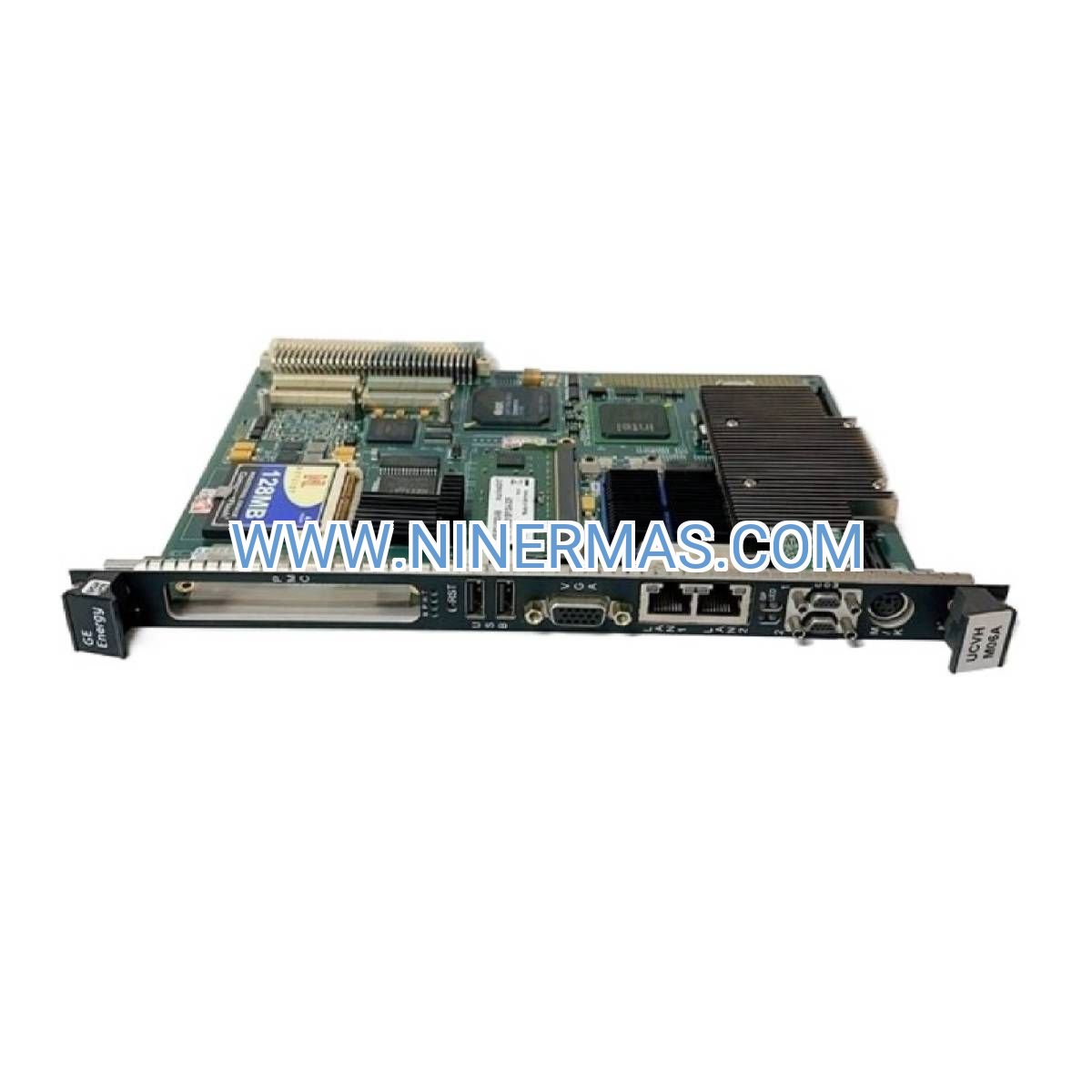
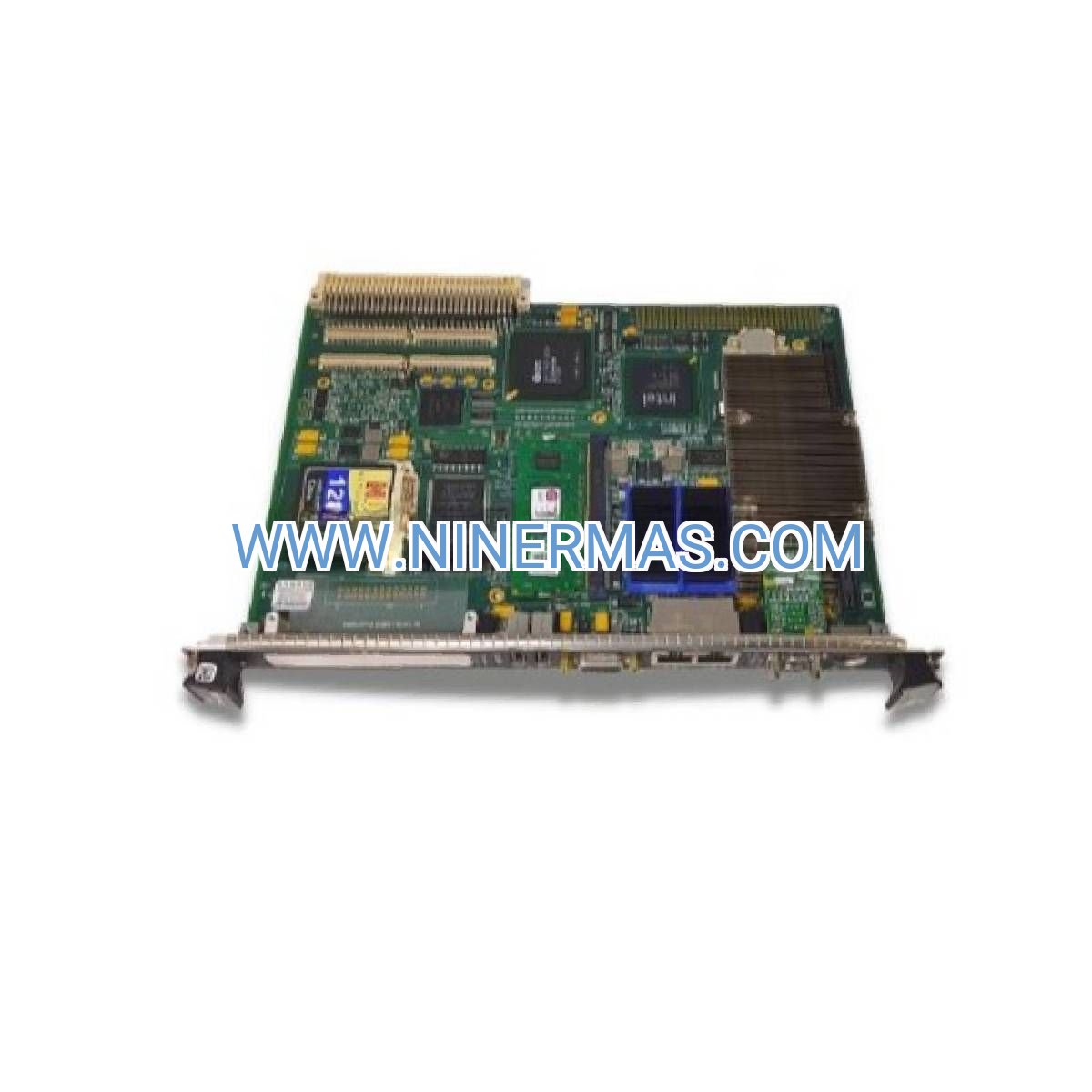
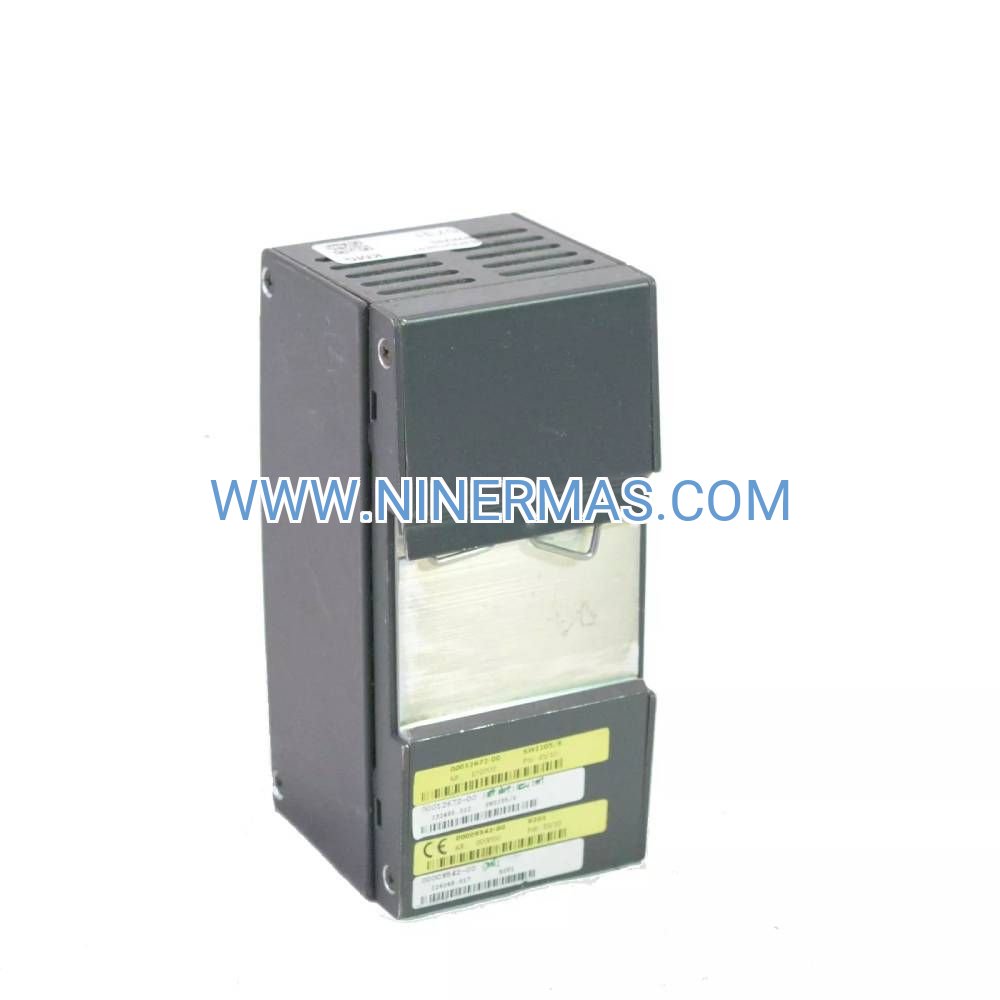
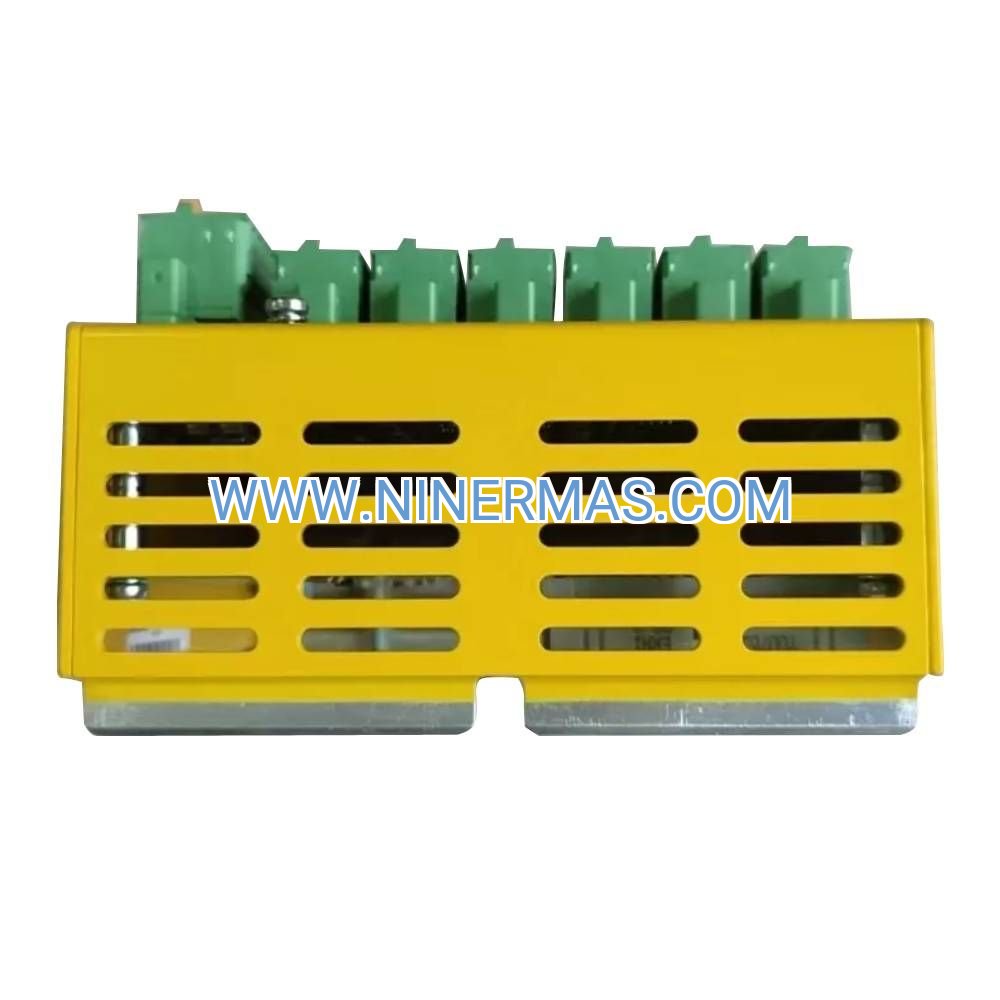
IS415UCVHH1A VME Controller Module (Industrial-Grade Turbine Automation)
The IS415UCVHH1A represents a mission-critical VME controller engineered specifically for Mark VIe distributed turbine control architectures. Designed to deliver deterministic real-time performance in gas, steam, and wind turbine installations, this controller module combines advanced processing capabilities with fault-tolerant redundancy to ensure uninterrupted operation in the most demanding power generation environments.
Industrial operators face constant pressure to maximize turbine uptime while maintaining precise control over combustion dynamics, emissions compliance, and grid synchronization. The IS415UCVHH1A addresses these challenges through its triple modular redundant architecture, enabling seamless failover without process interruption. Power plant engineers, automation integrators, and maintenance teams rely on this controller for applications where millisecond-level response times and 99.99% availability are non-negotiable requirements.
What sets the IS415UCVHH1A apart is its proven track record in harsh industrial environments—from offshore platforms experiencing extreme vibration to desert installations facing temperature extremes. With dual Ethernet connectivity for high-speed SCADA integration and hot-swappable design for zero-downtime maintenance, this VME controller delivers the reliability and flexibility that modern turbine control systems demand.
Core Capabilities & Technical Advantages
→ Triple Modular Redundancy (TMR) Architecture
Eliminates single points of failure through continuous voting logic across three parallel processing channels. Business value: Achieves 99.99% system availability, preventing costly unplanned shutdowns that can exceed $500,000 per incident in large power generation facilities.
→ Deterministic Real-Time Processing
Executes control algorithms with sub-millisecond cycle times, ensuring precise turbine governor response and vibration monitoring. Business value: Maintains grid frequency stability within ±0.1 Hz tolerance, avoiding regulatory penalties and grid disconnection events.
✓ Dual Gigabit Ethernet Interfaces
Provides segregated networks for control data and diagnostic communications, supporting IEC 61850 and Modbus TCP protocols. Business value: Enables real-time plant-wide optimization and predictive maintenance analytics without compromising control system security.
✓ Hot-Swap Capability in Redundant Configurations
Allows controller replacement during full-load operation without process interruption or safety system bypass. Business value: Reduces annual maintenance downtime by 40-60 hours, translating to $2-3 million in additional revenue for a 500 MW combined-cycle plant.
✓ Extended Industrial Temperature Range (0°C to 60°C)
Operates reliably in non-climate-controlled turbine enclosures and outdoor installations. Business value: Eliminates need for expensive HVAC systems in remote locations, reducing installation costs by $15,000-$25,000 per control cabinet.
✓ VMEbus Backplane Integration
Seamlessly interfaces with Mark VIe I/O modules, communication cards, and expansion chassis through industry-standard 6U VME form factor. Business value: Protects existing infrastructure investments while enabling phased system upgrades over 10-15 year lifecycles.
Industry Applications & Problem-Solving Scenarios
Combined-Cycle Power Plants
In natural gas-fired facilities, the IS415UCVHH1A manages combustion tuning, emissions control, and load ramping for both gas and steam turbines. The controller's fast scan rates enable dynamic fuel-air ratio adjustments that reduce NOx emissions by 15-20% while maintaining flame stability during rapid load changes. Plant operators achieve compliance with EPA regulations while maximizing fuel efficiency during peak demand periods.
Offshore Oil & Gas Platforms
Marine environments subject control systems to salt spray, vibration from wave action, and temperature fluctuations. The IS415UCVHH1A's conformal-coated circuitry and shock-resistant VME chassis withstand these conditions while controlling gas compression turbines that maintain pipeline pressure. Redundant architecture ensures continuous operation even when supply vessels cannot reach the platform for weeks during severe weather.
Renewable Energy Wind Farms
Modern multi-megawatt wind turbines require sophisticated pitch control and grid synchronization to maximize energy capture while protecting mechanical components. The IS415UCVHH1A processes data from dozens of sensors—monitoring blade loads, gearbox temperatures, and grid voltage—to optimize turbine performance across varying wind conditions. Operators report 8-12% increases in annual energy production compared to legacy control systems.
District Heating Cogeneration
Combined heat and power facilities must balance electrical generation with thermal load demands. The IS415UCVHH1A coordinates steam extraction control, condenser pressure regulation, and generator synchronization to optimize overall plant efficiency. Integration with building management systems enables demand-responsive operation that reduces fuel consumption by 18-25% compared to separate heat and power generation.
Industrial Steam Turbine Drives
Petrochemical plants, refineries, and pulp mills use steam turbines to drive compressors, pumps, and generators. The IS415UCVHH1A provides precise speed control (±0.5% regulation) and automatic startup sequencing that reduces operator workload while preventing equipment damage from overspeed or vibration excursions. Predictive maintenance algorithms analyze bearing temperatures and vibration signatures to schedule maintenance before failures occur.
Technical Specifications & Selection Criteria
| Specification Category | IS415UCVHH1A Parameters |
|---|---|
| Processor Type | PowerPC-based embedded controller, 1.0 GHz clock |
| Memory Configuration | 512 MB RAM, 2 GB CompactFlash storage |
| Network Interfaces | Dual 10/100/1000 Mbps Ethernet (RJ45) |
| Backplane Communication | VMEbus 2eSST protocol, 320 MB/s transfer rate |
| Redundancy Support | Simplex, Dual, or Triple Modular Redundant (TMR) |
| Scan Cycle Time | 10 ms typical (application-dependent) |
| Power Requirements | 24 VDC ±20%, 15W typical consumption |
| Operating Environment | 0°C to 60°C, 5% to 95% RH non-condensing |
| Shock & Vibration | IEC 60068-2-6 (10g), IEC 60068-2-64 (2g continuous) |
| EMC Compliance | IEC 61000-6-2 (immunity), IEC 61000-6-4 (emissions) |
| Safety Certifications | UL 508, CE marked, CSA C22.2 No. 142 |
| MTBF Rating | >150,000 hours (Telcordia SR-332) |
| Physical Dimensions | 233 mm (H) × 160 mm (D), 6U VME form factor |
| Weight | 0.5 kg (1.1 lbs) |
Selection Guidelines: Choose the IS415UCVHH1A when your application requires deterministic control with scan rates below 20 ms, redundant operation for critical processes, or integration with existing Mark VIe I/O infrastructure. For applications with less stringent timing requirements or smaller I/O counts, consider the IS420UCSCH1A as a cost-effective alternative. When cybersecurity is paramount—such as utility-scale power generation—the IS415UCVHH1A's hardware-based security features and isolated Ethernet ports provide defense-in-depth protection against industrial control system threats.
Advanced Integration & IoT Connectivity
Modern turbine control extends beyond traditional SCADA integration to encompass cloud-based analytics, mobile diagnostics, and enterprise asset management systems. The IS415UCVHH1A supports these advanced workflows through:
OPC UA Server Functionality: Native support for OPC Unified Architecture enables secure, platform-independent data exchange with MES and ERP systems. Publish real-time turbine performance metrics to cloud analytics platforms for fleet-wide optimization and benchmarking.
RESTful API Access: Embedded web server provides JSON-formatted data access for custom mobile applications and third-party monitoring tools. Maintenance technicians can retrieve diagnostic information using tablets without requiring ToolboxST software licenses.
Time-Series Data Logging: Onboard CompactFlash storage captures high-resolution waveforms during transient events—startup sequences, load rejections, or vibration excursions—for post-event analysis and root cause investigation.
Cybersecurity Hardening: Role-based access control (RBAC), encrypted communications (TLS 1.2), and audit logging meet IEC 62443-3-3 Security Level 2 requirements. Firmware integrity verification prevents unauthorized code execution, addressing NERC CIP compliance mandates for bulk electric system protection.
Custom Function Block Development: The ToolboxST programming environment supports IEC 61131-3 structured text for developing proprietary control algorithms—advanced combustion tuning, model predictive control, or machine learning inference—while maintaining certification for safety-instrumented systems up to SIL 2.
Delivery Timelines & Service Commitments
Standard Lead Time: 3-5 business days for in-stock units with factory-sealed packaging and full traceability documentation. Expedited same-day shipping available for critical outage support (additional fees apply).
Custom Configuration Services: Pre-programmed controllers with customer-specific application code, network settings, and redundancy configurations ship within 7-10 business days. Includes factory acceptance testing (FAT) documentation and configuration backup files.
Warranty Coverage: 12-month comprehensive warranty covering manufacturing defects, component failures, and firmware issues. Advance replacement program ensures 24-hour shipment of replacement units to minimize downtime during warranty claims.
Technical Support: Unlimited phone and email support from GE-certified automation engineers with Mark VIe expertise. Remote diagnostic assistance via secure VPN connections to troubleshoot configuration issues, optimize control tuning, or interpret diagnostic logs.
Documentation Package: Every controller ships with installation manual, quick-start guide, dimensional drawings, and wiring diagrams. Digital access to ToolboxST programming software, firmware updates, and application notes provided through customer portal.
Calibration & Testing: Factory calibration certificates traceable to NIST standards included. Optional third-party witness testing and extended environmental stress screening (ESS) available for nuclear or aerospace applications requiring additional quality assurance.
Frequently Asked Questions
What programming tools are required to configure the IS415UCVHH1A controller?
GE's ToolboxST software (version 5.9 or later) is the standard programming environment, supporting ladder logic, function block diagrams, structured text, and sequential function charts per IEC 61131-3. A USB-to-Ethernet adapter and Windows 10/11 PC are required for initial configuration and online monitoring.
Can this controller interface with non-GE I/O systems or third-party devices?
Yes, through Modbus TCP/IP, EtherNet/IP, or PROFINET communication protocols. The controller can exchange data with PLCs, variable frequency drives, and instrumentation from manufacturers like Siemens, Allen-Bradley, or Schneider Electric, though GE Mark VIe I/O modules are recommended for optimal performance and support.
How does the triple modular redundancy voting mechanism work during a controller failure?
Three identical controllers execute the same control logic simultaneously, with outputs compared at each scan cycle. If one controller's output deviates beyond tolerance thresholds, it is automatically isolated while the remaining two controllers maintain control. The failed unit can be replaced hot-swap without interrupting the process, and the new controller synchronizes automatically upon insertion.
What cybersecurity measures protect against unauthorized access or malware?
Multiple layers include: hardware-enforced memory protection preventing code injection, digitally signed firmware updates, MAC address filtering on Ethernet ports, encrypted HTTPS/SSH communications, and application whitelisting that blocks execution of unauthorized programs. Regular security patches are released through GE's Product Security Incident Response Team (PSIRT).
Is the IS415UCVHH1A suitable for safety-instrumented system (SIS) applications?
While certified for industrial control applications, the IS415UCVHH1A is classified as a Basic Process Control System (BPCS) component. For safety functions requiring SIL 2 or SIL 3 certification, GE recommends the dedicated Mark VIeS safety controller platform, which can operate alongside the IS415UCVHH1A in integrated control and safety architectures.
What is the expected service life and obsolescence timeline for this controller model?
GE typically supports Mark VIe controllers for 15-20 years from initial release, with the IS415UCVHH1A introduced in 2012 and currently in full production status. Spare parts availability and technical support are guaranteed through at least 2032, with migration paths to next-generation controllers announced minimum 5 years before obsolescence.
Request Technical Consultation
Selecting the optimal controller configuration for your turbine control application requires careful analysis of I/O requirements, redundancy needs, communication protocols, and environmental conditions. Our application engineering team provides complimentary system design reviews, including:
• Control system architecture recommendations (Simplex vs. TMR)
• I/O module selection and chassis sizing
• Network topology design for SCADA integration
• Cybersecurity assessment and hardening strategies
• Migration planning from legacy Mark V/VI systems
• Budgetary quotations with volume pricing
Contact our turbine automation specialists to discuss your specific project requirements and receive a customized solution proposal within 24-48 hours.
© 2026 NINERMAS COMPANY LIMITED. All rights reserved.
Original Source: https://ninermas.com
Contact: sale@ninermas.com | +0086 187 5021 5667

Contact Info
-
Address:22 / F, South Wo Hang building, 148 Wing Lok Street, Sheung Wan, Western District, Hong Kong
-
Phone:+8618750215667
-
Email: