Description
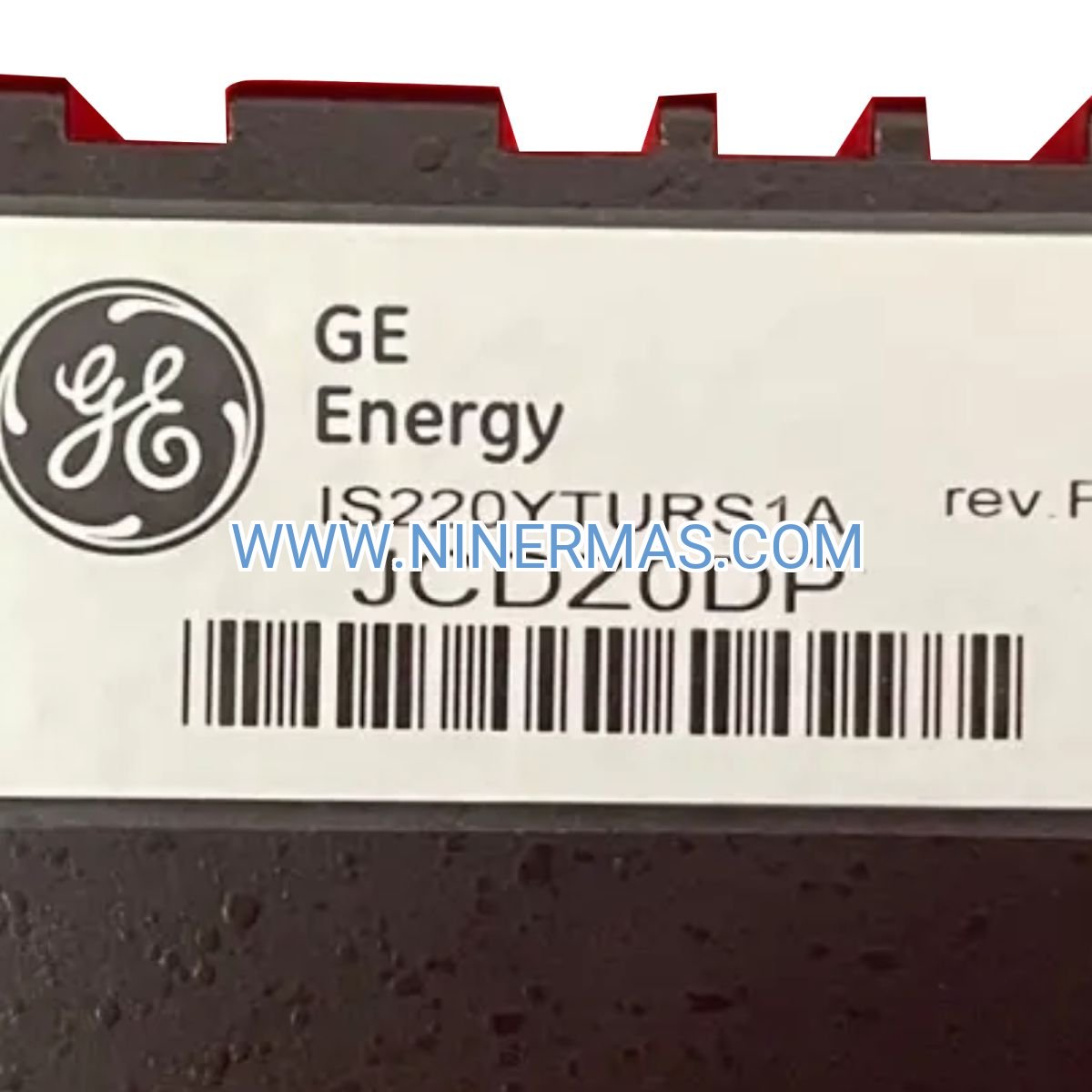
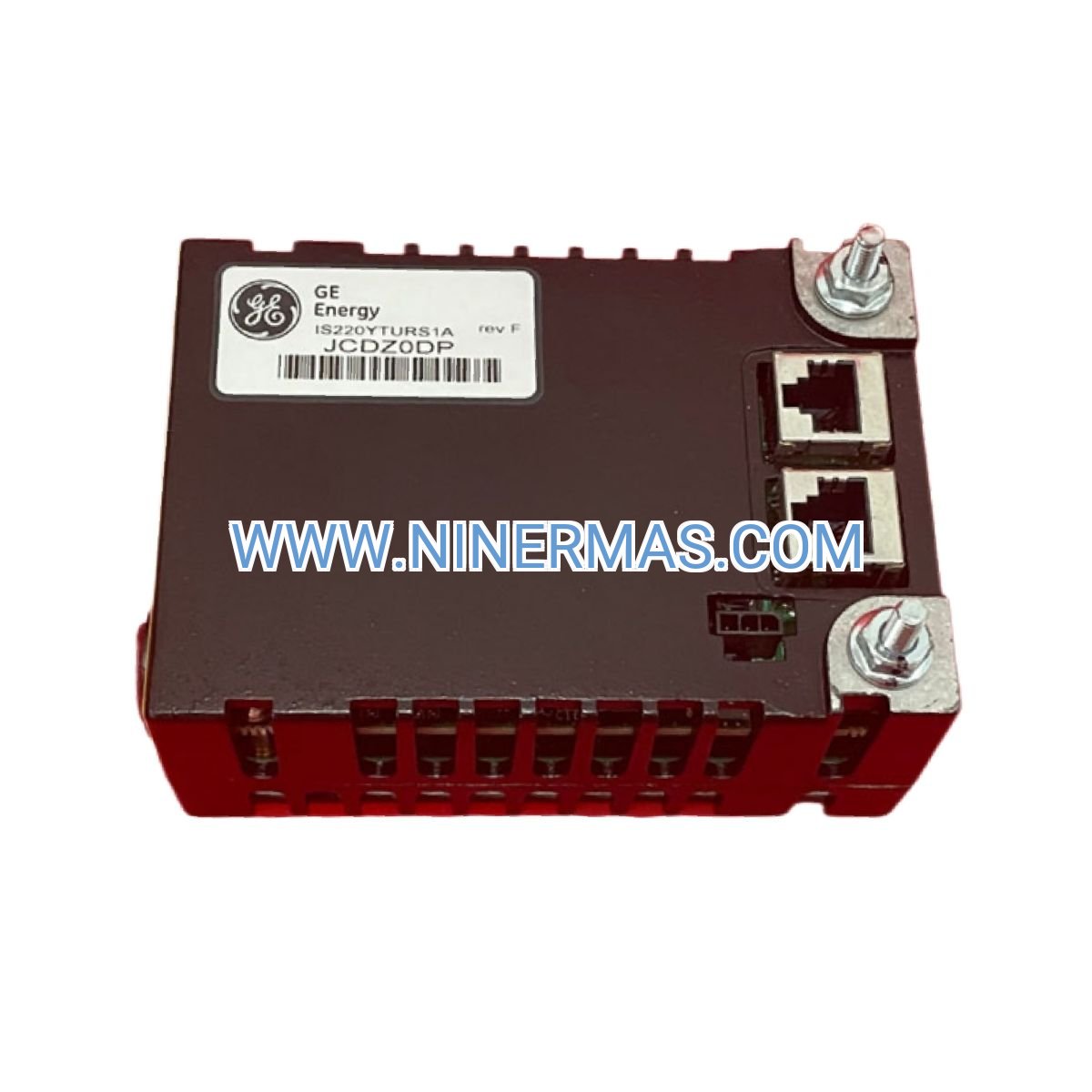
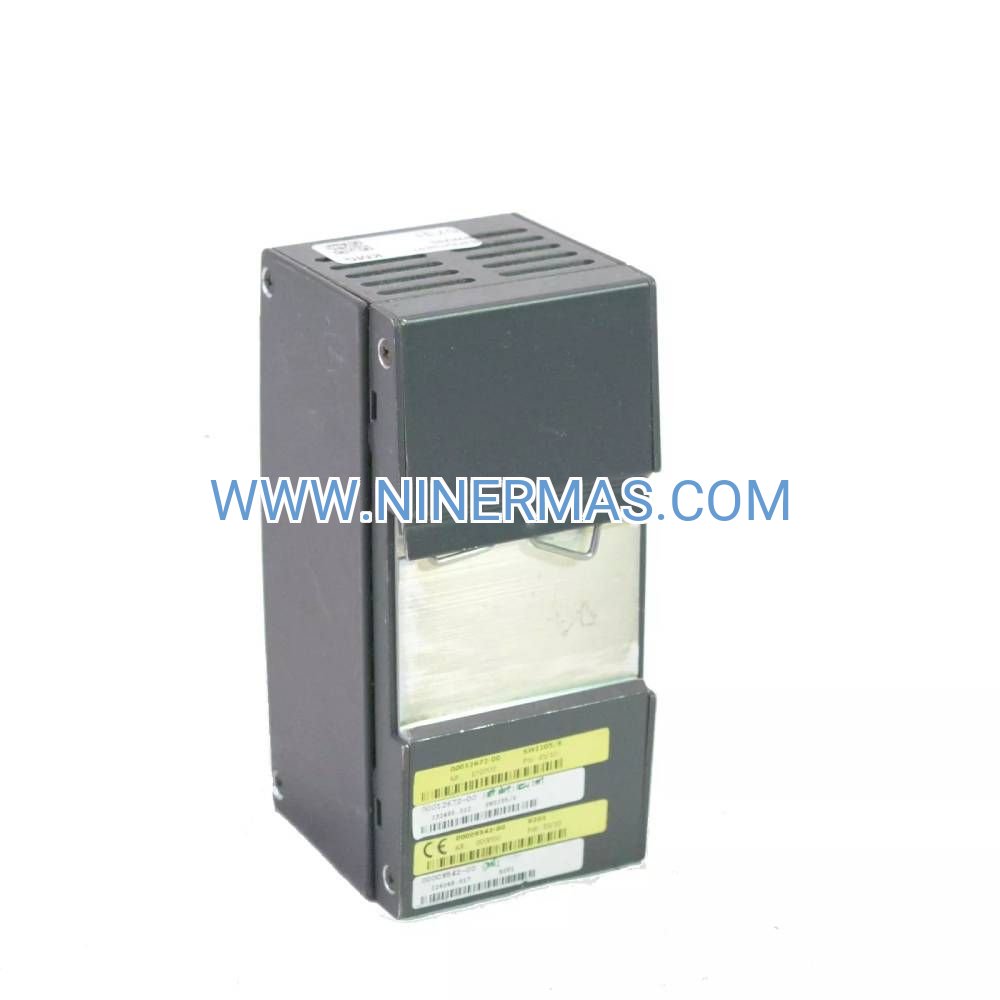
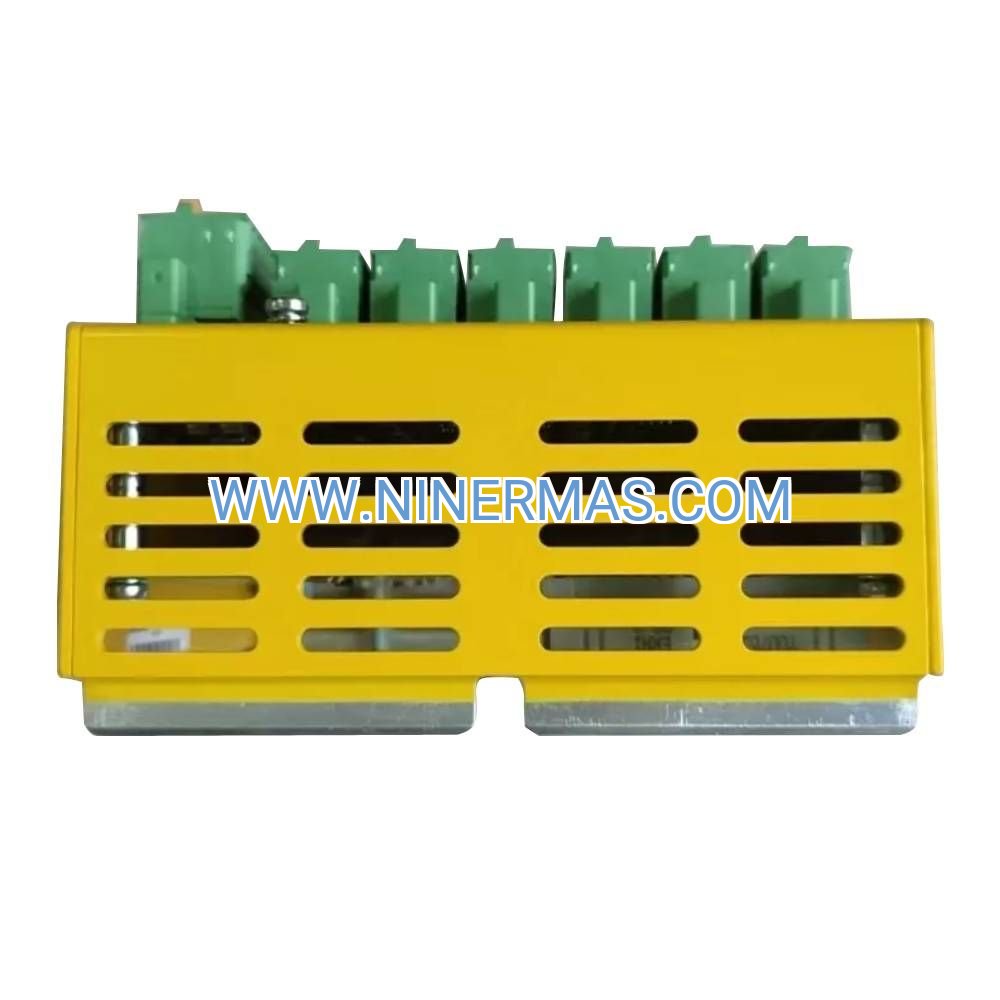
IS220YTURS1A Mark VIe Turbine I/O Interface (Industrial-Grade Signal Conditioning Module)
The IS220YTURS1A represents GE's advanced turbine-specific I/O interface technology, delivering precision signal conditioning and data acquisition for Mark VIe Speedtronic control platforms. This industrial-grade module addresses critical challenges in power generation environments: unreliable sensor data, system downtime during maintenance, and integration complexity across multi-vendor turbine installations. Designed for plant engineers and control system integrators managing steam, gas, and hydro turbine operations, the IS220YTURS1A combines high-density I/O architecture with fault-tolerant design to ensure continuous operation in mission-critical applications.
Technical Parameters & Selection Guide
| Parameter | Specification |
|---|---|
| Catalog Number | IS220YTURS1A |
| Control Platform | GE Mark VIe Speedtronic |
| Module Classification | Turbine-Specific I/O Interface |
| Analog Input Channels | 16 channels (16-bit resolution) |
| Digital Input Channels | 24 channels |
| Analog Output Channels | 8 channels |
| Digital Output Channels | 16 channels |
| Power Supply | 24V DC nominal |
| Operating Temperature | -30°C to +65°C |
| Communication Protocol | Ethernet, SERCOS interface |
| Channel Isolation | 2500V channel-to-channel |
| Safety Certification | IEC 61508 SIL 2, CE, UL |
Selection Criteria: Choose the IS220YTURS1A when your application requires 40+ I/O points in a compact footprint, TMR redundancy support for critical protection systems, or hot-swap capability for zero-downtime maintenance. For applications with lower I/O density requirements (under 24 points), consider standard Mark VIe I/O modules. For legacy Mark V or Mark VI system integration, verify communication gateway compatibility before specification.
Core Capabilities & Business Value
✓ Purpose-Built Signal Conditioning: Engineered specifically for turbine sensor types including vibration probes, RTDs, thermocouples, pressure transducers, and speed pickups—eliminates external signal conditioning hardware and reduces installation costs by 25-40%.
→ Compact High-Density Architecture: Consolidates 40+ I/O points in a single module slot, maximizing control cabinet space utilization and reducing panel footprint by up to 60% compared to distributed I/O configurations.
• Triple Modular Redundancy (TMR) Support: Seamlessly integrates into fault-tolerant control architectures for turbine overspeed protection, emergency shutdown systems, and critical process interlocks—achieving 99.99% system availability in SIL 2 applications.
✓ Predictive Diagnostics Integration: Continuous self-monitoring with real-time health status reporting enables condition-based maintenance strategies, reducing unplanned downtime events by 35-50% and extending mean time between failures (MTBF) beyond 150,000 hours.
→ Hot-Swap Maintenance Design: Field-replaceable without system shutdown or process interruption—typical module replacement completed in under 15 minutes, minimizing maintenance windows and production losses.
• Environmental Ruggedization: Conformal coating, extended temperature range (-30°C to +65°C), and vibration resistance to 5g ensure reliable operation in harsh turbine hall environments with high humidity, temperature cycling, and mechanical stress.
Typical Application Scenarios
Combined-Cycle Gas Turbine (CCGT) Plants:
In CCGT facilities, the IS220YTURS1A manages combustion control, fuel valve positioning, emissions monitoring (NOx, CO), and generator synchronization. Plant operators face challenges with multi-fuel operation (natural gas, diesel backup) requiring rapid fuel switching without process upset. This module's high-speed analog inputs (1ms scan rate) and deterministic communication enable seamless fuel transition control, maintaining emissions compliance and preventing turbine trips during fuel changeover events. Typical installations achieve 15-20% reduction in fuel consumption variability and eliminate 90% of fuel-switching-related shutdowns.
Steam Turbine Governor Modernization:
Legacy steam turbine installations using obsolete Mark IV or Mark V systems struggle with parts availability, limited diagnostic capability, and inability to integrate with modern plant DCS platforms. The IS220YTURS1A serves as the core I/O interface in Mark VIe retrofit projects, providing backward-compatible signal interfaces for existing sensors while adding advanced features like predictive vibration analysis and remote monitoring. Modernization projects typically achieve 40-60% reduction in maintenance costs, 99.5%+ availability improvement, and full integration with plant-wide asset management systems.
Hydroelectric Wicket Gate Control:
Hydro installations require precise wicket gate positioning (±0.1° accuracy) for optimal water flow control and generator load management. The IS220YTURS1A's 16-bit analog outputs deliver the resolution needed for smooth gate actuation, while digital inputs monitor gate limit switches, oil pressure interlocks, and emergency stop circuits. In run-of-river and pumped-storage applications, this module enables rapid load response (full stroke in under 5 seconds) for grid frequency regulation services, generating additional revenue streams of $50,000-$200,000 annually per turbine through ancillary services markets.
Industrial Steam Turbine Cogeneration:
Manufacturing facilities with cogeneration systems face unique challenges balancing electrical generation, process steam demand, and grid interconnection requirements. The IS220YTURS1A interfaces with extraction pressure control valves, condenser vacuum systems, and grid synchronization equipment to optimize energy efficiency. Installations in chemical plants, refineries, and pulp/paper mills report 8-12% improvement in overall thermal efficiency, 25-35% reduction in steam venting losses, and payback periods under 18 months through energy cost savings.
Offshore Platform Gas Turbine Generators:
Offshore oil and gas platforms demand maximum reliability in corrosive, high-vibration environments with limited maintenance access. The IS220YTURS1A's conformal coating, extended temperature rating, and 2500V isolation withstand saltwater exposure, deck vibration, and electrical noise from VFD-driven compressors. Typical offshore installations achieve 24+ month maintenance intervals (vs. 12 months for standard I/O), reducing helicopter mobilization costs and minimizing production deferrals during maintenance outages.
Extended Functions
IoT & Remote Monitoring Integration: The IS220YTURS1A supports Ethernet-based communication protocols enabling integration with cloud-based condition monitoring platforms, SCADA systems, and enterprise asset management (EAM) software. Real-time data streaming to remote operations centers allows centralized monitoring of multi-site turbine fleets, predictive analytics for component life management, and automated alarm notification to mobile devices. Advanced implementations include machine learning algorithms for anomaly detection, reducing false alarm rates by 70-80% and enabling early detection of bearing degradation, combustion instability, and control valve stiction.
Cybersecurity Hardening: Modern turbine control systems face increasing cybersecurity threats from ransomware, unauthorized access, and supply chain attacks. The IS220YTURS1A incorporates secure boot verification, encrypted communication channels, and role-based access control (RBAC) compliant with IEC 62443 industrial cybersecurity standards. When deployed with GE's CyberSentry intrusion detection system, installations achieve Defense-in-Depth security posture suitable for critical infrastructure protection requirements.
Custom Signal Conditioning: Application-specific requirements for non-standard sensor types (e.g., fiber-optic temperature sensors, wireless vibration transmitters, exotic thermocouple types) can be accommodated through factory configuration services. Custom firmware loads enable specialized functions including multi-point temperature averaging, flow compensation calculations, and custom alarm logic—eliminating external signal conditioning hardware and reducing system complexity.
Delivery Timeline & Service Guarantee
Standard Delivery: In-stock units ship within 3-7 business days via international courier (DHL, FedEx, UPS) with full tracking and insurance. Typical transit times: North America 5-8 days, Europe 6-10 days, Asia-Pacific 4-7 days, Middle East 7-12 days.
Expedited Service: Critical outage situations qualify for 24-48 hour emergency shipping with priority handling and customs pre-clearance coordination. Expedited service available for projects with confirmed turbine downtime or regulatory compliance deadlines.
Warranty Coverage: Comprehensive 12-month warranty covers manufacturing defects, component failures, and workmanship issues. Warranty includes advance replacement service (cross-ship) to minimize downtime—replacement units shipped within 24 hours of claim approval with return freight prepaid.
Technical Support: Unlimited application engineering support included with purchase—assistance with I/O configuration, wiring diagrams, system integration troubleshooting, and firmware updates. Support available via email, phone, and remote desktop sessions during business hours (GMT+8) with 4-hour response time guarantee.
Documentation Package: Each module includes installation manual, wiring diagrams, configuration software, and compliance certificates (CE, UL, IEC 61508). Complete Mark VIe system integration guides, application notes, and training materials available on request.
Frequently Asked Questions
What communication protocols does the IS220YTURS1A support for integration with third-party DCS systems?
The module natively supports Ethernet/IP, Modbus TCP, and SERCOS III protocols for integration with Honeywell, Emerson, Siemens, and ABB DCS platforms. OPC UA server functionality enables standardized data exchange with MES and ERP systems. For legacy systems using Modbus RTU or PROFIBUS, external protocol gateways are required—contact our engineering team for gateway selection assistance.
Can the IS220YTURS1A handle high-frequency vibration monitoring for turbine bearing protection?
The module's analog inputs support sampling rates up to 1kHz, suitable for low-frequency vibration monitoring (0-200 Hz) and bearing temperature trending. For high-frequency vibration analysis (>1kHz) required for blade passing frequency detection and rotor dynamics analysis, dedicated vibration monitoring systems (e.g., Bently Nevada 3500 series) should be used in conjunction with the IS220YTURS1A for protection logic integration.
What is the typical power consumption and heat dissipation for thermal management planning?
Typical power consumption is 12-15W at full I/O load, with heat dissipation of approximately 50 BTU/hr. For control cabinets with multiple I/O modules, allow 20W per module for thermal calculations. Ambient temperature should not exceed 55°C for continuous operation—forced air cooling or air conditioning recommended for enclosed cabinets in high-temperature turbine hall environments.
Is factory calibration certification available for applications requiring traceable accuracy documentation?
Yes, NIST-traceable calibration certificates are available as an optional service for applications in regulated industries (nuclear, aerospace, pharmaceutical). Calibration documentation includes test data for all analog channels with uncertainty analysis and calibration equipment traceability. Recalibration services available on 12-24 month intervals to maintain compliance with quality management system requirements (ISO 9001, AS9100).
How does the IS220YTURS1A compare to competitive turbine I/O modules from Siemens or Emerson?
Compared to Siemens SIMATIC ET 200SP or Emerson DeltaV I/O, the IS220YTURS1A offers superior turbine-specific signal conditioning (eliminating external barriers), higher channel density (40+ points vs. 16-24 typical), and tighter integration with GE turbine control algorithms. However, for multi-vendor turbine fleets or brownfield sites with existing Siemens/Emerson infrastructure, maintaining platform consistency may outweigh the IS220YTURS1A's technical advantages—contact us for application-specific recommendations.
What obsolescence management strategy should be considered for long-term spare parts planning?
GE typically supports Mark VIe platform components for 15-20 years from initial release, with the IS220YTURS1A introduced in 2012 (expected support through 2027-2032). For critical spares management, we recommend maintaining 1-2 spare modules per 10 installed units, with consideration for advance purchase of additional spares as the product approaches end-of-life status. Migration paths to next-generation I/O platforms will be announced 3-5 years before obsolescence to allow planned upgrade cycles.
Secure Your Turbine Control System Reliability
The IS220YTURS1A Mark VIe turbine I/O interface delivers the precision, reliability, and integration capabilities demanded by modern power generation and industrial turbine applications. Whether you're modernizing legacy control systems, expanding existing Mark VIe installations, or building new turbine control architectures, this industrial-grade module provides the foundation for safe, efficient, and profitable turbine operations.
Ready to enhance your turbine control system? Contact our turbine automation specialists today for application-specific configuration guidance, system integration support, and competitive pricing on the IS220YTURS1A and complementary Mark VIe components. Fast global delivery, comprehensive warranty, and expert technical support ensure your project success.
© 2026 NINERMAS COMPANY LIMITED. All rights reserved.
Original Source: https://ninermas.com
Contact: sale@ninermas.com | +0086 187 5021 5667

Contact Info
-
Address:22 / F, South Wo Hang building, 148 Wing Lok Street, Sheung Wan, Western District, Hong Kong
-
Phone:+8618750215667
-
Email: