

Description
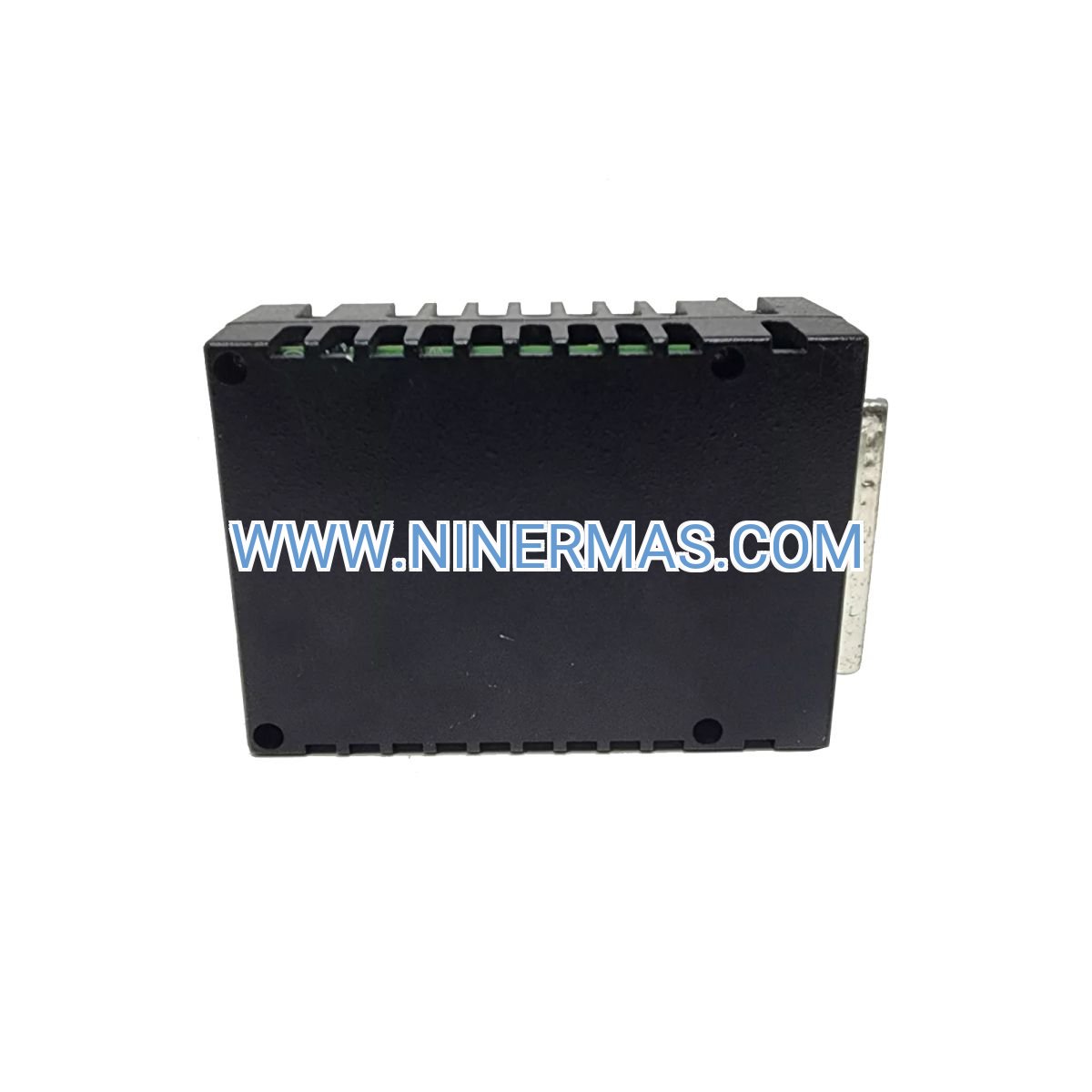
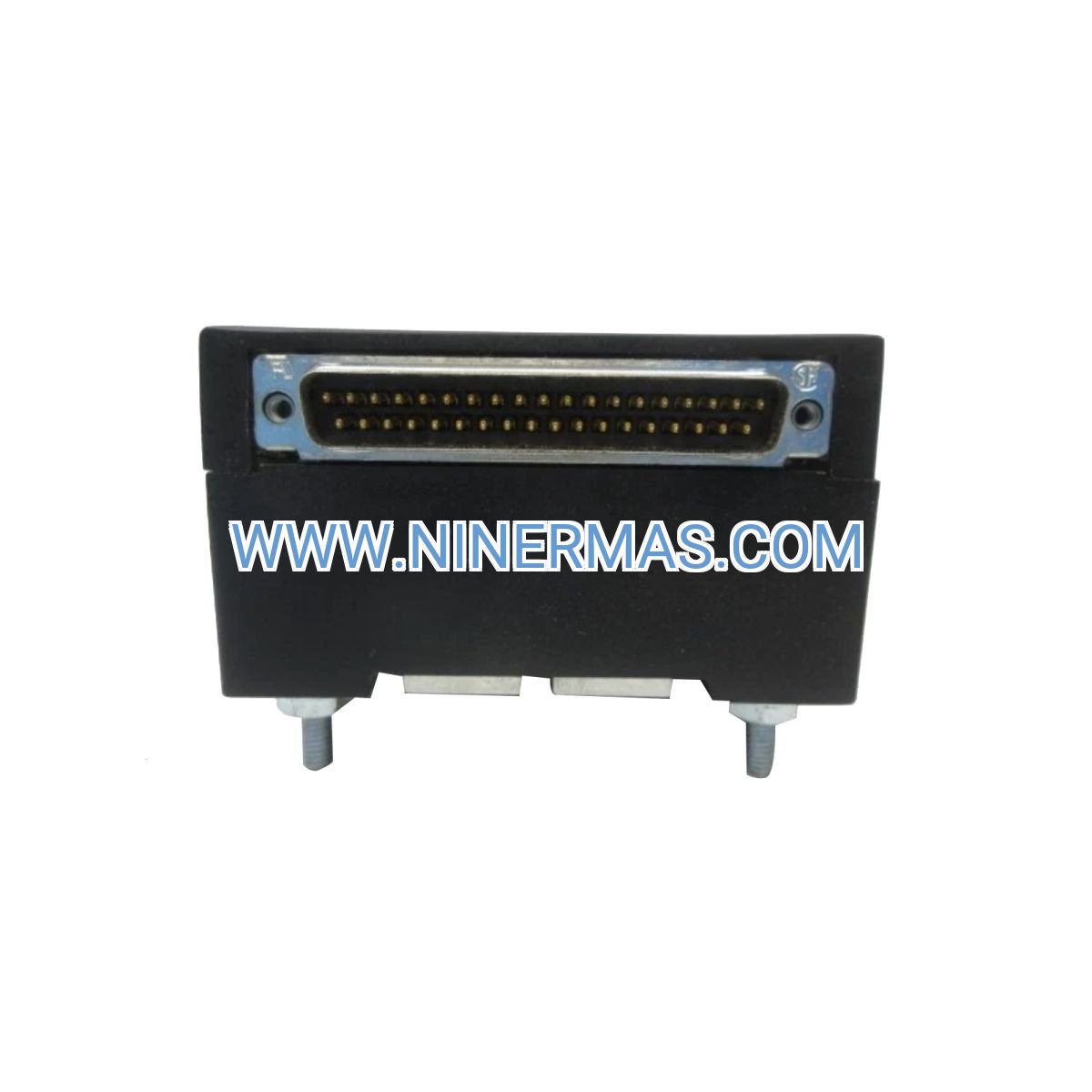
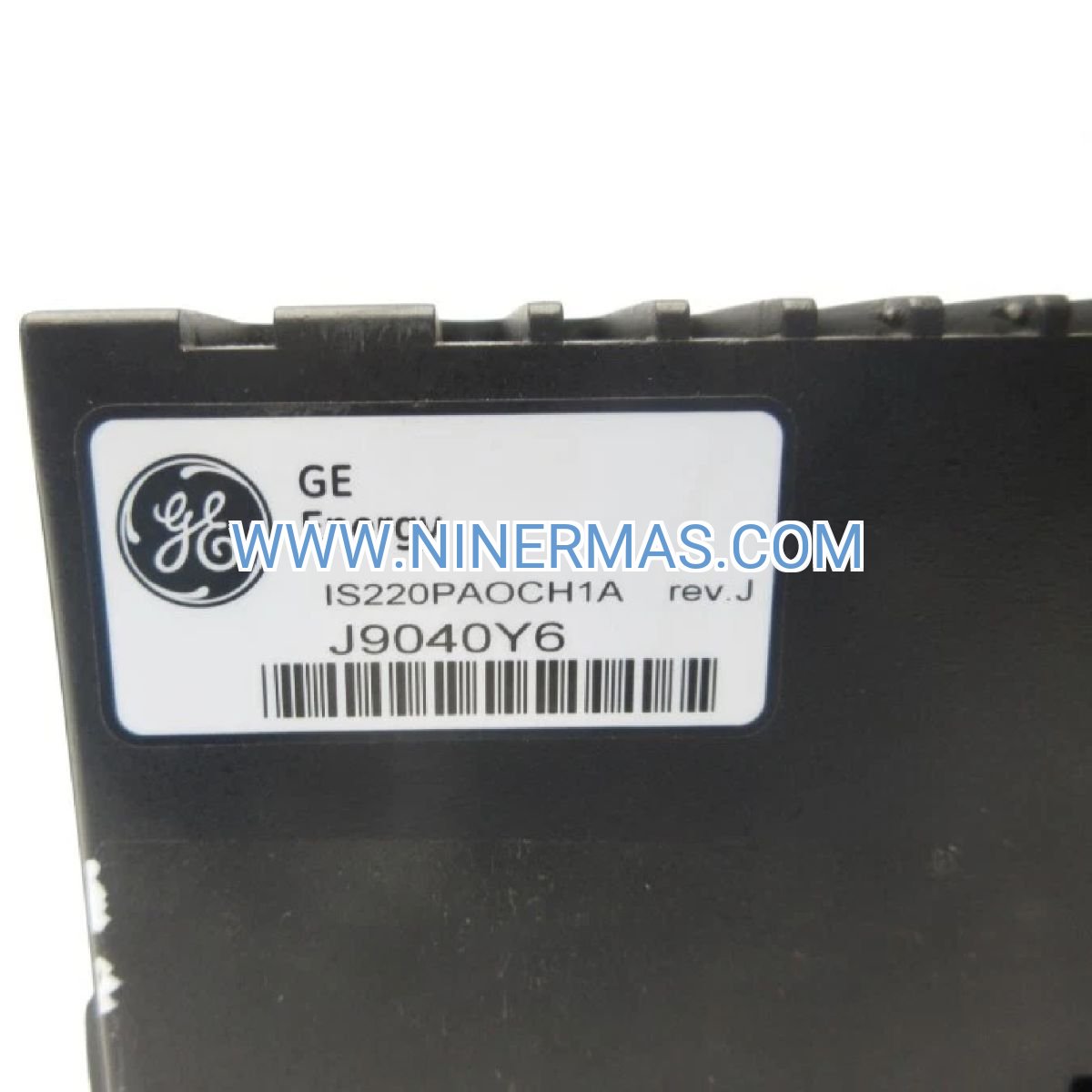
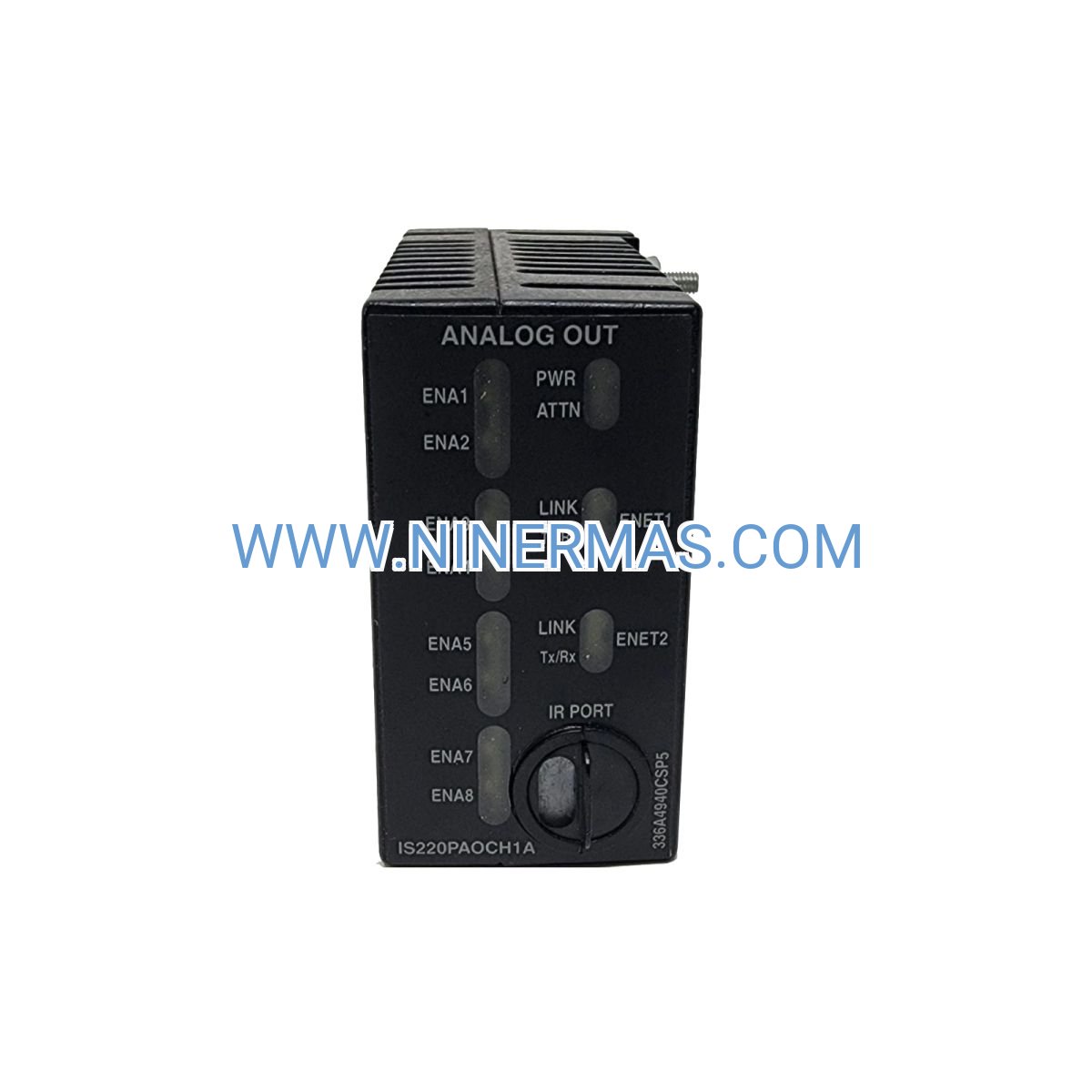
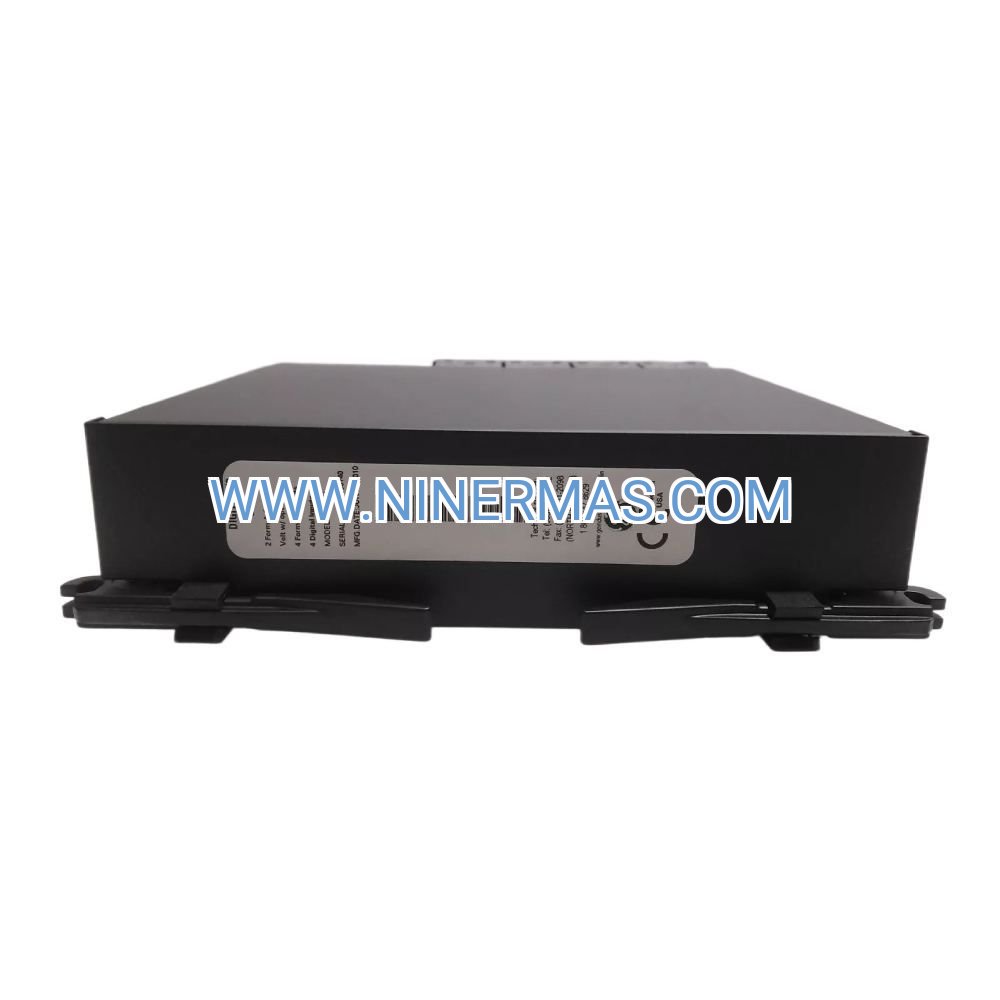
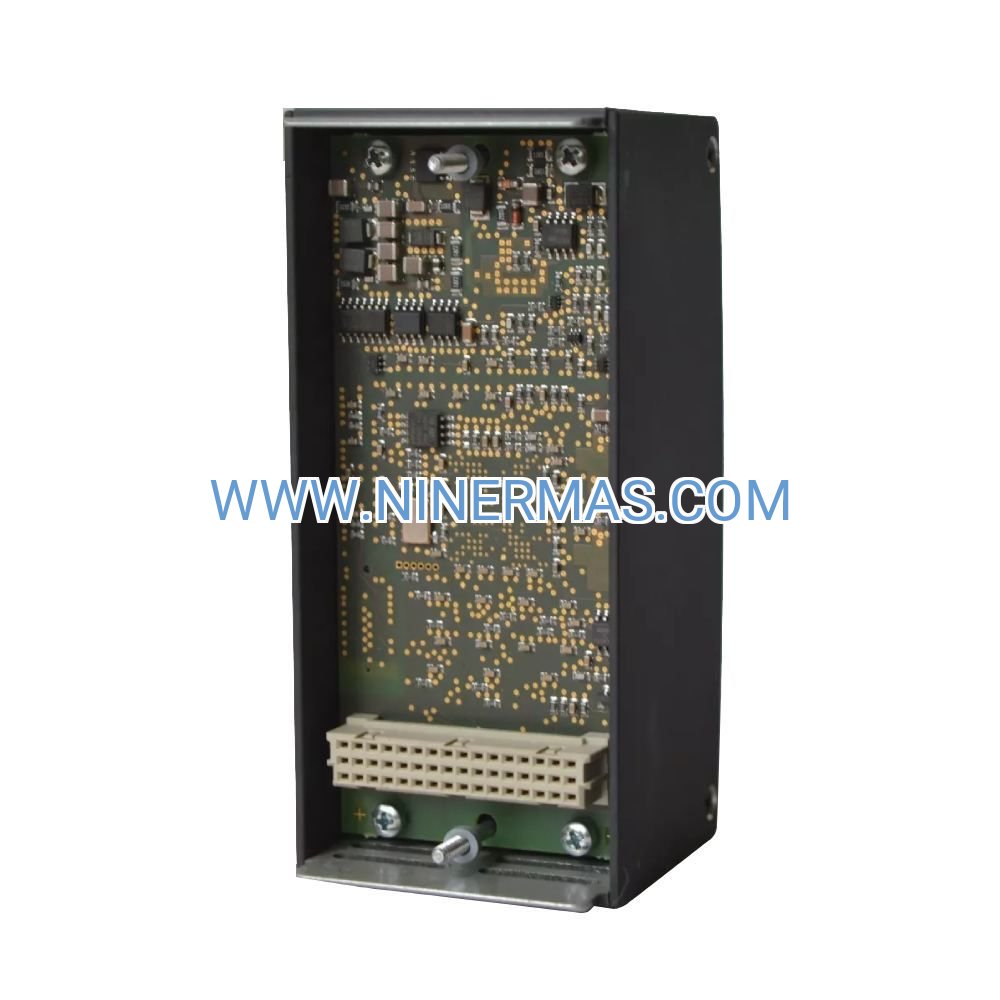
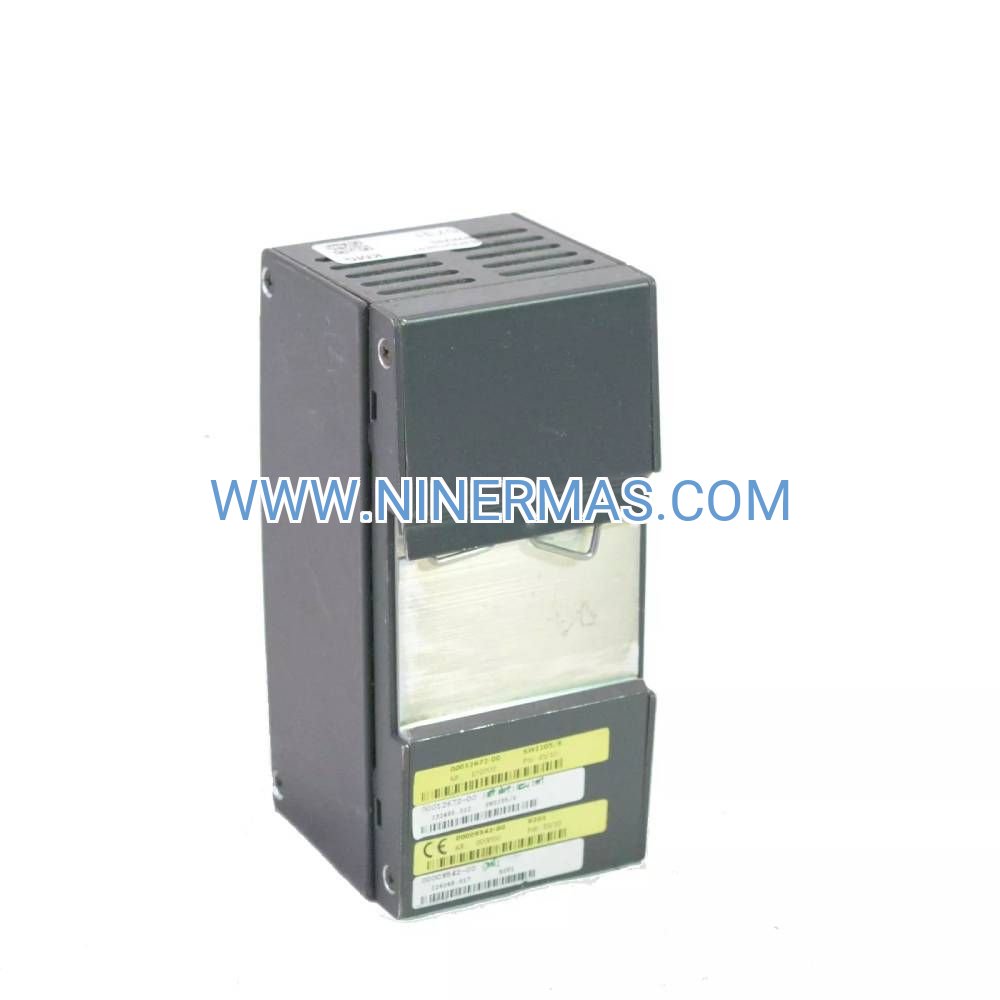
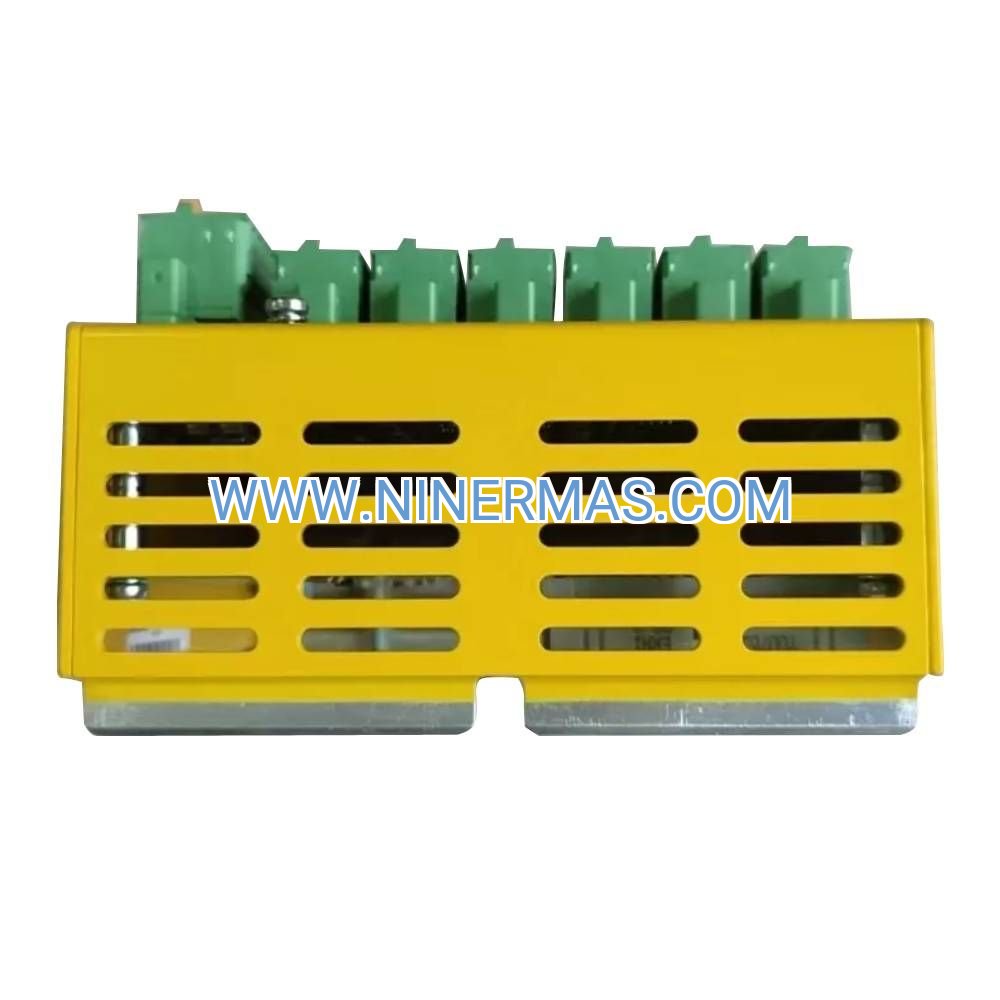
IS220PAOCH1A Analog Output I/O Module (Industrial-Grade Turbine Control System)
The IS220PAOCH1A is a precision analog output I/O pack engineered for GE Mark VIe Speedtronic turbine control platforms. Through advanced digital-to-analog conversion (DAC) technology and isolated multi-channel architecture, it delivers stable 4-20mA/0-10V signal transmission for critical valve positioning, flow regulation, and process parameter control in power generation and heavy industrial applications.
Designed for gas turbine power plants, steam turbine facilities, combined-cycle generation stations, and industrial compressor systems, this module addresses common challenges including signal drift under high electromagnetic interference (EMI), insufficient channel isolation causing cross-talk, unreliable output accuracy in extreme temperatures, and complex integration with legacy DCS/SCADA infrastructure.
Featuring standardized Mark VIe backplane connectivity with customizable channel configuration options, the IS220PAOCH1A offers proven reliability in harsh environments, simplified installation with DIN-rail/panel-mount flexibility, comprehensive self-diagnostics for predictive maintenance, and seamless compatibility with GE's turbine control ecosystem. Ideal for EPC contractors, system integrators, plant engineers, and OEM equipment manufacturers requiring certified industrial automation solutions. Contact our application engineers for system-specific selection assistance and technical documentation.
Core Functions & Advantages
High-Precision Signal Conversion
Employs 12-bit or higher resolution DAC with ±0.1% accuracy, ensuring precise analog output for servo valve control, variable frequency drive (VFD) interfaces, and proportional control loops. Minimizes control deviation and improves process stability.
Robust Channel Isolation
Individual channel-to-channel and channel-to-ground galvanic isolation up to 1500V AC protects against ground loops, electrical noise, and fault propagation. Critical for multi-zone turbine control architectures and mixed-voltage installations.
Extended Environmental Tolerance
Operates reliably across -40°C to +70°C ambient temperature range with conformal coating protection against humidity, dust, and corrosive atmospheres. Meets stringent power plant and offshore platform environmental requirements.
Comprehensive Fault Detection
Integrated diagnostics monitor output current loop integrity, open-circuit conditions, short-circuit faults, and power supply anomalies. Real-time fault annunciation through Mark VIe HMI reduces mean time to repair (MTTR) and unplanned downtime.
Flexible Output Configuration
Supports both current-source (4-20mA) and voltage-source (0-10V) output modes with software-selectable ranges. Accommodates diverse field instrumentation including pneumatic positioners, electronic actuators, and chart recorders without external signal conditioning.
Hot-Swap Capability in Redundant Systems
When deployed in Triple Modular Redundant (TMR) configurations, enables online module replacement without process interruption. Reduces maintenance windows and enhances overall system availability for continuous-duty applications.
Typical Application Scenarios
This module is engineered for applications demanding high signal integrity, continuous operation reliability, and stringent safety compliance, particularly in:
Gas Turbine Combined-Cycle Power Plants
Controls fuel gas control valves (FGCV), inlet guide vanes (IGV), and combustion dynamics tuning actuators. Interfaces with Dry Low NOx (DLN) combustion systems for emissions compliance while maintaining optimal heat rate efficiency.
Steam Turbine Governor & Bypass Systems
Regulates main steam control valves, reheat stop valves, and turbine bypass valves in utility-scale generation units. Provides precise steam flow modulation for load following and frequency regulation services.
Industrial Gas Compression Stations
Drives anti-surge valve positioners, capacity control systems, and recycle valve actuators in pipeline compressor stations. Ensures compressor operation within safe operating envelopes while maximizing throughput.
Petrochemical Process Control Integration
Transmits analog setpoints to distributed control systems (DCS), programmable logic controllers (PLC), and field-mounted smart positioners. Supports Modbus, HART, and Foundation Fieldbus protocol bridging through auxiliary gateways.
Wind Turbine Pitch & Yaw Control
Commands hydraulic or electric pitch actuators for blade angle optimization and power curve tracking. Integrates with SCADA systems for wind farm supervisory control and data acquisition.
Technical Parameters & Selection Guide
To facilitate engineering design and procurement, we provide standardized specifications with project-specific customization capabilities:
| Parameter | Specification |
|---|---|
| Catalog Number | IS220PAOCH1A |
| Platform Compatibility | Mark VIe Speedtronic (GE Vernova) |
| Module Classification | Analog Output I/O Pack |
| Output Channel Count | 8 channels (isolated) |
| Output Signal Types | 4-20mA (current source), 0-10V DC (voltage source) |
| Resolution | 12-bit minimum (4096 discrete levels) |
| Accuracy | ±0.1% of full scale @ 25°C |
| Update Rate | 10ms typical (100Hz) |
| Isolation Voltage | 1500V AC channel-to-channel/ground |
| Operating Temperature | -40°C to +70°C |
| Storage Temperature | -55°C to +85°C |
| Relative Humidity | 5% to 95% non-condensing |
| Power Supply | 24V DC ±20% (Mark VIe backplane) |
| Power Consumption | 8W maximum (all channels active) |
| Mounting Options | DIN rail (35mm), panel mount, Mark VIe rack |
| Communication Interface | Proprietary Mark VIe backplane (IONet) |
| Diagnostic Indicators | Module status LED, channel fault LEDs |
| Certifications | UL508, CE, ATEX Zone 2, IECEx, SIL 2 capable |
| MTBF | >150,000 hours (MIL-HDBK-217F) |
| Dimensions (H×W×D) | 220mm × 35mm × 120mm |
| Weight | 0.45 kg |
Selection Recommendations
When specifying the IS220PAOCH1A, consider the following project parameters: total number of analog control loops required, field device input impedance characteristics (for current vs. voltage output selection), maximum cable run distances (voltage drop calculations for 4-20mA loops), ambient temperature extremes at installation location, hazardous area classification (if ATEX/IECEx certification needed), and redundancy architecture (simplex, dual, or TMR configuration). For application-specific guidance, please provide process & instrumentation diagrams (P&ID), control narrative descriptions, and environmental condition specifications. Our certified application engineers will recommend optimal module quantities, wiring configurations, and integration strategies.
System Integration & Complementary Modules
The IS220PAOCH1A functions as part of a comprehensive Mark VIe control architecture. For complete turbine protection and control solutions, consider these companion modules:
Analog Input Modules: Pair with IS220PAICH1A for bidirectional analog I/O, or IS220PPDAH1A for differential pressure/temperature inputs requiring high common-mode rejection.
Discrete I/O Modules: Integrate IS220PDIOH1A for digital status monitoring and solenoid valve control, or IS220PDIAH1A for high-density discrete input applications.
Controller Modules: Connect to IS420UCSBH4A or IS420ESWBH1A central processing units for coordinated turbine sequencing, protection logic, and supervisory control.
Specialty Input Modules: Combine with IS220PTCCH1A thermocouple modules for exhaust temperature monitoring, IS220PRTDH1A RTD modules for bearing temperature surveillance, or IS220PVIBH1A vibration monitoring packs for machinery health diagnostics.
Communication Gateways: Extend connectivity via IS220PCNOH1B ControlNet interfaces for Allen-Bradley PLC integration, or IS420ESWBH1A Ethernet switches for plant-wide SCADA/historian connectivity.
Terminal Boards: Utilize IS200STAOH1A simplex terminal boards or IS200DTAOH1A dual terminal boards for field wiring termination with proper strain relief and EMI shielding.
Common Questions (FAQ)
Q: How does the IS220PAOCH1A integrate with existing Mark VI legacy systems?
A: While optimized for Mark VIe platforms, migration from Mark VI is supported through GE's upgrade kits. The module requires Mark VIe controller firmware and IONet backplane infrastructure. For Mark VI to Mark VIe transition projects, consult GE's migration planning guides and consider phased upgrade strategies to minimize outage duration.
Q: What is the maximum cable distance for 4-20mA output loops?
A: With standard 24V DC loop power and 250-ohm load resistance, cable runs up to 1000 meters are achievable using 18 AWG shielded twisted-pair cable. For longer distances or higher load impedances, consider loop-powered isolators or voltage output mode with local signal conditioning.
Q: Can this module achieve SIL 2/SIL 3 safety integrity levels?
A: The IS220PAOCH1A is SIL 2 capable when deployed in appropriate redundant architectures with certified application software. For SIL 3 applications, Triple Modular Redundant (TMR) configurations with 2-out-of-3 voting logic are required. Consult GE's Safety Manual (GEH-6421) for detailed safety validation procedures.
Q: How many modules can be installed in a single Mark VIe rack?
A: Standard Mark VIe racks accommodate up to 12 I/O modules depending on power budget and thermal considerations. Each IS220PAOCH1A consumes approximately 8W; verify total rack power capacity (typically 150W) and ensure adequate ventilation for convection cooling in enclosed cabinets.
Q: What diagnostic information is available through the HMI interface?
A: The module provides comprehensive diagnostics including per-channel output current/voltage readings, open-circuit detection, short-circuit fault flags, module temperature monitoring, backplane communication status, and firmware version identification. Diagnostic data is accessible via ToolboxST software or third-party OPC servers.
Q: Is factory calibration certification available for quality assurance?
A: Yes, all modules ship with NIST-traceable calibration certificates documenting output accuracy across the full operating temperature range. Recalibration intervals of 24-36 months are recommended for critical applications; field calibration procedures are detailed in GE instruction manual GEH-6700.
Delivery, Service & Quality Assurance
Lead Time: Stock items ship within 3-5 business days; custom-configured modules or large-quantity orders require 2-3 weeks for factory programming and testing.
Warranty Coverage: All units include a comprehensive 12-month warranty against manufacturing defects and component failures. Extended warranty programs (24/36 months) are available for critical infrastructure projects.
Technical Support: Our certified GE Speedtronic specialists provide remote commissioning assistance, configuration file review, troubleshooting diagnostics, and on-site startup services (subject to geographic availability and project scope).
Documentation Package: Each shipment includes product datasheet, installation quick-start guide, wiring diagrams, terminal block layouts, and software configuration templates. Complete instruction manuals (GEH-series) are available via download portal.
Quality Verification: All modules undergo multi-point functional testing including output accuracy verification, isolation resistance measurement, environmental stress screening, and firmware validation prior to shipment. Test reports available upon request.
Request Technical Consultation
For detailed selection assistance, competitive quotations, or application-specific engineering support, please provide the following project information: facility type and turbine model designation, control system architecture (simplex/redundant/TMR), total analog output point count and signal type requirements, environmental conditions (temperature/humidity/hazardous area classification), project timeline and delivery location, existing Mark VIe infrastructure details (controller models, firmware versions). Our application engineering team will respond within 24 hours with tailored recommendations and budget pricing.
© 2026 NINERMAS COMPANY LIMITED. All rights reserved.
Original Source: https://ninermas.com
Contact: sale@ninermas.com | +0086 187 5021 5667

Contact Info
-
Address:22 / F, South Wo Hang building, 148 Wing Lok Street, Sheung Wan, Western District, Hong Kong
-
Phone:+8618750215667
-
Email: