Description
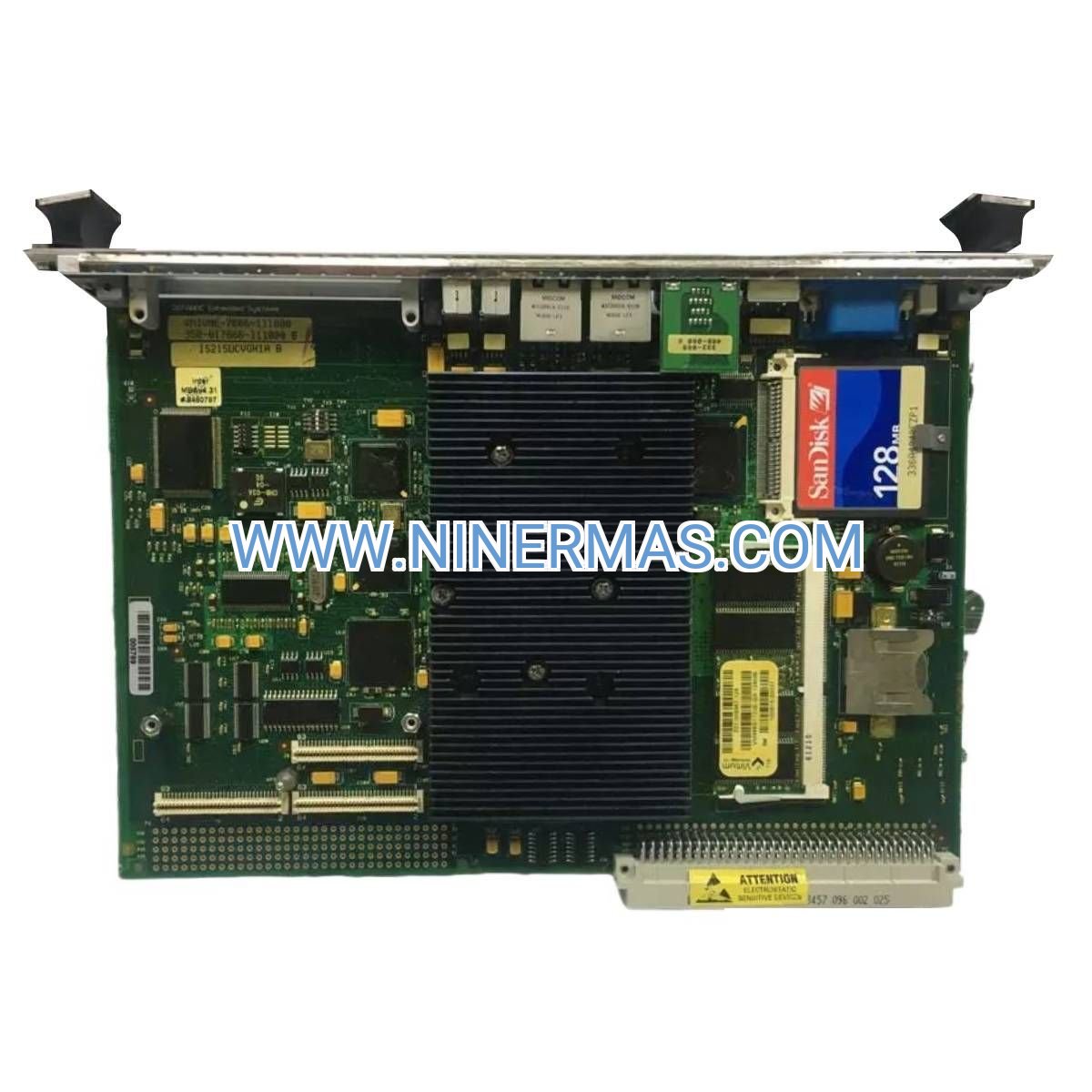
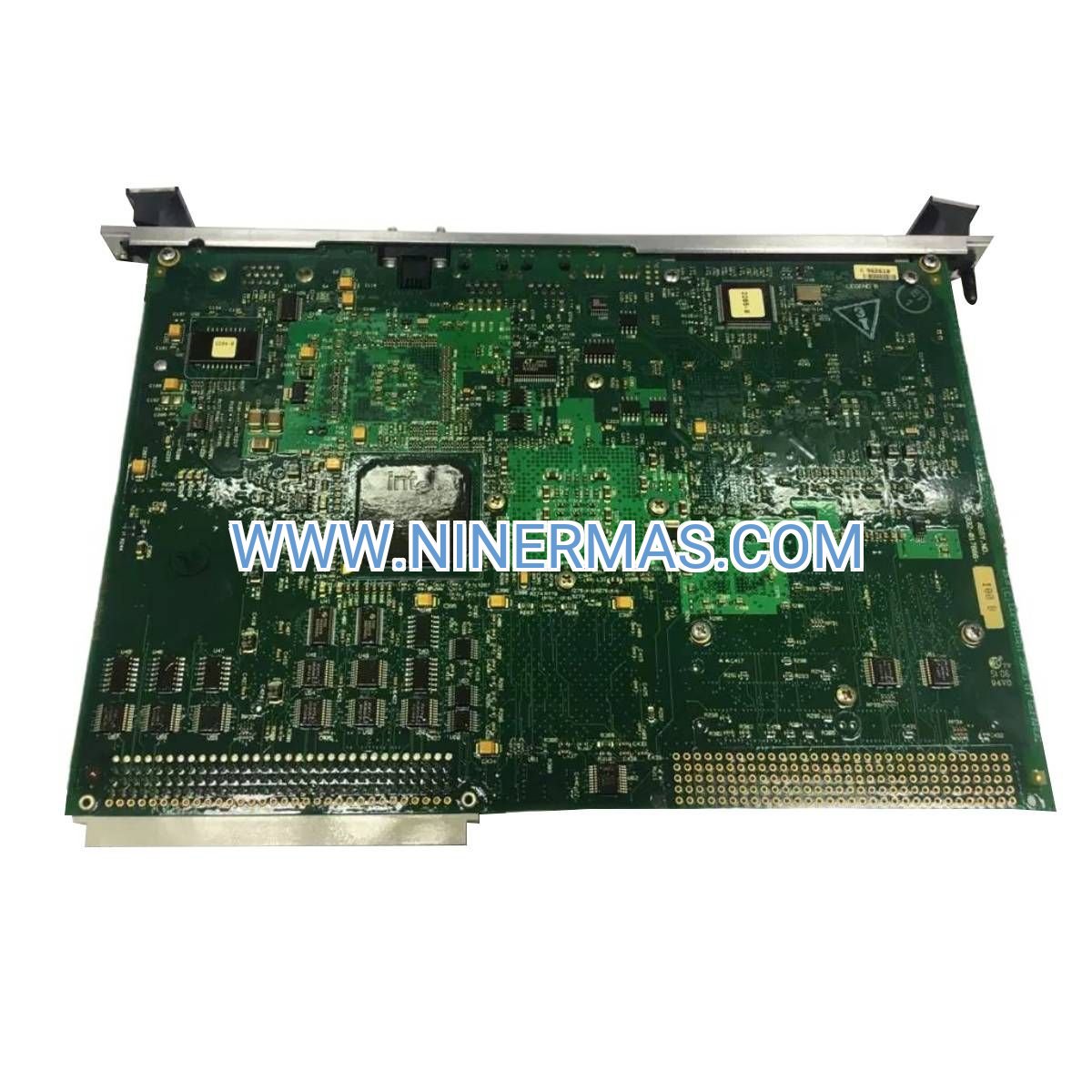
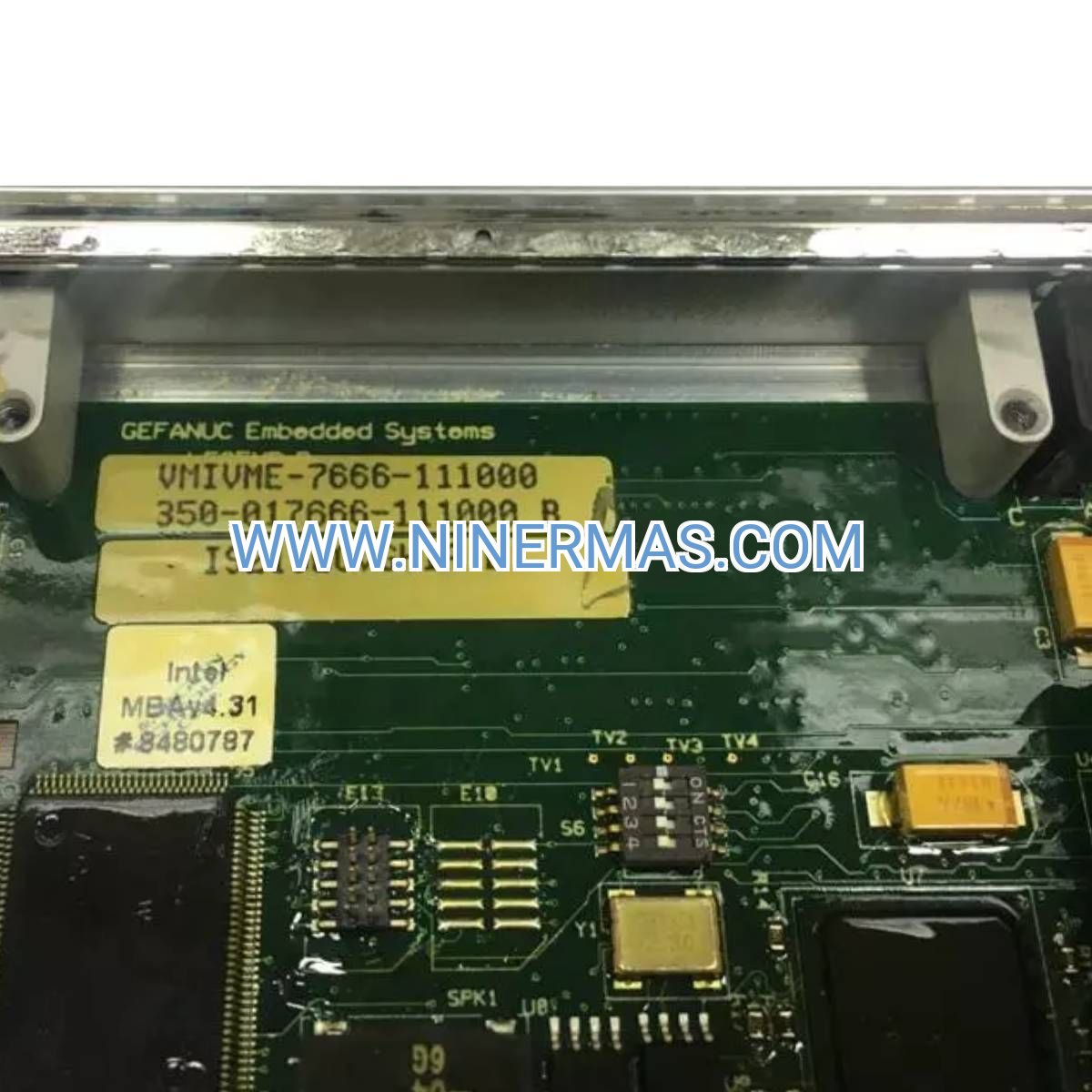
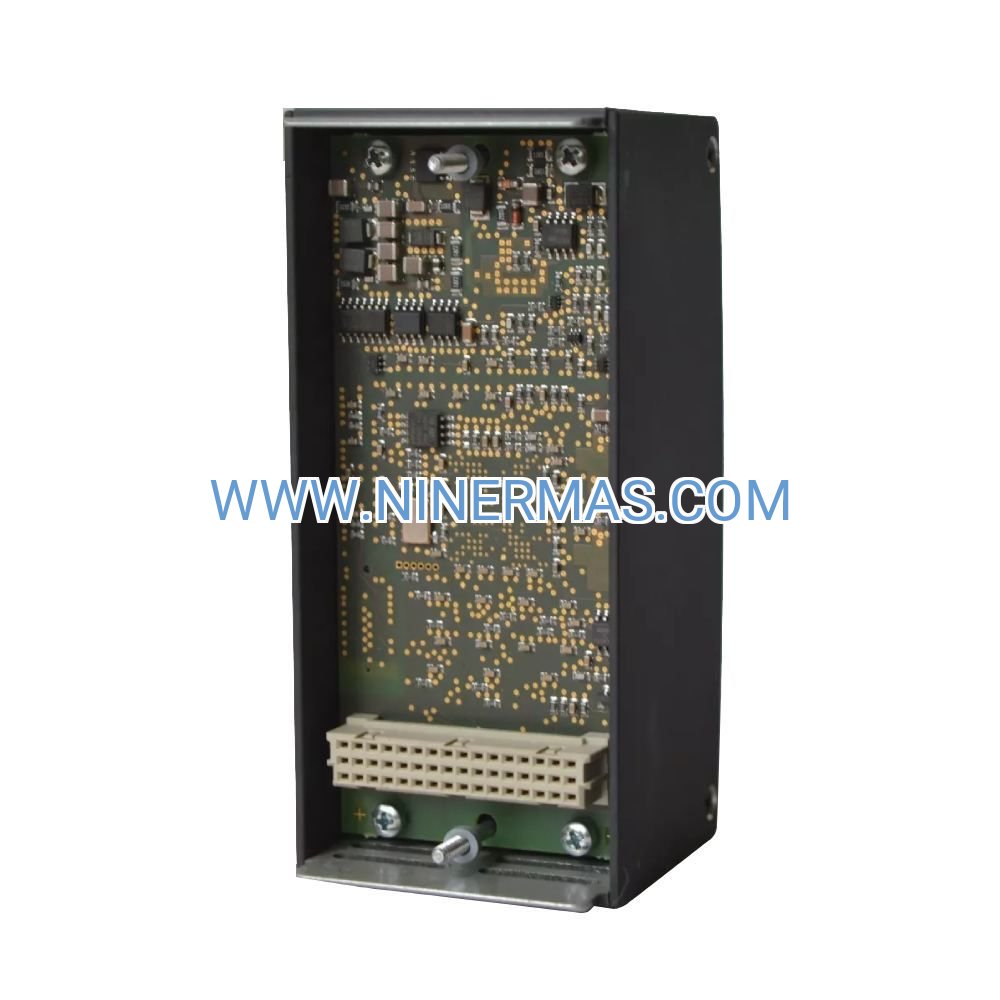
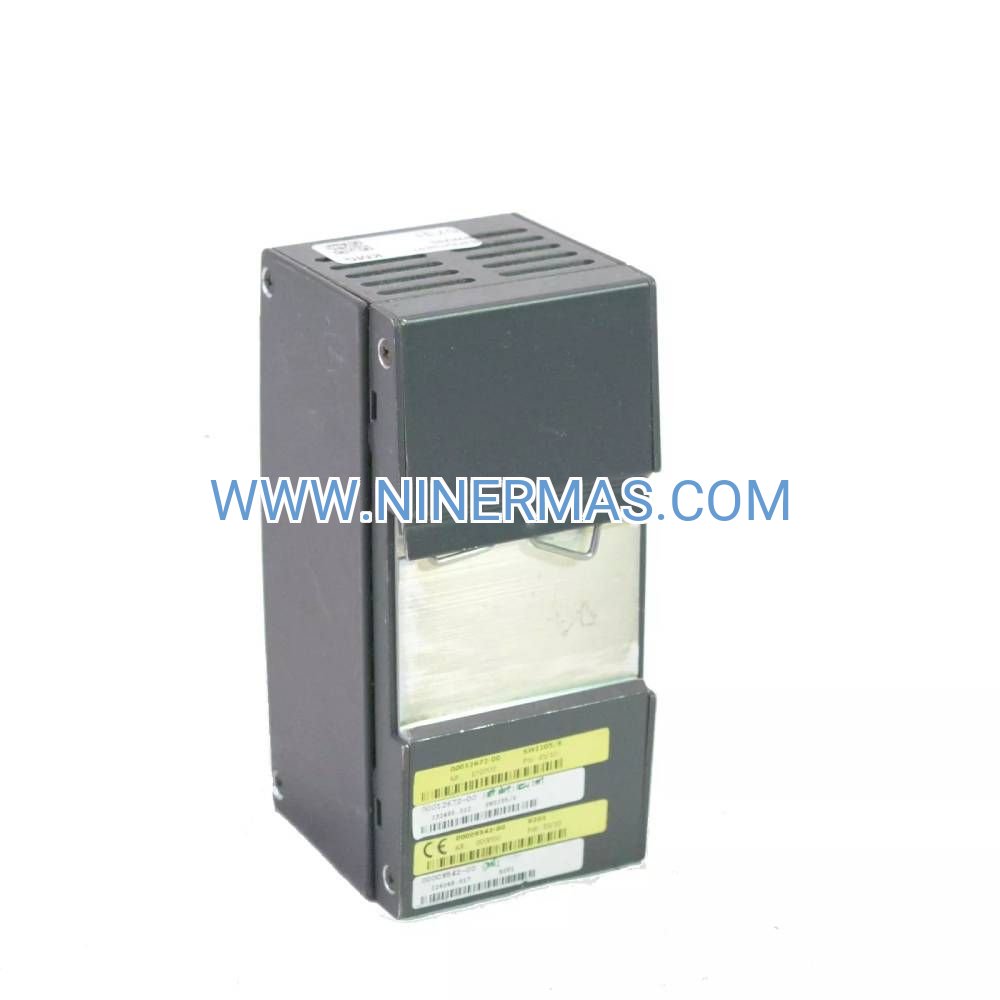
IS215UCVGH1AB VME Controller Card (Industrial-Grade Turbine Control Solution)
The IS215UCVGH1AB is a high-performance VME controller card engineered by General Electric for mission-critical turbine control applications. Built around an Intel Ultra Low Voltage Celeron 650 MHz processor with 128 MB SDRAM and QNX real-time operating system, this single-slot controller delivers deterministic performance for gas and steam turbine management in power generation, oil & gas processing, and heavy industrial environments.
Designed for the Mark VI Turbine Control System Series, the IS215UCVGH1AB addresses the operational challenges of coordinating distributed I/O networks, maintaining sub-millisecond control loops, and ensuring fail-safe operation under extreme temperature and vibration conditions. System integrators and plant engineers rely on this controller to bridge legacy turbine infrastructure with modern supervisory networks while meeting stringent safety integrity requirements.
Key advantages include SIL 3 certification per IEC 61508 (when deployed in certified system configurations), multi-protocol connectivity via Ethernet and VME backplane, hot-swappable architecture for zero-downtime maintenance, and comprehensive diagnostic LEDs for rapid troubleshooting. Whether you're retrofitting aging turbine controls or building new combined-cycle plants, the IS215UCVGH1AB provides the processing backbone for reliable, long-term operation.
Core Features & Technical Advantages
✓ Real-Time Processing Architecture
Intel Celeron 650 MHz processor with QNX RTOS ensures deterministic scan cycles under 10ms, critical for turbine speed control and vibration monitoring. Eliminates control jitter that can lead to mechanical stress and premature component wear.
✓ Robust Industrial Connectivity
10/100 Mbps Ethernet ports enable integration with SCADA systems, HMI workstations, and remote diagnostic tools. VME backplane communication coordinates up to 21 I/O modules in a single rack, reducing wiring complexity by 40% compared to distributed architectures.
✓ Safety-Certified Operation
Achieves SIL 3 rating per IEC 61508 when configured with redundant controllers and certified I/O modules. Supports triple modular redundancy (TMR) voting for critical shutdown functions, meeting API 670 and NFPA 85 requirements for turbine protection.
→ Extended Temperature Range
Operates reliably from 0°C to 70°C (32°F to 158°F) without forced cooling, suitable for turbine enclosures, offshore platforms, and desert installations. Conformal coating protects against humidity, salt spray, and industrial contaminants.
→ Diagnostic & Maintenance Features
Four-LED status array provides instant visibility into processor health, network activity, and fault conditions. PMC expansion slot accommodates specialty communication cards for Modbus RTU, HART, or proprietary turbine protocols.
→ Compact Single-Slot Design
Occupies just one VME slot (0.45 kg / 1 lb), maximizing rack density for complex control strategies. Lithium battery backup preserves configuration and event logs during power cycling or module replacement.
Application Scenarios & Industry Use Cases
Power Generation – Combined Cycle Plants
Coordinates gas turbine startup sequences, load ramping, and emissions control in 500+ MW combined-cycle facilities. Interfaces with combustion dynamics monitoring systems to prevent flashback and lean blowout events, reducing unplanned shutdowns by 60% compared to legacy relay-based controls.
Oil & Gas – Offshore Compression Platforms
Manages variable-speed gas compressor drives on FPSO vessels and fixed platforms, maintaining discharge pressure ±2% despite fluctuating inlet conditions. Withstands shock, vibration, and corrosive atmospheres per DNV-GL offshore certification requirements.
Industrial Cogeneration – Steam Turbine Governors
Replaces obsolete mechanical-hydraulic governors in paper mills, chemical plants, and district heating systems. Enables precise frequency regulation (±0.1 Hz) for grid-parallel operation and seamless load sharing between multiple turbines.
Petrochemical – Ethylene Cracker Expanders
Controls high-speed turbo-expanders in ethylene production, recovering energy from process gas streams while maintaining bearing temperatures within safe limits. Integrates with distributed control systems (DCS) via OPC UA for real-time optimization.
District Energy – Waste Heat Recovery Turbines
Automated control of organic Rankine cycle (ORC) turbines in waste-to-energy plants, maximizing electrical output from low-grade heat sources. Adaptive algorithms compensate for seasonal variations in cooling water temperature and ambient conditions.
Technical Parameters & Selection Guide
| Parameter | Specification | Selection Notes |
|---|---|---|
| Part Number | IS215UCVGH1AB | Verify revision code matches existing system |
| Processor | Intel Celeron 650 MHz (Ultra Low Voltage) | Sufficient for 500+ I/O points, 50 PID loops |
| Memory | 128 MB SDRAM | Supports Mark VI firmware through v7.04 |
| Operating System | QNX Neutrino RTOS | Real-time kernel, not Windows-based |
| Power Input | 24 VDC ±20% (18-30 VDC) | Requires isolated supply, 15W typical draw |
| Operating Temp | 0°C to 70°C (32°F to 158°F) | Derate above 60°C or use forced air cooling |
| Network Interfaces | 2× Ethernet 10/100, VME backplane | Dual LAN for redundant SCADA connections |
| Expansion | 1× PMC slot (PCI Mezzanine Card) | Optional for serial, CAN, or fiber modules |
| Dimensions | Single VME slot (6U × 160mm) | Compatible with standard 19" VME racks |
| Weight | 0.45 kg (1.0 lb) | Lightweight for vibration-sensitive mounts |
| Certifications | SIL 3 (IEC 61508), CE, UL | System-level certification requires full TMR |
Selection Criteria: Choose the IS215UCVGH1AB when retrofitting Mark VI systems (2002-2015 vintage), requiring SIL 3 safety functions, or needing Ethernet connectivity for modern HMI integration. For newer installations, consult GE's Mark VIe or Mark* platforms. Ensure compatibility with existing I/O modules (IS200/IS215 series) and firmware versions. Redundant controller configurations require matched pairs with synchronized firmware.
Extended Capabilities & Integration Options
Industrial IoT & Remote Monitoring
Ethernet ports support secure VPN tunneling for remote diagnostics via GE's ToolboxST software or third-party SCADA platforms. SNMP agents enable proactive monitoring of CPU load, memory usage, and network latency, feeding predictive maintenance algorithms that forecast controller failures 30-90 days in advance.
Advanced Control Algorithms
QNX RTOS environment supports custom C/C++ applications for model predictive control (MPC), adaptive tuning, and machine learning inference at the edge. PMC expansion slot accommodates FPGA-based signal processing cards for high-speed vibration analysis or combustion dynamics monitoring.
Cybersecurity Hardening
Supports role-based access control (RBAC), encrypted configuration files, and audit logging per NERC CIP and IEC 62443 standards. Firmware can be locked to prevent unauthorized modifications, with cryptographic signatures validating software integrity during boot.
Legacy System Migration
Backward-compatible with Mark V I/O modules via adapter cards, enabling phased upgrades without complete system replacement. Protocol converters bridge to older Modbus RTU or proprietary GE Genius networks, protecting existing field instrumentation investments.
Delivery Timeline & Service Commitments
Standard Lead Time: In-stock units ship within 1-3 business days via DHL/FedEx Express. Custom configurations (firmware pre-loading, PMC cards, redundant pairs) require 5-7 business days for testing and quality assurance.
Warranty Coverage: 12-month manufacturer's warranty covering defects in materials and workmanship. Extended warranties (24/36 months) available for critical applications. Warranty includes firmware updates and technical support via email/phone.
Technical Support: Pre-sales application engineering assists with system architecture, I/O mapping, and safety certification planning. Post-sales support includes configuration file review, startup assistance, and troubleshooting via remote desktop sessions. Access to GE OEM documentation, wiring diagrams, and firmware release notes.
Documentation Package: Each controller ships with installation manual, quick-start guide, and safety precautions sheet. Digital downloads include CAD drawings (DWG/PDF), spare parts lists, and recommended maintenance schedules. ToolboxST configuration software and drivers provided on USB media.
Frequently Asked Questions
Q: How does the IS215UCVGH1AB integrate with existing Mark VI racks?
A: The controller installs in any available VME slot within a Mark VI rack (VMIC or GE-branded chassis). Connect 24 VDC power to the backplane, configure IP addresses via front-panel DIP switches or ToolboxST software, and download the turbine control application. The VME backplane automatically discovers connected I/O modules during initialization. For redundant configurations, install two controllers in separate racks with crossover Ethernet cables.
Q: What are the memory and processing capacity limits for turbine control applications?
A: The 650 MHz Celeron with 128 MB RAM supports up to 500 discrete I/O points, 100 analog channels, and 50 PID control loops with 10ms scan cycles. Complex applications (vibration FFT analysis, sequence-of-events recording) may require offloading to dedicated I/O processors. Memory usage typically ranges from 60-80 MB, leaving headroom for data logging and alarm buffering.
Q: Can this controller reduce energy consumption in turbine operations?
A: Yes—advanced control algorithms enabled by the IS215UCVGH1AB can optimize turbine efficiency by 2-5% compared to legacy systems. Features include adaptive fuel-air ratio tuning, inlet guide vane positioning based on ambient conditions, and load-following strategies that minimize part-load heat rate penalties. Typical payback period is 6-18 months in continuous-duty applications.
Q: What are the installation requirements for harsh industrial environments?
A: Mount the VME rack in a NEMA 12 or IP54-rated enclosure to protect against dust and moisture. Maintain ambient temperature below 60°C using ventilation fans or air conditioning. Use shielded Ethernet cables (Cat5e/Cat6) with ferrite cores to prevent EMI from variable-frequency drives. Ensure 24 VDC power supply has <50mV ripple and is isolated from motor starter circuits. Grounding per IEEE 1100 (Emerald Book) is critical for noise immunity.
Q: Does the controller support remote monitoring and predictive maintenance?
A: Absolutely—Ethernet connectivity enables integration with condition monitoring platforms like GE's Asset Performance Management (APM) or third-party systems via OPC UA/Modbus TCP. The controller logs CPU temperature, power supply voltage, and communication errors to internal flash memory. SNMP traps alert operators to anomalies such as rising scan times or memory leaks, enabling proactive replacement before failures occur.
Q: Is the IS215UCVGH1AB compatible with modern cybersecurity standards?
A: The controller supports network segmentation via VLANs, MAC address filtering, and port-based access control. While the QNX RTOS lacks native firewall capabilities, deploy industrial Ethernet switches with deep packet inspection (DPI) to enforce IEC 62443 zone boundaries. Regular firmware updates from GE address known vulnerabilities. For critical infrastructure, implement unidirectional gateways to isolate turbine controls from corporate IT networks.
Get Expert Guidance for Your Turbine Control Project
Unsure whether the IS215UCVGH1AB fits your Mark VI upgrade or new installation? Our application engineers provide complimentary system reviews, including I/O point counts, network architecture validation, and safety certification roadmaps. Contact us today for a detailed quote, lead time confirmation, or technical consultation.
Ready to order? Add to cart for fast checkout, or reach out via email/phone to discuss volume pricing, extended warranties, or custom configuration services. We ship worldwide with full export documentation and customs support.
© 2026 NINERMAS COMPANY LIMITED. All rights reserved.
Original Source: https://ninermas.com
Contact: sale@ninermas.com | +0086 187 5021 5667

Contact Info
-
Address:22 / F, South Wo Hang building, 148 Wing Lok Street, Sheung Wan, Western District, Hong Kong
-
Phone:+8618750215667
-
Email: