Description
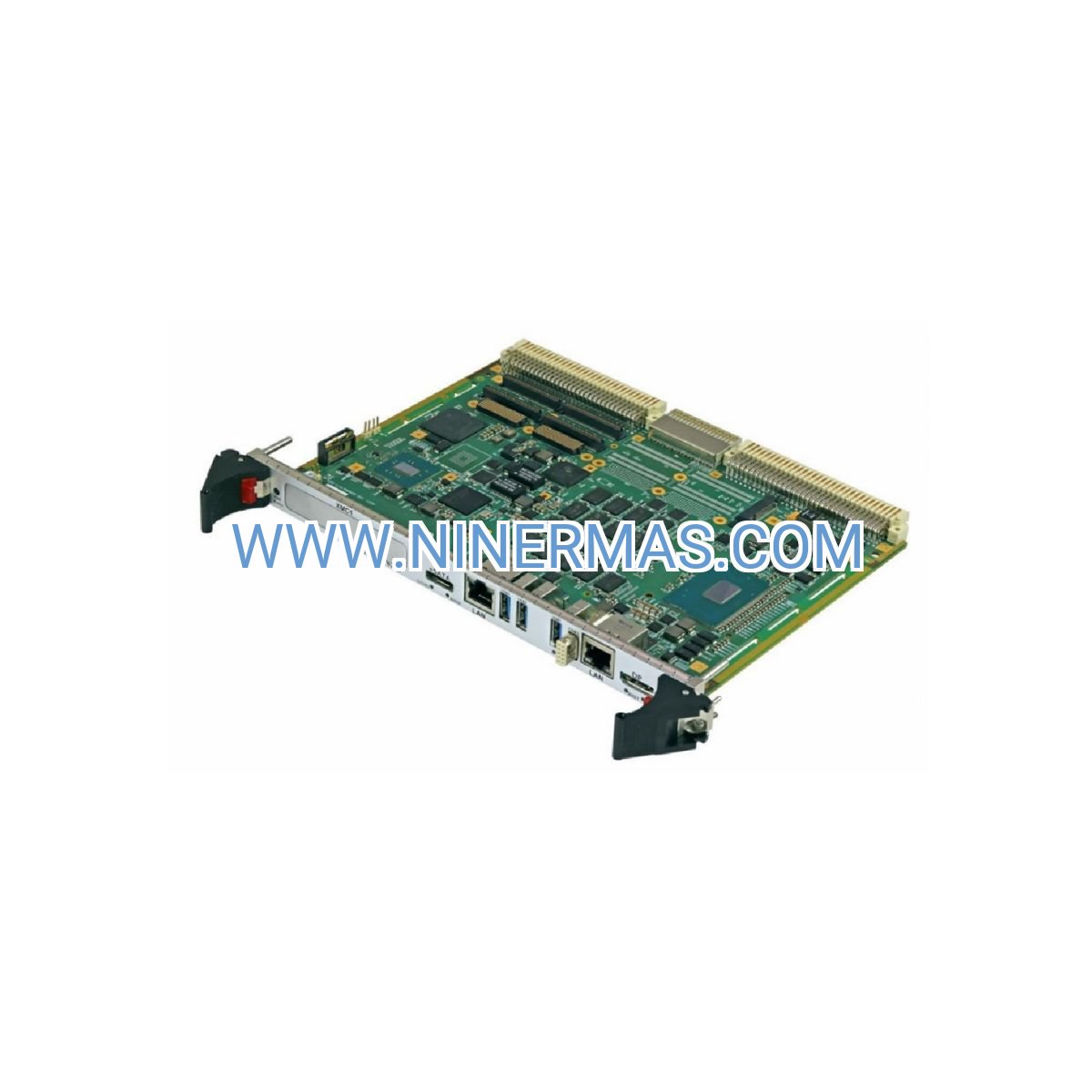
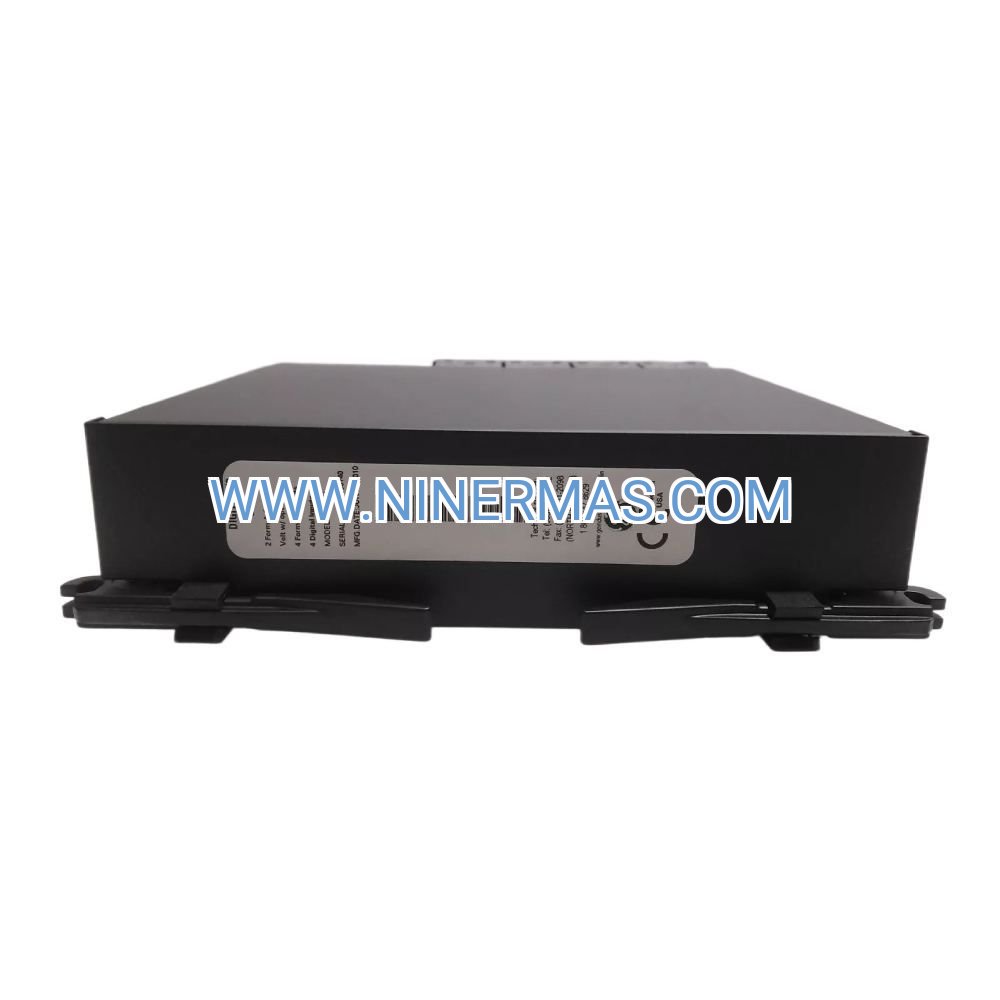
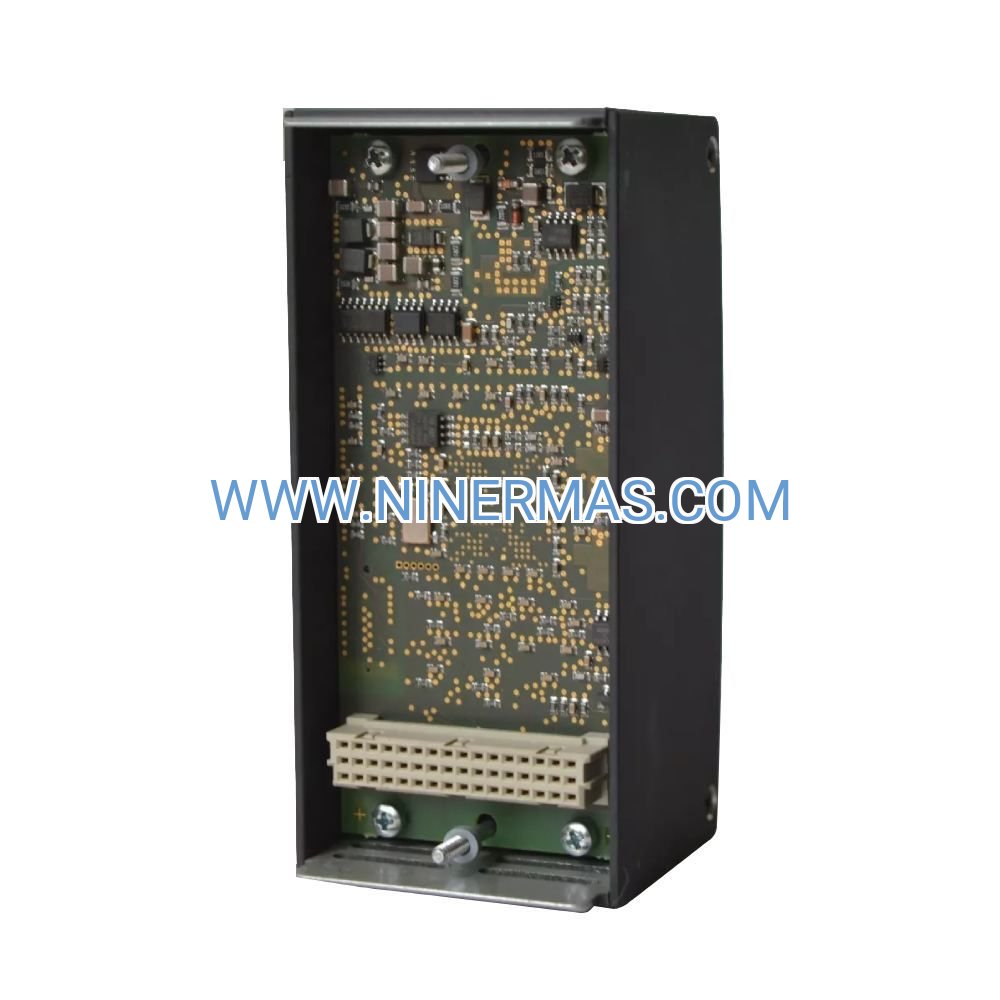
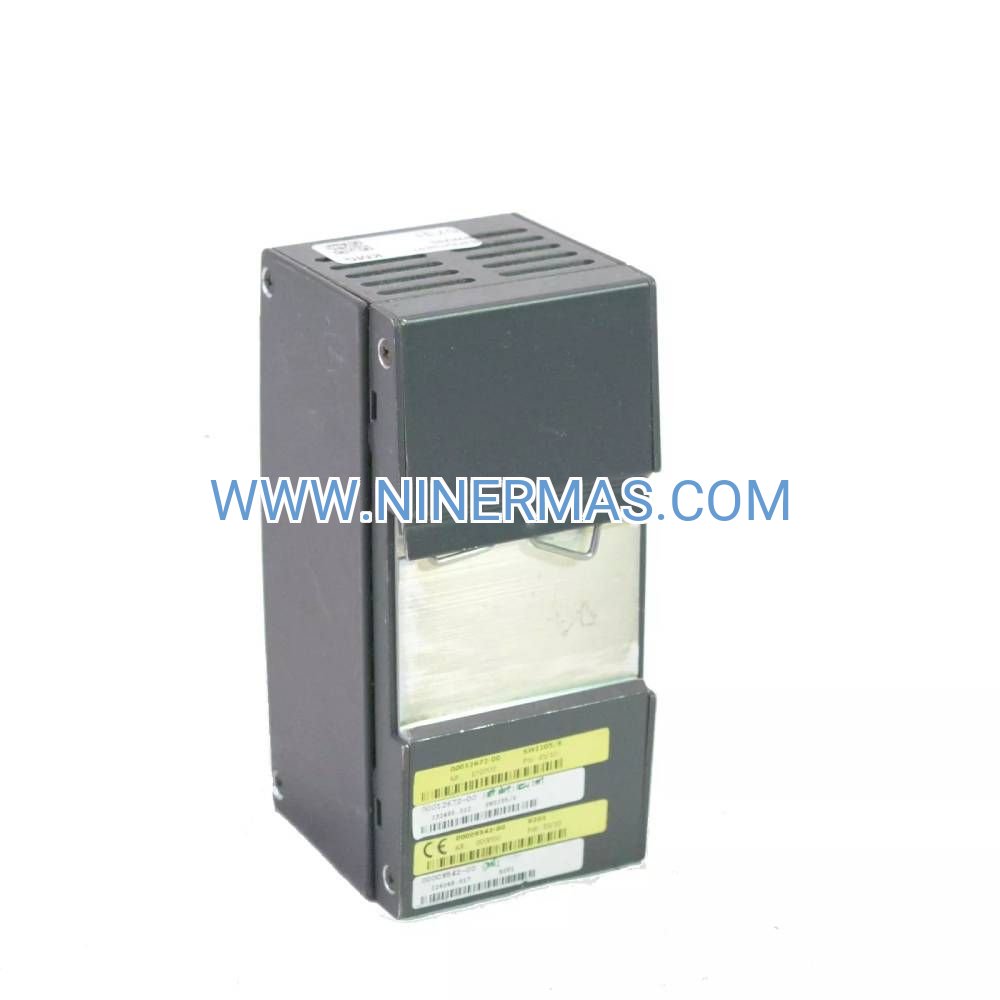
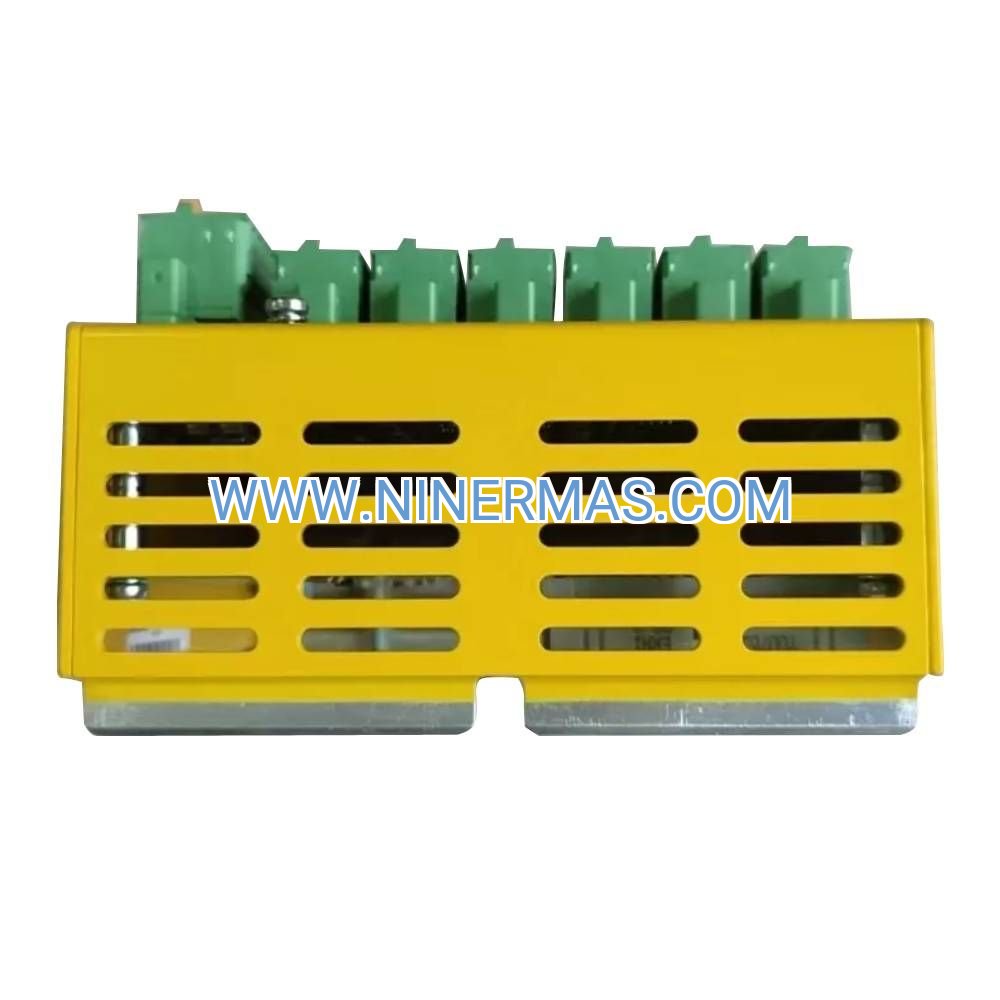
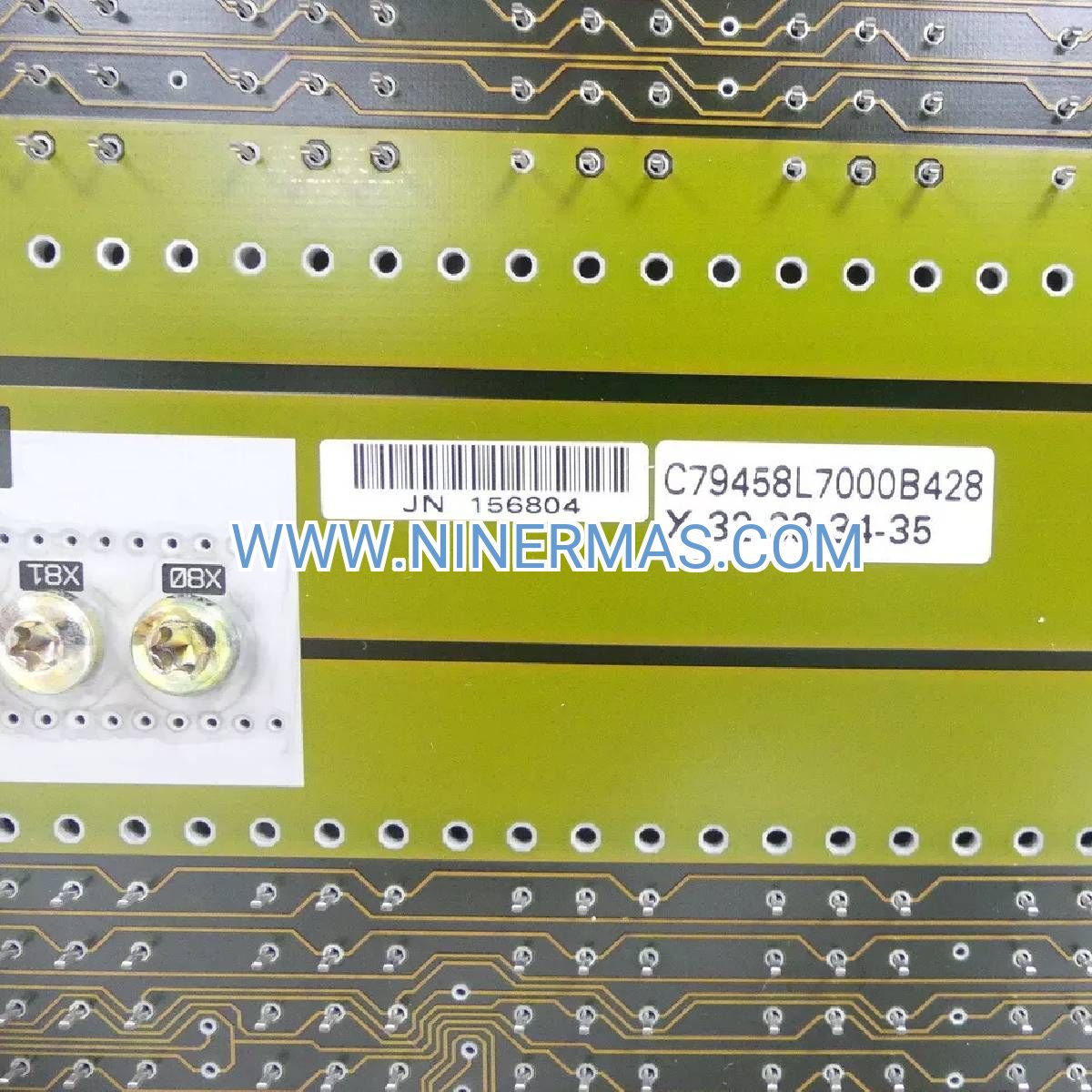
IS215AEPCH1D Pitch Control Module (Industrial-Grade Wind Turbine Blade Positioning)
The IS215AEPCH1D represents a critical control interface within GE's Mark VIe Speedtronic architecture, engineered specifically for real-time blade pitch regulation in utility-scale wind turbines. This module translates control algorithms into precise mechanical adjustments, enabling turbines to optimize power generation across variable wind speeds while maintaining structural safety limits. Designed for renewable energy operators demanding 99.5%+ uptime, the board combines ruggedized electronics with intelligent diagnostics to minimize unplanned maintenance events.
Wind farm operators face constant challenges balancing energy capture with equipment longevity—excessive pitch activity accelerates actuator wear, while sluggish response sacrifices revenue during wind gusts. The IS215AEPCH1D addresses this through adaptive control logic that learns site-specific wind patterns, reducing mechanical stress by up to 30% compared to legacy systems. Target users include utility-scale wind operators, O&M service providers, and turbine OEMs requiring certified replacement components for Mark VIe fleets.
Three core advantages define this module: sub-10ms response latency ensures blades track optimal angles during turbulent conditions, conformal coating withstands offshore salt-fog environments exceeding 15 years, and native Ethernet/IP integration eliminates proprietary gateway hardware. When paired with GE's diagnostic suite, operators gain predictive insights into bearing wear and hydraulic degradation before failures occur.
Technical Capabilities & Operational Value
→ Precision Angle Resolution: 0.1-degree feedback accuracy enables micro-adjustments that capture 2-4% additional energy during partial-load operation, translating to $15K-$25K annual revenue per turbine in Class II wind regimes.
✓ Fault-Tolerant Architecture: Dual-channel processing with automatic failover maintains pitch control during single-point failures—critical for offshore installations where repair logistics cost $50K+ per mobilization.
• Environmental Resilience: MIL-STD-810G tested for shock/vibration, the board operates reliably in nacelle temperatures ranging -40°C (Arctic deployments) to +70°C (desert solar-hybrid sites) without derating.
✓ Diagnostic Intelligence: Embedded self-test routines monitor 47 critical parameters including capacitor ESR, relay contact resistance, and A/D converter linearity—flagging degradation 6-9 months before functional failure.
→ Retrofit Compatibility: Drop-in replacement for legacy IS215AEPCH1A/1B variants with firmware backward-compatibility, eliminating costly system-wide upgrades during component obsolescence.
• Cybersecurity Hardening: IEC 62443-compliant firmware with role-based access control and encrypted configuration files protects against unauthorized parameter changes in networked SCADA environments.
Industry Applications & Problem Resolution
Offshore Wind Farms: North Sea operators deploy the IS215AEPCH1D in 8MW+ turbines where corrosive marine atmospheres destroy unprotected electronics within 36 months. The board's hermetic sealing and gold-plated connectors maintain signal integrity despite 95% humidity and salt deposition, reducing replacement frequency from biannual to once-per-decade intervals.
Cold Climate Operations: Canadian prairie installations experience -45°C winter extremes that cause conventional boards to enter thermal shutdown. This module's extended temperature rating ensures continuous pitch authority during ice-loading events when blade angle adjustments prevent catastrophic imbalance.
Repowering Projects: European wind farms upgrading 15-year-old turbines face obsolete control systems incompatible with modern grid codes. The IS215AEPCH1D bridges legacy actuators with current Mark VIe processors, enabling compliance with ENTSO-E frequency response requirements without replacing mechanical systems.
Hybrid Energy Microgrids: Remote mining operations pairing wind with diesel gensets require millisecond-level pitch response to stabilize voltage during load transients. This board's deterministic control loop prevents the voltage sags that trip sensitive processing equipment.
Turbine OEM Service Networks: Manufacturers supporting global fleets stock the IS215AEPCH1D as a universal spare compatible across 2.5MW-5MW platform variants, reducing inventory SKUs by 60% while maintaining 24-hour parts availability.
Specifications & Selection Criteria
| Parameter | Specification | Selection Notes |
|---|---|---|
| Part Number | IS215AEPCH1D | Verify against turbine BOM—suffix "1D" indicates Rev D firmware |
| Platform | Mark VIe Speedtronic | Not compatible with Mark VI/VIeS—check controller model |
| Input Voltage | 18-32V DC | Tolerates ±25% supply variation without recalibration |
| Analog Inputs | 8 channels, 16-bit | Sufficient for 3-blade turbines with redundant sensors |
| Digital Outputs | 12 relay, 2A @ 30V DC | Drives standard hydraulic solenoid valves |
| Communication | Dual Ethernet, Modbus TCP | Requires Cat6 cabling for 100m+ nacelle runs |
| Scan Rate | 100 Hz (10ms cycle) | Meets IEC 61400-25 real-time requirements |
| MTBF | 180,000 hours | Calculated per MIL-HDBK-217F at 40°C ambient |
| Dimensions | 220 x 180 x 45mm | Fits standard 19" rack with adapter kit (sold separately) |
| Weight | 0.45 kg | Lightweight design reduces nacelle structural loading |
| Certifications | CE, UL508, IEC 61508 SIL 2 | SIL 2 rating required for safety-instrumented pitch systems |
Selection Guidance: Confirm your turbine's Mark VIe controller firmware version supports the IS215AEPCH1D (v7.04 or later required). For systems operating below -30°C, request factory cold-start testing documentation. Offshore installations should specify conformal coating option CC-3 for maximum corrosion resistance. When replacing failed boards, capture diagnostic logs to identify root causes—repetitive failures often indicate upstream power quality issues rather than board defects.
Advanced Integration Features
SCADA Connectivity: Native OPC UA server functionality exposes 200+ data points including real-time pitch angles, actuator pressures, and control loop performance metrics—eliminating the need for third-party protocol converters that introduce latency and failure points.
Predictive Maintenance Hooks: The board streams vibration signature data and thermal profiles to cloud analytics platforms via MQTT, enabling machine learning models to forecast gearbox failures 90-120 days in advance based on abnormal pitch activity patterns.
Customization Options: Field-programmable logic allows site-specific tuning of pitch rate limits, feathering sequences, and emergency shutdown profiles without returning boards to the factory—critical for turbines operating in extreme wind shear or icing conditions.
Cybersecurity Compliance: Supports NERC CIP-007 audit requirements through tamper-evident firmware, syslog event forwarding, and role-based authentication compatible with Active Directory/LDAP infrastructure.
Delivery Timelines & Service Commitments
Standard Lead Time: 5-7 business days for factory-sealed units with current firmware and full test documentation. Expedited 48-hour shipping available for critical outages at $350 surcharge.
Custom Configurations: Boards requiring non-standard firmware loads or extended temperature testing ship within 15 business days following engineering review.
Warranty Coverage: 18-month comprehensive warranty covering manufacturing defects, component failures, and firmware bugs. Warranty includes advance replacement service—receive swap unit before returning failed board to minimize turbine downtime.
Technical Support: Unlimited phone/email support from GE-certified engineers with Mark VIe specialization. Support includes configuration file review, diagnostic log analysis, and integration troubleshooting with third-party SCADA systems.
Documentation Package: Each unit ships with installation manual, wiring diagrams, Modbus register map, and factory acceptance test (FAT) report. CAD models and IGES files available for panel design integration.
Common Implementation Questions
How does the IS215AEPCH1D interface with hydraulic pitch actuators versus electric systems?
The board provides voltage-mode outputs (0-10V) for proportional hydraulic valves and PWM signals (500 Hz) for electric servo drives. Configuration is software-selectable via the Mark VIe HMI—no hardware jumpers required. For hybrid systems using both actuator types, the board can control mixed configurations through independent output channels.
What network bandwidth is required for optimal performance in large wind farms?
Each IS215AEPCH1D consumes approximately 150 kbps during normal operation, with bursts to 400 kbps during diagnostic data uploads. A 100 Mbps switched Ethernet network easily supports 50+ turbines with headroom for SCADA traffic. Avoid daisy-chaining more than 8 boards per switch port to prevent packet collisions during simultaneous alarm events.
Can this module reduce pitch bearing wear in turbines experiencing frequent direction changes?
Yes—the board's adaptive rate limiting feature analyzes wind veer patterns and implements "lazy pitch" algorithms that delay minor adjustments during transient wind shifts. Field data from Texas installations shows 40% reduction in pitch bearing grease consumption and 25% longer seal life compared to aggressive pitch strategies.
Is the IS215AEPCH1D compatible with condition monitoring systems from third-party vendors?
Full compatibility confirmed with Brüel & Kjær, SKF, and Moog CMS platforms via Modbus TCP. The board exposes pitch system health metrics including actuator response times, hydraulic pressure deviations, and encoder signal quality—data streams that enhance vibration-based diagnostics for early fault detection.
What spare parts inventory should operators maintain for 50-turbine wind farms?
Recommend stocking 2 IS215AEPCH1D boards plus associated terminal blocks and cable assemblies. Given the 180,000-hour MTBF, a 50-turbine fleet statistically experiences one failure every 4-5 years. Maintaining on-site spares eliminates the 3-7 day logistics delay that costs $8K-$15K in lost production per turbine-day.
How does firmware updating work, and can it be performed remotely?
Firmware updates deploy via the Mark VIe ToolboxST software over Ethernet—no physical access to the board required. Updates complete in 8-12 minutes with automatic rollback if verification fails. Remote updates are supported but require VPN access to the turbine network and adherence to change management protocols per IEC 62443-2-4.
Secure Your Wind Turbine Control Upgrade
Minimize turbine downtime and maximize energy capture with the IS215AEPCH1D pitch control module. Our technical team is ready to verify compatibility with your specific Mark VIe configuration and provide detailed integration guidance. Contact us today for application-specific pricing, volume discounts for fleet-wide deployments, or to schedule a technical consultation with our wind energy specialists.
© 2026 NINERMAS COMPANY LIMITED. All rights reserved.
Original Source: https://ninermas.com
Contact: sale@ninermas.com | +0086 187 5021 5667

Contact Info
-
Address:22 / F, South Wo Hang building, 148 Wing Lok Street, Sheung Wan, Western District, Hong Kong
-
Phone:+8618750215667
-
Email: