Description
VMEbus Interconnect Board for Mark VI Speedtronic Turbine Control Systems (Industrial-Grade Communication Backbone)
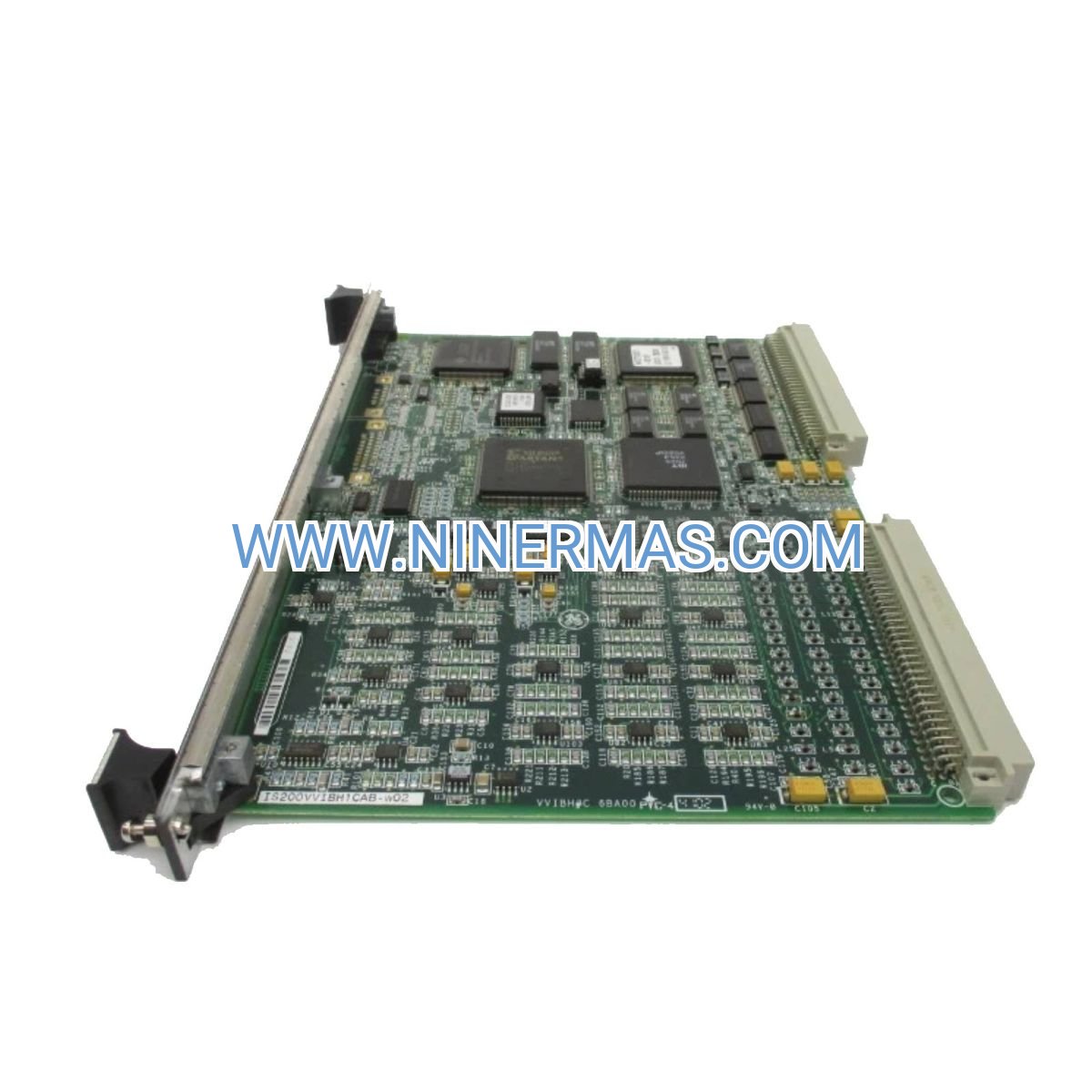
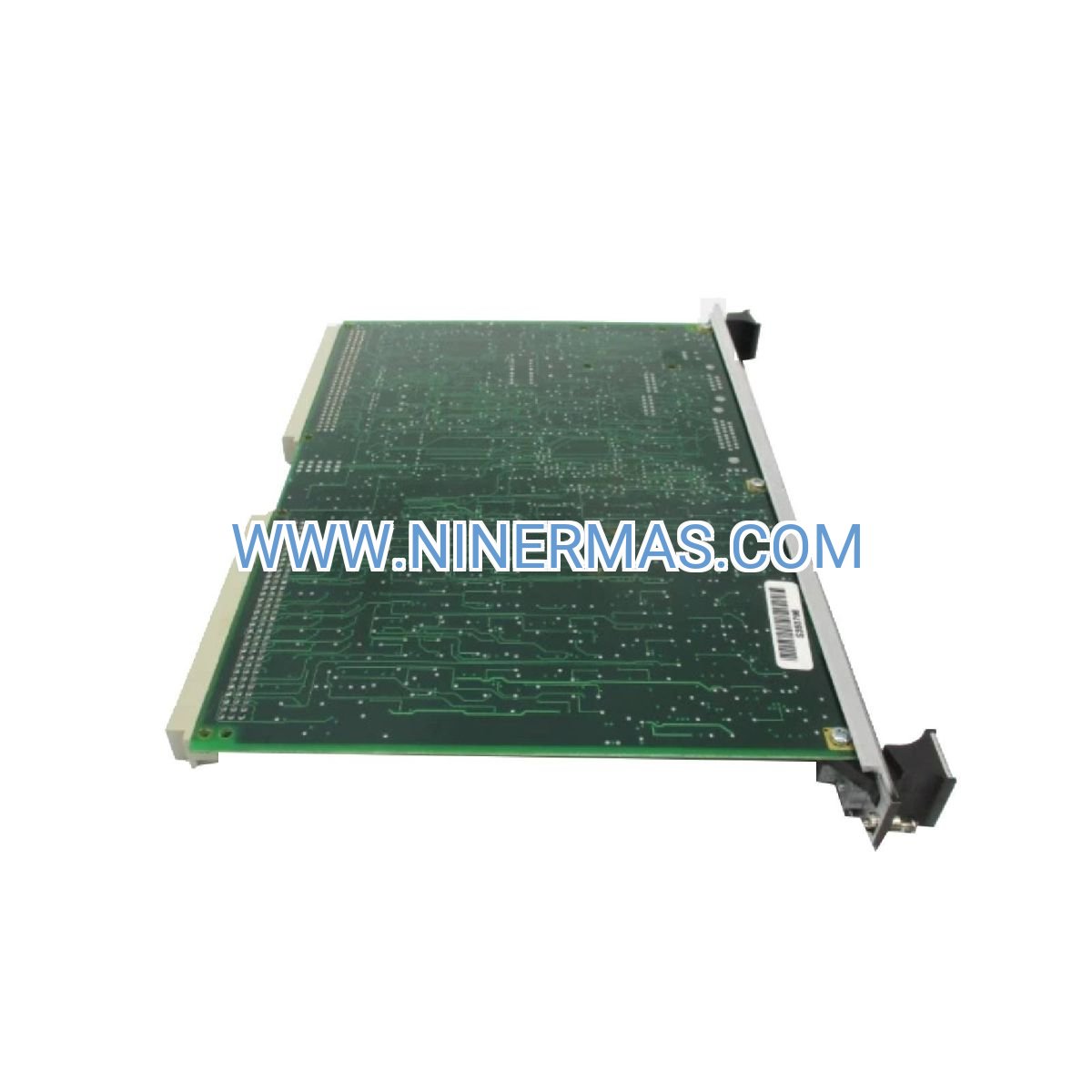
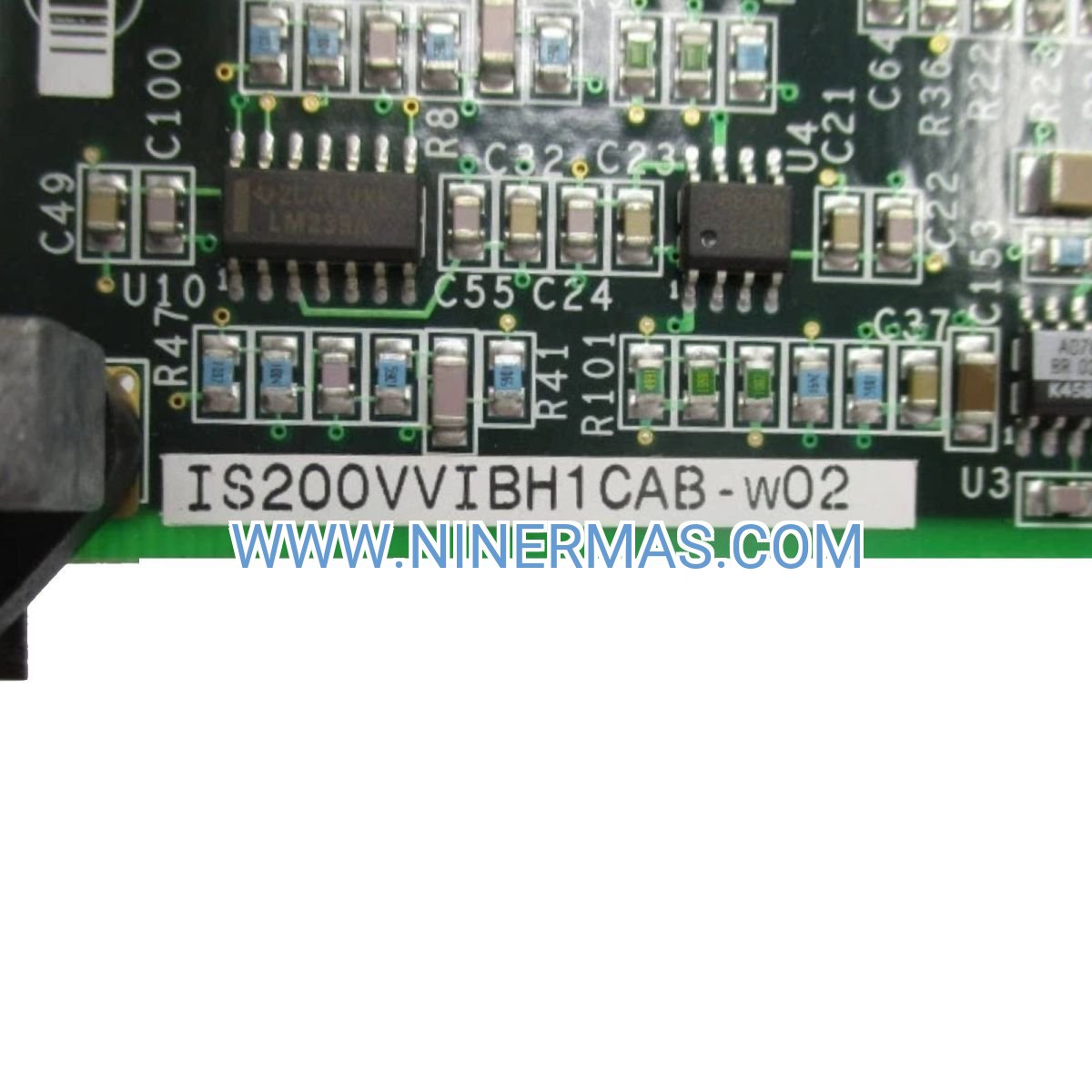
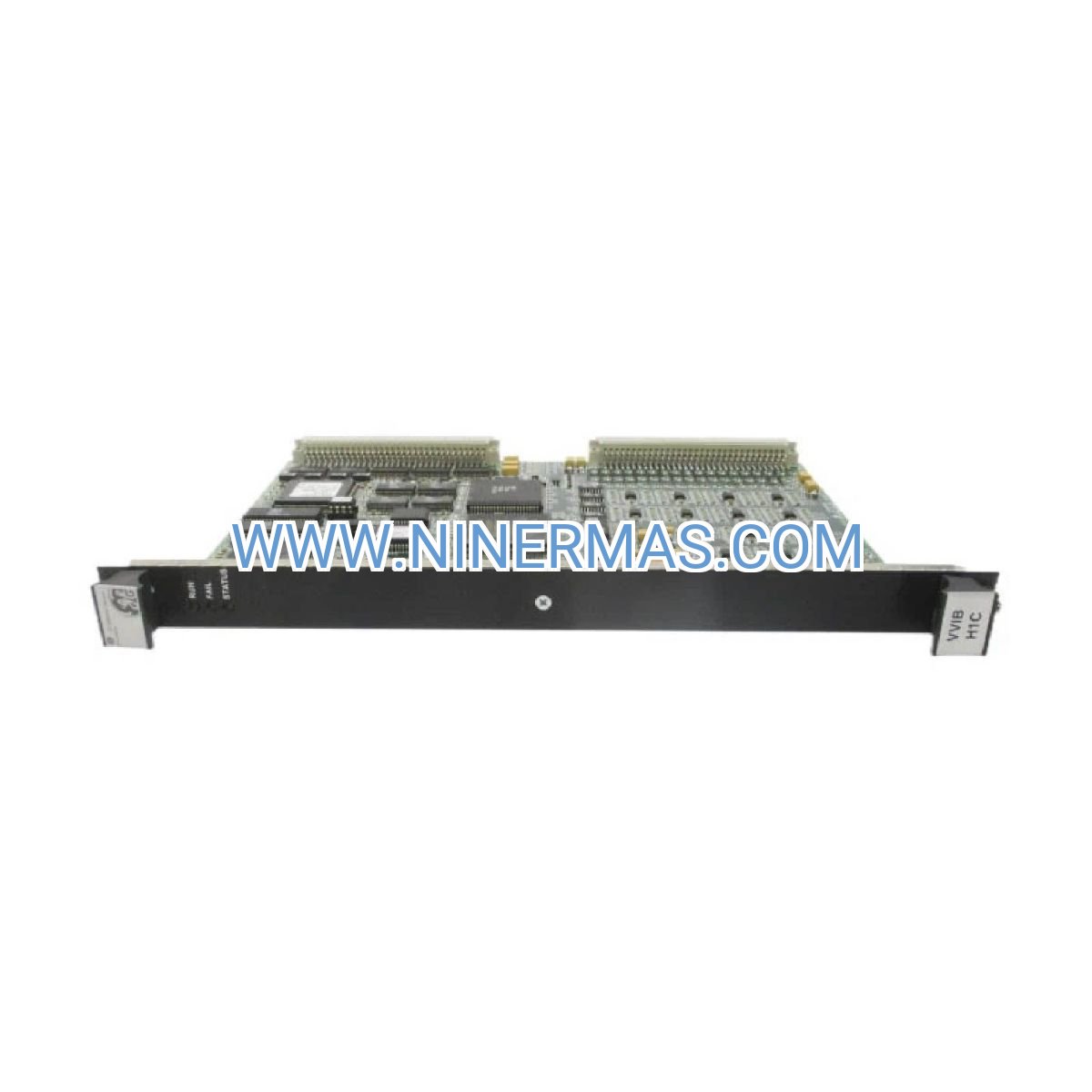
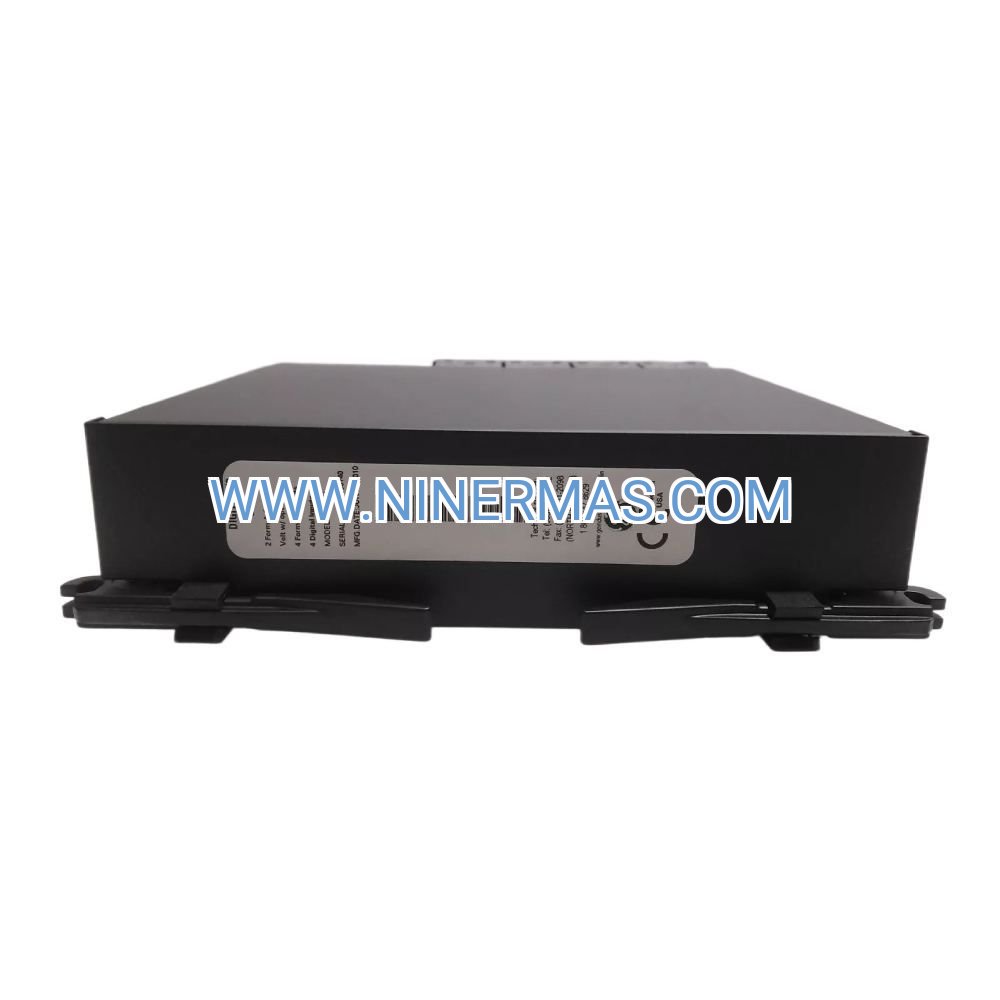
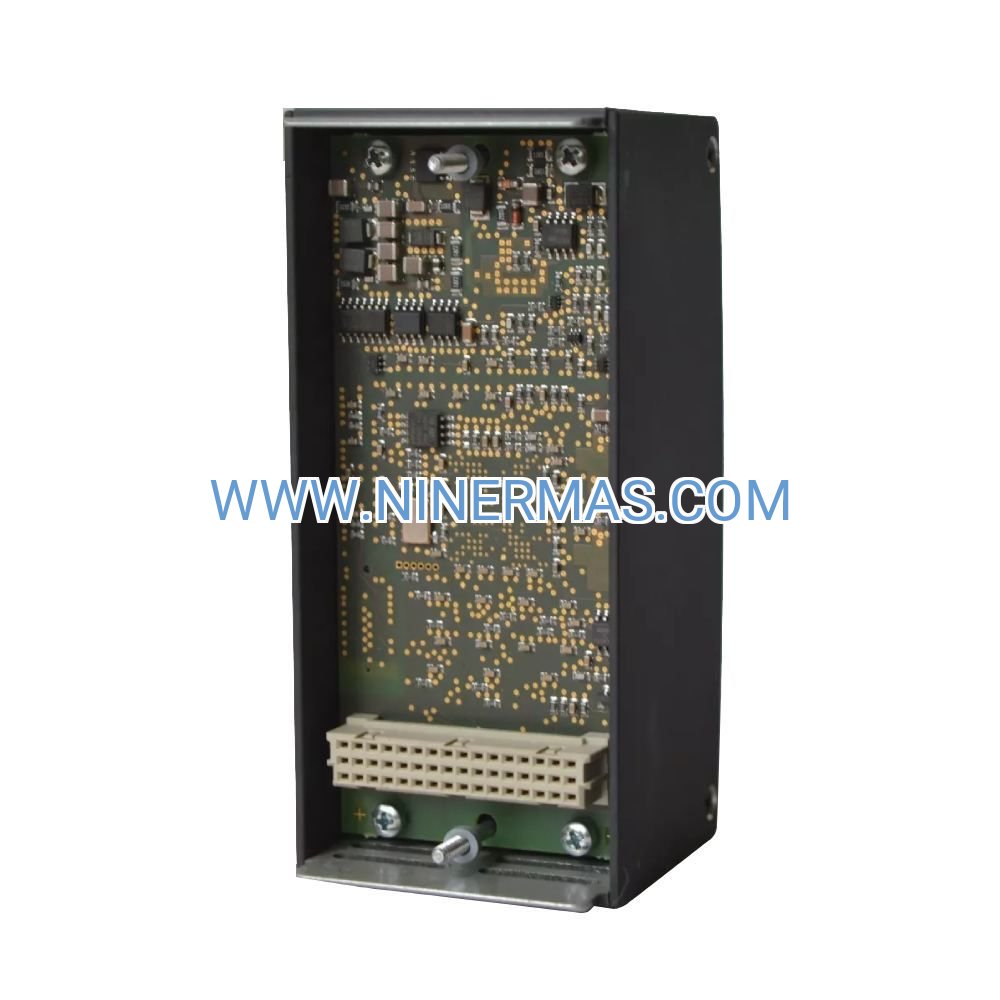
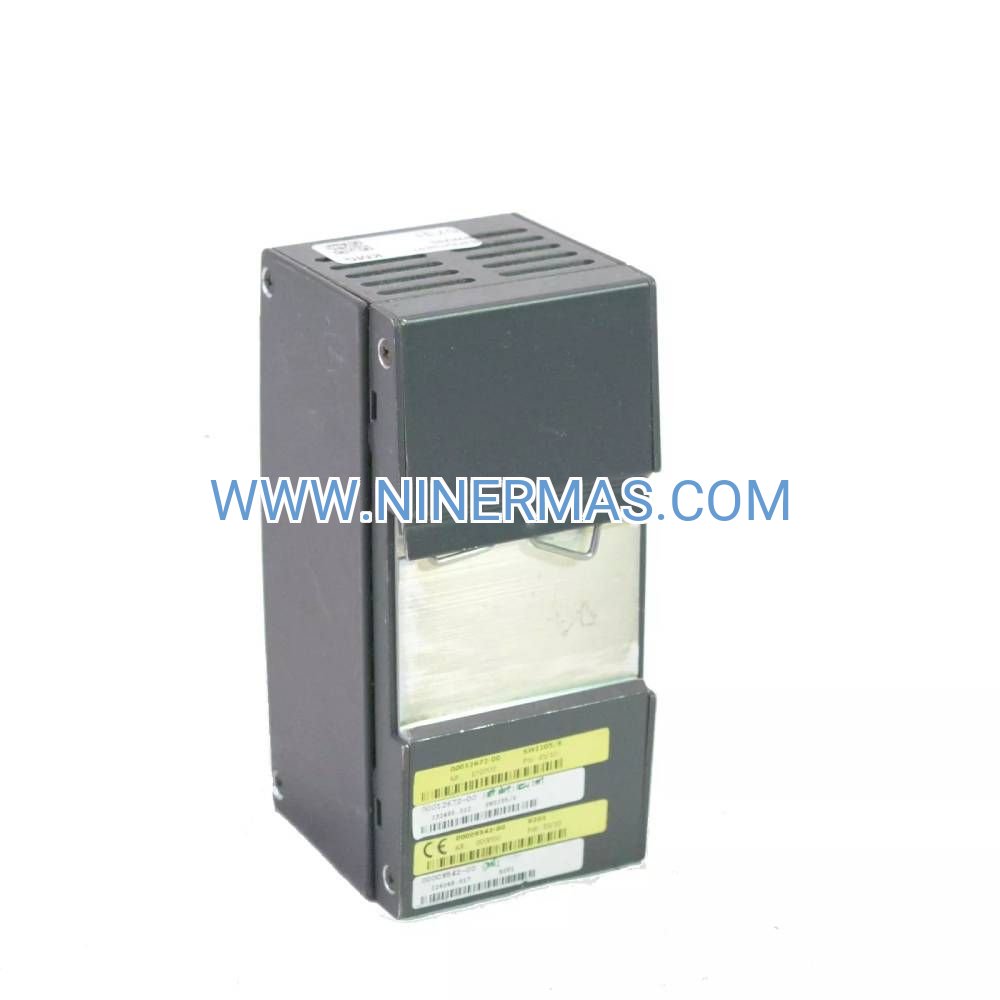
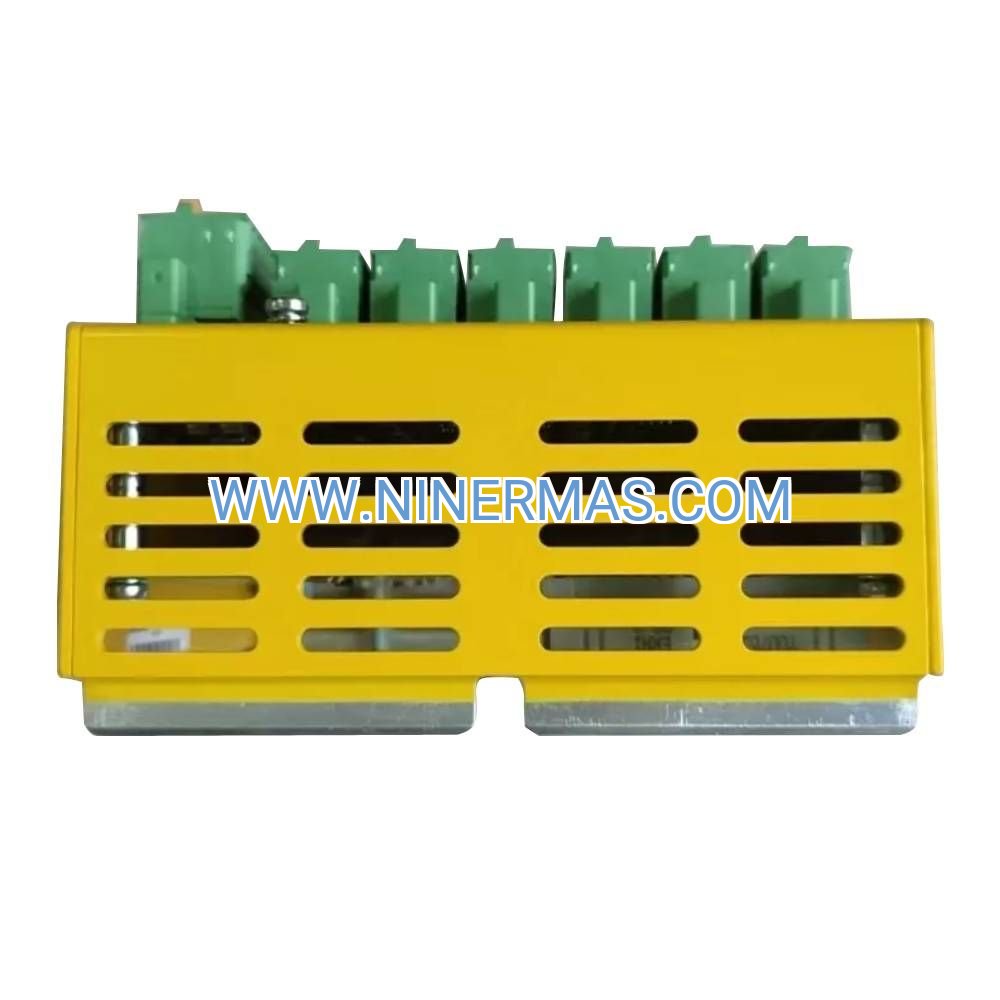
The GE IS200VVIBH1CAB VMEbus Interconnect Board is an industrial-grade communication backplane designed for Mark VI Speedtronic turbine control systems. Through VME64-compliant bus architecture and deterministic data exchange protocols, it enables real-time coordination between distributed I/O modules, control processors, and protection logic within gas turbine, steam turbine, and combined-cycle power generation facilities.
Suitable for power plants, petrochemical facilities, industrial cogeneration systems, and offshore platforms where turbine control reliability directly impacts operational safety and grid stability. This interconnect board addresses challenges such as processor-to-I/O communication bottlenecks, VME bus arbitration conflicts, backplane signal integrity degradation, and system expansion limitations in aging Mark VI installations.
Leveraging standardized VME64 form factor and proven GE Speedtronic design heritage, the IS200VVIBH1CAB delivers low-latency inter-module communication (sub-millisecond response), multi-master bus arbitration support, hot-swap capability in redundant configurations, and comprehensive diagnostic LED indicators. Ideal for control system integrators, turbine OEMs, power plant maintenance teams, and automation engineers requiring certified replacement components or system capacity upgrades. Contact our application engineers for VME chassis configuration analysis and component compatibility verification.
Core Functions and Technical Advantages
High-Speed VME64 Bus Architecture
Implements IEEE 1014-1987 VMEbus standard with 32-bit data path and 40 MB/s maximum transfer rate, ensuring deterministic communication between up to 21 VME card slots. Supports both 24-bit and 32-bit address spaces for flexible memory mapping and I/O resource allocation across distributed control modules.
Multi-Master Arbitration and Priority Control
Enables multiple processor modules to share backplane resources through round-robin or priority-based bus arbitration. Prevents data collision and ensures fair access to shared memory, I/O registers, and communication interfaces—critical for TMR (Triple Modular Redundant) control architectures where synchronized voting logic requires simultaneous processor access.
Deterministic Low-Latency Communication
Maintains sub-millisecond response times for critical control loops including turbine speed regulation, valve positioning, and protection relay activation. Minimizes jitter and bus contention through optimized backplane trace routing and controlled impedance design, supporting scan rates up to 10 ms for time-critical turbine control applications.
Redundant System Support and Hot-Swap Capability
Facilitates simplex, dual-redundant, and TMR control configurations with automatic failover managed by Mark VI control processors. Supports hot-insertion and removal of VME modules in redundant systems without disrupting active control loops, reducing mean time to repair (MTTR) during component replacement or system upgrades.
Comprehensive Diagnostic and Status Monitoring
Integrates LED indicators for power rail status (+5V, ±12V), bus grant signals, arbitration activity, and fault conditions. Enables rapid troubleshooting of backplane power issues, bus conflicts, and module communication failures through visual inspection—complementing software-based diagnostics available via GE ToolboxST platform.
Industrial Environmental Hardening
Operates reliably across 0°C to +60°C ambient temperature range with 5% to 95% non-condensing humidity tolerance. Conformal coating and robust PCB construction resist vibration, electromagnetic interference (EMI), and electrical transients common in turbine control room environments. CE and UL certifications ensure compliance with international industrial equipment standards.
Typical Application Scenarios
This VMEbus interconnect board serves as the communication foundation for mission-critical turbine control systems across diverse power generation and industrial process applications:
Gas Turbine Control and Protection Systems
Provides backplane connectivity for Frame 5, Frame 6, Frame 7, and LM-series gas turbines in combined-cycle power plants, peaking facilities, and mechanical drive applications. Coordinates data flow between analog input modules monitoring combustion temperatures and compressor pressures, discrete I/O boards controlling fuel valves and ignition systems, and central processors executing speed control and load management algorithms.
Steam Turbine Monitoring and Automation
Enables integration of vibration monitoring modules, bearing temperature sensors, steam pressure transducers, and governor control interfaces within Mark VI steam turbine control cabinets. Supports coordinated valve sequencing, extraction pressure regulation, and overspeed protection logic for utility-scale steam turbines ranging from 50 MW to 500+ MW capacity.
Combined-Cycle Plant Coordination
Facilitates communication between gas turbine control, steam turbine control, and HRSG (Heat Recovery Steam Generator) monitoring systems in combined-cycle configurations. Allows real-time data exchange for load balancing, startup sequencing, and integrated plant optimization strategies that maximize thermal efficiency and grid response capability.
Excitation System Integration
Supports VME-based communication between turbine control processors and generator excitation control modules, enabling coordinated voltage regulation, power factor control, and grid synchronization. Critical for maintaining generator stability during load transients, fault ride-through events, and black-start operations in isolated grid scenarios.
Retrofit and Capacity Expansion Projects
Serves as replacement backplane for aging Mark VI systems experiencing VME bus failures, signal integrity issues, or insufficient slot capacity for additional I/O modules. Enables system upgrades to accommodate new monitoring requirements (emissions compliance, predictive maintenance sensors) or control enhancements (advanced combustion tuning, flexible fuel capability) without complete control system replacement.
Technical Parameters and Selection Guidance
To ensure optimal system integration and long-term reliability, review the following specifications and selection criteria:
| Parameter | Specification |
|---|---|
| Model Designation | IS200VVIBH1CAB |
| Bus Standard Compliance | IEEE 1014-1987 VMEbus, VME64 Compatible |
| Data Path Width | 32-bit Parallel Bus |
| Maximum Transfer Rate | 40 MB/s (Burst Mode) |
| Address Space Support | 24-bit / 32-bit Addressing Modes |
| Slot Capacity | Up to 21 VME Card Positions (6U Form Factor) |
| Arbitration Modes | Round-Robin, Priority-Based, Single-Level |
| Power Requirements | +5V DC ±5%, ±12V DC ±5% |
| Operating Temperature | 0°C to +60°C (32°F to 140°F) |
| Storage Temperature | -40°C to +85°C (-40°F to 185°F) |
| Humidity Tolerance | 5% to 95% RH Non-Condensing |
| EMC Compliance | CE Marked, UL Listed |
| Physical Dimensions | 233 mm × 160 mm (6U VME Card) |
| Weight | 0.45 kg (1.0 lb) |
| MTBF Rating | >100,000 Hours (Calculated per MIL-HDBK-217F) |
Selection Criteria and System Compatibility Considerations:
When specifying the IS200VVIBH1CAB for new installations or retrofit projects, evaluate the following factors: (1) VME chassis slot count requirements—determine total number of processor, I/O, and communication modules needed based on turbine control point count and redundancy architecture; (2) Backplane power budget—verify that chassis power supply can deliver sufficient +5V and ±12V current for all populated VME cards plus 20% margin; (3) Environmental conditions—ensure control room HVAC maintains ambient temperature within 0°C to +60°C specification, particularly in tropical or desert climates; (4) Existing system compatibility—confirm Mark VI control software version supports VME64 backplane features and that all installed modules comply with IEEE 1014-1987 electrical specifications.
For technical assistance with system configuration, VME address mapping, or component compatibility verification, provide our application engineers with: turbine model and frame size, current Mark VI software revision, existing VME module inventory (part numbers and quantities), control cabinet model number, and any planned system expansions or I/O additions. Engineering support includes backplane loading analysis, power budget calculations, and recommended spare parts inventory based on site-specific reliability requirements.
Advanced Integration Features
Processor Module Compatibility: The IS200VVIBH1CAB backplane supports all Mark VI processor variants including VCMI (VME Controller Module Interface), VMIC (VME Intelligent Controller), and application-specific control modules. Facilitates distributed processing architectures where combustion control, vibration monitoring, and protection logic execute on dedicated processors sharing common I/O resources via VME bus.
I/O Module Expansion: Accommodates full range of Mark VI I/O modules including analog input cards (4-20mA, RTD, thermocouple), discrete I/O boards (24V DC, 120V AC contact inputs/outputs), high-speed pulse counters, and specialty modules for servo valve control and flame detection. Supports mixed I/O configurations optimized for specific turbine control requirements.
Communication Interface Integration: Provides backplane connectivity for Modbus RTU/TCP gateways, Ethernet communication processors, and serial interface modules enabling SCADA integration, remote diagnostics, and plant-wide data historian connectivity. Supports both proprietary GE protocols and open standards (OPC, Modbus) for third-party system integration.
Redundancy and Fault Tolerance: In TMR configurations, three IS200VVIBH1CAB backplanes operate in parallel with synchronized data transfer and automatic fault masking. Control processors perform continuous cross-comparison of VME bus data, isolating faulty modules without process interruption. Supports online module replacement in redundant systems through coordinated bus arbitration and state transfer protocols.
Installation and Commissioning Best Practices
The IS200VVIBH1CAB mounts in standard Mark VI VME chassis using captive screws and alignment guides. Installation procedures include: (1) Pre-installation verification—inspect backplane for shipping damage, verify all connector pins are straight and undamaged, confirm chassis grounding integrity; (2) Mechanical installation—align backplane with chassis card guides, secure using specified torque (0.5-0.7 Nm), verify proper seating of all VME connectors; (3) Electrical verification—measure backplane power rail voltages (+5V ±5%, ±12V ±5%) before inserting modules, check for short circuits or ground faults using megohmmeter; (4) Module population—install VME cards in recommended slot sequence (processors first, then I/O modules), configure address jumpers per system documentation to prevent bus conflicts.
During commissioning, perform comprehensive functional testing: (1) Power-on diagnostics—verify all backplane LED indicators illuminate correctly, confirm absence of fault codes in processor event logs; (2) Bus arbitration testing—use GE ToolboxST software to monitor VME bus activity, verify proper grant/request signaling, check for arbitration timeouts or retry errors; (3) Data transfer validation—execute loopback tests between processor and I/O modules, measure bus utilization under peak load conditions, confirm deterministic response times for critical control loops; (4) Redundancy verification—in TMR systems, simulate single-module failures and verify automatic failover without control disruption.
Post-commissioning documentation should include: VME slot assignment map, address jumper configuration record, baseline bus utilization measurements, and initial diagnostic test results. Establish periodic maintenance schedule including visual inspection of backplane connectors (every 6 months), power rail voltage verification (annually), and bus signal integrity testing (every 2 years or after major system modifications).
Frequently Asked Questions (FAQ)
Q: How does the IS200VVIBH1CAB VMEbus interconnect board integrate with existing Mark VI control cabinets?
A: The board installs in standard Mark VI VME chassis (VCMI, VMIC, or standalone VME enclosures) using 6U form factor mounting. It replaces aging backplanes or provides additional slot capacity in system expansions. Verify chassis model compatibility and available power budget (+5V, ±12V rails) before installation. Our technical team can provide chassis-specific installation drawings and power consumption calculations.
Q: What is the maximum number of VME modules supported per IS200VVIBH1CAB backplane?
A: The backplane supports up to 21 VME card slots in full-size chassis configurations. Practical system designs typically utilize 12-16 slots to maintain signal integrity, thermal management, and adequate power supply margin. High-density installations (>16 modules) require careful analysis of bus loading, power distribution, and cooling airflow to ensure reliable operation.
Q: Can this VMEbus board operate in Triple Modular Redundant (TMR) turbine control systems?
A: Yes, the IS200VVIBH1CAB fully supports TMR architectures where three independent control channels operate in parallel with 2-out-of-3 voting logic. Each redundant channel uses a dedicated backplane with synchronized VME bus transactions. Mark VI control processors manage cross-channel data comparison and automatic fault isolation without requiring special backplane configuration.
Q: What diagnostic capabilities are available for troubleshooting VME bus communication issues?
A: The backplane features LED indicators for power rail status, bus grant activity, and fault conditions enabling rapid visual diagnostics. Advanced troubleshooting uses GE ToolboxST software to monitor bus utilization, detect arbitration conflicts, log communication errors, and analyze transaction timing. Oscilloscope measurements of VME bus signals (data lines, address lines, control signals) can identify signal integrity problems in complex installations.
Q: Is the IS200VVIBH1CAB compatible with legacy Mark V turbine control systems?
A: No, this VMEbus backplane is specifically engineered for Mark VI Speedtronic architecture. Mark V systems use different backplane standards (Multibus, proprietary GE designs) with incompatible electrical and mechanical specifications. For Mark V system support or Mark V-to-Mark VI migration projects, consult our application engineers for compatible component recommendations and upgrade path analysis.
Q: Does the backplane require firmware updates or software configuration?
A: The IS200VVIBH1CAB is a passive backplane interconnect with no onboard firmware or programmable logic. Configuration is performed through hardware jumpers (VME address settings, bus arbitration mode) and does not require software tools. However, connected processor modules and intelligent I/O cards may require periodic firmware updates via GE ToolboxST platform to maintain cybersecurity compliance and feature enhancements.
Q: What environmental conditions can the IS200VVIBH1CAB withstand in industrial turbine control rooms?
A: The backplane operates reliably in controlled environments with 0°C to +60°C ambient temperature and 5% to 95% non-condensing humidity. It is not rated for outdoor installation, direct weather exposure, or extreme temperature environments. For installations in harsh climates (desert, tropical, offshore), ensure control cabinets have adequate HVAC systems, air filtration, and environmental sealing to maintain internal conditions within specification.
Delivery, Service, and Quality Assurance
Inventory and Lead Times: Standard IS200VVIBH1CAB units ship from stock within 2-3 business days for single-unit orders. Bulk quantities (5+ units) or custom-tested configurations require 5-7 business days for quality verification and documentation preparation. Expedited shipping options (overnight, international express) available for emergency turbine outage situations.
Warranty Coverage: All IS200VVIBH1CAB backplanes include comprehensive 12-month warranty covering manufacturing defects, component failures, and workmanship issues. Warranty includes free replacement or repair, return shipping costs, and technical support for installation troubleshooting. Extended warranty programs (24-month, 36-month) available for critical spares inventory and long-term service agreements.
Technical Support Services: Our application engineering team provides pre-sales consultation for system design, component selection, and compatibility verification. Post-sales support includes installation guidance, commissioning assistance, VME bus troubleshooting, and integration with third-party control systems. Remote diagnostic support available via phone, email, and video conferencing for time-sensitive turbine control issues.
Quality Assurance Process: Every IS200VVIBH1CAB undergoes multi-stage inspection including: visual examination for physical damage and connector integrity, electrical continuity testing of all VME bus signals, power rail isolation verification, and functional testing with representative VME modules. Units include Certificate of Conformance documenting serial number, test results, and traceability to GE manufacturing standards.
Documentation Package: Shipments include complete technical documentation: VME backplane schematic diagram, connector pinout reference, installation instructions with torque specifications, recommended maintenance procedures, and compatibility matrix for Mark VI processor and I/O modules. Custom documentation (system integration drawings, site-specific configuration guides) available upon request for large projects.
Request Selection Assistance and Quotation
To obtain detailed system configuration recommendations, pricing, or technical support for your Mark VI turbine control project, please provide the following information to our engineering team:
- Project Overview: Turbine application (gas, steam, combined-cycle), power output rating, OEM manufacturer and model
- Control System Details: Current Mark VI software revision, existing VME chassis model, installed processor and I/O module inventory
- System Requirements: Total VME slot count needed, redundancy architecture (simplex, dual, TMR), planned I/O expansion
- Environmental Conditions: Control room temperature range, humidity levels, altitude, coastal/industrial atmosphere exposure
- Project Timeline: Required delivery date, commissioning schedule, outage window constraints
- Quantity and Spares: Number of backplanes for initial installation, recommended spare parts inventory level
Our application engineers will respond within 24 hours with customized recommendations including: VME backplane configuration analysis, power budget calculations, compatible component list, pricing quotation, and delivery timeline. For urgent turbine outage situations, emergency support available 24/7 via dedicated hotline.
© 2026 NINERMAS COMPANY LIMITED. All rights reserved.
Original Source: https://ninermas.com
Contact: sale@ninermas.com | +0086 187 5021 5667

Contact Info
-
Address:22 / F, South Wo Hang building, 148 Wing Lok Street, Sheung Wan, Western District, Hong Kong
-
Phone:+8618750215667
-
Email: