


Description
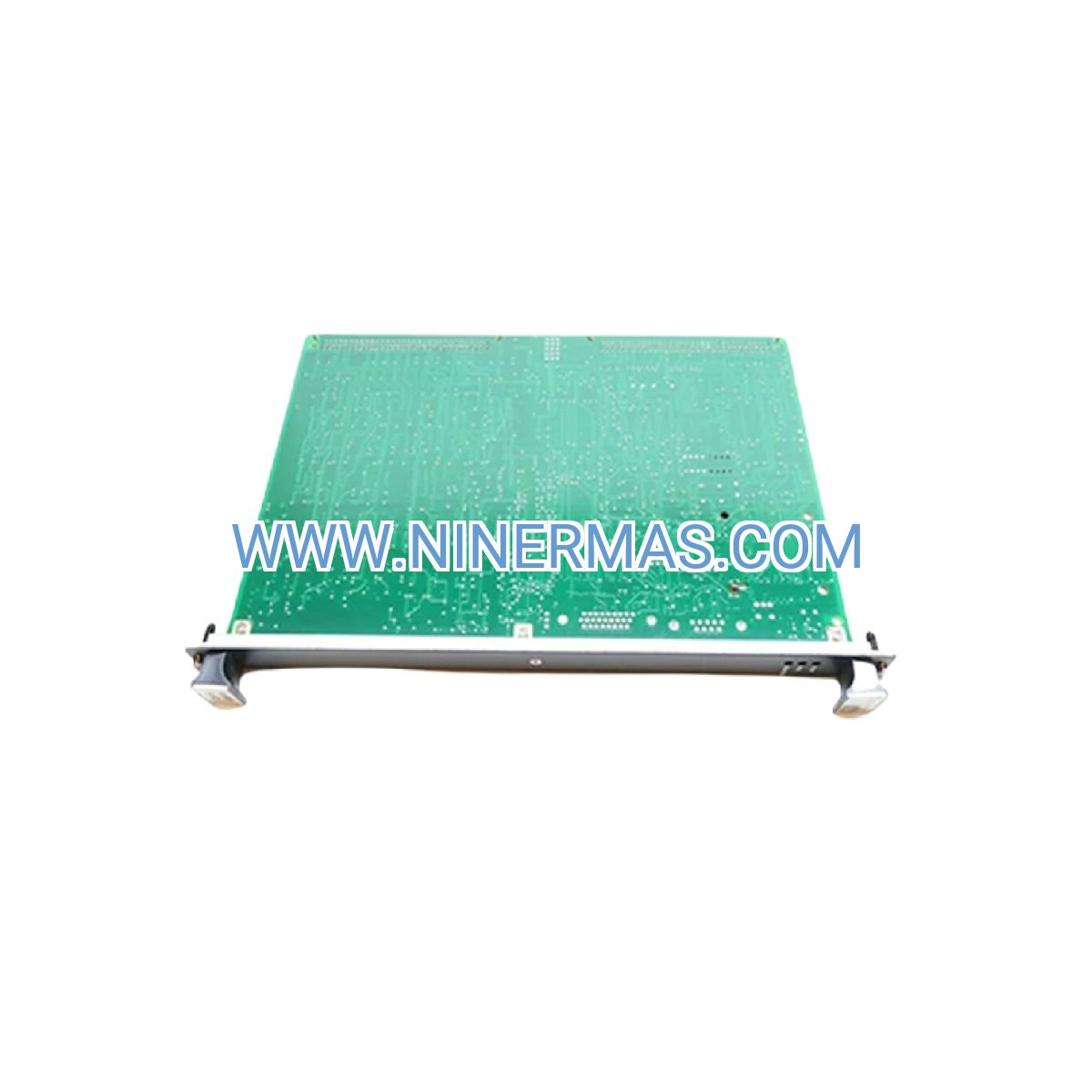
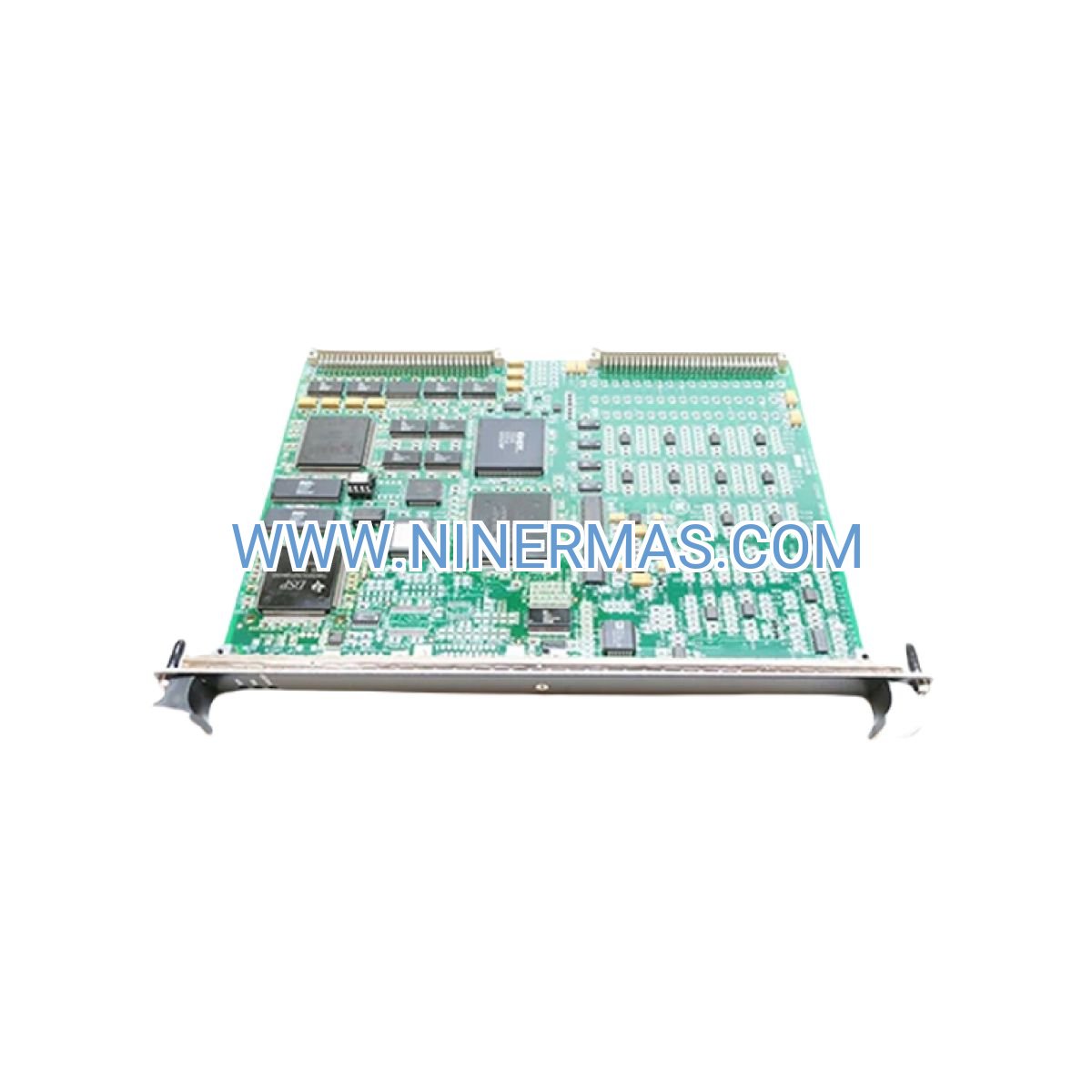
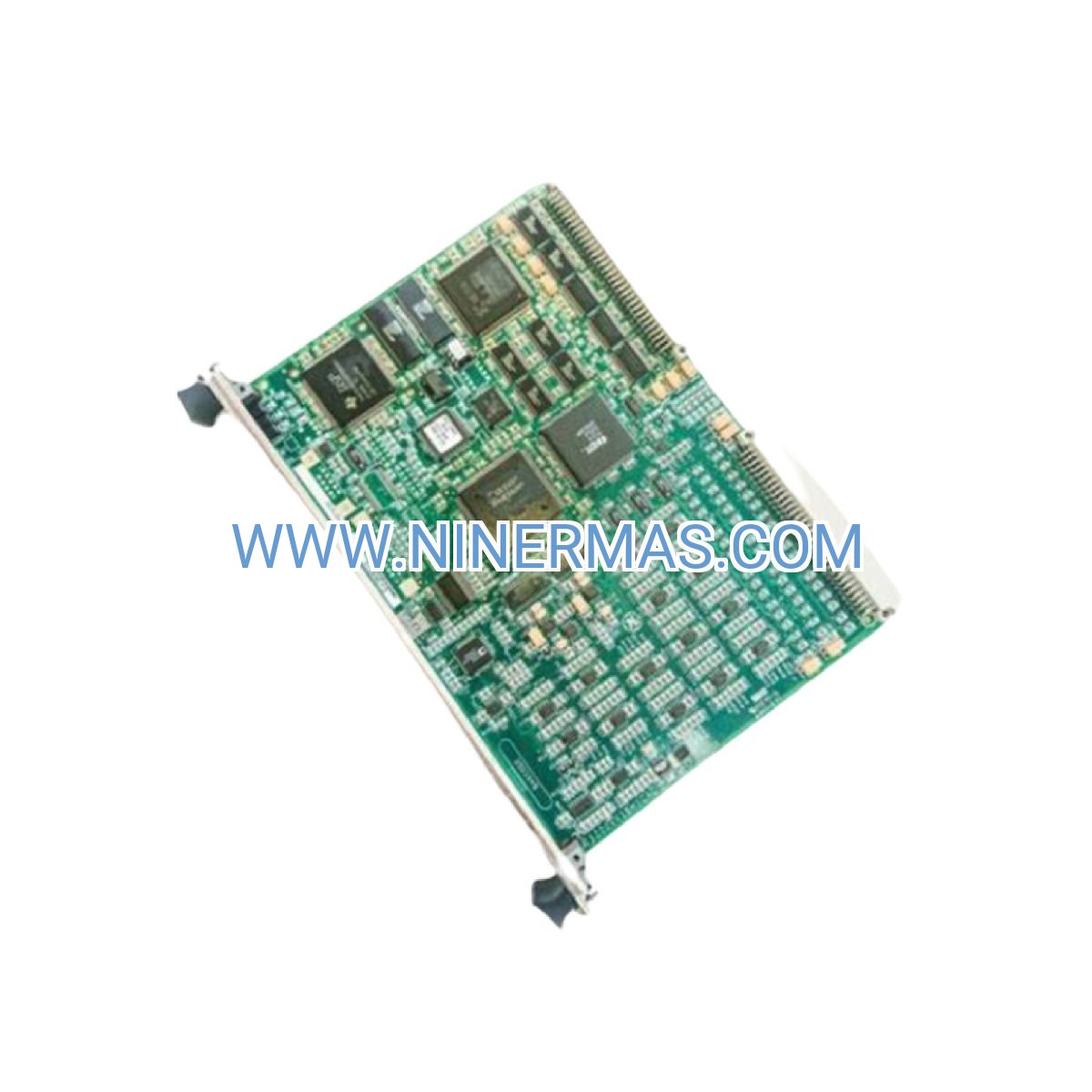
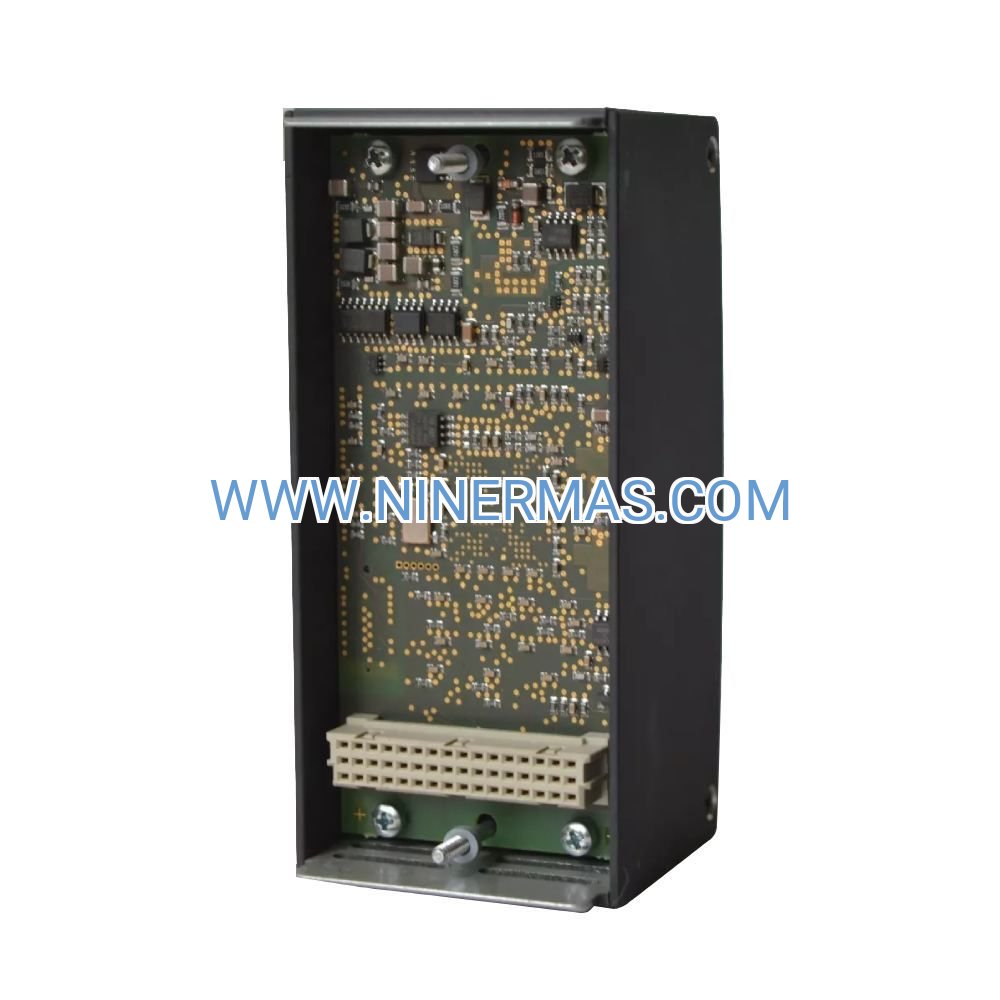
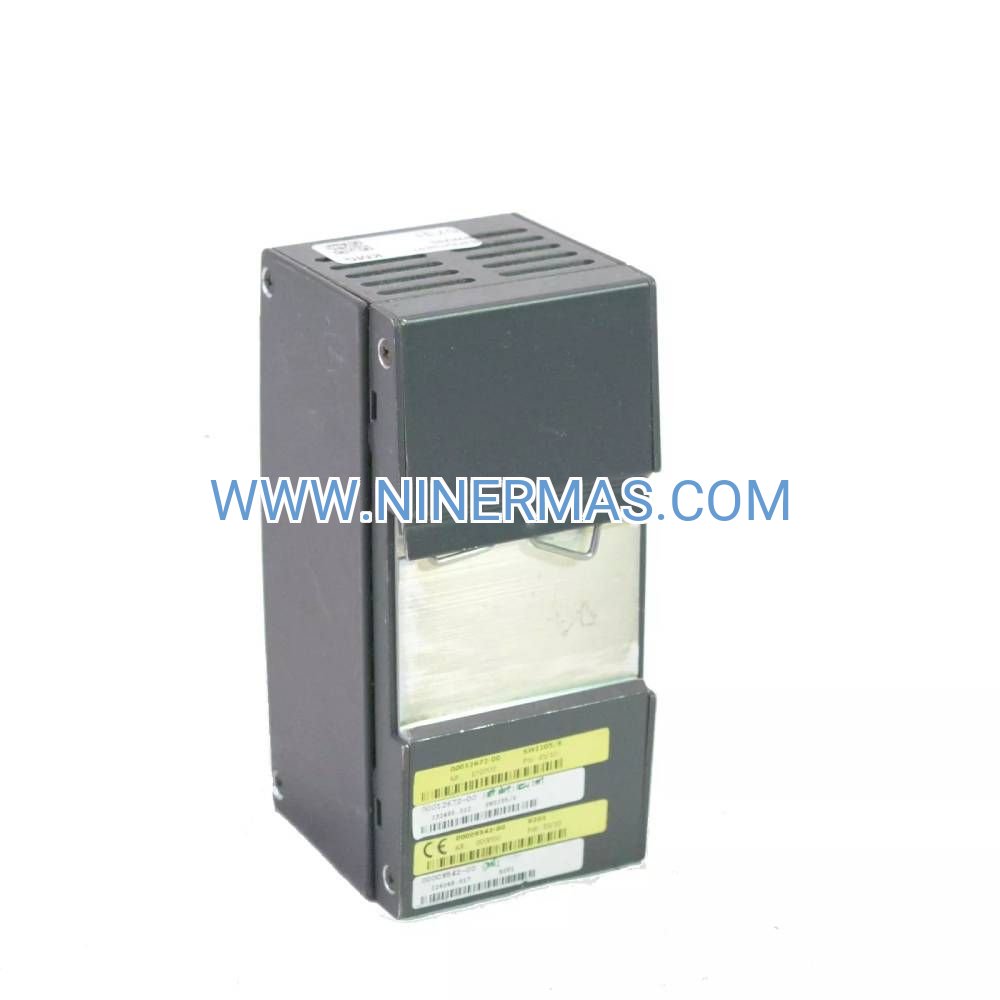
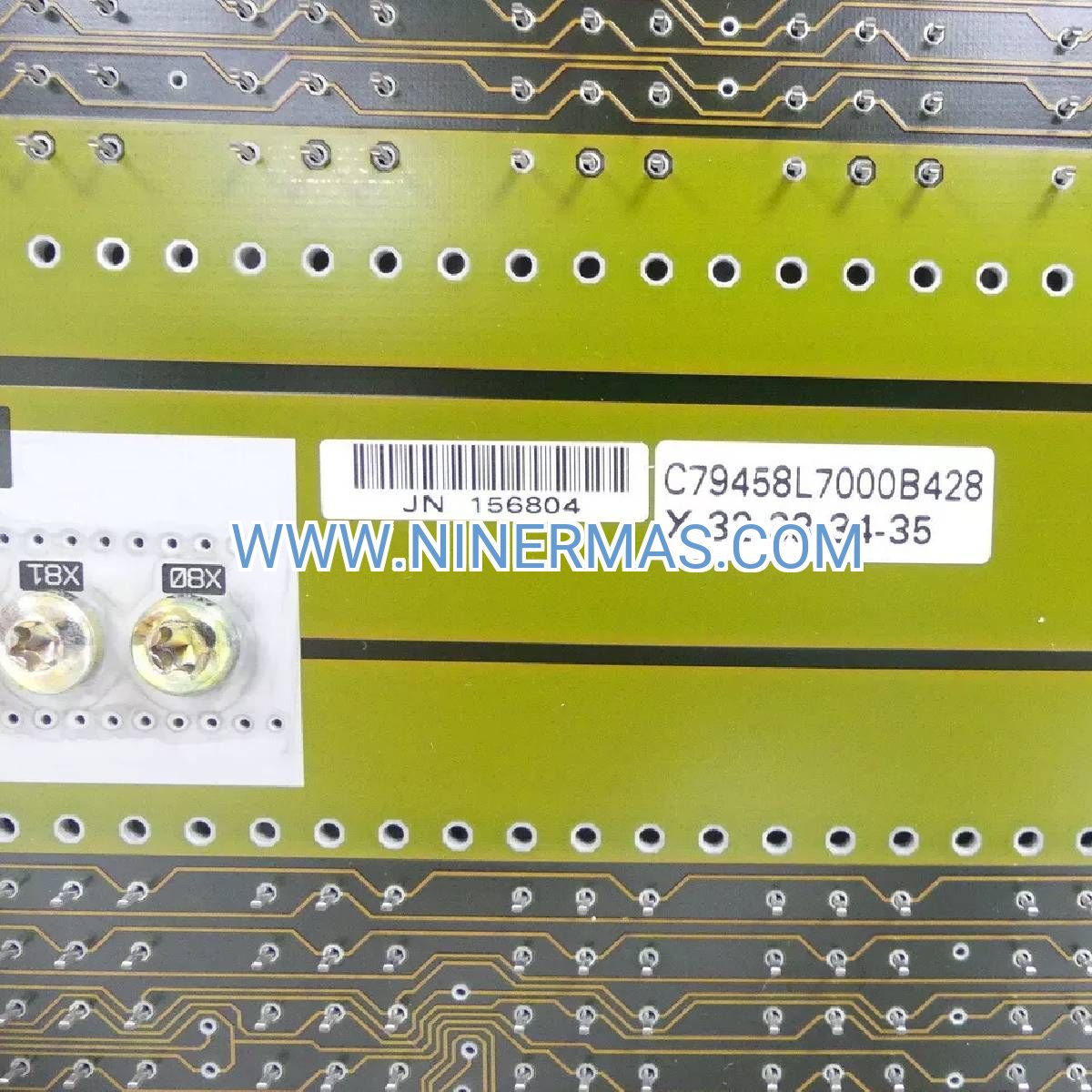
IS200ACLEH1BCB Application Control Layer Module (Industrial-Grade Turbine Processing)
Engineered for mission-critical turbine automation, the IS200ACLEH1BCB Application Control Layer (ACL) Module serves as the computational core within GE's Mark VI Speedtronic control platform. This industrial-grade processor executes real-time control algorithms, protective sequencing, and diagnostic routines for gas turbine generators, steam turbines, and combined-cycle power systems deployed across utility-scale generation facilities, industrial cogeneration plants, and mechanical drive applications worldwide.
Manufactured under Emerson Automation Solutions' quality standards, this VME-based control module delivers deterministic processing performance with dual-redundant architecture, ensuring continuous operation in harsh industrial environments where downtime translates directly to revenue loss and grid stability risks.
Ideal for power generation engineers, turbine OEMs, and plant maintenance teams requiring proven control technology with global support infrastructure and long-term parts availability.
Core Features & Business Value
✓ Deterministic Real-Time Processing – 10ms scan cycle execution ensures precise fuel metering, temperature control, and speed regulation critical for emissions compliance and thermal efficiency optimization
✓ Fault-Tolerant Dual Architecture – Redundant PowerPC processors with automatic failover eliminate single points of failure, enabling online maintenance without turbine shutdown
✓ Flexible Control Programming – Supports IEC 61131-3 languages (ladder logic, function blocks, structured text) via ToolboxST platform for custom application development and legacy code migration
✓ Comprehensive I/O Integration – VME backplane connectivity interfaces with analog, digital, servo, and specialty modules for complete sensor-to-actuator control loops
✓ Predictive Diagnostics Suite – Built-in health monitoring, watchdog timers, and self-test routines reduce unplanned outages through early fault detection and condition-based maintenance scheduling
✓ Scalable Redundancy Options – Deploy in simplex, dual, or triple modular redundant (TMR) configurations to match site-specific reliability requirements and risk tolerance
Application Scenarios
1. Utility Baseload Generation
Frame 7FA and 9E class gas turbines in combined-cycle plants require millisecond-level control response for load following and frequency regulation. The IS200ACLEH1BCB executes coordinated fuel/air ratio control, combustion dynamics monitoring, and emissions optimization algorithms that maintain NOx compliance while maximizing heat rate efficiency across varying load profiles.
2. Industrial Cogeneration Systems
Chemical plants and refineries operating turbine-driven generators face the dual challenge of electrical load matching and process steam production. This ACL module coordinates turbine speed control with extraction steam pressure regulation, enabling seamless transitions between island mode and grid-parallel operation while protecting against process upsets.
3. Mechanical Drive Compressor Trains
LNG liquefaction facilities and natural gas pipeline compression stations deploy turbine-driven centrifugal compressors requiring anti-surge protection and performance curve optimization. The module's high-speed I/O processing enables real-time surge detection and IGV positioning control that prevents equipment damage while maximizing throughput.
4. Peaking Power Plants
Rapid-start aeroderivative turbines in peaking service demand fast control response during startup sequences and load ramp events. The IS200ACLEH1BCB's deterministic execution ensures safe acceleration through critical speed ranges and precise synchronization timing for grid connection within contractual response windows.
5. Offshore Platform Power Generation
Marine and offshore installations require compact, vibration-resistant control solutions capable of operating in corrosive salt-air environments. The module's conformal coating and ruggedized VME construction withstand shipboard shock/vibration while maintaining control integrity for platform electrical distribution and emergency backup systems.
Technical Parameters & Selection Guide
| Specification | Value | Engineering Notes |
|---|---|---|
| Catalog Number | IS200ACLEH1BCB | BCB revision with enhanced EMI shielding |
| Control Platform | Mark VI Speedtronic | Not compatible with Mark VIe (IS420 series) |
| Processor Type | Dual PowerPC | Redundant execution with voting logic |
| Program Memory | 64 MB RAM / 32 MB Flash | Sufficient for 50K+ logic elements |
| Scan Cycle | 10 ms (configurable) | Adjustable 5-100ms based on application |
| Input Voltage | 24 VDC (18-32 VDC) | Requires regulated DC from VPWR module |
| Power Draw | 15W maximum | Typical 12W during normal operation |
| Ambient Range | -30°C to +65°C | Derate above 55°C per GEH-6421 |
| Humidity | 5-95% RH non-condensing | Conformal coating protects circuitry |
| Communication | VME backplane + Ethernet | 10/100 Mbps for HMI/SCADA integration |
| Form Factor | VME 6U (233×20×160mm) | Standard Eurocard mechanical format |
| MTBF | >150,000 hours | Based on MIL-HDBK-217F calculation |
| Safety Rating | IEC 61508 SIL 2 | Suitable for protective functions |
Selection Criteria: Verify ToolboxST software compatibility (v5.0+ recommended), confirm VME rack slot availability, and assess redundancy requirements based on turbine criticality and site maintenance philosophy. For new installations, consider Mark VIe migration path if long-term platform standardization is a strategic objective.
System Architecture & Component Integration
The IS200ACLEH1BCB functions as the primary application processor within a distributed Mark VI control rack, coordinating with specialized I/O, communication, and power modules. Successful deployment requires integration with these complementary components:
Backplane Communication: The IS215VCMIH2CB Bus Master Controller arbitrates VME bus access and synchronizes inter-module data exchange, ensuring deterministic communication timing across the control rack.
Power Distribution: Regulated 24 VDC supply from the IS200VPWRH1AGB Power Distribution Board provides isolated power rails with overcurrent protection and diagnostic monitoring for all rack-mounted modules.
Analog Signal Processing: The IS210BAPAH1A Analog Processor Module delivers 16-bit resolution for thermocouple, RTD, and 4-20mA transmitter inputs critical for temperature, pressure, and flow control loops.
Field Wiring Interfaces: Sensor connections terminate on the IS200TBAIH1CDC Analog I/O Terminal Board, providing screw-terminal access with built-in signal conditioning and EMI filtering for industrial field devices.
Actuator Control: Fuel valve and inlet guide vane positioning commands route through the IS200TSVCH1A Servo Terminal Board, which converts digital control signals to proportional current outputs for hydraulic servo valves.
Extended Functions
Generator Excitation Integration: When controlling turbine-generator sets, the ACL module coordinates with excitation system components including the IS200EXAMG1A Exciter Attenuator Module, IS200ECTBG2ADE Exciter Contact Terminal Board, and IS200EPSDG1AAB Exciter Power Supply Board to provide comprehensive voltage regulation, reactive power control, and power system stabilizer functions.
SCADA/DCS Connectivity: Ethernet TCP/IP interface enables Modbus TCP, OPC DA/UA, and proprietary GE protocols for integration with plant-wide distributed control systems, historian databases, and remote operations centers.
Custom Algorithm Development: ToolboxST development environment supports user-defined function blocks for specialized control strategies including model predictive control, adaptive tuning, and machine learning inference at the edge.
Delivery & Service Assurance
Lead Time: Stock items ship within 1-3 business days via express courier (DHL/FedEx). Custom-configured modules with specific firmware versions require 2-4 weeks for factory programming and testing.
Warranty Coverage: 12-month comprehensive warranty covers manufacturing defects, component failures, and firmware issues. Extended warranty programs available for critical spares inventory.
Technical Support: Pre-sales application engineering consultation, installation guidance, commissioning assistance, and troubleshooting support provided by turbine control specialists with 25+ years of GE Speedtronic experience.
Documentation Package: Each module ships with certificate of conformity, factory test reports, installation manual (GEH-6421), and ToolboxST programming reference guides.
Frequently Asked Questions
How does the IS200ACLEH1BCB differ from earlier ACL module revisions?
The BCB suffix indicates a mid-generation hardware revision featuring increased memory capacity (64MB vs 32MB RAM), improved electromagnetic interference shielding, and enhanced thermal management compared to ACB predecessors. Firmware compatibility remains backward-compatible with ToolboxST 5.x and later versions, though newer diagnostic features require updated software.
Can I perform module replacement without shutting down the turbine?
In redundant dual or TMR configurations, individual ACL modules support hot-swap replacement during turbine operation without process interruption. The redundant processor maintains control while the replacement module synchronizes. Simplex configurations require controlled turbine shutdown and lockout/tagout procedures per site safety protocols.
What programming tools are required for application development?
GE's ToolboxST software suite (version 5.0 or later) provides the integrated development environment for ladder logic, function block diagrams, and structured text programming. The software requires Windows 10/11 and includes simulation tools for offline testing. Licensing is managed through Emerson's software portal with annual maintenance subscriptions.
Is this module suitable for Mark VIe control system upgrades?
No, the IS200ACLEH1BCB is exclusively compatible with Mark VI platforms. Mark VIe systems utilize a fundamentally different architecture based on IS420-series UCSB controller modules with EtherCAT I/O networks. Migration from Mark VI to Mark VIe requires complete control system replacement rather than module-level upgrades.
What is the expected operational lifespan and replacement strategy?
Under proper environmental conditions with regular maintenance, the IS200ACLEH1BCB typically operates reliably for 15-20 years. However, many operators implement proactive replacement at 10-12 year intervals to mitigate component aging risks, ensure parts availability, and leverage enhanced diagnostic capabilities in current hardware revisions. Obsolescence management programs help plan long-term spares strategies.
Does the module require battery replacement for memory retention?
Yes, an onboard lithium battery maintains SRAM contents during power interruptions and rack maintenance. Battery life typically exceeds 5 years under normal conditions, with low-battery warnings provided through system diagnostics 6-12 months before depletion. Replacement batteries are field-serviceable components available through standard parts channels.
Request Technical Consultation
Selecting the optimal control architecture for turbine applications requires careful consideration of redundancy requirements, I/O point counts, communication protocols, and long-term support strategies. Our application engineering team provides complimentary pre-sales consultation to help specify the right combination of ACL modules, I/O processors, and terminal boards for your specific installation.
Whether you're planning a greenfield power plant, upgrading legacy Mark V systems, or sourcing emergency replacement parts for unplanned outages, we deliver the technical expertise and global logistics capabilities to support your project timeline and budget constraints.
Contact our turbine control specialists today for personalized guidance on Mark VI system configuration, ToolboxST programming support, or critical spares inventory planning.
© 2026 NINERMAS COMPANY LIMITED. All rights reserved.
Original Source: https://ninermas.com
Contact: sale@ninermas.com | +0086 187 5021 5667

Contact Info
-
Address:22 / F, South Wo Hang building, 148 Wing Lok Street, Sheung Wan, Western District, Hong Kong
-
Phone:+8618750215667
-
Email:
