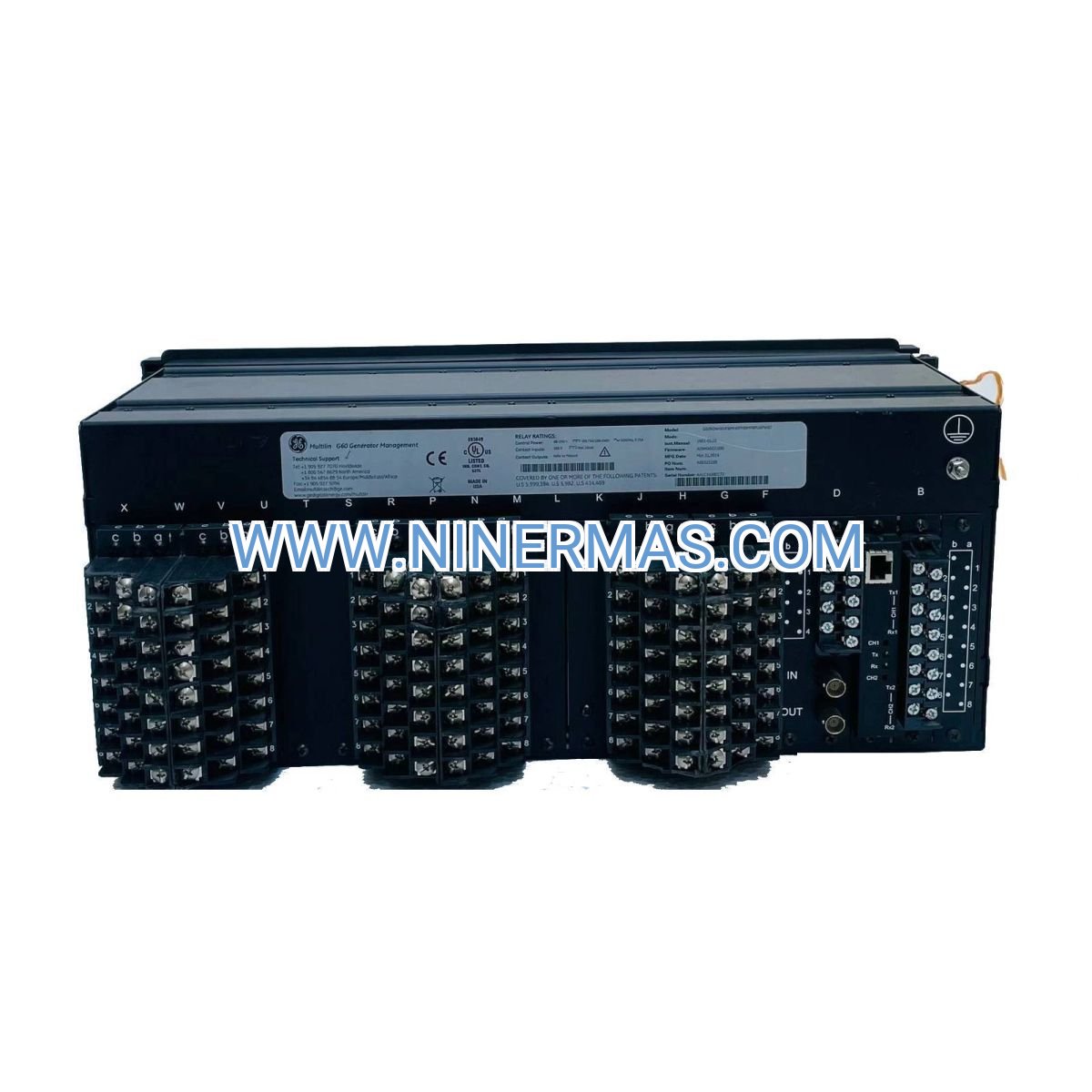
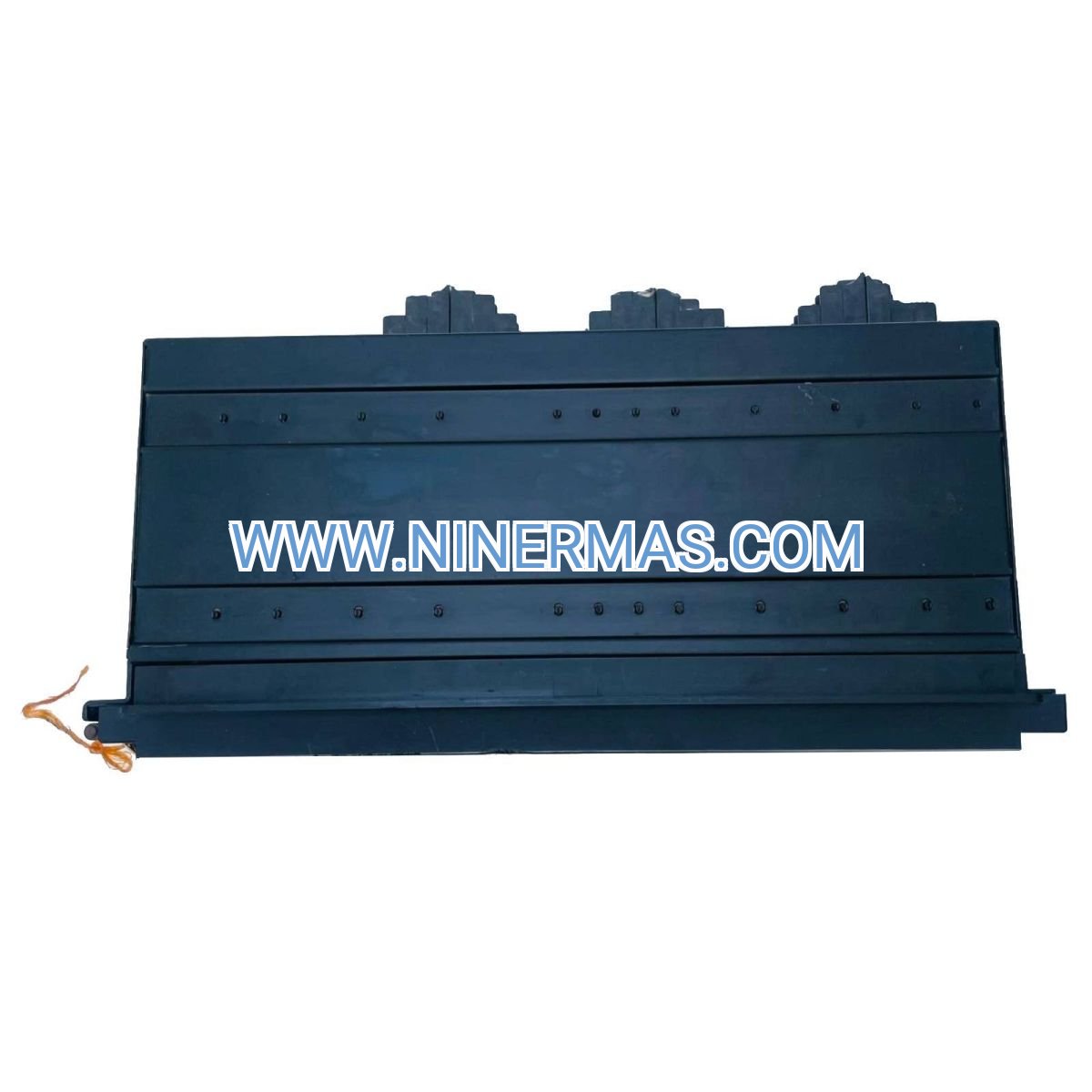
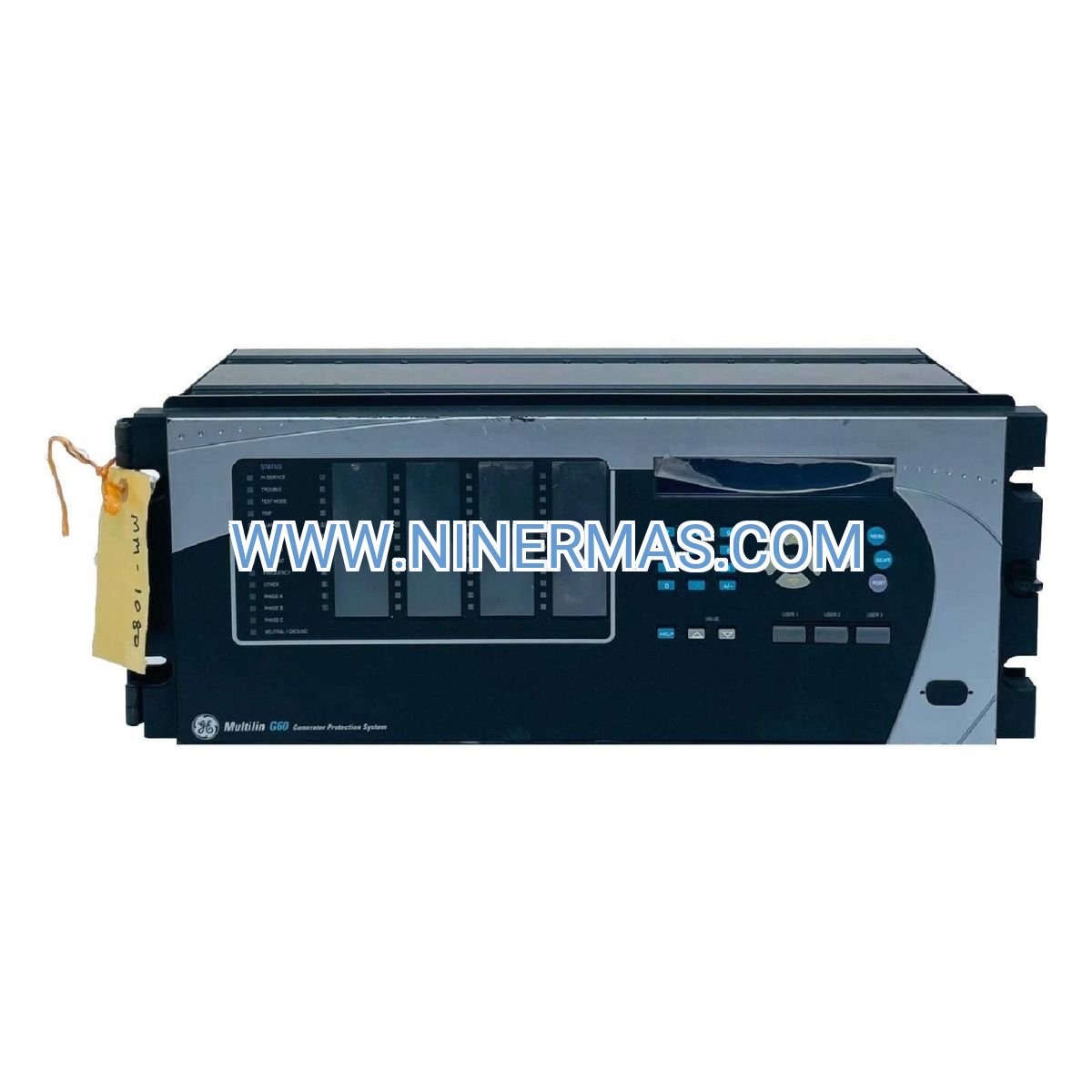
GE F110-GE-400 Turbofan Engine Control Module | Advanced ECU System | G6F00HFH6CM8FP6PU6CWXX
Description
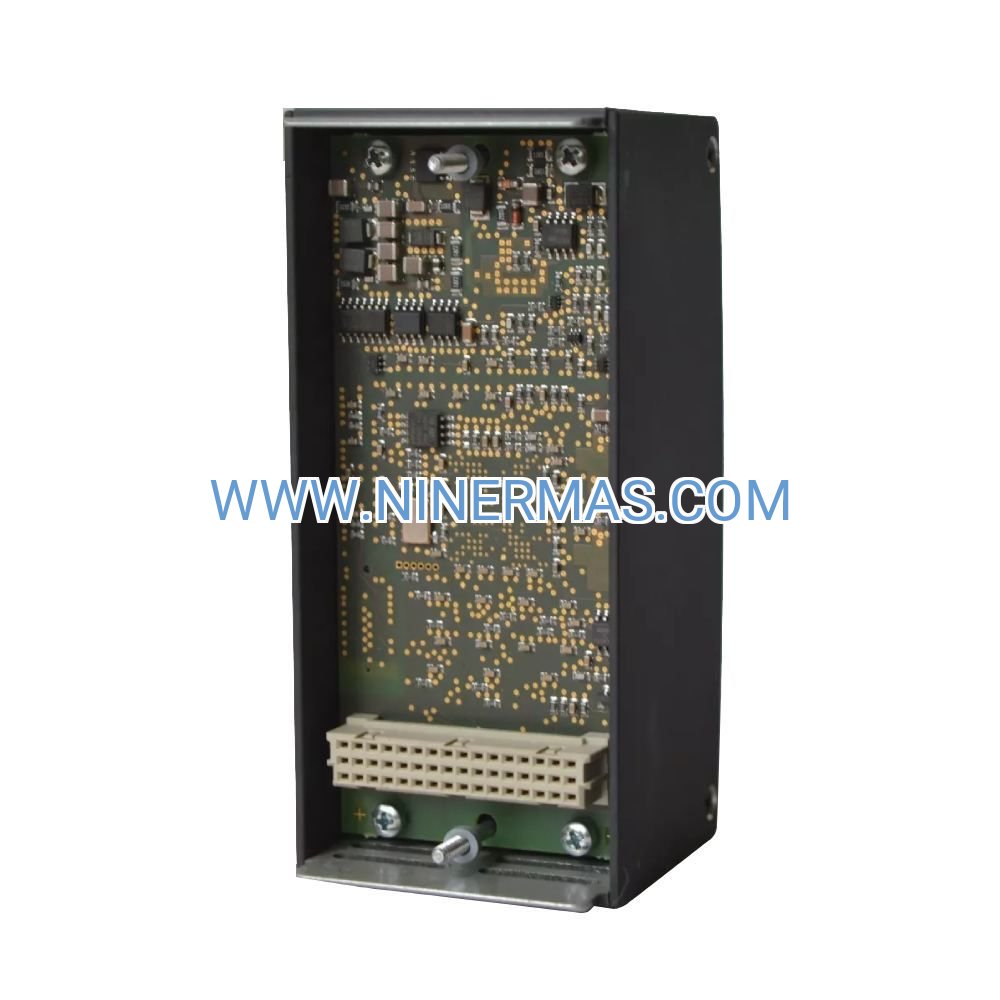
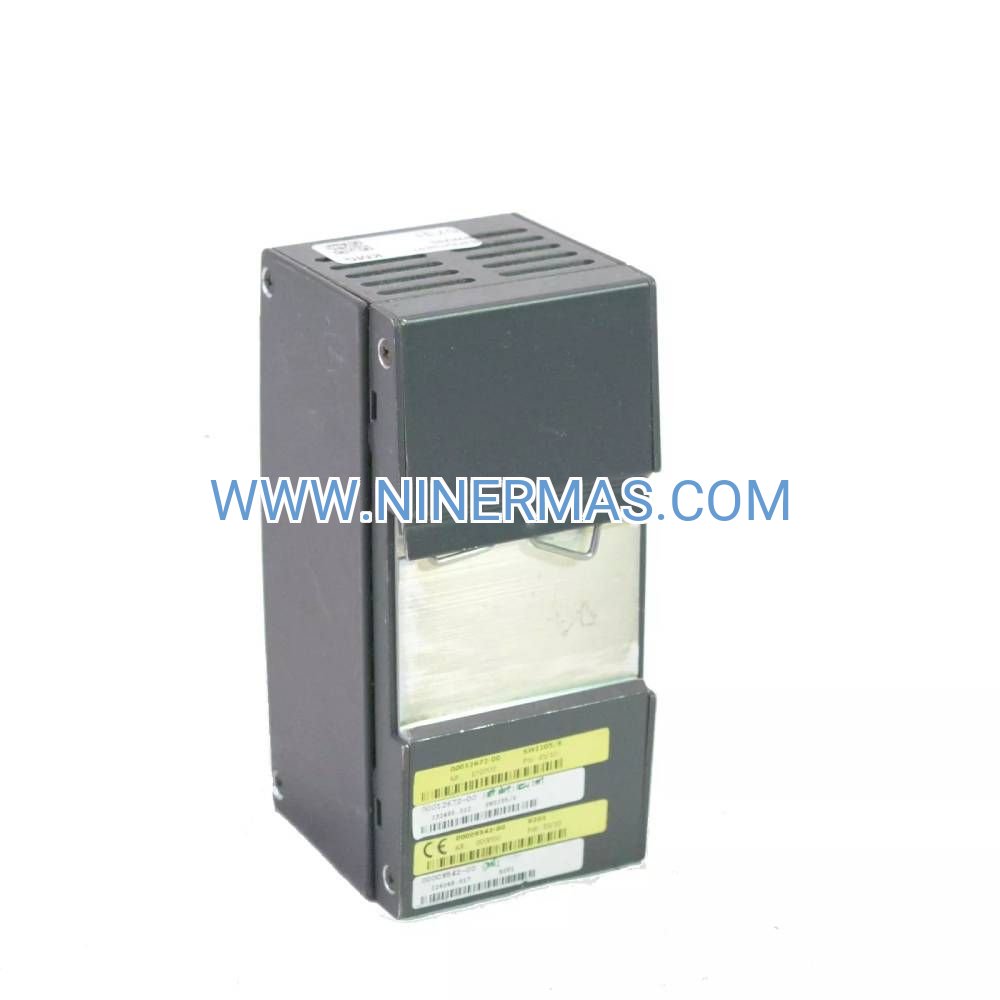
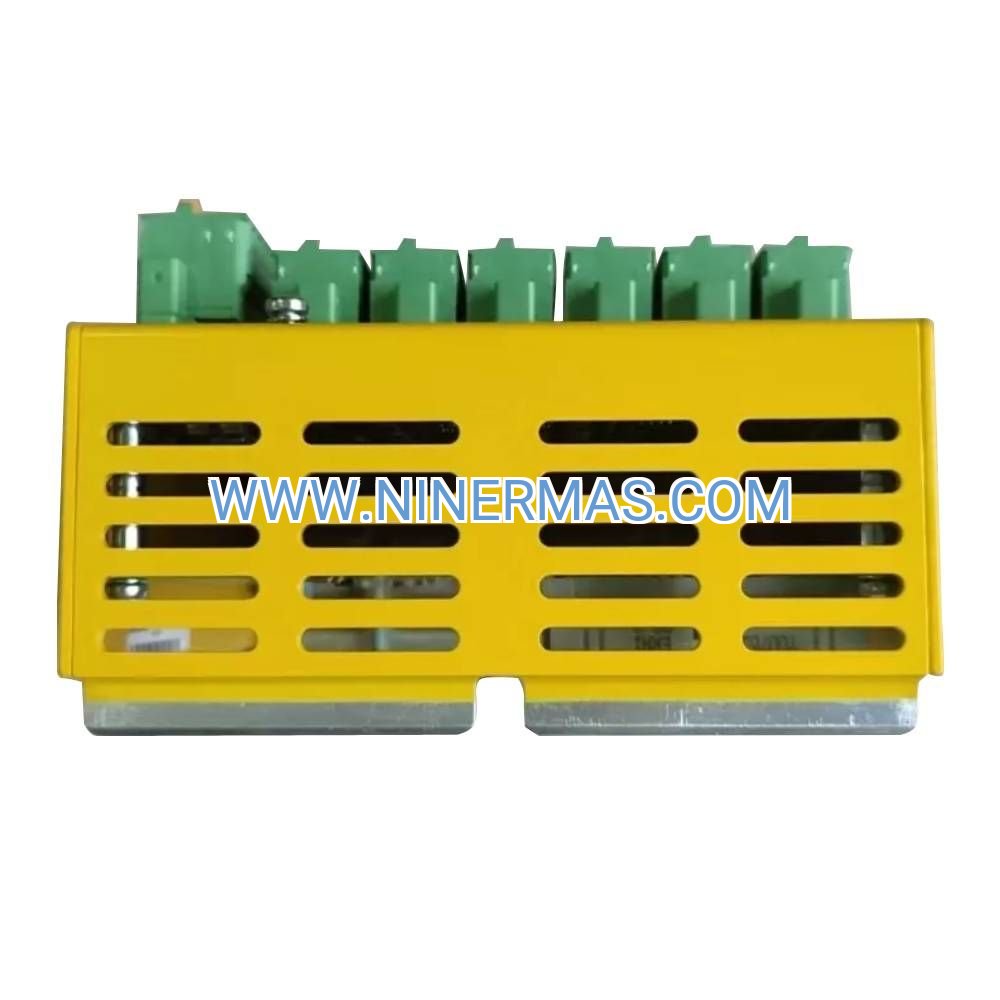
GE F110-GE-400 Turbofan Engine Control Module (Advanced Aviation ECU System)
The GE F110-GE-400 Engine Control Module (ECM) is an industrial-grade electronic control unit designed for turbofan engine management in military and commercial aviation applications. Through advanced digital signal processing, real-time sensor integration, and adaptive control algorithms, this module delivers precision fuel metering, thrust optimization, and comprehensive engine health monitoring across all flight regimes.
Engineered for high-performance fighter aircraft and demanding aerospace environments, this ECU addresses critical operational challenges including transient response optimization, thermal management under extreme conditions, vibration resistance, and fail-safe redundancy. It is specifically designed for F-16 Fighting Falcon variants, as well as integration into test cells, engine overhaul facilities, and aerospace research platforms.
Built to MIL-STD specifications with full traceability and OEM certification, the G6F00HFH6CM8FP6PU6CWXX module offers proven reliability, extended MTBF (Mean Time Between Failures), and comprehensive diagnostic capabilities. Ideal for defense contractors, MRO (Maintenance, Repair, and Overhaul) facilities, aerospace OEMs, and military logistics centers. Contact our aerospace engineering team for configuration validation, compatibility verification, and technical documentation packages.
Core Functions & Technical Advantages
- Full-Authority Digital Engine Control (FADEC)
Implements closed-loop control of fuel flow, variable stator vanes, and bleed air systems through multi-channel redundant architecture, ensuring optimal thrust-to-fuel efficiency across subsonic to supersonic flight envelopes while minimizing pilot workload. - Real-Time Engine Health Monitoring
Continuously tracks over 50 critical parameters including EGT (Exhaust Gas Temperature), N1/N2 rotor speeds, vibration signatures, and oil pressure, enabling predictive maintenance scheduling and reducing unplanned downtime by up to 40%. - Advanced Fault Detection & Isolation
Equipped with Built-In Test (BIT) routines and redundant sensor validation algorithms to detect anomalies within milliseconds, automatically triggering fail-safe modes and providing detailed fault codes for rapid troubleshooting. - Extreme Environment Durability
Qualified for operation from -55°C to +125°C ambient temperatures, withstands 20G shock loads and continuous vibration per MIL-STD-810, with conformal coating and hermetic sealing to resist moisture, salt fog, and fuel vapor exposure. - Seamless Integration & Interoperability
Features MIL-STD-1553B databus interface, ARINC 429 compatibility, and discrete I/O channels for integration with aircraft avionics, cockpit displays, and ground support equipment, supporting both legacy and modernized platforms. - Comprehensive Protection Suite
Incorporates over-temperature limiting, compressor stall prevention, flame-out detection, starter cutout logic, and emergency shutdown sequences to safeguard engine integrity and extend service life under abnormal operating conditions.
Typical Application Scenarios
This engine control module is engineered for mission-critical aerospace applications demanding the highest levels of reliability, performance consistency, and environmental resilience, including:
- Military Fighter Aircraft Operations
Primary ECU for F-16C/D Block 30/32/40/42/50/52 variants equipped with F110-GE-400 engines, managing combat maneuvers, afterburner sequencing, and rapid throttle transients while maintaining engine operability margins and preventing compressor surge. - Engine Test Cells & Acceptance Facilities
Utilized in ground test stands for post-overhaul validation, performance mapping, and quality assurance testing, interfacing with data acquisition systems to verify thrust output, fuel consumption, and transient response against OEM specifications. - MRO & Depot-Level Maintenance
Essential component for engine repair depots conducting module-level diagnostics, software updates, and calibration procedures, with support for JTAG programming interfaces and secure firmware loading protocols to maintain configuration control. - Aerospace Research & Development Programs
Deployed in experimental test beds, propulsion research laboratories, and university aerospace programs for algorithm development, control law validation, and advanced engine cycle studies, offering customizable parameter access for research purposes. - Foreign Military Sales & International Partnerships
Supplied to allied air forces and international defense contractors under FMS (Foreign Military Sales) programs, with export compliance documentation, technical training packages, and long-term logistics support agreements.
Technical Parameters & Selection Guide
To ensure optimal compatibility and performance, the following specifications define the operational envelope and integration requirements for the GE F110-GE-400 Engine Control Module:
| Parameter | Specification |
|---|---|
| Part Number | G6F00HFH6CM8FP6PU6CWXX |
| Engine Compatibility | F110-GE-400 Turbofan (29,000 lbf thrust class) |
| Control Architecture | Dual-channel FADEC with cross-channel monitoring |
| Operating Voltage | 28 VDC ±4V (MIL-STD-704 compliant) |
| Power Consumption | ≤ 45W typical, 60W peak during startup |
| Operating Temperature | -55°C to +125°C (ambient, non-condensing) |
| Storage Temperature | -62°C to +85°C with protective packaging |
| Vibration Resistance | MIL-STD-810G Method 514.6 (20G, 10-2000 Hz) |
| EMI/EMC Compliance | MIL-STD-461F (CE102, CS101, RE102, RS103) |
| Communication Interfaces | MIL-STD-1553B, ARINC 429, Discrete I/O (28V logic) |
| Enclosure Rating | IP65 equivalent with connector mating |
| MTBF (Mean Time Between Failures) | ≥ 8,000 flight hours (MIL-HDBK-217F) |
| Weight | Approximately 1.0 kg (2.2 lbs) |
| Dimensions (L×W×H) | 180mm × 120mm × 65mm (7.1" × 4.7" × 2.6") |
| Certification & Traceability | OEM-certified, full material traceability, CoC included |
Selection Guidance: When specifying this module, verify the following critical parameters: aircraft tail number and configuration baseline, engine serial number and build standard, avionics suite compatibility (especially databus protocol versions), environmental qualification requirements for deployment region, and any customer-specific software configuration items (CSCIs). For retrofit or upgrade programs, confirm that existing wiring harnesses, connectors (typically Cannon D38999 series), and mounting provisions are compatible. Our aerospace engineers can cross-reference your engine data plate and provide a detailed compatibility assessment, including any required interface adapters or software patches.
Extended Capabilities & Integration Options
- Software Configuration Management: Supports field-loadable software updates via JTAG or MIL-STD-1553B databus, enabling performance optimization, regulatory compliance updates, and customer-specific control law modifications without hardware replacement.
- Telemetry & Data Recording: Interfaces with onboard flight data recorders and ground-based telemetry systems to capture high-resolution engine performance data for post-flight analysis, trend monitoring, and condition-based maintenance programs.
- Multi-Engine Synchronization: In twin-engine installations, coordinates with the opposite engine's ECU to balance thrust output, manage asymmetric thrust conditions, and execute synchronized afterburner sequencing for optimal aircraft handling.
- Ground Support Equipment (GSE) Compatibility: Fully compatible with standard USAF and NATO GSE including portable maintenance aids (PMAs), engine diagnostic units, and automated test equipment (ATE) for depot-level diagnostics and calibration verification.
Delivery, Service & Quality Assurance
Lead Time: OEM-certified units typically ship within 5–7 business days from our bonded warehouse; custom configurations or software-modified units require 15–21 days for validation and release. Expedited processing available for AOG (Aircraft on Ground) situations with premium logistics support.
Warranty & Support: Each module is backed by a comprehensive 12-month warranty covering material defects and workmanship under normal operating conditions per OEM specifications. Extended warranty programs and exchange pool agreements available for fleet operators and defense contractors.
Technical Documentation Package: Shipment includes Certificate of Conformance (CoC), material traceability records, installation interface control drawing (ICD), wiring harness pinout diagrams, software configuration baseline report, and operational test procedures. Export-controlled technical manuals (ITAR/EAR regulated) provided under appropriate licensing.
Installation & Commissioning: Remote technical support available for installation guidance, connector torque specifications, and initial power-up sequences. On-site commissioning services can be arranged for major overhaul programs or new aircraft integration projects, subject to geographic availability and export control clearances.
Regulatory Compliance: Manufactured under AS9100D quality management system with full traceability to OEM source. Complies with ITAR (International Traffic in Arms Regulations) and EAR (Export Administration Regulations); export licenses and end-user certificates required for international shipments outside approved FMS channels.
Frequently Asked Questions (FAQ)
Q: How do I verify that this F110-GE-400 engine control module is compatible with my specific aircraft configuration?
A: Compatibility depends on your aircraft's avionics baseline, engine build standard, and software configuration. Provide your aircraft tail number, engine serial number, and current ECU part number; our engineers will cross-reference against OEM interchangeability data and confirm fit, form, and function equivalence. Interface adapters may be required for certain legacy configurations.
Q: What is the typical service life and replacement interval for this engine control module?
A: Under normal operating conditions, the module is designed for a minimum 8,000 flight hours MTBF. Replacement intervals are condition-based rather than time-based; modules are typically removed for cause (fault indication) or during scheduled engine overhauls. Periodic BIT checks and trend monitoring help predict end-of-life before functional failure occurs.
Q: Can this module be repaired if it fails, or must it be replaced entirely?
A: Depot-level repair is possible for certain failure modes including connector damage, power supply faults, and discrete component failures. However, microprocessor failures, memory corruption, or environmental damage often require complete replacement. We offer exchange programs where you receive a certified serviceable unit immediately while your failed module undergoes evaluation and potential repair credit.
Q: What environmental qualifications does this module meet for harsh operating conditions?
A: The module is qualified to MIL-STD-810G for temperature extremes (-55°C to +125°C), humidity (95% RH non-condensing), salt fog (MIL-STD-810G Method 509.5), vibration (20G per Method 514.6), and shock (40G per Method 516.6). Conformal coating and hermetic sealing protect against fuel vapor, hydraulic fluid, and corrosive atmospheres typical of carrier-based and desert operations.
Q: Does this control module support remote diagnostics and prognostic health management?
A: Yes, the module continuously executes Built-In Test (BIT) routines and logs fault codes accessible via MIL-STD-1553B databus or ground support equipment. Advanced installations can integrate with Prognostic Health Management (PHM) systems that analyze vibration signatures, temperature trends, and performance degradation to predict impending failures 50–100 flight hours in advance, enabling proactive maintenance scheduling.
Q: What are the export control restrictions for purchasing this engine control module internationally?
A: This item is controlled under ITAR (22 CFR 120-130) as a defense article and requires a State Department export license for shipment outside the United States, except to approved FMS customers with existing government-to-government agreements. End-user certificates, import permits, and compliance with destination country regulations are mandatory. Our export compliance team manages all documentation and licensing processes.
Q: Can I receive technical training on installation, troubleshooting, and maintenance procedures for this module?
A: Yes, we offer customized technical training programs ranging from half-day installation workshops to comprehensive five-day courses covering theory of operation, fault isolation, software loading, and depot-level diagnostics. Training can be conducted at your facility or our technical center, with course materials tailored to your maintenance personnel's experience level and certification requirements.
Request Technical Support & Custom Solutions
To obtain a detailed compatibility assessment, technical specification package, or pricing quotation, please provide the following information: Project designation, aircraft type and configuration baseline, engine serial number and build standard, quantity required, delivery timeline, destination country and end-user details, and any specific software or interface requirements. Our aerospace engineering team will respond within 24 hours with a comprehensive proposal including interchangeability analysis, logistics options, and technical support recommendations.
© 2026 NINERMAS COMPANY LIMITED. All rights reserved. Original Source: https://ninermas.com | Contact: sale@ninermas.com | +0086 187 5021 5667

Contact Info
-
Address:22 / F, South Wo Hang building, 148 Wing Lok Street, Sheung Wan, Western District, Hong Kong
-
Phone:+8618750215667
-
Email: