


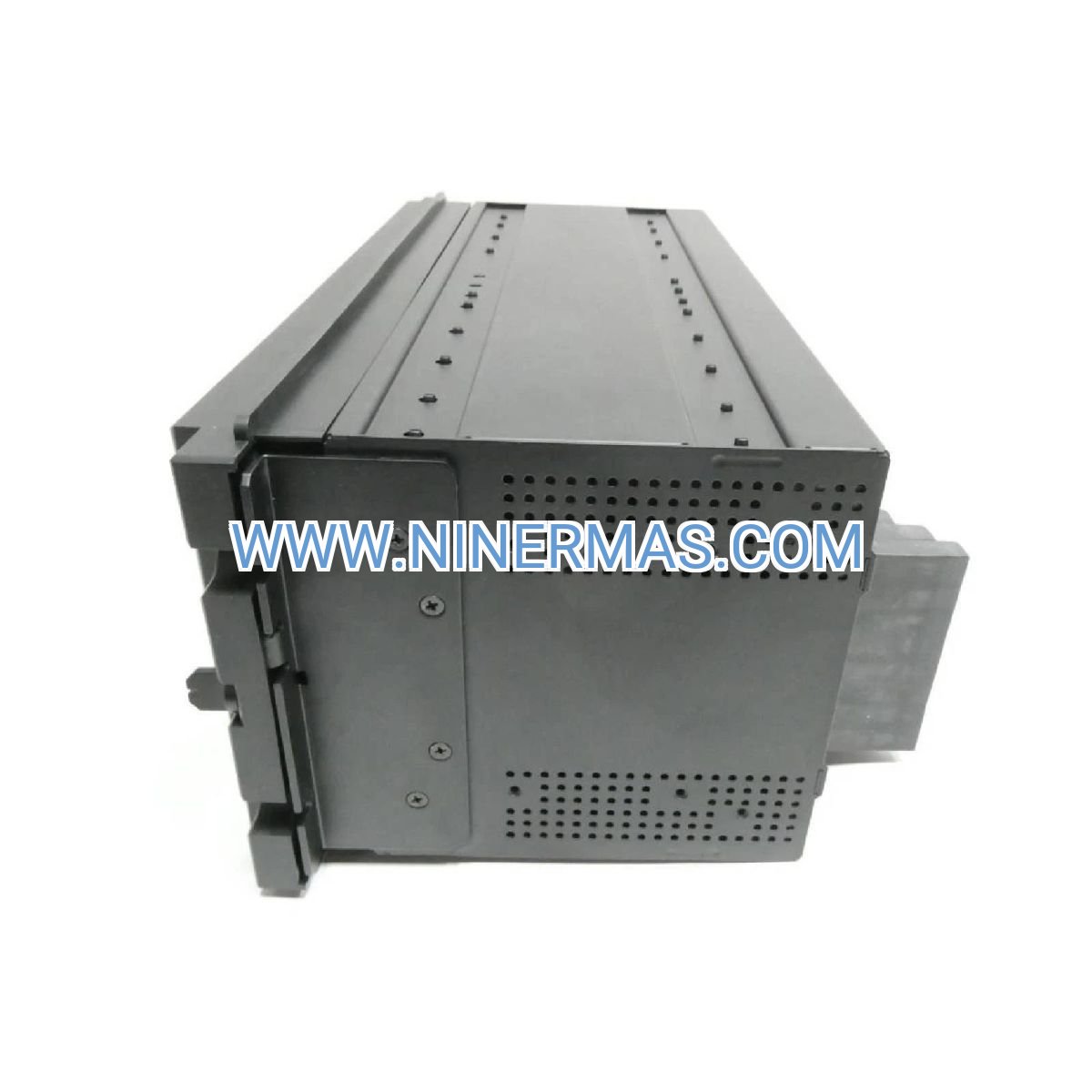


GE F135 Naval Turbofan Engine | Advanced Carrier-Based Propulsion System
Description
GE F135 Naval Turbofan Engine – Advanced Carrier-Based Propulsion System
The GE F135 Naval Turbofan Engine (Model: F35N00HKHF8LH67MXXPXXU8LWXX) is a high-performance propulsion system engineered for carrier-based naval aviation operations. Leveraging advanced Full Authority Digital Engine Control (FADEC) technology, this engine delivers exceptional thrust-to-weight ratio, operational reliability, and mission-critical performance in demanding maritime environments.
Designed for naval fighter aircraft and defense platforms requiring sustained high-performance operation, the F135 naval variant addresses challenges including corrosive saltwater exposure, rapid throttle response during carrier launches and recoveries, and extended operational endurance. Its robust architecture ensures compatibility with catapult-assisted takeoff and arrested landing (CATOBAR) systems.
Through proven engineering and rigorous qualification testing, this propulsion system offers superior fuel efficiency, reduced maintenance intervals, and comprehensive diagnostic capabilities. Ideal for defense contractors, naval aviation programs, OEM integrators, and military maintenance facilities seeking certified, mission-ready turbofan solutions with full technical documentation and lifecycle support.
Core Capabilities & Performance Advantages
Advanced FADEC Control Architecture
Integrated Full Authority Digital Engine Control system provides real-time engine parameter monitoring, automatic thrust optimization, and fault diagnostics. Reduces pilot workload during critical carrier operations while maximizing engine protection and performance envelope management.
Exceptional Thrust-to-Weight Performance
Delivers industry-leading thrust output relative to engine mass, enabling superior acceleration, climb rates, and combat maneuverability. Optimized for carrier launch profiles and high-G tactical operations with sustained afterburner capability.
Maritime Environment Durability
Corrosion-resistant materials and protective coatings throughout hot section and accessory systems ensure reliable operation in saltwater environments. Extended service intervals reduce maintenance burden on carrier-based squadrons.
Comprehensive Health Monitoring
Built-in prognostic and diagnostic systems track engine condition, predict maintenance requirements, and enable condition-based maintenance strategies. Reduces unscheduled downtime and supports fleet readiness objectives.
Modular Maintenance Design
Line-replaceable unit (LRU) architecture enables rapid component exchange in shipboard environments. Standardized interfaces and tooling reduce mean time to repair (MTTR) and support expeditionary operations.
Proven Operational Heritage
Based on combat-proven F135 engine family with extensive flight hours across multiple naval platforms. Mature design reduces integration risk and leverages established supply chain and support infrastructure.
Target Applications & Operational Scenarios
This naval turbofan propulsion system is engineered for high-demand applications requiring exceptional reliability, performance, and maintainability:
Carrier-Based Fighter Aircraft
Primary propulsion for naval strike fighters operating from aircraft carriers. Supports catapult launch, arrested recovery, and sustained combat air patrol (CAP) missions with rapid throttle response and thrust vectoring compatibility.
Naval Aviation Training Programs
Provides realistic operational training for naval aviators and maintenance crews. Identical performance characteristics to operational fleet engines ensure training transfer and crew proficiency development.
Defense Contractor Integration Projects
Serves as qualified propulsion solution for new naval aircraft development programs and platform upgrades. Comprehensive technical data package supports airframe integration, performance modeling, and certification activities.
Military Maintenance & Overhaul Facilities
Depot-level maintenance, performance restoration, and component refurbishment programs. Modular design and diagnostic capabilities streamline inspection, repair, and test procedures.
Allied Naval Forces & Export Programs
Supports international naval aviation programs through Foreign Military Sales (FMS) channels. Standardized configuration enables interoperability and coalition operations with allied carrier strike groups.
Technical Specifications & Configuration Data
To facilitate integration planning and performance analysis, key technical parameters are provided below. Custom configurations and performance optimization packages available upon request.
Engine Classification: Afterburning turbofan, axial-flow compressor
Control System: Full Authority Digital Engine Control (FADEC)
Thrust Class: High-performance naval variant (specific ratings available under NDA)
Operating Environment: Carrier-based maritime operations, -40°C to +50°C ambient
Corrosion Protection: Naval-grade coatings, saltwater-resistant materials
Fuel Compatibility: JP-5, JP-8, and NATO F-44 qualified fuels
Maintenance Philosophy: Condition-based monitoring, modular LRU replacement
Diagnostic Interface: MIL-STD-1553, ARINC 429 data bus compatibility
Qualification Status: Military type-certified, carrier suitability qualified
Documentation Package: Technical manuals, wiring diagrams, maintenance procedures
Integration Considerations:
Selection and integration require assessment of aircraft performance requirements, carrier compatibility, fuel system architecture, environmental control interfaces, and maintenance infrastructure. Our engineering team provides comprehensive integration support including performance modeling, interface definition, and qualification test planning. Contact technical sales with platform specifications and mission profile data for detailed configuration recommendations.
Extended Capabilities & Support Services
Performance Optimization Packages
Custom thrust profiles, fuel efficiency tuning, and mission-specific performance envelopes available through engineering consultation. Supports unique operational requirements and platform-specific integration constraints.
Lifecycle Support Programs
Comprehensive spare parts provisioning, technical training, field service engineering, and depot coordination services. Ensures sustained operational readiness throughout engine service life.
Upgrade & Modernization Pathways
Technology insertion programs for enhanced performance, reduced fuel consumption, and extended time-between-overhaul (TBO). Backward-compatible upgrades minimize fleet disruption.
Delivery, Warranty & Technical Support
Lead Time: Standard configuration units subject to availability; custom specifications typically 90-180 days depending on configuration complexity and current production schedule.
Warranty Coverage: 12-month comprehensive warranty covering materials and workmanship; extended warranty and performance guarantee programs available.
Installation Support: Remote technical consultation and on-site integration assistance available (subject to security clearance and location). Comprehensive installation procedures and interface documentation provided.
Technical Documentation: Complete technical data package including engine specifications, interface control documents, wiring schematics, maintenance manuals, and troubleshooting guides delivered with each unit.
Frequently Asked Questions (FAQ)
Q: How does the GE F135 naval turbofan engine integrate with existing carrier aircraft systems?
A: The F135 naval variant features standardized MIL-STD interfaces for fuel, electrical, hydraulic, and data systems. Integration requires verification of mounting provisions, inlet/exhaust geometry, and avionics compatibility. Our engineering team provides interface control documentation and integration support throughout the qualification process.
Q: What maintenance infrastructure is required to support F135 naval engine operations?
A: Shipboard maintenance requires standard naval aviation tooling, FADEC diagnostic equipment, and borescope inspection capability. Depot-level support includes engine test cells, component repair facilities, and certified technical personnel. We provide training programs and maintenance planning support for new operators.
Q: What fuel efficiency improvements does the F135 naval engine deliver compared to legacy propulsion systems?
A: Specific fuel consumption (SFC) improvements vary by mission profile and comparison baseline. Typical improvements range from 15-25% in cruise conditions through advanced aerodynamics, materials, and control optimization. Detailed performance analysis available under appropriate data protection agreements.
Q: What environmental and operational qualifications does this naval turbofan engine hold?
A: The F135 naval variant is qualified to MIL-E-5007 turbine engine specifications and has completed carrier suitability testing including catapult launch loads, arrested landing shock, and saltwater spray exposure. Full qualification documentation available to authorized defense contractors and military organizations.
Q: Can the F135 naval engine support remote diagnostics and condition monitoring for fleet management?
A: Yes, the integrated FADEC system supports real-time engine health monitoring with data export via MIL-STD-1553 and ARINC 429 interfaces. Compatible with shipboard maintenance management systems and shore-based fleet health monitoring platforms. Custom data integration protocols available for specific fleet management requirements.
Q: What is the expected service life and overhaul interval for the F135 naval turbofan engine?
A: Time-between-overhaul (TBO) varies based on operational usage, mission profiles, and maintenance practices. Typical intervals range from 2,000-4,000 flight hours with condition-based monitoring enabling optimized maintenance scheduling. Total service life exceeds 8,000 hours with proper depot-level maintenance and component replacement.
Request Technical Consultation & Configuration Proposal
For detailed integration specifications, performance modeling, pricing, or technical support, please provide the following information: program designation, platform type, performance requirements (thrust class, fuel consumption targets), operational environment, maintenance infrastructure, delivery timeline, and any specific qualification or certification requirements. Our propulsion systems engineering team will provide tailored configuration recommendations and comprehensive technical proposals.
© 2026 NINERMAS COMPANY LIMITED. All rights reserved. Original Source: https://ninermas.com Contact: sale@ninermas.com | +0086 187 5021 5667

Contact Info
-
Address:22 / F, South Wo Hang building, 148 Wing Lok Street, Sheung Wan, Western District, Hong Kong
-
Phone:+8618750215667
-
Email:
