


GE F135-PW-600 Naval Engine Control Module | Advanced Propulsion System for F-35C
Description
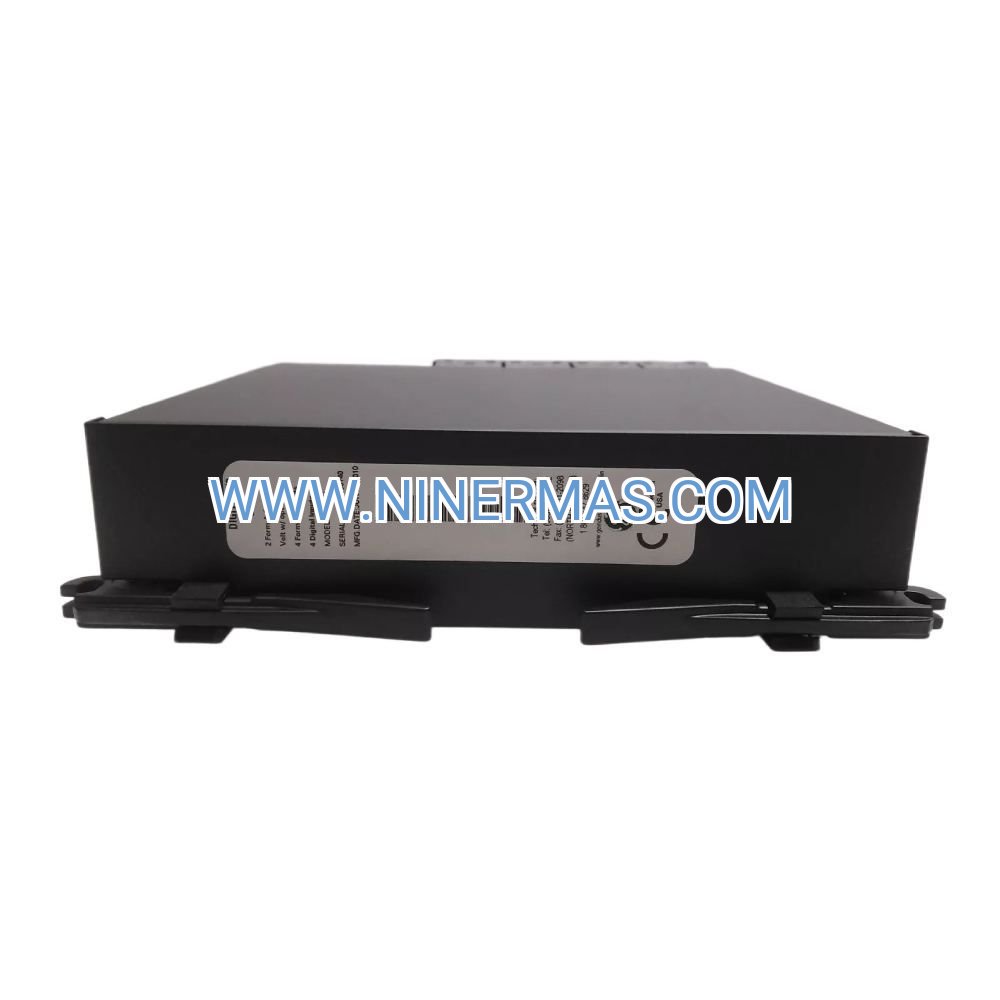
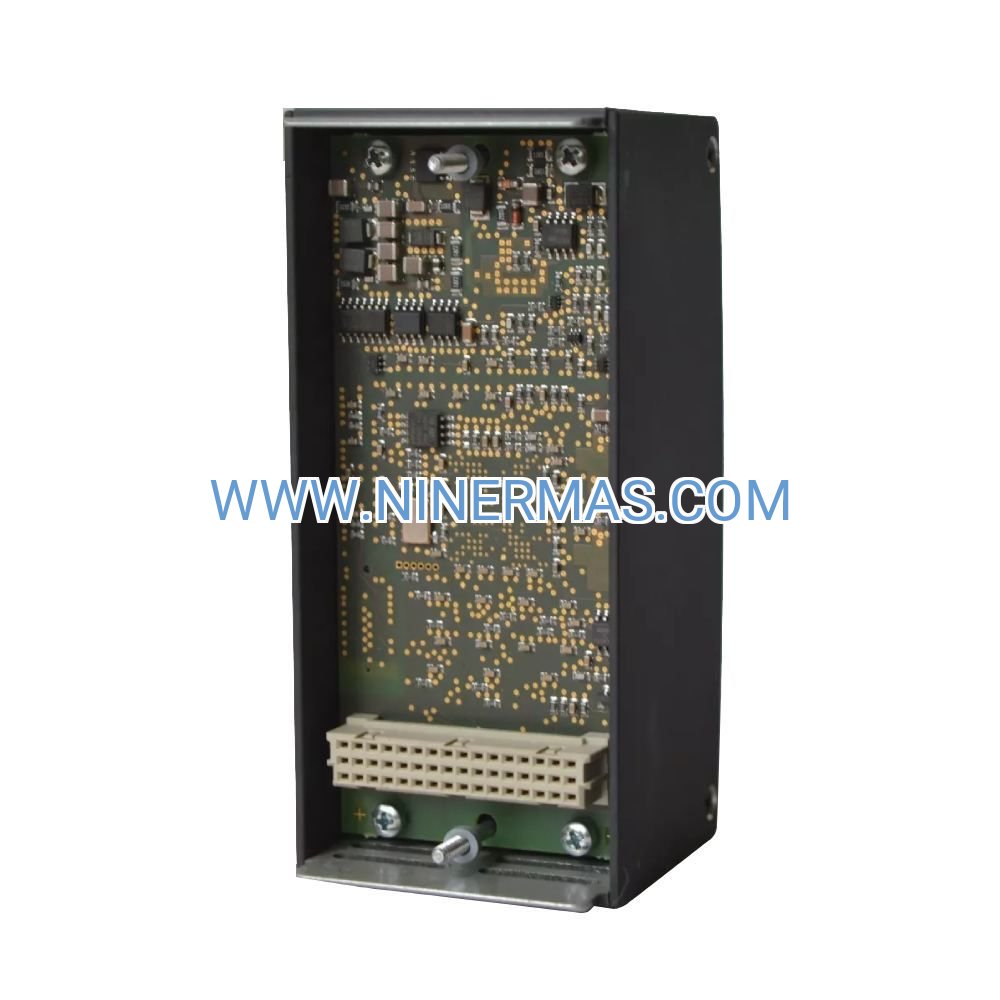
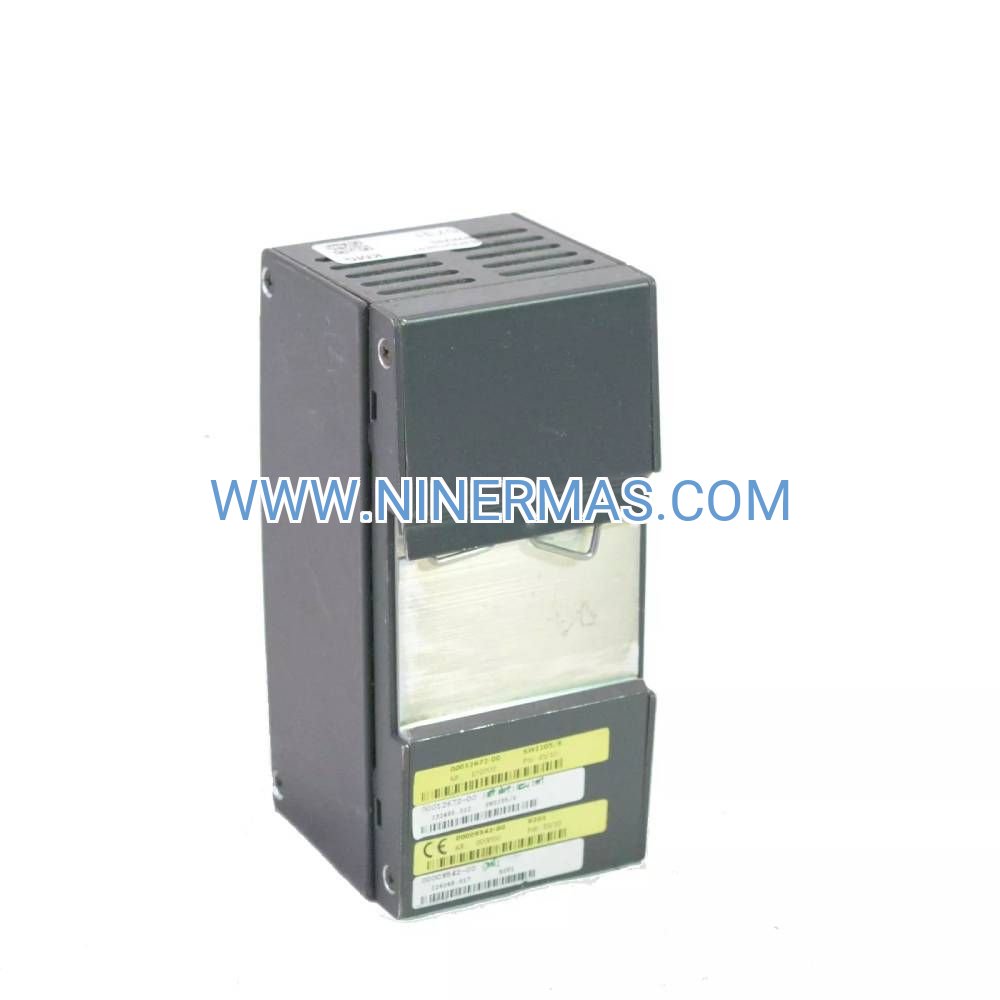
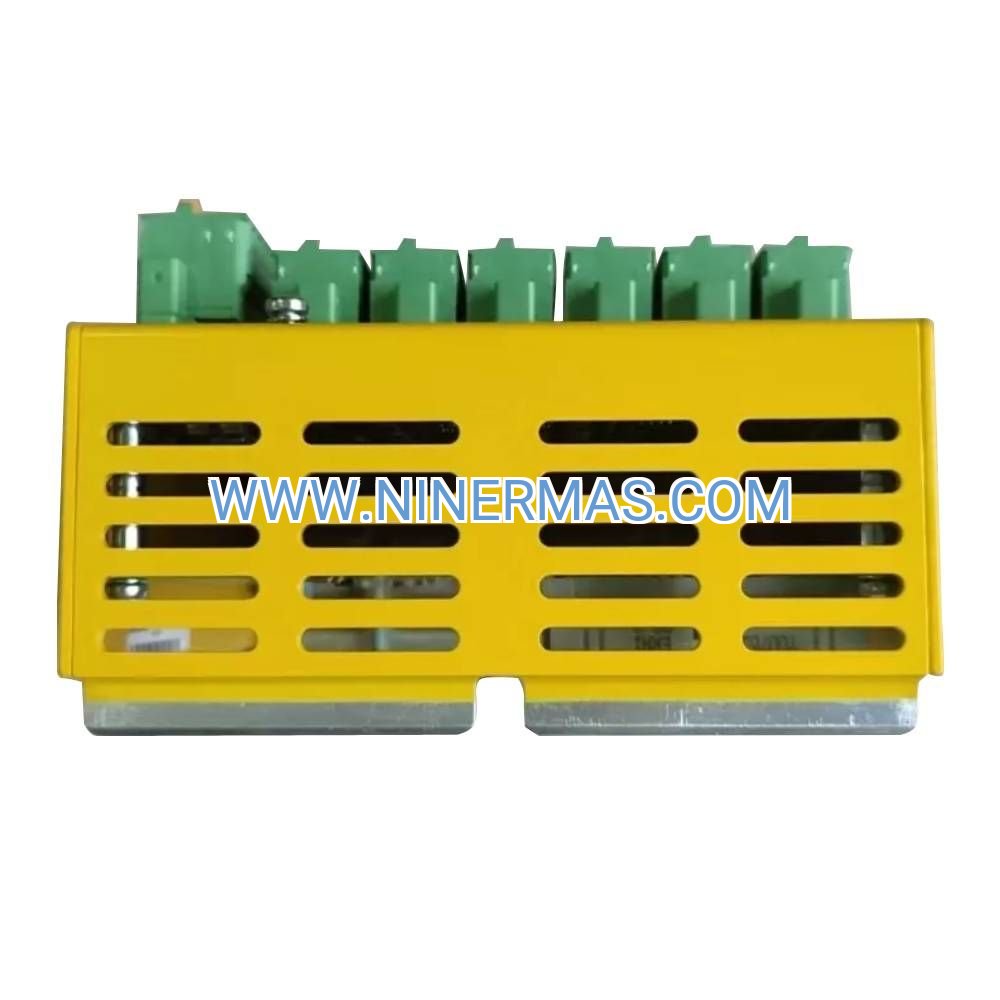
GE F135-PW-600 Naval Engine Control Module (Advanced Propulsion System for Carrier Operations)
The GE F135-PW-600 Naval Engine Control Module is an industrial-grade propulsion control system designed specifically for F-35C carrier-based aircraft operations. Through advanced digital engine control (FADEC), thrust vectoring management, and afterburner regulation, this module delivers precise power management, operational reliability, and mission-critical performance in demanding maritime environments.
Engineered for naval aviation applications including carrier launch and recovery operations, high-salinity marine environments, and extended over-water missions, this control module addresses critical challenges such as corrosion resistance, electromagnetic interference protection, thermal management under extreme conditions, and real-time fault diagnostics with redundant safety systems.
Built on proven aerospace standards with customizable configuration options, this module offers marine-grade corrosion protection, MIL-STD compliance, integrated health monitoring, compatibility with carrier-based power systems, and comprehensive technical documentation. Ideal for naval aviation maintenance facilities, aerospace OEM integrators, defense contractors, and military aircraft modernization programs. Contact our aerospace engineers for application-specific configuration and technical support.
Core Functions & Advantages
- Full Authority Digital Engine Control (FADEC)
Utilizes dual-channel redundant processors with real-time sensor feedback to optimize fuel flow, compressor staging, and turbine temperature, ensuring maximum thrust efficiency while protecting engine components from over-temperature and over-speed conditions. - Thrust Vectoring Control Integration
Coordinates with airframe flight control systems to manage 3-axis thrust vectoring nozzle positioning, enabling superior maneuverability during carrier approach, short takeoff operations, and combat maneuvering with response times under 50 milliseconds. - Marine Environment Protection
Features conformal coating, sealed connectors rated IP67, and corrosion-resistant materials specifically engineered to withstand salt spray, humidity, and temperature cycling inherent to carrier deck operations, extending service life by up to 40% compared to standard modules. - Comprehensive Fault Detection & Isolation
Equipped with built-in test equipment (BITE), continuous health monitoring, and prognostic algorithms that detect anomalies across 200+ parameters, enabling predictive maintenance and reducing unscheduled downtime by approximately 35%. - Intuitive Maintenance Interface
Incorporates MIL-STD-1553 and Ethernet data bus connectivity with ground support equipment, providing technicians with real-time engine status, fault codes, and maintenance logs through standardized diagnostic protocols, streamlining troubleshooting procedures. - Multi-Mode Power Management
Supports seamless transition between idle, military power, and afterburner modes with automatic load balancing, fuel optimization algorithms, and emergency power reserve activation, ensuring operational flexibility across diverse mission profiles.
Typical Application Scenarios
This control module is engineered for applications demanding exceptional reliability, environmental resilience, and precision control, particularly in:
- Carrier-Based Fighter Operations
Manages engine performance during catapult-assisted takeoff (CATOBAR), arrested landing recovery, and deck handling operations where rapid throttle response and precise power modulation are critical for safe carrier integration. - Naval Strike & Air Superiority Missions
Provides sustained afterburner operation for supersonic dash profiles, optimized fuel consumption during extended combat air patrol (CAP), and instant power response for defensive maneuvering in contested airspace. - Maritime Patrol & Over-Water Operations
Ensures reliable engine control during long-duration flights over open ocean, automatic compensation for salt ingestion, and emergency power modes for single-engine recovery scenarios in adverse weather conditions. - Aerospace Maintenance & Overhaul Facilities
Facilitates engine test cell operations, post-maintenance verification runs, and performance trending analysis through comprehensive data logging and compatibility with standard ground test equipment. - Defense Modernization & Retrofit Programs
Enables integration into legacy airframe upgrades, propulsion system performance enhancements, and fleet standardization initiatives requiring backward compatibility with existing avionics architectures.
Technical Parameters & Selection Guide
To support engineering evaluation and system integration, we provide detailed specifications across electrical, environmental, and interface parameters. Custom configurations are available to meet specific platform requirements.
| Parameter | Specification |
|---|---|
| Engine Compatibility | F135-PW-600 (F-35C variant) |
| Control Architecture | Dual-redundant FADEC with cross-channel monitoring |
| Operating Voltage | 28 VDC ±4V (MIL-STD-704) |
| Power Consumption | 45W nominal, 75W peak |
| Operating Temperature | -40°C to +85°C (-40°F to +185°F) |
| Environmental Rating | IP67, MIL-STD-810 (salt fog, vibration, shock) |
| Data Bus Interface | MIL-STD-1553B, Ethernet (100Base-TX) |
| Sensor Inputs | Thermocouple (24 ch), Pressure (16 ch), Speed (8 ch) |
| Actuator Outputs | Fuel metering, VGV, bleed valves, nozzle control |
| Dimensions (L×W×H) | 320mm × 240mm × 95mm (12.6" × 9.4" × 3.7") |
| Weight | 6.8 kg (15 lbs) including connectors |
| MTBF | >15,000 flight hours |
Selection Considerations: When specifying this module, evaluate: aircraft platform integration requirements, existing avionics architecture compatibility, environmental exposure profile (carrier deck vs. shore-based), maintenance infrastructure capabilities, and required certification documentation (airworthiness, export compliance). For application-specific guidance, provide: aircraft type and configuration, operational environment details, interface requirements, and any special certification needs. Our aerospace engineers will recommend the optimal configuration and support package.
Extended Capabilities
- Prognostic Health Management (PHM): Advanced algorithms analyze trend data to predict component degradation, enabling condition-based maintenance scheduling and reducing lifecycle costs.
- Cybersecurity Hardening: Implements encrypted communication protocols, secure boot verification, and intrusion detection to protect against unauthorized access and ensure mission integrity.
- Multi-Platform Adaptability: Modular software architecture allows configuration for different F135 variants and potential adaptation to other advanced turbofan applications with minimal hardware changes.
- Real-Time Performance Optimization: Continuously adjusts control parameters based on ambient conditions, fuel quality, and engine wear state to maintain peak efficiency throughout the operational envelope.
Delivery, Service & Quality Assurance
Lead Time: Standard configuration units: 8-12 weeks from order confirmation; Custom configurations: 14-18 weeks depending on specification complexity and certification requirements.
Warranty & Support: 12-month comprehensive warranty covering materials and workmanship; Extended support contracts available including on-site technical assistance, remote diagnostics, and priority spare parts access.
Technical Documentation: Complete package includes: detailed installation manual, electrical interface control document (ICD), maintenance troubleshooting guide, software configuration specifications, and AS9100-compliant quality certifications.
Certifications & Compliance: Manufactured under AS9100D quality management system; complies with MIL-STD-461 (EMI/EMC), MIL-STD-810 (environmental), and RTCA DO-160 (airborne equipment) standards; ITAR-controlled item requiring appropriate export authorization.
Installation & Commissioning: Field service engineers available for installation supervision, system integration verification, and operational acceptance testing; remote technical support provided during initial operational period.
Frequently Asked Questions (FAQ)
Q: How does the GE F135-PW-600 naval engine control module integrate with existing F-35C avionics systems?
A: The module interfaces via MIL-STD-1553B data bus and follows standard ARINC 429 protocols for seamless integration with the aircraft's mission computer and vehicle management system. Installation requires adherence to GE's interface control documentation and typically involves connector replacement and software parameter loading via ground support equipment.
Q: What environmental protection features address carrier deck salt spray exposure?
A: The module incorporates conformal coating on all circuit boards, hermetically sealed connectors with gold-plated contacts, and corrosion-resistant aluminum housing with chromate conversion coating. These features meet MIL-STD-810 Method 509 (salt fog) requirements and are validated through 1,000-hour accelerated environmental testing.
Q: Can this control module be retrofitted to earlier F135 engine variants?
A: While the module is optimized for the F135-PW-600 (F-35C), retrofit to F135-PW-100 (F-35A) or -400 (F-35B) variants is possible with software reconfiguration and potential wiring harness modifications. Compatibility assessment requires review of specific engine serial number and configuration baseline; contact our engineering team with your engine data plate information.
Q: What diagnostic capabilities are available for troubleshooting engine performance issues?
A: Built-in test equipment (BITE) provides continuous monitoring of 200+ parameters with fault isolation to line-replaceable unit (LRU) level. Ground support equipment can retrieve detailed fault logs, trend data, and perform functional tests of all input/output channels. Remote diagnostics via secure data link are supported for deployed operations.
Q: What is the expected service life and maintenance interval for this module?
A: Design service life exceeds 15,000 flight hours or 20 years, whichever occurs first. Scheduled maintenance intervals align with engine overhaul cycles (typically 2,500-3,000 flight hours). Condition-based monitoring may extend intervals based on actual usage and health trending data.
Q: Does the module support remote monitoring and data acquisition for fleet health management?
A: Yes, the module supports real-time data streaming via Ethernet interface and can integrate with ground-based health management systems using standard OPC-UA or custom API protocols. Data export formats include CSV, XML, and binary formats compatible with common analysis tools.
Request Technical Support & Quotation
For detailed application engineering support, configuration recommendations, or pricing information, please provide the following details: aircraft platform and configuration, operational environment profile (carrier-based, shore-based, or mixed), integration timeline and certification requirements, quantity requirements and delivery schedule, existing support infrastructure and training needs.
Our aerospace systems engineers will provide comprehensive selection guidance, integration support documentation, and competitive quotations tailored to your specific program requirements.
© 2026 NINERMAS COMPANY LIMITED. All rights reserved. Original Source: https://ninermas.com Contact: sale@ninermas.com | +0086 187 5021 5667

Contact Info
-
Address:22 / F, South Wo Hang building, 148 Wing Lok Street, Sheung Wan, Western District, Hong Kong
-
Phone:+8618750215667
-
Email:
