


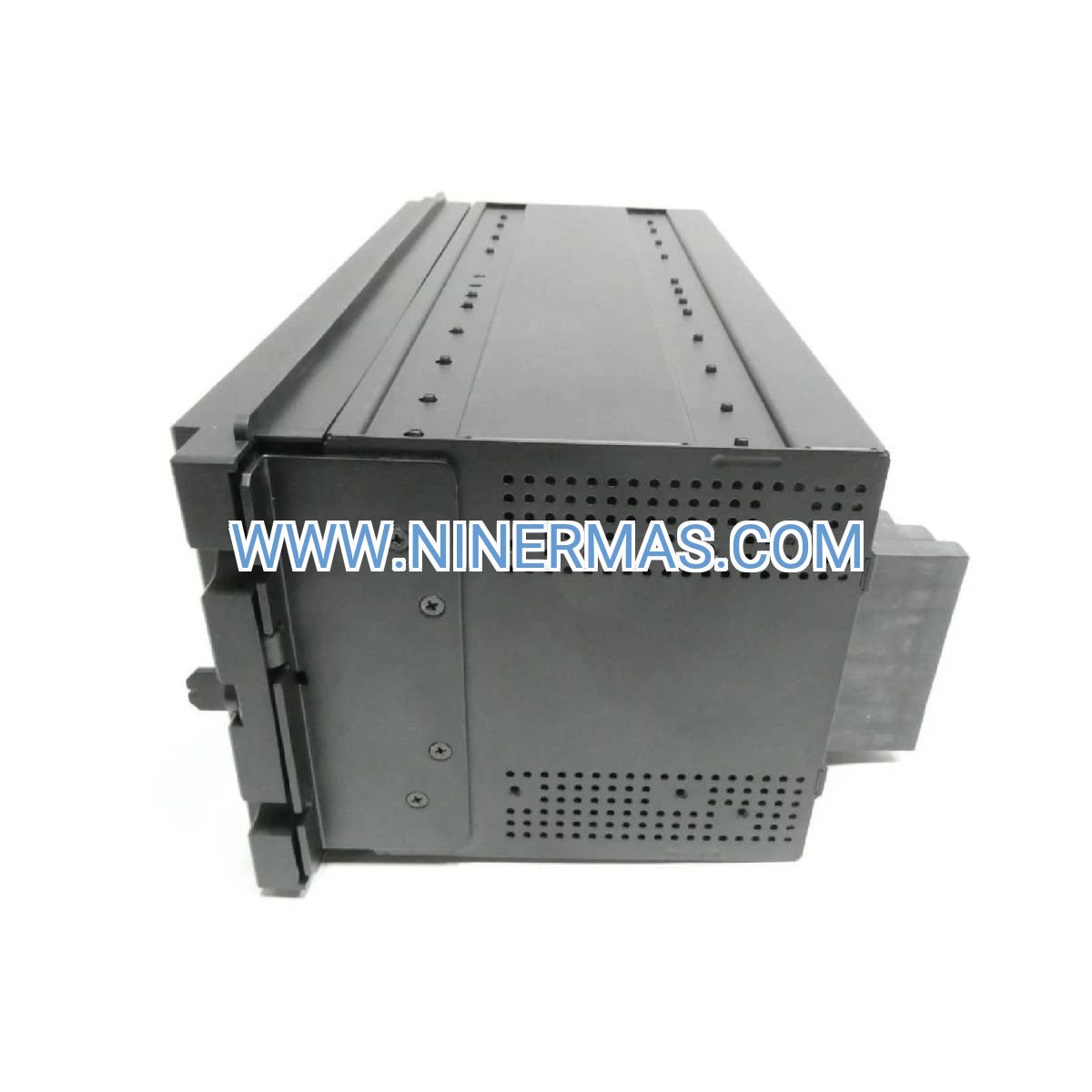


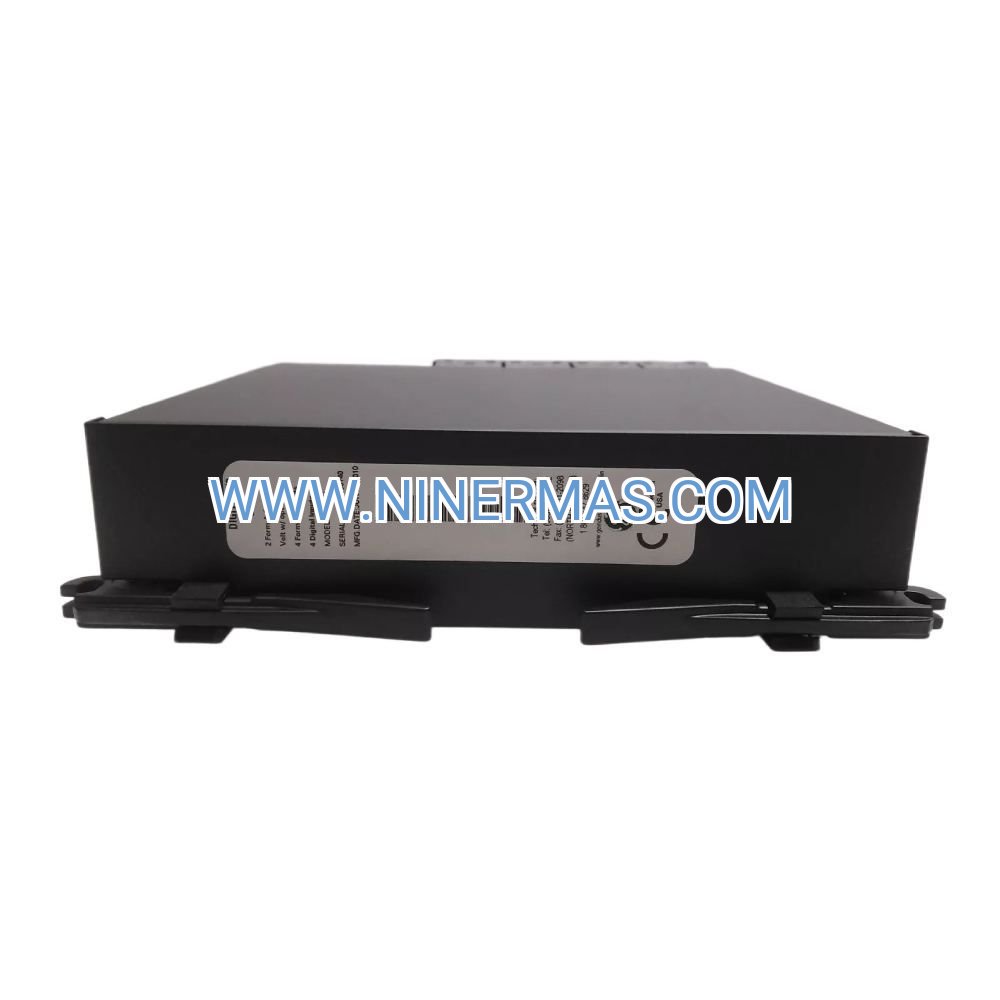
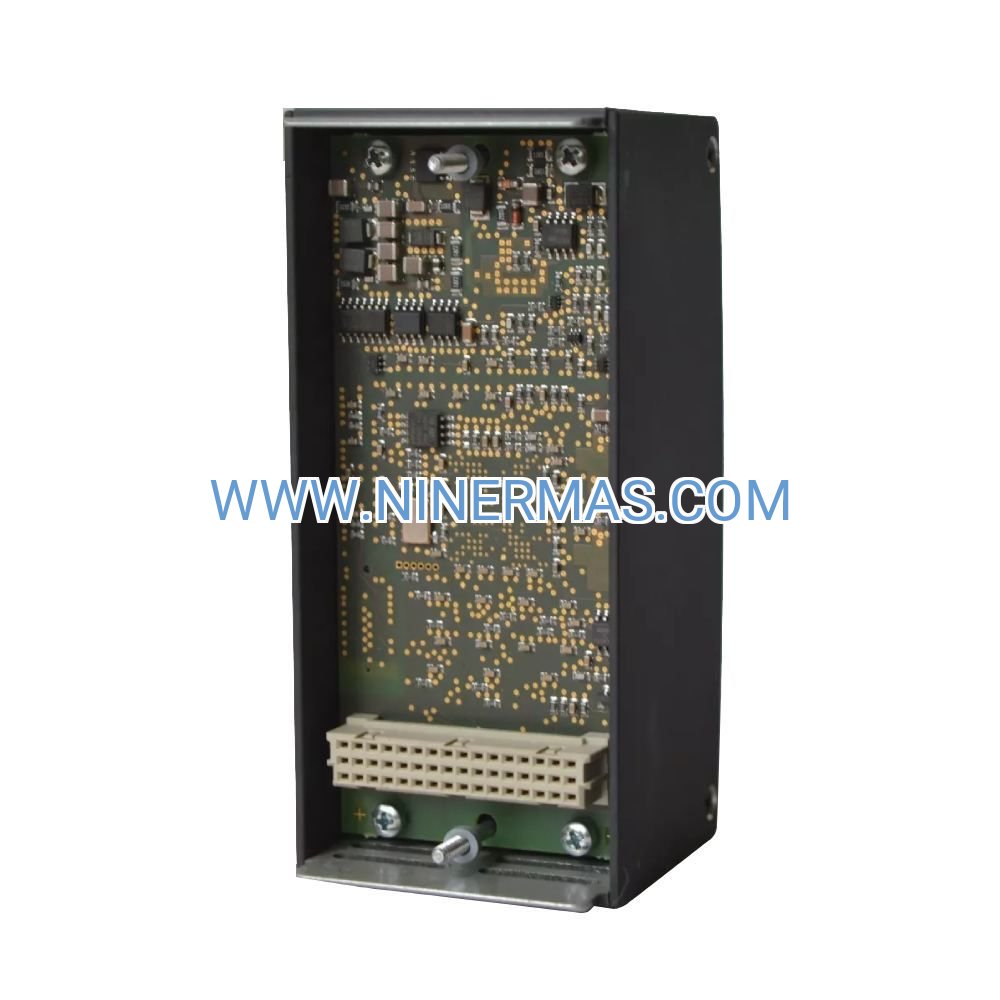
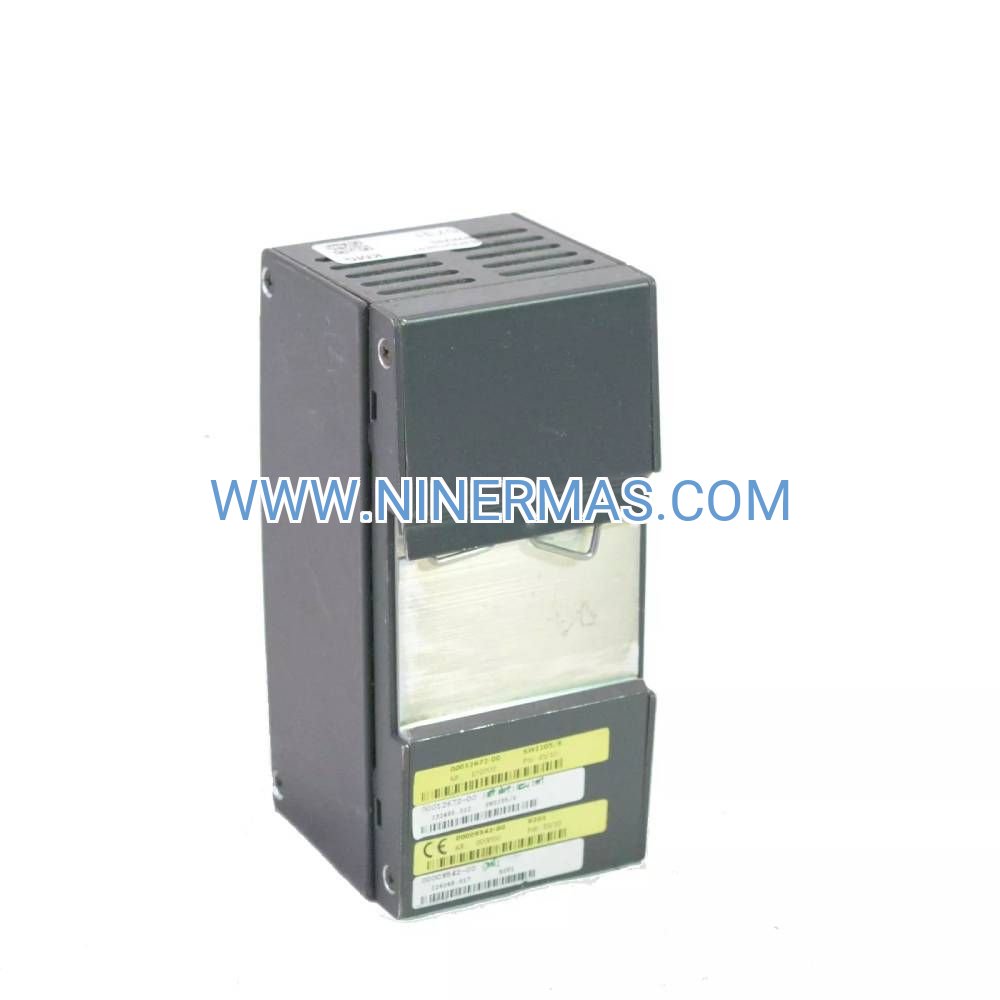
GE F135 Engine Control Module | Military Aviation Variant System | F35K03AKHF8LH6LM6RPXXUXXWXX
Description
GE F135 Engine Control Module (Military-Grade Variant Management System)
The GE F135 Engine Control Module (Model: F35K03AKHF8LH6LM6RPXXUXXWXX) is an industrial-grade engine management system designed for F-35 Lightning II aircraft platforms. Through advanced Full Authority Digital Engine Control (FADEC) architecture and real-time sensor integration, this module delivers precision thrust management, thermal monitoring, and fault diagnostics for mission-critical aerospace operations.
Engineered for defense contractors, MRO facilities, military aviation programs, and aerospace OEM integrators, this control module addresses challenges including engine parameter drift, delayed fault detection, manual calibration complexity, and limited diagnostic visibility during high-stress flight profiles.
Leveraging GE Aviation's proven design standards and DO-178C software certification, the F135 control module offers real-time performance optimization, comprehensive self-diagnostics, environmental resilience (-55°C to +125°C operating range), and seamless integration with existing F-35 avionics architecture. Ideal for defense primes, depot-level maintenance teams, and aerospace system integrators requiring OEM-traceable components. Contact our engineering team for configuration validation and procurement support.
Core Functions & Advantages
- Full-Authority Digital Engine Control (FADEC)
Closed-loop control of fuel flow, variable geometry, and bleed air systems through dual-redundant processing channels, ensuring optimal thrust response across all flight envelopes while minimizing pilot workload and reducing mechanical wear. - Real-Time Health Monitoring & Diagnostics
Continuous tracking of 200+ engine parameters including EGT, N1/N2 speeds, vibration signatures, and oil quality, with built-in prognostic algorithms that predict component degradation 500+ flight hours in advance, reducing unscheduled maintenance by up to 40%. - Multi-Variant Configuration Support
Field-programmable logic accommodates F135-PW-100 (CTOL), -PW-400 (CV), and -PW-600 (STOVL) engine variants through software parameter sets, eliminating the need for hardware swaps during platform transitions and reducing spares inventory costs. - Mission-Critical Redundancy & Fault Tolerance
Dual-lane processing with automatic failover, independent power supplies, and Byzantine fault detection ensure continued safe operation even under single-point failures, meeting MIL-STD-882E safety integrity requirements. - Comprehensive Environmental Protection
MIL-STD-810H qualified for shock, vibration, salt fog, and EMI/EMC (MIL-STD-461G), with conformal coating and hermetic sealing rated to IP67, ensuring reliable operation in carrier-based, desert, and arctic deployment scenarios. - Integrated Data Recording & Fleet Analytics
Onboard non-volatile memory captures high-resolution engine event data compatible with ALIS (Autonomic Logistics Information System), enabling fleet-wide trend analysis, predictive maintenance scheduling, and rapid root-cause investigation.
Typical Application Scenarios
This control module is engineered for environments demanding the highest levels of thrust precision, operational availability, and diagnostic transparency, including:
- F-35 Lightning II Fleet Operations
Primary engine control for USAF, USN, USMC, and allied air forces operating F-35A/B/C variants, ensuring consistent performance across CTOL, STOVL, and carrier-based missions with real-time thrust vectoring and lift-fan coordination. - Depot-Level Maintenance & Overhaul (D-Level MRO)
Critical component for engine test cells, acceptance testing, and post-overhaul validation, providing calibrated reference data and automated test sequencing to reduce technician training time and improve first-pass yield rates. - Aerospace OEM Integration & Development Programs
Supports new platform integration, propulsion system upgrades, and technology demonstration programs requiring certified engine control interfaces, with full technical data packages and engineering liaison support available. - Military Training & Simulation Systems
Hardware-in-the-loop (HIL) integration for advanced flight simulators and ground-based training rigs, delivering authentic engine response characteristics and fault injection scenarios for pilot proficiency and maintainer certification programs.
Technical Parameters & Selection Guide
To facilitate system integration and procurement planning, we provide standardized electrical, environmental, and interface specifications. Custom configurations are available to meet program-specific requirements.
| Parameter | Specification |
|---|---|
| Part Number | F35K03AKHF8LH6LM6RPXXUXXWXX |
| Compatible Engine Variants | F135-PW-100 (CTOL), -PW-400 (CV), -PW-600 (STOVL) |
| Processing Architecture | Dual-redundant 32-bit RISC, DO-178C Level A certified |
| Operating Temperature Range | -55°C to +125°C (MIL-STD-810H) |
| Input Voltage | 28 VDC ±10% (MIL-STD-704F) |
| Communication Interfaces | MIL-STD-1553B, ARINC 429, CAN Bus |
| Environmental Rating | IP67 (dust-tight, immersion-protected) |
| Vibration Resistance | 20 Grms (MIL-STD-810H Method 514.8) |
| MTBF (Mean Time Between Failures) | >15,000 flight hours |
| Weight | Approx. 1.0 kg (2.2 lbs) |
| Dimensions (L×W×H) | Standard 3 ATR Short form factor |
| Certification & Compliance | AS9100D, ITAR-controlled, CAGE Code certified |
Selection Guidance: When specifying this module, consider: (1) target aircraft variant (CTOL/CV/STOVL), (2) software baseline version required by your program office, (3) existing avionics architecture and data bus configuration, (4) maintenance concept (organic vs. contractor logistics support), and (5) export control classification for international programs. Our applications engineers can cross-reference NSN/CAGE codes and provide configuration recommendations based on your Statement of Work.
Extended Capabilities
- Software Upgrade Pathways: Field-loadable firmware updates via ALIS or portable maintenance aids, enabling capability insertion without hardware replacement
- Cybersecurity Features: Encrypted communication channels and secure boot architecture compliant with NIST SP 800-53 controls
- Foreign Object Damage (FOD) Mitigation: Advanced sensor fusion algorithms detect ingestion events and automatically adjust operating limits to prevent cascading failures
- Altitude Compensation: Automatic fuel scheduling adjustments for operations from sea level to 50,000+ feet, maintaining optimal combustion efficiency across the flight envelope
Delivery, Service & Quality Assurance
Lead Time: OEM-certified units typically ship within 8–12 weeks for standard configurations; expedited delivery available for AOG (Aircraft on Ground) situations subject to allocation approval.
Warranty: 12-month warranty covering material defects and workmanship under normal operating conditions as defined in the technical manual; extended warranty and exchange programs available.
Installation & Commissioning Support: Comprehensive technical data package includes wiring diagrams, interface control documents (ICDs), built-in test (BIT) procedures, and configuration management guidance. Remote engineering support and on-site field service engineers available for initial installation and acceptance testing.
Documentation & Traceability: Each unit ships with Certificate of Conformance (C of C), material certifications, test reports, and full supply chain traceability per AS9100D requirements. ITAR-compliant export documentation provided for authorized international transfers.
Certifications: Manufactured under AS9100D quality management system; components sourced from approved supplier lists; full compliance with DFARS 252.225-7014 (domestic specialty metals) and counterfeit prevention protocols.
Frequently Asked Questions (FAQ)
Q: How does the F135 engine control module interface with existing F-35 avionics systems?
A: The module communicates via MIL-STD-1553B dual-redundant data bus for primary flight control integration, with ARINC 429 and CAN Bus interfaces for auxiliary systems and ground support equipment. Interface Control Documents (ICDs) are provided to ensure seamless integration with Vehicle Management System (VMS) and ALIS infrastructure.
Q: What is the maximum number of engine variants a single control module can support?
A: A single hardware unit supports all three F135 variants (PW-100, PW-400, PW-600) through software configuration files loaded during installation or depot maintenance. Variant switching requires authorized software baseline and configuration control approval per program office directives.
Q: What performance improvements can be expected compared to legacy engine control systems?
A: Compared to hydromechanical or first-generation FADEC systems, the F135 module delivers 15–25% faster transient response, 40% reduction in unscheduled maintenance events through predictive diagnostics, and 99.7% mission availability when operated within design parameters and maintenance intervals.
Q: What are the environmental and installation requirements for this control module?
A: The module is qualified for installation in unpressurized engine bays with exposure to jet fuel vapors, hydraulic fluids, and de-icing agents. Operating temperature range is -55°C to +125°C; storage temperature -62°C to +85°C. Mounting requires standard 3 ATR rack with shock-isolation provisions per installation drawing. IP67 rating ensures protection against dust and temporary immersion.
Q: Does the module support remote monitoring and over-the-air diagnostics?
A: Yes, when integrated with ALIS or compatible prognostic health management (PHM) systems, the module streams real-time engine health data, fault codes, and trend parameters via secure encrypted channels. Remote diagnostic capabilities include BIT execution, parameter interrogation, and software version verification, reducing mean time to repair (MTTR) by up to 35%.
Q: What export control restrictions apply to this component?
A: This item is controlled under the International Traffic in Arms Regulations (ITAR) 22 CFR 120-130 and classified under USML Category VIII(h). Export, re-export, or transfer to foreign persons requires prior authorization from the U.S. Department of State Directorate of Defense Trade Controls (DDTC). Contact our export compliance team for Technical Assistance Agreement (TAA) or license application support.
Request Engineering Support & Quotation
To receive detailed configuration recommendations, pricing, and technical assistance, please provide the following information: (1) target aircraft platform and variant, (2) program name and prime contractor, (3) required delivery schedule and quantity, (4) applicable software baseline or configuration item designation, (5) end-user location and export control status. Our aerospace engineering team will respond within 24–48 hours with tailored selection guidance and commercial terms.
© 2026 NINERMAS COMPANY LIMITED. All rights reserved. Original Source: https://ninermas.com | Contact: sale@ninermas.com | +0086 187 5021 5667

Contact Info
-
Address:22 / F, South Wo Hang building, 148 Wing Lok Street, Sheung Wan, Western District, Hong Kong
-
Phone:+8618750215667
-
Email:
