


Description
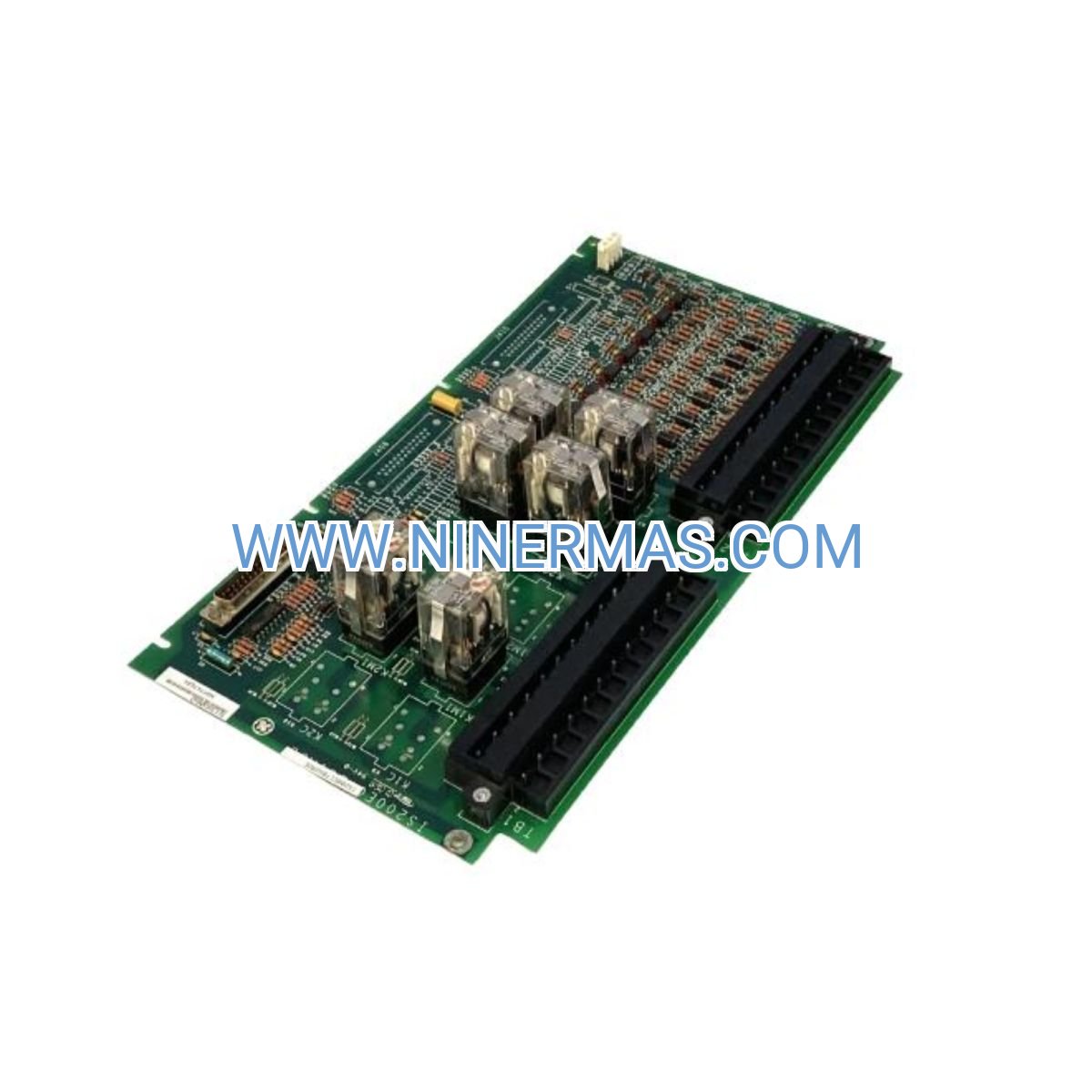
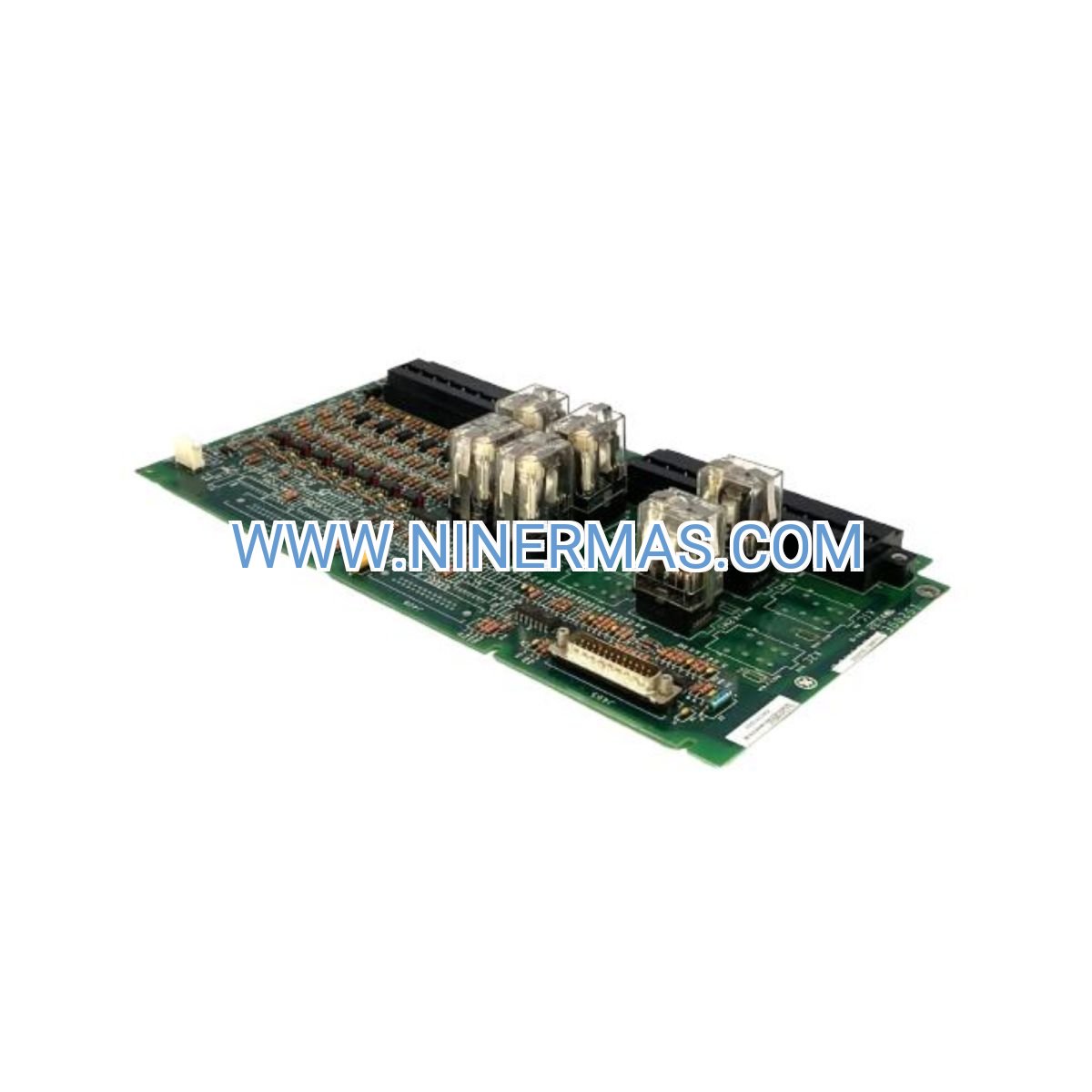
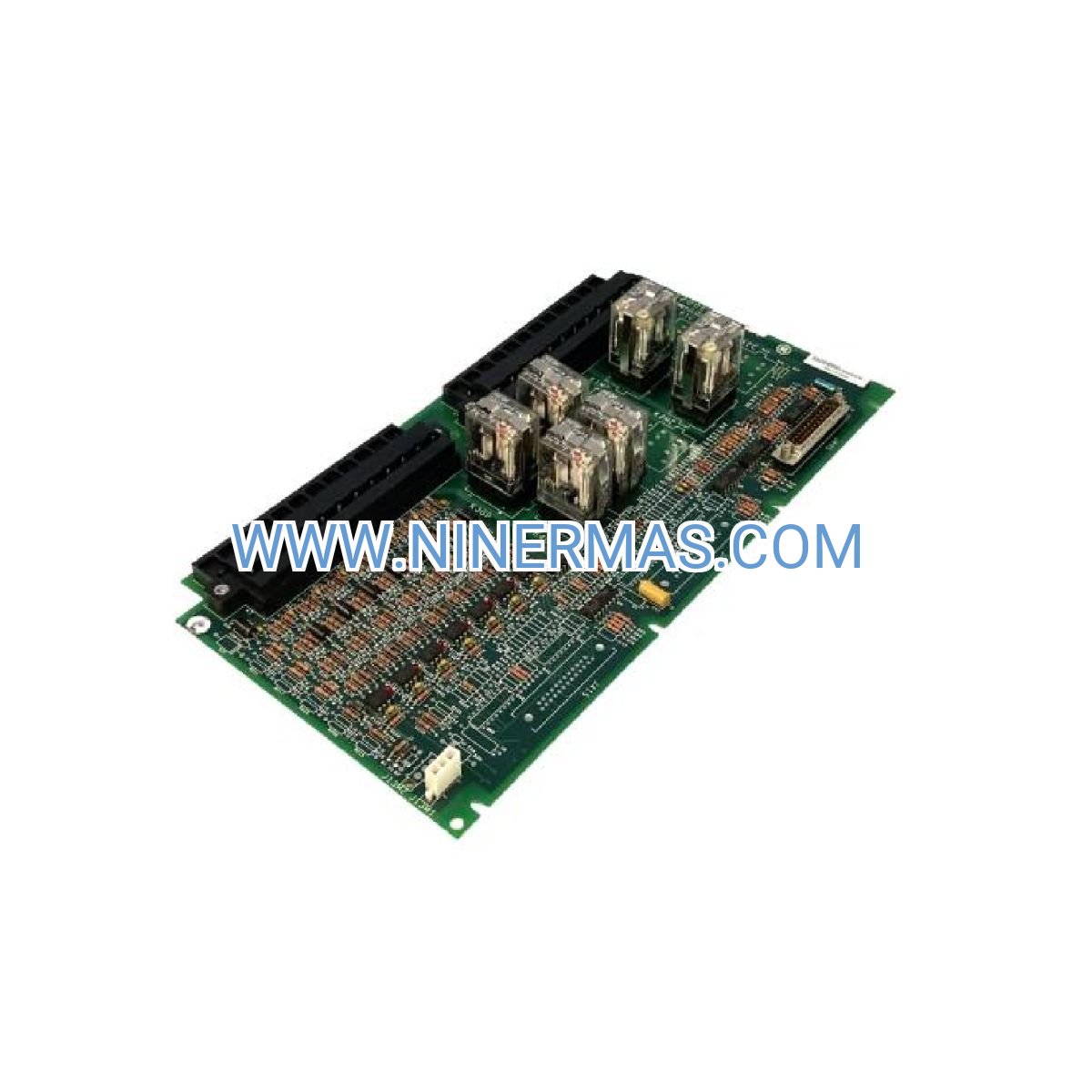
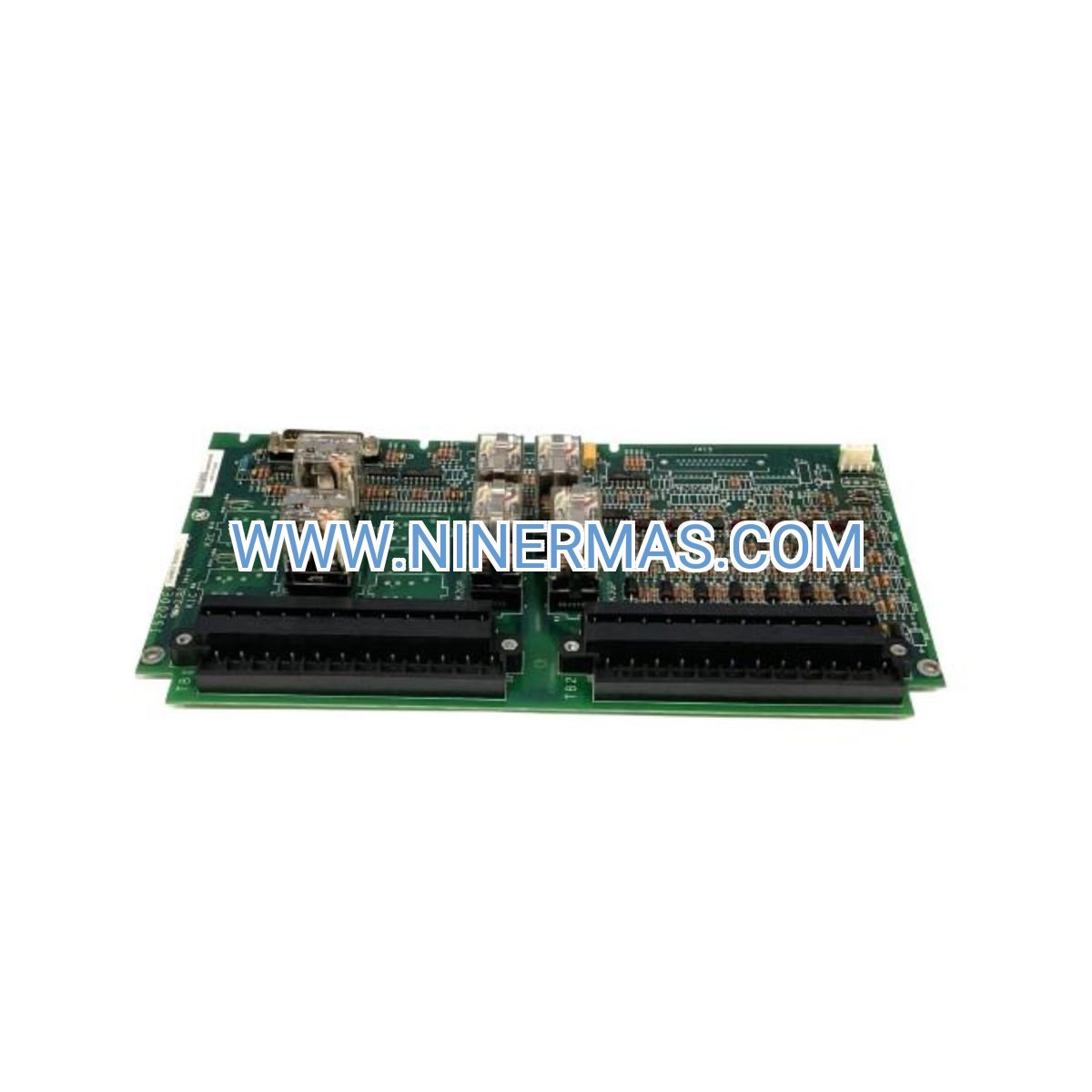
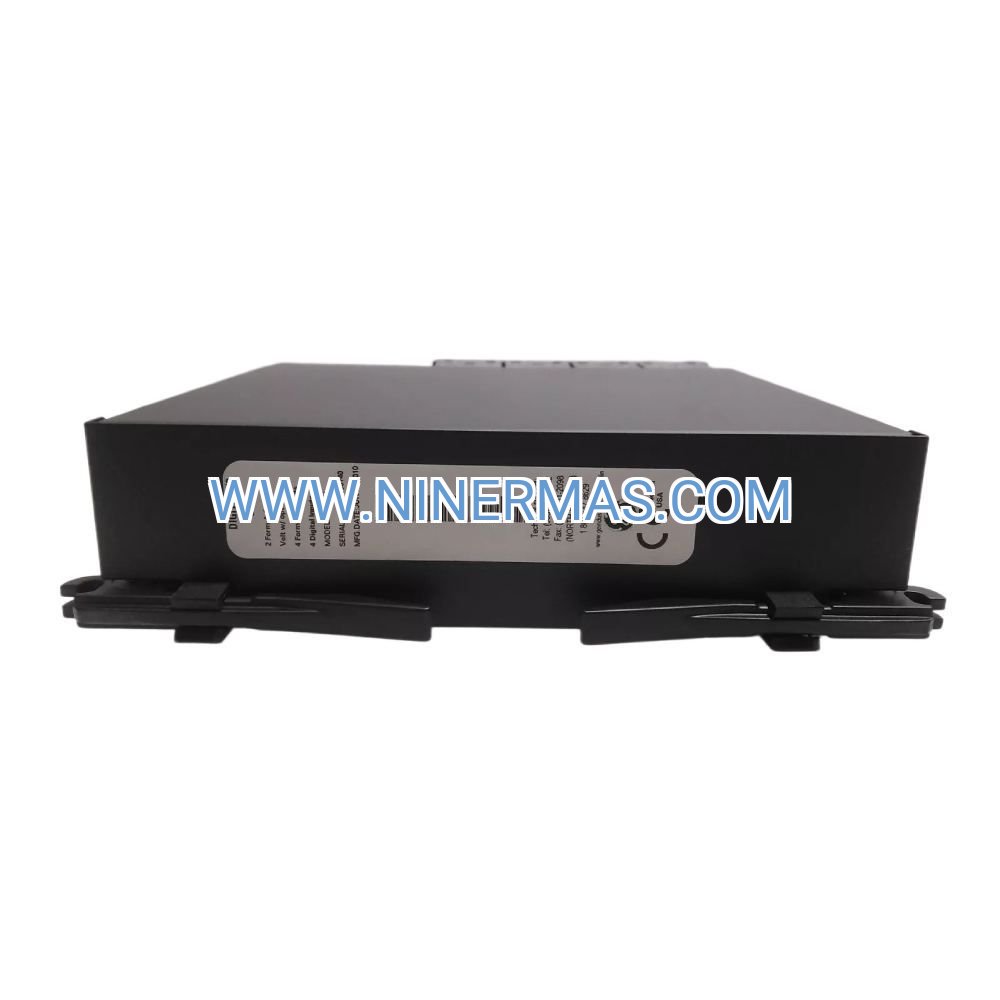
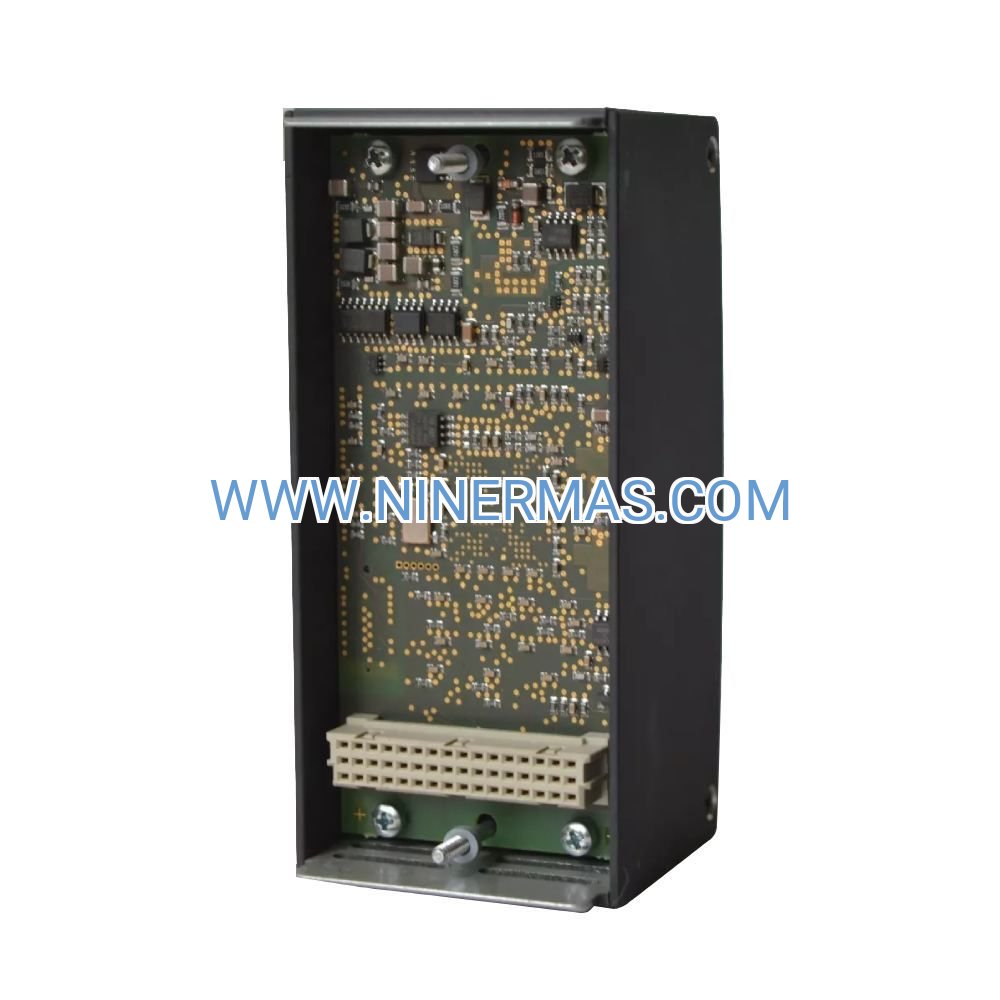
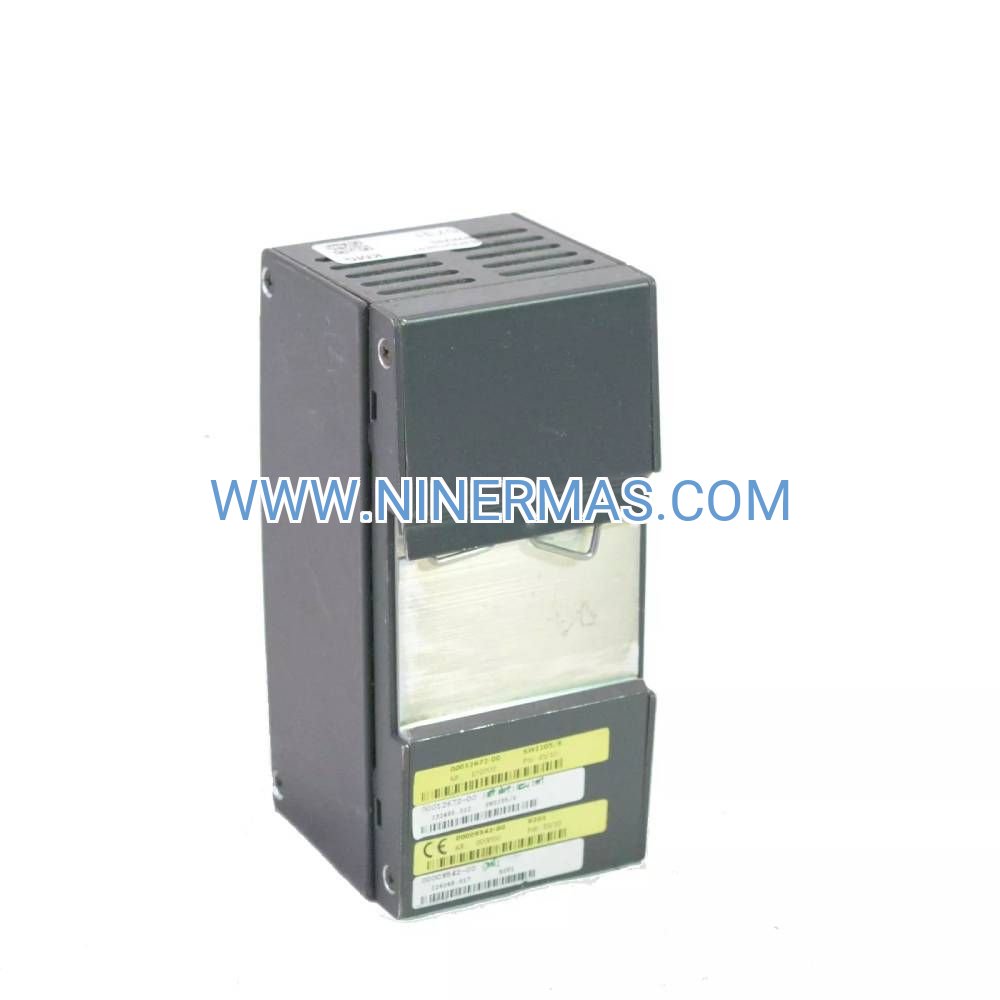
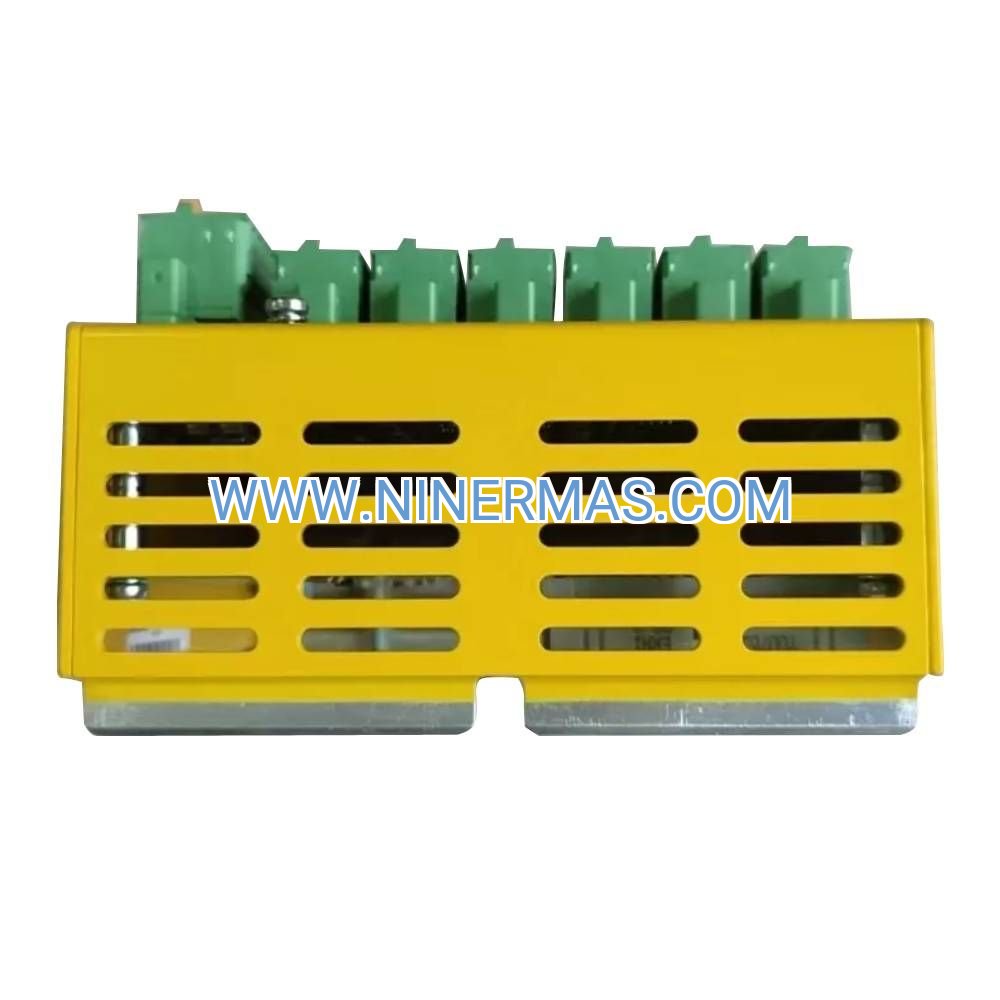
GE EX2100 Excitation System (Industrial-Grade Voltage Regulation Platform)
The GE EX2100 represents a proven excitation control architecture designed for critical power generation environments where generator voltage stability and reactive power coordination directly impact grid reliability. Built on decades of field-proven technology, this digital excitation platform integrates seamlessly with GE Speedtronic turbine control systems to deliver sub-50ms fault response, ±0.25% voltage accuracy, and continuous operation across gas, steam, and hydro turbine applications.
Power plant operators face increasing demands for grid support services—voltage regulation during load swings, reactive power injection during renewable integration, and islanded operation during grid disturbances. The EX2100 addresses these challenges through dual-redundant control channels, real-time diagnostic monitoring, and native compatibility with Mark V/Mark VI/Mark VIe control platforms, making it the preferred choice for utilities, independent power producers, and industrial cogeneration facilities worldwide.
Whether you're upgrading legacy excitation systems, commissioning new generation capacity, or seeking improved grid compliance, the EX2100 delivers measurable performance gains: reduced voltage deviation during transients, extended generator lifespan through optimized field current management, and simplified integration with modern SCADA/DCS infrastructure.
Core Capabilities & Technical Advantages
→ Precision Voltage Regulation: Maintains generator terminal voltage within ±0.25% tolerance across full load range, ensuring stable grid synchronization and compliance with interconnection standards. Advanced control algorithms compensate for transformer impedance and transmission line losses.
→ Dynamic Reactive Power Dispatch: Automatically adjusts generator VAR output in response to grid voltage fluctuations, supporting power factor correction and voltage stability during renewable energy ramp events or sudden load changes.
→ Rapid Fault Protection: Sub-50ms detection and response to over-excitation, under-excitation, and loss-of-field conditions prevents generator damage and maintains grid code compliance during abnormal operating scenarios.
→ Redundant Control Architecture: Dual-channel design with automatic failover ensures uninterrupted excitation control during component failures, firmware updates, or maintenance activities—critical for baseload and peaking generation assets.
→ Seamless Turbine Integration: Native Ethernet and serial communication with GE Mark V/VI platforms enables coordinated control strategies, including voltage setpoint ramping during startup, reactive power scheduling, and automated synchronization sequences.
✓ Predictive Diagnostics: Continuous monitoring of field current, exciter temperature, and control loop performance generates early-warning alerts for component degradation, enabling condition-based maintenance and reducing forced outage risk.
Industrial Application Scenarios
Combined-Cycle Power Plants
In multi-unit combined-cycle facilities, the EX2100 coordinates with turbine control systems to maintain voltage stability during mode transitions—from simple-cycle to combined-cycle operation, or during sequential gas turbine startups. The system's fast response time prevents voltage sags that could trip auxiliary equipment or violate grid interconnection agreements. When integrated with Mark VI power distribution boards and turbine control terminal boards, operators gain centralized visibility into excitation performance across all generating units.
Renewable Hybrid Systems
Gas turbine generators paired with wind or solar farms require dynamic reactive power support to compensate for intermittent renewable output. The EX2100 works in tandem with generator management relays to provide continuous VAR injection, stabilizing grid voltage during cloud transients or wind lulls. This capability is essential for meeting utility interconnection requirements and maximizing renewable energy penetration without compromising grid stability.
Industrial Cogeneration & Islanded Operation
Manufacturing facilities with on-site generation depend on the EX2100 for voltage regulation during islanded operation—when the facility disconnects from the utility grid during outages or demand response events. The system's precise voltage control prevents damage to sensitive process equipment, while coordination with generator protection relays ensures safe load shedding and black-start capability.
Hydro Turbine Modernization
Aging hydro facilities upgrading from analog to digital excitation systems benefit from the EX2100's compatibility with existing generator designs and switchgear. The platform's configurable control parameters accommodate wide variations in generator impedance, exciter characteristics, and power system topology, reducing commissioning time and minimizing operational disruption.
Technical Parameters & Selection Criteria
| Specification | Value | Application Note |
|---|---|---|
| Control Platform | Digital Excitation Control | Microprocessor-based architecture |
| Turbine Compatibility | Gas / Steam / Hydro | Universal generator interface |
| Voltage Accuracy | ±0.25% | Measured at generator terminals |
| Response Time | <50ms | Fault detection to corrective action |
| Operating Temperature | -40°C to +70°C | Suitable for outdoor enclosures |
| Communication Protocols | Ethernet, RS-485, Modbus | SCADA/DCS integration ready |
| Power Supply Options | 125V DC / 48V DC | Station battery compatible |
| Protection Rating | IP20 (enclosure dependent) | Requires climate-controlled environment |
| Redundancy | Dual-channel with auto-failover | Hot-standby configuration |
Selection Guidance: When specifying an EX2100 system, consider generator MVA rating, exciter type (static vs. rotating), required response speed for grid code compliance, and integration requirements with existing turbine control platforms. For generators above 100 MVA or applications requiring sub-cycle fault response, consult with our engineering team to validate system sizing and protection coordination.
Advanced Integration & Customization
SCADA/DCS Connectivity: The EX2100 supports industry-standard communication protocols including Modbus RTU/TCP, Ethernet/IP, and DNP3, enabling real-time data exchange with plant-level control systems. Operators can remotely adjust voltage setpoints, monitor excitation current, and retrieve diagnostic logs without field visits.
Power System Stabilizer (PSS) Integration: Optional PSS modules enhance grid stability by damping low-frequency oscillations that occur during large load disturbances or inter-area power transfers. This feature is particularly valuable for generators connected to weak grids or long transmission lines.
Custom Protection Schemes: Beyond standard over/under-excitation protection, the EX2100 can be configured with specialized protection functions such as volts-per-hertz limiting, field ground detection, and loss-of-synchronism protection—tailored to specific generator designs and operating conditions.
Delivery, Commissioning & Technical Support
Lead Time: Standard EX2100 systems ship within 4-6 weeks. Custom configurations with specialized protection modules or third-party generator interfaces require 8-12 weeks for engineering review and factory testing.
Warranty Coverage: 12-month comprehensive warranty covering manufacturing defects, component failures, and firmware issues. Extended warranty programs available for critical generation assets.
Commissioning Services: Our field service engineers provide on-site commissioning support, including parameter tuning, protection testing, grid synchronization validation, and operator training. Typical commissioning duration: 3-5 days.
Technical Documentation: Each system includes detailed installation manuals, wiring diagrams, control logic descriptions, and troubleshooting guides. Software tools for parameter configuration and diagnostic analysis are provided at no additional cost.
Frequently Asked Questions
Can the EX2100 excitation system interface with non-GE turbine generators?
Yes, the EX2100 supports third-party generators through configurable field interface modules. However, optimal performance and fastest commissioning are achieved with GE generator designs due to pre-validated control parameters.
What is the typical service life of an EX2100 excitation control platform?
With proper maintenance and periodic firmware updates, the EX2100 delivers 15-20 years of reliable operation. Component-level obsolescence is managed through GE's long-term service agreements and backward-compatible upgrade paths.
How does the EX2100 handle excitation during generator startup and synchronization?
The system provides automated voltage build-up during startup, synchronization permissive signals to the turbine controller, and smooth transfer from manual to automatic voltage regulation after breaker closure—all coordinated through the Mark V/VI control platform.
Is remote monitoring and diagnostics supported for the EX2100 system?
Absolutely. The EX2100 transmits real-time performance data, alarm conditions, and historical trends to plant SCADA systems or cloud-based monitoring platforms via secure Ethernet connections, enabling predictive maintenance and remote troubleshooting.
What training is required for operators and maintenance personnel?
Basic operation (voltage setpoint adjustment, alarm acknowledgment) requires minimal training. Advanced tasks such as protection tuning, control loop optimization, and firmware updates are covered in our 2-day technical training course, available on-site or at regional training centers.
Can the EX2100 operate in redundant configurations for critical applications?
Yes, dual-redundant architectures with automatic failover are standard for high-reliability applications. The system continuously cross-checks control outputs between redundant channels and executes seamless switchover in under 100ms if a fault is detected.
Request Technical Consultation
Selecting the right excitation control system requires careful analysis of generator characteristics, grid interconnection requirements, and operational priorities. Our engineering team is available to review your application, recommend optimal system configurations, and provide budget pricing for complete excitation control solutions including power supplies, gate driver boards, and protection modules.
© 2026 NINERMAS COMPANY LIMITED. All rights reserved.
Original Source: https://ninermas.com
Contact: sale@ninermas.com | +0086 187 5021 5667

Contact Info
-
Address:22 / F, South Wo Hang building, 148 Wing Lok Street, Sheung Wan, Western District, Hong Kong
-
Phone:+8618750215667
-
Email:
