


Description
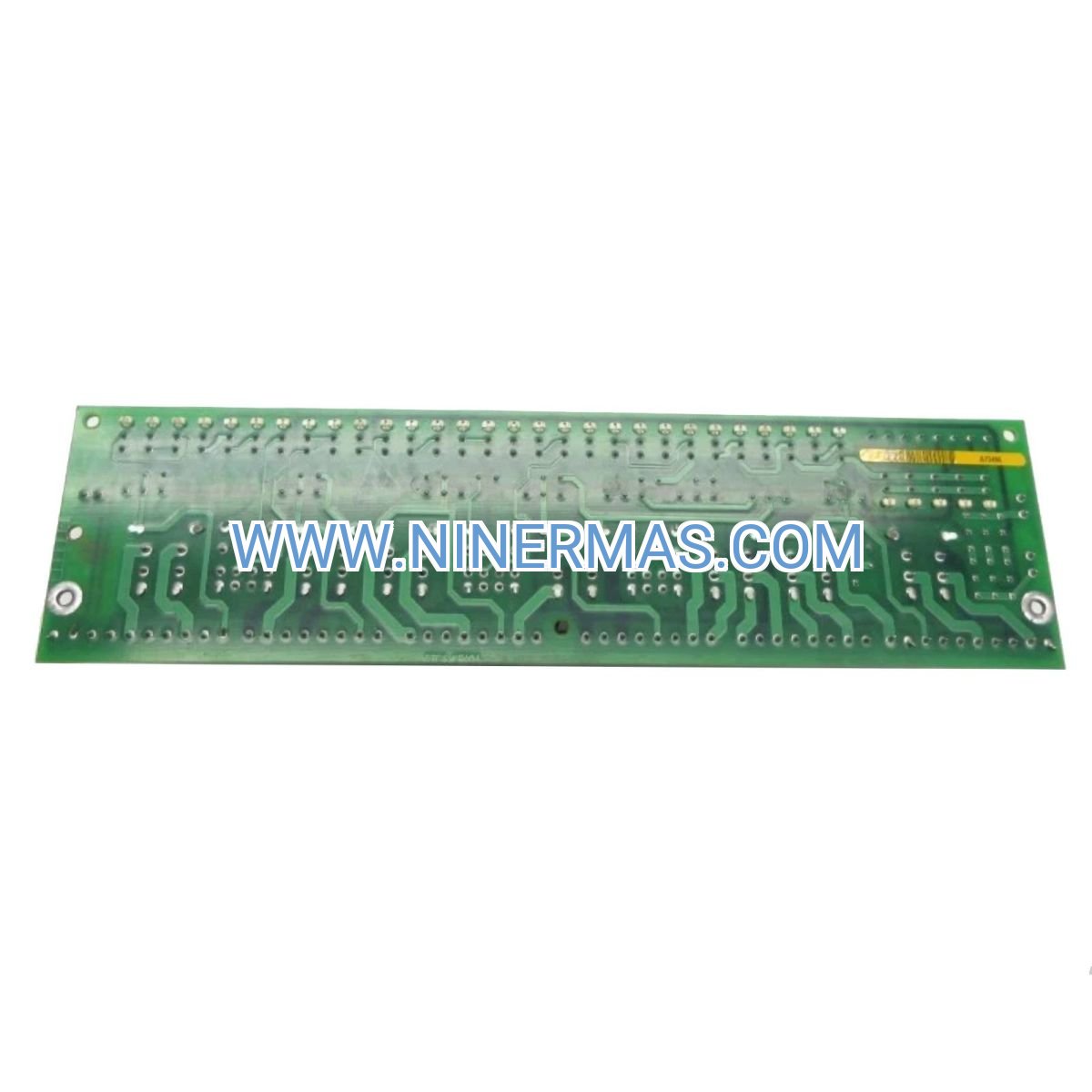
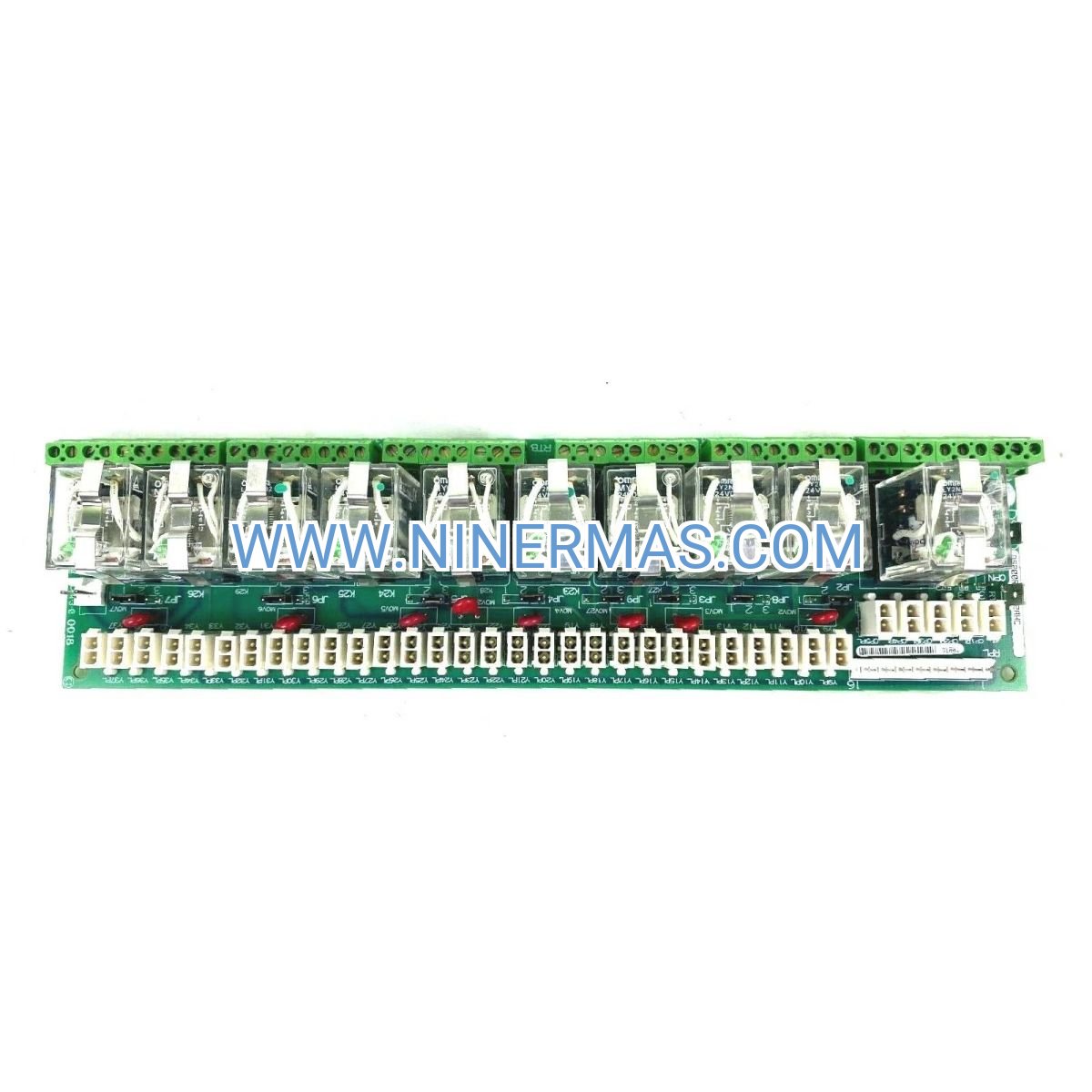
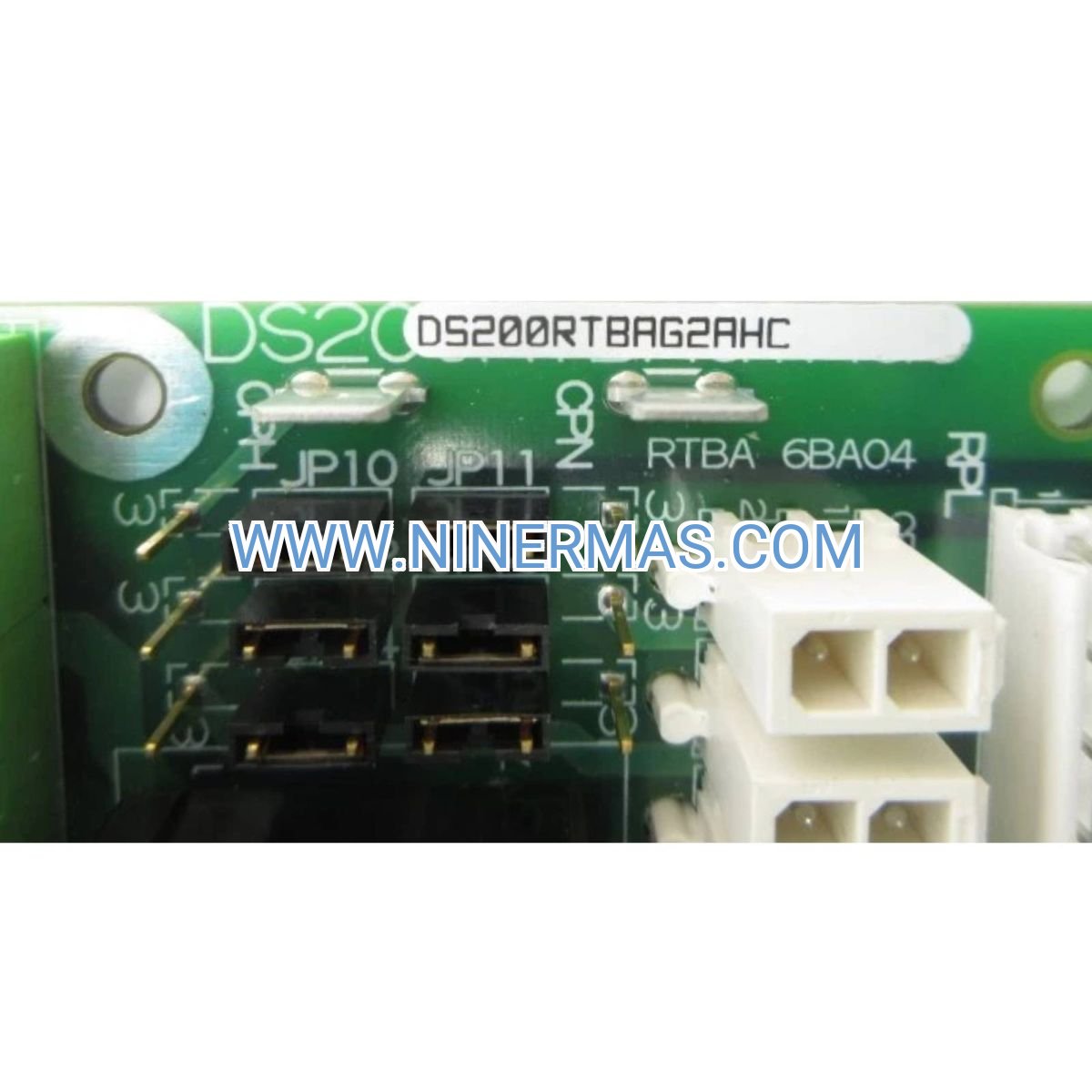
DS200RTBAG2AHC Relay Terminal Board (Industrial-Grade Turbine Control Solution)
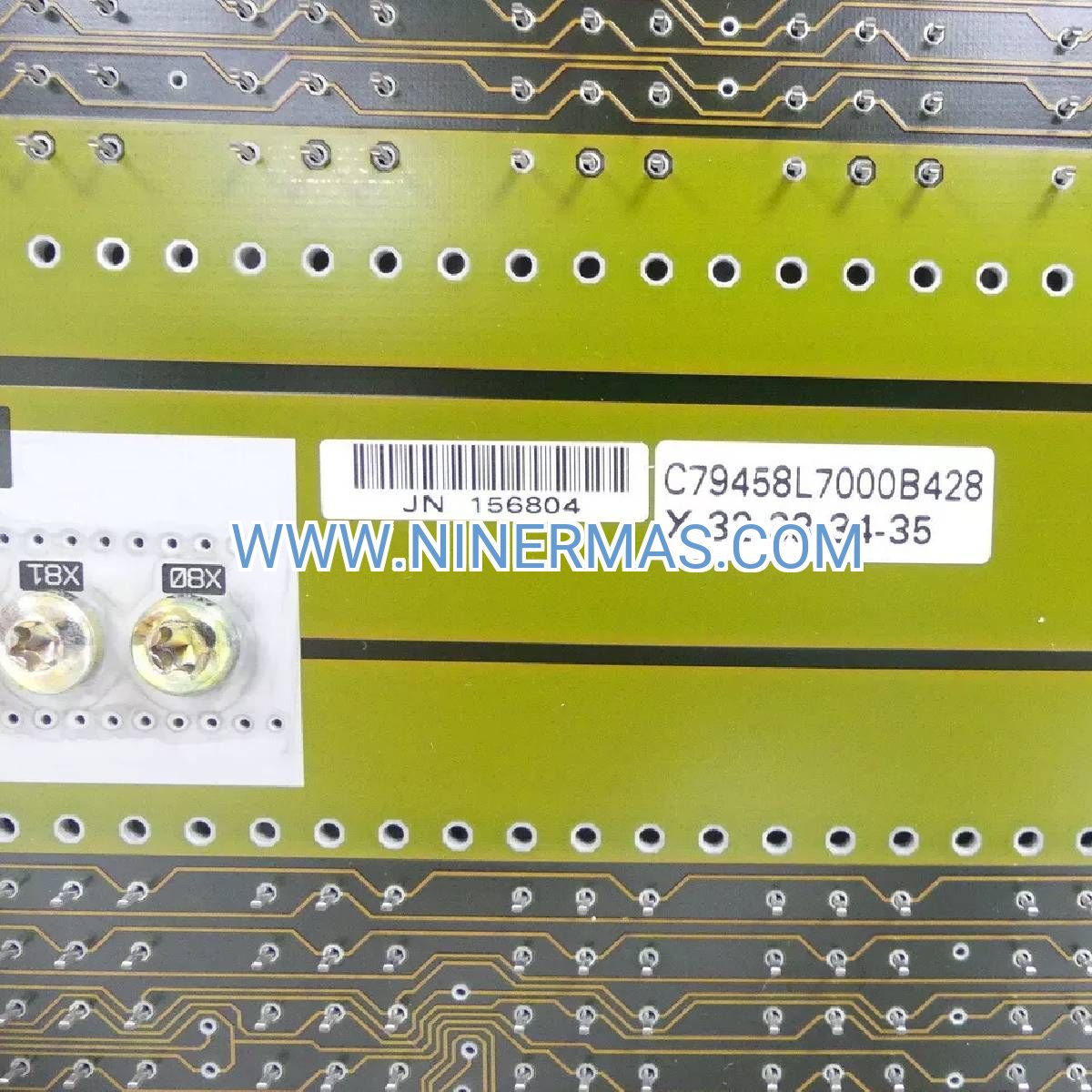
The DS200RTBAG2AHC is a precision-engineered relay terminal board designed for General Electric Mark V Speedtronic turbine control systems. Through electromechanical relay switching and VME-compatible architecture, it delivers reliable signal termination, output distribution, and control logic execution for gas turbines, steam turbines, and combined-cycle power generation facilities.
Ideal for power plants, petrochemical facilities, oil & gas compression stations, and industrial cogeneration systems, this board addresses critical challenges including relay contact degradation, signal routing complexity, system downtime during maintenance, and environmental stress in high-temperature control cabinets.
Built with standardized VME form factor and field-proven design, the DS200RTBAG2AHC offers hot-swap capability in redundant configurations, UL/CE compliance, extended temperature tolerance, and seamless integration with Mark V processor and I/O modules. Suitable for design engineers, system integrators, plant maintenance teams, and OEM turbine manufacturers. Contact our application engineers for system-specific configuration recommendations and technical documentation.
Core Functions & Advantages
Precision Relay Output Management
Provides dedicated termination points for up to 16 relay channels with gold-plated contacts, ensuring low contact resistance and minimal signal degradation over 100,000+ switching cycles, critical for turbine trip logic and valve control sequences.
Enhanced System Availability
Supports hot-swap replacement in dual-redundant Mark V configurations, reducing mean time to repair (MTTR) by approximately 60% compared to non-redundant architectures, minimizing unplanned turbine shutdowns.
Industrial Environmental Resilience
Operates reliably across 0°C to 60°C ambient temperatures with 5-95% non-condensing humidity tolerance, featuring conformal coating protection against dust, moisture, and corrosive gases common in power generation environments.
Comprehensive Protection Architecture
Integrates overvoltage suppression, reverse polarity protection, EMI/RFI filtering, and thermal monitoring circuits, reducing nuisance trips by up to 40% and extending relay contact lifespan through arc suppression networks.
Intuitive Diagnostic Interface
Equipped with LED status indicators for each relay channel and board health monitoring, enabling rapid fault isolation through Mark V HMI diagnostic screens with real-time relay state visualization and historical event logging.
Proven Interoperability
Fully compatible with GE Mark V R, S, and T controller revisions, supporting legacy system upgrades and new installations with backward-compatible firmware and standardized VME backplane communication protocols.
Typical Application Scenarios
This relay terminal board serves mission-critical control functions across industries demanding high reliability and continuous operation:
Power Generation Facilities
Manages turbine start/stop sequencing, emergency shutdown (ESD) relay logic, generator breaker control, and auxiliary system interlocks in 50-500 MW gas and steam turbine installations, ensuring compliance with NERC reliability standards.
Combined-Cycle & Cogeneration Plants
Coordinates multi-turbine control strategies, heat recovery steam generator (HRSG) bypass valve actuation, and load-sharing relay networks in facilities requiring 99.5%+ availability for baseload and peaking power generation.
Petrochemical & Refining Operations
Controls turbine-driven compressor anti-surge valves, process gas recycle systems, and emergency depressurization sequences in ethylene crackers, catalytic reformers, and fluid catalytic cracking (FCC) units operating under API 670 vibration monitoring requirements.
Oil & Gas Production & Pipeline Systems
Operates offshore platform turbine generators, pipeline compressor station control logic, and wellhead pressure safety systems in hazardous area classifications (Class I Division 2), interfacing with SIL-rated shutdown systems.
Industrial Manufacturing & District Energy
Supports on-site power generation for automotive plants, semiconductor fabs, and university campus central utilities, providing black-start capability and grid-independent operation during utility outages.
Technical Parameters & Selection Guide
To ensure optimal system performance and compatibility, reference the following specifications during design and procurement:
| Parameter | Specification |
|---|---|
| Part Number | DS200RTBAG2AHC |
| Relay Channels | 16 Form C (SPDT) electromechanical relays |
| Contact Rating | 5A @ 250VAC / 30VDC resistive load |
| Coil Voltage | 24VDC nominal (18-32VDC operating range) |
| Operating Temperature | 0°C to +60°C (32°F to 140°F) |
| Storage Temperature | -40°C to +85°C (-40°F to 185°F) |
| Humidity Range | 5% to 95% RH non-condensing |
| Board Dimensions | 6U VME format (233.4mm × 160mm) |
| Weight | Approximately 1.0 kg (2.2 lbs) |
| Power Consumption | 15W typical, 25W maximum (all relays energized) |
| Mounting | VME rack with P1/P2 connector interface |
| Certifications | UL 508, CE Mark, RoHS compliant |
| MTBF | >100,000 hours @ 40°C (MIL-HDBK-217F) |
Selection Considerations
When specifying the DS200RTBAG2AHC for your Mark V system, evaluate: (1) total relay output requirements across all control functions, (2) contact load types (resistive, inductive, lamp), (3) environmental conditions including temperature extremes and vibration levels per IEC 60068-2-6, (4) redundancy architecture (simplex vs. TMR), and (5) existing Mark V controller revision and firmware version. For custom configurations or system-specific recommendations, provide our engineering team with: turbine model and rating, control system architecture diagram, I/O point list, environmental classification, and applicable industry standards (IEEE, NFPA, API). Technical datasheets, CAD drawings, and integration manuals available upon request.
Extended Capabilities & Integration
Multi-Board Scalability
Mark V systems support up to 8 relay terminal boards per controller rack, enabling 128+ relay outputs for complex turbine control schemes including multi-stage valve sequencing, auxiliary system interlocks, and annunciation panels.
Protocol & Communication Support
Interfaces with Mark V Ethernet (Modbus TCP), serial communication modules (Modbus RTU), and SCADA systems via OPC DA/UA servers, enabling remote monitoring through plant DCS and historian integration for predictive maintenance analytics.
Cybersecurity Hardening
Compatible with GE's Industrial Defender security appliances and supports network segmentation strategies per IEC 62443 standards, protecting critical turbine control networks from unauthorized access and malware threats.
Delivery, Service & Quality Assurance
Lead Times & Availability
Factory-new units: 4-6 weeks standard delivery; reconditioned/tested surplus boards: 3-5 business days from stock. Expedited shipping available for emergency outage support with 24-hour dispatch service to minimize turbine downtime costs.
Warranty Coverage
All DS200RTBAG2AHC boards include a comprehensive 12-month warranty covering manufacturing defects, component failures, and workmanship issues. Warranty includes advance replacement service for critical applications requiring <4 hour response times.
Technical Support Services
Complimentary pre-sales application engineering consultation, post-installation commissioning assistance via remote desktop support, and 24/7 emergency troubleshooting hotline staffed by GE-certified turbine control specialists. On-site field service available in major industrial regions.
Documentation Package
Each board ships with: (1) installation and wiring manual with terminal block diagrams, (2) functional test procedures and acceptance criteria, (3) spare parts recommendations and relay replacement procedures, (4) Mark V integration guide with sample ladder logic, and (5) material certifications and RoHS compliance declarations.
Quality Certifications
Manufactured under ISO 9001:2015 quality management systems with full traceability to component lot codes. All boards undergo 100% functional testing including relay contact resistance measurement, insulation resistance verification (500VDC megger test), and 48-hour burn-in at elevated temperature per GE quality specifications.
Frequently Asked Questions (FAQ)
Q: How does the DS200RTBAG2AHC relay terminal board integrate with existing Mark V control systems?
A: The board installs directly into any available VME slot within the Mark V controller rack and communicates via the P1/P2 backplane connectors. Configuration is performed through the Mark V Toolbox software, where relay assignments are mapped to specific control logic outputs. No special adapters or interface modules are required—simply insert the board, secure with retention hardware, connect field wiring to the terminal blocks, and download the updated configuration. Compatibility spans Mark V revisions R, S, and T with appropriate firmware versions.
Q: Can this relay board be replaced during turbine operation without causing a shutdown?
A: In triple-modular redundant (TMR) Mark V configurations, hot-swap capability allows board replacement while the turbine remains online, provided the redundant relay outputs are properly configured and the system is operating in degraded mode with 2-out-of-3 voting. For simplex (non-redundant) installations, a controlled turbine shutdown and lockout/tagout procedure is mandatory to prevent inadvertent trips or unsafe conditions during board removal. Always consult the site-specific safety procedures and Mark V system architecture documentation before attempting any maintenance.
Q: What is the expected service life of the DS200RTBAG2AHC under continuous operation?
A: Under typical power generation duty cycles with ambient temperatures maintained below 50°C and proper ventilation, the board demonstrates a mean time between failures (MTBF) exceeding 100,000 hours (approximately 11 years of continuous operation). Relay contact life depends on switching frequency and load characteristics—resistive loads at rated current typically achieve 1 million operations, while inductive loads (motor starters, solenoid valves) may require contact inspection or relay replacement after 100,000-500,000 cycles. Preventive maintenance programs should include annual relay contact resistance testing and visual inspection for signs of arcing or contamination.
Q: Are individual relay components field-replaceable, or must the entire board be exchanged?
A: The electromechanical relays are socketed components and can be individually replaced by qualified technicians using standard relay extraction tools. GE provides relay replacement kits (part number available through authorized distributors) containing relays, sockets, and installation instructions. However, for mission-critical applications or when multiple relay failures occur, complete board replacement is recommended to ensure system integrity and maintain warranty coverage. Field relay replacement should only be performed by personnel trained in ESD-safe handling procedures and familiar with Mark V maintenance practices.
Q: Does the DS200RTBAG2AHC require calibration or configuration after installation?
A: The board arrives factory-calibrated and requires no field calibration of relay timing or contact characteristics. However, system commissioning includes: (1) verification of relay-to-logic mapping through Mark V Toolbox diagnostics, (2) functional testing of each relay output using the built-in test sequences, (3) contact resistance measurement to confirm proper terminal block connections, and (4) integration testing with connected field devices (valves, breakers, alarms). The Mark V diagnostic interface provides real-time relay state monitoring and historical event logs to validate proper operation during commissioning and ongoing operation.
Q: What environmental conditions can cause premature relay failure or board malfunction?
A: Primary failure modes include: (1) excessive ambient temperature (>60°C) causing relay coil insulation breakdown, (2) condensation or high humidity leading to contact corrosion and insulation tracking, (3) airborne contaminants (sulfur compounds, chlorine, conductive dust) depositing on relay contacts, (4) mechanical vibration exceeding 2G peak acceleration causing contact chatter, and (5) voltage transients from inductive load switching without proper suppression. Mitigation strategies include: maintaining control room HVAC within specified limits, installing air filtration systems, applying conformal coating to exposed circuitry, mounting the rack on vibration isolators, and using RC snubber networks or MOV suppressors on inductive loads.
Q: Is the DS200RTBAG2AHC compatible with third-party Mark V retrofit or upgrade programs?
A: Yes, the board maintains full compatibility with GE-authorized Mark V modernization programs including Mark VIe migration paths and third-party control system retrofits that preserve the VME I/O architecture. When integrating with non-GE controllers, verify that the replacement system supports VME backplane communication protocols and provides equivalent 24VDC relay coil drive signals. Some retrofit solutions may require custom interface modules or firmware adaptations—consult with the retrofit vendor and provide complete DS200RTBAG2AHC technical specifications during the design phase to ensure seamless integration.
Request Technical Consultation
To receive a customized selection guide, detailed quotation, or application-specific technical support, please provide our engineering team with the following project information:
- Turbine manufacturer, model, and rated capacity (MW or HP)
- Mark V controller revision (R, S, T) and current firmware version
- Total relay output requirements and load characteristics (voltage, current, inductive/resistive)
- Redundancy architecture (simplex, dual, or TMR configuration)
- Environmental conditions (temperature range, humidity, vibration, hazardous area classification)
- Applicable industry standards and certifications (API, NFPA, IEEE, IEC)
- Project timeline and delivery requirements
Our GE-certified application engineers will respond within 24 hours with a comprehensive technical proposal including system integration recommendations, wiring diagrams, and lifecycle cost analysis.
© 2026 NINERMAS COMPANY LIMITED. All rights reserved.
Original Source: https://ninermas.com
Contact: sale@ninermas.com | +0086 187 5021 5667

Contact Info
-
Address:22 / F, South Wo Hang building, 148 Wing Lok Street, Sheung Wan, Western District, Hong Kong
-
Phone:+8618750215667
-
Email:
