Description
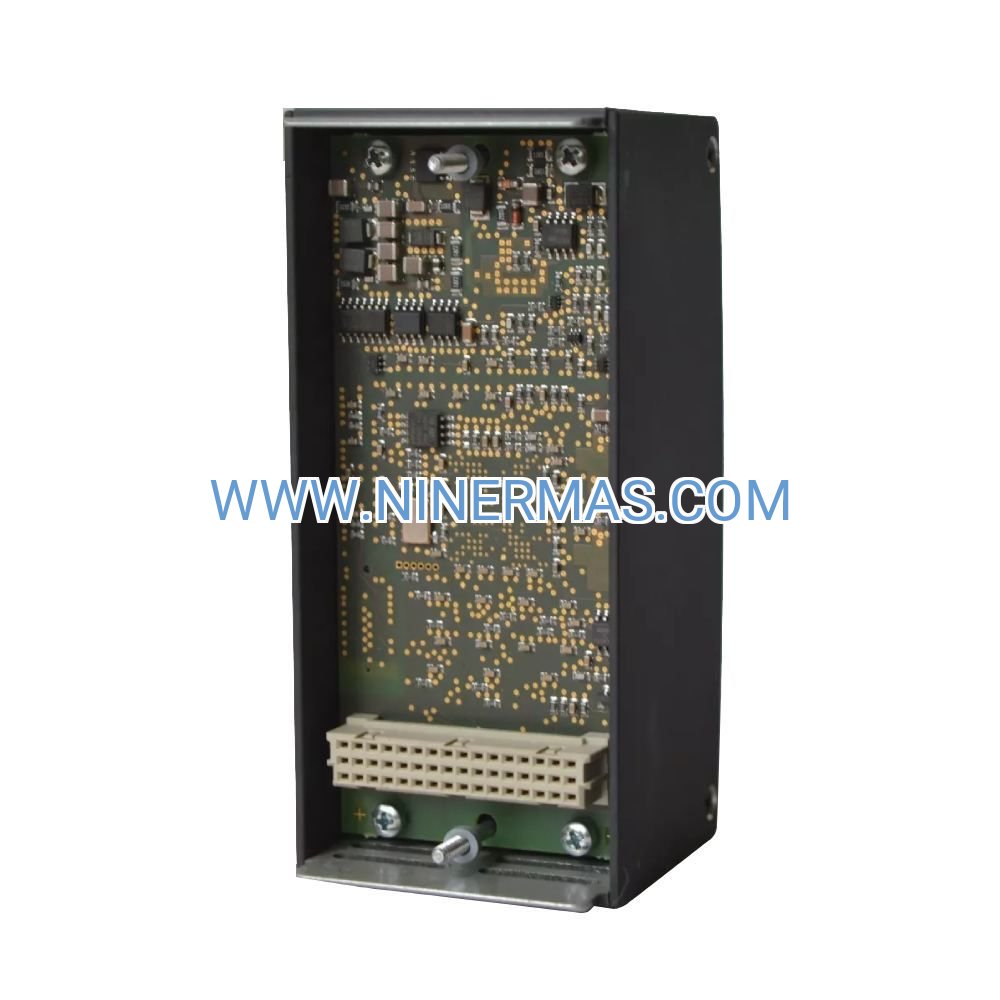
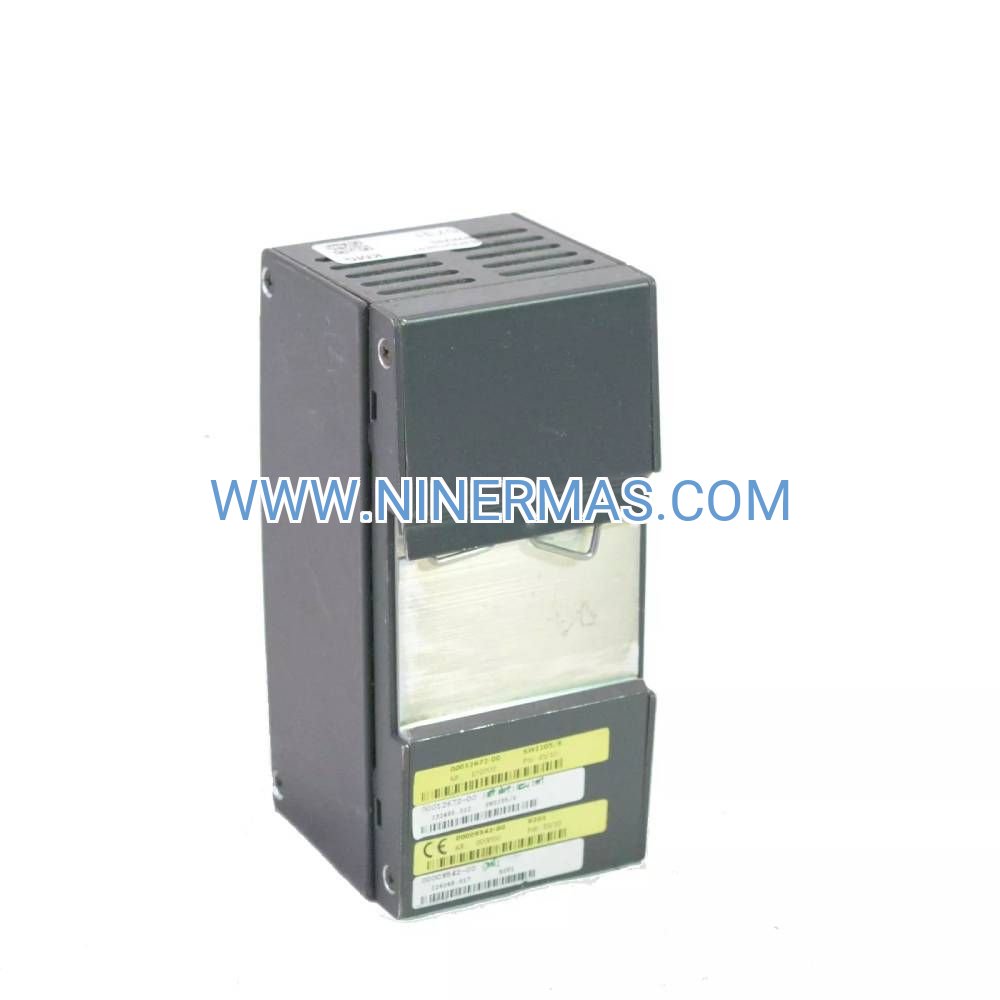
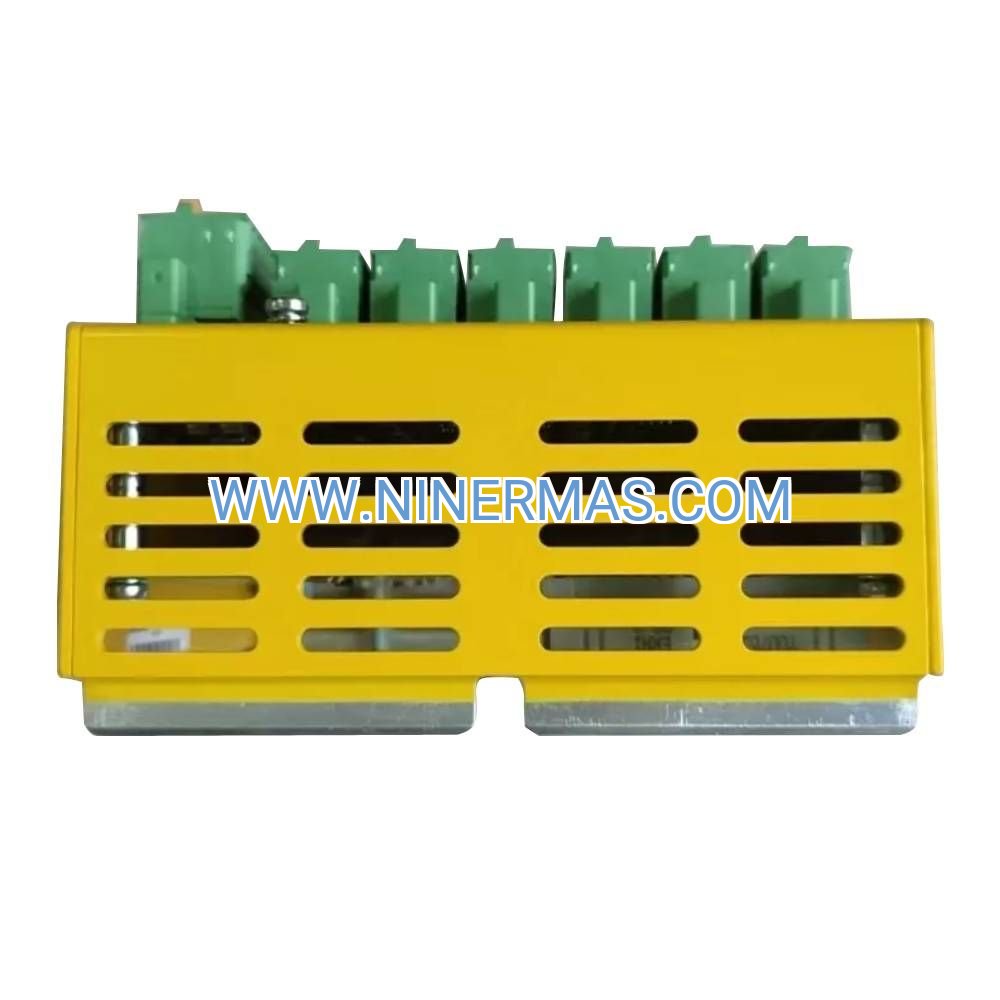
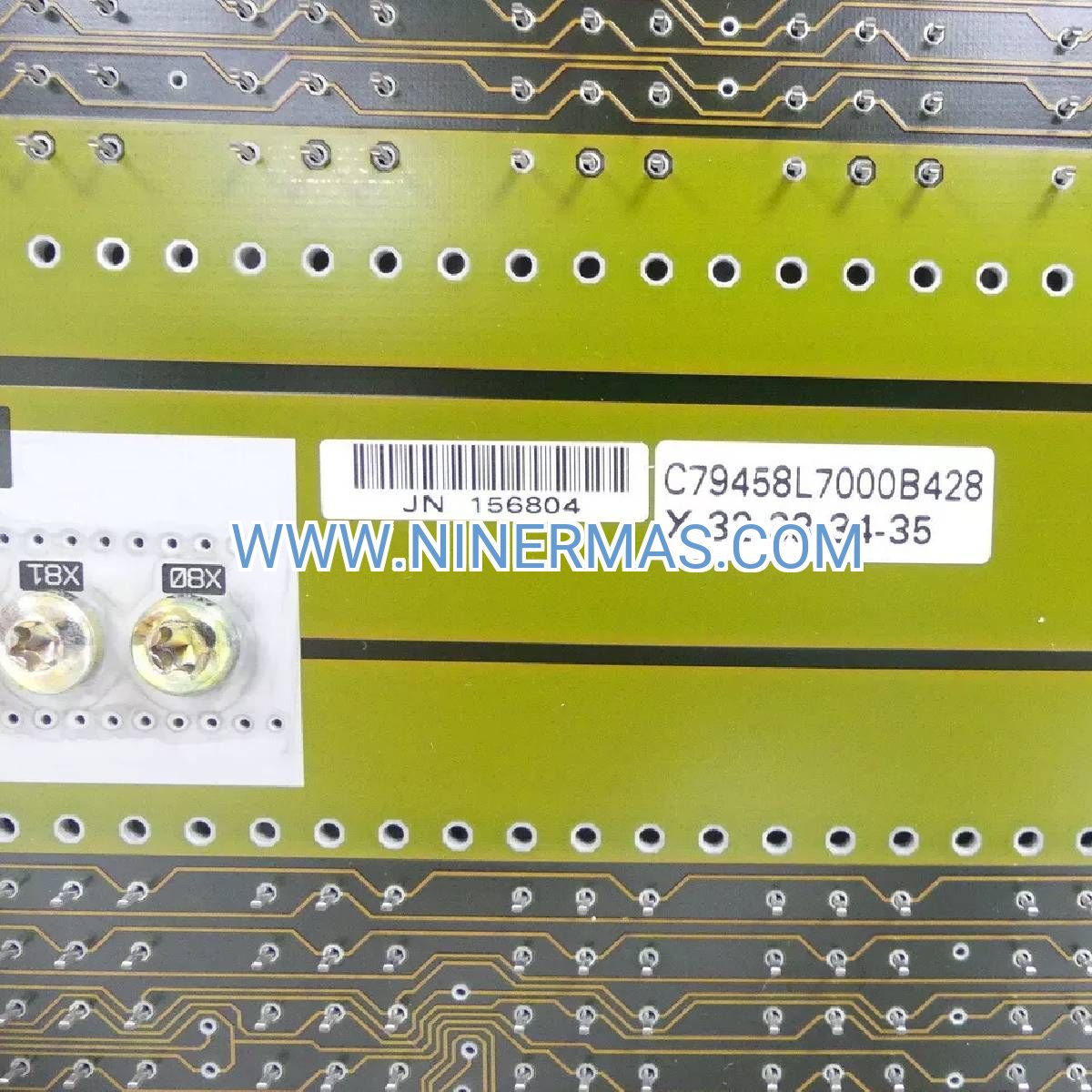
259B2460BTG2 VME Rack Assembly (Industrial-Grade Control Infrastructure)
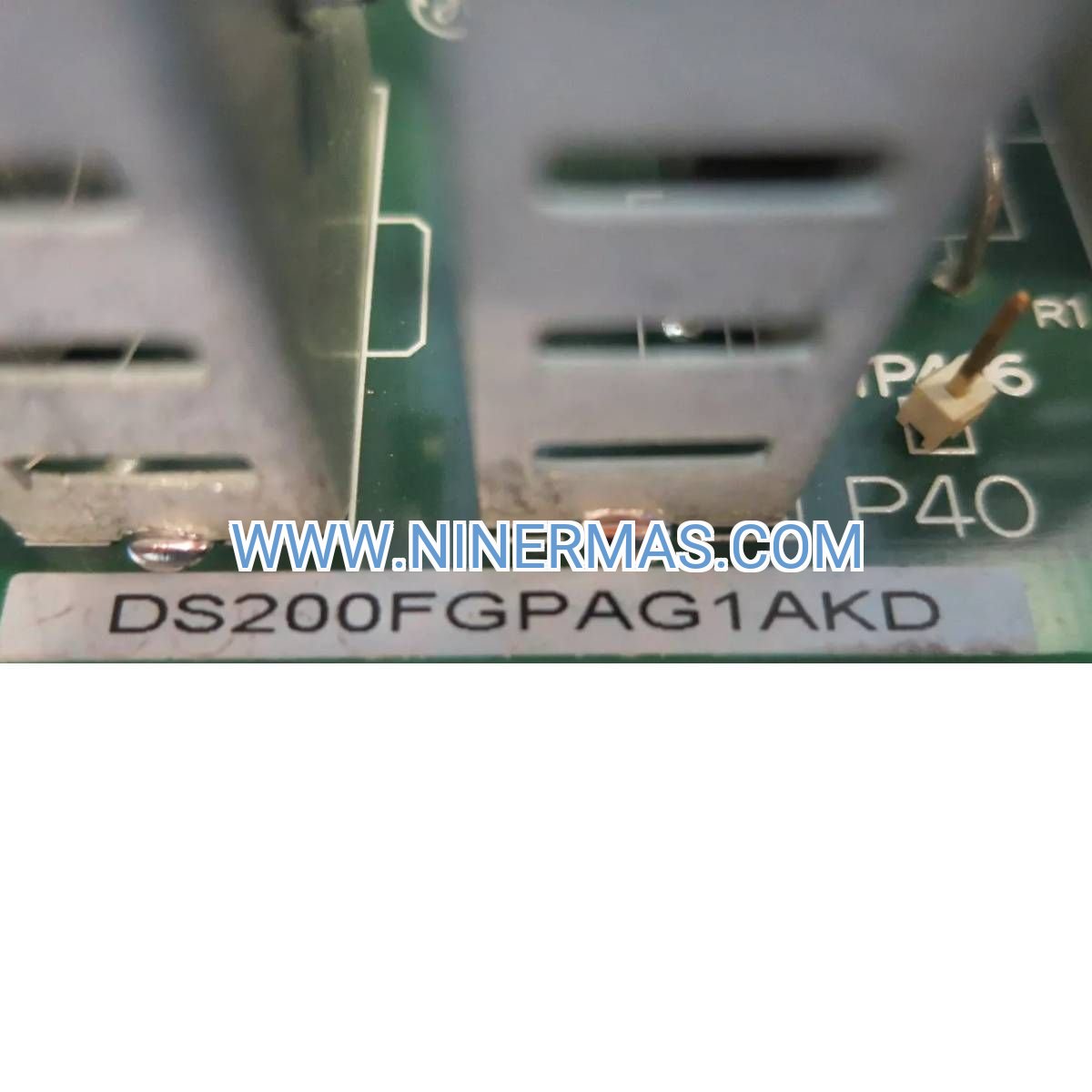
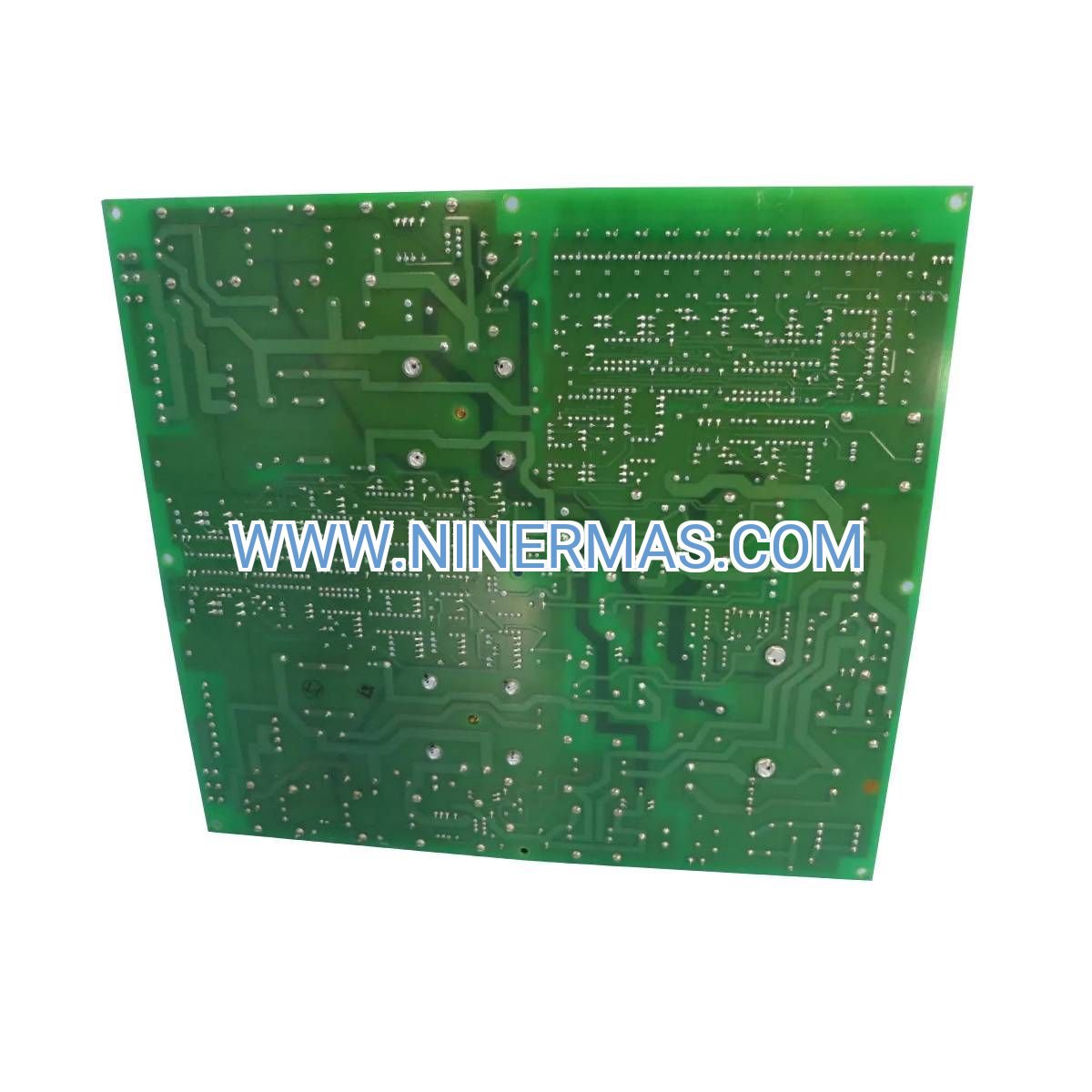
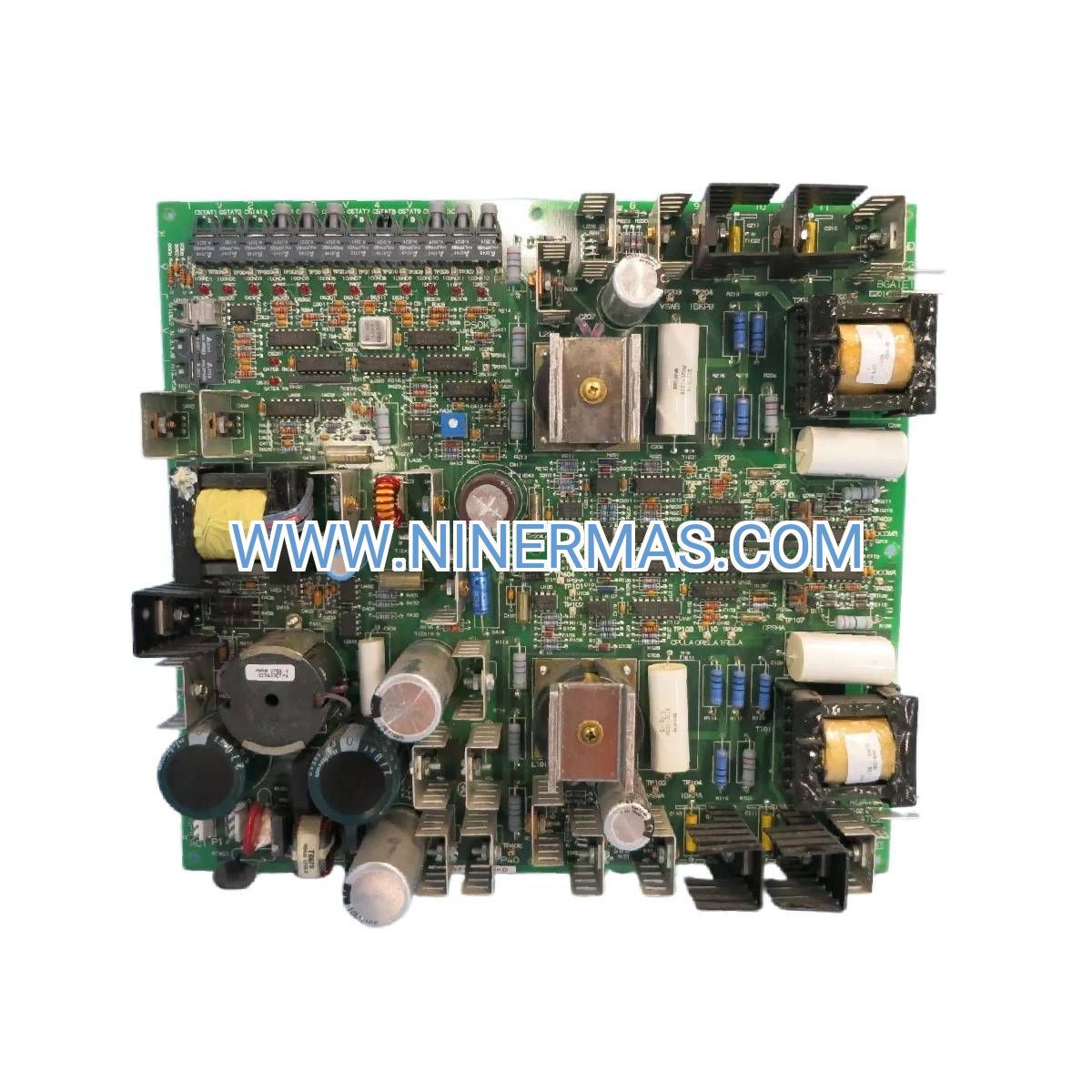
The 259B2460BTG2 represents a mission-critical VME backplane solution engineered for General Electric Mark VI Speedtronic turbine control architectures. Identified by part number 512AZSPBPAC-100, this rack assembly delivers the structural foundation and electrical interconnection required for high-availability power generation control systems.
Designed to address the demanding requirements of continuous-duty turbine operations, this VME infrastructure eliminates single points of failure through redundant bus architecture and industrial-grade construction. Power plant operators and system integrators rely on this platform to maintain uptime in environments where control system failure translates directly to revenue loss and grid instability.
Key differentiators include VMEbus-compliant slot architecture for universal module compatibility, optimized thermal pathways for passive cooling efficiency, and electromagnetic shielding that meets stringent industrial immunity standards—making it the preferred choice for retrofit projects and greenfield installations alike.
Core Features & Business Value
→ Multi-Slot VME Backplane Architecture
Accommodates diverse controller, I/O, and communication modules within a unified chassis, reducing cabinet footprint by up to 40% compared to distributed mounting approaches while simplifying maintenance access.
→ Industrial Temperature Range (-40°C to +85°C Storage)
Ensures reliable operation in uncontrolled environments typical of turbine enclosures and remote generation sites, eliminating costly HVAC requirements and extending mean time between failures (MTBF).
→ EMI/RFI Hardened Enclosure
Meets IEC 61000-4 immunity standards to prevent false trips and data corruption in electrically noisy power plant settings, directly protecting against unplanned outages that average $500K+ per incident in utility-scale facilities.
→ 19-Inch Rack-Mount Compatibility
Integrates seamlessly with standard EIA-310-D cabinets used across industrial control rooms, enabling rapid deployment without custom fabrication and preserving existing infrastructure investments.
→ Hot-Swap Capable Slot Design
Supports online module replacement for non-critical cards, reducing planned maintenance windows from hours to minutes and improving overall system availability metrics.
✓ Modular Expansion Capability
Future-proofs control systems by allowing incremental addition of I/O capacity, advanced analytics modules, or cybersecurity gateways without forklift upgrades—critical for plants operating under multi-decade asset lifecycles.
Application Scenarios Across Power Generation
Combined Cycle Power Plants
Challenge: Coordinating gas turbine, steam turbine, and HRSG control across distributed VME controllers while maintaining deterministic response times.
Solution: The 259B2460BTG2 provides centralized backplane infrastructure that reduces inter-controller latency to sub-millisecond levels, enabling tight load-following performance required for frequency regulation markets.
Peaking Plant Rapid Start Operations
Challenge: Achieving black-start capability and full-load ramp rates under 10 minutes demands ultra-reliable control hardware with zero boot failures.
Solution: Ruggedized VME slot contacts and gold-plated backplane traces ensure consistent module initialization even after extended cold standby periods, supporting revenue-critical fast-start contracts.
Industrial Cogeneration Facilities
Challenge: Integrating turbine control with process steam management and electrical export metering in space-constrained installations.
Solution: Compact rack design consolidates Mark VI control, custom I/O interfaces, and third-party protocol gateways in a single chassis, reducing panel count and simplifying regulatory compliance documentation.
Offshore Platform Power Generation
Challenge: Maintaining control system integrity in high-vibration, salt-fog environments where traditional electronics suffer accelerated corrosion.
Solution: Conformal-coated backplane and stainless steel hardware options (consult for availability) extend service life in marine atmospheres, reducing helicopter-based maintenance logistics costs.
District Heating Turbine Automation
Challenge: Seasonal load variations require flexible control architectures that can accommodate both base-load and variable-output operating modes.
Solution: Spare VME slots enable cost-effective addition of seasonal control algorithms or emissions monitoring modules without system downtime during shoulder seasons.
Technical Parameters & Selection Criteria
| Specification | Value | Selection Notes |
|---|---|---|
| Manufacturer Part Number | 259B2460BTG2 | Cross-reference with GE documentation |
| Alternate Part Number | 512AZSPBPAC-100 | Used in legacy procurement systems |
| System Platform | Mark VI Speedtronic | Not compatible with Mark V or Mark VIe |
| Bus Standard | VMEbus (IEEE 1014-1987) | Ensures third-party module compatibility |
| Operating Temperature | 0°C to +60°C | Verify against enclosure ambient conditions |
| Relative Humidity | 5% to 95% non-condensing | Condensation requires additional sealing |
| Vibration Resistance | IEC 60068-2-6 compliant | Suitable for turbine-adjacent mounting |
| Dimensions (H×W×D) | Standard 19" rack unit | Confirm U-height with module count |
| Approximate Weight | 5 kg (empty chassis) | Add 0.5-1.5 kg per installed module |
| Country of Manufacture | United States | Relevant for ITAR/export compliance |
Selection Guidance: When specifying this rack assembly, verify total slot requirements by auditing your Mark VI I/O count, communication interfaces, and future expansion plans. A common sizing error is underestimating slots needed for redundant controllers and diagnostic modules—plan for 20-30% spare capacity to avoid costly mid-project re-engineering.
Extended Capabilities & Integration Options
Cybersecurity Hardening: Spare VME slots accommodate next-generation firewall modules and intrusion detection systems mandated by NERC CIP standards, enabling compliance without parallel control system installations.
Predictive Maintenance Integration: Modern vibration analysis and thermography modules interface directly via VME backplane, consolidating condition monitoring data streams for AI-driven anomaly detection and remaining useful life (RUL) calculations.
Protocol Gateway Expansion: Add Modbus TCP, OPC UA, or IEC 61850 communication modules to bridge Mark VI control with plant-wide SCADA, historian systems, or utility DERMS platforms—critical for virtual power plant (VPP) participation.
Custom I/O Development: The VMEbus standard supports in-house or third-party development of specialized interface cards for legacy sensors, proprietary actuators, or research instrumentation not covered by standard GE offerings.
Delivery Timeline & Service Commitments
Standard Lead Time: 3-5 business days for in-stock units, with expedited same-day shipping available for critical outage scenarios (subject to carrier availability and additional fees).
Custom Configuration: Factory-configured racks with pre-installed modules ship within 10-15 business days, including burn-in testing and configuration documentation.
Warranty Coverage: Comprehensive 12-month warranty against manufacturing defects, including backplane trace continuity, slot contact integrity, and chassis structural failures. Warranty remains valid even when populated with third-party VME modules.
Technical Support: Unlimited access to application engineers with Mark VI expertise for installation planning, slot assignment optimization, grounding/shielding best practices, and troubleshooting support throughout the product lifecycle.
Documentation Package: Each shipment includes dimensional drawings, backplane pinout diagrams, thermal derating curves, and compliance certifications (CE, UL, RoHS) required for project closeout and regulatory filings.
Frequently Asked Questions
Can this VME rack accommodate both 6U and 3U form factor modules simultaneously?
The 259B2460BTG2 is configured for a single form factor per installation. Verify your module inventory before ordering—mixing form factors requires separate rack assemblies or custom backplane solutions.
What power supply modules are compatible with this rack assembly?
This chassis requires separate VME power supply modules such as the IS2020RKPSG2A or equivalent units providing +5VDC, ±12VDC rails per VMEbus specifications. Total power budget depends on installed module count—consult our engineering team for load calculations.
How does this rack integrate with existing Mark VI VCMI controller boards?
The backplane provides standard VME P1/P2 connectors compatible with IS215VCMIH2C and similar VCMI variants. Slot assignment follows GE's recommended architecture with controller boards in leftmost positions for optimal bus arbitration performance.
Is field retrofitting possible for aging Mark VI installations?
Yes—this rack assembly serves as a direct replacement for worn or obsolete VME chassis in existing Mark VI systems. Migration typically requires 4-8 hours of planned downtime for module transfer, cable re-termination, and functional testing.
What grounding practices are recommended for EMI immunity?
Implement star-point grounding with dedicated earth connection to the rack chassis. Avoid ground loops by isolating signal cable shields at the rack end and bonding only at field device terminations. Detailed grounding schematics are provided with shipment.
Are spare parts available for long-term serviceability?
Yes—individual backplane assemblies, slot connectors, and mounting hardware are stocked for field repair scenarios. We maintain inventory commitments aligned with typical 25-30 year turbine asset lifecycles.
Ready to Upgrade Your Turbine Control Infrastructure?
Contact our Mark VI specialists to discuss your specific application requirements, receive slot configuration recommendations, and obtain project-specific lead time commitments. Our team provides complimentary pre-sales engineering support to ensure first-time-right system integration.
Request a quote now: Email sale@ninermas.com or call +0086 187 5021 5667 for immediate assistance.
© 2026 NINERMAS COMPANY LIMITED. All rights reserved.
Original Source: https://ninermas.com
Contact: sale@ninermas.com | +0086 187 5021 5667

Contact Info
-
Address:22 / F, South Wo Hang building, 148 Wing Lok Street, Sheung Wan, Western District, Hong Kong
-
Phone:+8618750215667
-
Email: