Description
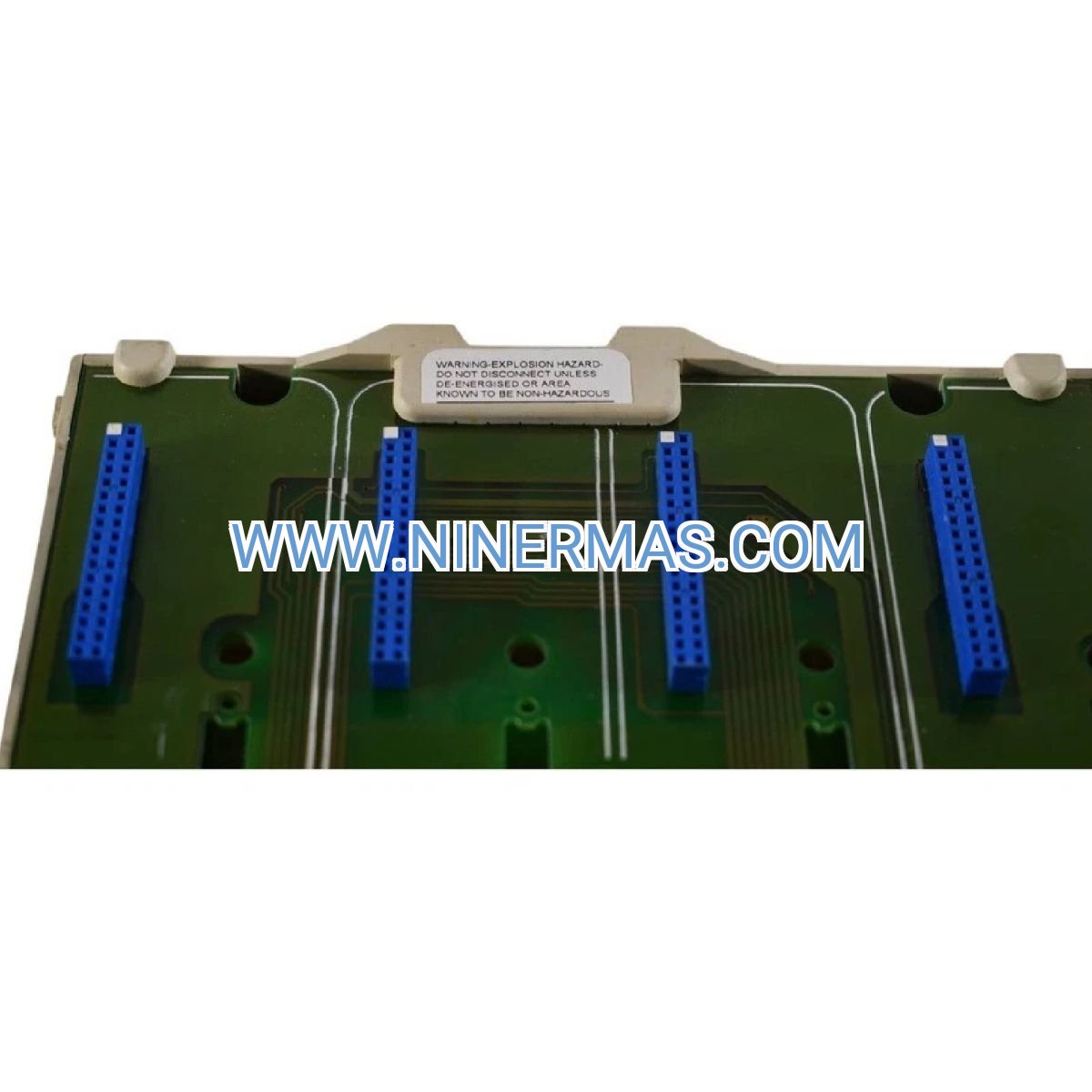
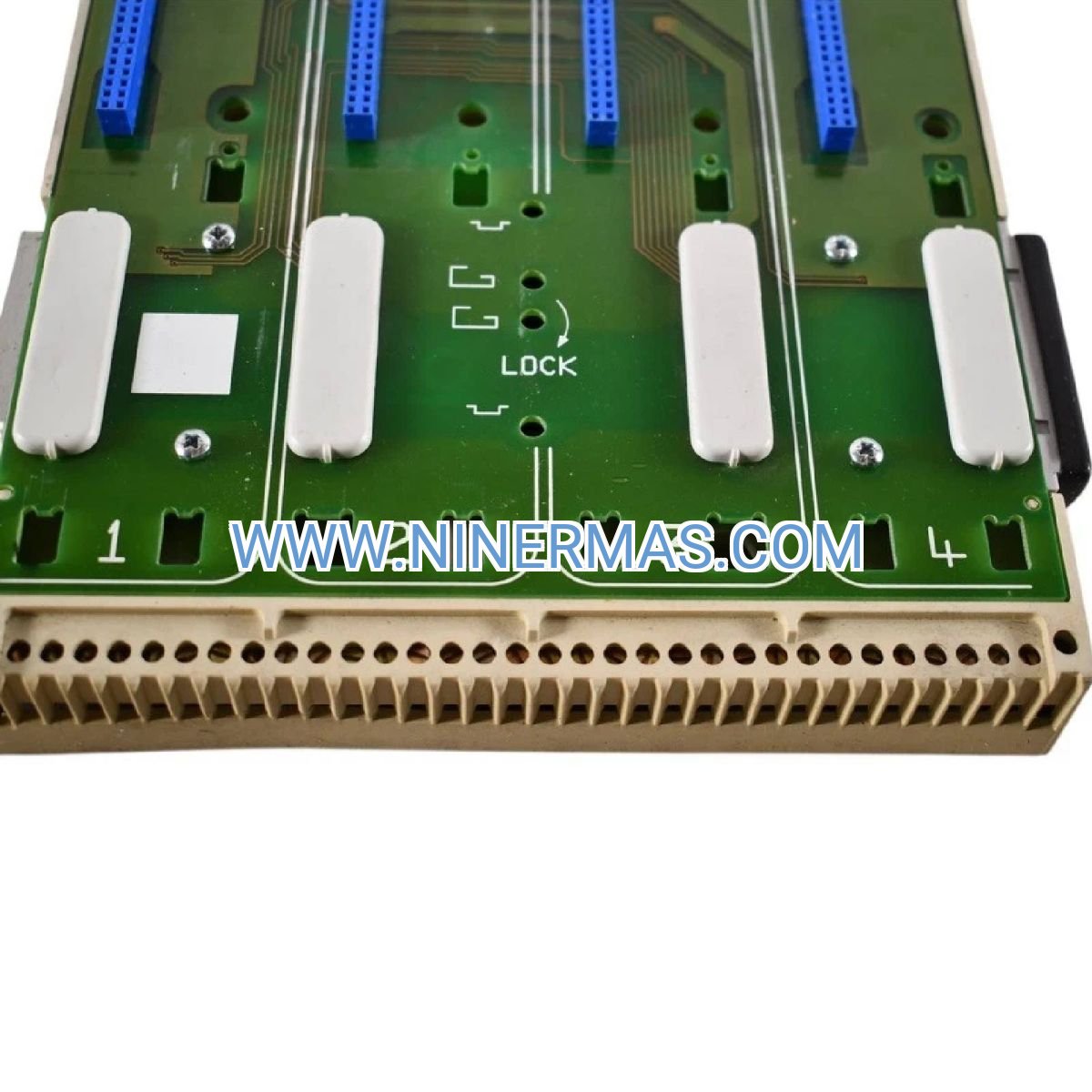
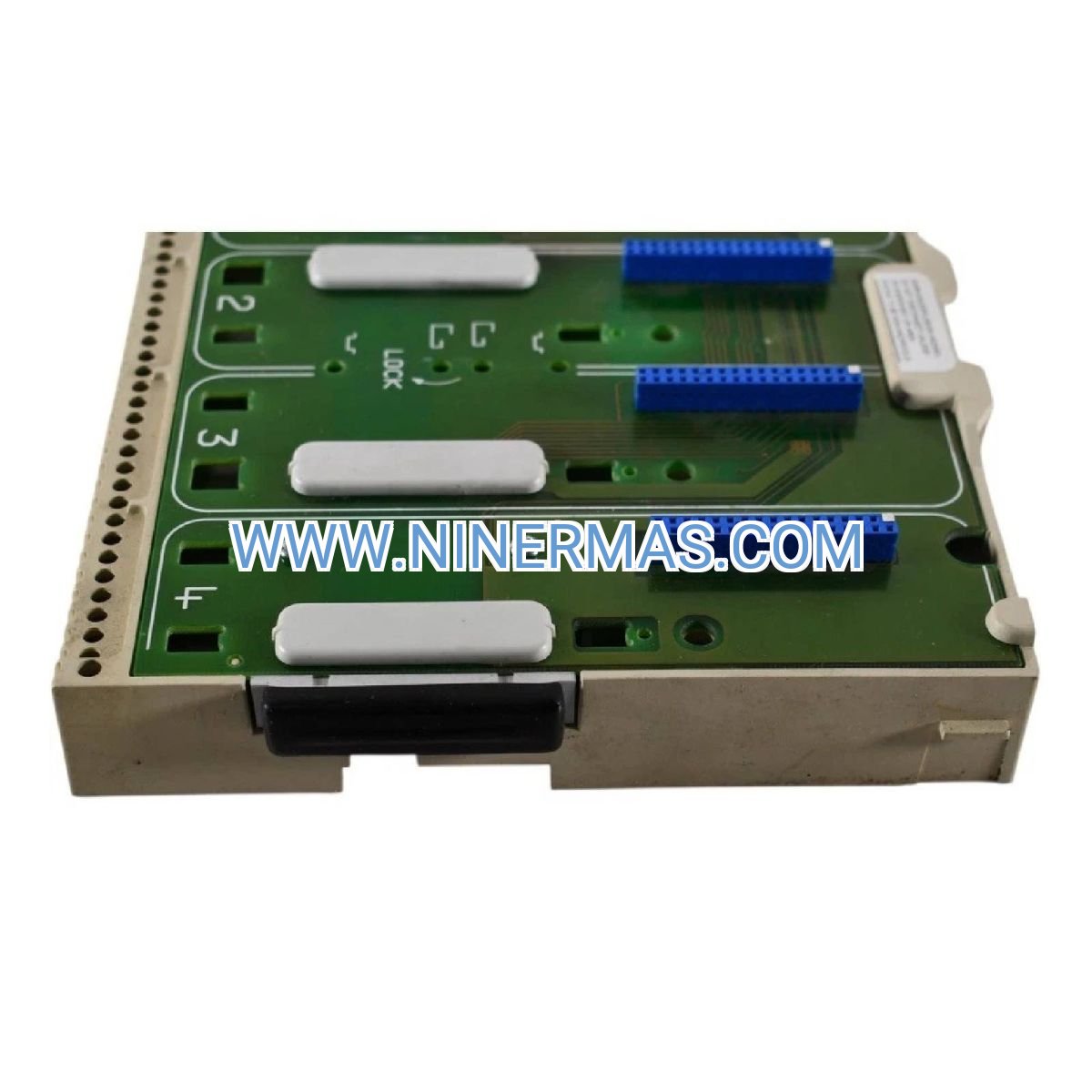
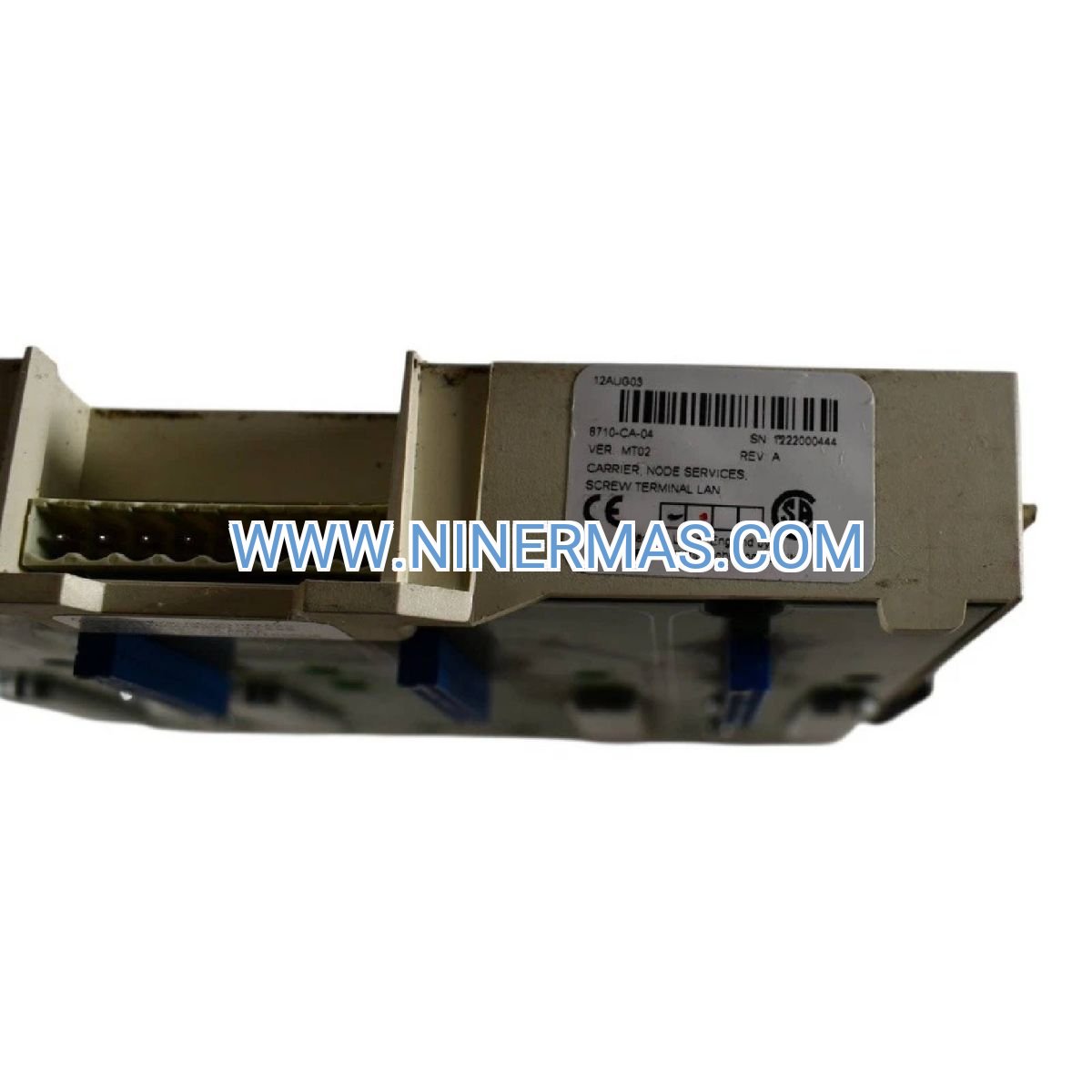
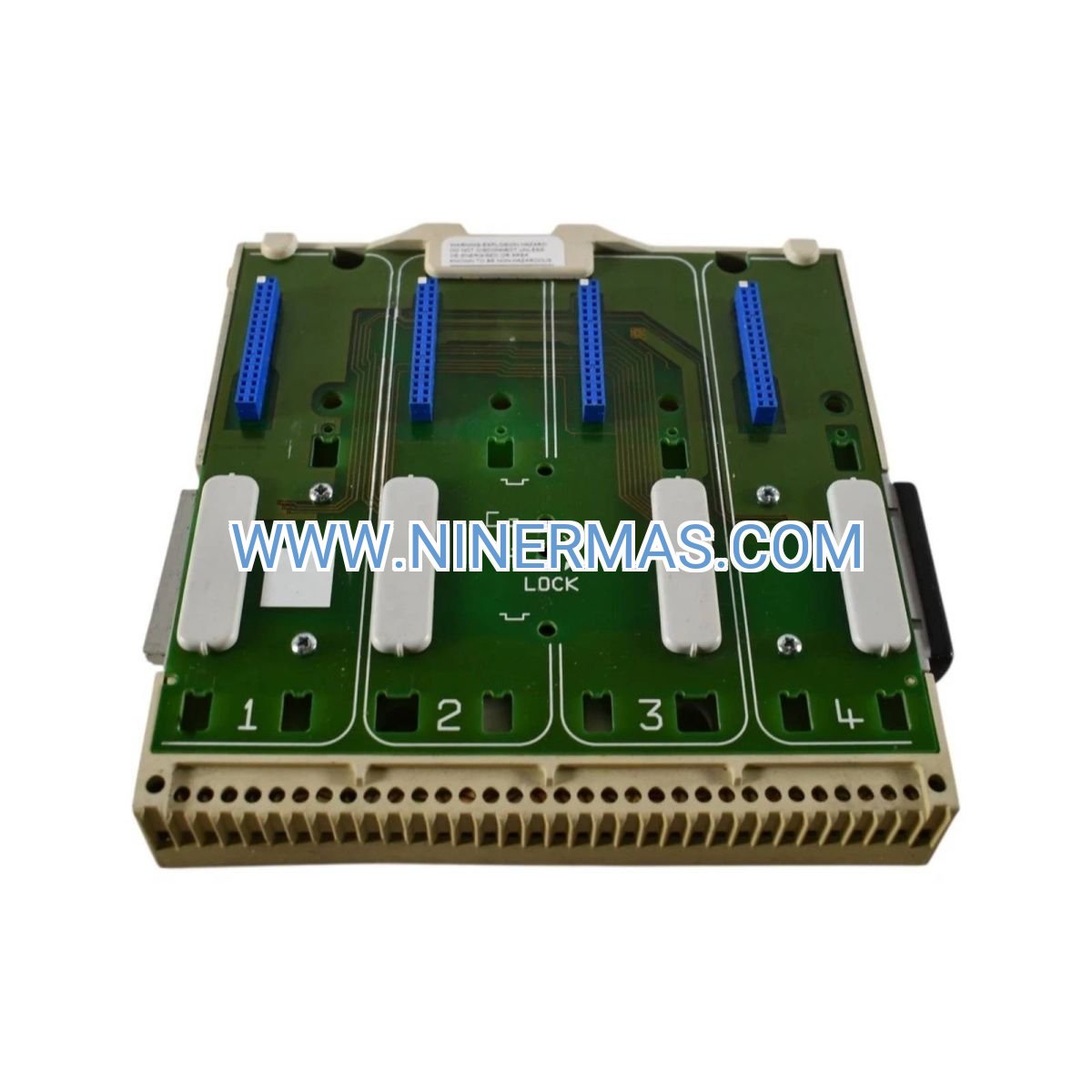
PAC8000 4-Slot Module Carrier (Industrial I/O Backplane System)
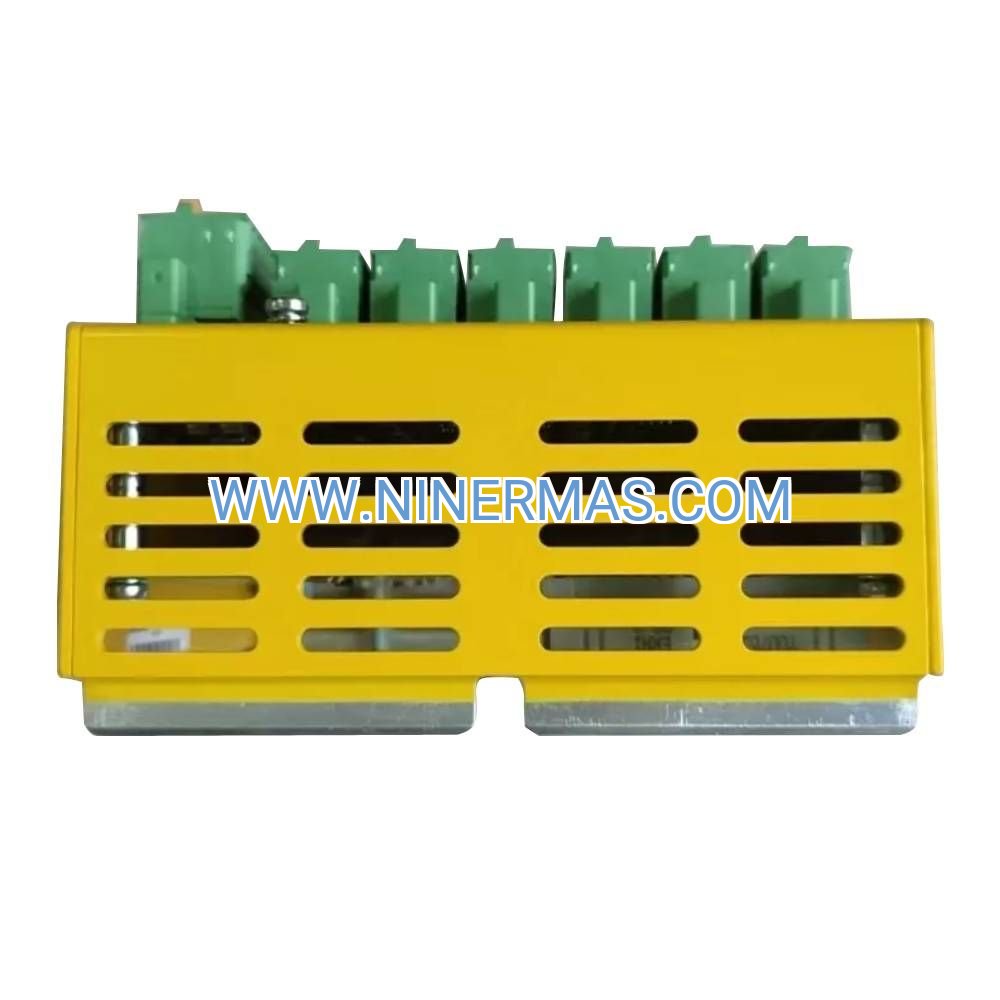
The GE 8710-CA-04 PAC8000 4-Slot Module Carrier is an industrial-grade backplane infrastructure designed for mounting and interconnecting PAC8000 series I/O modules, controllers, and communication interfaces. Through high-speed serial bus architecture and integrated power distribution, it enables modular expansion, hot-swappable maintenance, and reliable signal transmission in process control, SCADA telemetry, and distributed automation systems.
Suitable for oil & gas pipeline monitoring, chemical process control, power generation substations, water treatment facilities, and manufacturing automation environments. It addresses challenges including limited I/O capacity, system downtime during maintenance, harsh environmental conditions (-40°C to +70°C), and the need for flexible configuration across diverse industrial applications.
With standardized DIN rail mounting, UL/CE/ATEX certifications, and compatibility across the complete PAC8000 ecosystem, this carrier supports design engineers, system integrators, OEM equipment manufacturers, and end-user facility teams. Contact our application engineers for customized system architecture recommendations and technical specifications.
Core Features & Advantages
Modular Scalability & Flexible Configuration
Accommodates up to 4 PAC8000 I/O modules in any combination—digital input/output, analog input/output, specialty function modules, or communication interfaces—allowing tailored solutions for specific process requirements without over-provisioning hardware.
Hot-Swappable Architecture for Maximum Uptime
Replace or upgrade individual modules during live operation without shutting down the entire control system, minimizing production interruptions and enabling proactive maintenance scheduling in 24/7 continuous process environments.
Industrial-Hardened Environmental Protection
Operates reliably across -40°C to +70°C temperature range with 5-95% humidity tolerance, featuring vibration-resistant construction and conformal coating options for deployment in extreme conditions including offshore platforms, desert installations, and arctic facilities.
Integrated Diagnostic & Status Monitoring
Built-in LED indicators provide real-time visibility of power status, communication health, and module-level faults, accelerating troubleshooting and reducing mean time to repair (MTTR) during system commissioning and operational support.
Universal PAC8000 Ecosystem Compatibility
Seamless integration with legacy and current-generation PAC8000 components including digital I/O modules, analog signal conditioners, RTU controllers, safety-rated modules, and power supply units, protecting long-term infrastructure investments.
Simplified Installation & Maintenance
Standardized DIN rail or panel mounting with tool-free module insertion, clearly labeled connection points, and comprehensive wiring documentation reduce installation time by approximately 30% compared to traditional terminal block wiring methods.
Typical Application Scenarios
This carrier module is engineered for industrial automation systems requiring reliable I/O expansion, distributed control architecture, and long-term operational stability, particularly in:
Oil & Gas Production & Pipeline SCADA
Deploy in remote wellhead monitoring stations, pipeline pressure regulation systems, and tank farm level control applications. Combine with RTU controllers and intrinsically safe I/O modules for hazardous area compliance (Zone 2/Division 2), enabling real-time data acquisition across geographically distributed assets with minimal communication latency.
Chemical & Petrochemical Process Control
Integrate into reactor temperature control loops, distillation column pressure management, and batch processing sequencing systems. Pair with high-precision analog input modules (±0.1% accuracy) and safety-rated output modules to maintain critical process parameters within tight tolerances while meeting SIL 2/3 functional safety requirements.
Power Generation & Substation Automation
Implement in generator protection relay systems, transformer monitoring applications, and switchgear control panels. Utilize with power quality monitoring modules and communication gateways (Modbus RTU/TCP, DNP3, IEC 61850) for seamless integration with utility SCADA networks and energy management systems.
Water & Wastewater Treatment Facilities
Apply in pump station control, chemical dosing systems, filtration process monitoring, and effluent quality measurement applications. Configure with analog input modules for pH/ORP/turbidity sensors and digital output modules for valve actuators and variable frequency drive control, ensuring regulatory compliance and operational efficiency.
Manufacturing & Industrial Machinery OEM
Embed in packaging equipment, material handling systems, conveyor control panels, and machine tool automation. Leverage compact footprint and modular architecture to standardize control system designs across product lines while accommodating customer-specific I/O requirements through field-configurable expansion.
Technical Parameters & Selection Guide
To facilitate system design and component selection, we provide standardized specifications and configuration options. Custom configurations are available based on project-specific requirements.
| Parameter | Specification |
|---|---|
| Model Number | 8710-CA-04 |
| Module Slot Capacity | 4 positions |
| Compatible System | PAC8000 Series (all generations) |
| Backplane Communication | High-speed serial bus (proprietary protocol) |
| Operating Temperature Range | -40°C to +70°C (-40°F to +158°F) |
| Storage Temperature Range | -55°C to +85°C |
| Relative Humidity | 5% to 95% non-condensing |
| Mounting Options | 35mm DIN rail (EN 50022) or panel mount |
| Power Distribution | Integrated backplane power bus (voltage dependent on modules) |
| Dimensions (W×H×D) | Approximately 180mm × 120mm × 85mm |
| Weight | ~1.0 kg (carrier only, excluding modules) |
| Protection Rating | IP20 (standard enclosure required for higher ratings) |
| Vibration Resistance | IEC 60068-2-6 compliant |
| Shock Resistance | IEC 60068-2-27 compliant |
| EMC Compliance | EN 61000-6-2 (immunity), EN 61000-6-4 (emissions) |
| Safety Certifications | UL 508, CE, ATEX Zone 2, IECEx, cULus |
| MTBF (Mean Time Between Failures) | >200,000 hours at 40°C |
Selection Recommendations
When specifying the 8710-CA-04 carrier, consider the following system design factors: total I/O point count requirements (digital + analog), maximum signal update rate, environmental conditions at installation site, available panel space and depth clearance, power supply capacity and voltage compatibility, communication protocol requirements (Modbus, Profibus, etc.), and hazardous area classification if applicable. For systems requiring more than 4 modules, multiple carriers can be networked together or consider the 8-slot carrier variant (8729-CA-08) for higher-density applications. Our application engineering team can provide detailed system architecture drawings and bill of materials based on your process control specifications—simply provide process flow diagrams, I/O lists, and environmental parameters.
Extended Capabilities & System Integration
Communication Protocol Support
When paired with appropriate communication modules, the carrier supports industry-standard protocols including Modbus RTU/TCP, Profibus DP, DeviceNet, EtherNet/IP, and DNP3, enabling integration with third-party SCADA platforms, HMI systems, and enterprise MES/ERP networks.
Redundancy & High-Availability Configurations
For mission-critical applications, implement dual-carrier redundant architectures with automatic failover capabilities. Redundant power supplies and communication paths ensure continuous operation even during component failures, achieving system availability exceeding 99.9%.
Cybersecurity Features
Supports secure communication protocols (TLS/SSL encryption), role-based access control, and audit logging when configured with compatible network interface modules, addressing IEC 62443 industrial cybersecurity requirements for critical infrastructure protection.
Scalability & Future Expansion
The modular architecture allows incremental system growth as process requirements evolve. Start with essential I/O points and add modules as production lines expand, new measurement points are commissioned, or control strategies become more sophisticated—without replacing the foundational carrier infrastructure.
Delivery, Service & Quality Assurance
Lead Time & Availability
Standard 8710-CA-04 carriers are typically available from stock with 3-5 business day shipping. Custom-configured systems with pre-installed modules and tested assemblies require 10-15 business days for integration, quality testing, and documentation preparation.
Warranty Coverage
All GE PAC8000 carriers include a comprehensive 12-month manufacturer warranty covering defects in materials and workmanship under normal operating conditions. Extended warranty programs (24/36 months) are available for critical infrastructure applications.
Technical Support & Services
Our support package includes remote technical consultation via phone/email, system configuration assistance, troubleshooting guidance, and firmware update recommendations. On-site commissioning support and training services are available for complex multi-carrier installations (regional availability varies).
Documentation & Resources
Each carrier ships with complete technical documentation including electrical schematic diagrams, dimensional drawings, module installation procedures, wiring guidelines, and safety precautions. Digital resources (CAD files, configuration software, user manuals) are accessible through our technical library portal.
Quality Certifications
Manufactured under ISO 9001:2015 quality management systems with full traceability of components and production batches. All units undergo 100% functional testing including power-on diagnostics, communication verification, and environmental stress screening before shipment.
Frequently Asked Questions (FAQ)
Q: Can the PAC8000 4-slot carrier accommodate mixed I/O module types simultaneously?
A: Yes, the 8710-CA-04 supports any combination of compatible PAC8000 modules within its 4-slot capacity. You can install digital input, digital output, analog input, analog output, communication, and specialty function modules in any configuration that meets your application requirements. The backplane automatically handles different module types without manual configuration.
Q: What is the maximum communication distance between multiple carriers in a distributed system?
A: Using standard RS-485 serial communication, carriers can be distributed up to 1,200 meters (approximately 4,000 feet) apart without repeaters. For longer distances or fiber optic networks, communication range can extend to several kilometers with appropriate media converters and network infrastructure. Consult our system design guide for specific topology recommendations.
Q: Is this carrier suitable for hazardous area installations in oil & gas facilities?
A: The standard 8710-CA-04 is certified for Zone 2 / Class I Division 2 hazardous locations when installed in appropriate enclosures. For Zone 1 / Class I Division 1 applications, use the intrinsically safe carrier variant (8729-CA-08-IS) or install appropriate intrinsic safety barriers between the carrier and field devices. Always verify local electrical code requirements and certification markings.
Q: How do I expand my system beyond the 4-module capacity?
A: System expansion is achieved by adding additional carriers to your network. Each carrier operates as an independent node while sharing the common communication bus, allowing virtually unlimited scalability. For higher-density applications, consider the 8-slot carrier (8729-CA-08) or 12-slot rack-mount chassis options. Our engineering team can design multi-carrier architectures optimized for your I/O distribution and panel layout.
Q: What diagnostic and troubleshooting capabilities are built into the carrier?
A: The carrier features multi-color LED status indicators for power supply health, backplane communication activity, and individual module operational status. Advanced diagnostics accessible through configuration software provide detailed fault codes, communication statistics, module firmware versions, and historical event logs. Remote diagnostic capabilities are available when networked with SCADA systems.
Q: What power supply requirements does the carrier have?
A: The carrier itself does not require separate power—it distributes power from a PAC8000-compatible power supply module installed in one of the slots or from an external regulated DC source (voltage depends on module requirements, typically 24VDC). Total power consumption depends on the number and type of modules installed; our selection tool calculates power budget automatically based on your module configuration.
Contact for Technical Selection & Quotation
To receive detailed system architecture recommendations, customized quotations, or application engineering support, please provide the following project information: application description and industry sector, total I/O point requirements (digital inputs/outputs, analog inputs/outputs), environmental conditions (temperature range, humidity, vibration), communication protocol preferences, hazardous area classification (if applicable), panel space constraints and mounting preferences, and estimated project timeline. Our technical team will respond within 24 hours with tailored recommendations and pricing.
© 2026 NINERMAS COMPANY LIMITED. All rights reserved.
Original Source: https://ninermas.com
Contact: sale@ninermas.com | +0086 187 5021 5667

Contact Info
-
Address:22 / F, South Wo Hang building, 148 Wing Lok Street, Sheung Wan, Western District, Hong Kong
-
Phone:+8618750215667
-
Email: