Description
GE 869-E Industrial Process Control Module (Dual-Channel Precision Automation System)
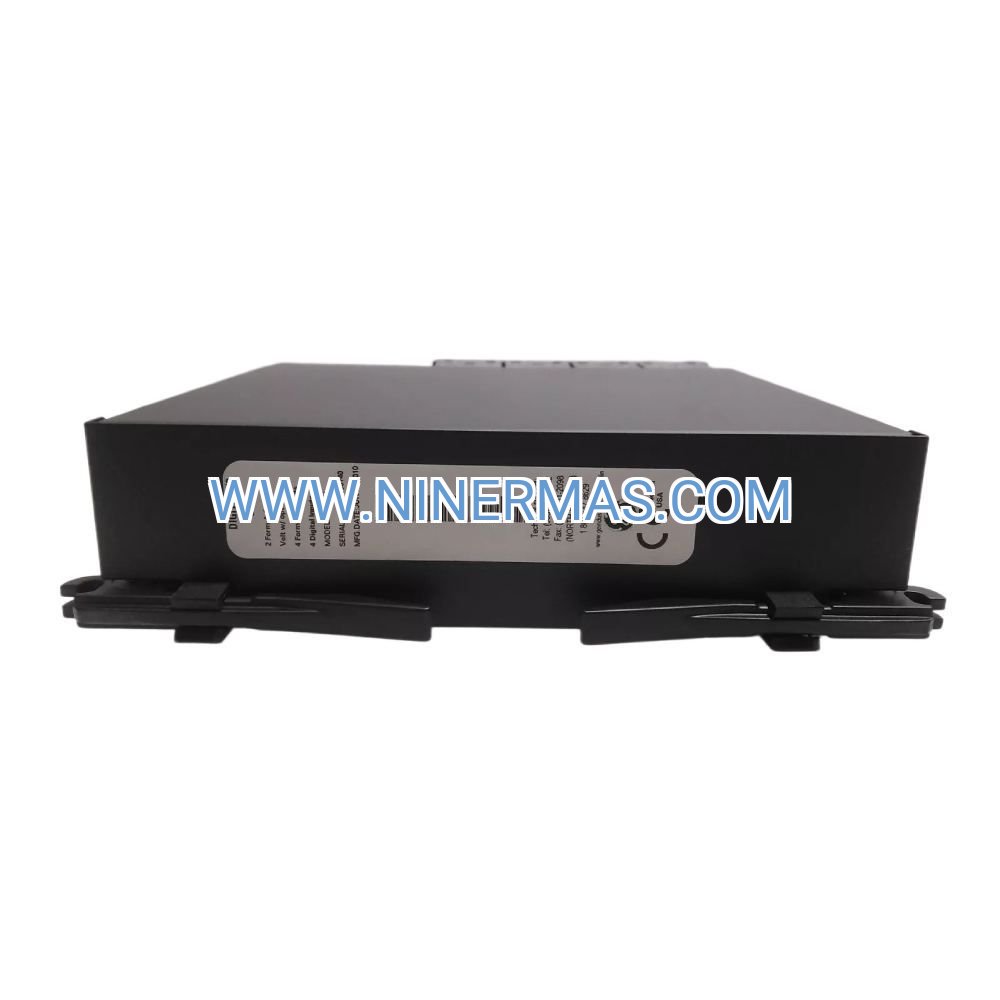
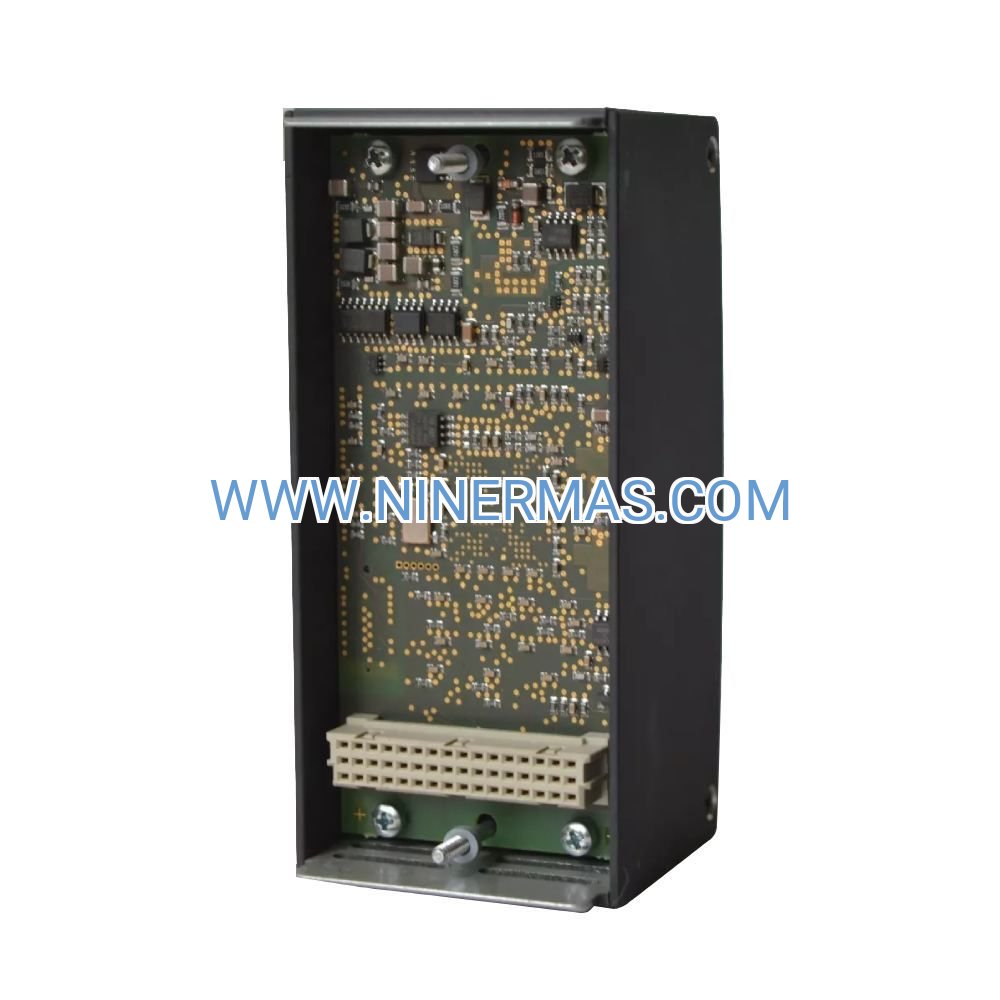
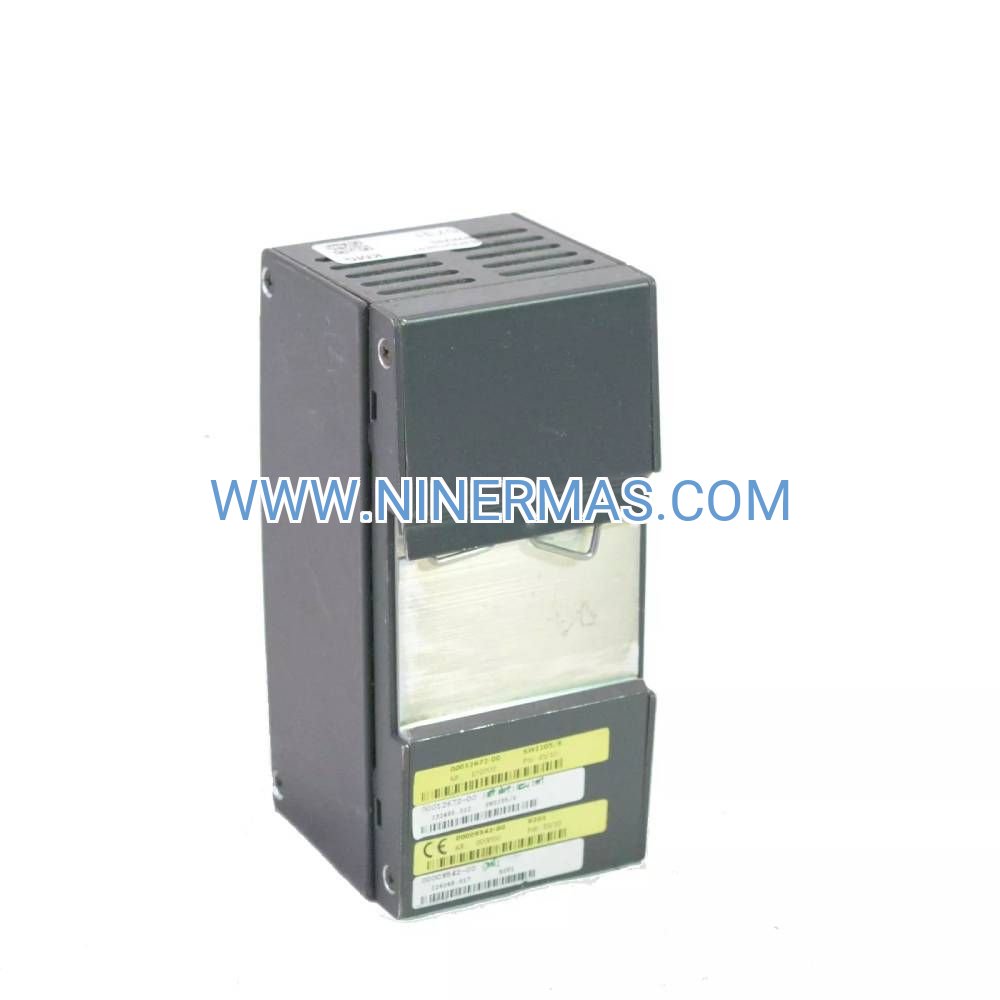
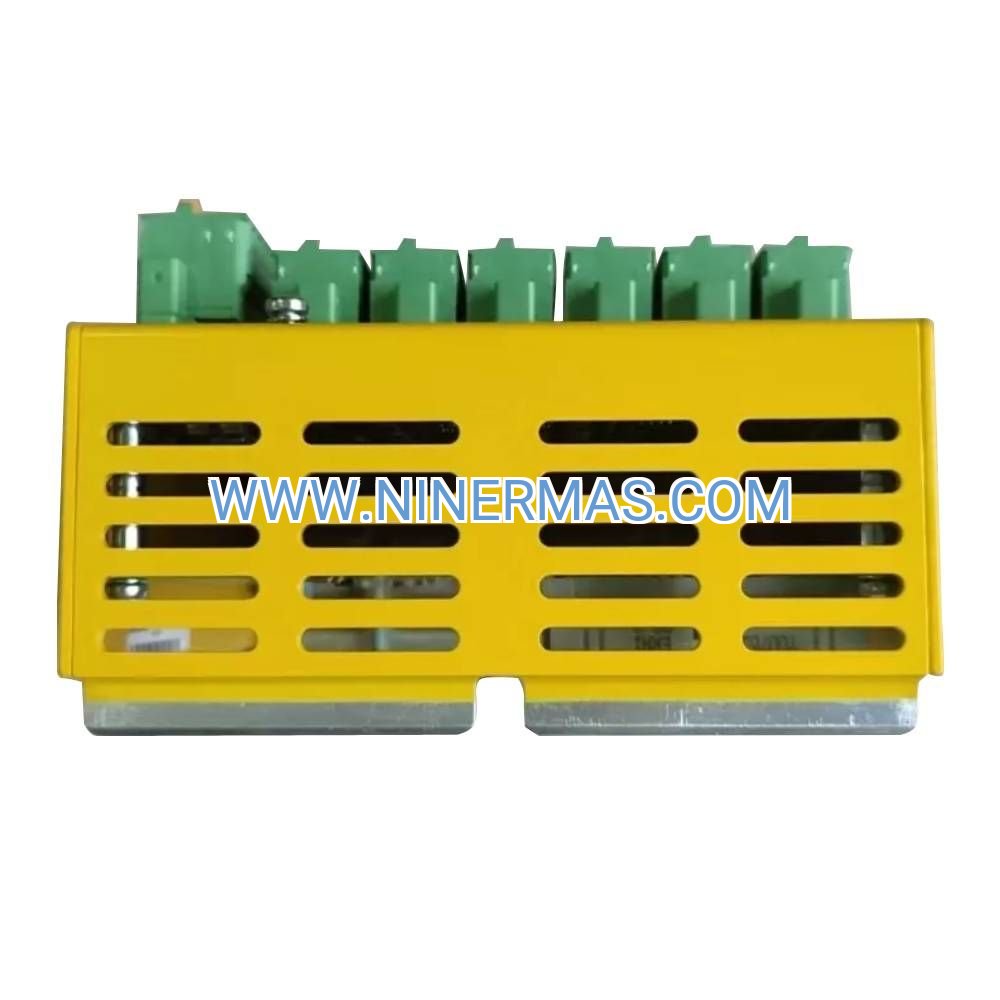
The GE 869-E-P5-P5-B5-H-S-S-A-LN-M-M-P-F-BSE-N is an industrial-grade process control module engineered for mission-critical automation applications. Through advanced dual-channel P5-P5-B5 architecture and precision signal processing technology, this module delivers real-time monitoring and control of critical process variables including temperature, pressure, flow rate, and liquid level with exceptional accuracy and reliability.
Designed for demanding industrial environments where continuous operation and process stability are paramount, the 869-E series addresses common challenges such as measurement drift, signal interference, single-point failure risks, and integration complexity across heterogeneous control systems. This module is specifically suited for process manufacturing facilities, energy generation plants, water treatment infrastructure, and discrete manufacturing operations.
Featuring redundant signal paths, industrial-hardened construction, and seamless compatibility with GE automation ecosystems and third-party DCS/SCADA platforms, the 869-E module provides plant engineers, system integrators, and automation specialists with a proven solution for enhancing operational uptime, process consistency, and long-term system maintainability. Contact our automation engineers for application-specific configuration guidance and technical specifications.
Core Capabilities & Technical Advantages
Redundant Dual-Channel Architecture
The P5-P5-B5 dual-channel design provides independent signal processing paths with automatic failover capability, ensuring continuous operation even during component degradation. This architecture eliminates single points of failure and maintains process control integrity during maintenance activities or unexpected hardware issues.
Superior Signal Accuracy & Stability
Advanced analog-to-digital conversion with noise filtering algorithms delivers measurement precision within ±0.1% of full scale, minimizing process variability and enabling tighter quality control. Temperature-compensated circuitry maintains calibration accuracy across industrial operating ranges from -40°C to +85°C.
Flexible Multi-Protocol Connectivity
Native support for Modbus RTU/TCP, HART, and Profibus protocols enables straightforward integration with existing control infrastructure. The LN (Linear) interface configuration provides standardized wiring compatibility, reducing installation time and minimizing field commissioning errors.
Comprehensive Diagnostic & Protection Features
Built-in self-diagnostics continuously monitor signal integrity, power supply status, and communication health with detailed fault reporting through LED indicators and digital status registers. Overvoltage protection, reverse polarity safeguards, and EMI/RFI shielding ensure reliable operation in electrically noisy industrial environments.
Modular Design for Simplified Maintenance
Field-replaceable terminal blocks and hot-swappable module design minimize mean time to repair (MTTR). The BSE-N base mounting system allows rapid module exchange without disturbing field wiring, reducing planned and unplanned downtime costs.
Industrial-Grade Environmental Resilience
Conformal-coated PCBs and sealed enclosure design provide IP65 protection against dust, moisture, and chemical exposure. Vibration-resistant construction meets IEC 60068-2-6 standards for deployment in high-vibration applications such as compressor stations and rotating equipment monitoring.
Typical Application Scenarios
This control module excels in applications demanding high reliability, measurement precision, and continuous process monitoring capabilities:
Chemical & Pharmaceutical Manufacturing
Precise control of reactor temperature, pressure, and pH levels in batch and continuous processes. The dual-channel architecture ensures compliance with FDA 21 CFR Part 11 requirements for critical process parameter monitoring, while redundant signal paths maintain production continuity during validation and maintenance cycles.
Oil & Gas Production and Refining
Monitoring and control of separator pressure, flow measurement in custody transfer applications, and temperature management in distillation columns. Hazardous area certifications and robust EMI immunity make this module suitable for Zone 2/Division 2 classified locations with appropriate barriers.
Power Generation & Cogeneration Facilities
Steam pressure regulation, feedwater flow control, and turbine vibration monitoring in combined heat and power (CHP) systems. High-speed sampling rates capture transient conditions, enabling predictive maintenance strategies and optimizing thermal efficiency.
Water & Wastewater Treatment Infrastructure
Level control in clarifiers and storage tanks, flow pacing for chemical dosing systems, and pressure management in distribution networks. Long-term calibration stability reduces maintenance intervals and ensures regulatory compliance for discharge quality parameters.
Food & Beverage Processing
Temperature profiling in pasteurization and sterilization processes, pressure control in carbonation systems, and flow measurement for ingredient batching. Hygienic design considerations and washdown-resistant construction support HACCP and GMP compliance requirements.
Automotive & Discrete Manufacturing
Paint booth temperature and humidity control, hydraulic press pressure monitoring, and conveyor speed regulation. Fast response times and deterministic control loops ensure consistent product quality and synchronization with upstream and downstream production equipment.
Technical Specifications & Selection Guide
To facilitate engineering design and procurement decisions, key specifications are provided below. Custom configurations are available to match specific project requirements:
| Parameter | Specification |
|---|---|
| Model Designation | 869-E-P5-P5-B5-H-S-S-A-LN-M-M-P-F-BSE-N |
| Channel Configuration | Dual independent channels (P5-P5) |
| Input Signal Types | 4-20mA, 0-10V, RTD (Pt100/Pt1000), Thermocouple (J/K/T/E) |
| Output Configuration | Isolated analog output, digital relay contacts |
| Measurement Accuracy | ±0.1% of full scale (typical) |
| Operating Temperature | -40°C to +85°C (-40°F to +185°F) |
| Power Supply | 24VDC ±20% (12-36VDC range), <8W consumption |
| Communication Protocols | Modbus RTU/TCP, HART, Profibus DP |
| Mounting Type | BSE-N DIN rail or panel mount base |
| Environmental Protection | IP65 (with appropriate cable glands) |
| Certifications | CE, UL508, cULus, ATEX/IECEx (with barriers) |
| MTBF (Mean Time Between Failures) | >150,000 hours at 40°C |
Selection Considerations
When specifying this module for your application, consider the following parameters: process variable type and range, required measurement accuracy, ambient temperature extremes, electrical area classification, communication protocol requirements, existing DCS/PLC platform, available panel space, and redundancy requirements. For complex applications involving multiple process loops, hazardous area installations, or integration with legacy systems, our application engineers can provide detailed configuration worksheets and system architecture recommendations.
Advanced Integration Capabilities
DCS/SCADA System Integration
Pre-configured device profiles for major automation platforms including Honeywell Experion, Emerson DeltaV, Siemens PCS7, and Rockwell PlantPAx reduce commissioning time. OPC UA server functionality enables direct connectivity to modern IIoT platforms and cloud-based analytics services.
Predictive Maintenance & Asset Management
Continuous self-diagnostics and trend data logging support condition-based maintenance strategies. Integration with GE Digital APM (Asset Performance Management) software enables predictive failure analysis and optimized maintenance scheduling based on actual operating conditions rather than fixed time intervals.
Cybersecurity Features
Secure boot, encrypted communication options, and role-based access control align with IEC 62443 industrial cybersecurity standards. Network segmentation support and audit logging capabilities facilitate compliance with NERC CIP requirements for critical infrastructure applications.
Delivery, Service & Quality Assurance
Lead Time & Availability
Standard catalog configurations typically ship within 3-5 business days from our regional distribution centers. Custom-configured modules with specific I/O combinations or special certifications require 2-3 weeks for factory configuration and testing. Expedited processing is available for critical outage situations.
Warranty & Technical Support
All modules include a comprehensive 24-month manufacturer warranty covering defects in materials and workmanship. Extended warranty programs up to 5 years are available for critical applications. Our technical support team provides remote diagnostic assistance, configuration guidance, and troubleshooting support during installation and commissioning phases.
Documentation & Training Resources
Each module ships with complete technical documentation including detailed installation instructions, wiring diagrams, configuration software, and calibration procedures. CAD drawings in multiple formats (DWG, STEP, PDF) are available for panel design integration. Online training modules and video tutorials cover installation best practices, configuration workflows, and common troubleshooting scenarios.
Quality Certifications
Manufactured in ISO 9001:2015 certified facilities with full traceability documentation. Each unit undergoes 100% functional testing including burn-in cycles, calibration verification, and environmental stress screening. Factory calibration certificates with NIST-traceable standards are provided with each shipment.
Frequently Asked Questions (FAQ)
Q: How does the GE 869-E dual-channel control module integrate with existing PLC or DCS systems?
A: The module supports industry-standard communication protocols including Modbus RTU/TCP, HART, and Profibus, enabling direct connectivity to most modern control systems. The LN interface provides standardized 4-wire connections compatible with existing field wiring. Pre-built device drivers for major automation platforms (Allen-Bradley, Siemens, Schneider Electric) are available for download, and our integration team can provide protocol mapping documentation for custom SCADA implementations.
Q: What is the maximum number of process variables that can be monitored with a single 869-E module?
A: The P5-P5-B5 configuration supports two independent analog input channels with separate signal conditioning paths. For applications requiring monitoring of additional process points, multiple modules can be installed on a common BSE-N mounting rail and networked via the digital communication bus. A single Modbus master can typically address up to 247 modules, enabling scalable architectures for complex multi-loop control systems.
Q: What level of energy efficiency or operational cost savings can be expected with this control module?
A: The module itself consumes less than 8W of power, contributing minimal operating cost. However, the primary value lies in enabling precise process control that optimizes energy consumption of connected equipment. For example, in variable frequency drive (VFD) applications controlling pumps or fans, maintaining setpoints within ±0.5% rather than ±2% can reduce energy consumption by 5-15% depending on the process. In thermal processes, tighter temperature control reduces overheating losses and improves product yield.
Q: What are the environmental and installation requirements for the GE 869-E module?
A: The module is rated for operation from -40°C to +85°C ambient temperature with IP65 protection when properly installed with appropriate cable glands. It requires a clean, regulated 24VDC power supply (12-36VDC acceptable range). For optimal performance, install in a ventilated control panel away from high-voltage switching devices and maintain at least 50mm clearance on sides for heat dissipation. In high-vibration environments, use the optional vibration-damping mounting kit. For hazardous area installations (Zone 2/Division 2), appropriate intrinsic safety barriers must be used with field devices.
Q: Does the module support remote monitoring and data acquisition for Industry 4.0 applications?
A: Yes, the module includes Modbus TCP/IP connectivity enabling direct integration with SCADA systems, cloud gateways, and IIoT platforms. Real-time process data, diagnostic information, and alarm status can be accessed remotely via secure VPN connections. The module supports standard OPC UA protocols for seamless data exchange with MES (Manufacturing Execution Systems) and ERP platforms. For advanced analytics applications, high-resolution trend data can be logged locally and synchronized to edge computing devices or cloud storage.
Q: What is the typical lifespan and maintenance schedule for this control module?
A: The module is designed for a minimum 15-year operational lifespan in typical industrial environments with an MTBF exceeding 150,000 hours. Recommended maintenance includes annual calibration verification (can be extended to 24 months for non-critical applications), quarterly inspection of terminal connections for tightness, and periodic firmware updates as released by GE. The modular design allows field replacement of I/O cards and communication modules without replacing the entire unit, extending effective service life and reducing lifecycle costs.
Request Technical Consultation & Quotation
To receive a detailed application analysis, custom configuration recommendation, and project quotation, please provide the following information to our automation engineering team:
- Project name and application description (process type, industry sector)
- Process variables to be measured/controlled (temperature, pressure, flow, level, etc.)
- Measurement ranges and required accuracy specifications
- Number of control loops and I/O point count
- Existing control system platform (PLC/DCS manufacturer and model)
- Communication protocol requirements
- Environmental conditions (temperature range, hazardous area classification, vibration levels)
- Installation timeline and quantity requirements
Our application engineers will respond within 24 hours with a preliminary assessment and within 48 hours with a detailed technical proposal including system architecture diagrams, bill of materials, and budget pricing.
© 2026 NINERMAS COMPANY LIMITED. All rights reserved.
Original Source: https://ninermas.com
Contact: sale@ninermas.com | +0086 187 5021 5667

Contact Info
-
Address:22 / F, South Wo Hang building, 148 Wing Lok Street, Sheung Wan, Western District, Hong Kong
-
Phone:+8618750215667
-
Email: