
Description
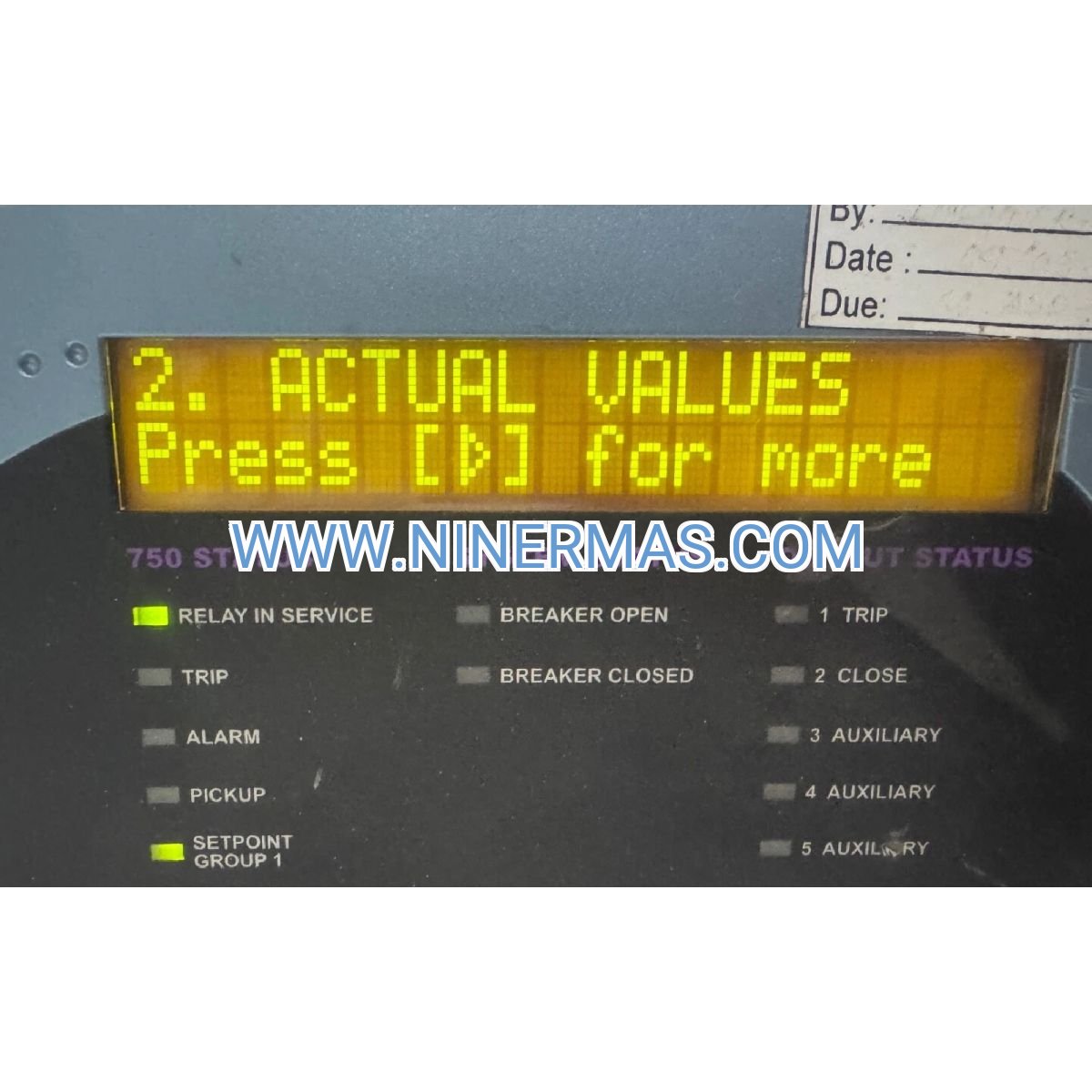
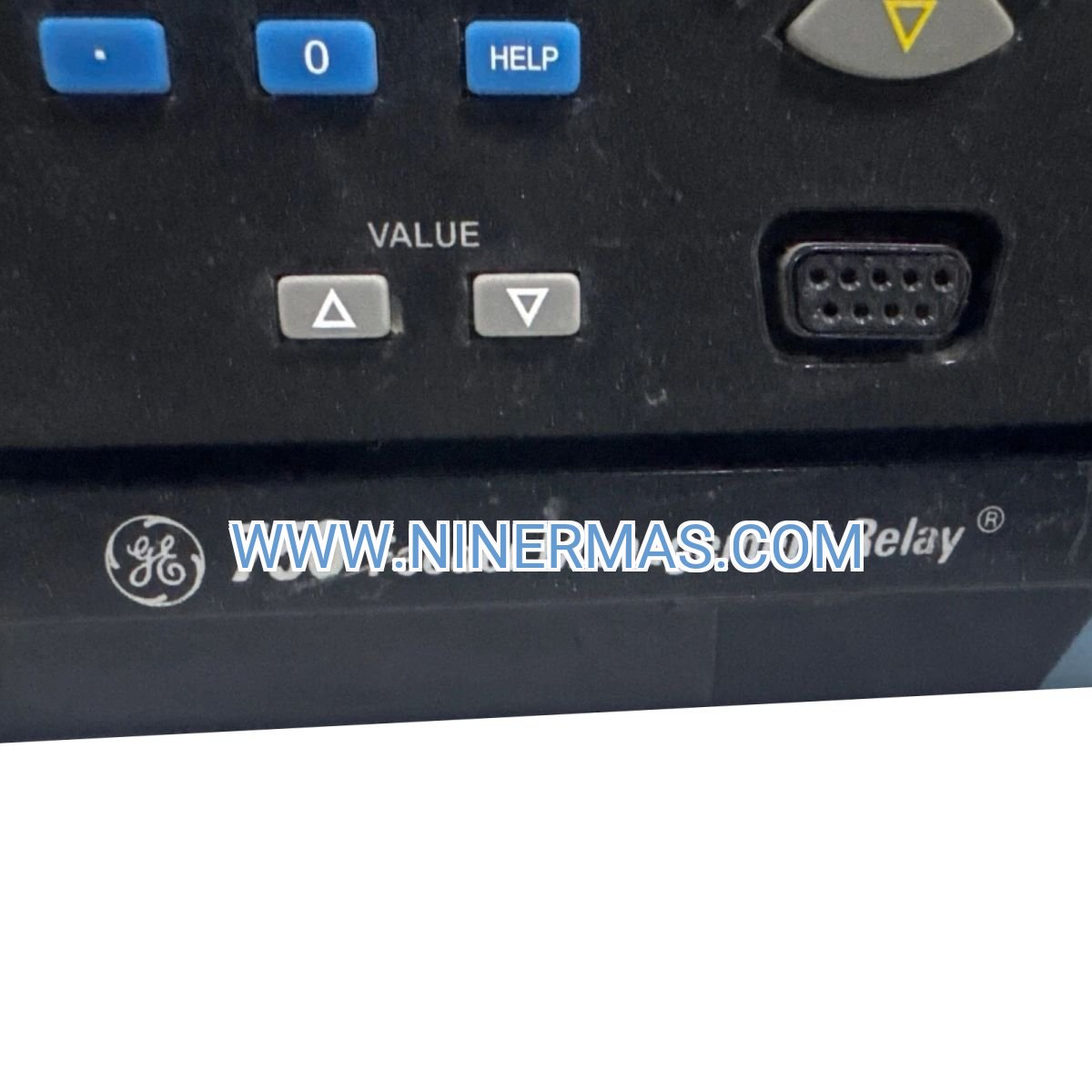
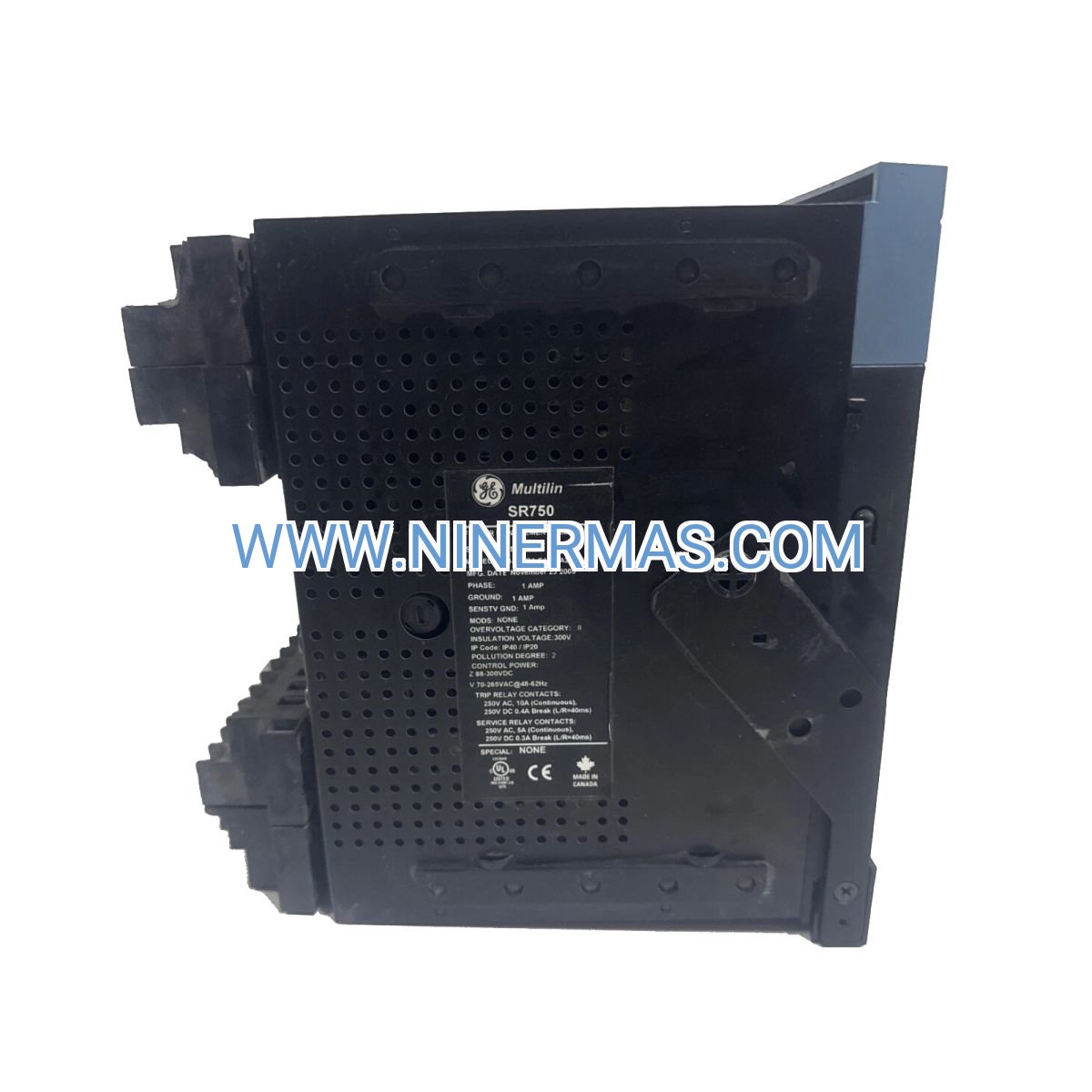
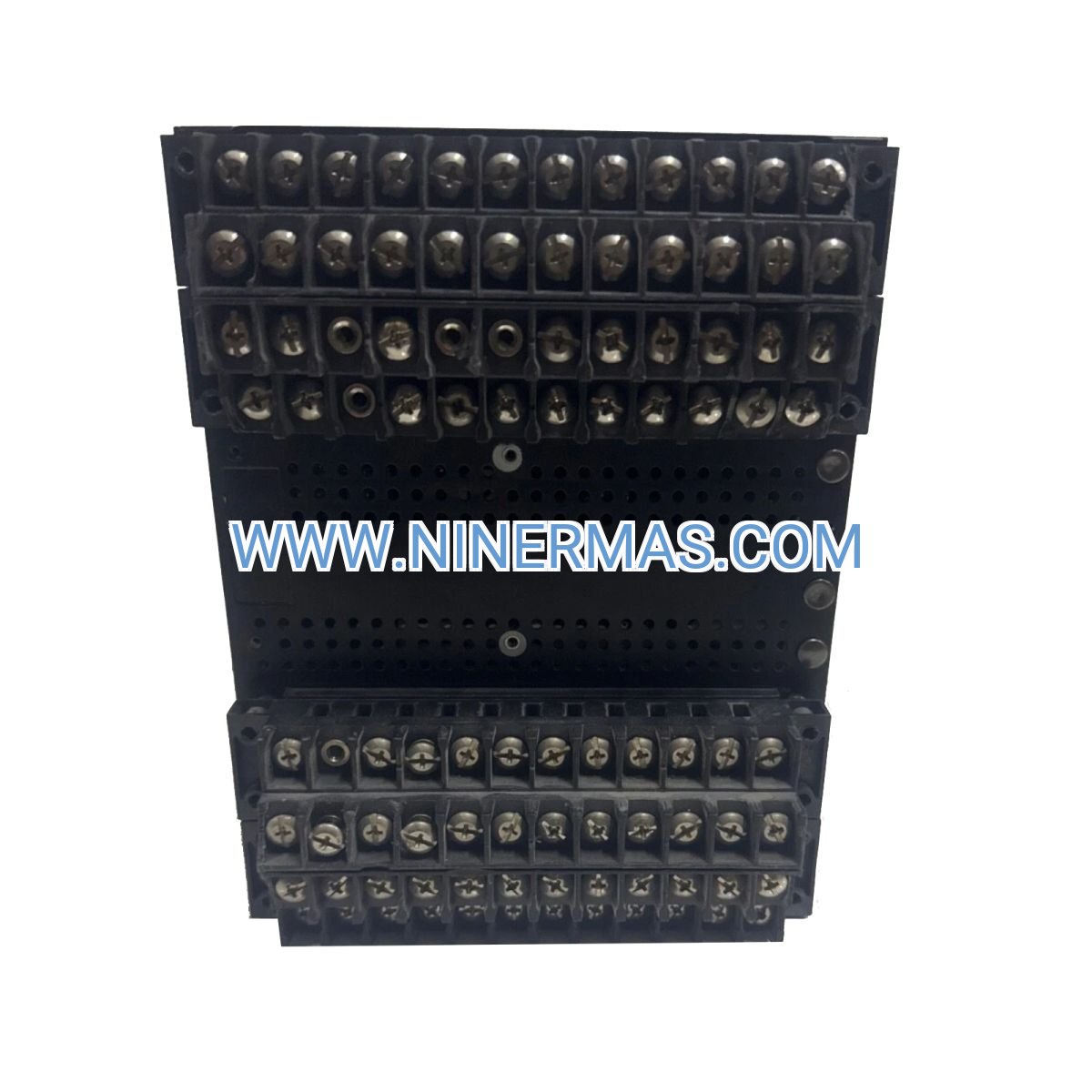
SR750 Feeder Protection Relay (Industrial-Grade Distribution Control)
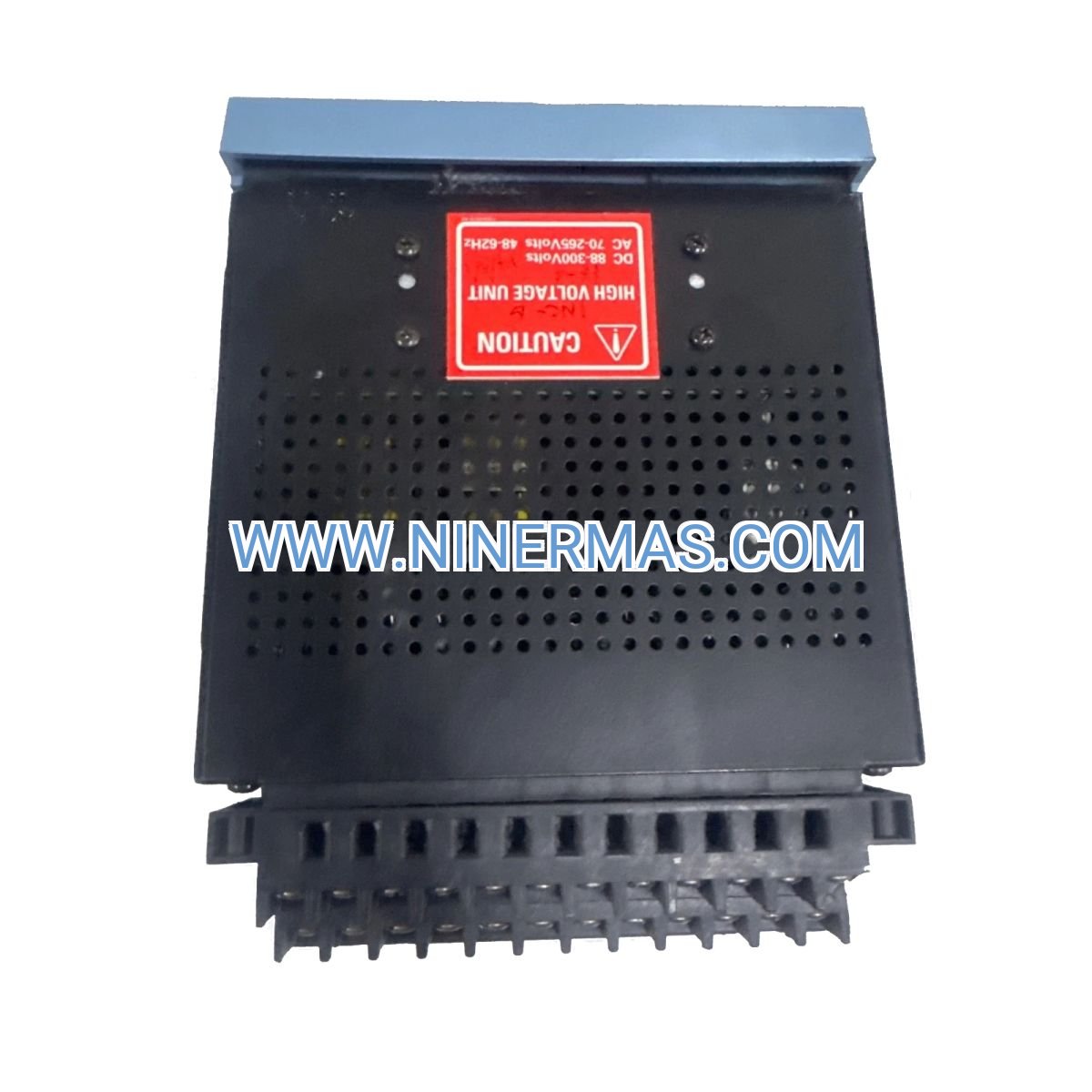
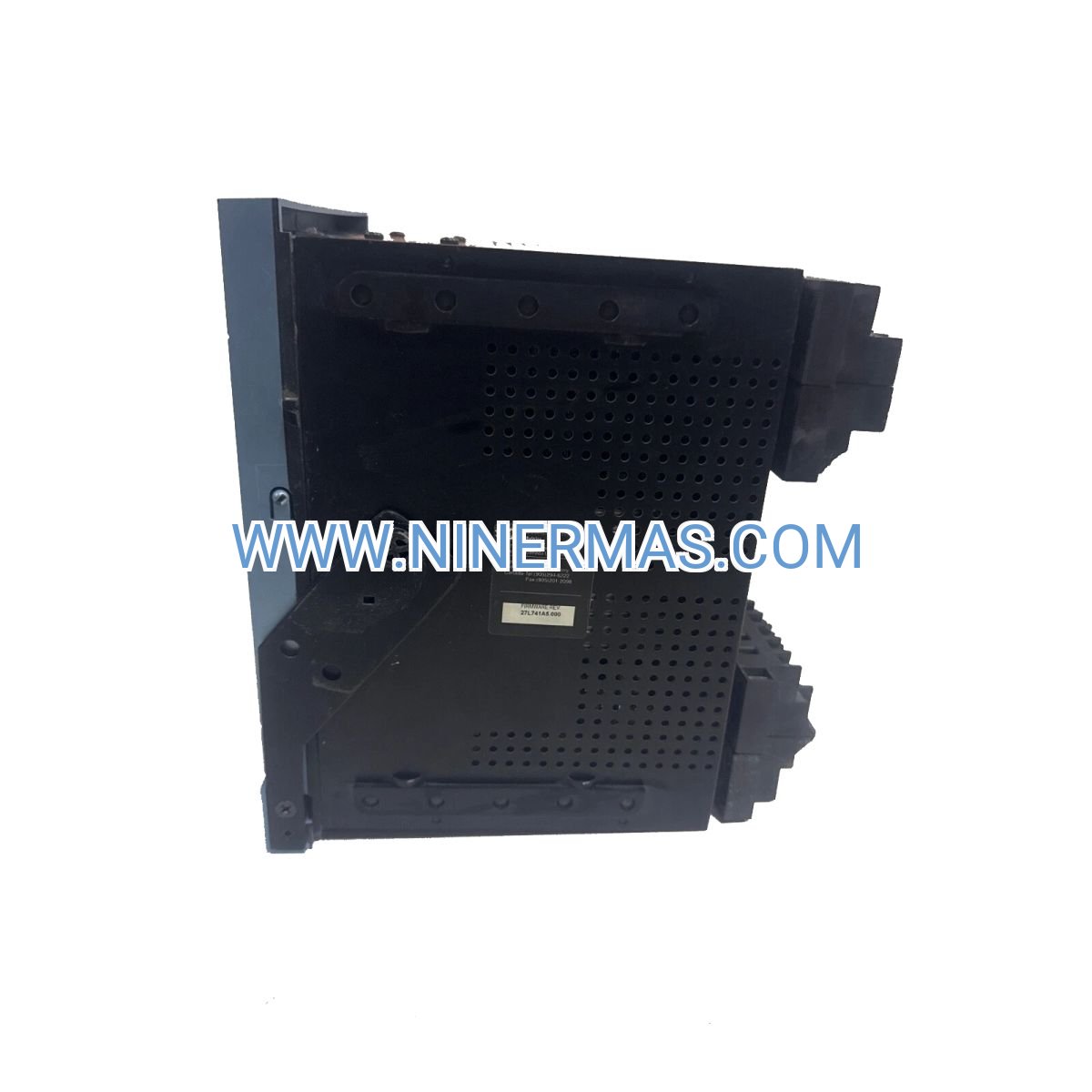
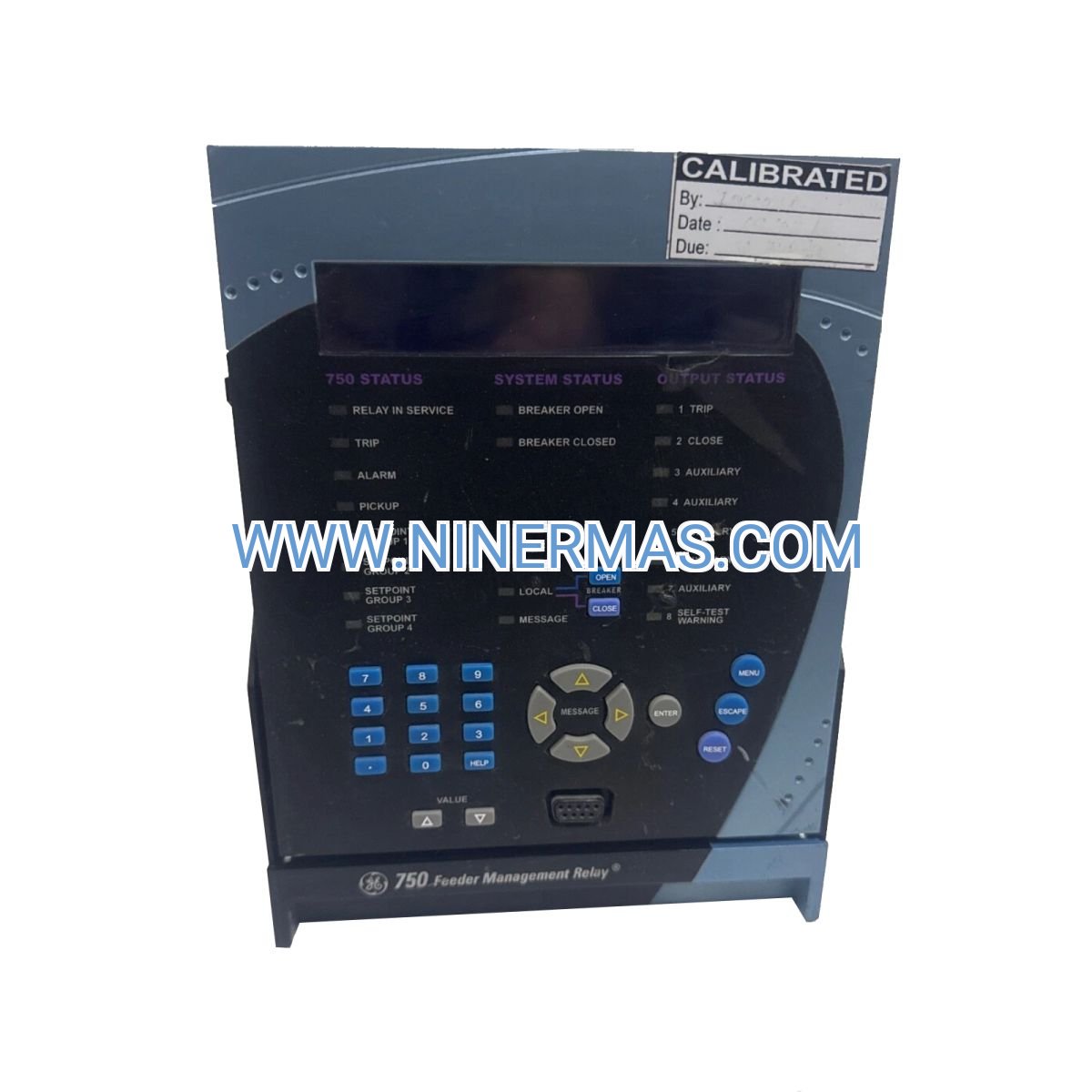
The GE 750-P1-G1-S1-HI-A20-R represents next-generation feeder management technology engineered for mission-critical power distribution networks. This intelligent relay platform combines multi-function protection algorithms, real-time power quality analytics, and industrial communication protocols to safeguard electrical feeders against faults, overloads, and system disturbances.
Designed for utility substations, heavy industrial facilities, and commercial power infrastructure, this relay addresses the growing complexity of modern distribution systems. It eliminates the need for multiple discrete protection devices while providing comprehensive fault detection, isolation, and system diagnostics through a single integrated platform.
With proven reliability in harsh environments ranging from -40°C Arctic installations to +70°C desert substations, the SR750 delivers consistent performance where conventional protection systems fail. Advanced HMI interface, multi-protocol communication support, and extensive metering capabilities make it the preferred choice for engineers seeking to modernize aging protection infrastructure or deploy new smart grid installations.
Core Protection Functions & Technical Advantages
The relay architecture delivers six critical protection and control capabilities:
→ Multi-Stage Overcurrent Protection (ANSI 50/51) – Programmable time-current curves with instantaneous and time-delayed elements provide selective coordination across distribution networks, minimizing nuisance trips while ensuring rapid fault clearing for severe overcurrent conditions.
→ Sensitive Ground Fault Detection (50N/51N) – Detects low-magnitude ground faults down to 5% of rated current, protecting personnel and equipment from insulation failures and reducing arc flash hazards in grounded distribution systems.
→ Directional Power Flow Analysis – Determines fault direction in looped or parallel feeder configurations, enabling selective tripping and maintaining service continuity on healthy circuit sections during fault conditions.
→ Integrated Reclosing Logic – Configurable automatic reclosing sequences (up to 4 shots) restore service after transient faults, reducing outage duration by 60-80% in overhead distribution systems while preventing reclosure into permanent faults.
→ Voltage & Frequency Monitoring – Continuous surveillance of phase voltages (under/over), frequency deviation, and phase imbalance triggers protective actions before equipment damage occurs, particularly critical for motor-driven loads and sensitive electronics.
→ Power Quality Metering & Harmonics Analysis – Real-time measurement of kW, kVAR, kVA, power factor, and harmonic distortion (up to 31st order) enables proactive identification of power quality issues affecting production efficiency and equipment lifespan.
Industrial Application Scenarios
Utility Distribution Substations
Primary feeder protection in 12.47kV and 34.5kV distribution networks serving residential and commercial loads. The relay's DNP3.0 and IEC 61850 protocols integrate seamlessly with utility SCADA systems for remote monitoring, control, and automated fault location. Directional overcurrent elements enable protection coordination in meshed network topologies.
Manufacturing & Process Industries
Critical feeder protection for automotive assembly lines, chemical processing plants, and semiconductor fabrication facilities where unplanned outages cost $50,000-$500,000 per hour. Advanced metering identifies power quality degradation before it impacts production yield, while fast fault clearing minimizes equipment damage and arc flash energy.
Data Centers & Mission-Critical Facilities
Redundant feeder protection for Tier III/IV data centers, hospitals, and financial trading floors requiring 99.99%+ availability. The relay's comprehensive event recording and sequence-of-events logging (1ms resolution) accelerates root cause analysis during rare fault events, supporting continuous improvement initiatives.
Renewable Energy Integration
Bi-directional protection for solar farm and wind turbine feeders with reverse power flow capability. Voltage ride-through settings comply with IEEE 1547 grid interconnection requirements, while power quality monitoring verifies inverter performance and harmonic compliance with utility interconnection agreements.
Mining & Heavy Industry
Rugged protection for mobile substations, dragline excavators, and mineral processing facilities operating in extreme temperatures, high vibration, and corrosive atmospheres. Extended temperature rating (-40°C to +70°C) and conformal coating options ensure reliable operation in coal mines, copper smelters, and offshore platforms.
Technical Parameters & Selection Criteria
| Parameter | Specification | Selection Notes |
|---|---|---|
| Model Designation | 750-P1-G1-S1-HI-A20-R | Factory-configured for specific application |
| Control Power | 100-240V AC/DC (universal) | Eliminates need for auxiliary power supplies |
| CT Input Rating | 1A or 5A nominal (field-selectable) | Match to existing current transformer secondary |
| VT Input Rating | 100-240V AC phase-to-neutral | Supports wye or delta PT configurations |
| Protection Elements | 50/51, 50N/51N, 27, 59, 81, 79 | ANSI device numbers per IEEE C37.2 |
| Communication Ports | RS-485 Modbus RTU, Ethernet DNP3/IEC 61850 | Dual ports enable SCADA + engineering access |
| Digital Inputs | 8 optically isolated (24-250V DC/AC) | Remote trip, reclose block, settings group select |
| Output Contacts | 10 Form-C (SPDT), 7A @ 250V AC | Trip, close, alarm, auxiliary functions |
| Display Interface | 5.7" graphical LCD with 16-key navigation | Enhanced HMI option (HI suffix) includes trending |
| Event Recording | 512 events, 32 oscillography records | 1ms time-stamping with IRIG-B sync option |
| Operating Environment | -40°C to +70°C, 5-95% RH non-condensing | Conformal coating available for harsh environments |
| Compliance Standards | IEC 60255, IEEE C37.90, UL/CSA certified | Meets global utility and industrial standards |
Selection Guidance: Specify CT ratio based on maximum load current (typically 125-150% of full-load). For feeders with high inrush currents (motor starting, transformer energization), select instantaneous overcurrent pickup above maximum inrush magnitude. IEC 61850 communication requires Ethernet port option; legacy systems use Modbus RTU over RS-485.
Advanced Integration & Automation Features
✓ IEC 61850 GOOSE Messaging – Peer-to-peer communication between relays enables high-speed interlocking, distributed protection schemes, and substation-wide automation without dedicated hardwiring, reducing installation costs by 30-40%.
✓ Synchrophasor Measurement (Optional) – IEEE C37.118 phasor measurement unit (PMU) functionality provides synchronized voltage and current phasors for wide-area monitoring, state estimation, and oscillation detection in transmission-level applications.
✓ Cybersecurity Hardening – Role-based access control, encrypted communication (TLS 1.2), and audit logging comply with NERC CIP requirements for critical infrastructure protection, essential for utility deployments.
✓ Programmable Logic Engine – FlexLogic™ equations (up to 256 nodes) create custom protection schemes, interlocking logic, and automated switching sequences without external PLCs, consolidating control functions into the relay platform.
✓ Remote Firmware Updates – Over-the-network firmware upgrades add new features and security patches without site visits, reducing lifecycle maintenance costs and ensuring long-term supportability as grid requirements evolve.
Delivery Timeline & Service Commitments
Standard Delivery: 3-5 business days for in-stock configurations via express courier with tracking. Custom-configured relays (non-standard CT ratios, special firmware) ship within 10-15 business days after order confirmation.
Warranty Coverage: Comprehensive 18-month manufacturer warranty covering component defects, firmware issues, and workmanship. Warranty includes advance replacement service with 48-hour turnaround for critical applications requiring minimal downtime.
Technical Support: Pre-sales application engineering assistance for protection coordination studies, settings calculation, and system architecture design. Post-sales support includes commissioning guidance, troubleshooting, and firmware upgrade consultation via phone, email, and remote desktop sessions.
Documentation Package: Each relay ships with instruction manual, quick-start guide, settings worksheet templates, and AutoCAD wiring diagrams. EnerVista™ configuration software (Windows-based) provided at no charge for relay programming and data retrieval.
Frequently Asked Questions
How does the SR750 relay improve upon electromechanical protection devices?
Digital relays like the 750-P1-G1-S1-HI-A20-R offer 10-20x more protection functions in the same panel space, eliminate mechanical wear and calibration drift, provide comprehensive metering and diagnostics, and enable remote monitoring—capabilities impossible with electromechanical technology. Typical payback period is 2-3 years through reduced maintenance and improved reliability.
Can this relay protect both overhead and underground distribution feeders?
Yes, the relay's configurable protection elements adapt to both applications. Overhead feeders typically use automatic reclosing (70-80% of faults are transient), while underground cables employ single-shot or lockout schemes since cable faults are predominantly permanent. Settings groups allow switching between protection philosophies based on feeder topology.
What communication protocol should I specify for SCADA integration?
Modern utility SCADA systems prefer DNP3.0 over Ethernet for scalability and bandwidth; legacy RTUs use Modbus RTU over RS-485. IEC 61850 is mandatory for new substation automation projects requiring interoperability between multi-vendor devices. The relay supports all three protocols simultaneously on separate ports.
Does the relay require specialized training for commissioning?
Basic commissioning (CT/VT verification, contact testing, communication setup) requires standard relay testing equipment and can be performed by experienced protection technicians. Advanced features (FlexLogic programming, IEC 61850 configuration) benefit from GE's 3-day SR750 training course, though comprehensive manuals enable self-guided learning for engineers familiar with microprocessor relays.
How does power quality monitoring benefit industrial facilities?
Continuous tracking of voltage sags, harmonics, and power factor identifies issues causing nuisance trips, motor overheating, and transformer losses—often saving 2-5% of annual energy costs. Harmonic analysis pinpoints non-linear loads (VFDs, rectifiers) requiring filtering, while voltage event logs correlate power quality with production defects in sensitive manufacturing processes.
What cybersecurity measures protect the relay from network attacks?
The relay implements defense-in-depth security: password-protected access (8-character minimum with complexity requirements), encrypted Ethernet communication, disabled unused protocols, and event logging of all configuration changes. For NERC CIP compliance, deploy behind substation firewalls with network segmentation isolating protection networks from corporate IT infrastructure.
Request Technical Consultation
Our protection engineering team assists with CT/VT ratio selection, time-current coordination studies, and communication architecture design. Contact us with your single-line diagram and protection requirements for application-specific recommendations and competitive quotations on multi-relay projects.
© 2026 NINERMAS COMPANY LIMITED. All rights reserved.
Original Source: https://ninermas.com
Contact: sale@ninermas.com | +0086 187 5021 5667

Contact Info
-
Address:22 / F, South Wo Hang building, 148 Wing Lok Street, Sheung Wan, Western District, Hong Kong
-
Phone:+8618750215667
-
Email: