


Description
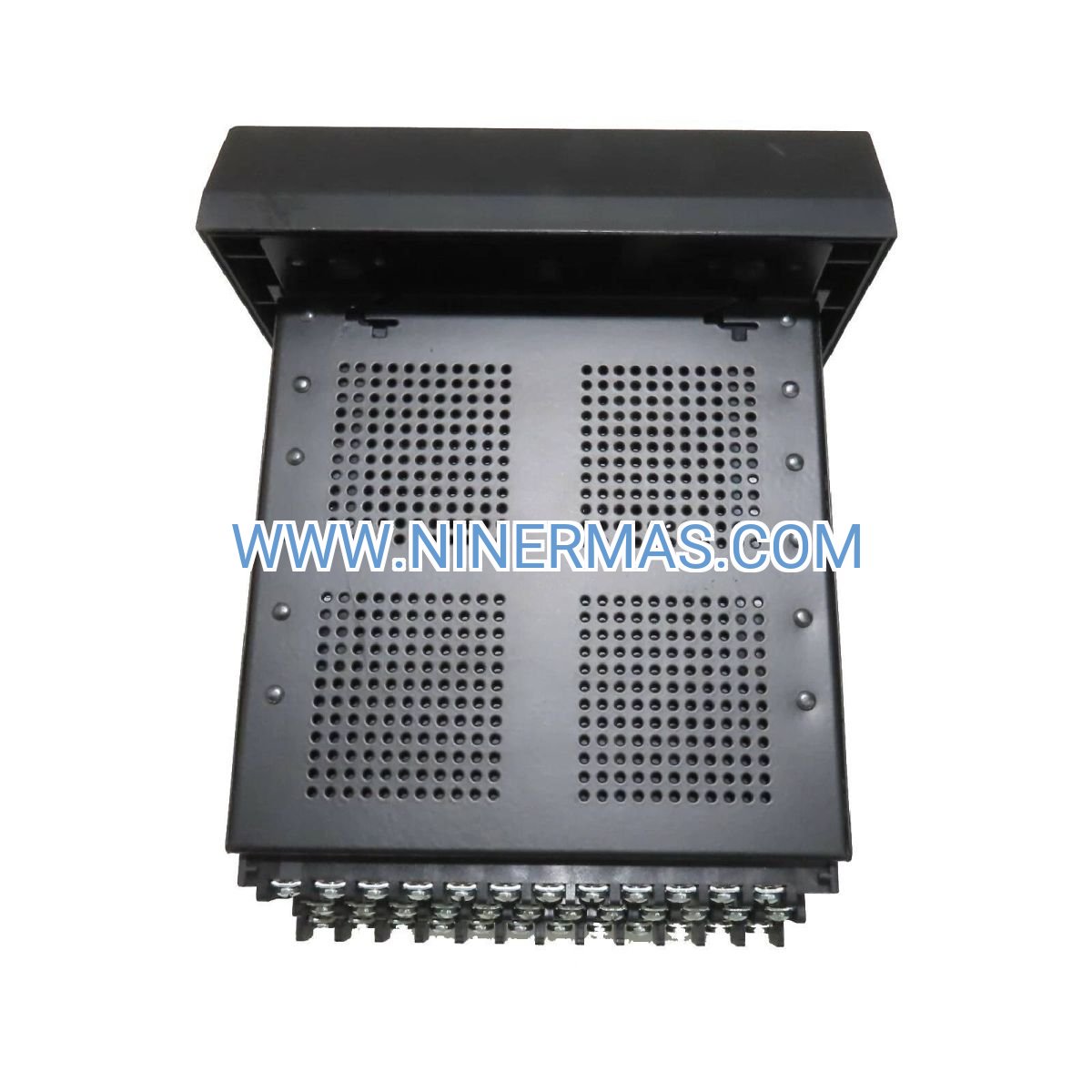
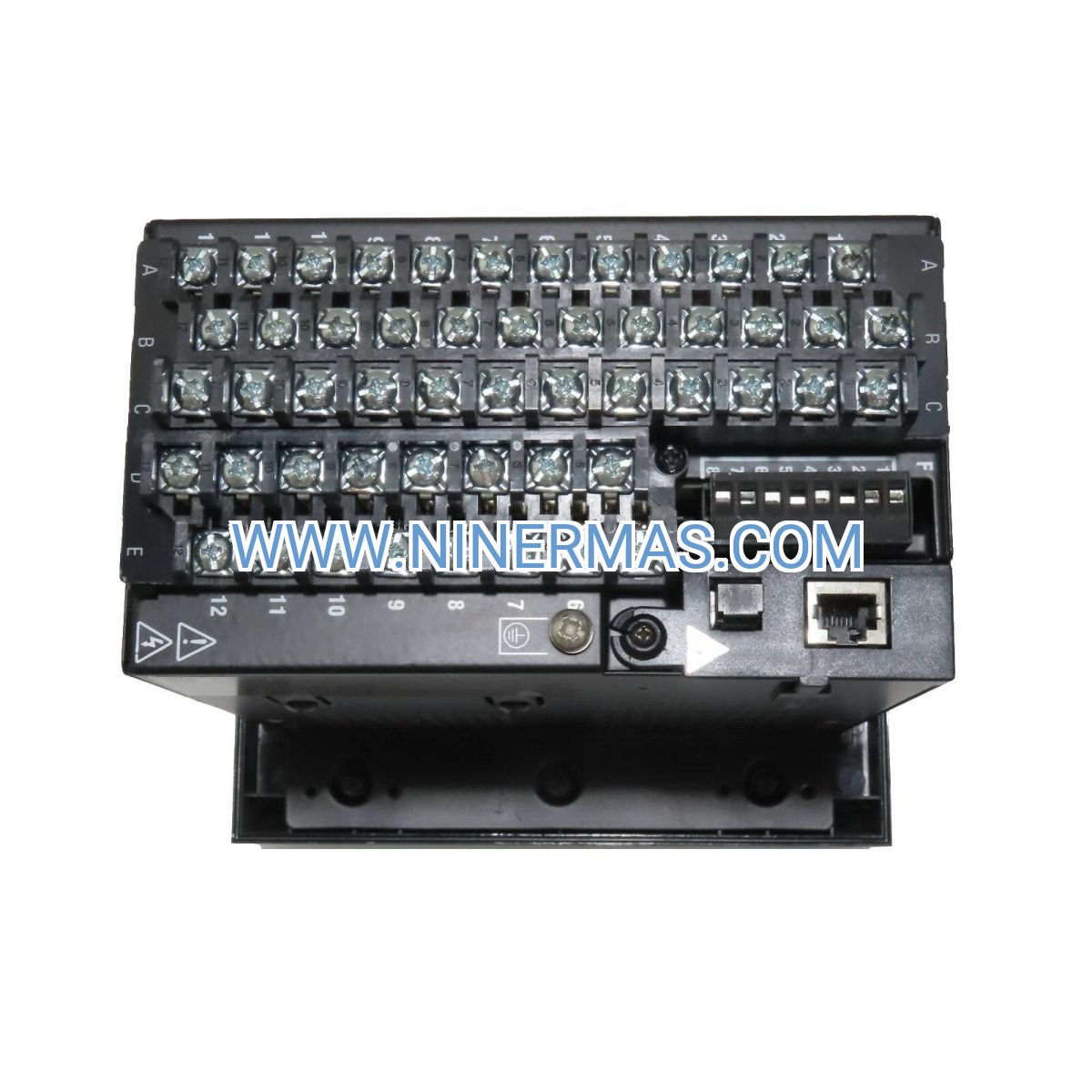
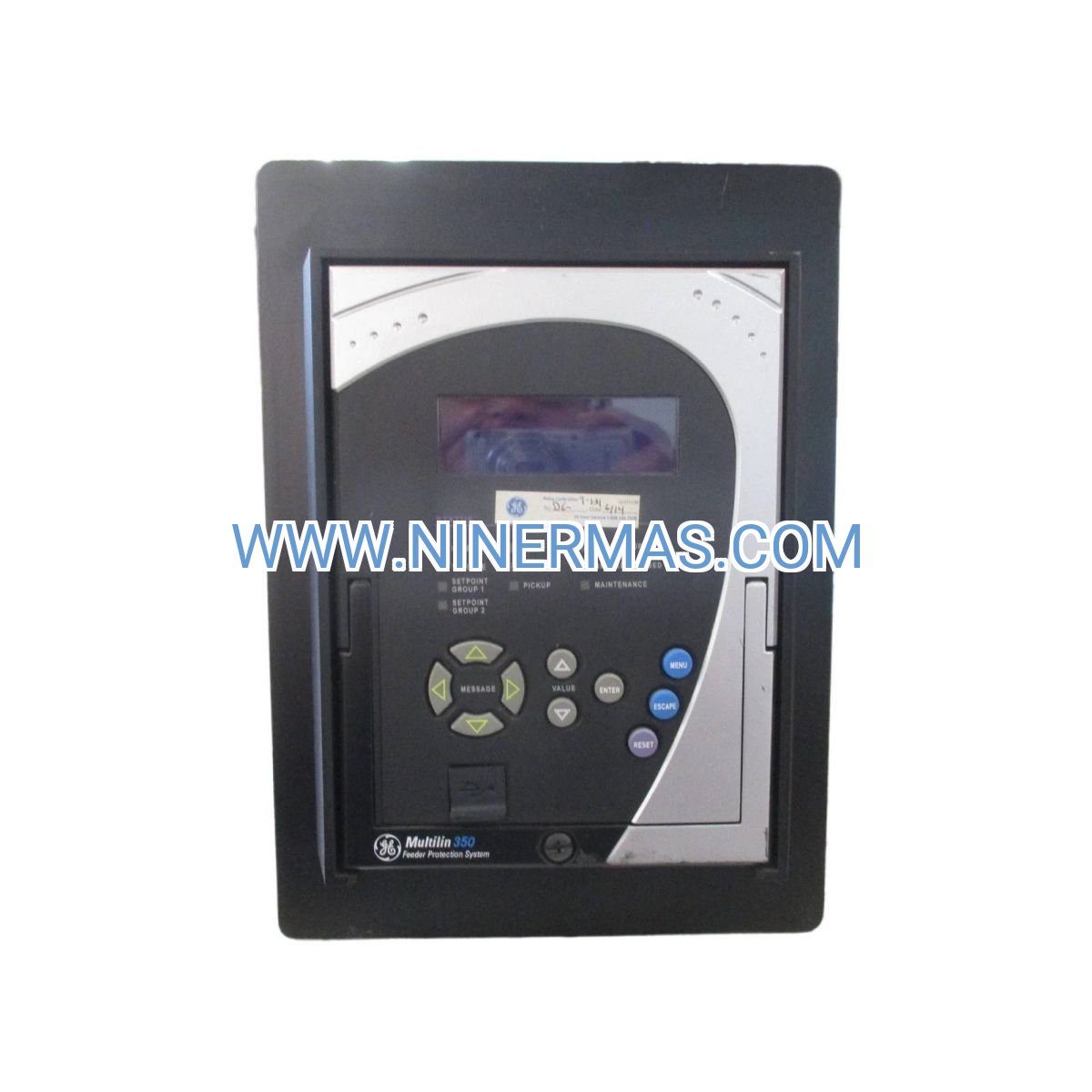
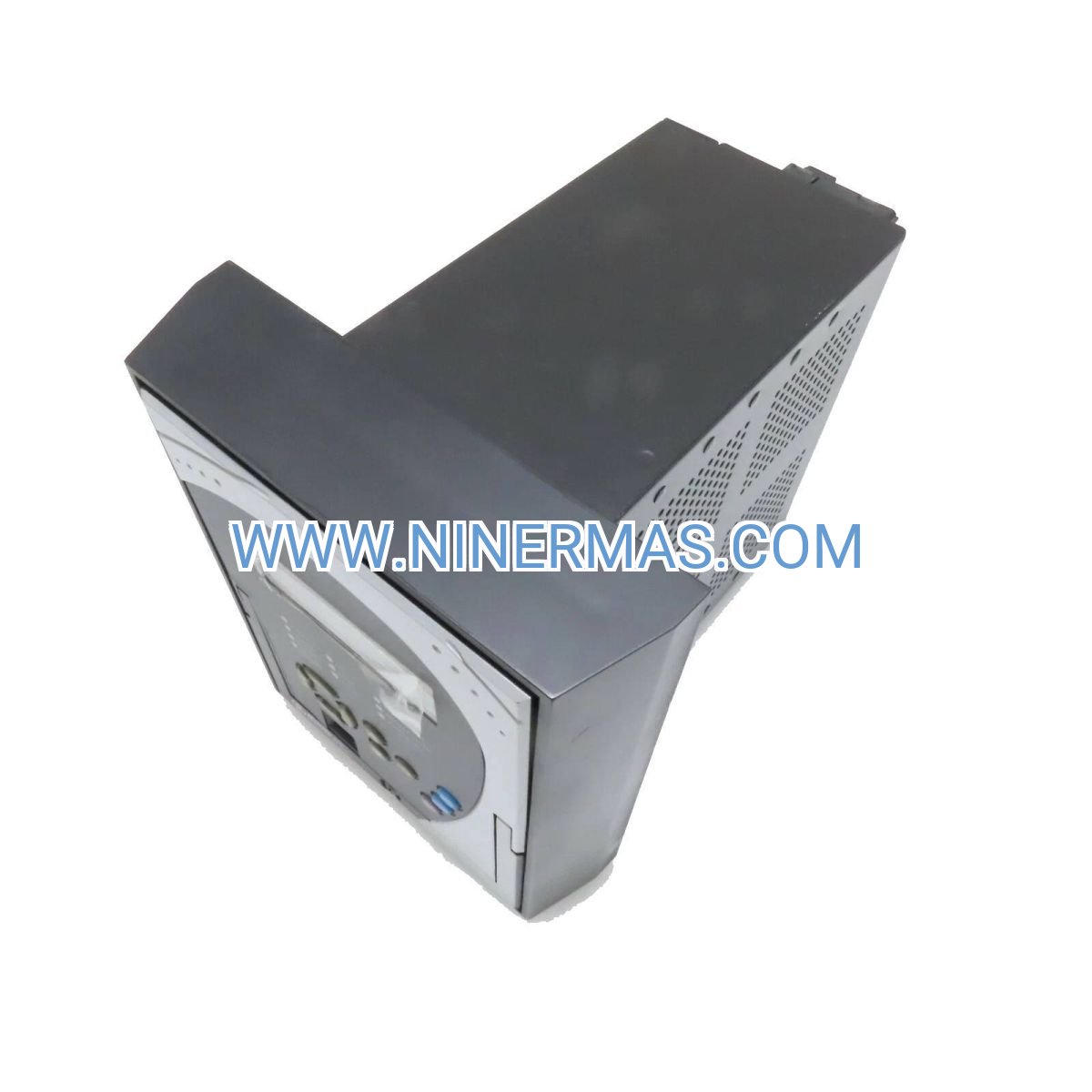
GE 350 Feeder Protection Relay – Industrial-Grade Power Distribution Control System
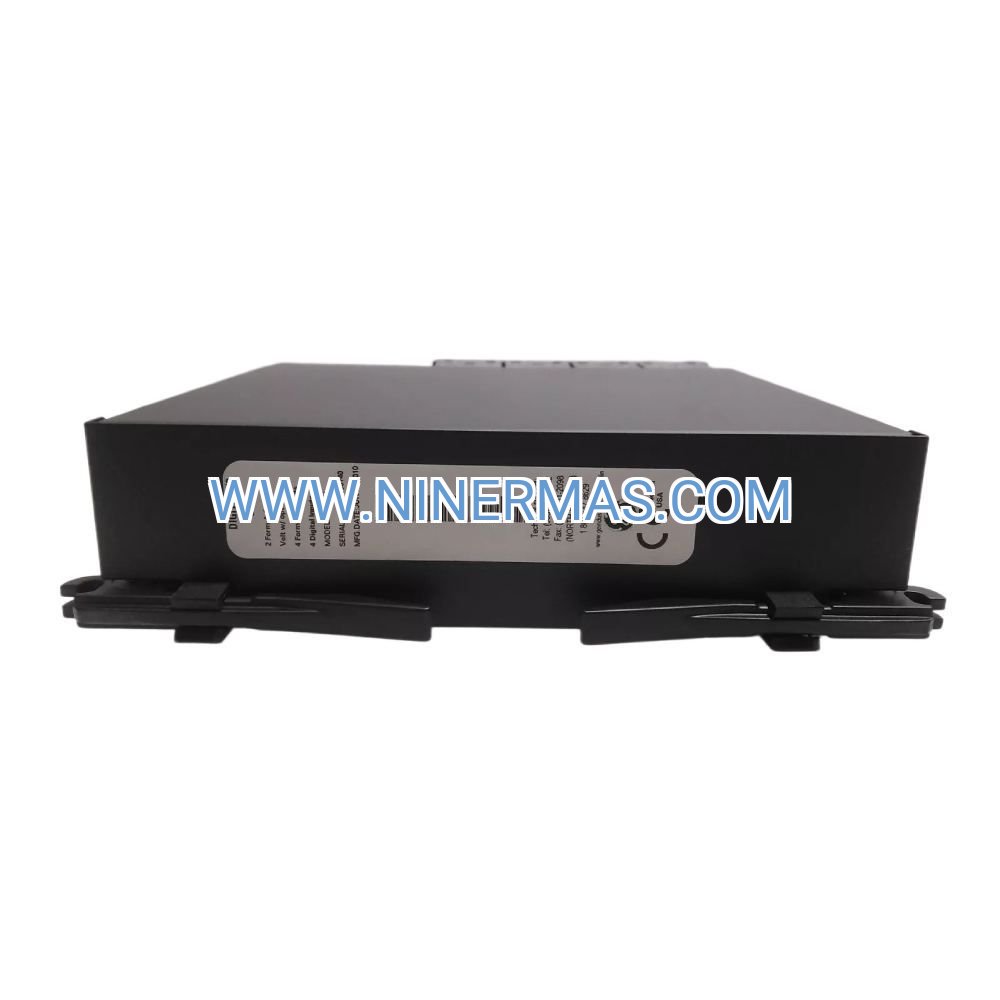
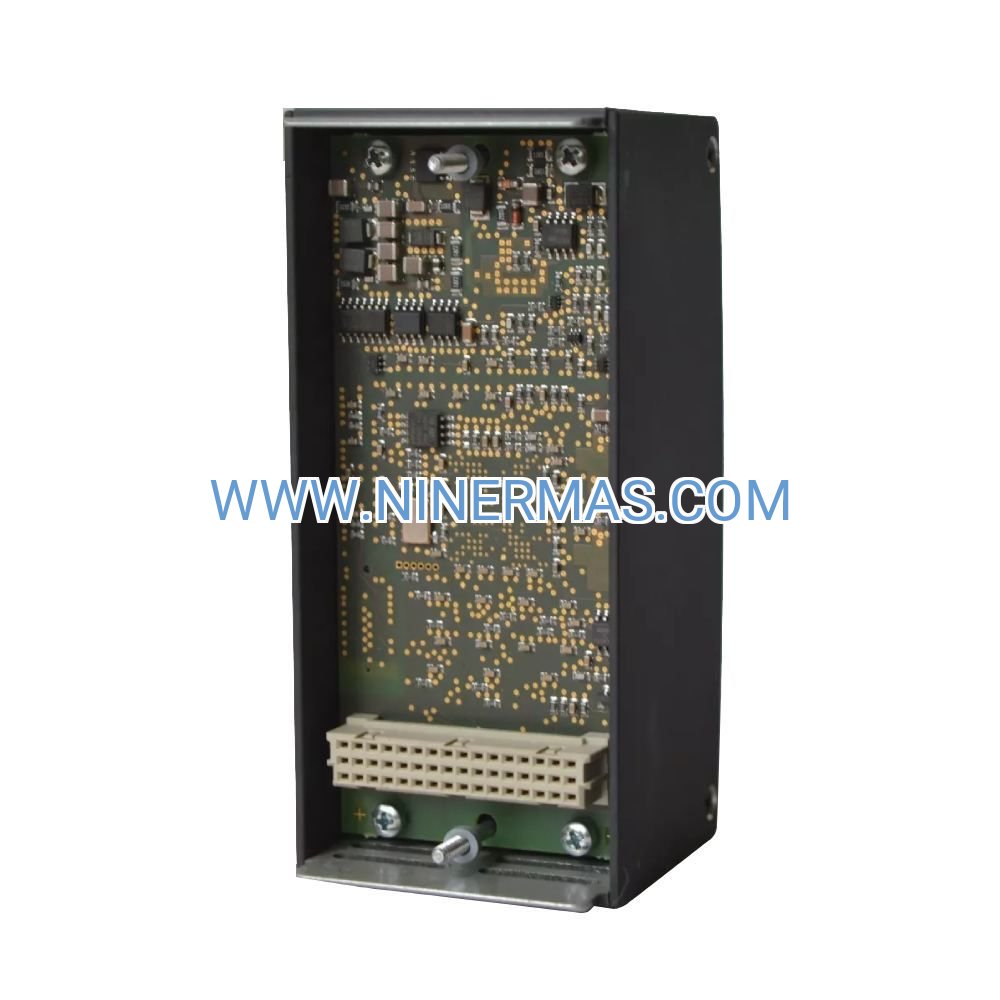
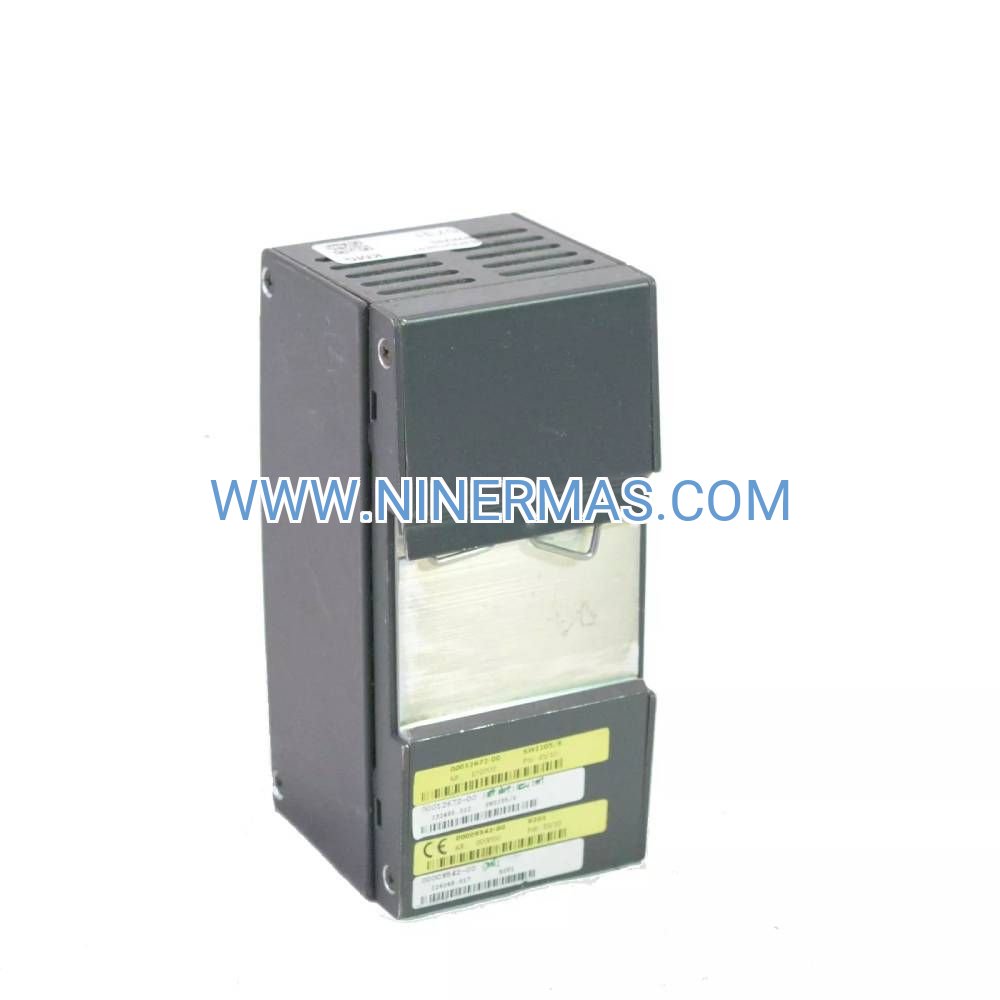
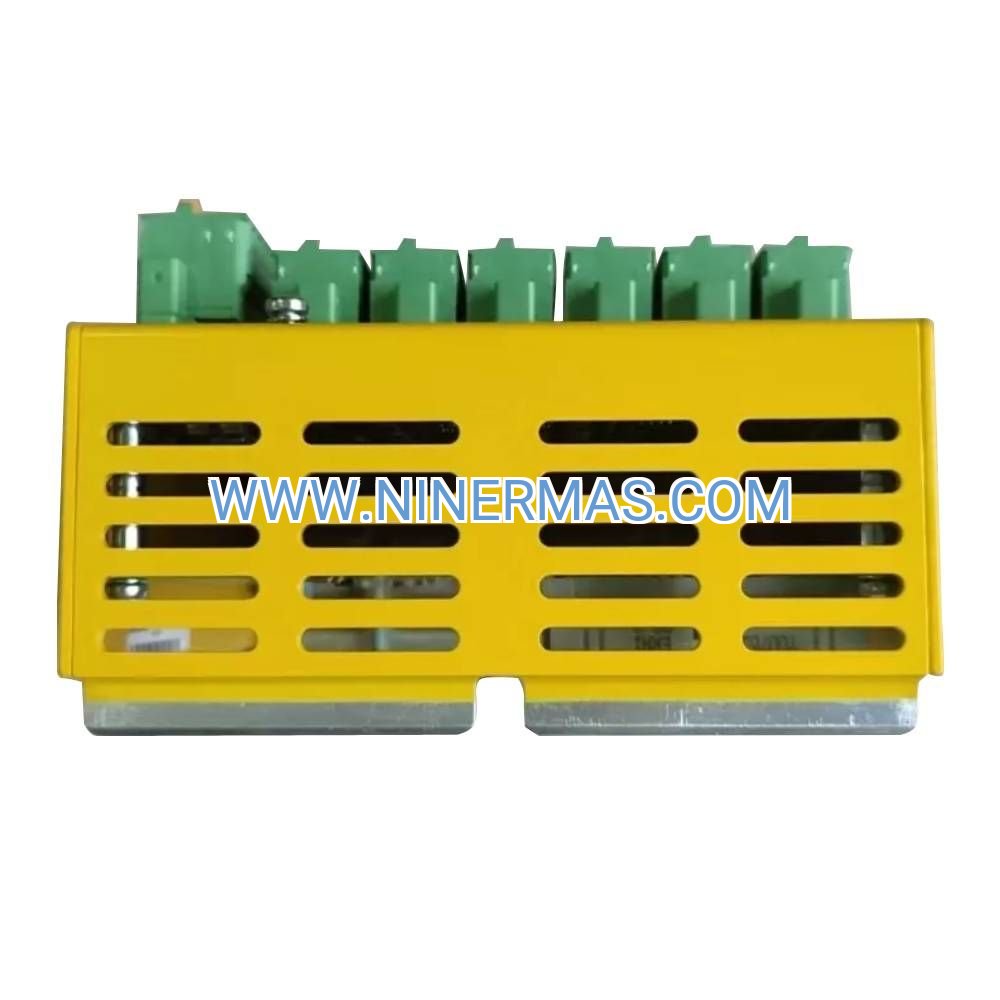
The GE 350-E-P1-G1-L-S-S-N-N-SN-N Feeder Protection Relay is an industrial control device designed for comprehensive electrical feeder protection in utility and industrial power distribution networks. Through advanced microprocessor-based protection algorithms and multi-protocol communication capabilities, it delivers real-time overcurrent protection, directional fault detection, voltage/frequency monitoring, and intelligent event recording to ensure system reliability and operational safety.
Ideal for utility substations, manufacturing facilities, renewable energy installations, commercial buildings, and critical infrastructure projects, this relay addresses common challenges including uncoordinated protection schemes, delayed fault response, inadequate system visibility, communication protocol incompatibility, and high maintenance costs associated with electromechanical relays.
Leveraging standardized design with customizable protection settings, the GE 350 offers multi-function protection integration, flexible CT/PT compatibility, rugged industrial construction, comprehensive fault diagnostics, and seamless SCADA connectivity—making it the preferred choice for design engineers, system integrators, electrical contractors, and facility maintenance teams. Contact our application engineers for customized protection coordination studies and technical specifications.
Core Functions & Competitive Advantages
Multi-Layer Protection Architecture
Integrates phase overcurrent (50/51), ground fault (50N/51N), directional overcurrent (67), under/overvoltage (27/59), and frequency protection (81O/U) within a single platform, eliminating the need for multiple discrete relays and reducing panel space requirements by up to 60%.
Adaptive Protection Coordination
User-configurable time-current curves (IEC/IEEE standards) with programmable pickup levels enable precise coordination with upstream circuit breakers and downstream protective devices, minimizing nuisance trips while maintaining selective fault isolation.
Real-Time Power System Metering
Continuous monitoring of three-phase currents, voltages, active/reactive power, power factor, frequency, and energy consumption provides operational visibility for predictive maintenance and load management strategies.
Comprehensive Event & Fault Recording
Time-stamped sequence-of-events recorder captures pre-fault and post-fault waveforms with 1ms resolution, supporting root cause analysis and compliance with utility reporting requirements such as NERC PRC standards.
Multi-Protocol SCADA Integration
Native support for Modbus RTU, DNP3.0, and IEC 61850 protocols ensures compatibility with legacy and modern automation systems, enabling centralized monitoring through platforms like GE iFIX, Siemens WinCC, or Schneider ClearSCADA.
Industrial-Hardened Construction
Meets IEC 60255 and IEEE C37.90 standards for electromagnetic compatibility, surge withstand, and environmental resilience, with operational temperature range of -40°C to +85°C suitable for outdoor substations and harsh industrial environments.
Intuitive Human-Machine Interface
Front-panel 40-character backlit LCD with multi-language support (English/Chinese/Spanish) displays real-time measurements, alarm status, and protection settings, reducing commissioning time and operator training requirements.
Typical Application Scenarios
This relay is engineered for power systems demanding high reliability, rapid fault clearance, and comprehensive system diagnostics, particularly in:
Utility Distribution Substations
Provides primary or backup protection for 4.16kV to 34.5kV distribution feeders, coordinating with reclosers and sectionalizers to minimize outage duration and improve service continuity indices (SAIDI/SAIFI). Commonly deployed alongside transformer differential relays and bus protection schemes.
Industrial Manufacturing Facilities
Protects motor feeders, process equipment circuits, and critical production lines in petrochemical plants, steel mills, automotive factories, and semiconductor fabs. Integrates with motor protection relays and variable frequency drives to prevent costly production interruptions.
Renewable Energy Power Plants
Supports solar photovoltaic inverter feeders, wind turbine collector systems, and battery energy storage interconnections, ensuring compliance with IEEE 1547 grid integration requirements and utility interconnection agreements.
Commercial & Institutional Buildings
Safeguards main distribution panels, emergency power feeders, and critical load circuits in hospitals, data centers, airports, and university campuses where power quality and uptime directly impact operations and safety.
Mining & Heavy Industry Operations
Withstands extreme environmental conditions in open-pit mines, cement plants, and offshore platforms, protecting high-power conveyors, crushers, and material handling systems against phase imbalance, ground faults, and voltage sags.
Technical Parameters & Selection Guide
To facilitate engineering design and equipment specification, we provide standardized configuration options with custom engineering available for unique project requirements.
| Parameter | Specification |
|---|---|
| Model Designation | 350-E-P1-G1-L-S-S-N-N-SN-N |
| Protection Elements | Phase OC (50/51), Ground OC (50N/51N), Directional (67), UV/OV (27/59), Freq (81) |
| Current Input Range | 1A or 5A CT secondary, 0.05-50× rated current |
| Voltage Input Range | 57.7-240V AC phase-neutral / 100-415V AC phase-phase |
| Auxiliary Power Supply | 90-300V DC or 90-240V AC, 50/60Hz, <15W consumption |
| Communication Ports | RS-485 (Modbus RTU/DNP3), Ethernet (IEC 61850 optional) |
| Contact Outputs | 6× Form-A relays, 7A @ 250V AC resistive, 0.3A @ 125V DC inductive |
| Digital Inputs | 8× programmable inputs, 24-250V DC/AC |
| Operating Temperature | -40°C to +85°C (-40°F to +185°F) |
| Enclosure Rating | IP20 (front panel), IP10 (rear terminals) |
| Mounting Configuration | Panel cutout or 19" rack mount (optional kit) |
| Compliance Standards | IEC 60255, IEEE C37.90, UL 508, CE marked |
Selection Recommendations
When specifying the GE 350 relay, consider the following system parameters: maximum fault current magnitude and duration, CT ratio and accuracy class (5P20 or 10P20 recommended), PT ratio and burden, required protection coordination with upstream/downstream devices, SCADA protocol requirements, environmental conditions (temperature, humidity, altitude), available panel space and cutout dimensions, and auxiliary power source availability. For complex applications involving multiple feeders, transformer protection, or arc flash mitigation, our application engineers can provide protection coordination studies, relay setting calculations, and AutoCAD panel layout drawings. Submit your single-line diagram, short-circuit study, and project timeline for customized technical proposals.
Advanced Configuration Capabilities
Programmable Logic & Automation
Built-in logic engine supports custom protection schemes, automatic transfer switching, load shedding sequences, and interlocking functions through user-defined Boolean equations, reducing the need for external PLCs in simple automation applications.
Adaptive Protection Settings Groups
Up to four independent setting groups enable seasonal adjustments, maintenance mode configurations, or operational scenario switching (e.g., grid-connected vs. islanded operation in microgrids) via digital inputs or SCADA commands.
Cybersecurity Features
Role-based access control with password protection, event logging of configuration changes, and optional encrypted communication channels help meet NERC CIP compliance requirements for critical infrastructure protection.
Waveform Capture & Oscillography
High-resolution fault recording captures 64 cycles of voltage and current waveforms at 32 samples per cycle, exportable in COMTRADE format for analysis in software tools like PSCAD, ETAP, or SKM PowerTools.
Delivery, Service & Quality Assurance
Lead Time & Availability
Standard catalog models ship within 3-5 business days from regional distribution centers. Custom-configured units with specific firmware versions, communication modules, or factory testing require 2-3 weeks. Expedited processing available for emergency replacements and critical project deadlines.
Warranty Coverage
All units include a comprehensive 12-month manufacturer warranty covering defects in materials, workmanship, and firmware. Extended warranty programs (up to 5 years) available for large fleet deployments and mission-critical installations.
Technical Support Services
Complimentary pre-sales application engineering assistance including protection coordination studies, relay setting calculations, and communication network design. Post-sales support includes remote commissioning assistance via video conference, on-site startup services (subject to geographic availability and project scope), and 24/7 technical hotline for troubleshooting.
Documentation Package
Each relay ships with comprehensive technical documentation: instruction manual with protection theory and setting guidelines, electrical connection diagrams (AC/DC wiring, CT/PT connections, communication interfaces), dimensional drawings and panel cutout templates, Modbus/DNP3 register maps and communication setup guides, sample protection settings for common applications, and COMTRADE file format specifications.
Factory Testing & Certification
All units undergo 100% functional testing including protection element verification, metering accuracy validation, communication protocol testing, and environmental stress screening. Test reports and calibration certificates available upon request for projects requiring documented traceability.
Frequently Asked Questions (FAQ)
Q: How does the GE 350 feeder protection relay integrate with existing SCADA systems?
A: The relay supports industry-standard Modbus RTU and DNP3.0 protocols over RS-485 serial communication, compatible with most legacy SCADA platforms. For modern Ethernet-based systems, an optional IEC 61850 communication module enables seamless integration with substation automation systems. Configuration requires mapping relay data points (measurements, status, controls) to SCADA tags using the provided register maps. Our technical team can assist with communication setup and SCADA point list development.
Q: What is the maximum number of feeders that can be protected with a single relay?
A: The GE 350 is designed as a single-feeder protection device, monitoring one three-phase circuit. For multi-feeder applications, deploy one relay per feeder to ensure independent protection and selective fault isolation. This architecture provides superior reliability compared to shared protection schemes and simplifies maintenance by allowing individual relay testing without system-wide outages.
Q: Can this relay achieve energy savings, and what conditions are required?
A: While the relay itself is a protection device (not a power-saving controller), its advanced metering capabilities enable energy management strategies that can reduce consumption by 8-15%. By monitoring power factor, demand peaks, and load profiles, facility managers can identify inefficient equipment, optimize capacitor bank switching, implement demand response programs, and schedule non-critical loads during off-peak periods. Maximum savings require integration with building management systems or energy management software.
Q: What are the environmental requirements for installation, and what is the enclosure protection rating?
A: The relay operates reliably in ambient temperatures from -40°C to +85°C with relative humidity up to 95% non-condensing, suitable for outdoor substations and industrial environments. The front panel meets IP20 rating (protection against finger contact and objects >12mm), while rear terminals are IP10 rated. For harsh environments with dust, moisture, or corrosive atmospheres, install the relay in a NEMA 4X or IP65-rated control panel with adequate ventilation to prevent internal condensation.
Q: Does the relay support remote monitoring and data acquisition capabilities?
A: Yes, the relay provides comprehensive remote access through its communication ports. Via Modbus RTU or DNP3.0 protocols, users can remotely retrieve real-time measurements (voltage, current, power, frequency), access event logs and fault records, download waveform captures in COMTRADE format, modify protection settings (with appropriate security credentials), and issue control commands such as trip/close or setting group changes. Remote capabilities require a communication gateway or RTU to bridge serial protocols to IP networks for internet access.
Q: How does the GE 350 compare to the SR750 feeder management relay in terms of functionality?
A: The GE 350 focuses on core protection functions (overcurrent, voltage, frequency) with essential metering and communication, optimized for cost-sensitive applications requiring reliable feeder protection. The SR750 expands capabilities with advanced metering (harmonics, demand, energy), additional I/O points, enhanced communication options, arc flash detection, and breaker monitoring features. Choose the 350 for straightforward feeder protection; select the SR750 for comprehensive feeder management with advanced diagnostics and control in critical or revenue-metering applications.
Request Technical Consultation
To receive customized protection coordination studies, relay setting calculations, or technical quotations, please provide the following project information: facility name and location, application type (utility substation, industrial plant, commercial building, renewable energy), system voltage and fault current levels, feeder load characteristics (rated current, power factor, starting current for motor feeders), existing protection devices and coordination requirements, SCADA system type and communication protocol preferences, environmental conditions and enclosure requirements, project timeline and delivery schedule. Our application engineers will respond within one business day with tailored recommendations and technical proposals.
© 2026 NINERMAS COMPANY LIMITED. All rights reserved.
Original Source: https://ninermas.com
Contact: sale@ninermas.com | +0086 187 5021 5667

Contact Info
-
Address:22 / F, South Wo Hang building, 148 Wing Lok Street, Sheung Wan, Western District, Hong Kong
-
Phone:+8618750215667
-
Email:
