Description
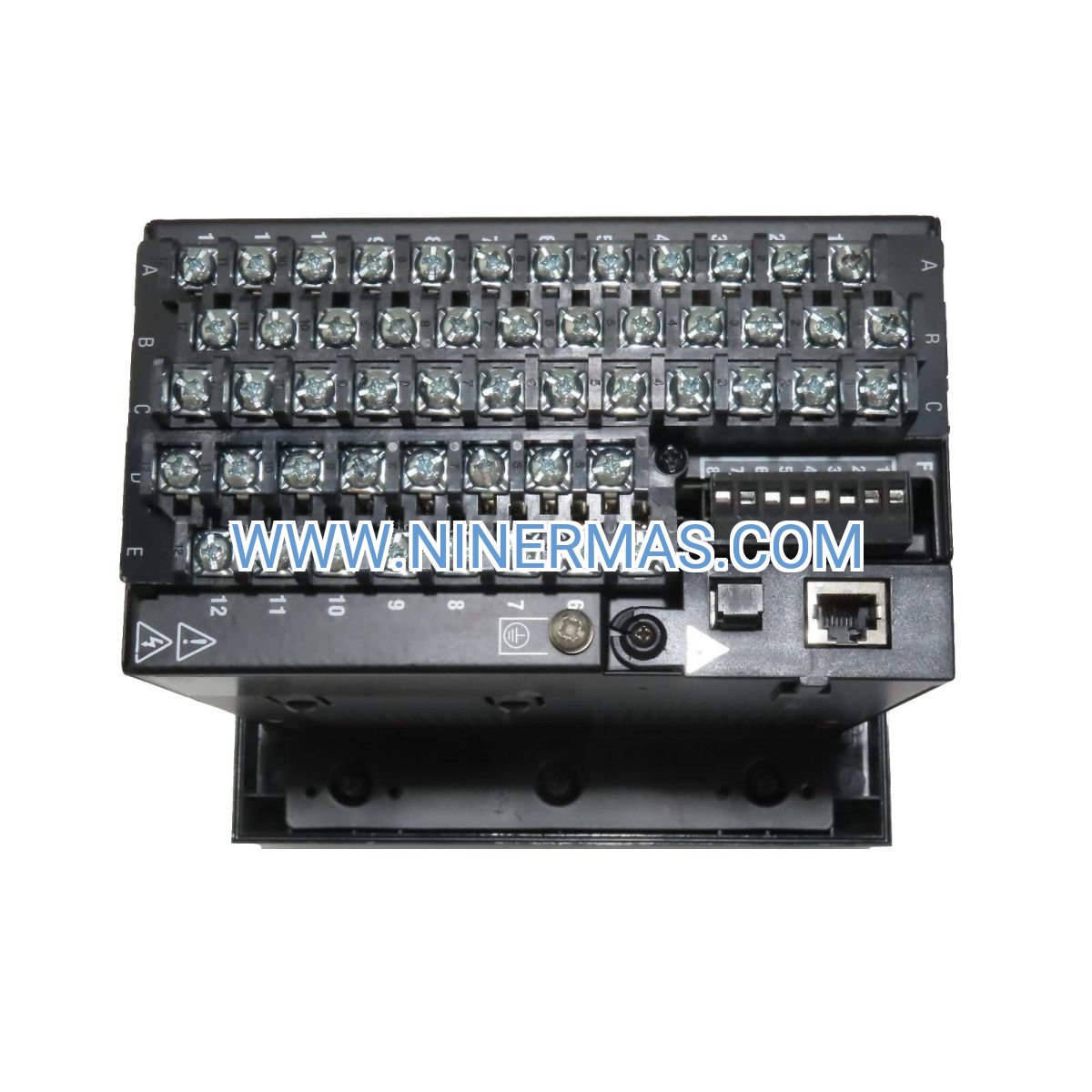
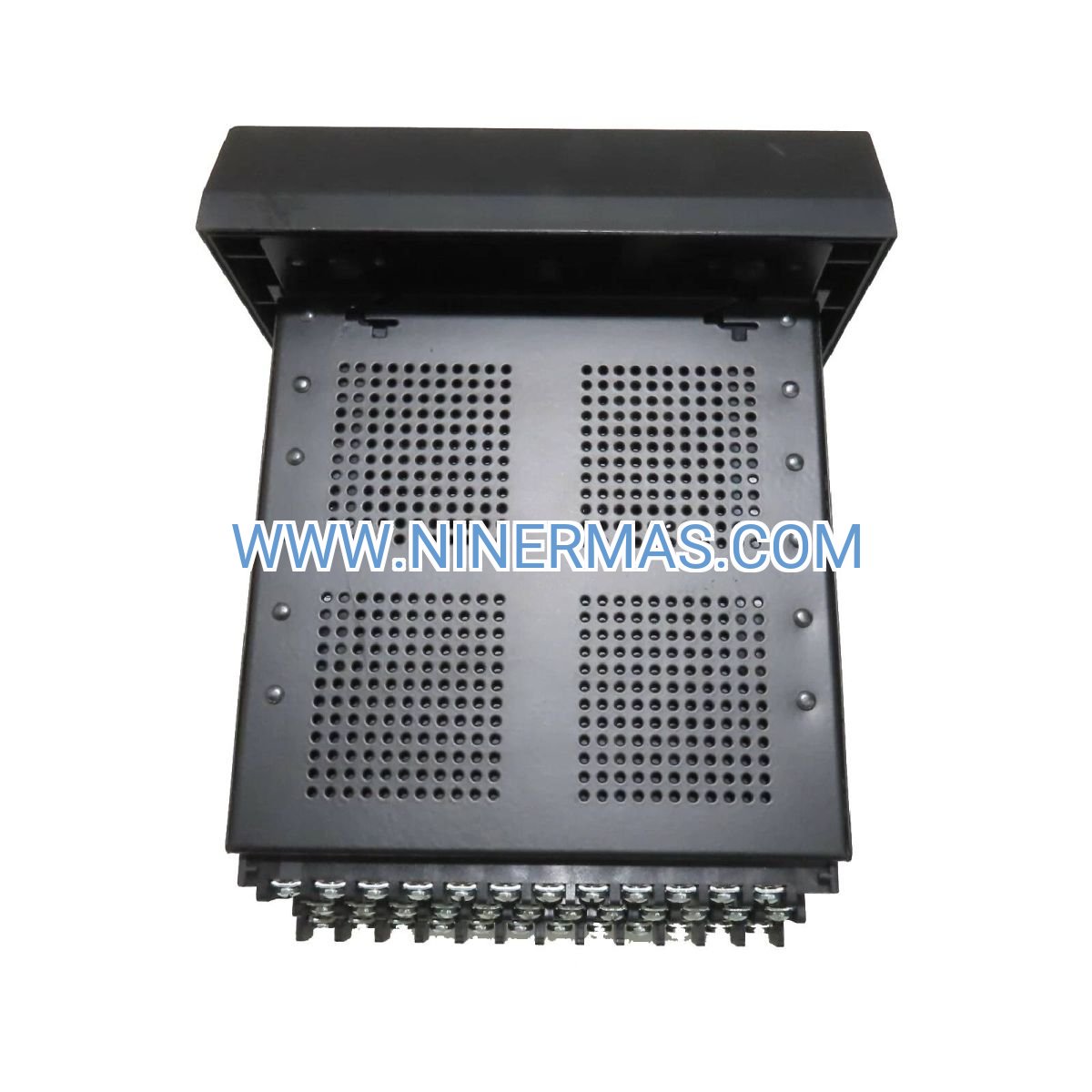
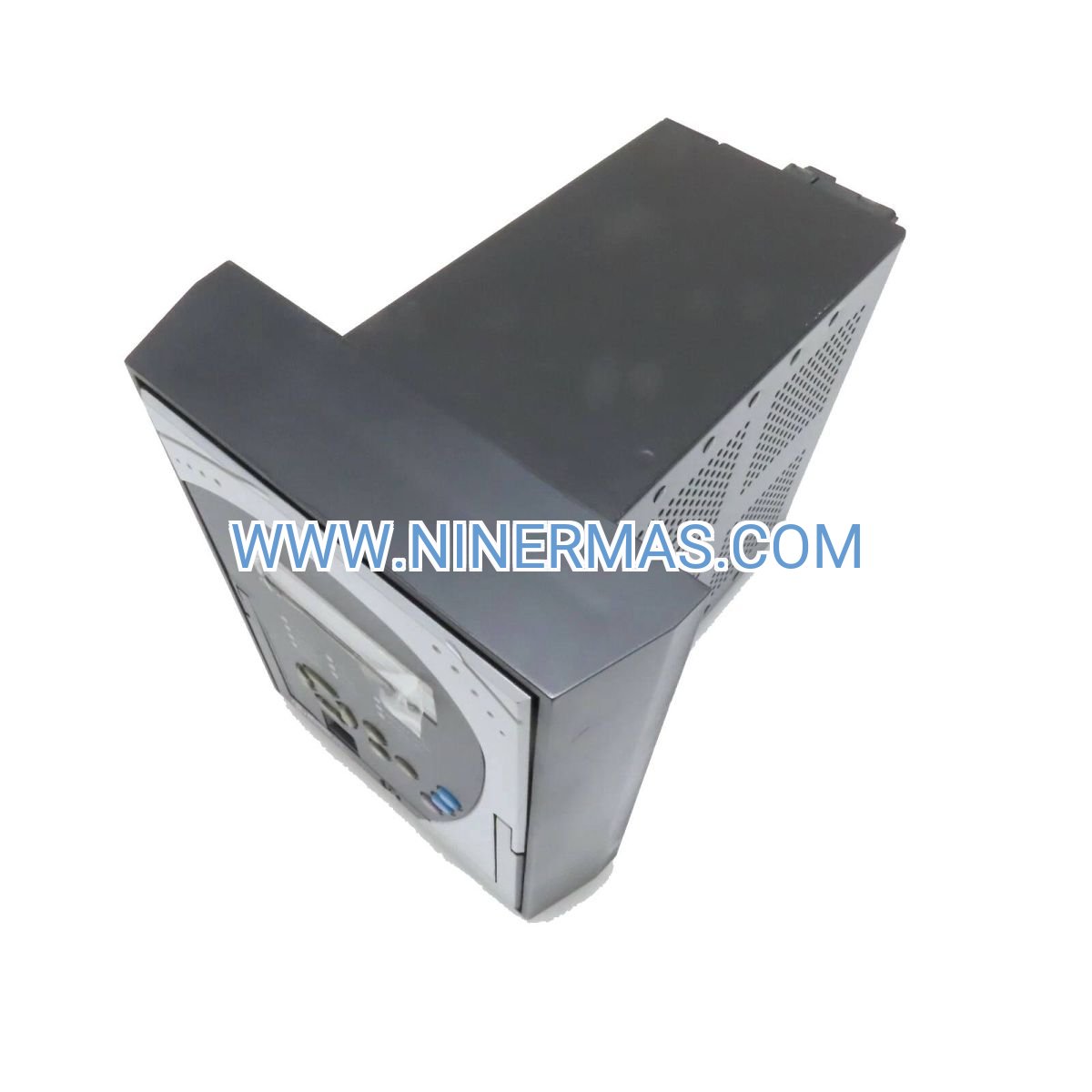
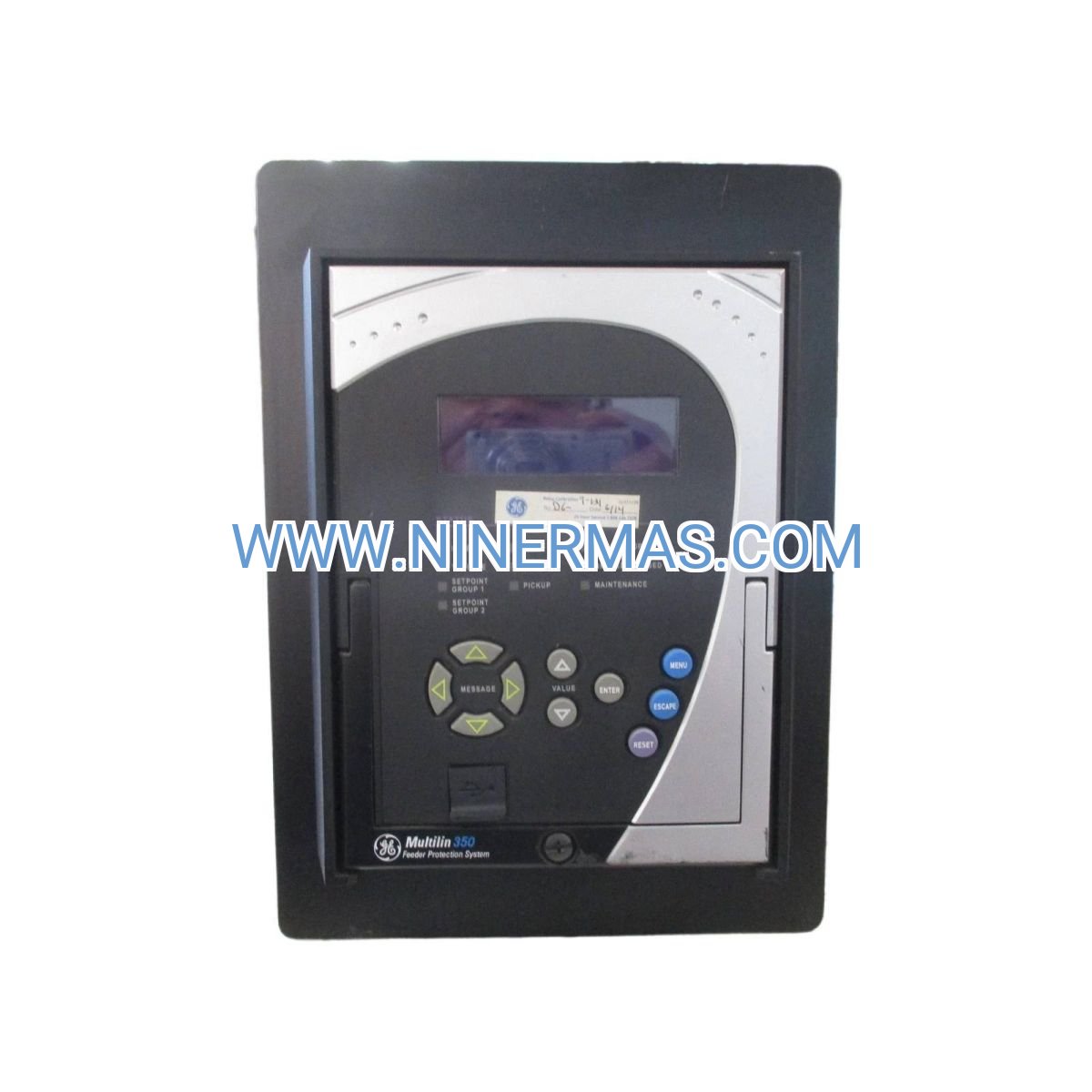
GE 350 Feeder Protection Relay (Industrial-Grade Distribution Control System)
The GE 350 Feeder Protection Relay is an industrial-grade protection and control device designed for distribution feeder applications, utilizing advanced microprocessor-based technology and multi-function protection algorithms to deliver reliable overcurrent protection, directional fault detection, automatic reclosing, and real-time system monitoring. Through integrated SCADA communication and comprehensive metering capabilities, this relay ensures continuous power supply stability and rapid fault isolation in critical infrastructure.
Engineered for utility distribution networks, industrial power systems, renewable energy substations, and commercial facility feeders, the GE 350 relay addresses common challenges including voltage fluctuations, fault coordination complexity, inadequate fault recording, delayed alarm response, and limited remote monitoring capabilities. Its modular architecture and flexible configuration enable seamless adaptation to diverse protection schemes and system topologies.
Built on standardized design principles with extensive customization options, this relay delivers exceptional reliability, energy efficiency through optimized load management, simplified maintenance workflows, broad protocol compatibility (DNP3.0, Modbus, IEC 61850), and comprehensive diagnostic capabilities. Ideal for consulting engineers, EPC contractors, system integrators, and end-user facilities requiring mission-critical power protection. Contact our protection engineering team for application-specific configuration, technical specifications, and competitive quotations.
Core Functions & Technical Advantages
Multi-Function Protection Suite
Integrates phase overcurrent (ANSI 50/51), ground fault (50N/51N), directional overcurrent (67), under/overvoltage (27/59), and frequency protection (81) within a single platform, eliminating the need for multiple discrete relays and reducing panel space requirements by up to 60% compared to conventional protection schemes.
Intelligent Reclosing Logic
Programmable automatic reclosing sequences (ANSI 79) with configurable shot counts, dead times, and synchronism check enable rapid service restoration for transient faults while preventing damage from permanent faults. Adaptive reclosing algorithms analyze fault characteristics to optimize clearing strategies and minimize customer interruption duration.
Precision Metering & Power Quality Monitoring
Real-time measurement of voltage, current, active power (kW), reactive power (kVAR), apparent power (kVA), power factor, frequency, and energy consumption with ±0.5% accuracy class. Harmonic analysis and waveform capture capabilities support power quality investigations and load profiling for system optimization.
Advanced Event & Fault Recording
High-resolution fault recording with pre-fault and post-fault waveform capture, sequence-of-events logging with 1ms time resolution, and oscillography data storage facilitate root cause analysis, protection coordination verification, and compliance documentation. Time-synchronized recording via IRIG-B or SNTP ensures accurate event correlation across multiple devices.
Comprehensive Self-Diagnostics
Continuous monitoring of CT/VT circuits, relay hardware, firmware integrity, and communication links with automatic alarm generation reduces undetected failures and enhances system availability. Built-in test routines verify protection element functionality without requiring external test equipment.
Flexible Communication Architecture
Dual communication ports supporting RS485 serial and Ethernet TCP/IP connectivity enable simultaneous local HMI access and remote SCADA integration. Protocol support includes DNP3.0 Level 2/3, Modbus RTU/TCP, and IEC 61850 Edition 2 with GOOSE messaging for high-speed peer-to-peer communication in digital substations.
Typical Application Scenarios
This relay is engineered for distribution systems demanding high reliability, fast fault clearing, and comprehensive monitoring capabilities, particularly in:
Utility Distribution Networks & Grid Infrastructure
Primary and backup protection for radial and loop-fed distribution feeders serving residential, commercial, and industrial loads. Coordinates with upstream substation relays and downstream reclosers to achieve selective fault isolation while maintaining service continuity for unfaulted sections. Supports voltage regulation schemes and capacitor bank switching control in smart grid applications.
Industrial Manufacturing & Process Facilities
Feeder protection for critical production lines, motor control centers, and auxiliary power distribution in petrochemical plants, steel mills, mining operations, automotive manufacturing, and semiconductor fabrication facilities. Integrates with plant DCS/SCADA systems for centralized monitoring and enables predictive maintenance through continuous load trend analysis and thermal overload tracking.
Renewable Energy Generation & Storage Systems
Distribution feeder protection in utility-scale solar photovoltaic arrays, wind farms, and battery energy storage systems (BESS) requiring bidirectional power flow protection, anti-islanding detection, and grid code compliance. Supports dynamic protection settings adaptation based on generation output and system operating modes.
Commercial Buildings & Critical Infrastructure
Mission-critical feeder protection for data centers, hospitals, airports, telecommunications facilities, and high-rise buildings where power interruptions result in significant operational impact or safety risks. Provides redundant protection layers and detailed fault diagnostics to minimize mean time to repair (MTTR) and support 99.99%+ availability targets.
Marine & Offshore Platforms
Rugged feeder protection for shipboard power systems, offshore oil & gas platforms, and floating production facilities operating in harsh environmental conditions with limited maintenance access. Wide operating temperature range (-40°C to +70°C) and enhanced EMI/RFI immunity ensure reliable operation in electrically noisy environments.
Technical Parameters & Selection Guide
To facilitate engineering design and equipment specification, we provide standardized configuration options with extensive customization capabilities to match specific project requirements.
| Parameter | Specification Range |
|---|---|
| Model Designation | 350-E-P1-G1-H-E-S-C-N (configurable suffix codes) |
| Control Power Supply | 48-250V DC or 110-240V AC, 50/60 Hz (universal input) |
| Current Input Rating | 1A or 5A nominal (field selectable), continuous rating 2× nominal |
| Voltage Input Rating | Phase-phase: 69-240V AC; Phase-neutral: 40-140V AC |
| Frequency Range | 45-65 Hz (auto-detecting 50/60 Hz systems) |
| Digital Inputs | 8 optically isolated inputs, 24-250V DC/AC |
| Output Contacts | 6 Form-C relays, 7A @ 250V AC continuous, 30A make/carry |
| Communication Interfaces | RS485 (standard), 10/100 Mbps Ethernet (optional module) |
| Protection Functions | 50/51, 50N/51N, 67, 67N, 79, 27, 59, 81O/U, 25, 50BF |
| Operating Temperature | -40°C to +70°C (-40°F to +158°F) |
| Enclosure Rating | IP52 front panel (NEMA 12 equivalent), IP20 rear terminals |
| Mounting Configuration | Panel flush mount or surface mount, standard 1/4 DIN cutout |
| Display Interface | 40-character backlit LCD with 8-key navigation |
| Compliance Standards | IEC 60255, IEEE C37.90, UL/CSA, CE marked |
Selection Considerations & Engineering Guidelines
When specifying the GE 350 relay, consider the following system parameters: maximum and minimum load current levels, fault current magnitude and duration, system voltage class and configuration (wye/delta), required protection coordination with upstream/downstream devices, available control power supply voltage, panel space constraints and mounting orientation, environmental conditions (temperature, humidity, altitude), communication protocol requirements for SCADA integration, and desired level of metering/recording functionality. For complex applications involving multiple feeders, parallel sources, or special protection schemes, consult with our protection engineering team who can provide detailed coordination studies, settings calculations, and application notes tailored to your specific system architecture.
Extended Functionality & Integration Capabilities
Programmable Logic & Automation
Built-in programmable logic engine with 128 virtual inputs/outputs enables custom protection schemes, interlocking sequences, and automated switching operations without external PLCs. FlexLogic™ equations support Boolean operations, timers, counters, and analog comparisons for implementing application-specific control strategies.
Load Management & Demand Control
Integrated load shedding and restoration functions based on configurable priority levels, frequency deviation, or external control signals help maintain system stability during generation deficits or emergency conditions. Demand monitoring with programmable alarm thresholds supports energy management and peak demand reduction initiatives.
Cybersecurity Features
Role-based access control with password protection, encrypted communication options (TLS/SSL), audit logging of configuration changes and access attempts, and compliance with IEC 62351 security standards protect against unauthorized access and cyber threats in connected substation environments.
Multi-Language Support
User interface available in English, Spanish, French, German, Portuguese, Russian, and Chinese simplifies commissioning and operation in international projects and facilitates knowledge transfer to local operations personnel.
Delivery, Service & Quality Assurance
Lead Time & Availability
Standard catalog configurations ship from stock within 3-5 business days. Custom-configured units with specific suffix codes, extended I/O modules, or special communication options require 2-3 weeks for factory assembly and testing. Expedited processing available for critical outage replacements and emergency projects.
Warranty Coverage
All GE 350 relays include a comprehensive 24-month manufacturer warranty covering defects in materials and workmanship under normal operating conditions. Extended warranty programs and advance replacement services available for mission-critical installations requiring maximum uptime assurance.
Technical Support & Commissioning Assistance
Complimentary pre-sales application engineering support includes protection coordination analysis, settings calculation verification, and communication architecture design. Post-delivery services include remote commissioning assistance via web conference, on-site startup supervision (regional availability), and 24/7 technical hotline access for troubleshooting and diagnostic support.
Documentation & Training Resources
Each relay ships with complete technical documentation including instruction manual, quick start guide, wiring diagrams, protection function descriptions, communication protocol implementation guides, and settings calculation worksheets. Online training modules and webinar series available for protection engineers and maintenance technicians seeking to maximize relay capabilities and optimize protection performance.
Quality Certifications
Manufactured in ISO 9001:2015 certified facilities with rigorous quality control processes including 100% functional testing, environmental stress screening, and calibration verification traceable to NIST standards. Products meet or exceed requirements of IEC 60255 series, IEEE C37.90 series, and applicable regional standards (UL, CSA, CE, CCC).
Frequently Asked Questions (FAQ)
Q: How does the GE 350 feeder protection relay integrate with existing SCADA systems?
A: The relay supports industry-standard protocols including DNP3.0 (Level 2/3), Modbus RTU/TCP, and IEC 61850, ensuring compatibility with virtually all SCADA platforms from vendors such as Schneider Electric, Siemens, ABB, and GE Digital. Communication mapping is fully configurable through the relay's settings software, allowing custom data point assignments for measurements, status indications, and control commands. For IEC 61850 implementations, pre-configured ICD files accelerate system integration and reduce engineering time.
Q: Can this relay replace legacy electromechanical or early digital relays in existing substations?
A: Yes, the GE 350 is specifically designed for retrofit applications and maintains compatibility with standard CT/VT secondary circuits (1A or 5A current, 69-240V voltage). The relay's compact 1/4 DIN form factor fits existing panel cutouts, and its universal power supply input (48-250V DC/AC) accommodates diverse station battery and control power configurations. Migration from electromechanical relays typically results in 70-80% reduction in panel space requirements and eliminates periodic maintenance tasks such as contact cleaning and mechanical adjustments.
Q: What is the typical fault clearing time for instantaneous overcurrent elements?
A: Instantaneous overcurrent elements (ANSI 50/50N) operate in less than 30 milliseconds from fault inception to contact output, including CT transient response time and relay processing delay. When combined with modern vacuum or SF6 circuit breakers having 2-3 cycle interrupting times, total fault clearing times of 50-80 milliseconds are achievable, minimizing equipment stress and improving power quality for sensitive loads.
Q: How many protection setting groups can be stored, and how are they activated?
A: The relay supports up to 6 independent setting groups, each containing complete protection, control, and metering configurations. Group selection can be triggered via digital inputs, communication commands from SCADA, front panel selection, or programmable logic conditions based on system operating mode (e.g., normal vs. maintenance, high load vs. low load). Active group changes are logged with time stamps for audit trail purposes.
Q: Is the relay suitable for applications with bidirectional power flow, such as distributed generation interconnections?
A: Absolutely. The directional overcurrent elements (ANSI 67/67N) accurately determine fault direction regardless of power flow direction, making the relay ideal for feeders with embedded generation, microgrids, or battery storage systems. Anti-islanding protection, reverse power detection, and synchronism check functions support IEEE 1547 and utility interconnection requirements for distributed energy resources.
Q: What cybersecurity measures are implemented to protect against unauthorized access?
A: The relay implements multiple security layers including password-protected access with configurable privilege levels (view-only, operator, engineer, administrator), encrypted communication options for Ethernet connections, audit logging of all configuration changes and login attempts, and optional physical port disable features. For IEC 61850 networks, the relay supports role-based access control (RBAC) and can integrate with centralized security management systems compliant with IEC 62351 standards.
Q: Can fault records and event logs be retrieved remotely for post-incident analysis?
A: Yes, all fault records, oscillography files, event sequences, and metering data can be accessed remotely via communication protocols or dedicated relay management software. The relay stores up to 512 time-stamped events and 40 fault records with pre-fault and post-fault waveforms (configurable duration). Data can be automatically pushed to centralized fault analysis systems or retrieved on-demand for protection performance evaluation and system disturbance investigations.
Request Technical Consultation & Quotation
To receive detailed application engineering support, customized protection coordination studies, or competitive project quotations, please provide the following information to our protection systems team:
- Project Overview: Facility name, location, and application type (utility, industrial, commercial, renewable)
- System Parameters: Voltage class, fault current levels (3-phase and ground), load characteristics
- Protection Requirements: Desired protection functions, coordination constraints with existing devices
- Feeder Configuration: Number of feeders, cable/overhead construction, length, load distribution
- Communication Needs: SCADA protocol, network architecture, required data points
- Environmental Conditions: Operating temperature range, altitude, seismic requirements
- Quantity & Timeline: Number of relays required, project schedule, delivery location
Our protection engineering specialists will respond within 24 hours with preliminary recommendations, technical clarifications, and budget pricing. For complex multi-feeder projects, we offer complimentary coordination studies and settings calculation services to ensure optimal protection performance and regulatory compliance.
© 2026 NINERMAS COMPANY LIMITED. All rights reserved.
Original Source: https://ninermas.com
Contact: sale@ninermas.com | +0086 187 5021 5667

Contact Info
-
Address:22 / F, South Wo Hang building, 148 Wing Lok Street, Sheung Wan, Western District, Hong Kong
-
Phone:+8618750215667
-
Email: